When To Plant Fall Vegetables In Louisiana Before The Season Closes
August heat doesn’t end your growing season, it hides the next chapter. Louisiana teaches you that silence in August often misleads. Beneath your tired soil, seeds are already waiting. Cooler nights arrive quietly, but your fastest neighbors already move quicker.
Timing decides whether your fall harvest thrives or struggles. Wait too long and your window closes fast. Rush too soon and heat overwhelms your tender roots. Soil still holds hidden warmth that tests your careless planning this month.
Louisiana’s climate plays by rules your calendar cannot predict. Few realize how narrow your actual fall planting window stays open. Smart gardeners start their trays while you still hesitate. You hold far more control over this than you think.
Patience helps, but your precision matters more. Strategy beats guesswork when you plant early. Your next big decision quietly shapes what fills your plate later. What comes next will decide your entire fall harvest.
1. Start Seeds Indoors For Broccoli, Cabbage, And Cauliflower
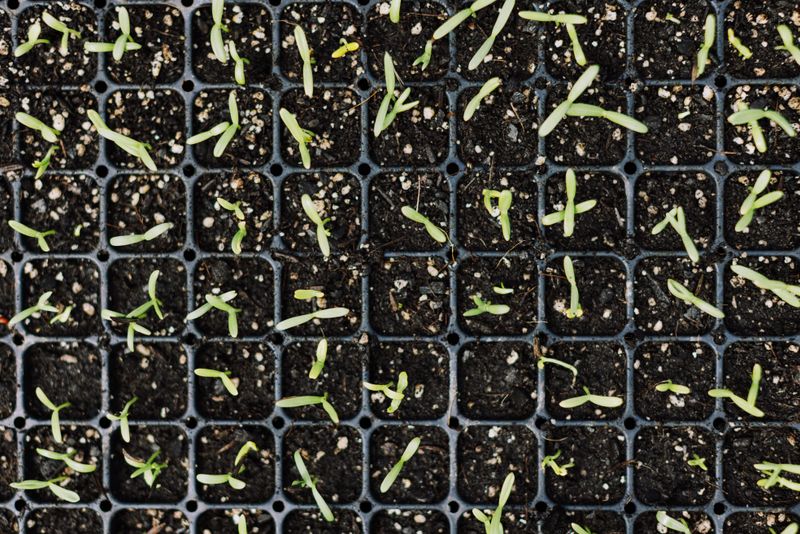
Nobody wants to think about cool-weather crops when the thermometer reads 98 degrees. But the cole crop family needs a long runway, and July is when that runway starts.
Broccoli, cabbage, and cauliflower take roughly six to eight weeks to reach transplant size. Starting them in trays around late July gives you sturdy plants ready to go into the ground by early or mid September.
Keep the trays somewhere shaded and breezy, like a covered porch or under a shop light indoors. Direct August sun can scorch a tender seedling quickly.
Use a light seed-starting mix rather than heavy garden soil, which packs down and holds too much water. Water gently from below when you can, since a hard spray flattens young stems.
Louisiana gardeners often see transplants struggle during sudden heat spikes, so harden the plants off slowly. Give them an hour of morning sun the first day, then stretch that window over a week or so.
Pick varieties bred for southern heat and short winters. Cabbage types like Bravo and broccoli such as Packman are bred to handle temperature swings common in southern climates.
A little planning here pays off in December when you are cutting broccoli heads while your neighbors buy theirs at the store. According to local gardening lore, cabbage has long been considered a Louisiana winter staple, with roots tracing back to early French settlers.
2. Sow Bush Beans And Summer Squash For A Quick Second Crop
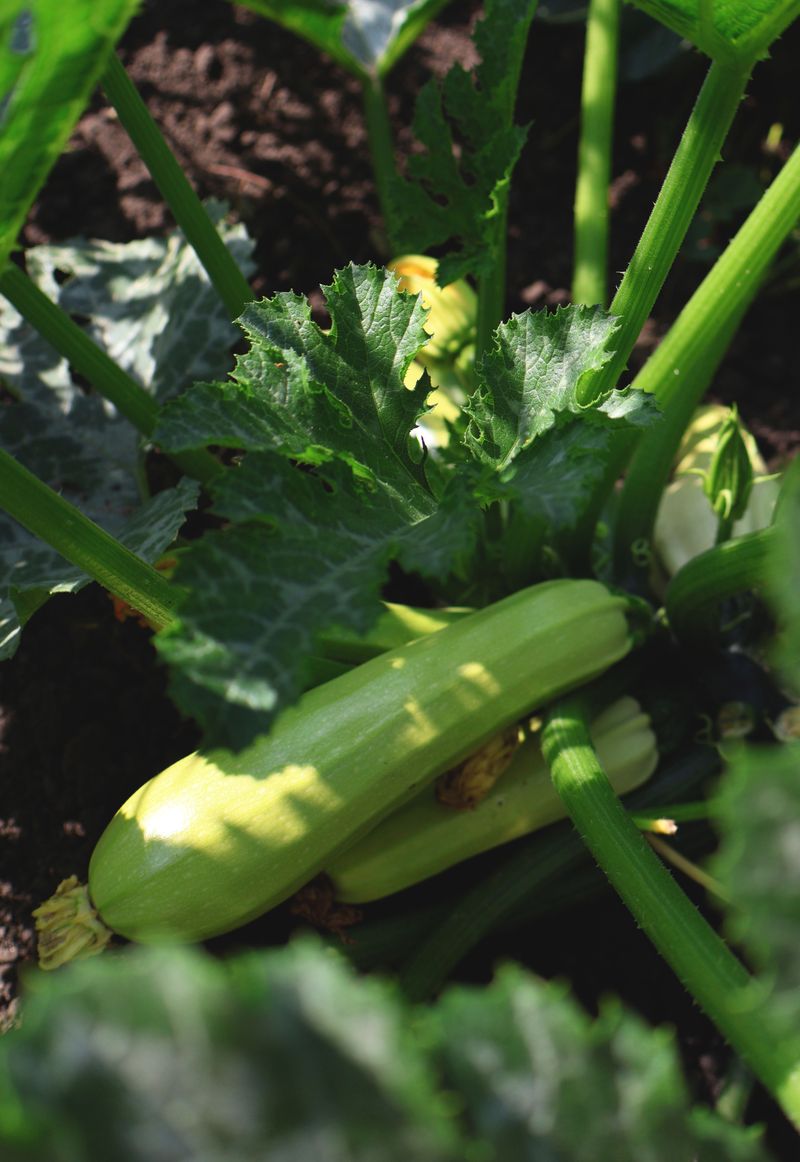
Here is a fact that surprises new gardeners: beans and squash get a second turn in Louisiana. Our long warm tail end of the year gives them just enough room.
Mid August is the sweet spot for direct-sowing bush beans across most of the state. They mature in about 50 to 60 days, which lands harvest comfortably before the first cool snap arrives.
Summer squash and zucchini follow the same schedule. Fall plantings often produce cleaner fruit because squash vine borers have mostly wrapped up their busy season by then.
Soak bean seeds for a couple of hours before planting to speed germination in dry August soil. Then water the row daily until sprouts break through, since crusted ground blocks tender shoots.
Your Louisiana Garden Changes Every Week. Your Plan Should Too.
Gardening in Louisiana changes quickly throughout the season. Every Friday you’ll receive a simple weekly plan showing exactly what to plant, prune, fertilize, harvest, and protect so you never miss the right timing.
Mulch matters more than people expect this time of year. A two-inch layer of pine straw keeps roots cooler and cuts your watering chores nearly in half.
Watch for stink bugs and leaf-footed bugs, which are still active and hungry. Handpicking in the early morning works well, and a row cover over young plants buys you time.
Pole beans need longer, so skip them unless you are gardening in south Louisiana with a later frost date. Bush types finish faster and fit the shrinking window better.
By October you will be snapping fresh beans while the summer garden is nothing but memory and dry vines.
3. Get Tomatoes And Peppers In The Ground For Fall Fruit
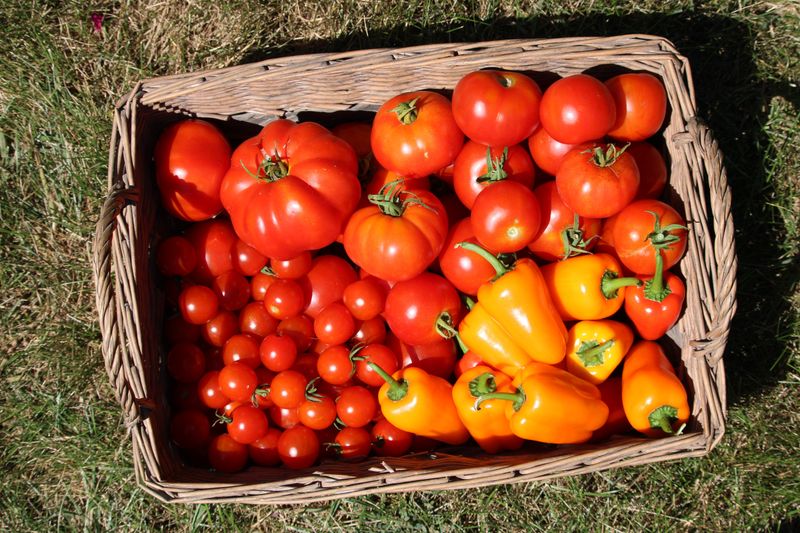
Fall tomatoes are one of the best-kept secrets in Louisiana gardening. Cooler nights in October sweeten the fruit in a way July heat simply cannot.
Transplants should go in between mid and late August, though south Louisiana can stretch into the first week of September. Any later and blossoms will not set before temperatures drop below the mid fifties.
Buy stocky transplants rather than starting from seed at this point, since you are racing the calendar. Look for short, thick stems and deep green leaves without any yellowing at the base.
Shade cloth stretched over the row for the first ten days helps enormously. Newly planted tomatoes wilt fast in late summer sun, and a bit of filtered light keeps them steady.
Choose determinate or short-season varieties that ripen in 65 to 75 days. Celebrity, Florida 91, and Solar Fire all handle heat while setting fruit reliably.
Peppers follow the same timing and honestly do even better. Bell peppers planted in August often color up beautifully by late October, thick-walled and sweet.
Feed lightly with a balanced fertilizer at planting, then side-dress once flowers appear. Too much nitrogen gives you a jungle of leaves and very little fruit.
Keep a lightweight frost blanket handy for November. One covered night can extend your harvest by two or three additional weeks.
4. Direct Sow Carrots, Beets, And Turnips
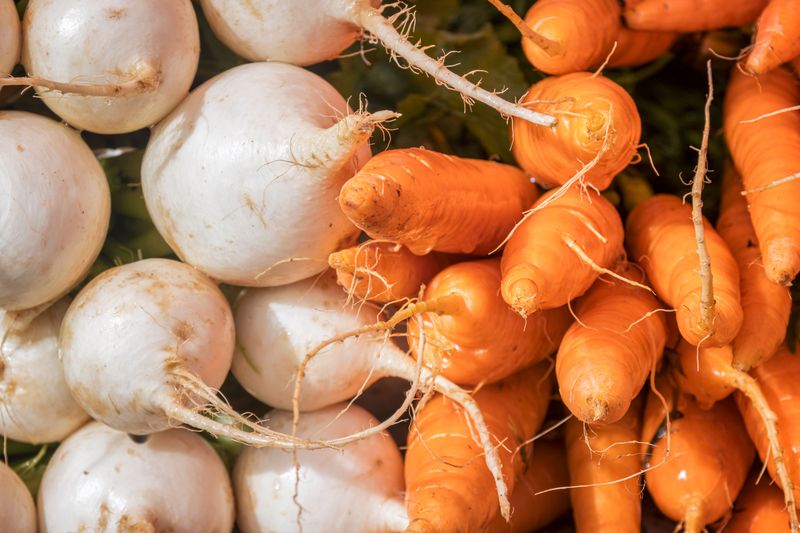
Root crops ask for very little and give back a lot. September is when Louisiana soil finally cools enough to make them happy.
Carrots, beets, and turnips all go in as seed directly where they will grow. Transplanting root vegetables leads to forked, twisted results, so skip the trays entirely.
Loosen the bed at least ten inches deep before sowing. Rocks, clay clods, and hard pans force roots to split, and Louisiana clay needs real help in this department.
Carrot seeds are tiny and slow, sometimes taking two full weeks to sprout. Cover the row with a damp burlap sack or board until you see green, then remove it immediately.
Beets are the forgiving cousin of the group. Each seed cluster produces several plants, so thinning is required, and the thinnings make excellent salad greens.
Turnips grow fast enough that you can plant a second round in October. Purple Top White Globe remains a Louisiana classic, and the greens are as valuable as the roots.
Thin seedlings to proper spacing even though it feels wasteful. Crowded carrots stay pencil-thin no matter how much you water them.
A light dusting of wood ash or a low-nitrogen fertilizer encourages root development. Heavy nitrogen pushes leafy tops while the underground part stays disappointing.
Harvest carrots after the first cool nights for noticeably sweeter flavor.
5. Transplant Your Broccoli And Cabbage Starts Outdoors
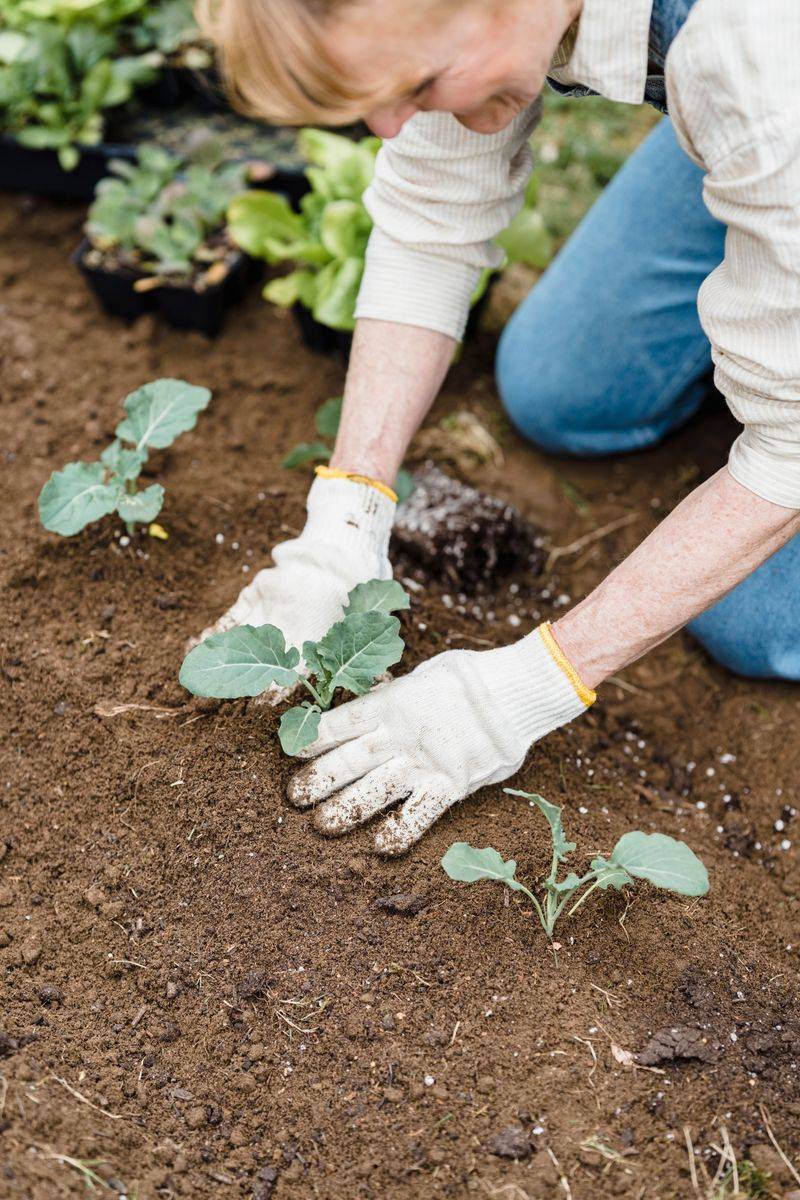
All that July seed-starting effort finally pays off in the middle of September. The seedlings you babied on the porch are ready for real estate.
Set transplants out on a cloudy afternoon or in the early evening. Midday planting stresses roots at the worst possible moment, and a gentle start makes a noticeable difference.
Space cabbage about twelve to eighteen inches apart, broccoli around eighteen inches, and cauliflower a bit wider. Cramped cole crops produce small heads and trap humidity that invites leaf spot.
Water deeply right after planting, then apply straw or leaf mulch around each plant. Mulch keeps the root zone steady while daytime temperatures still climb into the eighties.
Cabbage loopers and imported cabbageworms show up almost immediately in Louisiana. A weekly spray of Bt, which is low-risk for people and pets, handles them without synthetic pesticides.
Feed with a nitrogen-rich fertilizer about three weeks after transplanting. Cole crops are heavy feeders, and a hungry broccoli plant simply refuses to form a head worth cutting.
Cauliflower needs an extra step called blanching. Once the curd reaches egg size, fold the outer leaves over it and secure them loosely so the head stays pale and tender.
By late November and December you should be harvesting steadily. Broccoli even sends out side shoots for weeks after the main head is cut.
6. Plant Leafy Greens Like Mustard, Collards, And Kale
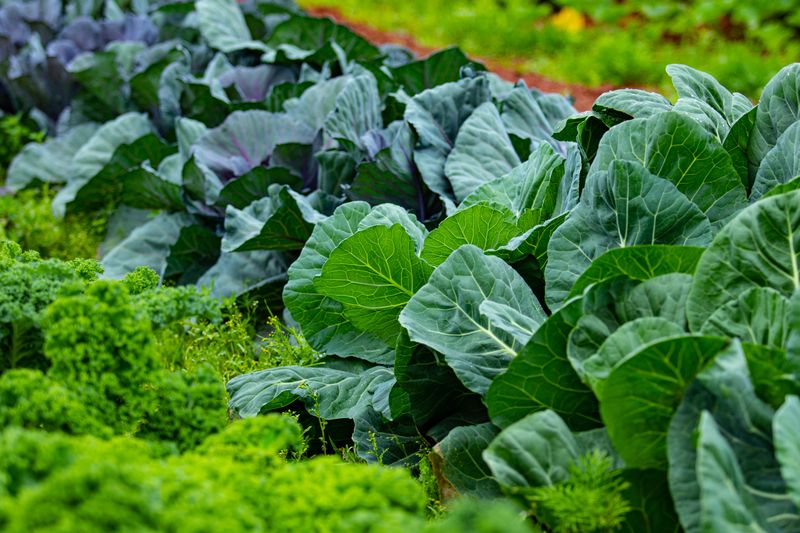
Greens are the backbone of a Louisiana fall garden, and grandmothers across the state would agree. They grow fast, taste better after cold, and rarely complain.
Mustard, collards, kale, and turnip greens can all be direct sown from late September through October. Seeds sprout within a week once soil temperatures settle into the seventies.
Sow thickly and thin as the plants grow, eating the thinnings along the way. Baby mustard leaves are peppery and wonderful in a sandwich.
Collards deserve special respect here. A single plant can feed a household for months if you harvest the lower leaves and let the center keep growing upward.
Kale handles Louisiana winters with almost comic ease. Frost actually improves the flavor by turning stored starch into sugar, which is why December kale tastes sweeter than October kale.
Aphids are the main nuisance, clustering under leaves where you cannot see them. A strong spray of water every few days keeps populations manageable without any product at all.
Give greens about one inch of water per week and a nitrogen boost every three weeks. Leafy crops want nitrogen the way squash wants sunshine.
Succession planting works beautifully. Drop a new short row every two weeks through October and you will have tender greens straight through February.
Louisiana cooks have paired collards with pot likker and cornbread for generations, and there is a reason that tradition sticks.
7. Tuck In Garlic, Shallots, And Multiplying Onions
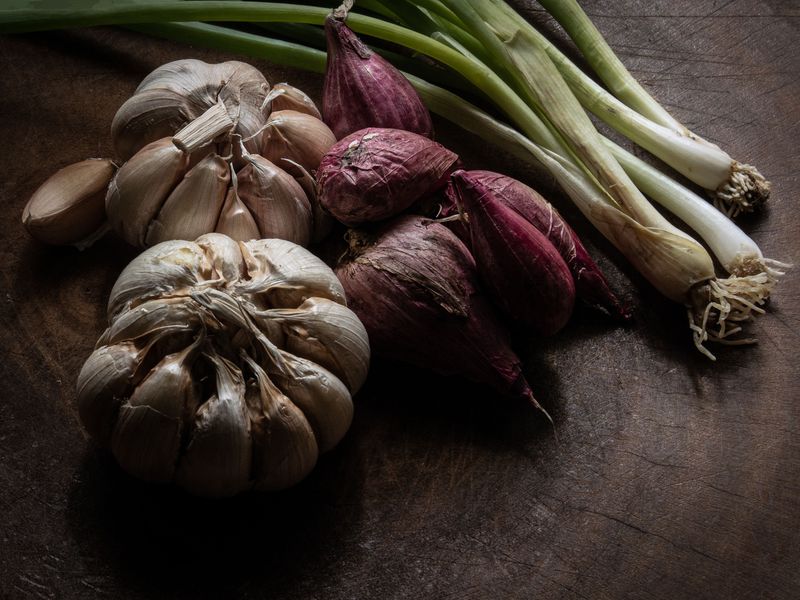
Alliums play the long game. Plant them in October and you will not harvest until late spring, which feels odd until the first time you taste homegrown garlic.
Break garlic bulbs into individual cloves right before planting, keeping the papery skin on. Push each clove pointed end up, about two inches deep and six inches apart.
Softneck varieties suit Louisiana far better than hardneck types. Creole and Italian softnecks handle our mild winters, while hardnecks need a real cold spell they will not get here.
Shallots and multiplying onions go in the same way and on the same schedule. Each bulb you plant divides into a cluster, so one becomes six or eight by spring.
Drainage is the make-or-break factor. Raised beds or mounded rows keep bulbs out of standing water during our soggy winter rains.
Mulch with three inches of pine straw after planting. Mulch smothers winter weeds, and weeds are a leading reason home garlic crops underperform.
Feed lightly in January and again in early March when growth picks up speed. Stop feeding once bulbs begin swelling in April.
Green onions, meanwhile, can be seeded in October for cutting all winter long. They regrow after each trim, which makes them very practical.
Creole garlic has long been associated with Louisiana gardens, with a history tied to the region’s early trade routes.
8. Squeeze In Lettuce, Radishes, And Spinach Before The Window Shuts
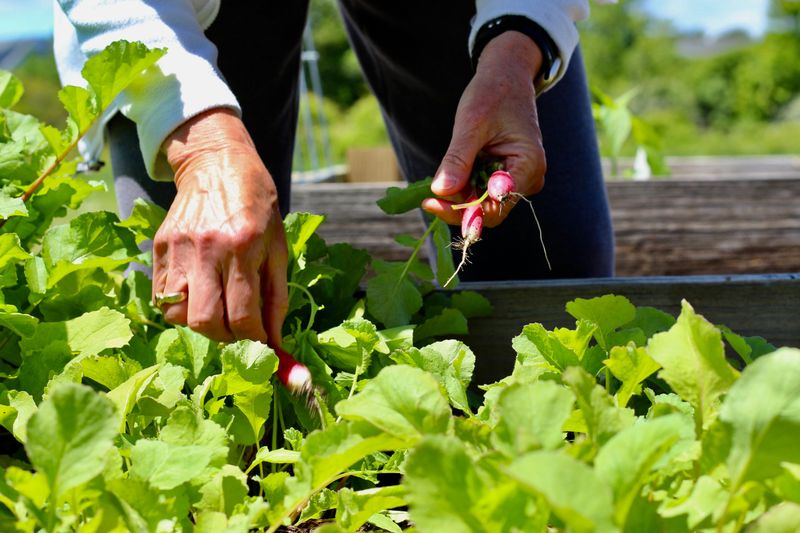
The season is not finished just because Thanksgiving decorations are up. Louisiana hands you extra weeks that northern gardeners can only envy.
Radishes are the fastest reward in the garden, going from seed to plate in 25 to 30 days. Sow a short row every ten days through December for a steady supply.
Leaf lettuce works better than head types this late in the year. Varieties like Black Seeded Simpson and Red Sails grow quickly and let you harvest outer leaves repeatedly.
Spinach appreciates the chill and can be sown into December in most parishes. Germination improves if you chill the seed packet in the refrigerator for a few days first.
Low hoop tunnels made from PVC and frost cloth turn a cold snap into a non-event. The setup is inexpensive and can pay for itself in one winter.
Container growing is a smart move for these late crops. Pots warm faster on sunny days and can be scooted against a south-facing wall when temperatures dip.
Water less often now, since cool air and shorter days slow evaporation considerably. Soggy winter soil causes more trouble than dry soil ever will.
South Louisiana gardeners often harvest lettuce right through February with barely any protection. North Louisiana should plan on covering beds a handful of nights. Keep sowing, and your garden simply rolls into spring.