Why Fall Tree And Shrub Planting Is Riskier In Michigan Than The South
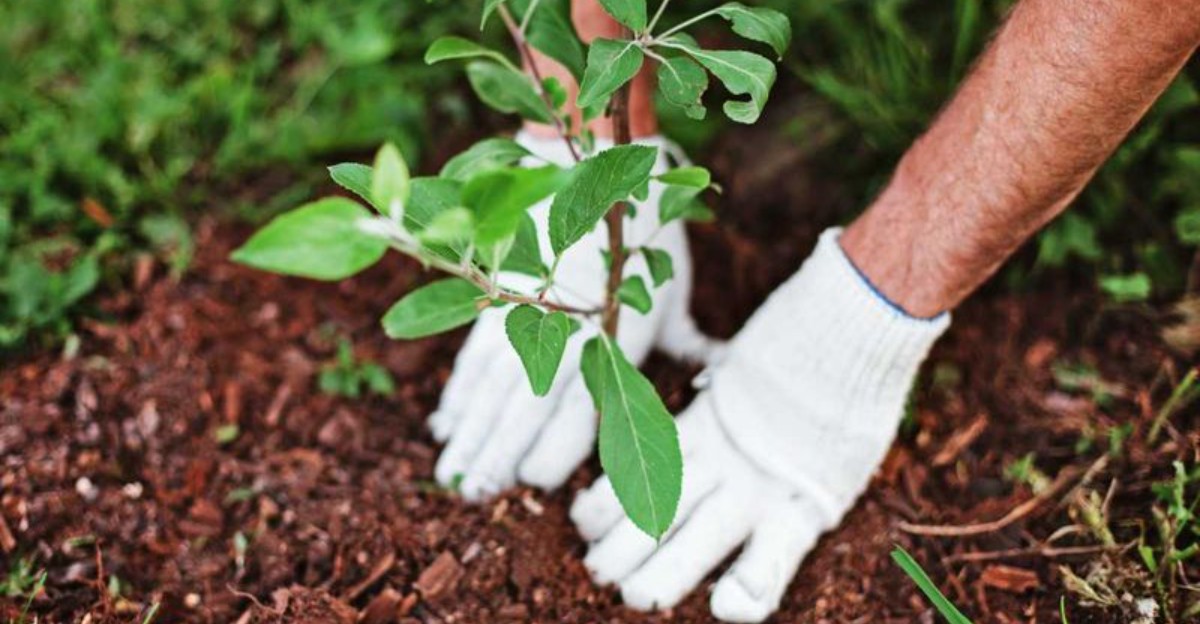
Fall planting has become popular gardening advice nationwide, but the timing that works well in southern states doesn’t translate as safely to Michigan’s shorter, colder autumn.
Newly planted trees and shrubs need several weeks of relatively mild soil temperatures to establish enough root growth before the ground freezes solid, and compressed fall window leaves far less margin for error than warmer regions enjoy.
Plants installed too late risk entering winter with underdeveloped root systems, making them significantly more vulnerable to frost heave, drying winter winds, and outright winter loss.
Because Michigan’s first hard freeze can arrive with little warning some years, gardeners often have less flexibility than they assume when planning fall installations.
Understanding this narrower window helps gardeners time fall planting more carefully instead of following advice better suited to milder climates.
1. Michigan’s Planting Window Is Shorter
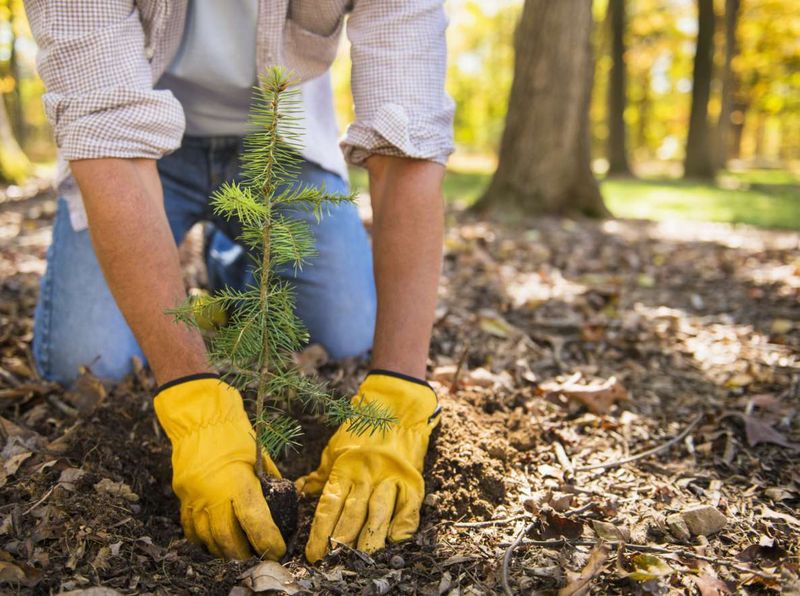
Time is the biggest thing working against Michigan gardeners in the fall. Trees and shrubs need weeks of decent weather to push out new roots before the ground turns cold and hard. When that window shrinks, young plants simply have fewer days to settle in.
Down in the South, mild weather often stretches deep into late fall and even early winter. That long stretch gives roots plenty of time to spread and grip the soil. A shrub planted in North Carolina in October still has a comfortable runway ahead of it.
Michigan works on a tighter clock. Cool weather shows up sooner, and the friendly stretch for root growth closes fast. A plant that goes in too late may run out of good days before winter fully arrives.
The smart move is to plant earlier in the fall rather than waiting. Early September through mid October usually gives roots a fair chance to grab hold. Pushing planting into November is where the trouble often starts.
Think of it like a race against the calendar. The more warm soil days a plant gets, the stronger it enters winter. Fewer days mean a weaker, less anchored plant heading into tough months.
Checking your local frost dates helps you plan with confidence. Once you know roughly when the ground starts to harden, you can count backward and pick a safe planting date.
That small bit of planning makes a huge difference for young roots trying to establish before cold weather locks everything down.
2. Cold Soil Eventually Stops Root Growth
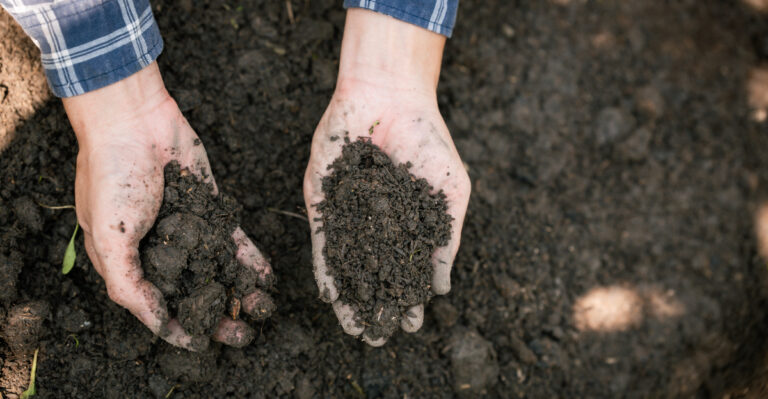
Roots do most of their growing when the soil stays fairly warm. As long as the ground holds enough heat, a young tree keeps stretching its roots outward and downward. That quiet underground work is what anchors a plant and keeps it fed.
As soil temperatures fall, root growth slows substantially. Once temperatures become too low for meaningful growth, establishment largely pauses until conditions improve. Until then, the plant relies on whatever it managed to build during the fall.
Here is where Michigan and the South part ways. Michigan soil cools off much earlier in the season, so the useful growing period ends sooner. A plant put in the ground late may barely get started before the soil turns too cold to help.
Your Michigan Garden Changes Every Week. Your Plan Should Too.
Gardening in Michigan changes quickly throughout the season. Every Friday you’ll receive a simple weekly plan showing exactly what to plant, prune, fertilize, harvest, and protect so you never miss the right timing.
In much of North Carolina, the soil stays warm for a longer stretch after the air cools. That lets roots keep working even when sweater weather arrives. More root time means a stronger, better prepared plant.
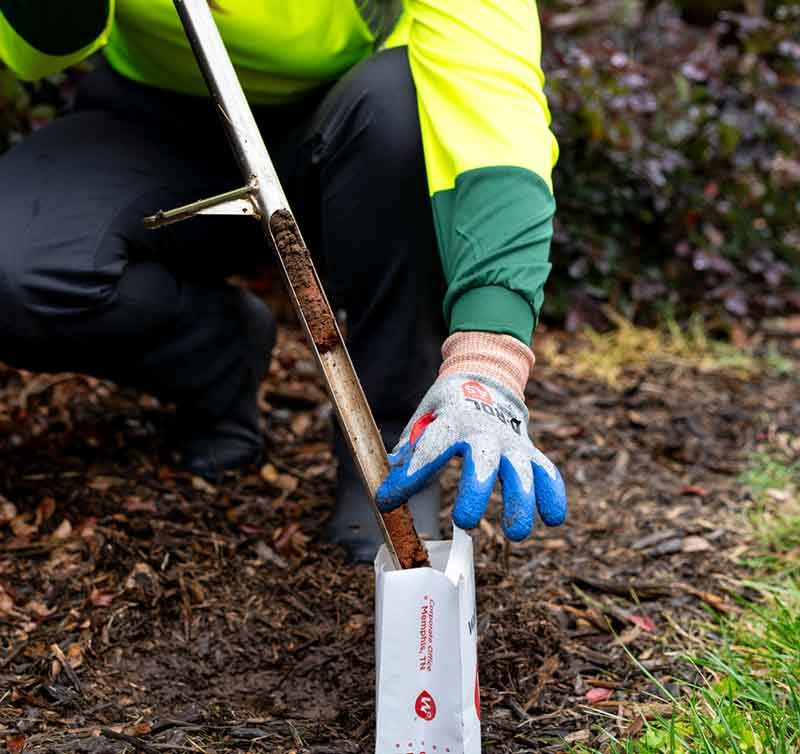
You can actually track this with a simple soil thermometer. Checking the temperature a few inches down tells you whether roots are still likely to grow. It takes the guessing out of your timing.
Planting while the soil still holds warmth gives your tree the head start it needs. Wait too long and you are basically tucking a plant into cold ground where nothing much happens. Warm soil is the real fuel behind fall root success, so watch it closely before you dig.
3. Frost Heaving Can Lift New Plants
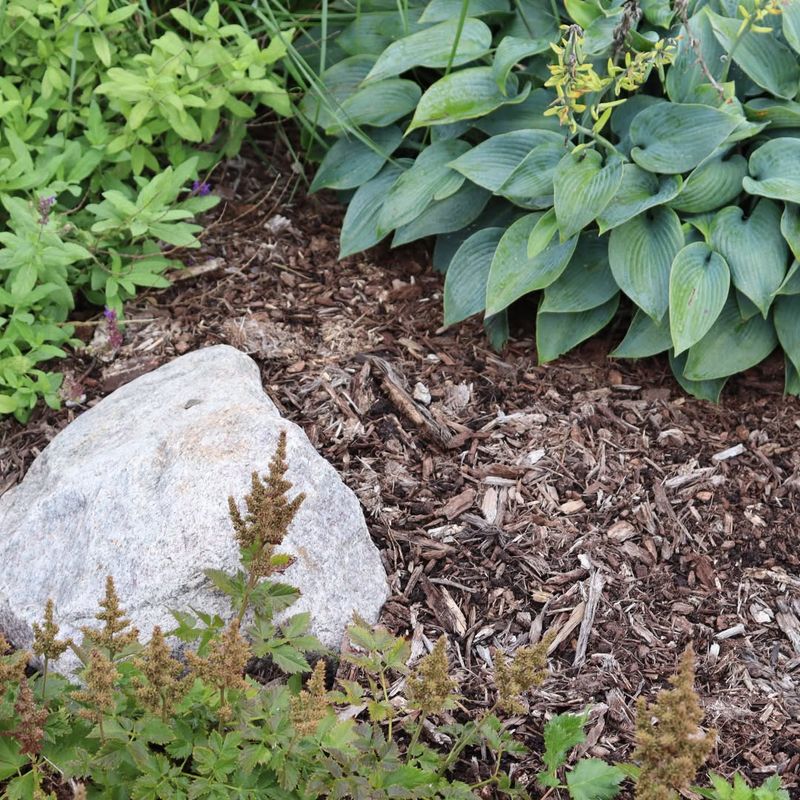
Winter here does not just get cold and stay cold. The soil freezes, thaws, and freezes again, sometimes many times over. That back and forth movement is more powerful than most people expect.
Each freeze causes the ground to swell and shift, and each thaw lets it settle. Over time, this pushing motion can slowly lift a newly planted tree or shrub right out of the soil. The problem is called frost heaving, and young plants are the most likely victims.
A plant with strong, spread out roots can usually hold its ground. But a recent transplant has not had time to anchor itself yet. Its loose roots make it easy for the shifting soil to nudge it upward, exposing roots to cold, drying air.
Certain soils make this worse. Heavy clay and soils that hold lots of moisture tend to heave more than sandy, well drained ground. Low spots where water collects are especially risky.
The South rarely sees this kind of repeated deep freezing, so heaving is much less of a concern there. Michigan’s constant temperature swings put young plants in a tougher spot.
A thick layer of mulch helps a lot by keeping soil temperatures steadier. Two to three inches spread around the base slows the freeze and thaw cycle. Just keep the mulch a little away from the trunk itself.
Planting early also gives roots time to grip the soil before winter starts pushing back.
4. Winter Drying Can Stress Evergreens
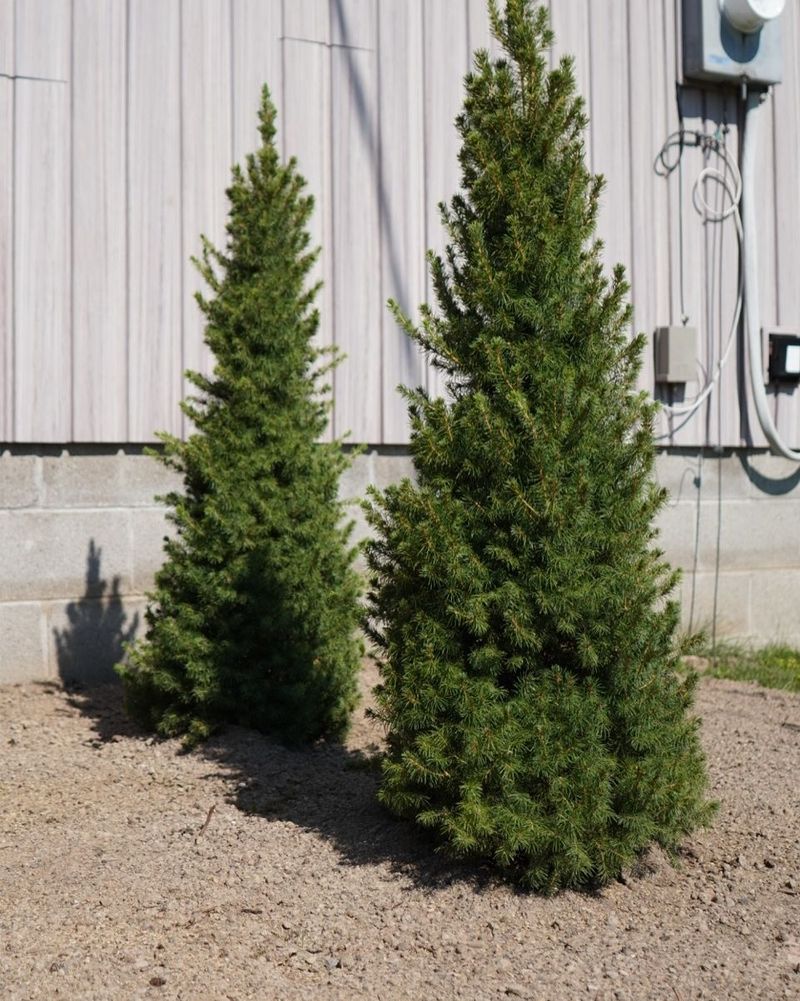
Evergreens keep their needles and leaves all winter long, which looks lovely but comes with a hidden challenge. Those needles keep losing tiny amounts of moisture to the air even in the cold. On sunny or windy winter days, that loss speeds up.
Here is the tricky part. When the soil is frozen solid, the roots cannot pull up water to replace what the needles lose. The plant basically gets thirsty with no way to drink.
The result is browning or scorched looking foliage that shows up by late winter or early spring. Newly planted evergreens are hit hardest because their roots are still small and shallow. They simply cannot store or gather enough water to keep up.
Michigan’s long, windy, frozen winters make this stress much more common than in the milder South. North Carolina evergreens usually face shorter cold spells and less frozen ground.
The best defense starts in fall. Give your evergreens a deep, thorough soaking before the ground freezes so they head into winter fully hydrated. Well watered plants handle winter drying far better.
Mulch around the base helps hold that moisture in the soil. You can also plant evergreens in spots sheltered from harsh winter wind and strong afternoon sun. A burlap wind screen offers extra protection for the first winter.
Paying attention to fall watering makes a real difference for these plants. A little effort before the cold sets in keeps needles green and healthy when spring finally rolls around again.
5. Late Planting Leaves Less Time For Root Establishment
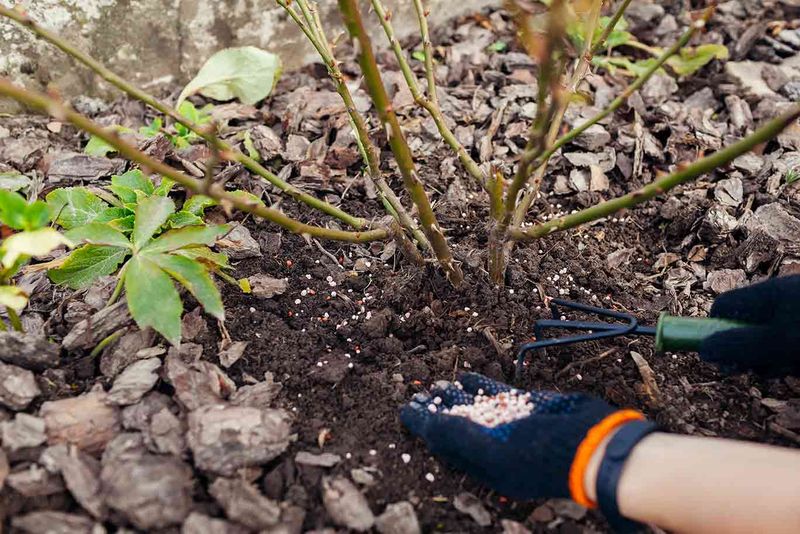
Timing can make or break a fall planting, and late planting is where many gardeners run into trouble. A tree tucked into the ground just before the soil freezes has almost no chance to grow roots. It heads into winter unprepared.
Roots are what hold a plant steady and keep it fed and watered. When they have not spread out yet, the whole plant is fragile. Winter cold, wind, and shifting soil can push it around easily.
Picture a shrub planted in early November right before a hard freeze. Its roots are still curled inside the original root ball, barely touching the surrounding soil. That plant is basically riding out winter with no anchor.
Now compare that to one planted in September. By the time cold arrives, its roots have reached into the soil and gripped it. That head start changes everything.
The South gives gardeners more forgiveness here because warm soil lingers longer. Even a later planting there often gets enough root time. Michigan does not offer that same cushion.
The takeaway is simple. Earlier fall planting is far safer than very late planting in a colder climate. Aim to get plants in the ground several weeks before your typical first hard freeze.
If you missed that window, sometimes waiting until spring is the wiser choice. A healthy plant kept safe over winter beats a rushed late planting.
Patience often protects your investment better than squeezing one more plant in before the cold locks the ground.
6. North Carolina Fall Conditions Can Favor Root Growth
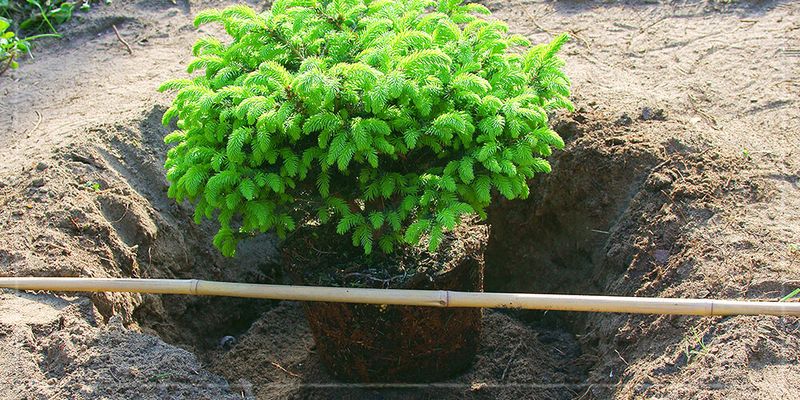
Fall in North Carolina almost seems designed for planting. The air turns pleasantly cool while the soil stays warm from months of summer heat. That combination is exactly what young roots love.
Cooler air means the plant is not stressed by scorching heat, so it can focus its energy underground. Meanwhile, the warm soil keeps roots growing steadily for weeks. The plant works below the surface without struggling above it.
Rain plays a big role too. Southern fall weather often brings regular showers that keep the ground moist and easy for roots to move through. Wet, workable soil helps roots spread quickly and settle in.
All of these pieces together create a long, gentle season for establishment. A shrub planted there gets time, warmth, and water, which is close to ideal. That is why many Southern gardeners call fall their favorite planting season.
Michigan can share some of these perks early in the fall, but the friendly stretch is shorter. The warm soil fades faster, and the growing window closes before long.
Understanding this difference helps set fair expectations. What works easily in North Carolina may need more careful timing in Michigan. The South simply offers a bigger, more relaxed cushion for new plants.
If you garden in a milder climate, take advantage of that generous fall window. Plant, water well, and let nature do the rest. Those cooler days paired with warm ground give trees and shrubs a wonderful start heading into a mild winter ahead.
7. Fall Planting Can Still Work
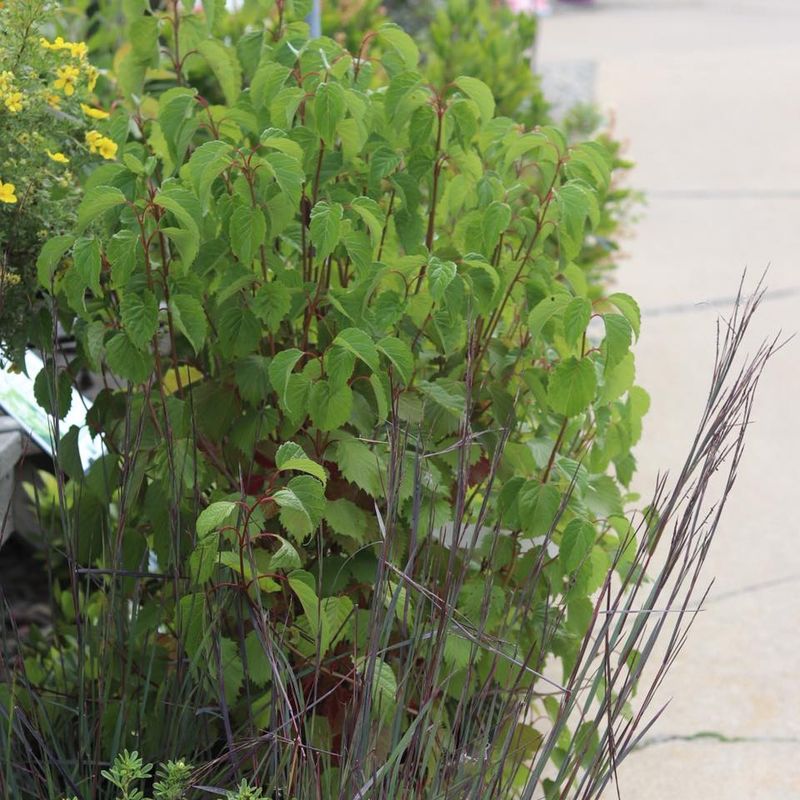
Do not write off fall planting in Michigan just because it carries more risk. Plenty of trees and shrubs get planted every autumn up north and go on to thrive. The key is doing it thoughtfully.
Success really comes down to timing and care. Plants that go in early enough get the weeks they need to grow roots before the cold locks in. With a good head start, they enter winter ready.
Watering makes a huge difference too. A deep soaking before the ground freezes helps plants store the moisture they will need through the dry, cold months. Well hydrated plants handle winter far better than thirsty ones.
Choosing hardy plants suited to your zone stacks the odds in your favor. Some species shrug off cold easily and take fall planting in stride. A quick check of a plant’s hardiness rating saves headaches later.
Mulch is your quiet helper here. A few inches spread around the base steadies the soil temperature and keeps moisture from escaping. That protection matters most during the first winter.
The point is that fall planting is not automatically a bad idea in Michigan. It just asks for more planning than it does in the South. When you match good timing with proper care, young plants can settle in nicely.
Gardeners who respect the calendar and give their plants a strong start often see great results. Fall can still be a wonderful season to plant in Michigan when you play it smart and stay attentive.
8. Timing And Aftercare Matter More Than The Calendar
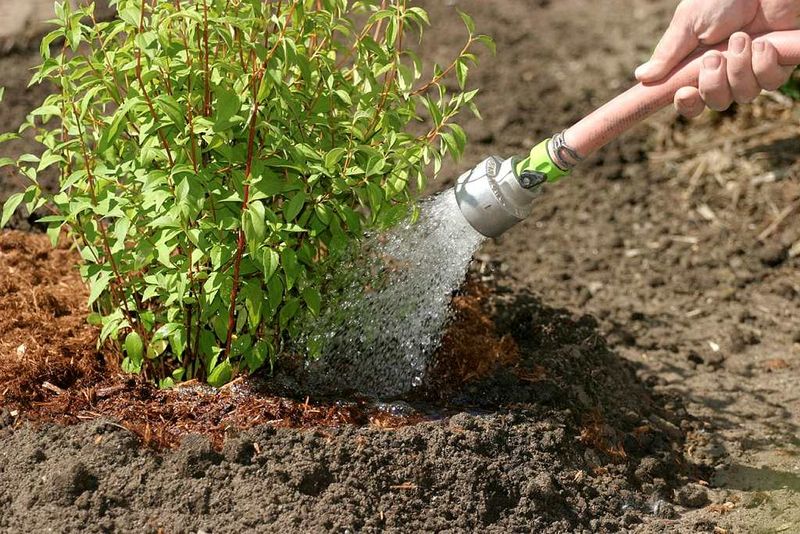
The calendar is only part of the story when it comes to planting. What really counts is the condition of your soil and the care you give afterward. Two gardeners can plant on the same day and get very different results.
Start by planting while the soil is still workable. If the ground is frozen or soaked and muddy, hold off. Saturated soil suffocates roots, and frozen soil offers nothing for them to grab.
Once your plant is in the ground, watering becomes your main job. Give new trees and shrubs a deep drink and keep the soil moist until it freezes. Roots cannot grow in dry ground, so consistent moisture is key.
Mulch rounds out the routine nicely. A two to three inch layer around the base holds moisture and evens out soil temperatures. Just leave a small gap around the trunk so it can breathe.
These same basic steps apply whether you garden in Michigan or the South. Good soil, steady water, and smart mulching help plants everywhere settle in well. The difference is how much room for error each climate allows.
Michigan gardeners need to be extra careful about planting too late in the fall. That single choice often decides whether a young plant makes it through winter comfortably. Earlier is almost always safer up north.
Focus on doing the right things at the right time, and your plants will reward you. Thoughtful timing paired with solid aftercare beats a perfect date on the calendar every single time.