How To Use Gravel, Pavers, And Paths To Keep Michigan Garden Beds From Turning To Mud
Michigan clay soil has a talent for turning garden access into a genuine problem after any significant rainfall.
The beds that get the most attention are often the ones that become the most difficult to reach without compacting soil or tracking mud across everything nearby.
Gravel, pavers, and simple path materials solve this problem practically and permanently when they are placed with the right approach.
The mistake most Michigan gardeners make is treating paths as an afterthought rather than a foundational part of how a garden functions.
Designed well, these elements keep beds accessible through wet spring and fall conditions, reduce soil compaction around plant roots, and make the overall garden look considerably more intentional in every season.
1. Build Permanent Paths Before The Beds Get Muddy
Most gardeners wait until their yard is already a muddy disaster before they think about paths. By then, the damage is done.
Michigan springs bring heavy rain fast, and soft garden soil turns into a slippery mess almost overnight. Planning your paths before the wet season hits is one of the smartest moves you can make.
Fixed walking areas give you, your garden cart, and your tools a dedicated place to travel without ever touching the planting soil. That matters more than most people realize.
Every time you step into a bed, you press the soil down, squeeze out air pockets, and make it harder for roots to grow and water to drain properly.
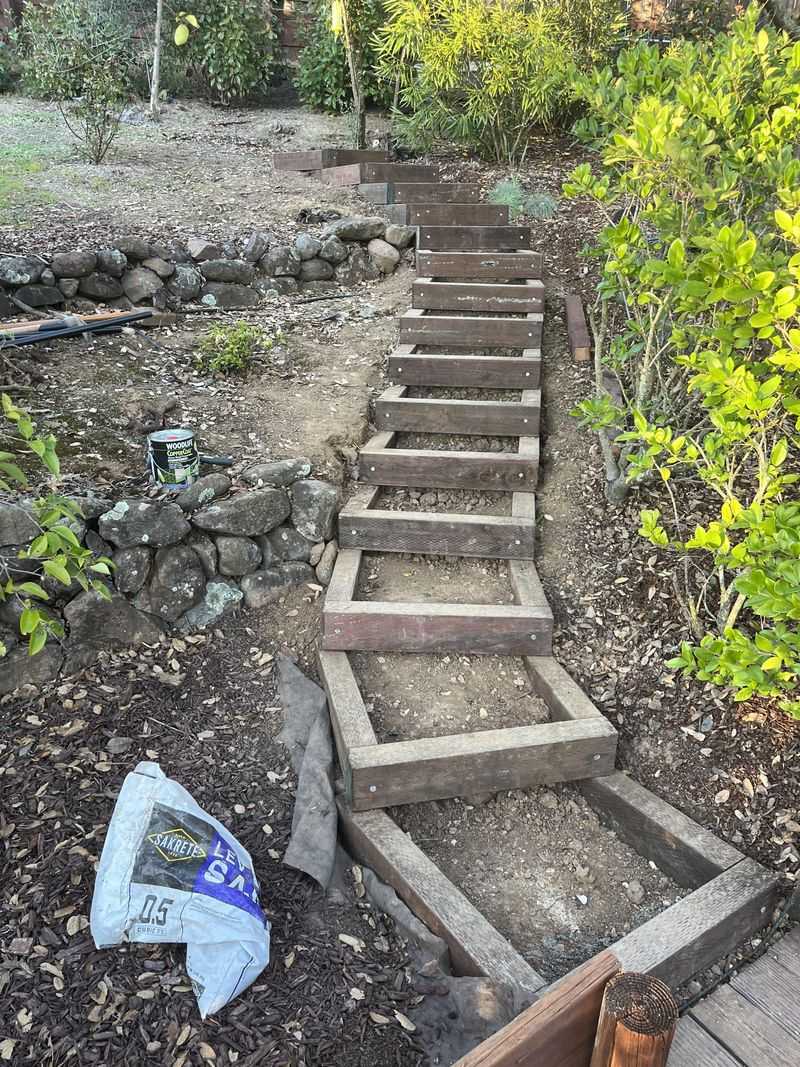
Mapping out permanent paths in early spring or even fall gives you a clear layout to follow all season long. Use stakes and string to mark the routes before you add any material.
Think about where you naturally walk, where the hose reaches, and where you unload supplies. Building paths along those natural lines makes gardening feel easier and keeps the whole yard looking organized and intentional rather than accidental.
2. Use Gravel Where Water Collects On Walkways
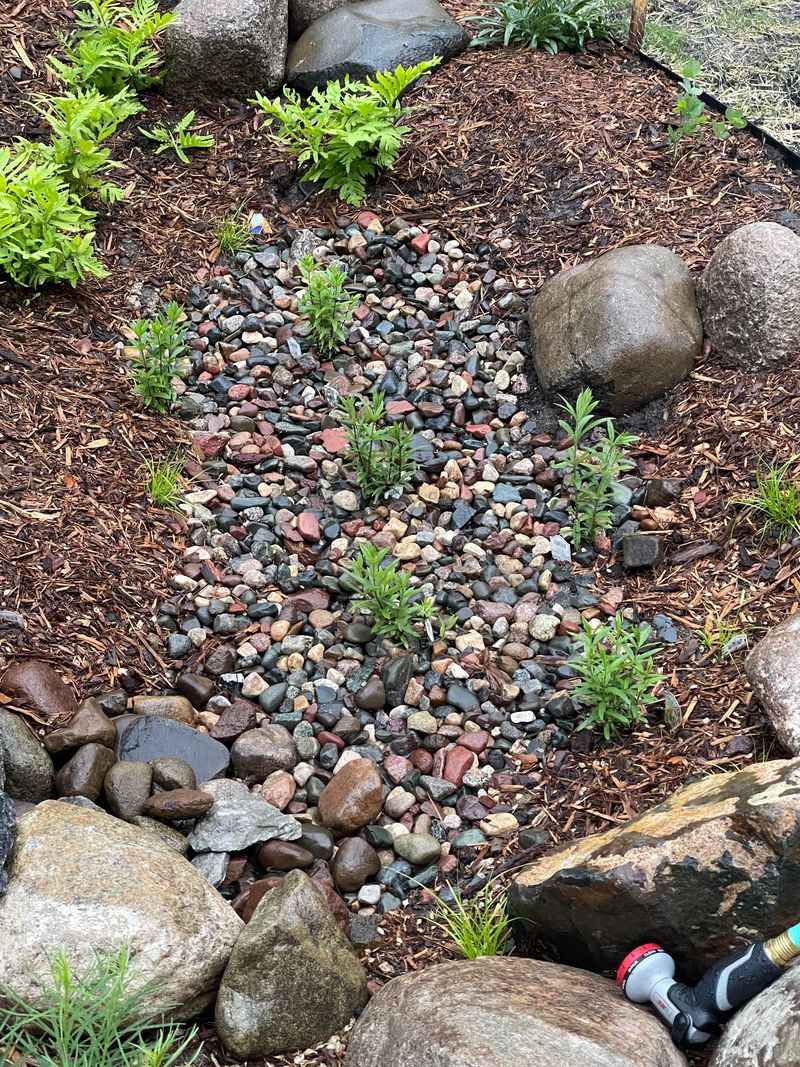
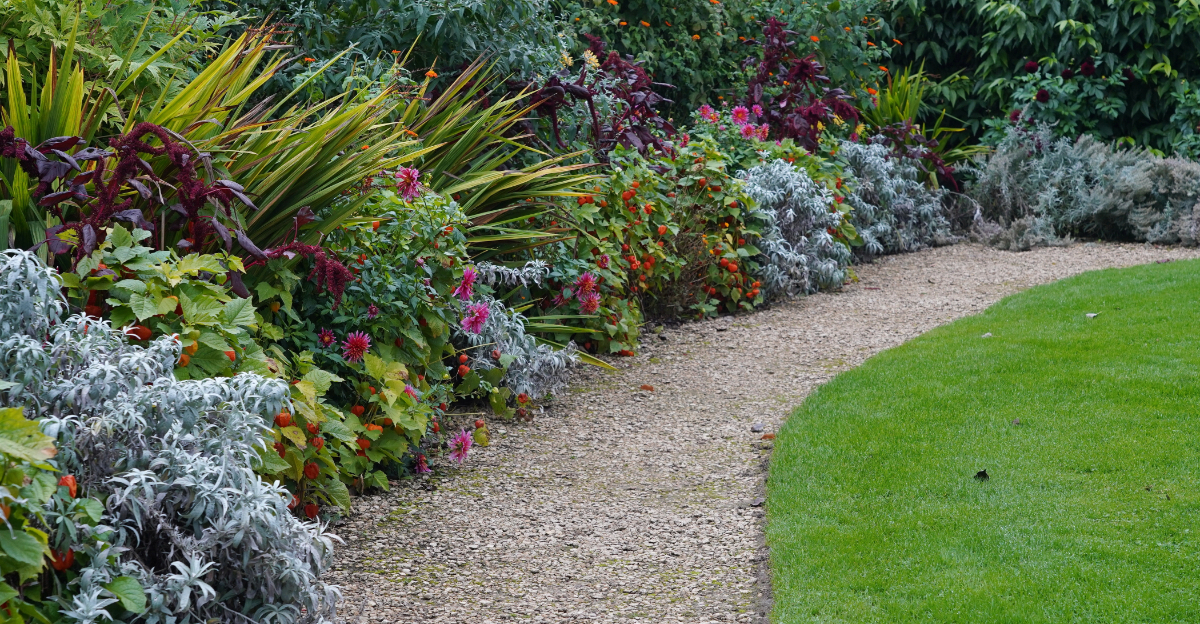
Gravel is one of the most practical materials a Michigan gardener can use, especially in spots where water tends to hang around after a storm. Unlike bare soil, gravel gives you a firmer surface to walk on without sinking or sliding.
It also lets water filter down through the stones instead of pooling on top, which keeps the path usable even after heavy rain.
The trick with gravel is making sure the path is shaped correctly before you pour anything. A flat or low-lying path will collect water just as badly as bare ground.
You want the path to sit slightly crowned in the middle or angled toward one side so water naturally moves away from the walking surface and drains into the surrounding landscape rather than gathering in one soggy low spot.
Pea gravel and crushed limestone are both popular choices for Michigan gardens. Pea gravel is rounded and comfortable underfoot, while crushed limestone packs together more firmly over time.
Either one works well as long as the path is properly shaped and edged. Choosing the right gravel for your specific yard conditions can make the difference between a path that stays neat all season and one that turns into a muddy channel every time it rains.
Your Michigan Garden Changes Every Week. Your Plan Should Too.
Gardening in Michigan changes quickly throughout the season. Every Friday you’ll receive a simple weekly plan showing exactly what to plant, prune, fertilize, harvest, and protect so you never miss the right timing.
3. Add A Base Layer Before Pouring Gravel
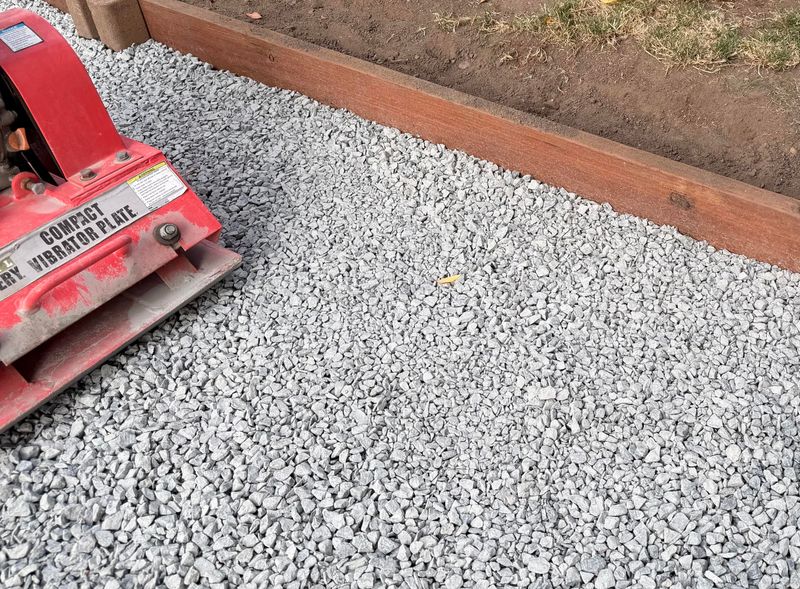
Dumping a bag of gravel directly onto soft, muddy soil might seem like a quick fix, but it rarely holds up through a full Michigan season. Without a solid foundation underneath, gravel sinks, shifts, and gets swallowed by the mud within a few months.
Building a proper base takes a little more effort upfront but saves a lot of frustration later.
Start by marking the path edges and removing any loose grass or debris from the area. Then lightly compact the soil beneath the path using a tamper or even the flat bottom of a post.
Adding a layer of compactable gravel, sometimes called road base or crusher run, gives the path a stable foundation that does not shift or sink under foot traffic. Lay landscape fabric over that base layer to block weeds before adding your top gravel.
Edging is just as important as the base. Without edging, gravel gradually migrates into planting beds with every rain and every footstep.
Metal, plastic, or stone edging along both sides of the path creates a clean border that holds everything in place. It also makes the garden look polished and intentional.
A well-built path with a proper base can last for years with very little maintenance, making it one of the best investments a Michigan gardener can make.
4. Use Pavers For High Traffic Garden Spots
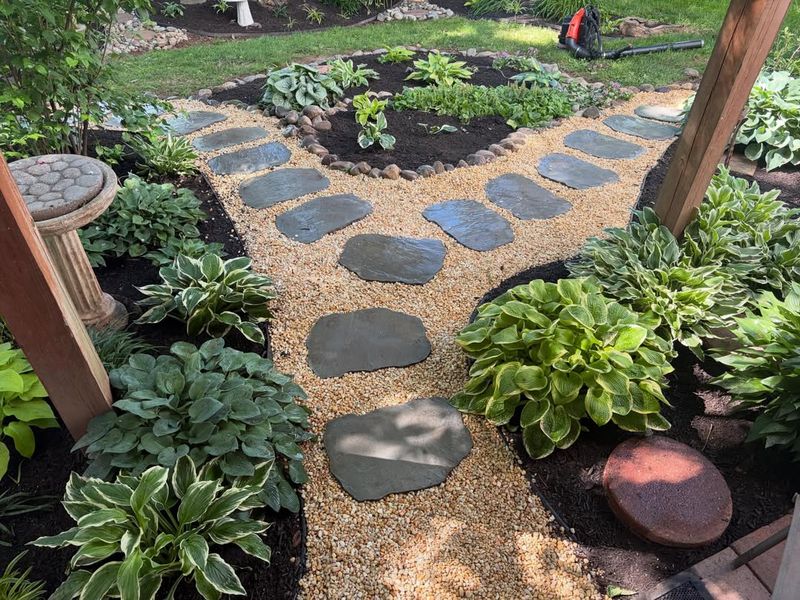
Not every part of the garden gets the same amount of foot traffic, and that difference matters when you are choosing path materials.
The spots near gates, hose connections, tool sheds, and raised bed entrances get stepped on constantly throughout the growing season.
Gravel or wood chips might work fine in quieter areas, but high-traffic zones need something more solid and stable.
Pavers are the right answer for these busy garden spots. Whether you choose concrete pavers, natural flagstone, or brick, they create a firm and reliable surface that holds up under repeated use without shifting or sinking.
They are also easy to clean after a muddy day, which is a real advantage near vegetable gardens where you might be hauling heavy harvests or dragging hose connections back and forth.
Placement matters just as much as material. Set pavers in spots where you naturally stop and pivot, like right in front of a raised bed or at the corner where two paths meet.
A few well-placed pavers in the right locations can dramatically reduce the amount of mud tracked into the garden and onto surrounding lawn areas. You do not need to pave every inch of your yard to see big results.
Strategic placement in the highest-use zones gives you the most benefit for the least cost and effort.
5. Leave Small Gaps Between Pavers For Drainage
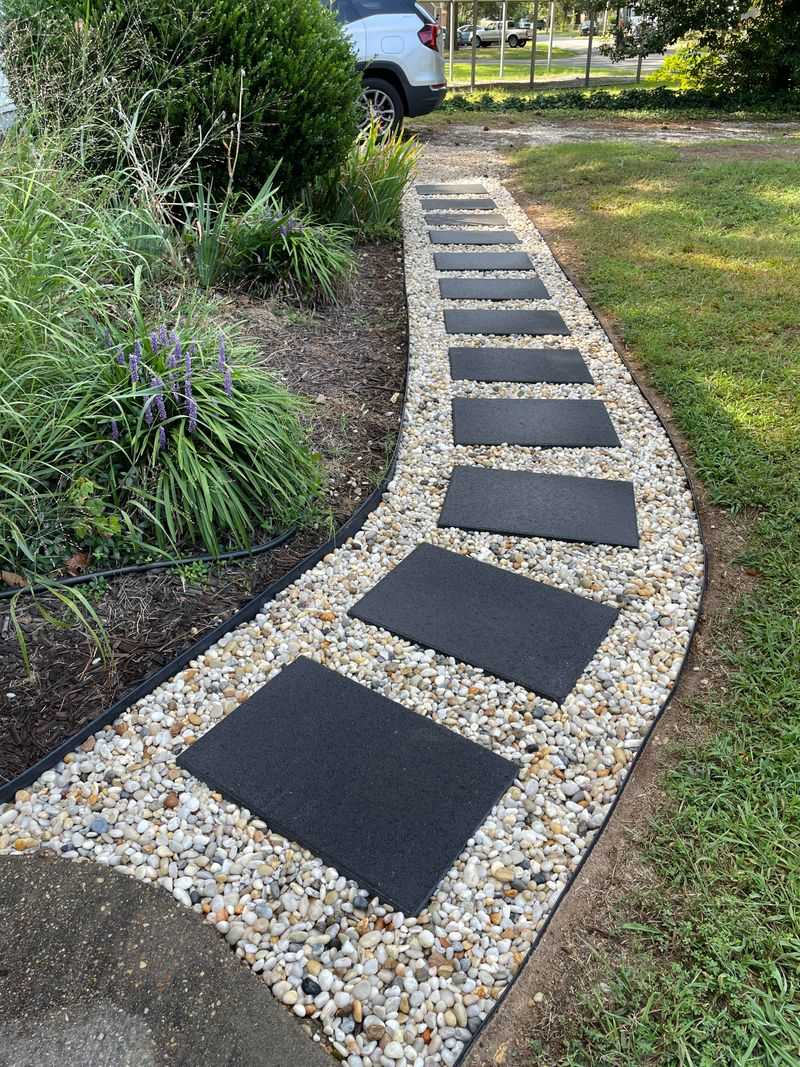
Pavers laid too tightly together without any gaps can actually create a drainage problem instead of solving one.
When water has nowhere to go, it sits on top of the path or flows sideways into garden beds, carrying soil with it and adding to the mud problem you were trying to avoid in the first place.
A little space between pavers goes a long way. Filling those gaps with fine gravel, coarse sand, or low-growing ground cover plants like creeping thyme gives water a place to move through the path naturally.
This approach works especially well in Michigan yards that deal with heavy spring rains and sudden summer downpours.
Instead of running off in sheets, water filters down through the gaps and into the soil below at a gentler pace, reducing erosion and pooling around beds.
Creeping thyme and other low-growing path plants add a bonus benefit beyond drainage. They look beautiful between pavers, release a pleasant scent when stepped on, and help hold the gaps in place so gravel does not scatter with each rain.
If you prefer a cleaner look, fine decomposed granite or polymeric sand also fills gaps well and stays put better than loose sand.
Whichever filler you choose, make sure it allows water to pass through rather than sealing the surface completely, keeping your paver path functional through every Michigan rain season.
6. Keep Paths Slightly Higher Than Muddy Low Spots
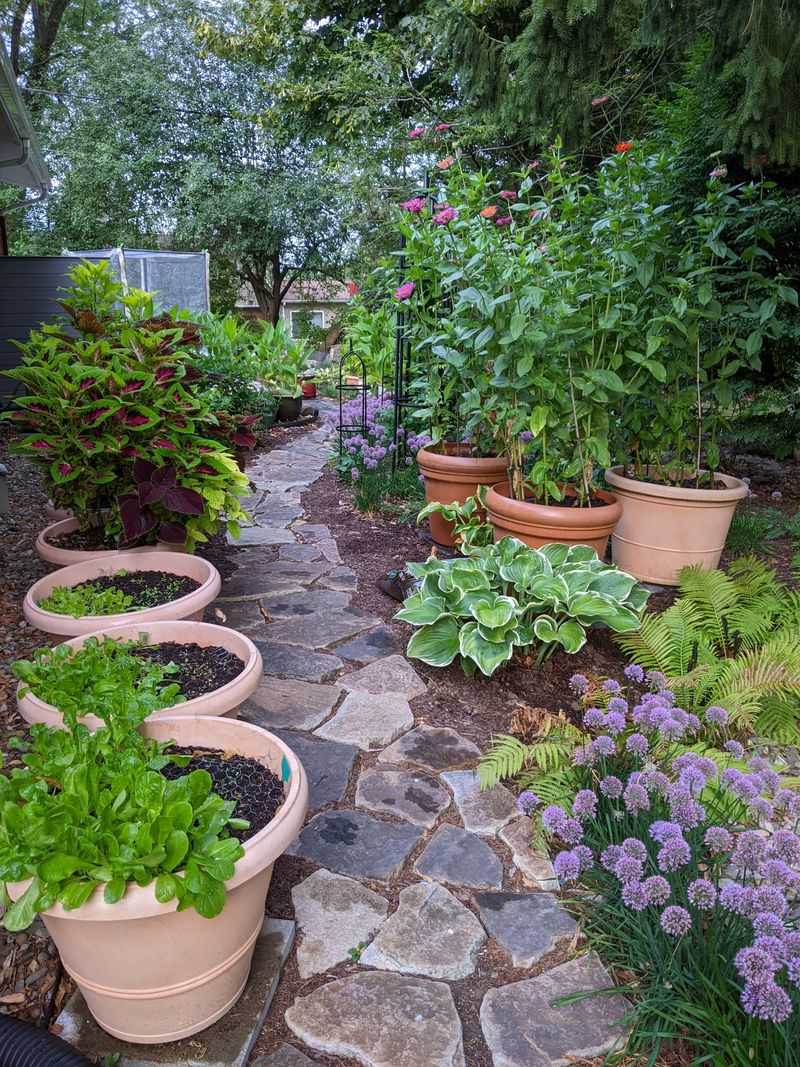
Path height might not be the first thing that comes to mind when planning a garden layout, but it plays a big role in keeping things dry and walkable all season.
A path that sits lower than the surrounding ground becomes a natural channel for water, collecting runoff from every direction and turning the walking surface into a muddy river after every storm.
Raising a path slightly above the lowest points in the garden gives water a reason to flow away from the walking surface rather than toward it. You do not need to build anything dramatic.
Even a few inches of elevation change can make a noticeable difference in how well a path drains and how quickly it dries out after rain.
This is especially useful in Michigan yards where spring snowmelt and April storms can saturate the ground for weeks at a time.
One important caution worth keeping in mind is that you should never pile gravel or soil directly against plant crowns or tree trunks when raising path areas. Burying stems and trunk bases can cause rot and stress to plants over time.
Keep any raised material a few inches away from plant bases and use edging to hold the path material in place.
Building the path up correctly protects both the walkway and the plants growing right beside it, making the whole garden easier to manage through wet seasons.
7. Use Wood Chips For Softer Garden Walkways
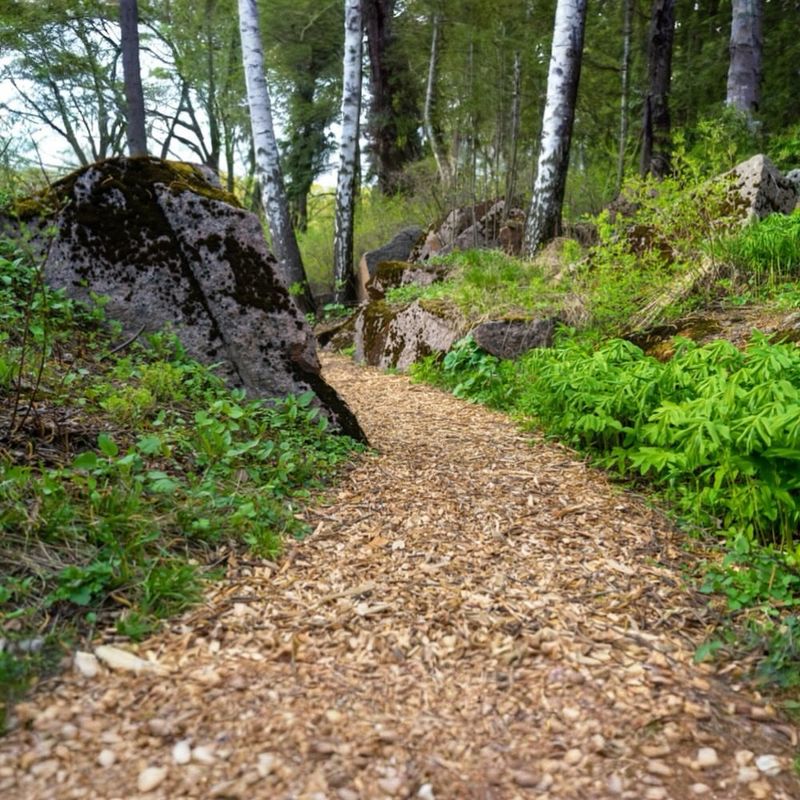
Wood chips bring a completely different feel to garden paths compared to gravel or pavers. They are soft and cushioned underfoot, which makes long gardening sessions much more comfortable, especially if you spend hours moving between beds.
For gardeners who prefer a natural, woodland-inspired look, wood chips fit right in without looking out of place or overly constructed.
In Michigan vegetable gardens and informal flower beds, wood chips do a solid job of reducing mud.
They absorb some moisture, create a buffer between your feet and the wet soil below, and break down slowly over time to add organic matter back into the surrounding area.
As they break down, you simply add a fresh layer on top, which is easy and inexpensive since many tree services offer free wood chips to homeowners willing to pick them up.
The main thing to keep in mind with wood chip paths is that they need occasional refreshing, especially in shaded spots where they tend to mat down and decompose faster.
Aim for a depth of at least three to four inches when you first lay them down, which gives you enough cushion to handle foot traffic without grinding down to bare soil too quickly.
Avoid using fine sawdust, which compacts poorly and holds too much moisture. Chunky arborist wood chips in mixed sizes stay loose and drain far better, keeping your garden paths comfortable and mud-free through the whole growing season.
8. Keep Planting Soil Out Of The Path
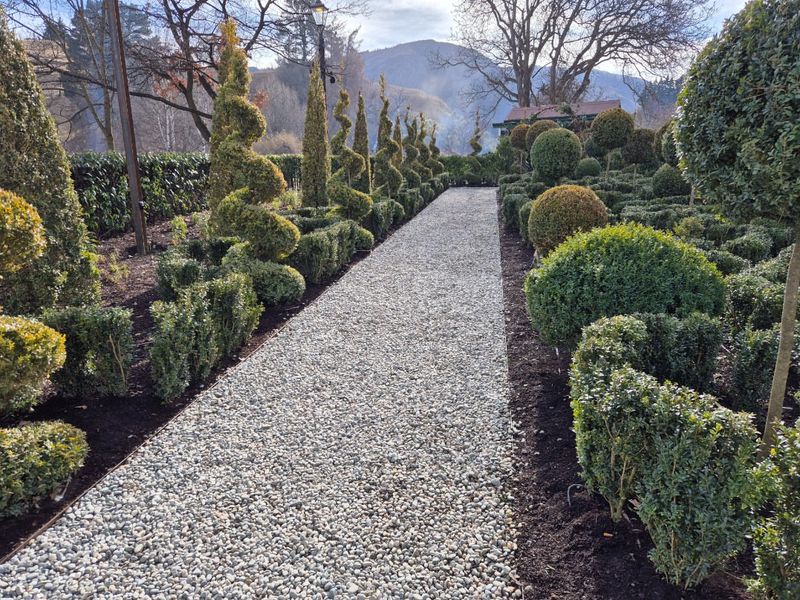
One of the sneakiest reasons garden paths fail over time is that planting soil gradually creeps into them. It happens slowly at first.
Rain splashes soil onto gravel. Hands and tools drag dirt across the border.
Beds without edging let soil drift with every heavy rain. Before long, the path is half soil and half gravel, and neither one is doing its job properly.
Soil mixed into a gravel or paver path is a problem for a few reasons. It holds moisture longer than gravel alone, which keeps the path wet and slippery after rain.
It also gives weed seeds exactly what they need to sprout, turning your clean path into a weedy, muddy strip that needs constant attention.
Keeping soil and path materials clearly separated is one of the most effective ways to maintain a functional path all season. Edging is the most reliable solution.
Metal garden edging, stone borders, raised bed sides, or even simple wooden boards along the bed edge create a physical barrier that keeps soil in the bed and path material in the path. For raised beds, the sides of the bed frame naturally do this job well.
Installing a low edging strip around in-ground beds takes just an afternoon, but keeps paths clean, weed-resistant, and easy to walk through all season, even after heavy Michigan rains.
9. Do Not Walk In Beds After Heavy Rain
Wet soil is fragile in a way that dry soil is not. When you step into a garden bed after a heavy rain, every footstep presses the soil particles tightly together and squeezes out the air pockets that roots depend on.
This compaction happens fast and can take a whole season to naturally reverse. The result is harder soil that drains more slowly, holds more water, and creates exactly the kind of muddy mess you were trying to prevent.
Michigan gardeners deal with this challenge regularly because spring rains can be relentless and summer storms can drop a lot of water in a short time.
The temptation to get out and check on plants or pull a few weeds right after a storm is completely understandable.
But waiting even one day for the soil to drain and firm up can protect weeks of careful soil building from being undone in a single afternoon.
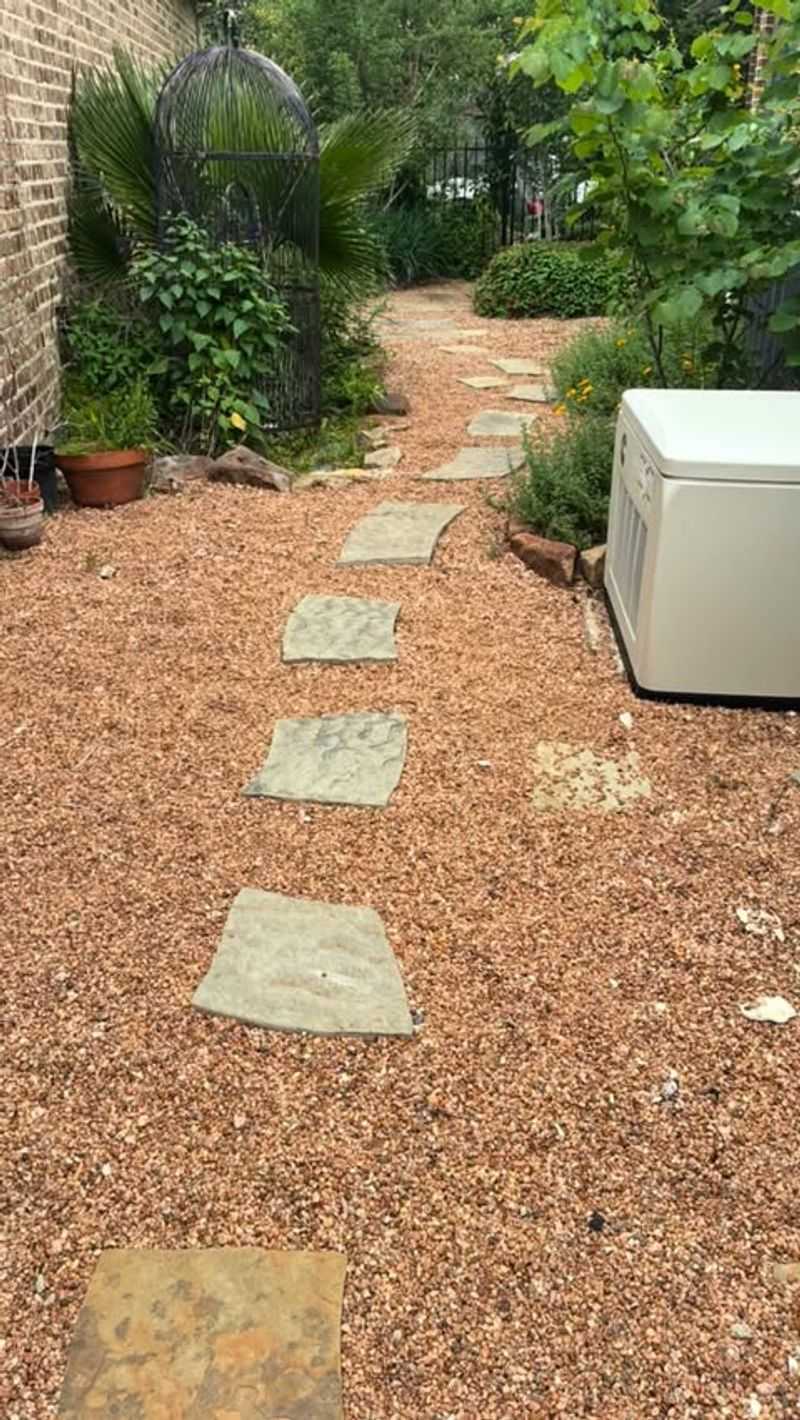
This is exactly where gravel paths, pavers, stepping stones, and wood chip walkways earn their value.
When you have a solid surface to walk on right beside your beds, there is no reason to ever step into the planting area at all. Good paths remove the temptation entirely.
They give you access to every corner of your garden while keeping your feet off the soil no matter how wet things get, which protects your plants, preserves your soil structure, and keeps the whole garden healthier over time.
10. Combine Paths With Better Soil Care
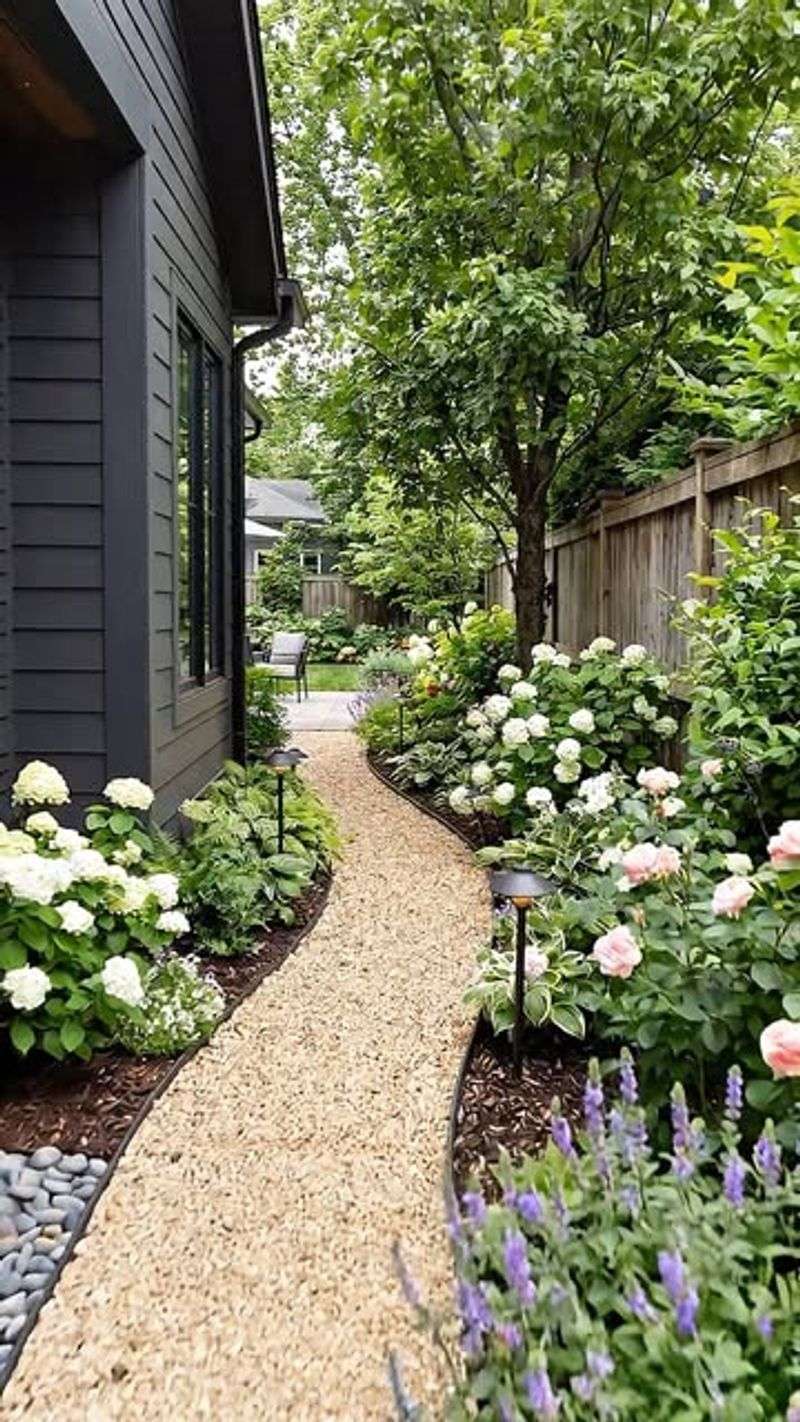
Paths are powerful tools for keeping garden traffic organized and mud contained, but they work best when paired with better soil care inside the beds themselves.
If the planting soil drains poorly, stays compacted, or lacks organic matter, beds will stay wet and soggy long after a rain regardless of how good the surrounding paths look.
Fixing both problems together gives you the best results. Michigan soil varies a lot depending on where you live. Some areas have heavy clay that drains slowly and compacts easily.
Others have sandy soil that drains too fast and dries out quickly. Either way, adding compost and organic matter every season improves the soil structure in ways that help it handle water more naturally.
Compost opens up clay soils and helps sandy soils hold just enough moisture without becoming waterlogged. Mulching garden beds is another step that works alongside good paths to control mud.
A two to three inch layer of shredded leaves, straw, or wood chips on top of planting beds protects the soil surface from rain impact, slows surface runoff, and keeps the bed from crusting over after dry spells.
Think of paths as managing where people walk and soil care as managing how the beds absorb and release water.
Together, these two strategies create a garden that stays cleaner, drains faster, and feels much more enjoyable to work in through every Michigan growing season.