Why Florida Gardeners Avoid Planting During Full Moons
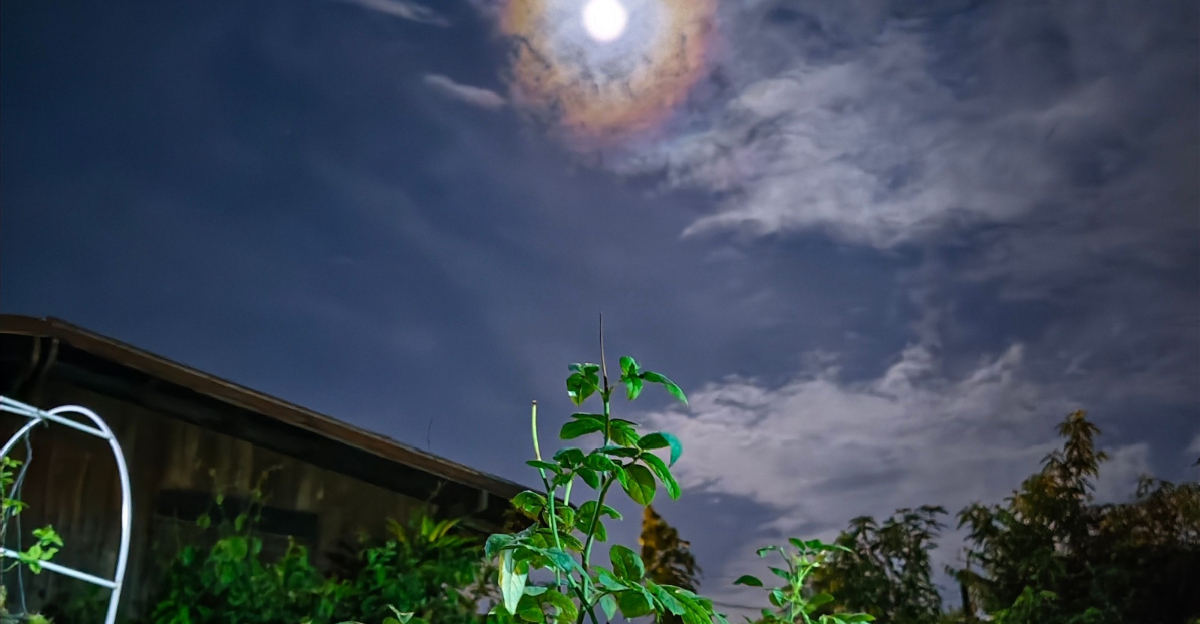
For generations, Florida gardeners have looked up at the night sky before planting a single seed. The full moon, glowing bright over backyard gardens and quiet fields, has long carried a reputation for mystery, power, and caution.
Some growers refuse to plant during a full moon, convinced it can affect moisture, pests, and even the strength of their crops. Others dismiss it as old folklore passed down through families and farming communities.
Still, the belief refuses to fade. Across Florida, from sandy coastal plots to humid inland gardens, the debate continues season after season.
Stories of better harvests, failed seedlings, and moon guided planting calendars keep the tradition alive in a modern world filled with science and technology. So why do many Florida gardeners still pause when the moon is full?
The answer lies in tradition, observation, and a deep connection to nature that continues to shape how people grow their food today.
1. Old Gardening Lore Still Shapes Planting Choices
Generations ago, farmers and gardeners didn’t have access to weather apps or soil testing kits. They relied on patterns they observed in nature, including the phases of the moon.
These traditions were passed down through families, especially in rural communities across Florida and the American South. Many believed the moon’s gravitational pull affected not just ocean tides but also the moisture in soil and plants.
Cultural roots run deep in this practice. Indigenous peoples, European settlers, and African agricultural traditions all contributed to moon-phase gardening knowledge.
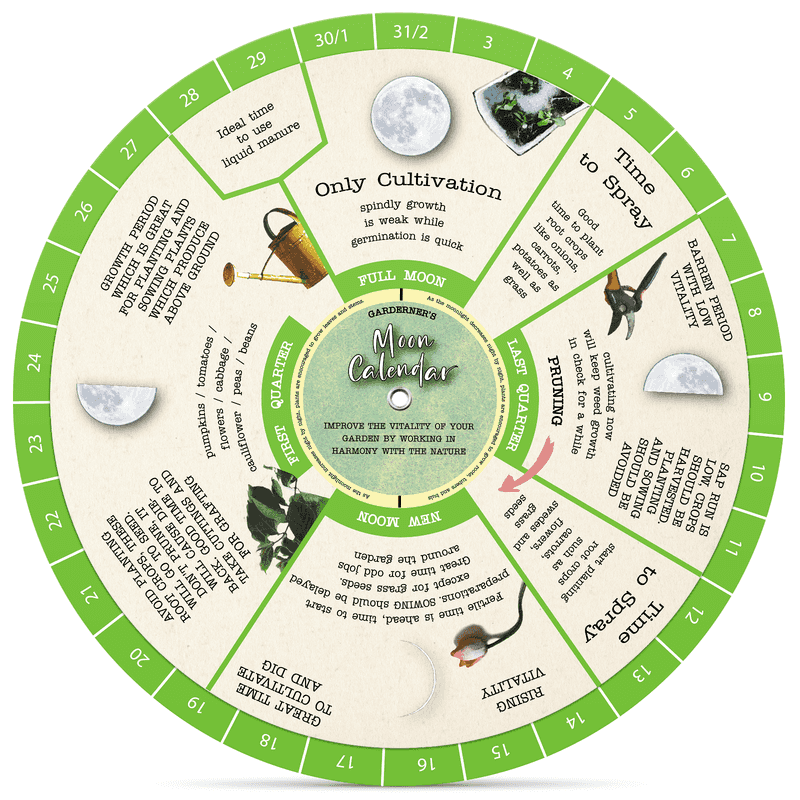
In Florida, where diverse communities have farmed for centuries, these beliefs blended together. Elders taught younger generations to plant above-ground crops during the waxing moon and root vegetables during the waning moon.
The full moon, however, was often seen as a time to pause and wait.
Even today, some Florida gardeners follow printed lunar calendars or apps that track moon phases. They see it as honoring the wisdom of those who came before them.
While science hasn’t proven the moon controls plant growth, the tradition persists because it connects people to history and the rhythms of the natural world. For many, it’s less about strict rules and more about feeling in tune with something larger than themselves.
2. Moonlight Folklore Meets Modern Florida Gardens
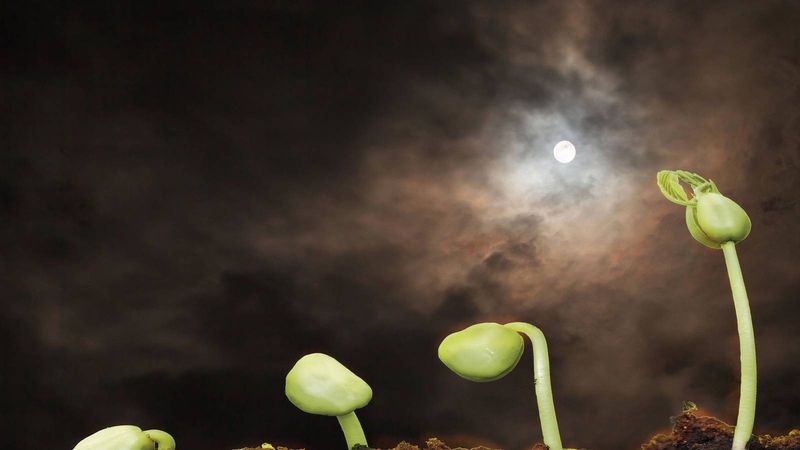
Folklore has always carried a sense of mystery, and the full moon is no exception. Stories about werewolves, strange behavior, and supernatural events have made the full moon a symbol of unpredictability.
Gardeners in Florida grew up hearing tales from grandparents about how planting during a full moon could lead to weak plants or poor harvests. These stories weren’t based on strict science but on generations of observation and cultural storytelling.
Today’s gardeners often find themselves balancing these old tales with modern knowledge. They might read scientific articles about plant biology while also remembering what their grandmother said about never planting beans under a full moon.
In Florida’s diverse communities, this blend of tradition and practicality is common. Some people follow lunar calendars closely, while others use them as a rough guide and rely more on weather forecasts and soil conditions.
What keeps the folklore alive is the personal connection people feel to it. When someone plants according to moon phases and sees a good harvest, they remember it.
When they ignore the moon and something goes wrong, they wonder if the old stories were right. This mix of belief, memory, and experience keeps moonlight folklore relevant in modern Florida gardens, even as technology offers new tools and insights.
3. Tides, Moisture, And The Lunar Debate
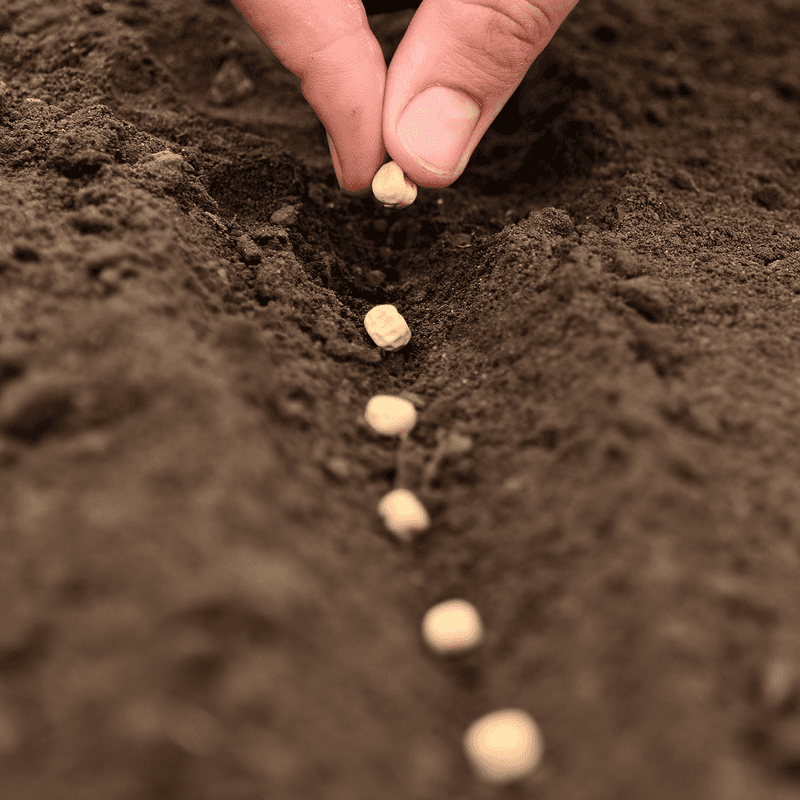
Everyone knows the moon affects ocean tides. Florida’s long coastline makes this especially obvious to anyone who spends time near the water.
The gravitational pull of the moon causes the sea to rise and fall in predictable patterns. Some gardeners extend this logic to believe the moon also influences moisture levels in soil and even within plant tissues.
They think that during a full moon, water is drawn upward, making seeds more likely to sprout or plants more vulnerable to stress.
This idea has been debated for years. Scientists generally agree the moon’s gravitational effect on soil moisture is extremely weak, far too small to impact plant growth in any measurable way.
However, many Florida gardeners remain unconvinced. They point to their own experiences and the experiences of others who have followed lunar planting for decades.
Some say their plants seem more hydrated or grow faster when planted during certain moon phases, though this could be influenced by other factors like weather or soil preparation.
The debate continues because it’s hard to prove or disprove something that depends so much on personal observation. Florida’s climate, with its heavy rains and humidity, makes moisture levels complicated to track.
While science doesn’t support the moon-moisture connection, the belief persists among those who trust what they’ve seen in their own gardens over many seasons.
4. Night Planting And The Pest Activity Question
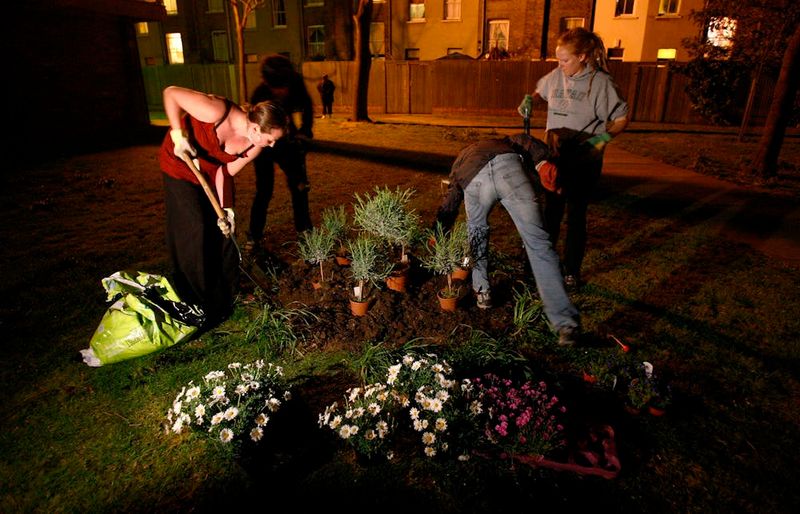
Pests are a constant challenge for Florida gardeners. The warm, humid climate creates perfect conditions for insects year-round.
Some growers believe that during a full moon, pest activity increases at night. Brighter moonlight allows nocturnal insects to move around more easily, feeding on young plants and freshly turned soil.
This belief leads some gardeners to avoid planting during full moons, fearing their seedlings will be more vulnerable to attack.
There’s some logic to this concern. Studies have shown that certain insects are more active under brighter light conditions.
In Florida, pests like cutworms, armyworms, and beetles can cause serious damage overnight. A full moon provides more light than a new moon, potentially making it easier for these insects to find food.
However, most pest activity depends more on temperature, humidity, and the presence of food sources than on moonlight alone.
Experienced Florida gardeners know that pest management involves much more than timing plantings around the moon. They use row covers, natural predators, and careful monitoring to protect their crops.
Still, the idea that a full moon brings more pests remains common. Whether it’s truly accurate or just another piece of folklore, it reflects the real challenges of gardening in a state where bugs never take a break and every season requires vigilance.
5. Seed Germination Myths Gardeners Still Discuss
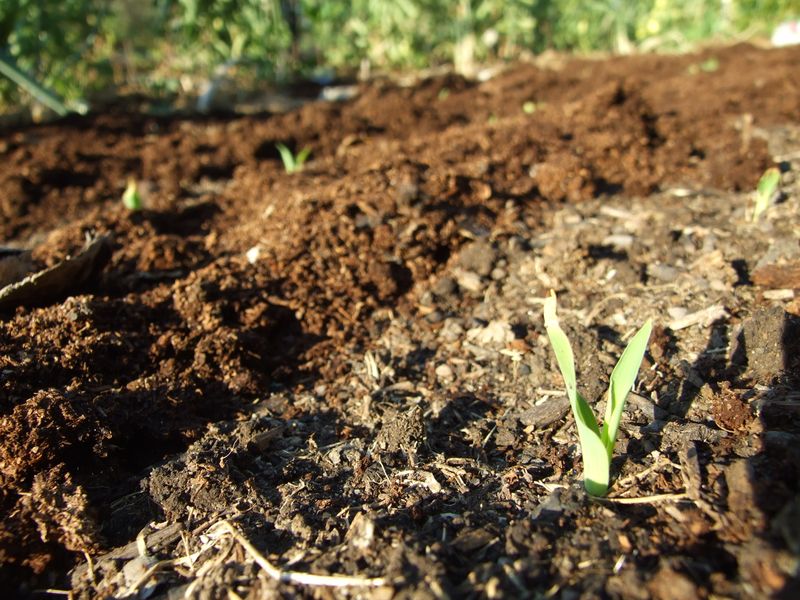
Seed germination is one of the most discussed topics in moon-phase gardening. Many Florida gardeners believe that planting seeds during specific moon phases leads to better sprouting rates and stronger seedlings.
The full moon, however, is often considered the wrong time. According to tradition, seeds planted just before or during a full moon may germinate unevenly or produce weaker plants.
The reasoning is that the moon’s energy is at its peak, causing plants to focus on leaf growth rather than root development.
This belief varies widely depending on who you ask. Some Florida gardeners swear by it, planning their entire planting schedule around the lunar calendar.
Others have tested it and found no difference. Scientific studies on seed germination and moon phases have produced mixed results, with most showing no significant impact.
Yet the myth persists because people remember the times it seemed to work and forget the times it didn’t.
What makes this topic interesting is how personal gardening experiences shape beliefs. In Florida’s diverse climate zones, germination can be affected by temperature, rainfall, soil quality, and seed age.
When all these factors align, it’s easy to credit the moon. When they don’t, gardeners might blame the seeds or the weather instead.
The conversation continues in gardening clubs, online forums, and backyard conversations across the state.
6. Why Some Growers Wait For A Different Moon Phase
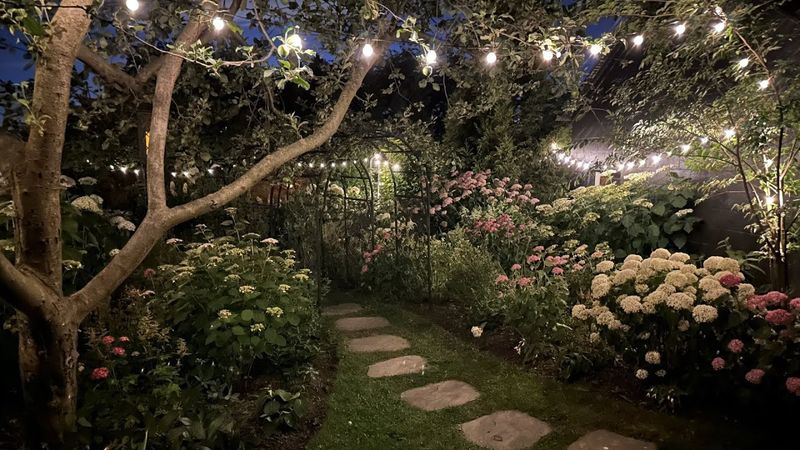
Not all moon-phase gardeners avoid the full moon for the same reasons. Many simply prefer other phases they believe are more favorable.
The waxing moon, when the moon is growing from new to full, is traditionally considered the best time to plant above-ground crops like tomatoes, peppers, and leafy greens. The waning moon, as it shrinks from full to new, is thought to be ideal for root vegetables like carrots, potatoes, and onions.
The full moon itself is seen as a transition point, a moment to pause rather than plant.
In Florida, where growing seasons can be long and varied, timing matters. Growers who follow lunar calendars plan their planting schedules weeks in advance.
They coordinate moon phases with local weather patterns, trying to plant when both the calendar and the forecast align. This approach gives them a sense of control and connection to natural cycles, even if the scientific basis is uncertain.
Traditional planting calendars, some dating back centuries, are still used by Florida gardeners today. These guides offer detailed advice on when to plant, prune, and harvest based on the moon’s position.
While modern agriculture relies on very different methods, small-scale and hobby gardeners often find comfort in these older practices. Waiting for the right moon phase becomes part of the ritual of gardening, a way to slow down and pay attention to the sky.
7. Weather, Rainfall, And Timing Matter More
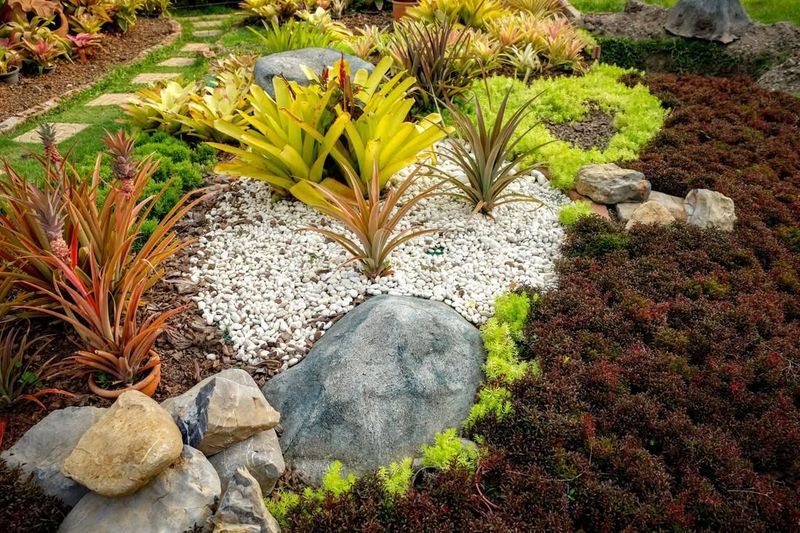
Most experienced Florida gardeners will tell you that weather patterns matter far more than moon phases. The state’s climate is unpredictable, with sudden thunderstorms, intense heat, and seasonal hurricanes.
Planting at the right time means paying attention to temperature, rainfall, and soil conditions. A seed planted in well-prepared soil with adequate moisture and warmth will germinate regardless of the moon phase.
Conversely, a seed planted during the “perfect” moon phase but in cold, dry, or waterlogged soil will likely fail.
Florida’s growing zones range from tropical in the south to subtropical in the north, and each area has its own challenges. Coastal gardeners deal with salt spray and sandy soil, while inland growers face different pests and temperature swings.
Timing plantings around the rainy season, frost dates, and heat waves is critical. Gardeners who focus on these practical factors tend to have more consistent success than those who rely solely on lunar calendars.
That said, many gardeners use both approaches. They check the weather forecast and the moon phase, combining tradition with practicality.
This balanced approach reflects the reality that gardening is part science, part art, and part intuition. While the moon may not control plant growth, the act of paying attention to natural cycles can make gardeners more observant and thoughtful about their practices.
In Florida’s challenging climate, that mindfulness can make all the difference.