Why Florida Gardeners Plant Banana Trees Along Property Lines
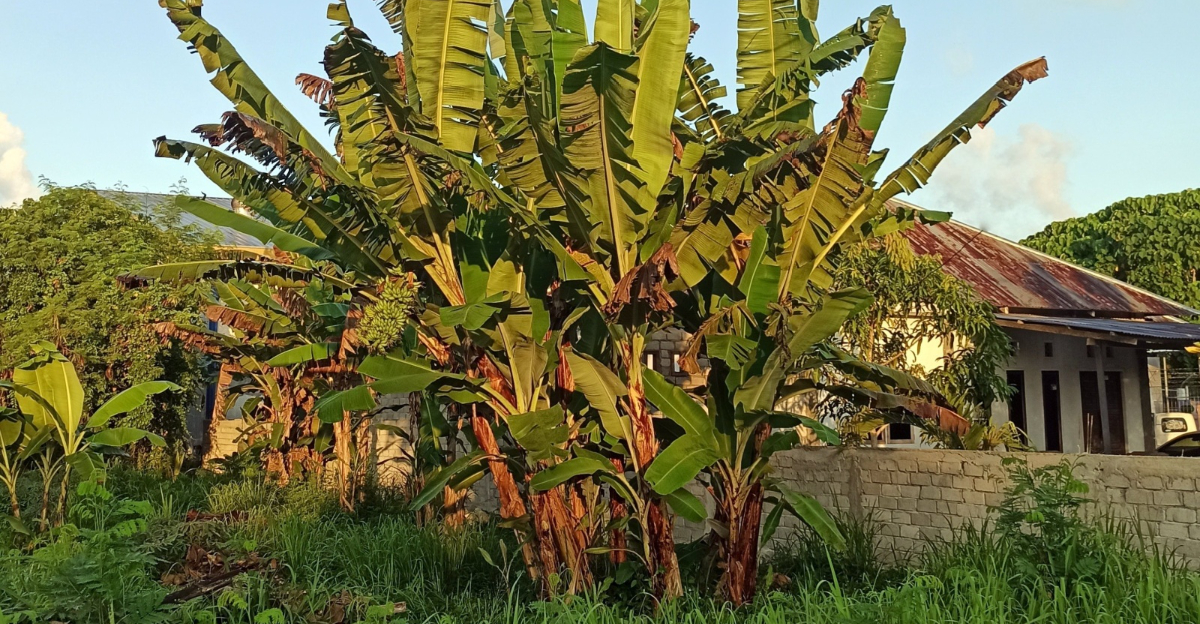
Forget the boring wooden fence – Florida homeowners are using a “living wall” that’s as delicious as it is functional.
If you’ve noticed more banana trees popping up along property lines from Miami to Jacksonville, it isn’t just because they look like a tropical vacation; it’s because they are the ultimate multitasking boundary markers for the Sunshine State.
In a land of sandy soil and relentless summer sun, these fast-growing giants are practically overachievers.
They don’t just sit there looking pretty; they act as a natural windbreak against gusty storms, provide a lush privacy screen in record time, and – best of all – deliver a massive harvest of homegrown fruit right to your doorstep.
By planting a row of bananas at the edge of your yard, you’re turning a simple boundary into a productive, tropical powerhouse that thrives in the unique Florida heat.
1. Banana Trees Block Strong Florida Winds
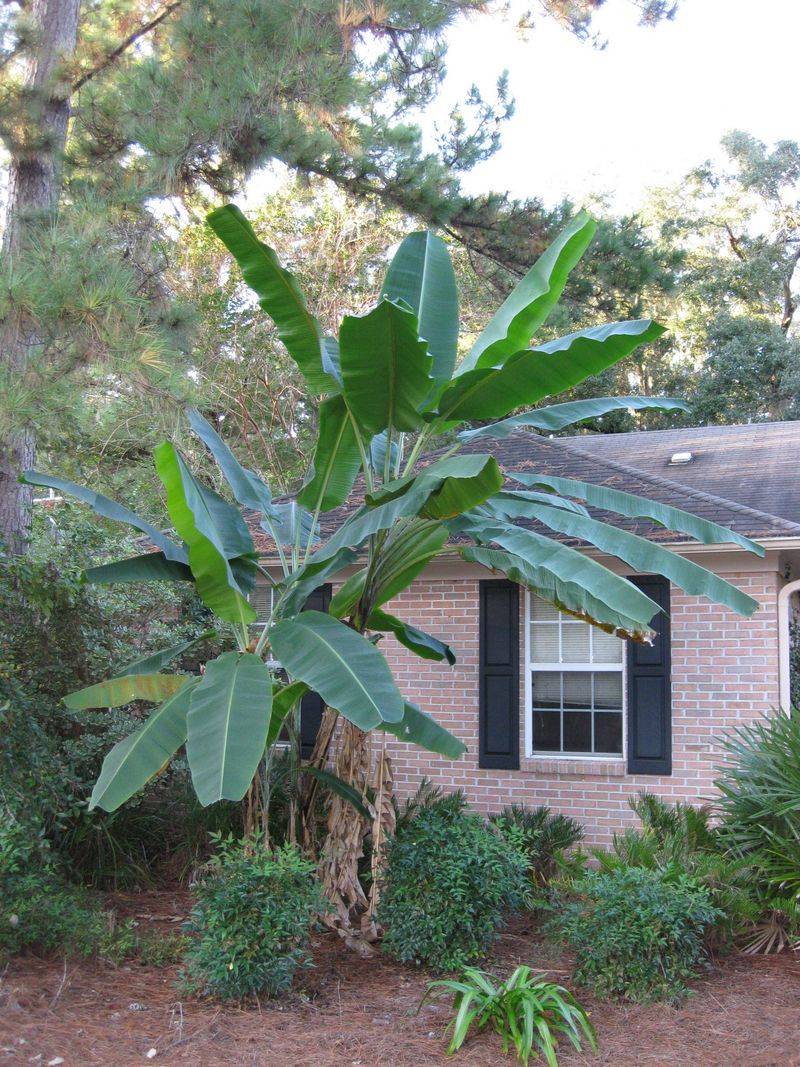
Florida yards take a beating from the wind, especially during summer storm season when gusts can damage gardens, fences, and outdoor furniture.
Planting banana trees along a property line creates a living wall that slows down wind before it reaches your home or garden beds.
Their tall, upright stalks and wide leaves catch and redirect moving air, offering protection that a wooden fence simply cannot match.
Banana trees can reach heights of 10 to 25 feet depending on the variety, making them tall enough to shield a significant portion of your yard.
Varieties like the Cavendish or the hardy Rajapuri are well-suited for Florida conditions and grow quickly enough to establish a useful windbreak within a single growing season.
Spacing plants about 8 to 10 feet apart along the property edge allows their canopy to fill in without crowding.
One practical tip is to plant a mix of mature pups and younger plants so your windbreak has both height and density from the start.
Banana trees also recover quickly after wind events, sending up new growth from the base even when their leaves get tattered.
For Florida gardeners who want a natural, low-maintenance wind solution along the property line, these tropical plants are hard to beat.
2. Create Instant Privacy With Lush Foliage
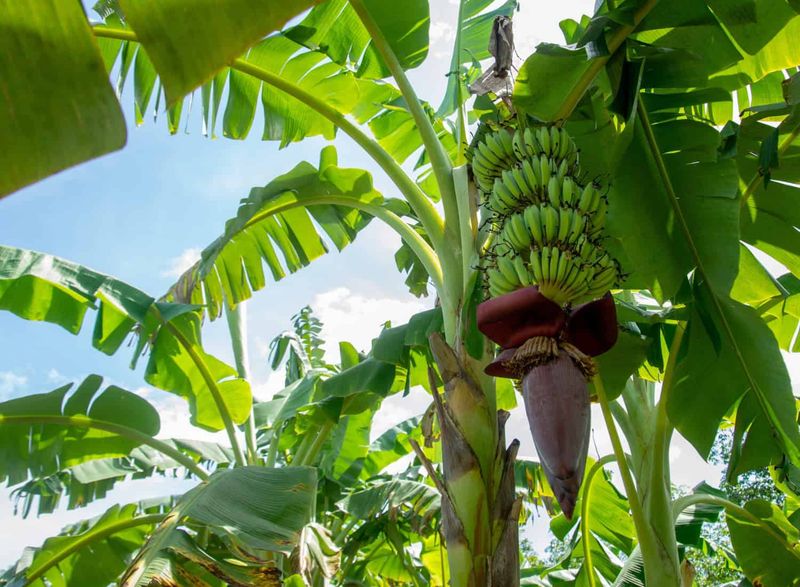
Few things are more frustrating in a Florida backyard than feeling like you are on display every time you step outside.
Banana trees offer a fast-growing, natural solution that creates genuine privacy without the cost of building a tall fence or installing a wall.
Their broad, overlapping leaves form a thick green curtain that is hard to see through even from a short distance away.
What makes banana trees especially useful for privacy is their rapid growth rate. Under Florida’s warm conditions with regular watering, a young plant can put on several feet of height within just a few months.
Within a full growing season, a row of banana trees along the property line can reach a height that blocks the view from neighboring windows, patios, and yards.
Planting them about 6 to 8 feet apart gives each tree enough room to spread its leaves fully, which maximizes the visual barrier effect.
Choosing a clumping variety encourages the plant to produce multiple offshoots called pups, which fill in gaps naturally over time.
Unlike privacy hedges that take years to mature, banana trees deliver noticeable results quickly.
They also look attractive year-round in Florida’s mild winters, keeping your yard private and tropical-looking even when other plants slow down their growth.
3. Maximize Unused Yard Space Efficiently
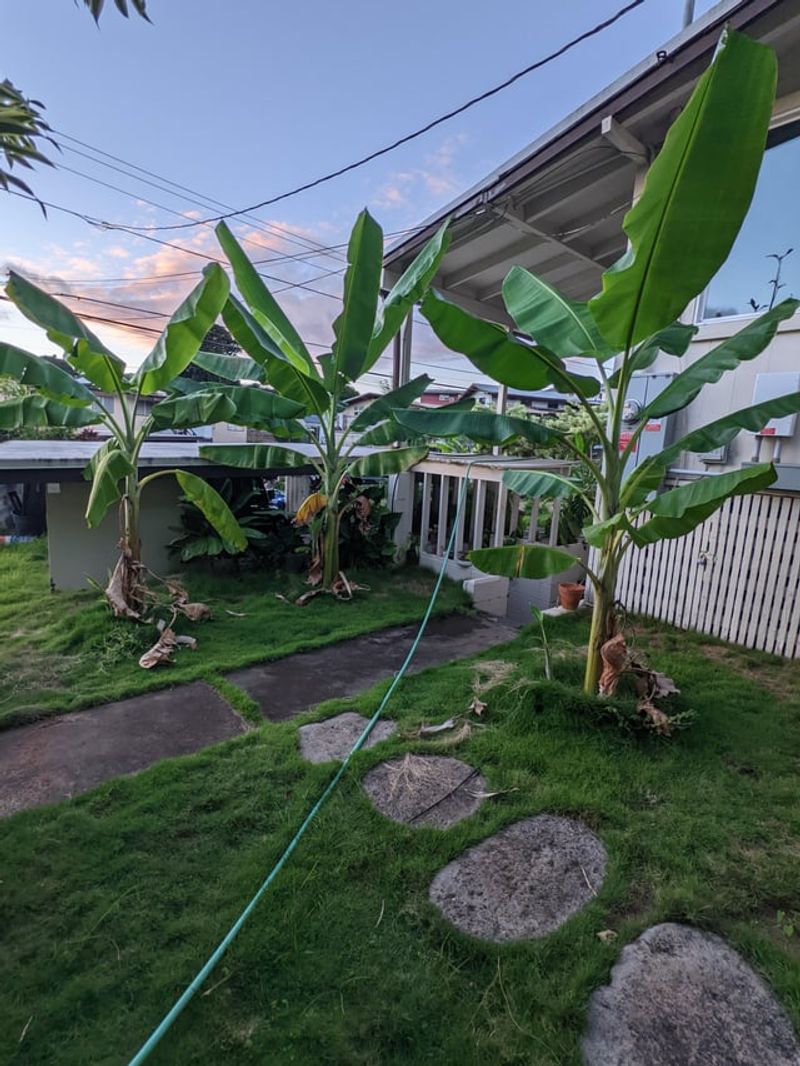
Most Florida yards have at least one narrow strip of ground along the property edge that just sits there doing nothing. Grass grows unevenly in those spots, weeds move in, and the area ends up looking neglected.
Banana trees are an excellent way to turn that wasted strip into something productive and visually appealing without a lot of effort or expense.
Because banana trees grow vertically rather than spreading wide like a shrub, they fit comfortably in strips as narrow as 4 to 5 feet.
Their root systems stay relatively contained compared to large shade trees, which means they are less likely to disrupt underground utilities or push against neighboring structures.
That makes them a smart choice for tight spaces between a fence line and a sidewalk or between two properties.
Pairing banana trees with low-growing tropical plants underneath them takes full advantage of the vertical space.
Gingers, bromeliads, and caladiums all thrive in the partial shade that banana leaves provide, creating a layered planting that looks lush and intentional.
The result is a corner or edge of the yard that contributes to the landscape rather than detracting from it. For Florida homeowners who want more out of every square foot, banana trees along the property line are a smart and satisfying solution.
4. Property Line Microclimates Give Bananas A Boost
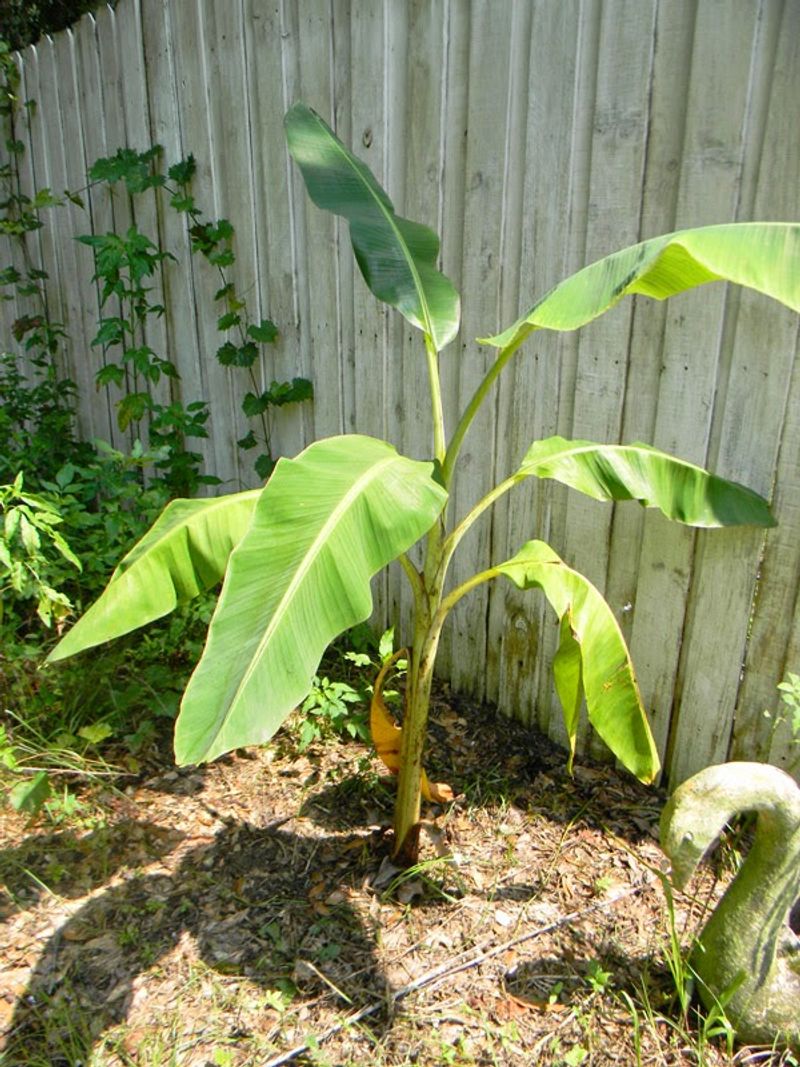
There is something interesting that happens along the edges of Florida yards that most gardeners never think about.
Fences, walls, and neighboring structures create small pockets of warmth called microclimates, where temperatures stay slightly higher and wind exposure is reduced.
These conditions are remarkably well-suited for banana trees, which thrive in warmth and dislike cold drafts.
A south- or west-facing fence line absorbs heat throughout the day and releases it slowly at night, keeping the surrounding soil and air a few degrees warmer than the open yard.
During Florida’s brief winter cool spells, this extra warmth can make a real difference in how well a banana tree holds up.
Varieties like the Dwarf Cavendish and Goldfinger are already cold-tolerant, but that microclimate buffer gives them an additional edge during unexpected temperature dips.
The reduced wind exposure along a fence line also means banana leaves suffer less tearing and shredding, allowing the plant to photosynthesize more efficiently throughout the growing season.
Healthier leaves translate to faster growth and better fruit development.
Gardeners who pay attention to these small environmental advantages often find their property-line banana trees outperform plants placed in the middle of the yard.
Choosing the right spot along the fence can mean the difference between a struggling plant and one that flourishes season after season.
5. Provide Shade For Smaller Plants Nearby
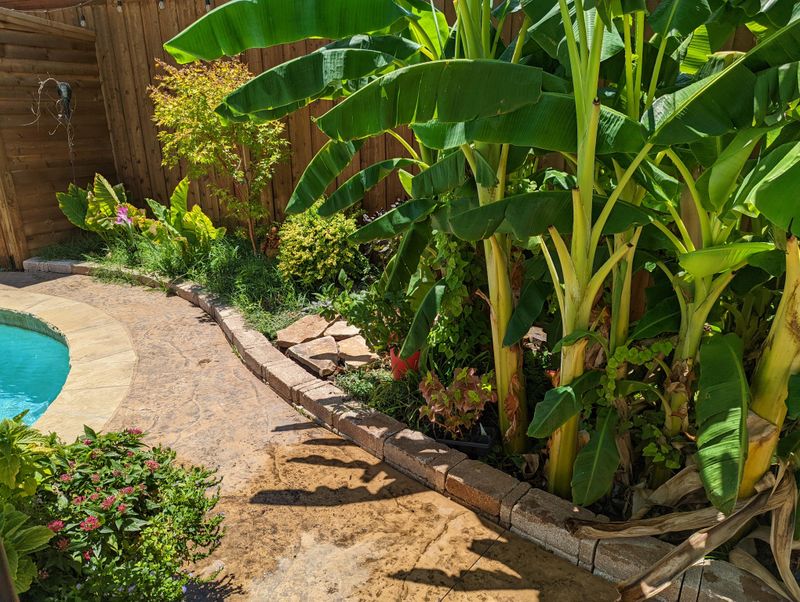
Florida’s summer sun is relentless, and not every plant in the garden can handle full sun exposure from dawn to dusk.
Banana trees planted along property lines naturally create a band of shifting shade throughout the day, which benefits a wide range of smaller plants that prefer filtered light.
Gardeners who understand this relationship can build a layered planting system that supports multiple species at once.
Under the canopy of a mature banana tree, the light levels drop enough to protect shade-loving plants from leaf scorch and wilting.
Caladiums, ferns, peace lilies, and various tropical gingers all perform well in the partial shade that banana leaves create.
This layering approach makes a property line planting more visually interesting while also improving the health of nearby plants that might otherwise struggle in direct Florida sun.
The shade also helps keep soil moisture levels more consistent beneath the canopy. Florida’s sandy soil drains quickly, and constant direct sun dries it out even faster.
Banana tree shade slows evaporation, which means less frequent watering for the plants growing underneath.
Positioning shade-sensitive plants on the east side of a banana tree row gives them morning sun and afternoon protection, which suits many tropical species well.
Building this kind of thoughtful, layered garden along a property line adds depth and biodiversity to what might otherwise be a bare, sun-baked strip of yard.
6. Banana Roots Help Keep Sandy Soil In Place
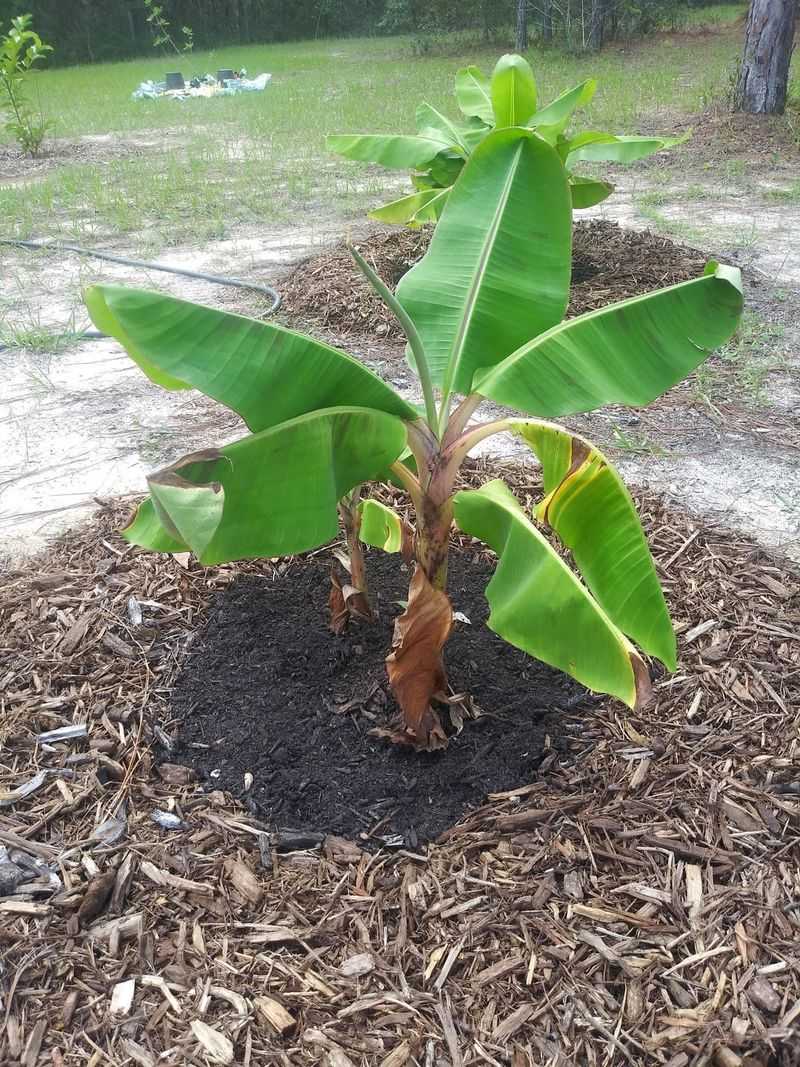
Sandy soil is one of the most common challenges Florida gardeners face. It drains fast, shifts easily, and offers little resistance to wind and water erosion along bare property edges.
Banana trees develop a spreading fibrous root system that weaves through the top layers of soil, binding it together and reducing the movement of loose material during heavy rain events.
Along sloped property lines or areas where stormwater runoff tends to flow, banana trees act as a stabilizing anchor. Their roots do not go extremely deep, but they spread outward and create a dense underground mat that holds the surrounding soil in place.
This is especially valuable in Florida neighborhoods where summer downpours can wash away topsoil and leave bare patches along fence lines and yard edges.
Beyond erosion control, banana roots also contribute organic matter to the soil as older roots break down. This gradual decomposition improves soil structure over time, helping sandy ground retain more moisture and nutrients.
Gardeners who mulch heavily around the base of their banana trees further protect the soil from surface erosion while also feeding the root zone.
Using wood chip mulch or shredded leaves in a thick 3- to 4-inch layer around each plant creates a stable, moisture-retaining base.
Over several seasons, the combined effect of roots and mulch noticeably improves the quality of even the sandiest Florida soil.
7. Add Tropical Flair To Your Property Borders
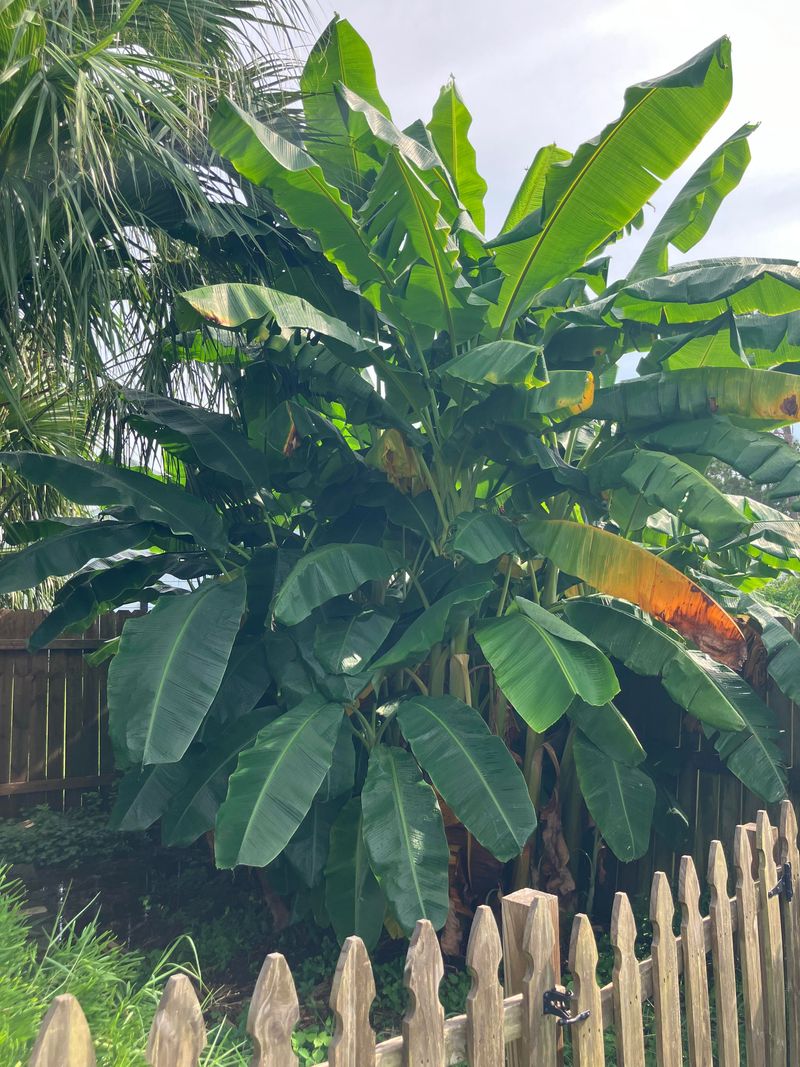
Walk through almost any well-landscaped Florida neighborhood and you will notice that the yards with the most visual impact tend to have bold, tropical plants anchoring their borders.
Banana trees are among the easiest ways to achieve that lush, resort-like look without spending a fortune on landscaping.
Their oversized leaves and upright form create an instant focal point that signals a well-cared-for yard.
The ornamental value of banana trees goes beyond just their size. Varieties like the Red Abyssinian banana and the Musa ornata produce striking foliage and colorful flower bracts that add layers of visual interest throughout the growing season.
Even standard fruiting varieties like the Williams or the Dwarf Cavendish have a sculptural quality that makes them stand out against a plain fence or wall.
Combining banana trees with complementary tropical plants amplifies the effect significantly. Heliconias, bird of paradise, and ti plants all share a similar aesthetic and grow well in Florida conditions.
Placing these alongside banana trees along the property line creates a border that looks designed and intentional rather than random. Neighbors often take notice, and curb appeal improves noticeably.
For homeowners who want their Florida yard to feel like a tropical retreat from the moment you step outside, starting with banana trees along the property edge is a smart and satisfying first move.
8. Fruit Production In Less-Used Areas
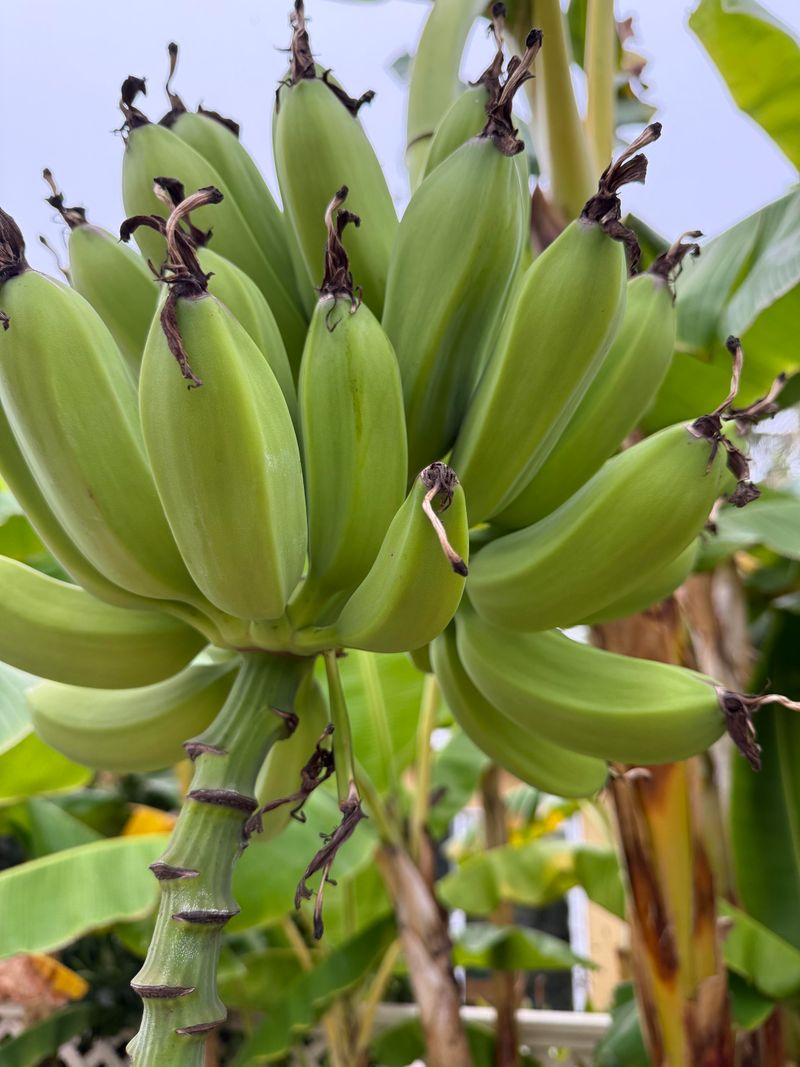
Tucking productive plants into the corners and edges of a Florida yard is one of the smartest moves a home gardener can make.
Property lines are often the least-used parts of a yard, and banana trees turn that underused space into a source of fresh, homegrown fruit.
A healthy banana plant can produce a bunch weighing anywhere from 25 to 100 pounds depending on the variety and growing conditions.
In Florida’s warm climate, most banana varieties will begin producing fruit within 10 to 24 months after planting. Once a stalk produces its bunch, it will not fruit again, but the pups that grow up from the base take over and continue the cycle.
This means a well-established clump along your property line can provide a steady supply of fruit year after year with minimal replanting effort.
Dwarf Cavendish and Lady Finger varieties tend to do especially well in Florida and produce sweet, flavorful fruit that is noticeably different from store-bought bananas.
Keeping the area around the base clear of competing weeds and applying a balanced fertilizer every few months encourages faster fruit development.
Harvesting the bunch while the fingers are still slightly green and allowing them to ripen indoors gives you better flavor and texture. Growing bananas along the property line means you get beauty, privacy, and breakfast all from the same row of plants.