Why Florida Gardeners Use Coffee Grounds To Help Plants In December
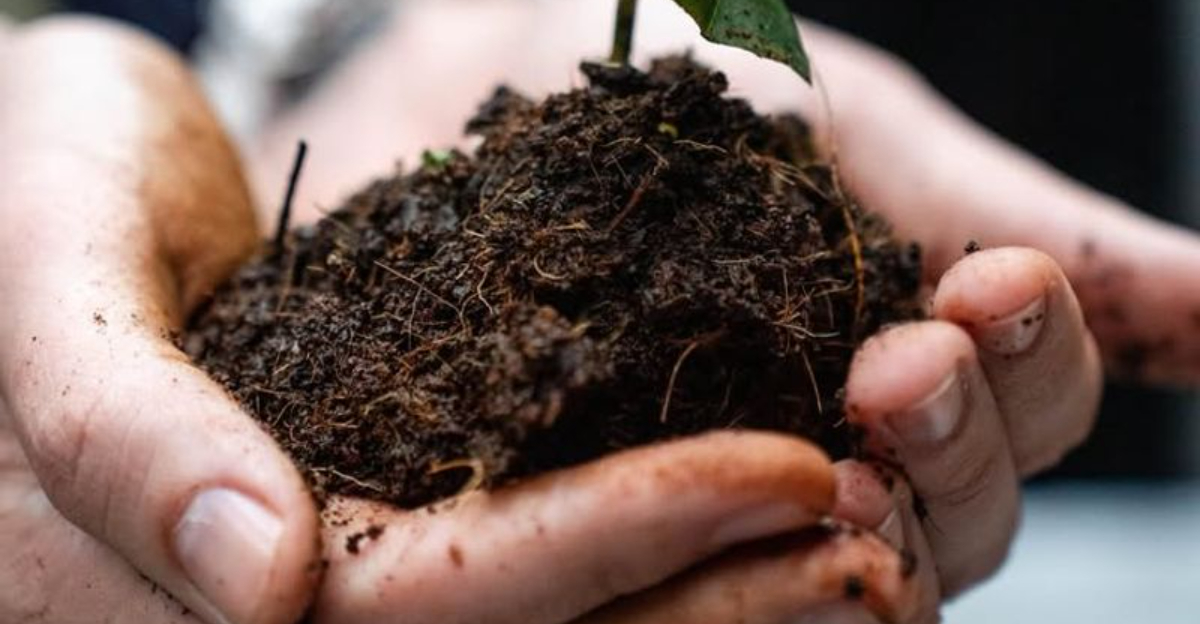
Florida gardeners often focus on soil improvement during December when plant growth slows and temperatures are milder.
Coffee grounds add organic matter to sandy soils, helping improve structure and moisture retention.
During cooler months, nutrients break down gradually, reducing the risk of overfeeding plants.
Coffee grounds can also slightly acidify soil, benefiting acid-loving plants commonly grown in Florida landscapes.
Increased holiday coffee use provides a steady supply of this free amendment, making it a popular choice for gardeners.
When used correctly and in moderation, coffee grounds support beneficial microorganisms and prepare soil for spring growth.
Understanding when and how to apply them prevents common mistakes such as compaction or nutrient imbalance.
Cooler Temperatures Slow Nutrient Release Naturally
Winter months in Florida bring a welcome drop in temperature that changes how nutrients move through soil.
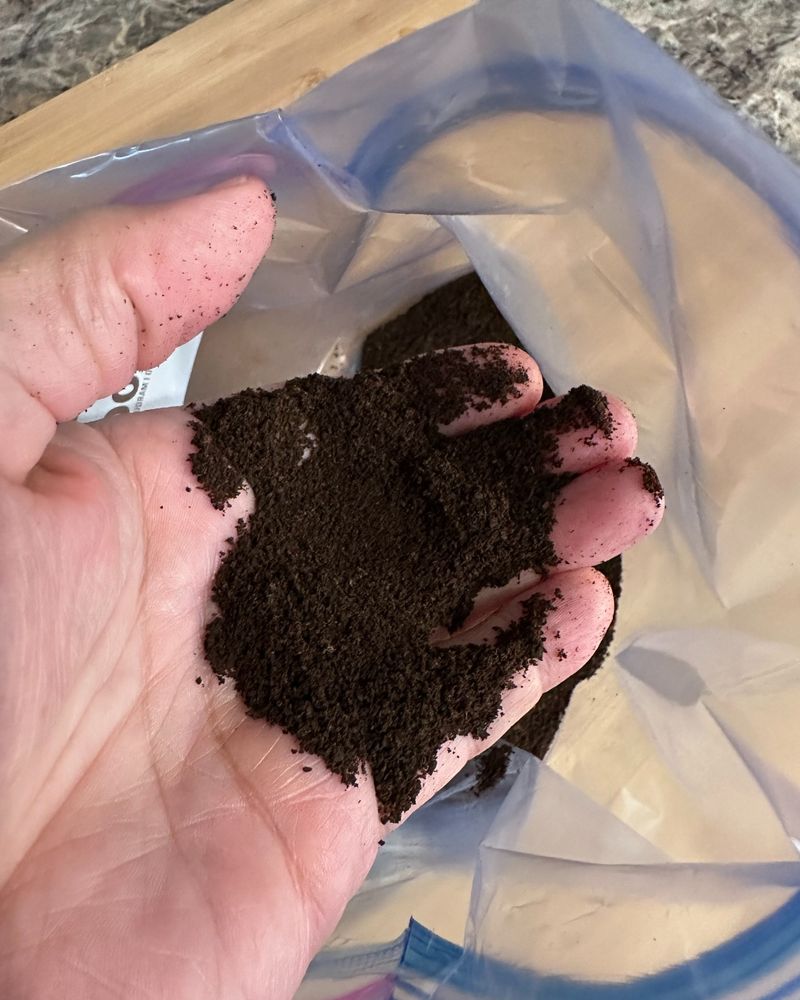
Coffee grounds contain nitrogen, potassium, and trace minerals that break down slowly when temperatures cool.
This gradual release matches perfectly with the reduced growth rate of plants during December.
Plants aren’t demanding as much nutrition when they’re in their slower growth phase, so the gentle nutrient supply prevents waste and runoff.
Sandy Florida soils typically drain quickly, which can wash away nutrients during rainy periods.
The slow decomposition of coffee grounds during cooler weather means nutrients stick around longer, becoming available when plants need them most.
Gardeners appreciate this natural timing because it reduces the risk of nutrient burn that can happen with faster-acting fertilizers.
The organic matter in grounds also feeds beneficial soil microbes, which remain active even in winter.
These tiny helpers break down the coffee material bit by bit, creating a steady supply of plant food.
December applications give grounds time to integrate into the soil structure before spring arrives.
When warmer weather returns and plants wake up hungry, the nutrients are right there waiting.
This synchronized timing makes coffee grounds a smart choice for winter soil preparation throughout the Sunshine State.
Organic Matter Transforms Sandy Florida Soil Structure
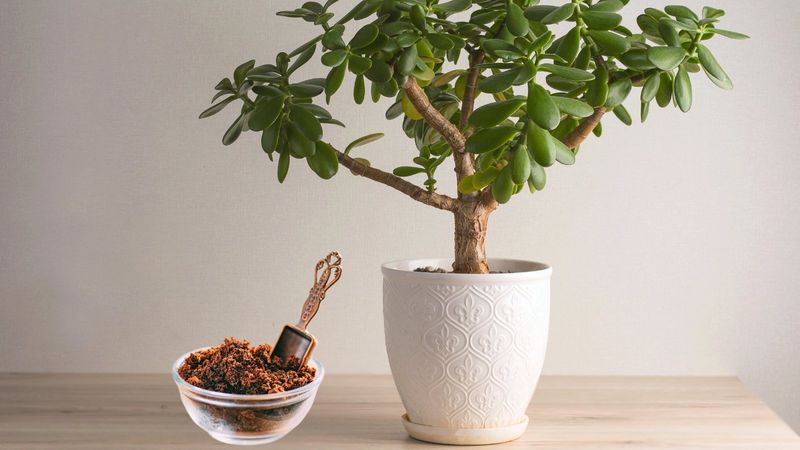
Anyone who has gardened in Florida knows the challenge of working with sandy soil that drains too quickly and holds few nutrients.
Coffee grounds bring organic matter that physically changes how soil behaves, creating spaces for air and water.
When mixed into the top few inches of garden beds, grounds help bind sandy particles together into small clumps.
These clumps create better soil structure, which gardeners call tilth, making the ground easier to work and more hospitable for roots.
December is an ideal month for these amendments because most Florida gardens experience less intense planting activity.
You can work grounds into beds without disturbing active root systems or tender new transplants.
The organic material also increases the cation exchange capacity of soil, which is a fancy way of saying it helps soil hold onto nutrients.
Florida’s frequent winter rains won’t wash away nutrients as quickly when organic matter is present to hold them.
Coffee grounds mixed with other compost materials create an even better soil amendment than grounds alone.
The texture improvement happens gradually over weeks and months as microorganisms break down the material.
By spring planting time, beds amended in December show noticeably better water retention and structure.
This foundation work pays dividends throughout the growing season with healthier, more resilient plants.
Mild Acidity Benefits Acid-Loving Florida Plants
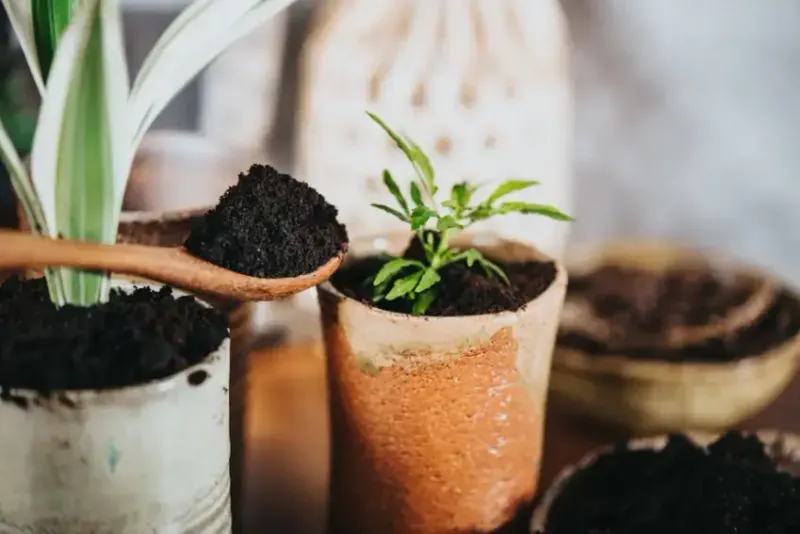
Florida landscapes feature many beautiful plants that thrive in slightly acidic soil conditions, and coffee grounds can help create that environment.
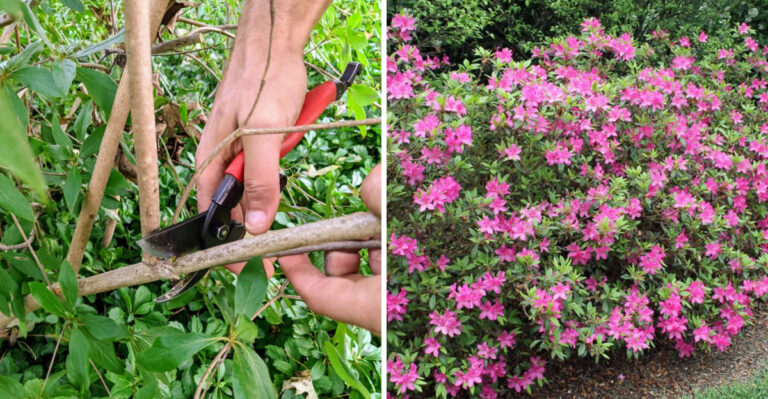
Azaleas paint neighborhoods with brilliant blooms each spring, while camellias offer elegant winter flowers.
Blueberry bushes produce delicious fruit, and gardenias perfume the air with their intoxicating scent.
All these popular plants prefer soil pH levels between 5.0 and 6.5, which is mildly acidic.
Coffee grounds typically have a pH around 6.5 after brewing, making them gently acidifying rather than dramatically so.
Adding grounds in December gives them time to influence soil chemistry gradually before the spring growing season begins.
The acidity comes from organic acids released as microorganisms break down the coffee material.
This process happens slowly, preventing sudden pH swings that could stress plants.
Many Florida soils tend toward neutral or slightly alkaline pH, especially in areas with limestone influence.
Regular applications of coffee grounds can nudge pH downward over time, creating better conditions for acid-preferring species.
Gardeners should still test soil pH periodically to monitor changes and avoid over-application.
The beauty of December applications is the low-risk timing when plants are less actively growing and more forgiving of soil adjustments.
Come spring, acid-loving plants reward this preparation with vigorous growth and abundant flowering.
Moisture Retention Helps During Dry Winter Periods
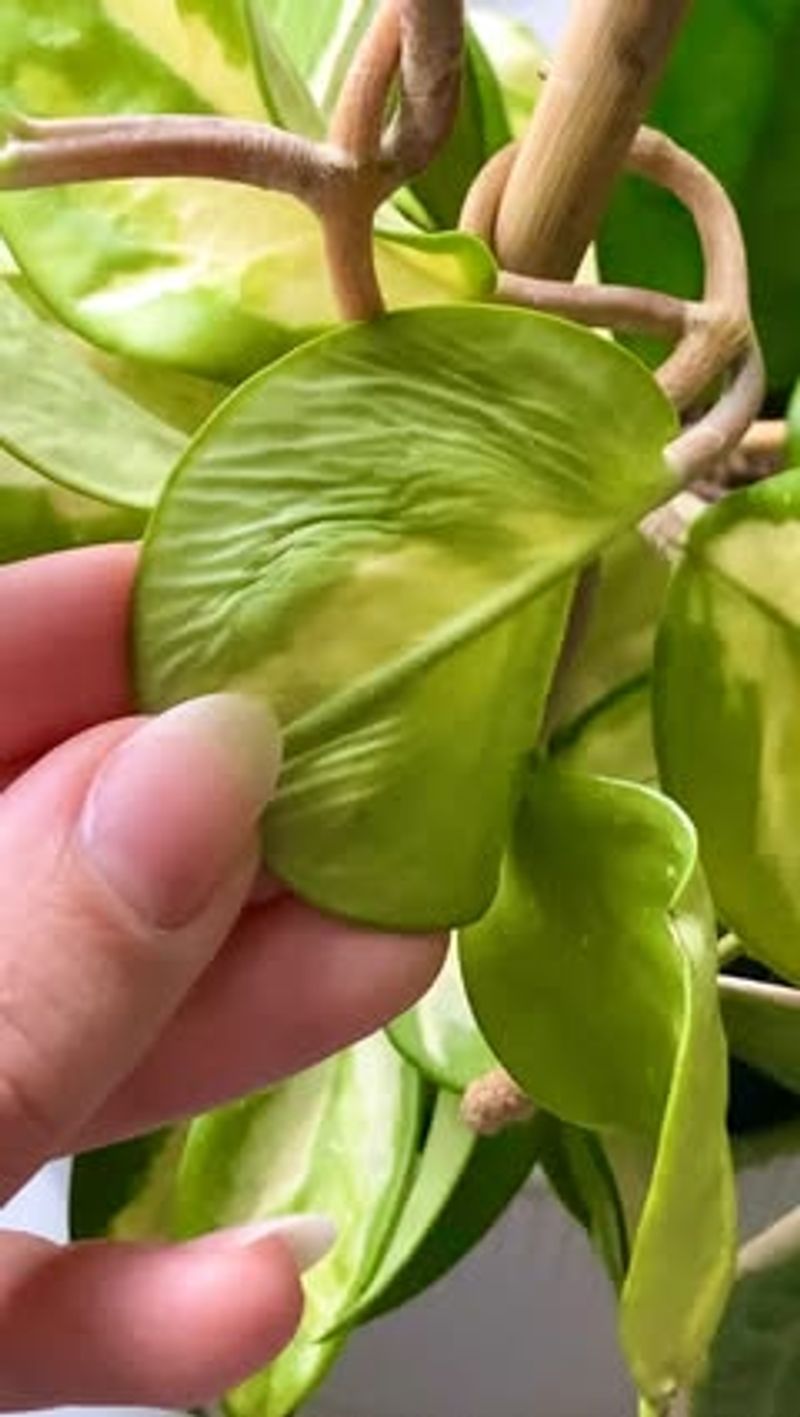
December in Florida often brings drier conditions as the summer rainy season fades into memory.
While temperatures cool, rainfall becomes less predictable, and irrigation becomes more important for garden health.
Coffee grounds contribute organic matter that acts like tiny sponges in the soil, holding water molecules between applications.
This moisture retention reduces how often you need to water and helps plants survive unexpected dry spells.
The grounds absorb water when it’s available from rain or irrigation, then release it slowly as soil dries.
This buffering effect is especially valuable for container plants and newly established landscape additions.
Sandy Florida soils drain so quickly that water often percolates down below root zones before plants can absorb it.
Adding coffee grounds to the root zone creates pockets of organic material that interrupt this rapid drainage.
Roots grow toward these moisture-holding areas, developing stronger systems that support better plant health.
December applications allow grounds to settle into the soil structure before winter dry periods intensify.
The moisture conservation also benefits soil microorganisms that need consistent moisture to remain active.
Healthier microbial populations mean better nutrient cycling and improved soil health overall.
Gardeners notice that beds amended with coffee grounds require less frequent watering even during Florida’s drier winter months.
Natural Compounds Discourage Certain Garden Pests

Coffee contains caffeine and other compounds that can make life uncomfortable for some common garden pests.
Slugs and snails, which can damage tender plants, tend to avoid areas where coffee grounds are present.
The abrasive texture irritates their soft bodies, while caffeine may have toxic effects on these mollusks.
Some research suggests that coffee compounds can also deter ants, though results vary depending on application methods.
December is a time when certain pests remain active in Florida’s mild climate, making natural deterrents valuable.
Sprinkling grounds around the base of susceptible plants creates a protective barrier without harsh chemicals.
The pest-suppressing effects work best when grounds are reapplied regularly, as rain and decomposition reduce their effectiveness over time.
Gardeners should use this method as part of an integrated pest management approach rather than relying on it exclusively.
Coffee grounds won’t eliminate severe pest problems, but they can reduce damage from casual browsing.
The natural approach appeals to gardeners who prefer to minimize synthetic pesticide use in their landscapes.
Winter applications help establish this protective layer before spring brings increased pest activity.
Combining coffee grounds with other organic mulches can enhance their pest-deterrent properties.
The added benefit of pest suppression makes coffee grounds even more valuable as a multi-purpose garden amendment.
Earthworms Thrive In Coffee-Amended Winter Soil
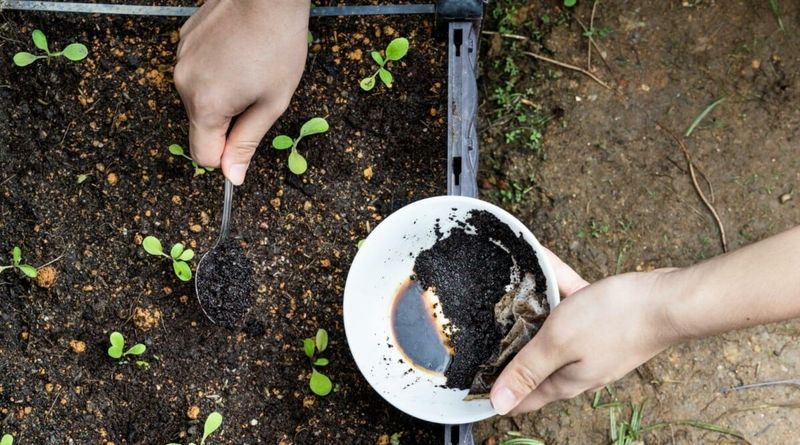
Earthworms are underground heroes that tunnel through soil, creating channels for air and water while leaving behind nutrient-rich castings.
These beneficial creatures love organic matter, and coffee grounds provide an attractive food source during Florida’s cooler months.
December temperatures remain mild enough in most of Florida for earthworm activity to continue, unlike northern states where soil freezes.
Adding coffee grounds to garden beds attracts worms from surrounding areas, increasing their population in your soil.
More earthworms mean better soil aeration, improved drainage, and enhanced nutrient availability for plants.
The tunnels worms create allow plant roots to penetrate deeper and access water during dry periods.
Worm castings contain concentrated nutrients in forms that plants can easily absorb, acting as a natural slow-release fertilizer.
Coffee grounds provide gritty material that helps worms’ digestive systems process other organic matter more efficiently.
Gardeners often notice increased worm activity within weeks of adding coffee grounds to their beds.
This biological boost happens naturally without any special effort beyond spreading the grounds.
Winter is an excellent time to build earthworm populations before spring planting begins.
The improved soil structure created by active worm populations makes spring gardening tasks easier and more productive.
Healthy worm populations indicate healthy soil ecosystems that support vigorous plant growth.
Low-Risk Timing For Gentle Soil Amendments
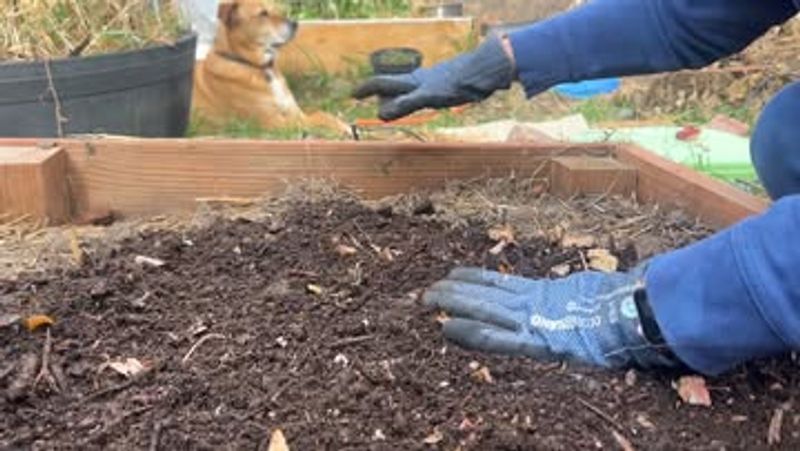
December represents a gardening sweet spot in Florida when most plants enter their slower growth phase.
This dormant or semi-dormant period means plants are less sensitive to soil disturbances and changes in their environment.
Adding coffee grounds during this low-stress time allows soil improvements without risking harm to actively growing plants.
Summer heat and rapid growth make plants more vulnerable to root disturbance and nutrient imbalances.
Winter’s cooler conditions provide a forgiving window for gardeners to experiment with soil amendments.
Coffee grounds won’t burn tender roots during this period because decomposition proceeds slowly and nutrient release is gradual.
Gardeners can work grounds into the soil around established plants without worrying about shocking their systems.
The reduced watering needs of winter plants also mean less leaching of coffee compounds through the soil.
This stability allows the beneficial components of coffee grounds to remain in the root zone where they’re most useful.
December applications give grounds several months to integrate into soil structure before spring planting demands begin.
The timing also allows gardeners to observe how their particular soil and plants respond to coffee ground amendments.
Any adjustments to application rates or methods can be made before the busy spring season arrives.
This low-risk experimentation helps gardeners fine-tune their soil improvement strategies for long-term success.
Holiday Coffee Consumption Creates Free Garden Resources
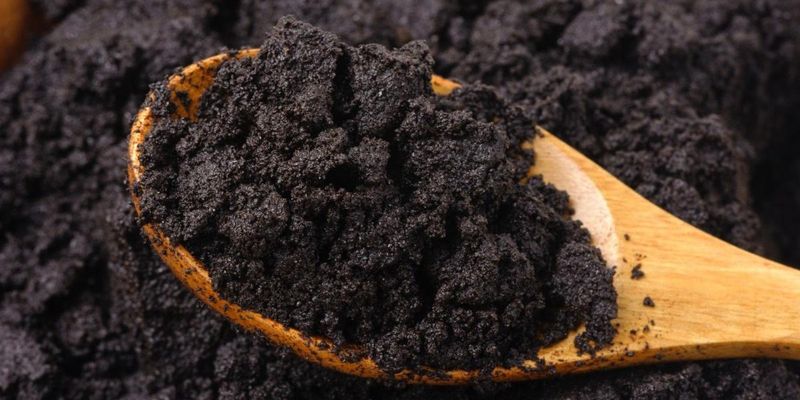
The holiday season brings family gatherings, festive brunches, and increased coffee consumption in households across Florida.
Guests and celebrations mean brewing extra pots of coffee, which generates more used grounds than usual.
Rather than tossing these valuable leftovers in the trash, savvy gardeners collect them for their landscapes.
This recycling approach reduces household waste while providing free soil amendments worth purchasing at garden centers.
December is often the peak month for coffee ground availability in many homes due to holiday entertaining.
Some gardeners even arrange to collect used grounds from local coffee shops during this busy season.
The grounds are already paid for as part of your coffee purchase, making them a truly free garden input.
Collecting and storing grounds is simple—just let them dry slightly to prevent mold, then keep them in a covered container.
The environmental benefit of diverting organic waste from landfills adds another feel-good dimension to using coffee grounds.
Many people enjoy finding productive uses for materials that would otherwise be discarded.
The abundance of coffee grounds during December means you can stockpile enough to use throughout the winter months.
This practical recycling habit aligns perfectly with sustainable gardening principles that many Florida gardeners embrace.
Free resources that improve garden health represent the best kind of win-win situation for budget-conscious plant lovers.
Winter Preparation Creates Spring Success
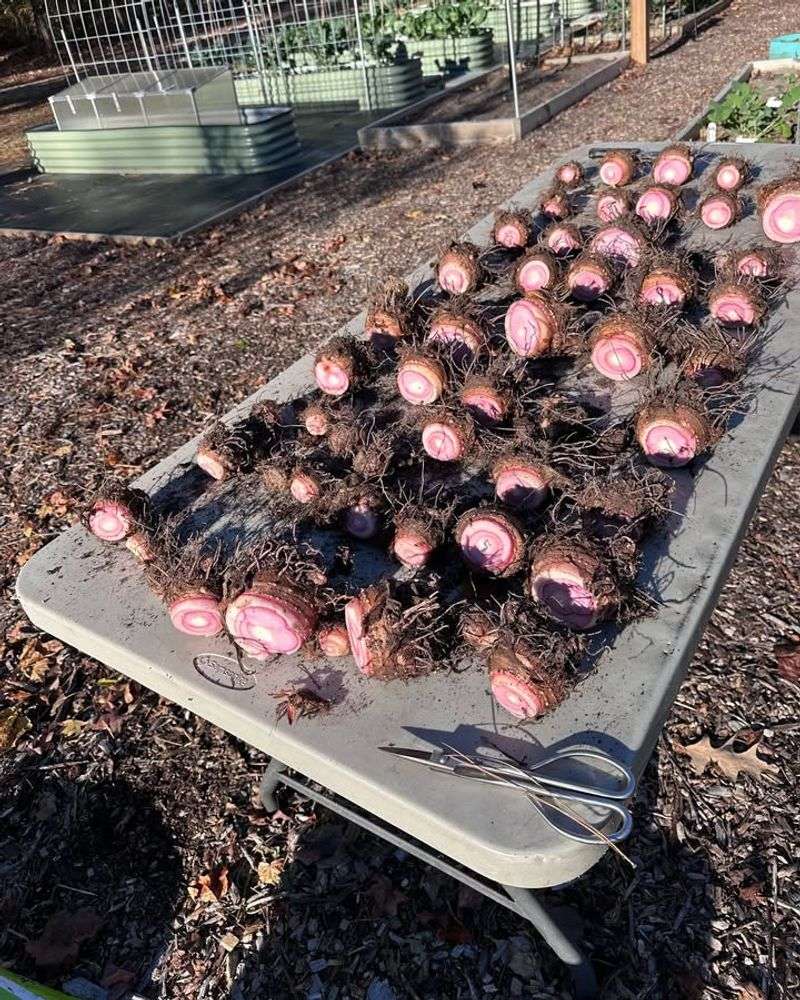
Experienced Florida gardeners know that spring planting success begins with winter preparation work.
December offers the perfect opportunity to improve soil conditions while plants are resting and garden activity slows.
Coffee grounds incorporated into beds during winter have months to break down and integrate before spring vegetables and flowers go in.
This head start means soil structure, nutrient levels, and microbial activity are all optimized when planting season arrives.
Spring gardens in Florida often begin in February or March, giving December amendments about two to three months to work.
The improved soil conditions created by coffee grounds help spring transplants establish quickly with less transplant shock.
Seeds germinate more reliably in soil with good structure and moisture retention.
Young seedlings develop stronger root systems when organic matter provides stable growing conditions.
Gardeners who prepare beds in winter often report better germination rates and faster plant growth in spring.
The time invested in December pays dividends when spring gardens take off with vigor and health.
Coffee grounds also contribute to the dark, rich appearance of well-amended soil that gardeners find so satisfying.
This visual improvement accompanies real functional benefits that plants experience below ground.
Starting spring with healthy, well-prepared soil makes the entire growing season more productive and enjoyable for Florida gardeners.
Improved Drainage After Heavy Winter Rain Events
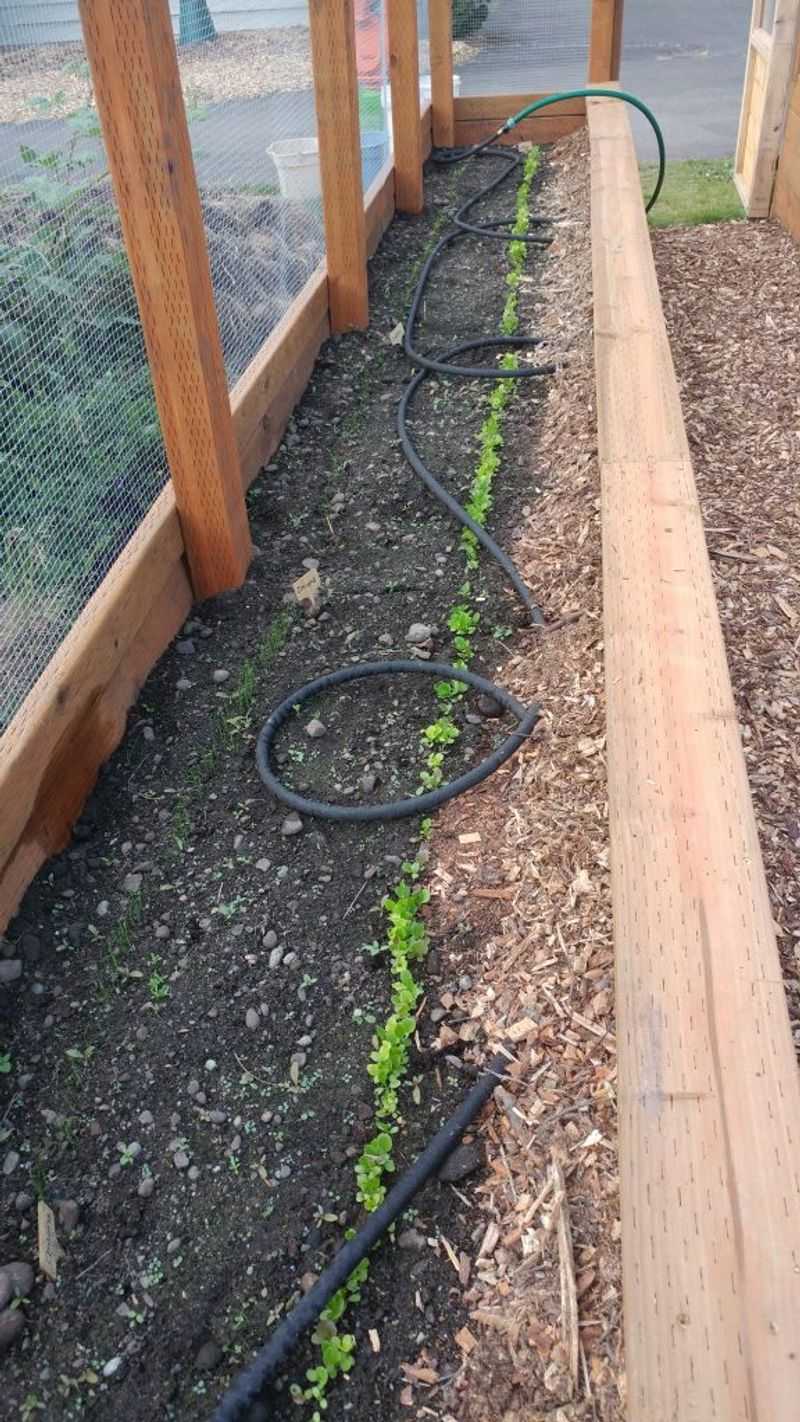
Florida’s winter weather can include intense rain events from cold fronts and occasional tropical systems.
These downpours saturate soil and can create compaction problems, especially in high-traffic garden areas.
Coffee grounds mixed into the top layer of soil help prevent compaction by creating a lighter, more porous texture.
The organic particles wedge between soil grains, keeping them from packing tightly together under the weight of water.
Better soil structure means water drains through rather than pooling on the surface or creating muddy conditions.
December storms that bring several inches of rain in short periods can overwhelm gardens with poor drainage.
Beds amended with coffee grounds recover more quickly after these events because water moves through the improved soil structure.
The enhanced drainage also reduces the risk of root rot and fungal problems that develop in waterlogged conditions.
Florida’s sandy soils naturally drain well, but coffee grounds improve this characteristic even further.
Gardeners working with heavier soils in some Florida regions find coffee grounds especially helpful for drainage improvement.
The texture created by decomposing grounds remains stable through multiple wet-dry cycles.
Winter is an ideal time to address drainage issues before spring rains arrive.
Improved water movement through soil also enhances oxygen availability to roots, promoting healthier plant growth year-round.