Why Florida Homeowners Are Growing Lantana Near Their Front Doors
Something bright has been quietly changing the look of front yards across Florida.
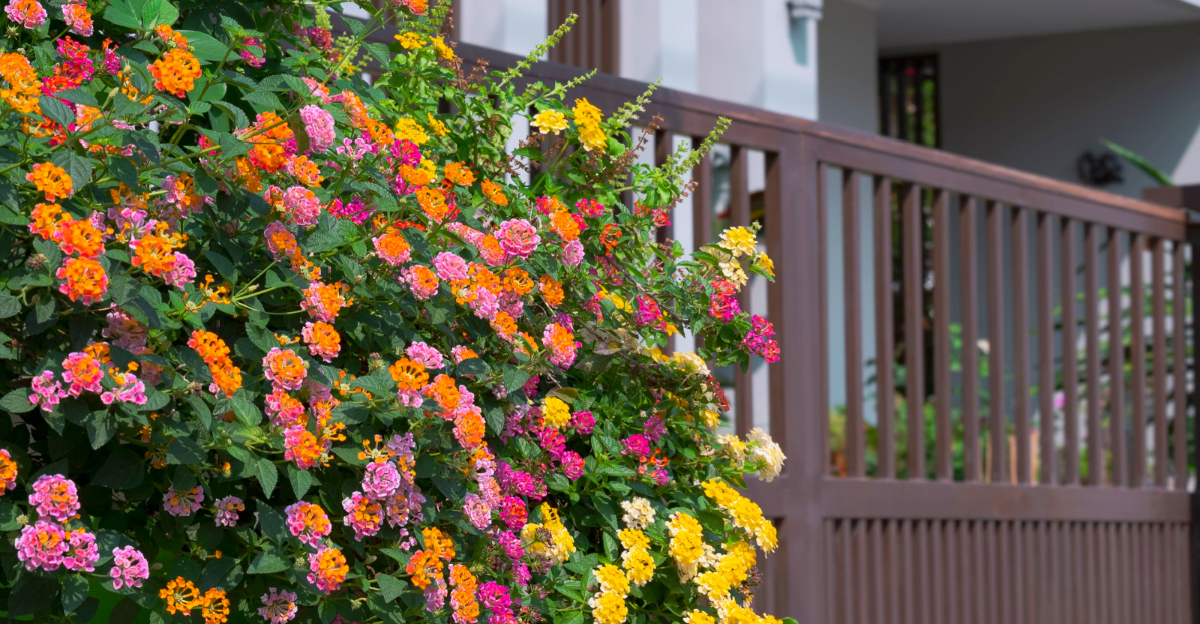
Walk through neighborhoods from Pensacola to the Florida Keys and you may notice the same cheerful clusters of orange, yellow, pink, and purple flowers popping up near entryways and front walkways.
Lantana has become one of the most talked-about plants for Florida homes, especially around front doors where color and durability matter most.
Florida’s intense sun, sandy soil, and long summers can make landscaping tricky, but lantana seems built for these conditions.
Its flowers shift shades as they age, butterflies gather around the blooms, and the plant keeps producing color through much of the growing season.
With a combination of toughness and curb appeal, it is easy to see why more Florida homeowners are giving this vibrant plant a spot near the place where every guest arrives.
1. Lantana’s Rise As A Front Yard Favorite In Florida
Front yard gardening in Florida comes with its own set of challenges that gardeners in cooler states rarely have to think about.
Scorching summer temperatures, sandy soils that drain quickly, and stretches of dry weather can wear out plants that look great at the nursery but struggle once they hit the ground.
Homeowners across Florida have learned through trial and error that not every flowering plant can keep up with what the Florida climate throws at it.
Lantana has earned its spot near front doors because it handles those conditions with ease. It thrives in full sun, which Florida has in abundance, and it does not demand rich or heavily amended soil to produce its signature clusters of tiny flowers.
Many Florida gardeners have discovered that lantana actually seems to perform better when it is not over-watered or over-fertilized.
Its versatility also plays a big role in its popularity. Lantana comes in spreading groundcover forms and taller shrub varieties, giving homeowners flexibility when designing entryway beds.
Whether someone wants a low border along a front walkway or a fuller planting near a porch column, there is likely a lantana variety that fits the space and style they have in mind.
2. The Bright Blooms That Make An Entryway Feel More Welcoming
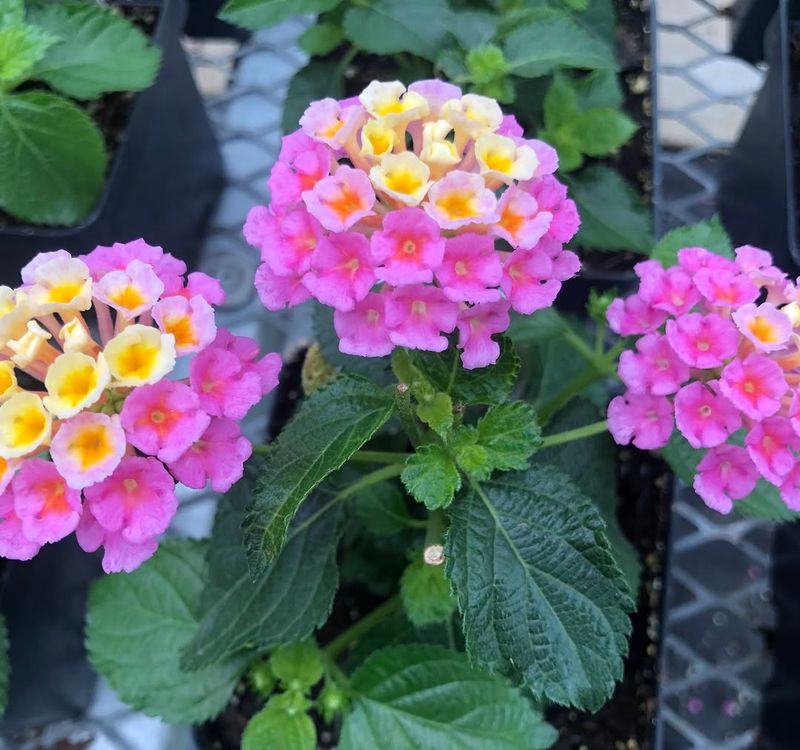
Walking up to a front door lined with clusters of pink, orange, yellow, and red flowers makes a home feel lived-in and cared for in a way that plain mulch beds simply cannot match.
Color near an entryway sends a quiet signal to visitors that someone inside pays attention to the details.
Lantana delivers that visual warmth reliably, and it does so with blooms that often shift shades as the flower heads age.
One of the more interesting things about lantana flowers is that a single flower cluster can show multiple colors at once. Younger blooms at the center of the cluster tend to be a different shade than the older blooms at the outer edges.
This natural color variation gives the plant a lively, almost layered look that is hard to replicate with single-color annuals.
In Florida’s long growing season, lantana can produce flowers across many months of the year. That extended bloom time means the entryway stays colorful well beyond what many spring-blooming plants can offer.
Homeowners who want reliable front door color without replanting every season often find that lantana checks that box with very little effort on their part.
3. Lantana Handles Florida Heat Better Than Many Other Plants
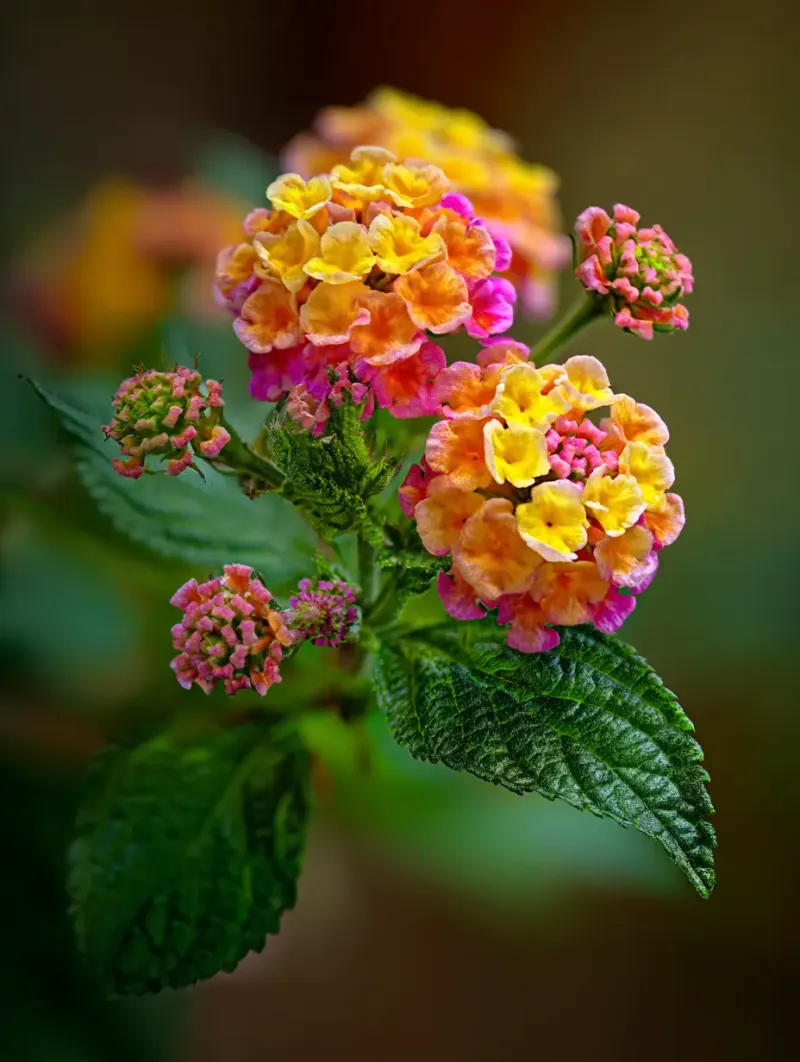
Florida summers are not kind to plants that prefer mild temperatures. Heat indexes regularly climb above 100 degrees Fahrenheit, and the combination of intense sun and humidity can stress even tough landscape plants.
Many homeowners have watched impatiens wilt, petunias fade, and other popular flowering plants struggle through July and August. Lantana, on the other hand, tends to look its best right in the middle of those brutal months.
The reason lantana handles Florida heat so well has to do with its origins. Native to tropical regions of the Americas, lantana evolved in warm, sun-drenched environments.
Its leaves have a slightly rough, textured surface that helps reduce water loss, and its roots are adapted to sandy, fast-draining soils that are common throughout much of Florida.
Once established, lantana can tolerate short dry periods and often relies largely on seasonal rainfall in many Florida landscapes.
This drought tolerance is a practical advantage for homeowners who travel during summer or simply want to reduce their water bills.
Choosing a plant that was essentially built for conditions like Florida’s makes the entire front yard gardening experience much less stressful.
4. Low-Maintenance Lantana Fits Busy Florida Lifestyles
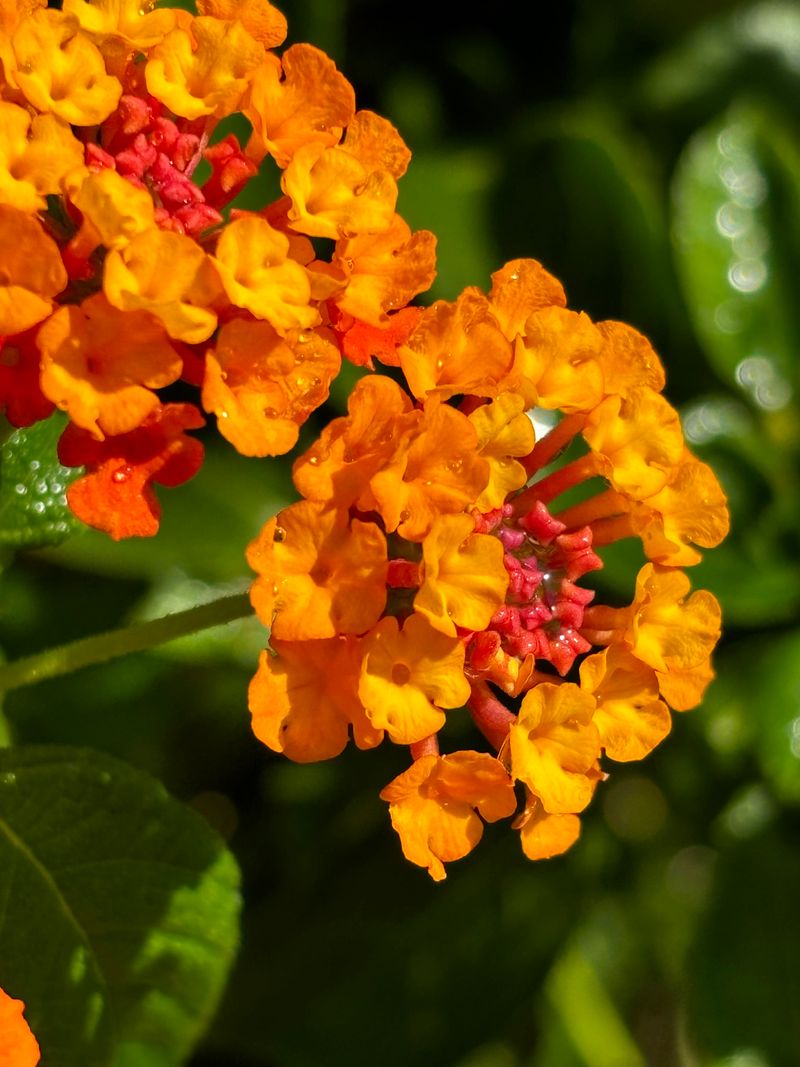
Not everyone who owns a home in Florida has the time or desire to spend weekends tending to a high-maintenance garden.
Between work schedules, family commitments, and the general pace of daily life, many homeowners want a front yard that looks good without requiring constant attention.
Lantana fits that lifestyle in a way that few flowering plants can genuinely claim.
After a lantana plant gets established in the ground, usually within its first growing season, it requires very little regular care. Watering needs drop significantly once the roots have settled in.
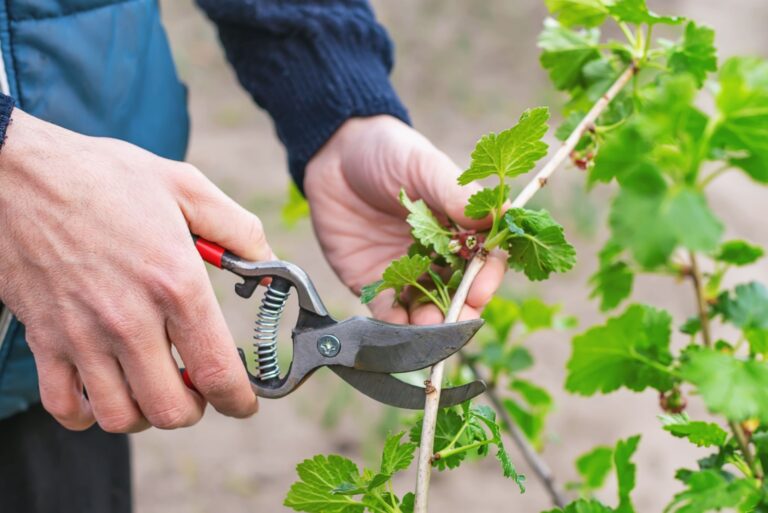
Fertilizing is not something most Florida gardeners need to do often, since over-fertilizing can actually push the plant toward leafy growth at the expense of flowers. Light pruning a few times a year helps keep the shape tidy and encourages fresh blooms.
Pest pressure on lantana tends to be lower than many flowering shrubs, though occasional issues such as lace bugs or whiteflies can appear in some gardens.
While no plant is completely free of insect visitors, lantana tends to resist the kind of serious pest damage that forces homeowners to reach for sprays or treatments.
For someone who wants a colorful, dependable front yard planting with minimal upkeep, lantana has a track record in Florida landscapes that is genuinely hard to argue with.
5. Lantana Brings Pollinators Closer To The Front Porch
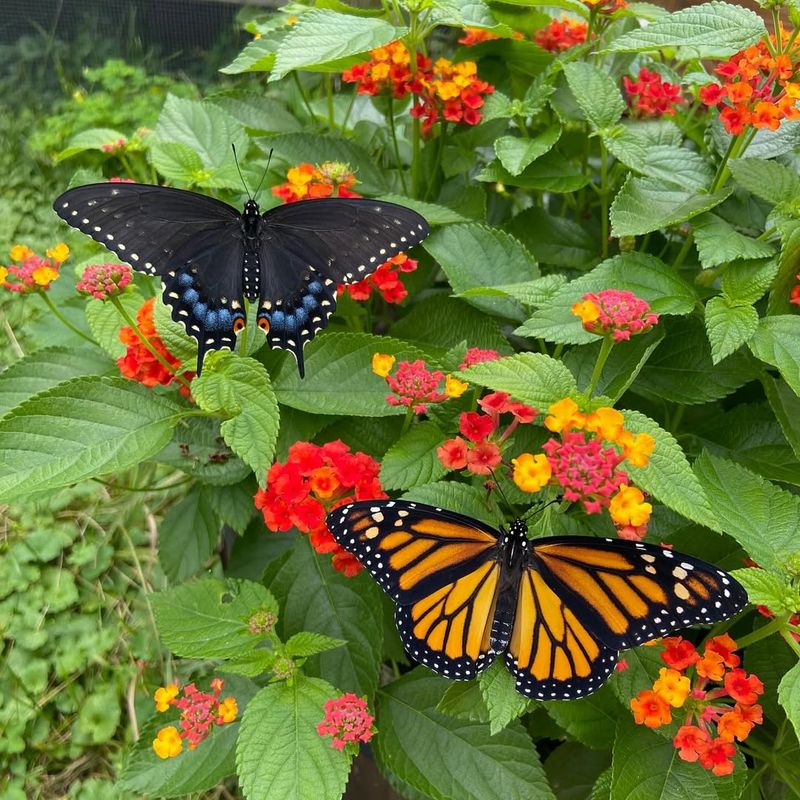
Sitting on a front porch and watching butterflies drift from flower to flower is one of those simple pleasures that feels especially easy to achieve in Florida.
The state sits along major butterfly migration routes and supports an impressive variety of native and migratory species year-round.
Planting something near the front door that actively draws pollinators turns an ordinary entryway into a small, living ecosystem.
Lantana is well known among Florida gardeners and butterfly enthusiasts for being a strong nectar source. Monarch butterflies, swallowtails, zebra longwings, and sulfurs are among the species frequently seen visiting lantana blooms for nectar.
Hummingbirds also show interest in the flowers, particularly in parts of Florida where ruby-throated hummingbirds pass through during migration.
The nectar in lantana flowers is accessible to a wide range of pollinators because of how the flower clusters are arranged.
Multiple tiny blooms packed into a single head give visiting insects and birds plenty of feeding options without having to travel far.
For homeowners who want to support local wildlife while also enjoying a beautiful front yard, planting lantana near the porch creates a natural gathering spot that rewards anyone willing to sit and watch for a few minutes.
6. Ways Lantana Adds Color Without Taking Over The Whole Space
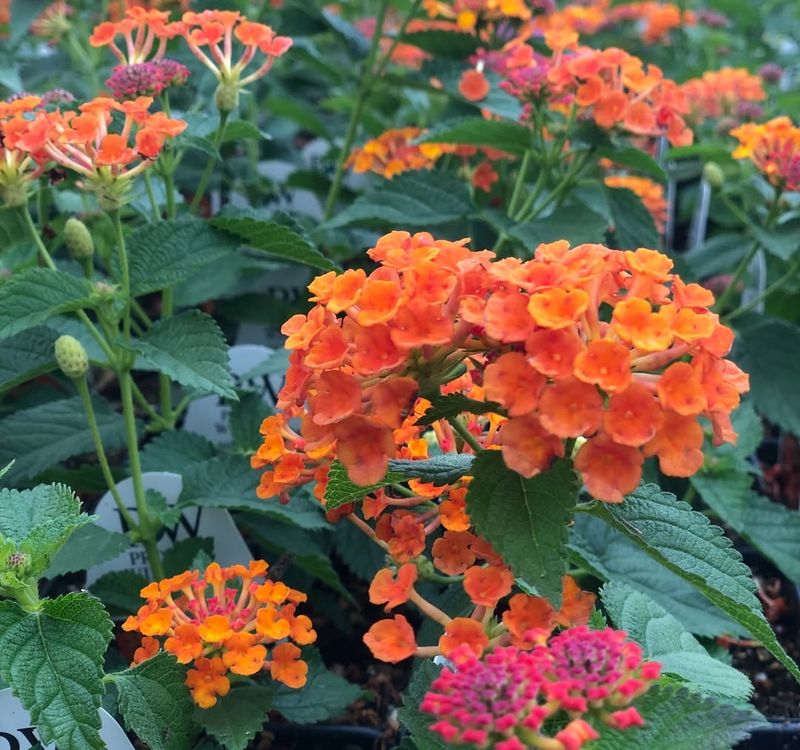
One of the common worries homeowners have when choosing flowering shrubs for a small entryway is whether the plant will eventually outgrow the space and become a problem.
That concern is worth taking seriously with lantana, since some varieties can spread more aggressively than others, particularly in South Florida where the climate stays warm year-round.
The good news is that the right variety selection and a little planning go a long way toward keeping things manageable.
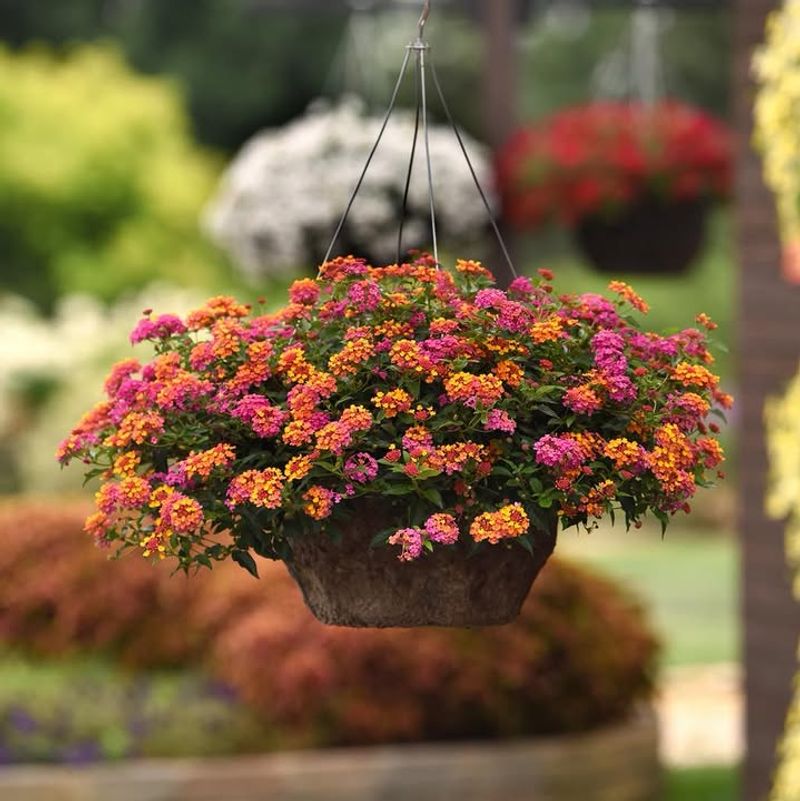
Compact and trailing lantana cultivars work especially well in containers placed on either side of a front door. Container planting gives homeowners direct control over the plant’s spread while still delivering the colorful blooms that make entryways look inviting.
Containers can be moved, swapped out seasonally, or repositioned based on how the space changes over time.
For in-ground plantings along a front walkway or foundation bed, choosing sterile or low-spreading cultivars reduces the chance of unwanted spread into surrounding areas.
Many Florida nurseries carry cultivars specifically selected for their contained growth habits.
Combining lantana with other low-growing plants like society garlic or blue daze creates a layered border look that adds depth and color without any single plant overwhelming the space or crowding out its neighbors.
7. Important Considerations Before Planting Lantana Near The Door
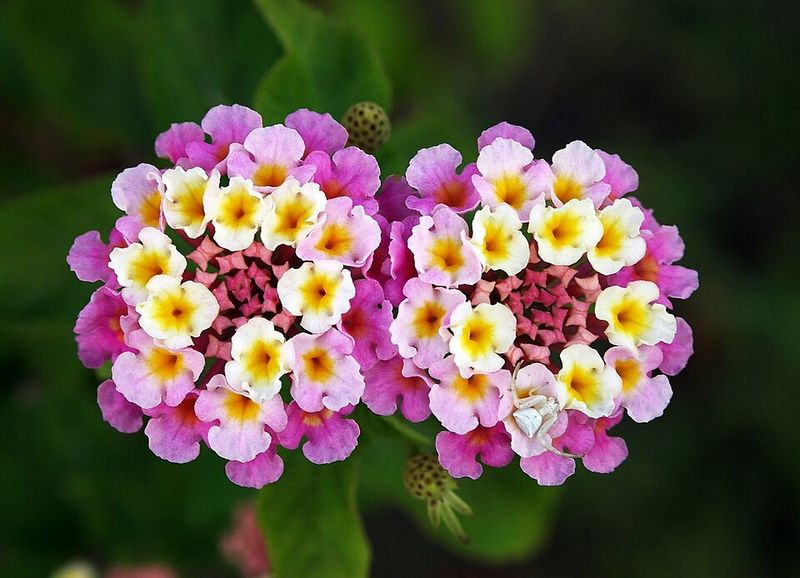
Before heading to the nursery and picking up the first lantana plant that catches your eye, a few things are worth knowing upfront. Some lantana species, particularly Lantana camara, have been identified as invasive in parts of Florida.
These plants can spread into natural areas, disturb native plant communities, and create problems that go beyond any single yard.
Florida gardeners, especially those in Central and South Florida, are encouraged to select sterile cultivars or native alternatives to reduce any risk of unwanted spread.
Lantana depressa is a native Florida species that offers many of the same visual benefits without the invasive concerns associated with its non-native relatives.
Asking at the nursery specifically about sterile or non-spreading cultivars is a smart step before making a purchase.
Staff at local Florida nurseries are usually familiar with which varieties perform well in the region without causing issues.
It is also worth noting that unripe lantana berries can be toxic if eaten, which matters for households with young children or pets who spend time near the front door.
Planting lantana in raised beds or containers can help keep curious hands and paws at a safe distance.
With a little forethought, it is easy to enjoy everything lantana offers while keeping the planting both responsible and safe.
8. Lantana Fits Naturally Into Everyday Florida Landscapes
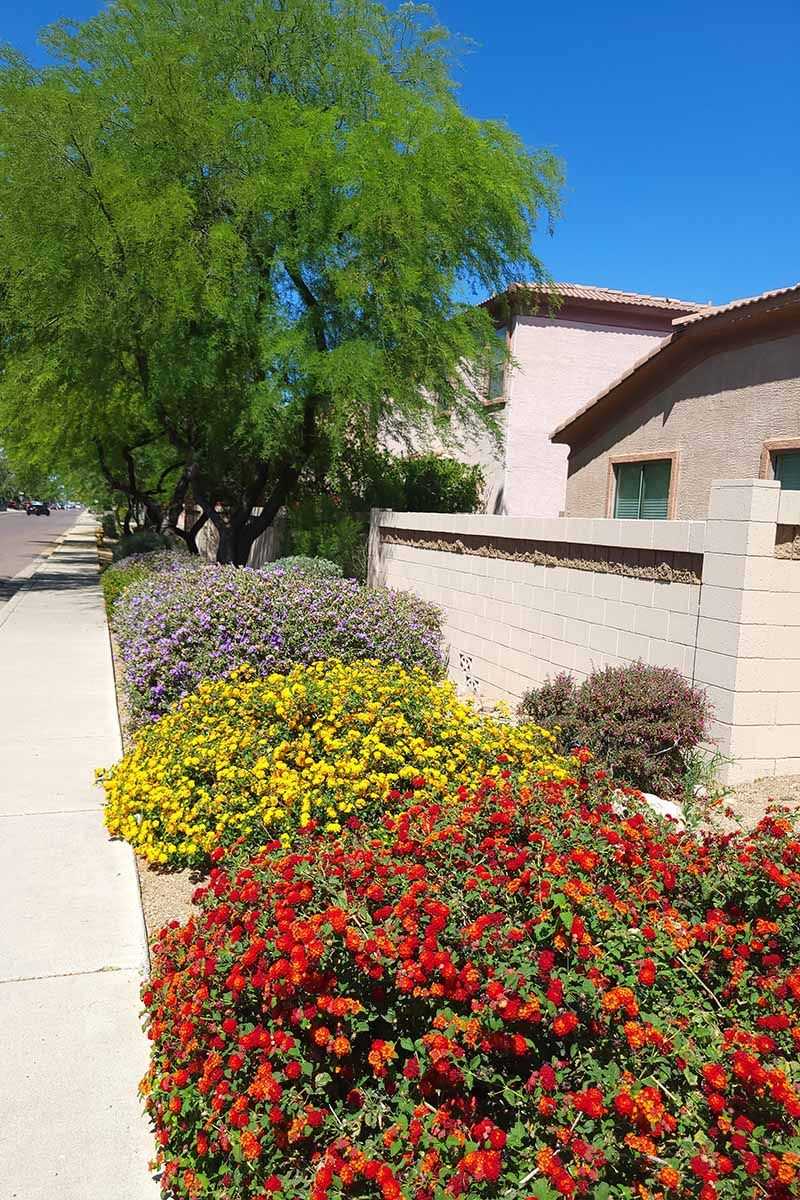
Florida’s landscape gardening scene is shaped by a unique mix of factors that most other states do not share.
The sandy soils, the long stretches of intense sun, the salty coastal air in many neighborhoods, and the unpredictable wet and dry seasons all influence which plants earn a permanent spot in the yard.
Lantana checks a surprising number of boxes that make it a practical fit for everyday Florida landscaping beyond just its good looks.
Salt tolerance is one trait that often goes unmentioned but matters a great deal for homeowners near Florida’s coasts.
Many flowering plants struggle when exposed to salt spray or salty soils, but lantana handles those conditions reasonably well, making it a useful option for beach communities and waterfront neighborhoods throughout the state.
Across Florida, from the Panhandle to the southernmost tip, lantana has proven itself in a wide range of landscape settings.
It works in formal foundation beds, casual cottage-style plantings, pollinator gardens, and simple container arrangements on front steps.
Its combination of toughness, color, and flexibility has made it a go-to recommendation among experienced Florida gardeners who want results without overcomplicating the process.
For anyone looking to add reliable beauty near their front door, lantana has a strong case to make.