Why Florida Lawns Turn Yellow After Freeze (And What Not To Do In March)
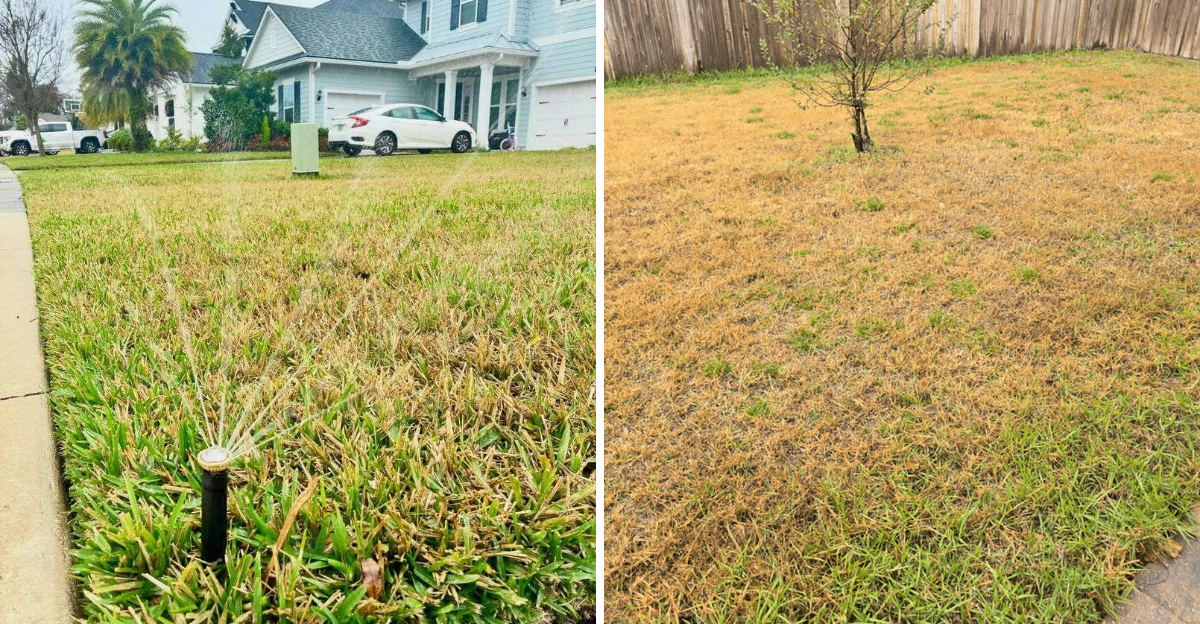
A sudden freeze can change a Florida lawn overnight. What looked lush and green can fade to pale yellow in just days, leaving homeowners confused and worried.
Many expect grass to bounce back quickly in the warm climate, yet early spring often tells a different story. Subtle damage below the surface can linger long after temperatures rise, and the wrong moves in March can make recovery slower instead of faster.
Timing, patience, and restraint matter more than most people realize during this fragile window. Before you rush to fix the color or force new growth, it helps to understand what your lawn is really going through.
The difference between a full recovery and months of struggle often comes down to what you avoid doing right now.
1. Freeze Shock Drains Color From Florida Lawns
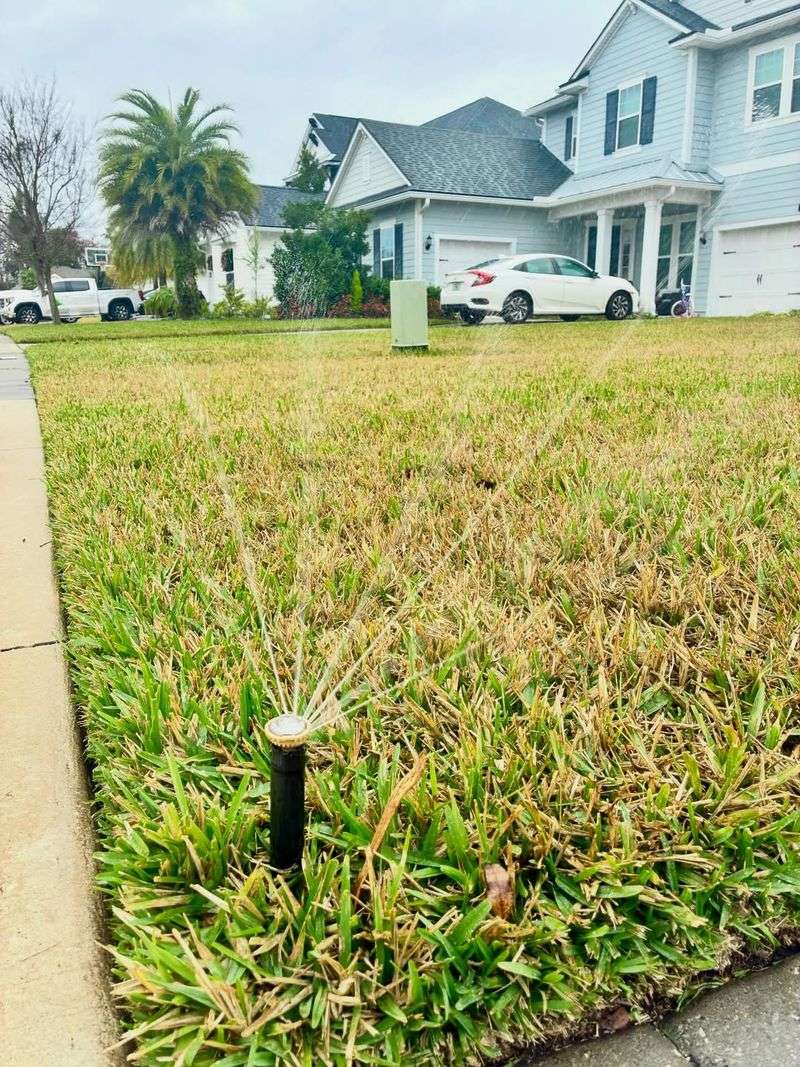
When temperatures plunge below freezing, grass blades experience rapid cellular damage that strips away their vibrant green color. Water inside the leaf tissue freezes and forms ice crystals that puncture cell walls from the inside out.
This mechanical injury disrupts the chloroplasts where chlorophyll lives, and without functioning chlorophyll, grass cannot maintain its green pigment.
The yellowing you see is actually the grass revealing its underlying carotenoid pigments after chlorophyll breaks down. Think of it like autumn leaves changing color, except this transformation happens within hours instead of weeks.
Cold sensitive warm season grasses common in Florida lawns show this color change most dramatically because they evolved in tropical and subtropical climates.
St Augustine grass turns yellow fastest because its broad blades hold more moisture that freezes readily. The damage becomes visible within 24 to 48 hours after temperatures drop.
Some sections may look worse than others depending on microclimates in your yard, with low lying areas and shaded spots often showing more severe yellowing because cold air settles there overnight.
2. Root Damage Shows Up Long After The Freeze
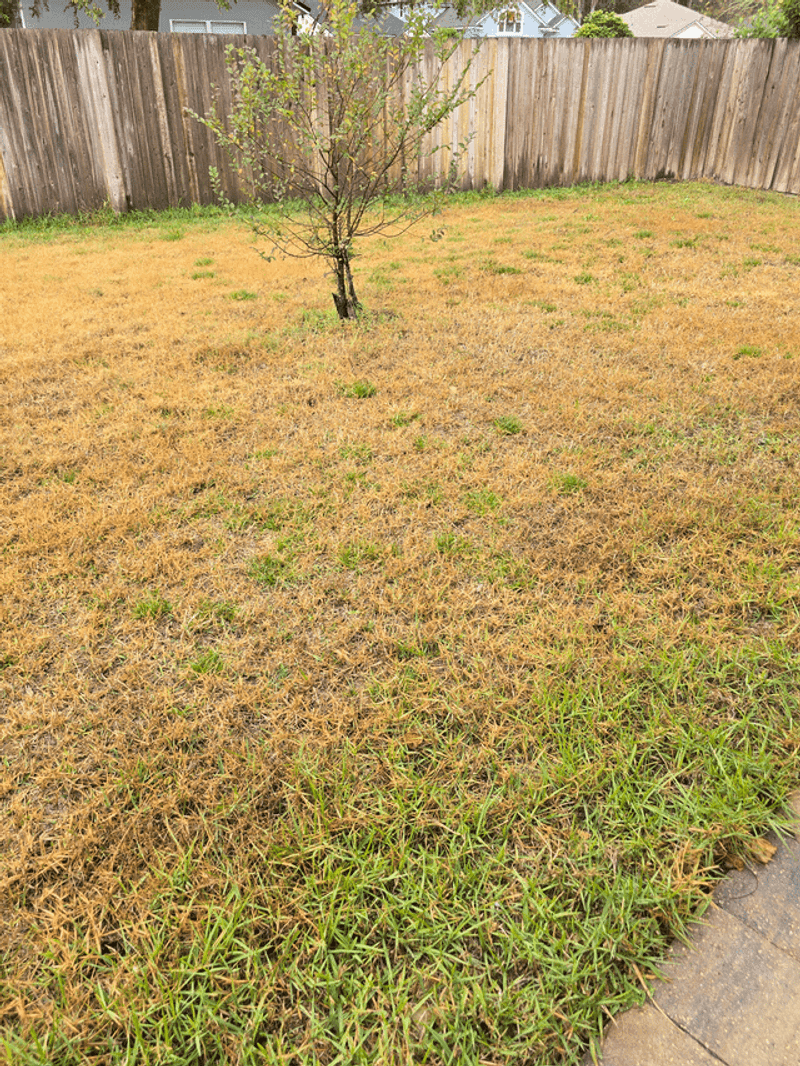
What happens above ground tells only part of the story. Beneath the surface, roots suffer their own battle with freezing temperatures that may not become apparent for several weeks.
Root cells contain less natural antifreeze protection than above ground tissues, making them vulnerable to cold penetration when freezes last several hours.
Damaged roots struggle to absorb water and nutrients efficiently even after air temperatures warm up. This underground stress means your lawn may look okay initially, then decline further two or three weeks later as weakened roots fail to support new growth.
Homeowners often mistake this delayed response for a new problem when it is actually the original freeze injury finally showing its full impact.
Root recovery takes much longer than blade recovery because roots grow more slowly and depend on soil temperature rather than air temperature. In Florida, soil warms gradually through March and April.
Until soil temperatures consistently reach the mid 60s Fahrenheit, root systems remain sluggish and unable to repair freeze damage effectively, which explains why lawns can look rough well into spring despite warming weather.
3. Cold Hits Warm Season Lawns Hardest
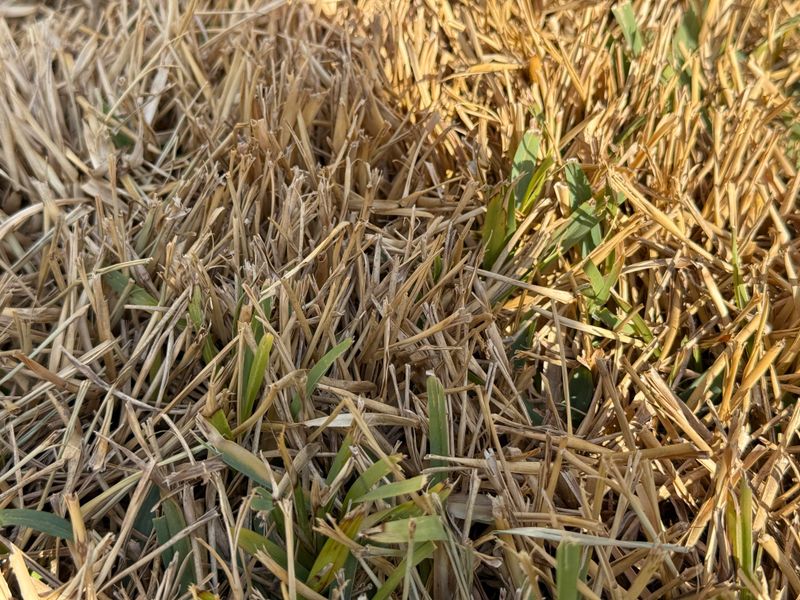
Florida lawns consist primarily of warm season grasses that thrive in heat but lack the cold hardiness of northern grass species. St Augustine grass, the most popular choice across the state, shows freeze damage when temperatures drop into the upper 20s Fahrenheit for even a few hours.
Its tropical origins mean it simply was not built to handle prolonged cold exposure.
Bermuda grass tolerates cold slightly better than St Augustine because it goes fully dormant and turns brown naturally in winter across much of Florida. However, it still suffers root damage during hard freezes.
Zoysia falls somewhere between the two, with better cold tolerance than St Augustine but slower recovery than Bermuda once spring arrives.
The severity of yellowing depends on how acclimated your grass was before the freeze hit. Lawns that experienced gradual cooling over several weeks fare better than those hit by a sudden temperature plunge.
Unfortunately, Florida weather patterns often bring rapid cold fronts that drop temperatures 40 degrees overnight, giving grass no time to harden off. This shock factor amplifies the visual damage and extends recovery time significantly compared to regions with gradual seasonal transitions.
4. Early Fertilizing Makes Yellow Lawns Worse
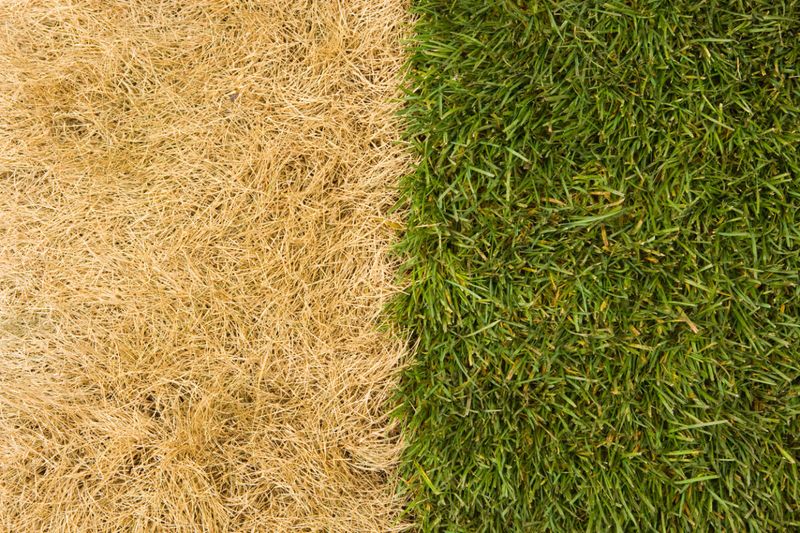
Seeing yellow grass triggers an instinct to feed it back to health, but applying fertilizer to freeze damaged turf in early March ranks among the worst mistakes you can make. Fertilizer contains salts that pull moisture from grass tissues through osmosis.
Healthy grass handles this stress easily, but freeze damaged grass with compromised cell walls cannot regulate water properly and suffers burns from fertilizer contact.
Nitrogen fertilizer forces new top growth that the weakened root system cannot support. The grass exhausts its limited energy reserves trying to produce blades instead of repairing underground damage.
This misdirected growth leaves your lawn even more stressed and vulnerable to disease, insect pressure, and further environmental challenges throughout spring.
University of Florida IFAS Extension recommends waiting until grass shows clear signs of active growth before fertilizing after freeze events. Look for new green shoots emerging from the base of plants and consistent growth across the entire lawn.
In most of Florida, this means waiting until late April or even early May depending on your location. Patience with fertilizer application gives roots time to recover and ensures your nutrients actually help rather than harm the recovery process.
5. Too Much Water Suffocates Stressed Roots
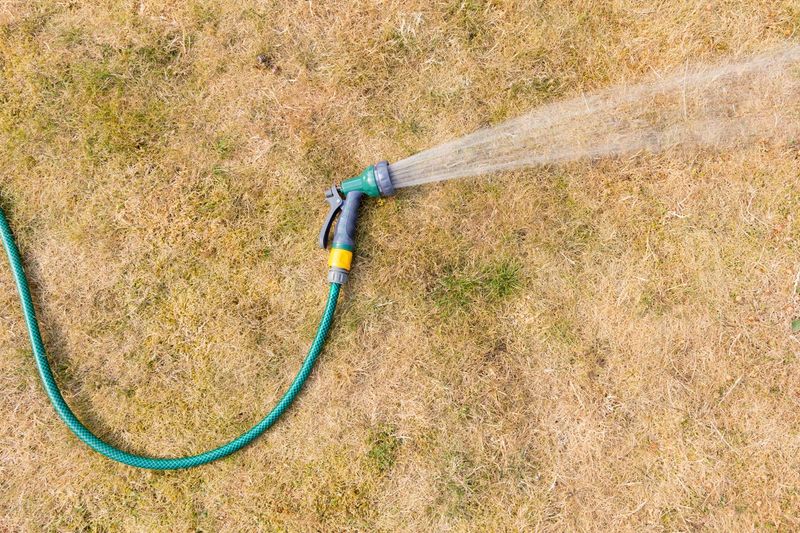
Damaged roots need oxygen just as much as they need water, but many homeowners overwater their yellow lawns thinking extra moisture will speed recovery. Saturated soil fills the air pockets between soil particles, creating an oxygen deprived environment where struggling roots cannot breathe properly.
This suffocation compounds the existing freeze damage and can lead to root rot in severe cases.
Freeze injured grass also uses less water than healthy turf because its reduced leaf area and slower metabolism decrease water demand. Continuing your normal irrigation schedule after a freeze essentially drowns the lawn.
The excess moisture creates ideal conditions for fungal diseases that attack weakened grass, adding another layer of problems to an already stressed lawn.
March weather in Florida typically brings adequate rainfall for freeze damaged lawns. Unless you experience an unusually dry spell with no rain for 10 to 14 days, skip irrigation entirely and let nature provide moisture.
When you do water, apply only half an inch and then wait until the top inch of soil feels dry before watering again. This conservative approach encourages roots to grow deeper searching for moisture, which strengthens the entire plant and accelerates genuine recovery.
6. Mowing Too Soon Slows Lawn Comeback
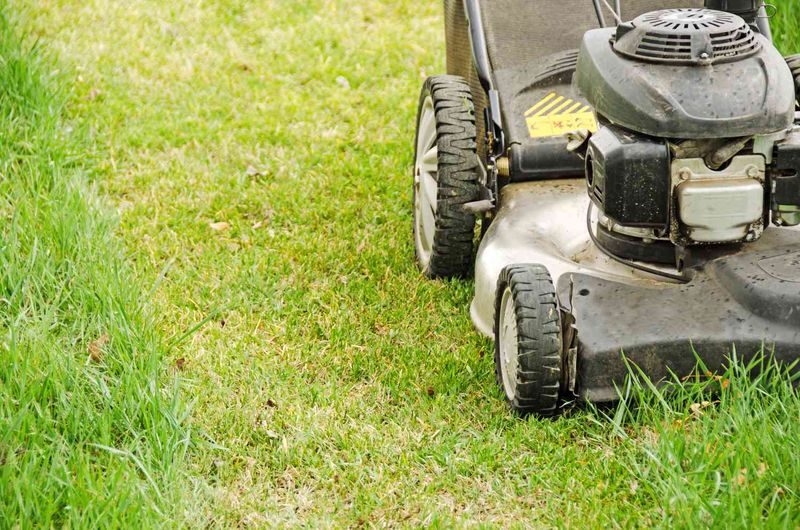
Grass blades function as solar panels that capture sunlight and convert it to energy through photosynthesis. After a freeze, the remaining functional leaf tissue becomes precious real estate for energy production.
Mowing too early removes this critical photosynthetic surface area before the plant has rebuilt its energy reserves, forcing it to start over from an even weaker position.
Many homeowners want to cut away the yellow blades thinking it will improve appearance and stimulate new growth. This logic works with healthy grass but backfires with freeze damaged turf.
The yellow blades still perform limited photosynthesis and protect the crown where new growth originates. Removing them exposes the crown to temperature fluctuations and increases stress on the entire plant.
Wait until you see substantial new green growth emerging before resuming mowing, which typically happens in late March or April across most of Florida. When you do mow, raise your cutting height by at least half an inch above your normal setting.
Taller grass shades the soil, reduces water loss, and provides more leaf surface for energy production. Keep your mower blades sharp because dull blades tear freeze damaged grass rather than cutting cleanly, which opens wounds for disease entry and further weakens already stressed plants.
7. Herbicides Can Injure Freeze Weakened Grass
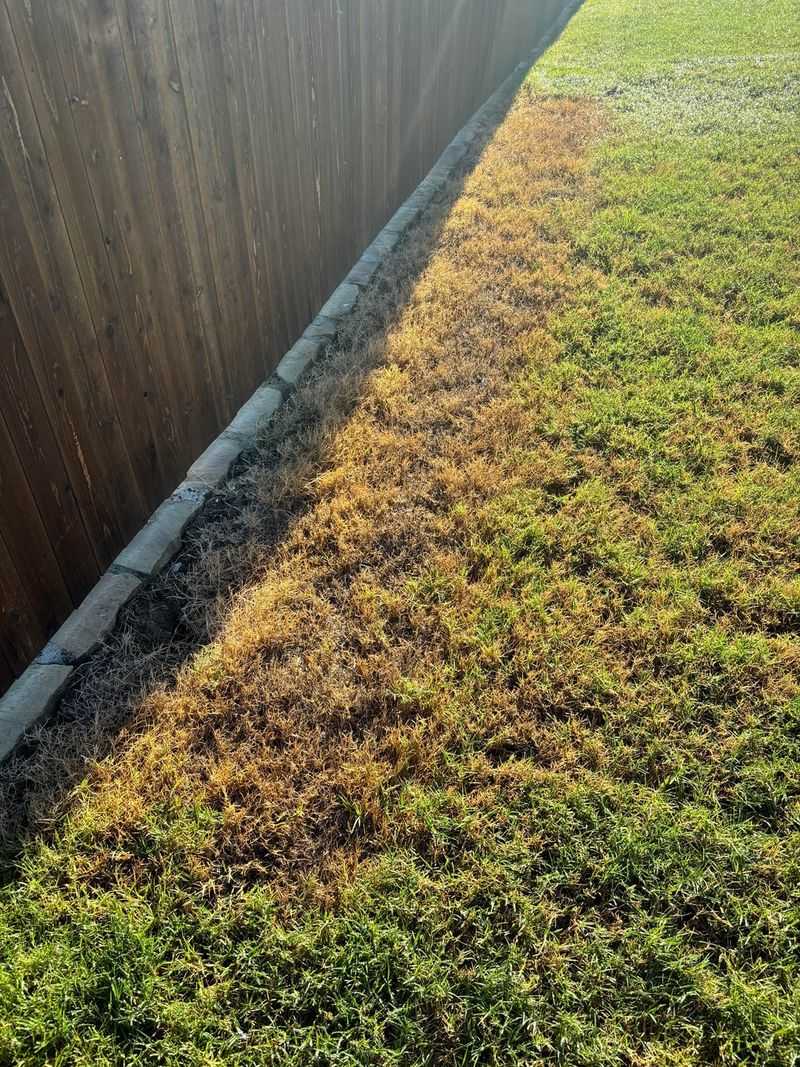
Weeds often seem to laugh at cold weather while your grass suffers, creating the temptation to spray herbicides and reclaim your lawn. However, herbicides work by stressing plants, and freeze damaged grass has almost no stress tolerance left.
What would normally be a safe herbicide application on healthy turf can cause severe injury or even complete loss of weakened grass sections.
The waxy cuticle that normally protects grass blades from herbicide absorption gets compromised during freeze events. This means herbicides penetrate much deeper into plant tissues than intended, causing damage that spreads beyond the target weeds.
Even selective herbicides designed specifically for use on grass lawns can cause problems when applied to freeze stressed turf.
Your best strategy involves hand pulling or spot treating individual weeds with extreme care until grass fully recovers. If weeds become overwhelming, focus on maintaining overall lawn health rather than aggressive weed control.
A recovering lawn that receives proper care will eventually outcompete most weeds naturally. Plan major herbicide applications for late spring or early summer after grass shows vigorous growth and dark green color throughout.
This timing ensures your turf can handle the chemical stress without suffering setbacks in its recovery from winter freeze damage.
8. Soil Temperature Controls Spring Green Up
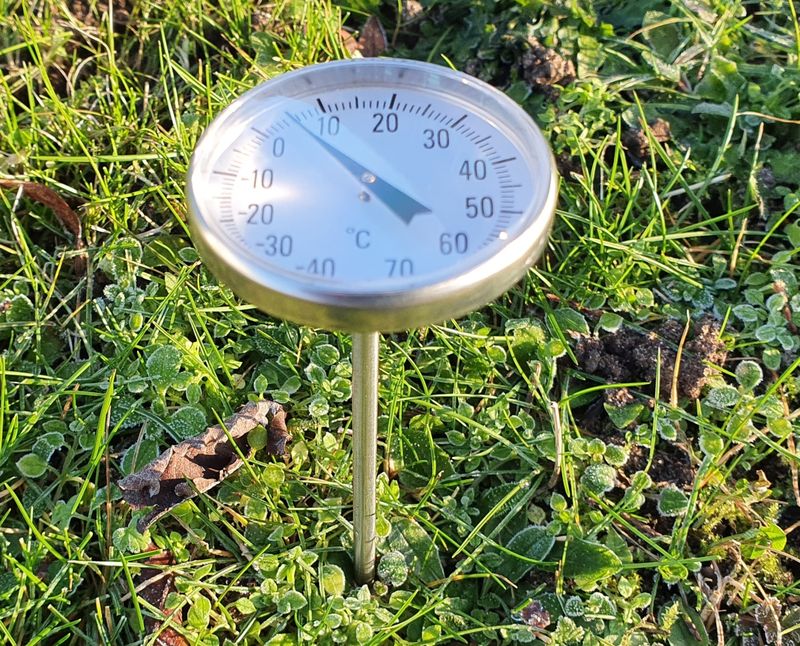
Air temperature gets all the attention in weather forecasts, but soil temperature actually controls when your lawn begins its spring recovery. Warm season grass roots become active when soil temperatures at the four inch depth consistently stay above 65 degrees Fahrenheit.
Until soil reaches this threshold, roots remain mostly dormant regardless of how warm and sunny the days feel.
Florida soil warms from south to north throughout March and April. South Florida lawns may hit the magic 65 degree soil temperature in early March, while North Florida might not reach it until late April.
Coastal areas warm faster than inland locations, and sandy soils warm quicker than clay based soils. These variations explain why your neighbor’s lawn might green up weeks before yours even though you live on the same street.
You can monitor soil temperature with an inexpensive soil thermometer pushed four inches deep into your lawn. Take readings in the morning for the most accurate assessment.
Once soil temperatures consistently stay at 65 degrees or above for a full week, roots activate and begin absorbing nutrients efficiently. This marks the true start of recovery season when fertilizer applications and other lawn care practices finally deliver positive results instead of causing additional stress to your still sleeping grass.
9. Color Returns Slowly As Lawns Recover
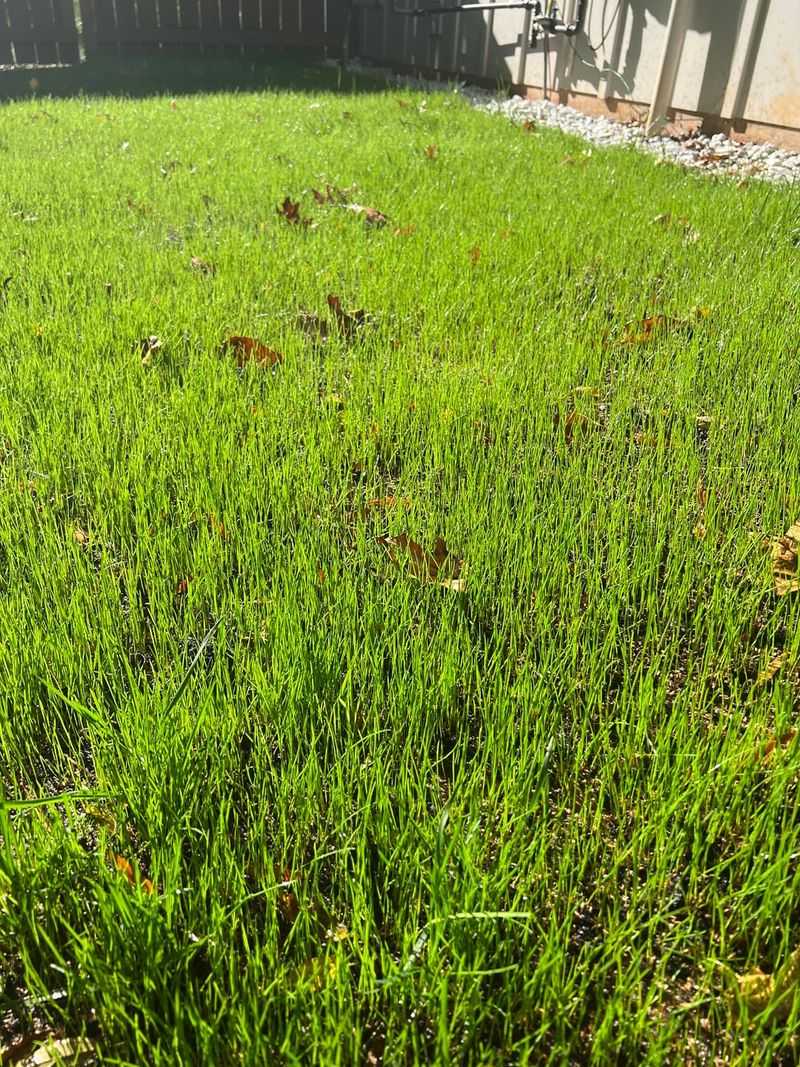
Expecting overnight transformation leads to disappointment and poor decisions driven by impatience. Grass recovery from freeze damage follows a predictable but gradual timeline that cannot be rushed.
New growth emerges from the crown at the base of each plant, slowly replacing damaged blades over several weeks. This process looks messy and uneven as green shoots appear among yellow and brown foliage.
Different grass species and even different varieties within species recover at varying rates. Some sections of your lawn may green up while others lag behind due to microclimate differences, shade patterns, soil variations, and the severity of cold exposure each area experienced.
This patchwork appearance is completely normal and will eventually even out as the growing season progresses.
Most Florida lawns show significant improvement by mid to late May if homeowners avoid common mistakes during March and April. Complete recovery where the lawn returns to its pre freeze appearance and density often takes until June or even July.
Some severely damaged areas may need spot sodding or reseeding if grass fails to regrow by early summer. The key is giving grass adequate time to recover naturally before deciding whether replacement is necessary, as many apparently lifeless sections surprise homeowners by regenerating once conditions become favorable.
10. Smart March Care Speeds Lawn Recovery
Recovery happens fastest when you focus on gentle support rather than aggressive intervention. Keep foot traffic to a minimum across yellow areas because stressed grass cannot handle the compaction and physical damage that healthy turf tolerates easily.
Consider roping off the worst sections if you have kids or pets who regularly play in the yard.
Light raking to remove excessive declined material is acceptable, but avoid vigorous dethatching or aerating until grass shows strong recovery. These practices stress even healthy lawns and can set back freeze damaged turf significantly.
If you must remove debris, use a leaf blower on a low setting or rake very gently with a flexible leaf rake rather than a stiff garden rake.
Monitor for pests and diseases without automatically reaching for treatments. Stressed grass attracts insects and pathogens, but many issues resolve themselves once grass regains vigor.
Treat only confirmed problems with products specifically labeled for your grass type and the identified pest or disease. Focus most of your energy on patience and restraint during March.
The best thing you can do for your lawn is often simply leaving it alone and waiting for warm soil temperatures to trigger natural recovery processes that no amount of products or practices can replicate or accelerate significantly.