Why Florida Property Owners Are Arguing About Mangrove Trimming
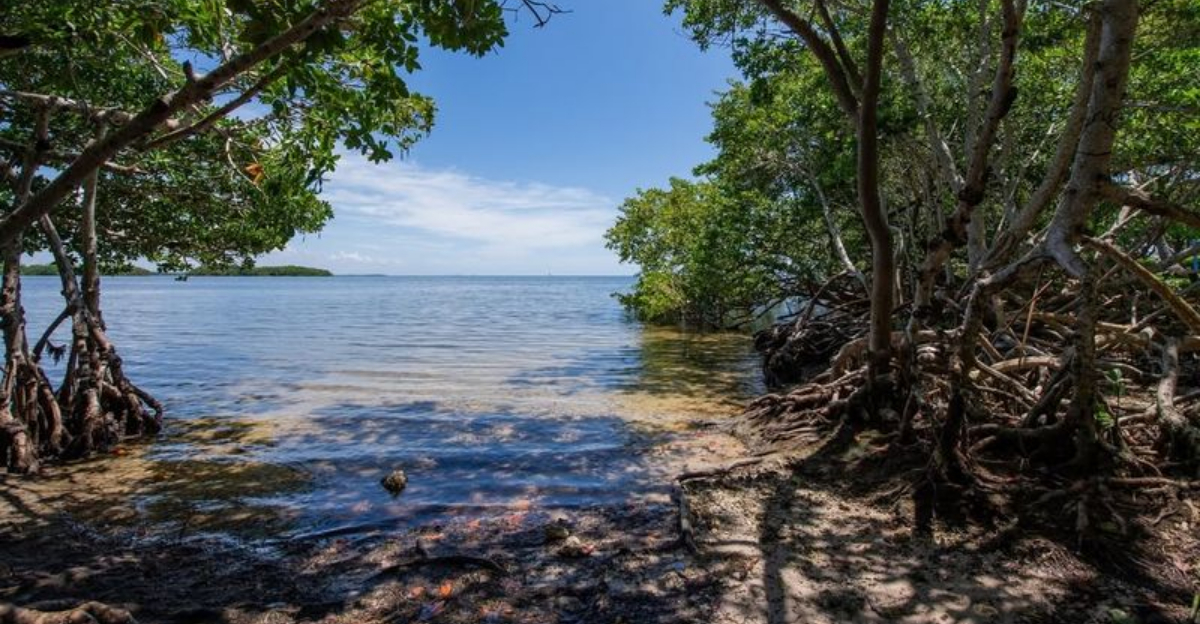
Along Florida shorelines, mangroves stand like gatekeepers between land and sea.
For some property owners, these tangled trees block views and breezes.
For others, they serve as lifelines that shield homes from surge and storm.
That clash of values sparks heated debate at docks, council sessions, and backyard fences.
State rules protect mangroves for good reason, yet homeowners crave sunlight, access, and peace of mind.
One snip too far can bring fines; too little care can invite mosquitoes and mess.
Emotions run high when property rights meet public trust.
Money, safety, and scenery all sit on the table.
Neighbors take sides, lawyers find work, and officials walk a tightrope.
This issue cuts to the bone of coastal life in Florida, where paradise meets paperwork.
Clarity about the roots of this dispute helps explain why tempers flare and compromise proves elusive along the water’s edge for communities statewide.
Florida Law Strictly Limits How Mangroves Can Be Trimmed
Florida has some of the toughest mangrove protection laws in the country, and property owners quickly learn that these rules are not flexible.
The Florida Department of Environmental Protection oversees mangrove trimming, and the state considers mangroves a critical natural resource.
Homeowners cannot simply grab pruning shears and start cutting branches whenever they want.
State law requires permits for most trimming activities, and violations can result in serious penalties.
Many Florida residents feel frustrated because they purchased waterfront property expecting to enjoy unobstructed views.
Instead, they find themselves navigating complex regulations that seem to favor trees over people.
Environmental groups argue that these strict rules exist for good reason, as mangroves provide storm protection and habitat for fish and birds.
Property owners counter that reasonable trimming should be allowed without excessive government oversight.
This fundamental tension between private property rights and environmental protection drives much of the ongoing controversy.
The debate shows no signs of ending anytime soon, as both sides believe their position is justified.
Homeowners Want Better Views While Regulations Prioritize Conservation
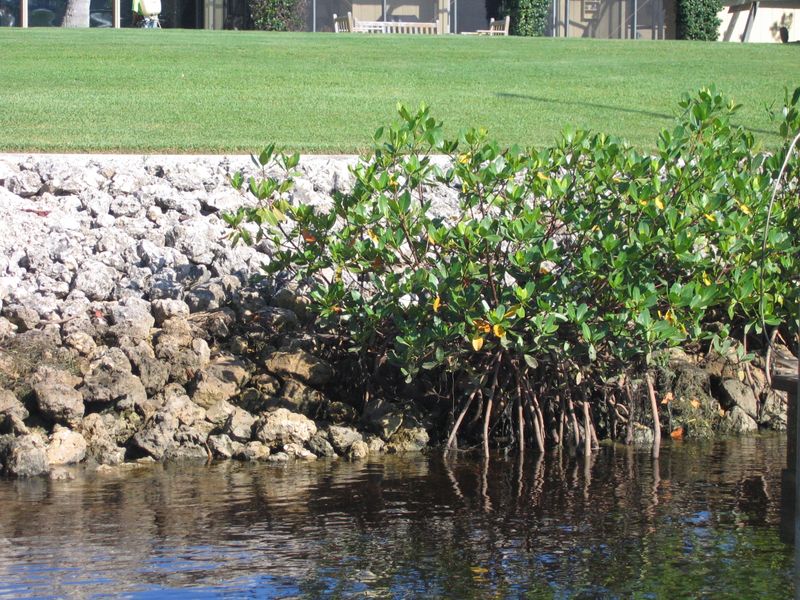
Picture spending hundreds of thousands of dollars on a waterfront home, only to have your sunset view blocked by a wall of green branches.
This frustrating scenario plays out across Florida’s coastal communities every single day.
Property owners argue that they should have the right to maintain their views and enjoy the water access they paid for.
They point out that carefully managed trimming would not harm the overall mangrove ecosystem.
Environmental regulators see things differently, emphasizing that mangroves serve purposes far beyond aesthetics.
These trees buffer homes from storm surge, filter pollutants, and provide nursery habitat for commercially important fish species.
Florida officials worry that allowing widespread trimming would gradually erode these protective benefits.
Homeowners respond that regulations have gone too far and prevent even minor maintenance.
The conflict represents a classic clash between individual desires and collective environmental needs.
Finding middle ground remains challenging when both sides view their priorities as non-negotiable and essential to Florida’s future.
Confusion Over When A Permit Is Required For Trimming
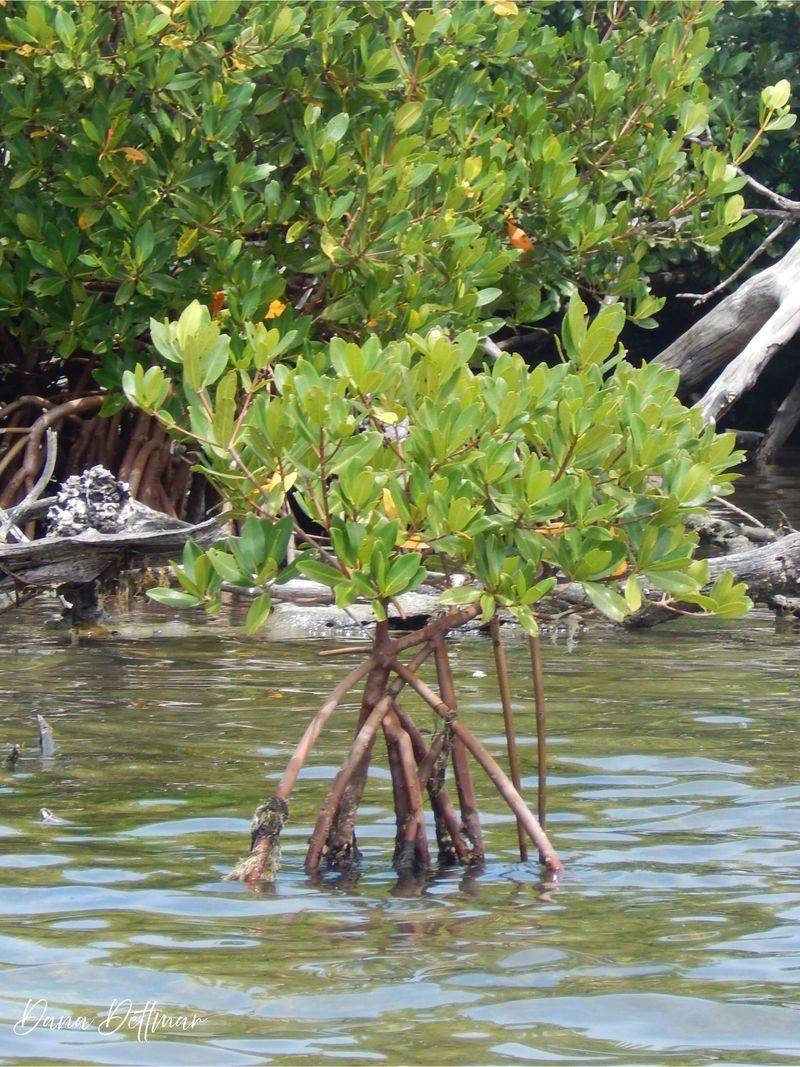
One of the biggest complaints from Florida property owners involves not knowing when they actually need a permit.
The rules seem confusing and inconsistent, leaving homeowners uncertain about what actions are legal.
Some minor trimming activities are exempt from permits, but the definitions of “minor” vary depending on who you ask.
Property owners report receiving different answers from different officials about the same trimming project.
This lack of clarity causes some homeowners to avoid trimming altogether out of fear of breaking the law.
Others proceed without permits, assuming their work falls under exemptions, only to face enforcement actions later.
Florida’s Department of Environmental Protection has published guidelines, but many residents find the language technical and difficult to interpret.
Local environmental groups sometimes report suspected violations, adding another layer of tension to neighborhoods.
Homeowners wish the state would provide clearer, simpler rules that ordinary people can understand and follow.
Until the permit requirements become more transparent, confusion and conflicts will continue to plague Florida’s coastal communities.
The 6-Foot Height Rule At The Center Of Many Disputes
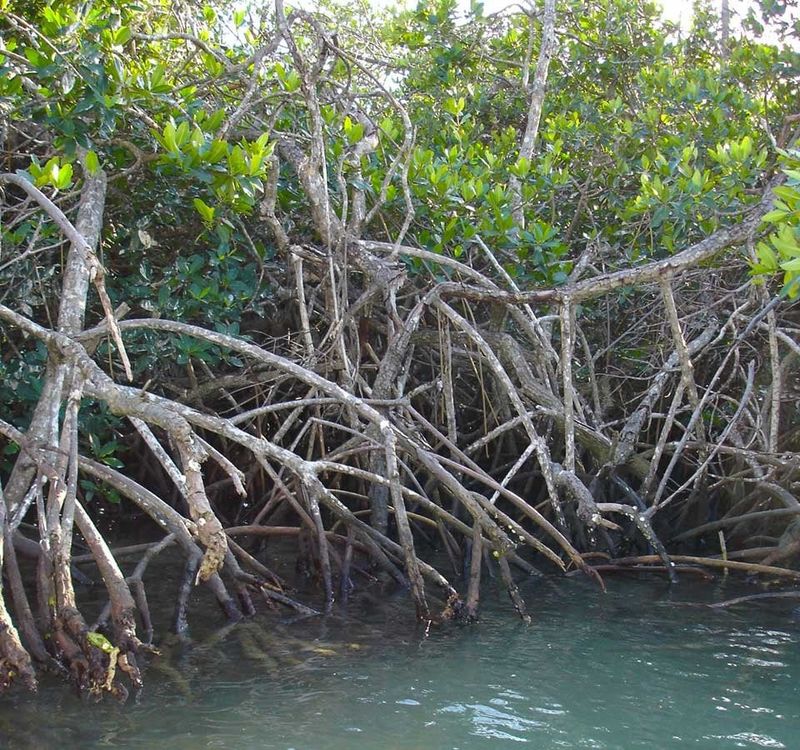
Florida regulations allow property owners to trim mangroves to maintain a height of six feet, but this rule causes more arguments than it solves.
Homeowners complain that six-foot-tall mangroves still block their views and access to the water.
They argue that the rule makes little sense for properties where natural sight lines require more aggressive trimming.
Measuring exactly six feet also proves challenging, as mangrove branches grow at different rates and angles.
Some Florida property owners have been cited for violations even when they believed they were following the height requirement correctly.
Enforcement officers sometimes measure from different reference points, leading to disputes about whether trimming was legal.
Environmental advocates defend the six-foot rule as a reasonable compromise that allows some view maintenance while preserving mangrove function.
Property owners see it as arbitrary and overly restrictive, especially for larger waterfront lots.
The rule also fails to account for different mangrove species that grow at varying rates.
This one-size-fits-all approach frustrates many Florida residents who want regulations tailored to their specific situations.
Fines And Restoration Orders Fuel Tensions With Regulators
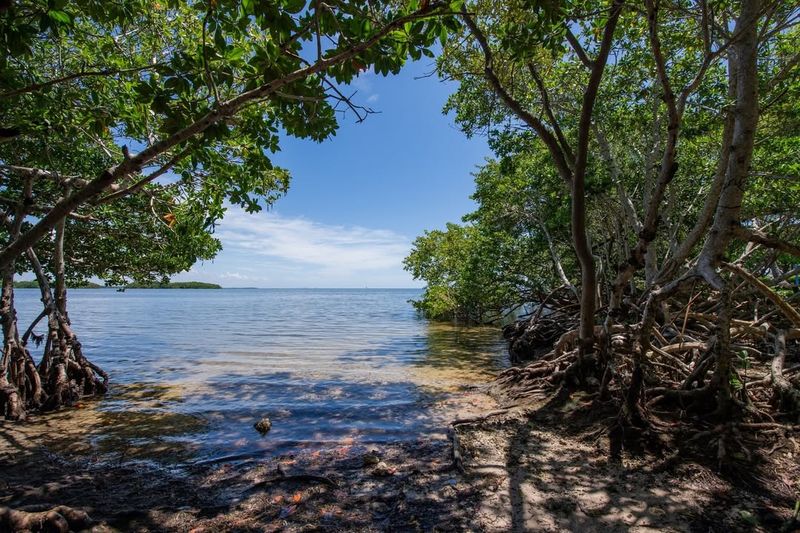
Nothing escalates the mangrove debate faster than a hefty fine arriving in the mail.
Florida property owners who violate mangrove trimming rules face penalties that can reach thousands of dollars per tree.
Beyond fines, violators may be ordered to restore damaged mangroves at their own expense.
Restoration costs often exceed the original fines, creating significant financial burdens for homeowners.
Many Florida residents feel these penalties are excessive and disproportionate to the actual environmental harm caused.
They argue that first-time violators should receive warnings rather than immediate financial punishment.
Environmental regulators counter that strong penalties are necessary to deter illegal trimming and protect vulnerable ecosystems.
Some homeowners report feeling targeted by enforcement officials who seem eager to issue citations.
The restoration requirements can be particularly frustrating, as property owners must hire specialized contractors and wait years for new mangroves to grow.
These enforcement actions have created an adversarial relationship between Florida homeowners and environmental agencies that oversee mangrove protection.
Local County Rules Can Differ, Adding To Property Owner Frustration
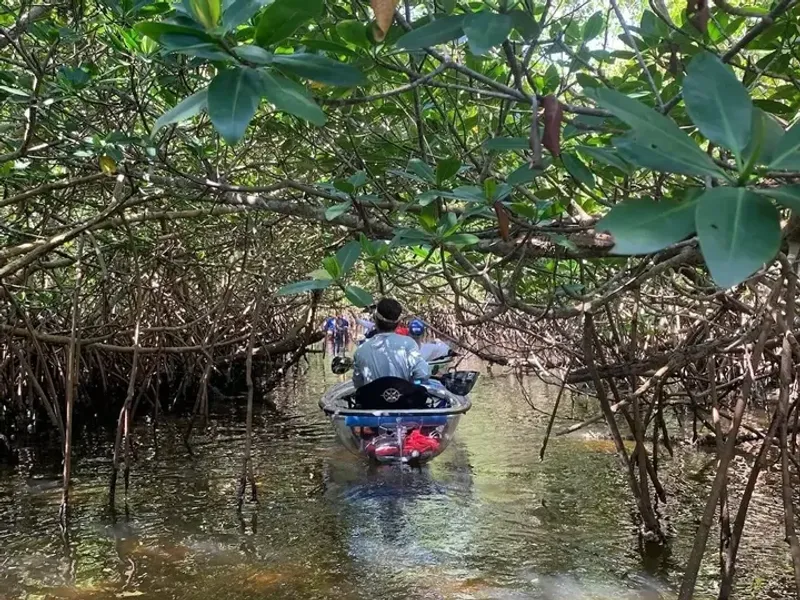
Just when Florida property owners think they understand state mangrove rules, they discover that local counties have additional requirements.
Coastal counties throughout Florida have adopted their own mangrove ordinances that sometimes exceed state regulations.
A trimming activity legal in one county might be prohibited just a few miles away across a county line.
Homeowners who own multiple properties in different Florida counties must navigate varying sets of rules for each location.
This patchwork of regulations makes it nearly impossible for property owners to develop consistent maintenance practices.
Some counties require additional permits beyond state approvals, creating extra paperwork and delays.
Other Florida counties have designated special mangrove protection zones with even stricter limitations.
Property owners complain that this regulatory complexity seems designed to discourage any trimming whatsoever.
They argue that Florida should adopt uniform statewide standards that apply equally to all coastal areas.
Environmental officials respond that local conditions vary and counties should have flexibility to address specific conservation needs within their jurisdictions.
Why Mangroves Are Protected For Shoreline Snd Wildlife Health
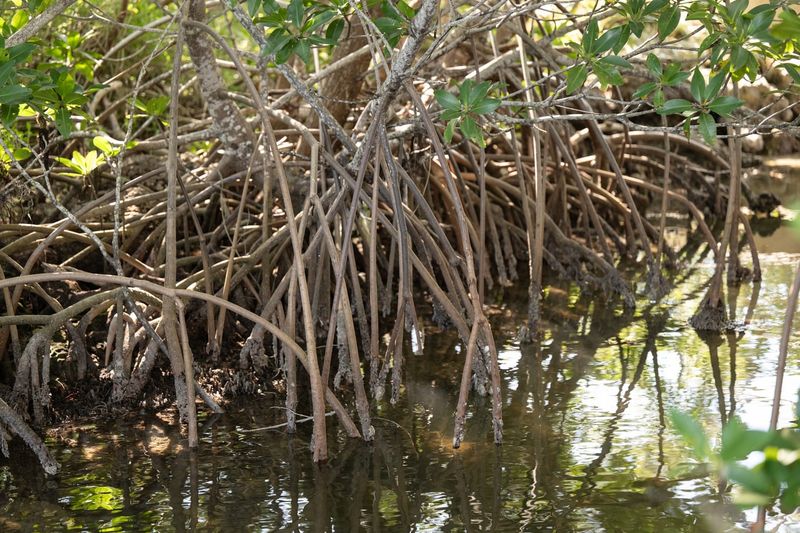
Despite all the controversy, mangroves provide benefits that even frustrated property owners cannot entirely dismiss.
These remarkable trees have root systems that stabilize shorelines and prevent erosion during Florida’s frequent storms.
Hurricane season regularly reminds coastal residents that mangroves serve as natural barriers against storm surge and wave damage.
Properties behind healthy mangrove forests often sustain less damage than those on cleared shorelines.
Mangrove roots create nursery habitat where young fish, shrimp, and crabs grow before moving to open waters.
Florida’s fishing industry depends heavily on the ecosystem services that mangrove forests provide.
The trees also filter pollutants from water running off developed land before it reaches bays and estuaries.
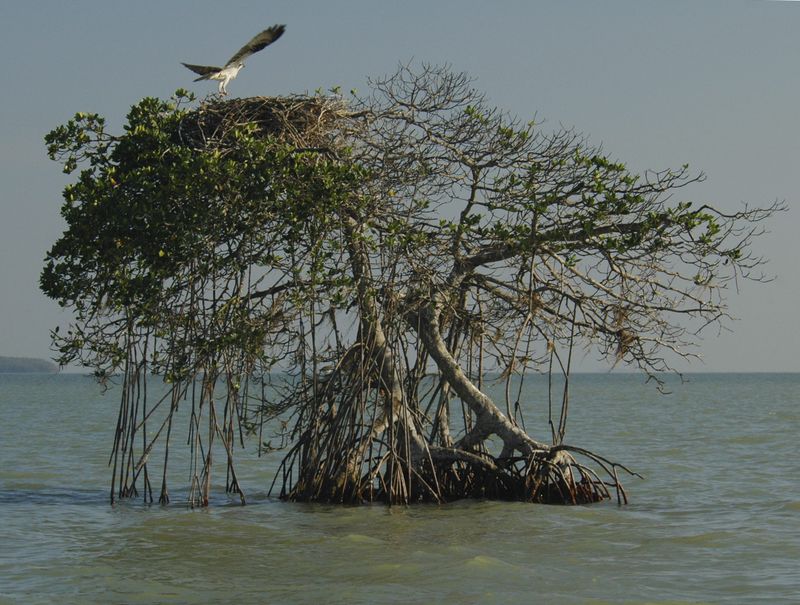
Birds and other wildlife nest in mangrove branches, contributing to Florida’s biodiversity.
Environmental scientists emphasize that mangrove protection represents an investment in long-term coastal resilience.
Property owners who understand these ecological benefits often become more accepting of trimming restrictions, even if they still wish for slightly more flexibility in regulations.