Why Florida Residents Pick Coastal Native Plants Over Grass
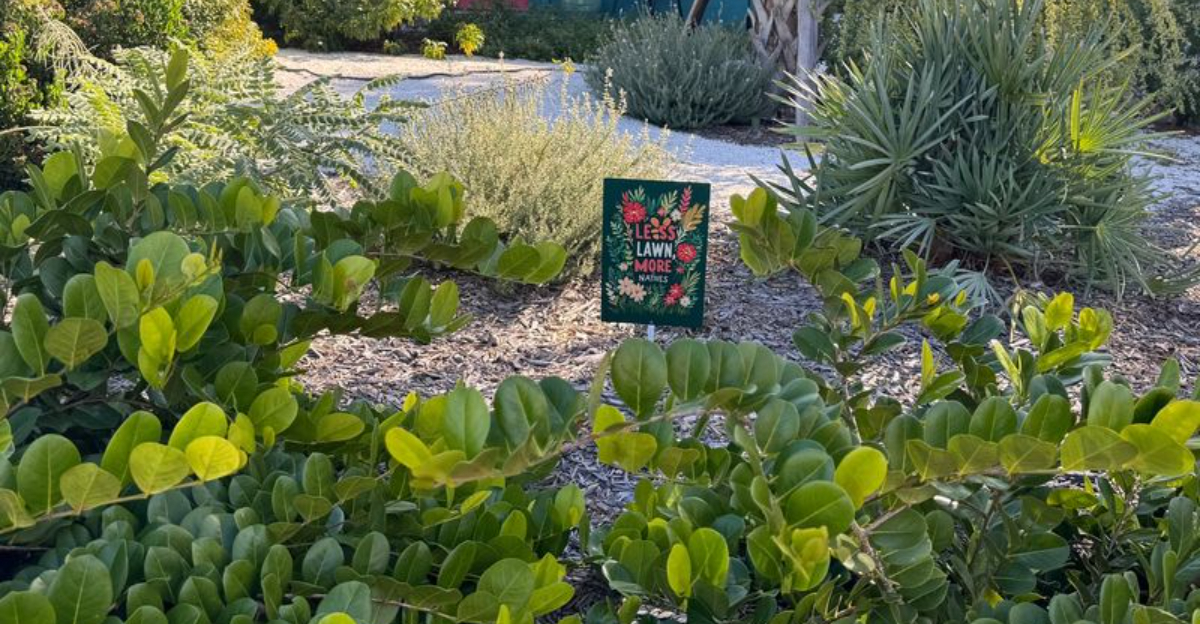
Florida residents increasingly turn their backs on traditional grass lawns and embrace coastal native plants that thrive under sun, salt, and sea breezes.
These hardy species stand tall in the face of scorching heat, stormy weather, and sandy soil, proving themselves far more dependable than turf that begs for constant pampering.
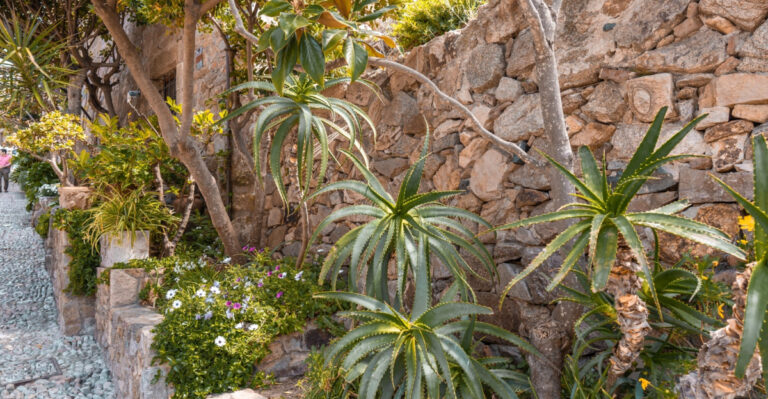
Homeowners praise the natural charm of seaside shrubs, dune grasses, and flowering natives that invite wildlife, boost curb appeal, and cut maintenance down to size.
Each plant adds a touch of Florida’s coastal soul, creating landscapes that feel authentic, vibrant, and perfectly in tune with the environment.
As more households make the switch, native plant gardens rise as the smart, stylish choice, turning yards into resilient retreats that reflect the true spirit of the Sunshine State.
Water Conservation Saves Money And Resources
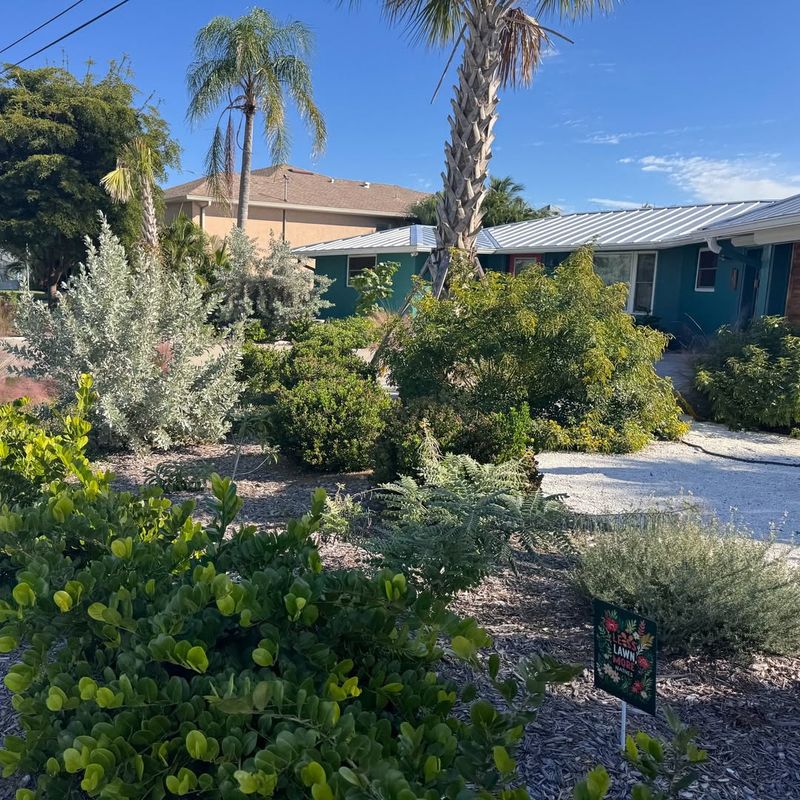
Coastal native plants have roots that dig deep into Florida’s sandy soil, allowing them to find water naturally without constant irrigation.
Once established, most native species can survive on rainfall alone, which means your water bill drops significantly.
Traditional grass lawns, on the other hand, guzzle water like there’s no tomorrow, especially during hot summer months.
Florida faces frequent drought conditions and water restrictions, making native plants a smart choice for responsible homeowners.
These plants evolved over thousands of years to handle the state’s wet and dry seasons perfectly.
By switching to natives, you’re not just saving money but also helping preserve Florida’s precious water supply for future generations.
Many coastal communities now offer rebates and incentives for homeowners who replace grass with native landscaping.
The savings add up quickly when you consider reduced water usage, fewer fertilizers, and less equipment needed for maintenance.
Native plants essentially pay for themselves over time while keeping your yard looking lush and green naturally.
Hurricane-Resistant Plants Stand Strong
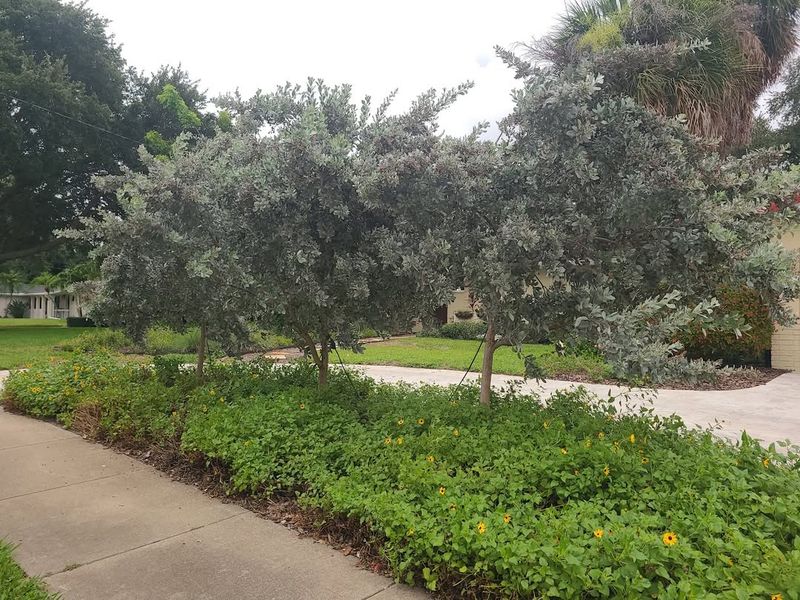
When hurricane season rolls around, coastal native plants prove their worth by standing firm against powerful winds and storm surges.
Their deep root systems anchor them securely into the ground, unlike shallow-rooted grass that washes away easily.
Plants like saw palmetto and sea grape have evolved specifically to handle Florida’s intense weather patterns.
After a major storm, homeowners with native landscaping often find their yards recover much faster than traditional lawns.
The resilient nature of these plants means less damage, fewer replacement costs, and quicker bounce-back time.
Grass lawns, meanwhile, often end up with bare patches, erosion problems, and expensive repair bills.
Native plants also help protect your property by stabilizing the soil and reducing erosion during heavy rains.
Their flexible branches and sturdy trunks bend without breaking in high winds.
Choosing hurricane-resistant natives gives you peace of mind knowing your landscape can weather the storm season after season without constant replanting or major repairs.
Low Maintenance Means More Free Time
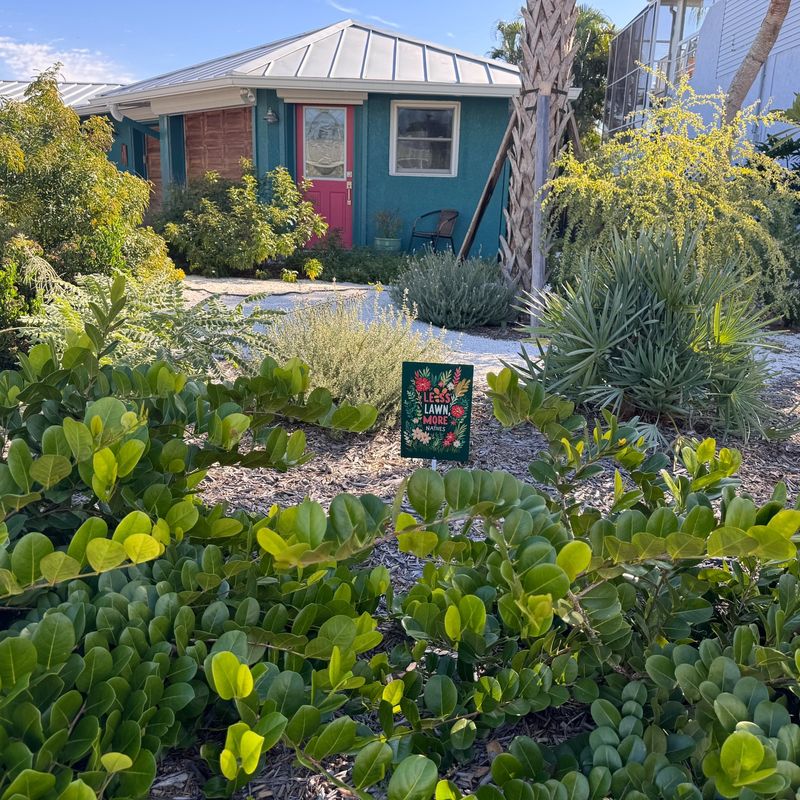
Forget spending every weekend mowing, edging, and trimming your lawn.
Coastal native plants require minimal upkeep once they’re established in your yard.
Most species need pruning only once or twice a year, and many grow naturally into attractive shapes without any trimming at all.
Grass lawns demand constant attention—weekly mowing during growing season, regular fertilizing, pest control, and aeration.
Native plants eliminate most of these chores, freeing up your weekends for activities you actually enjoy.
The time savings alone make natives worth considering, especially for busy families or retirees who want to relax rather than work.
Maintenance costs drop dramatically when you switch to native landscaping.
You won’t need expensive lawn equipment, gas for mowers, or professional lawn services.
Native plants naturally resist local pests and diseases, so chemical treatments become unnecessary.
Your yard stays beautiful with minimal effort, letting you spend more time enjoying your outdoor space instead of constantly maintaining it.
Wildlife Habitat Creates Backyard Ecosystems

Picture colorful butterflies dancing through your yard while hummingbirds zip between native flowers.
Coastal native plants create miniature ecosystems that attract beneficial wildlife, turning your property into a living nature sanctuary.
Grass lawns, by comparison, offer almost nothing for local wildlife except a green desert.
Native plants provide food, shelter, and nesting sites for birds, butterflies, bees, and other important pollinators.
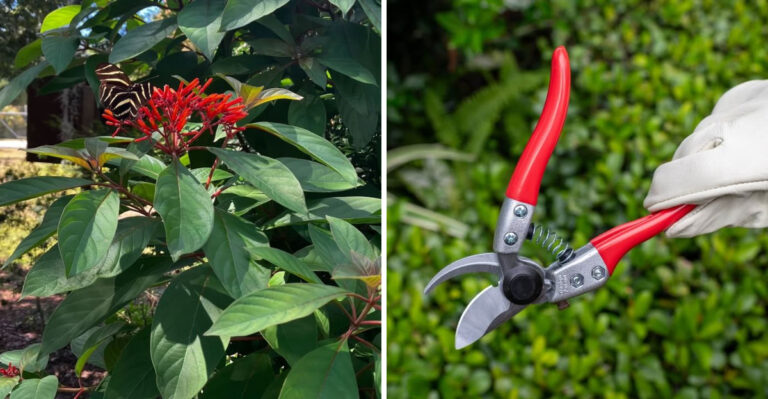
Species like firebush and coontie support entire life cycles of native butterflies, including the beautiful zebra longwing, Florida’s state butterfly.
These relationships developed over millennia, creating perfect partnerships between plants and animals.
Children especially love watching wildlife visit native gardens, making your yard an outdoor classroom for learning about nature.
You’ll see more birds, beneficial insects, and even small mammals that depend on native plants for survival.
Creating habitat also helps combat the loss of natural areas to development, giving wildlife crucial spaces to thrive right in residential neighborhoods throughout coastal Florida.
Salt Tolerance Handles Coastal Conditions
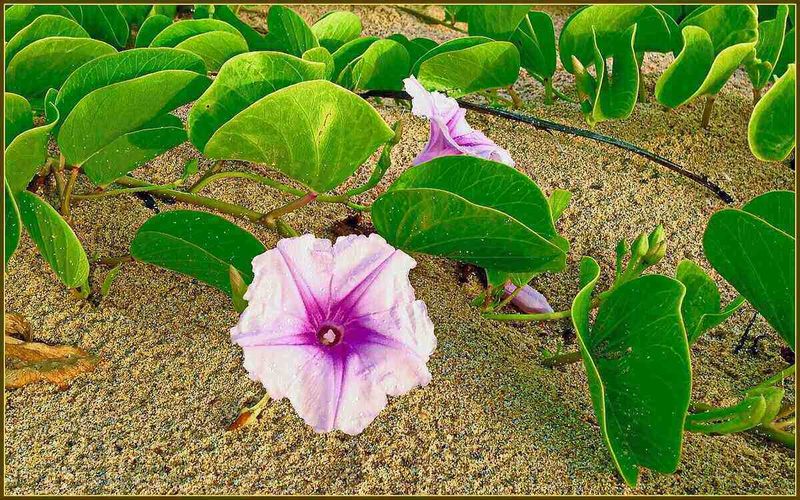
Living near the ocean comes with salty air and occasional storm surges that kill most traditional landscaping plants.
Coastal natives like railroad vine and sea oats evolved specifically to handle salt spray and brackish water without batting an eye.
Grass struggles mightily in these conditions, often turning brown and dying in coastal zones.
Salt-tolerant natives save coastal homeowners from the frustration of constantly replacing dead plants.
Their waxy leaves and special root systems filter out excess salt, allowing them to thrive where other plants fail.
This adaptation makes them perfect for beachfront properties, homes near bays, or anywhere salt exposure occurs.
Many coastal communities have strict regulations about what you can plant in dune areas and waterfront properties.
Native plants often meet these requirements automatically because they naturally protect shorelines from erosion.
Choosing salt-tolerant natives means your landscaping stays beautiful year-round while complying with local environmental protection rules and preserving the coastal ecosystem for everyone to enjoy.
Year-Round Color Without Seasonal Replanting

Native plants offer stunning visual interest throughout all seasons without the need for constant replanting.
Blanket flower blooms nearly year-round with cheerful yellow and red petals, while beautyberry produces vibrant purple berries in fall.
Grass lawns, meanwhile, provide only one shade of green and often turn brown during dry spells or cold snaps.
Different native species bloom at various times, creating a rotating display of colors, textures, and shapes.
You can design your landscape to have something interesting happening every month of the year.
Muhly grass produces gorgeous pink plumes in autumn, while firebush attracts attention with bright orange-red flowers during summer.
The variety available in native plants far exceeds what grass can offer aesthetically.
You get flowers, berries, interesting foliage, and architectural shapes that create true curb appeal.
Neighbors will stop to admire your yard’s natural beauty, and you’ll never face the boring monotony of endless green turf again.
Native landscapes feel more like botanical gardens than typical suburban yards.
Soil Improvement Happens Naturally

Coastal native plants actually improve Florida’s sandy soil over time instead of depleting it.
Their leaf litter breaks down into rich organic matter that feeds beneficial microorganisms and earthworms.
Deep roots create channels that improve drainage and aeration, making the soil healthier with each passing year.
Grass lawns require constant fertilizer applications to maintain their green color because they don’t contribute much back to the soil.
These chemical fertilizers often wash into waterways during rainstorms, causing pollution problems.
Native plants work with nature’s cycles, building soil fertility naturally without any chemical inputs needed.
Some native species, like certain legumes, even fix nitrogen from the air into the soil, acting as free fertilizer for surrounding plants.
This natural process creates a self-sustaining landscape that gets better over time rather than requiring increasing inputs.
Your soil becomes richer, more stable, and better able to support diverse plant life, creating a healthier foundation for your entire property.
Chemical-Free Landscaping Protects Waterways
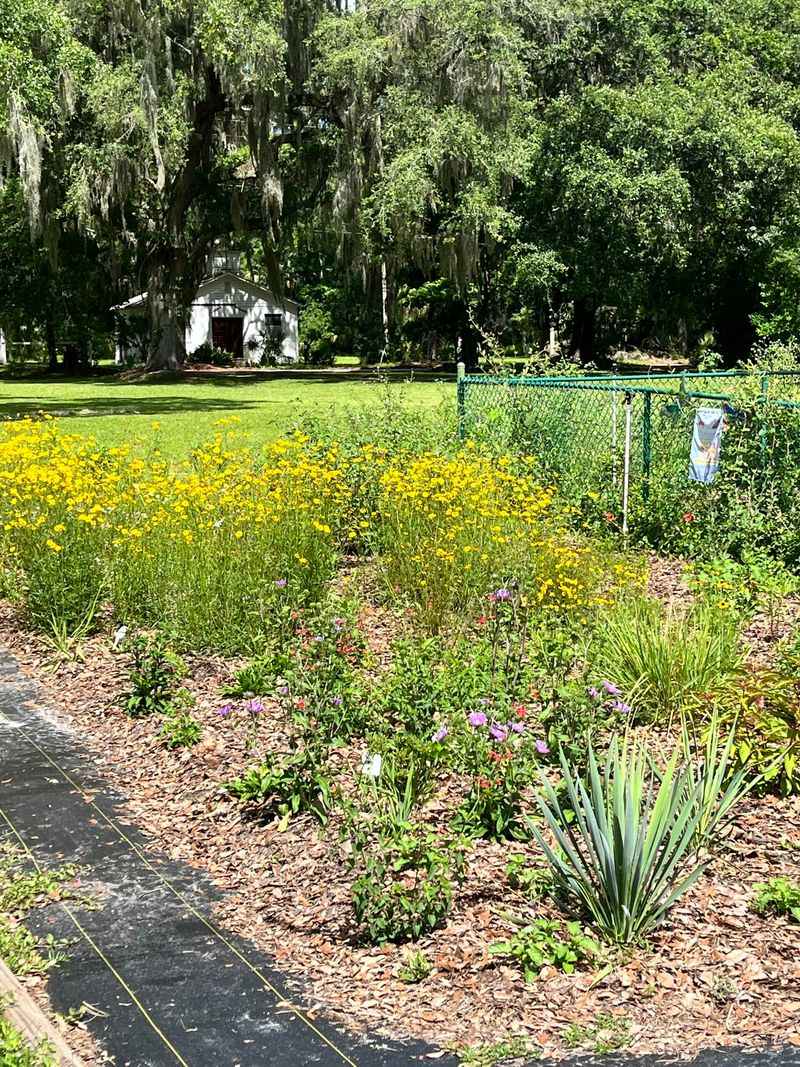
Every rainstorm washes lawn chemicals from grass yards directly into Florida’s rivers, bays, and coastal waters.
These fertilizers and pesticides contribute to harmful algae blooms that kill fish and make beaches unsafe for swimming.
Native plants eliminate this pollution source entirely because they don’t need chemical treatments to stay healthy.
Florida’s waterways face serious environmental challenges, and homeowner choices make a real difference.
By choosing natives over grass, you’re actively protecting the state’s incredible marine ecosystems.
Sea turtles, manatees, dolphins, and countless fish species benefit when fewer toxins enter their habitats through stormwater runoff.
Chemical-free yards are also safer for children, pets, and beneficial insects like bees and butterflies.
You won’t worry about kids playing on treated grass or dogs eating plants sprayed with pesticides.
Native landscaping creates a genuinely healthy outdoor environment where everyone can relax and play without exposure to potentially harmful substances.
The environmental benefits extend far beyond your property line, contributing to cleaner water throughout coastal Florida.
Property Value Increases With Native Landscaping
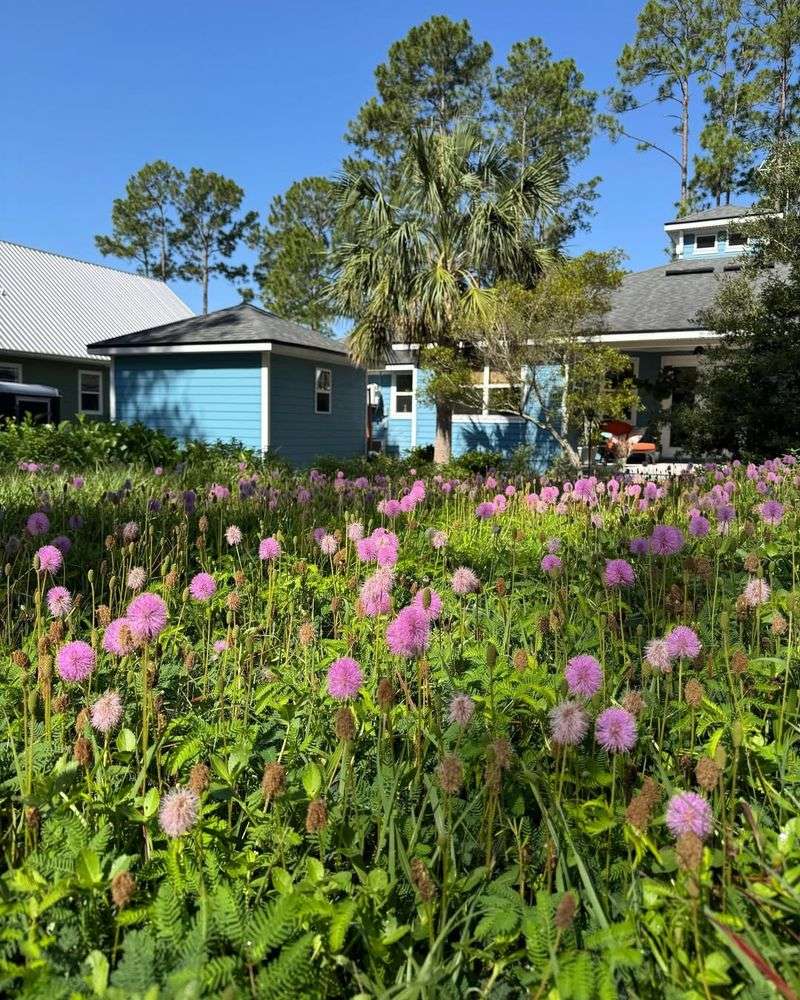
Smart homebuyers increasingly recognize the value of native landscaping when shopping for Florida properties.
Homes with established native gardens often sell faster and command higher prices than those with traditional grass lawns.
The low maintenance requirements and environmental benefits appeal strongly to today’s eco-conscious buyers.
Real estate agents report that unique, well-designed native landscapes create memorable curb appeal that helps homes stand out in competitive markets.
Instead of looking like every other house on the block, properties with native plants showcase personality and thoughtful design.
Professional landscaping with natives signals to buyers that the home has been well-cared-for with sustainable practices.
Insurance companies in some coastal areas even offer discounts for properties with native landscaping because these plants reduce erosion and storm damage risks.
The financial benefits multiply when you consider water savings, reduced maintenance costs, and potential tax incentives or rebates.
Investing in native plants isn’t just environmentally responsible—it’s a smart financial decision that pays dividends when it’s time to sell your home.