Why Flying Squirrels Move Into Michigan Attics Once Winter Arrives
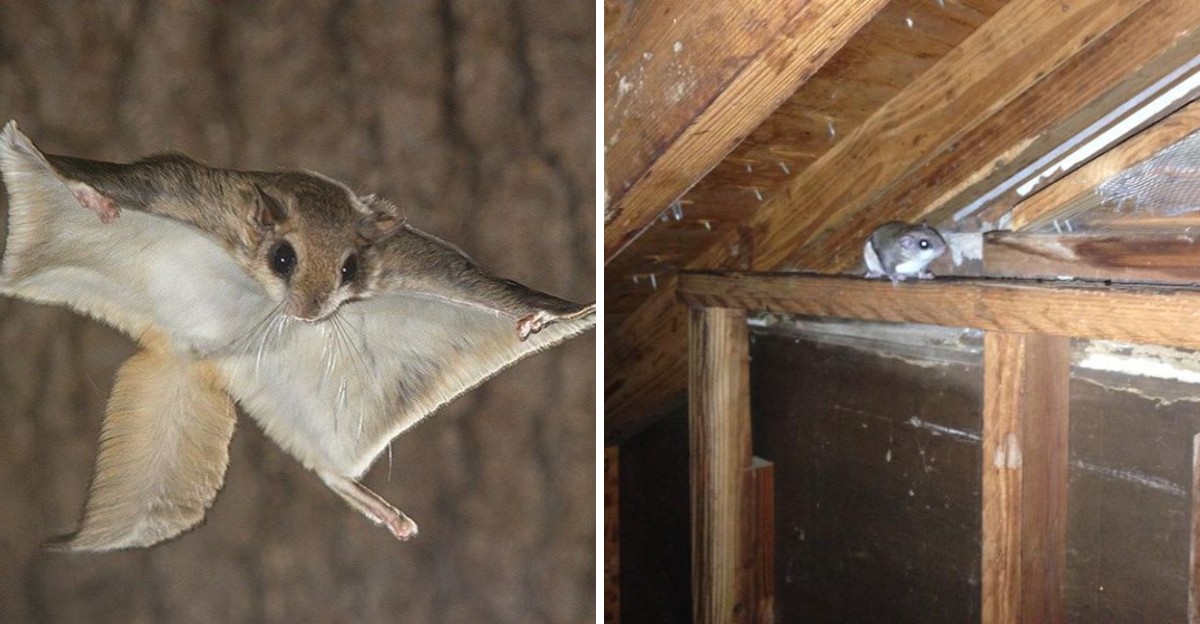
A creature smaller than a soda can can sail more than 100 feet through the dark woods without a single wing flap. Its fur glows a soft pink under ultraviolet light, a quirk scientists only stumbled on a few years ago.
Now that tiny acrobat might be thumping around above your bedroom ceiling. I know how unsettling it can be when the house goes quiet and the rafters start talking back.
Many Michigan homeowners hear these mystery sounds once the first hard freeze settles in. Here’s something you might not expect. The noisy guest rarely moves in alone, and it is often a whole crowd of tiny tenants.
One thing I love about wildlife is how clever animals get when the weather turns harsh. So what makes a warm, dusty attic feel like a five-star winter hotel to a woodland glider? The answer says a lot about your roofline.
1. Those Midnight Scampers Above Your Ceiling Have a Furry Source
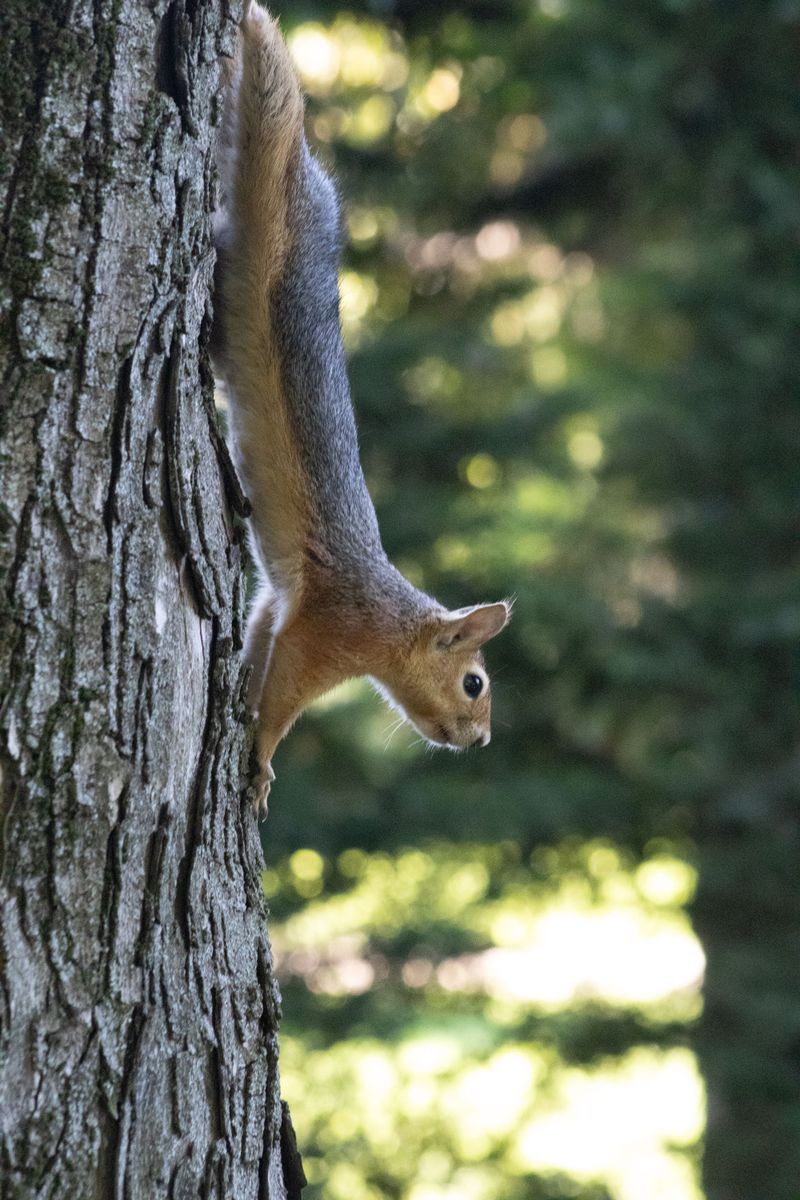
Most people expect a raccoon or a mouse when the ceiling starts thumping after midnight. In many Michigan homes, the real culprit weighs only about 2 to 3 ounces. Flying squirrels are the quiet neighbors you rarely see in daylight.
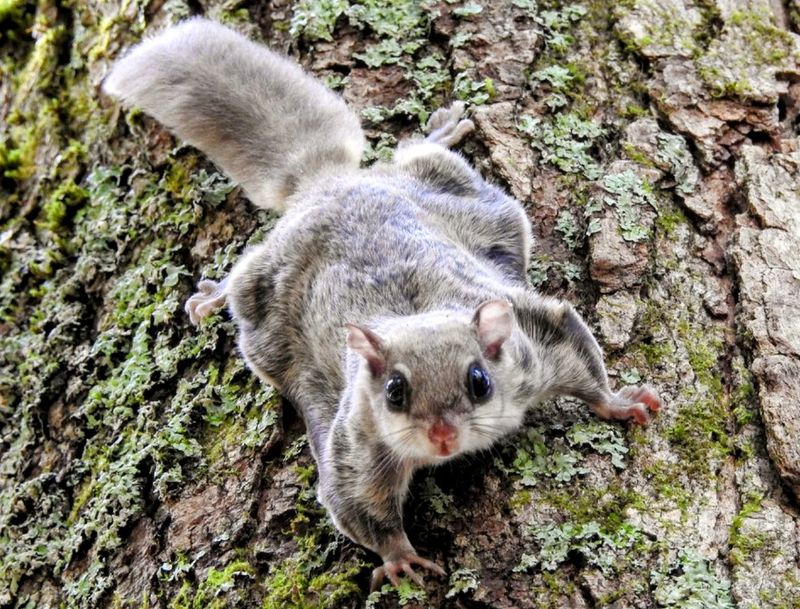
Two species live in the state. Southern flying squirrels cover most of the Lower Peninsula, while northern flying squirrels live mostly in the Upper Peninsula and the northern woods. Both have big dark eyes built for seeing in low light.
They are strictly nocturnal, so the action starts after sunset and often peaks again before dawn. You may hear quick scurrying, light rolling sounds like marbles, scratching, or high-pitched chirps. Gray squirrels, by contrast, make noise in the morning and afternoon.
That timing is one of the easiest ways to figure out who is upstairs. Grab a notebook and jot down when the sounds happen for a few nights. If the party starts after dark and moves fast, a flying squirrel colony is a strong suspect.
Knowing the species matters because it shapes every step that follows. The right fix for a nighttime glider looks a little different from the plan for a daytime chewer.
2. Huddling Flying Squirrels Turn Your Attic Into a Group Heater
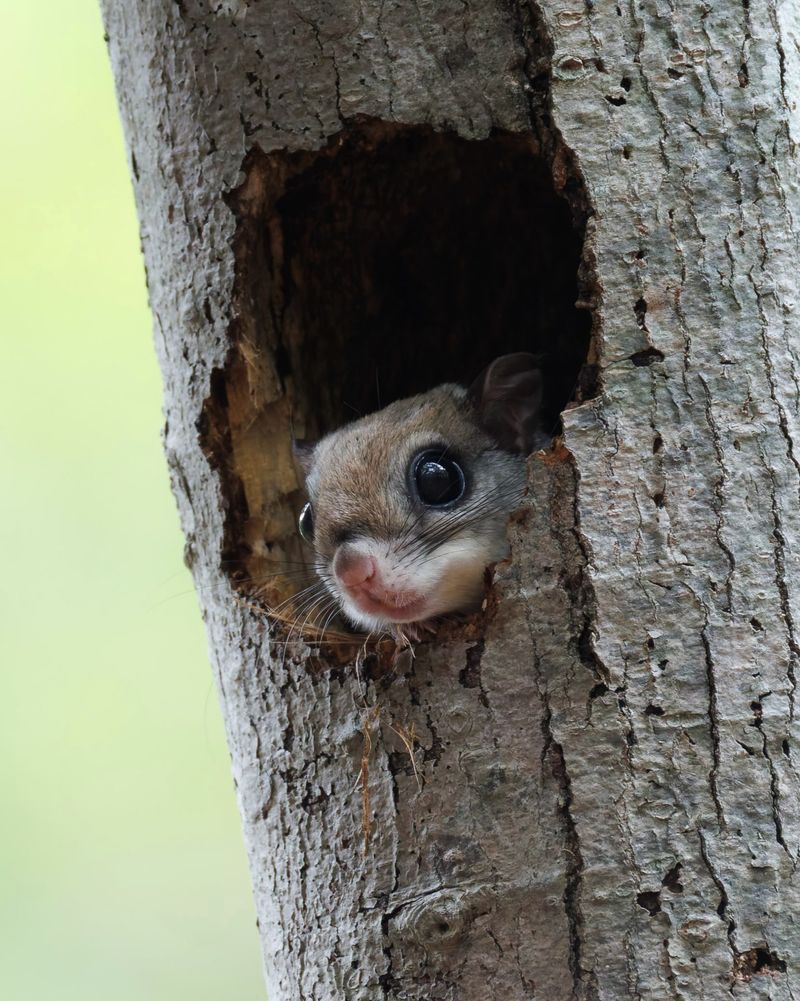
Body heat is the whole secret. Flying squirrels do not hibernate, so they need a way to stay warm through brutal Michigan nights. Their answer is to pile together in a cuddle crowd.
Researchers have found winter groups of southern flying squirrels ranging from a handful to more than 20 animals in one den.
Sharing warmth helps each squirrel burn fewer calories. On the coldest days, they may also slip into short bouts of torpor, a light energy-saving rest.
A tree hollow can only hold so many squirrels. Your attic, on the other hand, is roomy, dry, and sits right above a heated house. Warm air rising through the ceiling makes that space feel like a cozy oven compared with a frozen oak.
So when one squirrel finds a way in, friends and relatives often follow. That is why a single sound can mean a dozen or more tenants.
I find this behavior oddly charming, even if it is a headache for homeowners. Those tiny gliders are not being sneaky for fun. They are simply following an old survival plan, and your home happens to fit it beautifully.
3. A Missing Woodpecker Hole Sends Gliders Looking at Your Roof
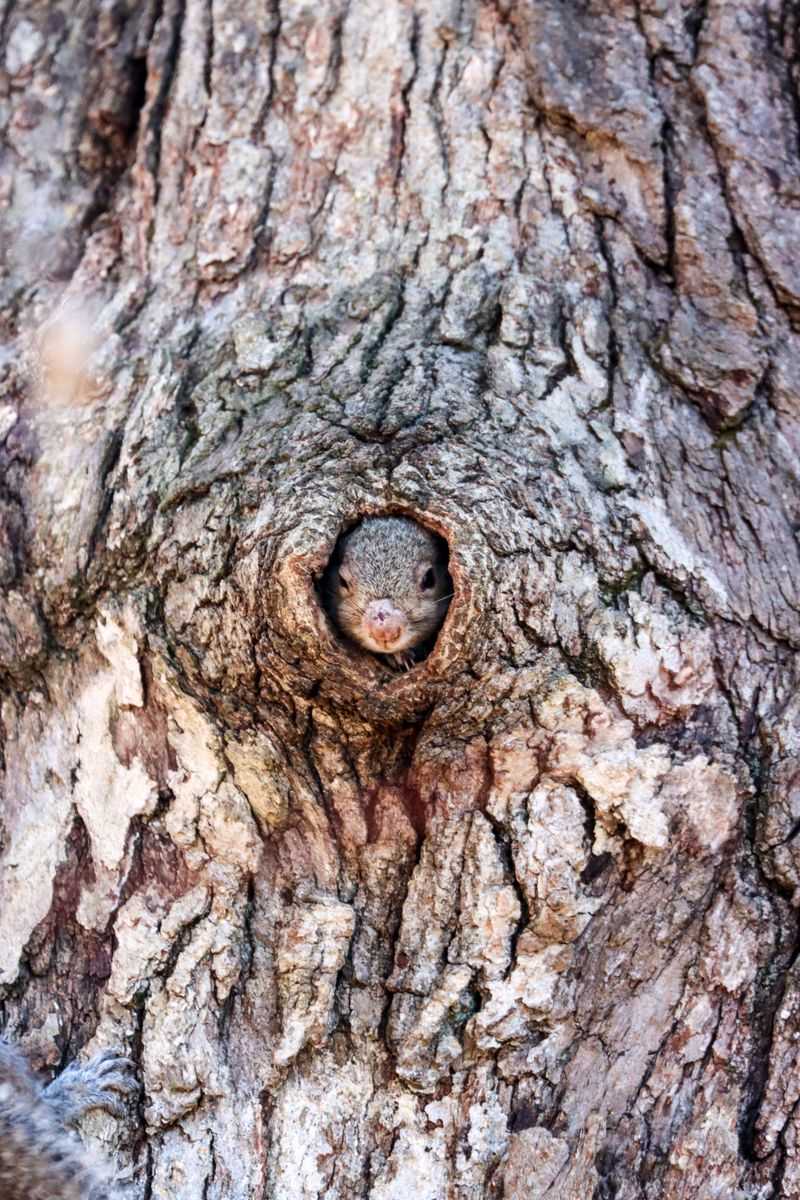
Old woodpecker holes are flying squirrel gold. In the wild, these gliders den in tree cavities, hollow limbs, and abandoned woodpecker nests. They also build leafy nests, but those offer far less protection in deep cold.
Good cavities are not unlimited. Dry and hollow trees often get removed in yards and neighborhoods for safety reasons. When tree homes run short, squirrels start scouting the next best thing.
A house near mature woods checks every box. It has height, shelter from wind and snow, and a safe spot away from owls and other predators. To a squirrel, an attic is basically a giant, well-built tree hollow.
Fall is the main moving season, as squirrels pick winter dens and stash nuts. A second wave can show up in late winter, since southern flying squirrels often breed then and need a secure nursery.
If you love having flying squirrels around, you can offer them a better option. A sturdy nest box mounted high on a tree, away from the house, gives them a natural-style den. It will not guarantee they skip your attic, but it adds a welcome alternative.
4. Tiny Roofline Gaps Are an Open Door for Flying Squirrels
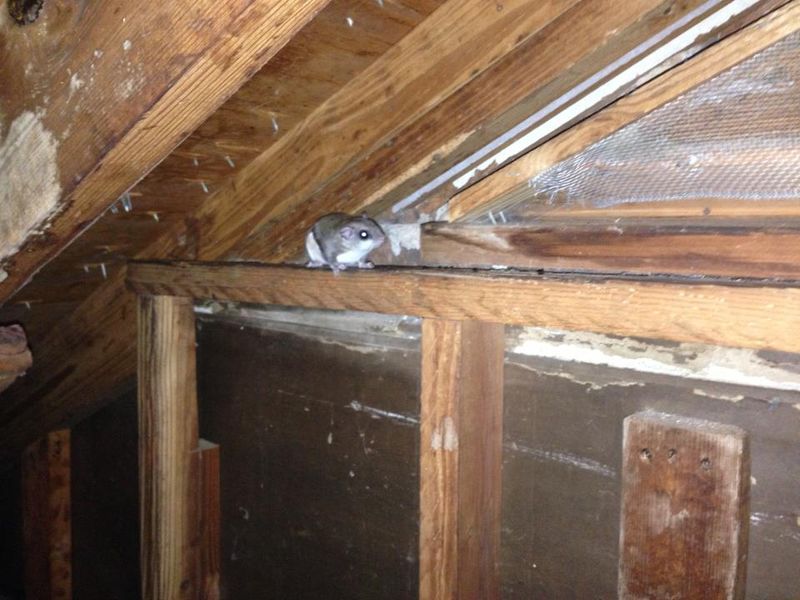
Grab a quarter from your pocket and look at it closely. A flying squirrel can slip through an opening about that size. Their loose skin and slim bodies make tight squeezes easy.
Common entry spots include gaps where the roof meets the soffit, loose fascia boards, roof and gable vents, ridge vents, and openings around chimneys. Spots where siding pieces meet can also leave small holes. Even a slightly warped board can create a doorway.
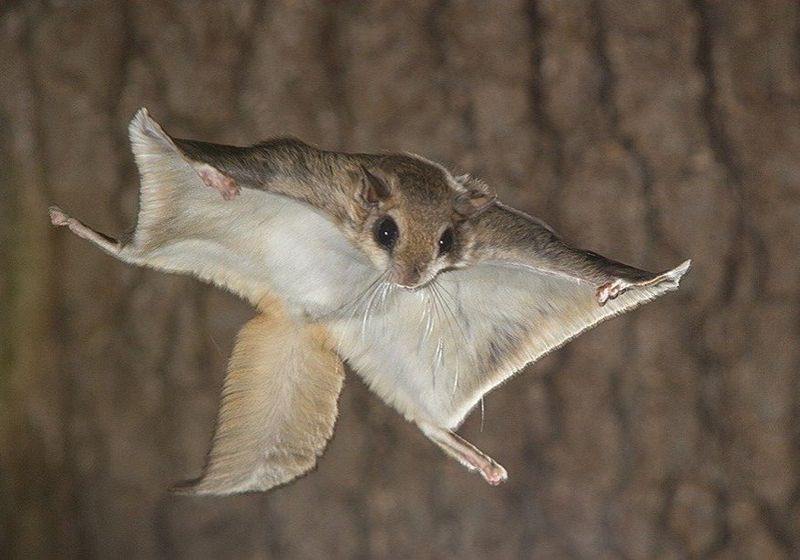
Getting up there is no trouble. These squirrels climb trees, then glide onto the roof using the furry flap of skin between their wrists and ankles. Overhanging branches and nearby power lines act like bridges.
A careful look from the ground can tell you a lot. Use binoculars to scan rooflines, vent covers, and corners for small holes, rub marks, or dark stains around edges.
Doing this check in early fall gives you the biggest advantage. Once a colony settles in, the job gets trickier. Finding a few gaps before the snow flies can save you weeks of nighttime noise.
5. Droppings and Shredded Insulation Reveal a Hidden Squirrel Colony
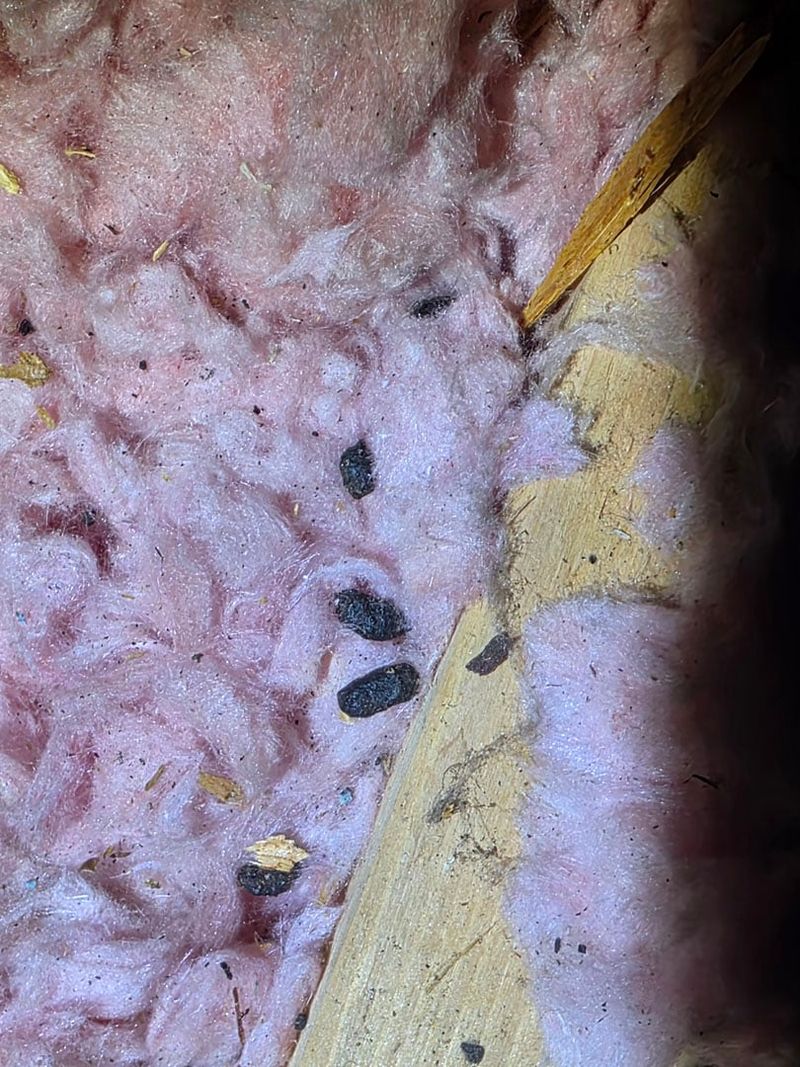
Sounds are only half the story. Flying squirrels leave clues that you can spot with a flashlight and a little patience. Just wear gloves and a mask before poking around.
Small, dark droppings are the most obvious sign. Flying squirrels tend to use the same bathroom spots, called latrines, so you might find piles in one area. Over time, urine in these spots can cause musty smells and brown stains on ceilings below.
Look at your insulation, too. Matted paths, tunnels, and fluffy nest piles are common. You might also see dried leaves, shredded bark, or nut shells dragged in from outside.
Outside, watch your eaves around dusk on a calm evening. Sitting quietly with a dim light, you may see small shapes slipping out one after another. Counting them gives you a rough idea of colony size.
Please avoid sweeping up droppings dry, since dust can stir up germs. A professional can clean and sanitize the area safely. Spotting these signs early helps you plan before the mess grows bigger.
6. Gnawing Teeth Put Attic Wires and Wood at Risk
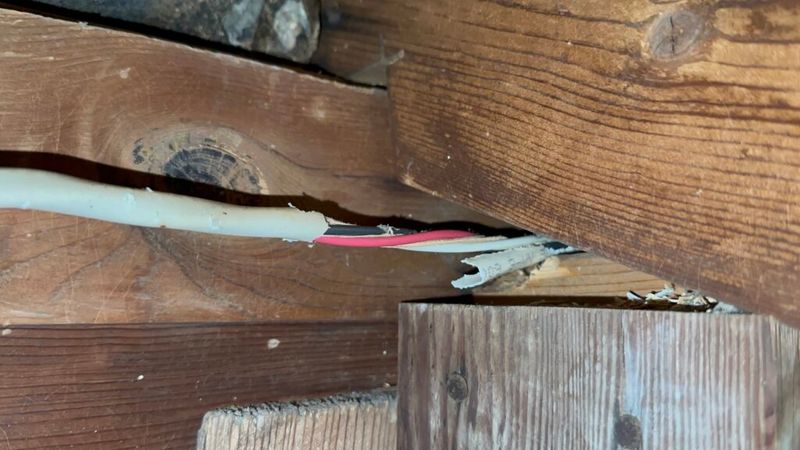
Cute faces hide busy teeth. Like all rodents, flying squirrels have front teeth that keep growing. Chewing keeps them trimmed, and attic materials make handy chew toys.
Wooden rafters, trim, and vent screens can all show gnaw marks. The bigger worry is electrical wiring. Chewed wire coating can expose metal, which raises the risk of sparks and house fires.
Insulation takes a beating as well. Squirrels pack it down and pull it apart for nests, so it traps less heat. That can mean chillier rooms and higher energy bills right when Michigan winters are toughest.
Health concerns deserve attention, too. Droppings, urine, and nesting debris can carry germs. Flying squirrels can also host fleas, mites, and lice that wander into living spaces.
I do not say this to scare anyone. Most problems stay small when you act early. If you have heard noises for weeks, ask a licensed electrician or wildlife pro to check your wiring. A quick inspection now beats an expensive repair later.
7. One-Way Doors Let Flying Squirrels Glide Out Safely
Trapping a single squirrel rarely solves anything. With a whole colony upstairs, catching one or two just leaves the rest behind. Exclusion is the method most experts recommend.
Here is how it works. A pro seals every gap except the main entry, then installs a one-way door over it. Squirrels leave at night to feed and cannot get back inside.
After the attic is clear, that last opening is sealed tight with sturdy material like metal flashing or hardware cloth. Thin wood or foam will not hold up to determined teeth.
Timing matters a lot. In late winter and spring, and again in late summer, there may be babies inside. A careful pro checks first so young squirrels are not trapped without their mothers.
Michigan rules matter, too. Flying squirrels are protected, and the Michigan Department of Natural Resources generally requires a permit or a licensed nuisance control operator for trapping. Moving trapped wildlife to another area also has restrictions.
Hiring a licensed company keeps you legal and makes the process smoother for everyone, squirrels included.
8. Trimmed Branches and Sealed Vents Keep Next Winter Squirrel-Free
Prevention is where your effort pays off year after year. Once the attic is empty and sealed, a few habits help keep it that way. Most tasks fit easily into a fall yard routine.
Start with trees. Trim branches back so they stay several feet away from your roof, which makes gliding and jumping onto the house harder. Remember that flying squirrels can still glide from farther trees, so trimming works best alongside sealing.
Next, cover vents with sturdy metal mesh and add chimney caps. Fix loose soffits, fascia boards, and shingles quickly. A yearly roof check each September catches new gaps before squirrels start house hunting.
Consider your bird feeders, too. Spilled seed draws squirrels close to your home at night. Moving feeders farther from the house can reduce visits.
Honestly, I think these little gliders are some of the most delightful animals in Michigan woods. They simply belong in trees, not over your bed. Put up a nest box out back, seal the house well, and you can enjoy them from the window instead of the ceiling.