This Native Michigan Shrub Suckers Into A Thicket That Birds Absolutely Love
There’s a shrub quietly claiming fence lines across Michigan, and most homeowners walk right past it. It spreads on its own terms, sending up shoots until one plant becomes a thicket.
By late summer it turns into a nonstop diner, packed with berries dozens of bird species can’t resist. Whole families of birds settle into its branches, using it as a hideout, a nursery, and a pantry all at once.
It isn’t flashy. What it offers is sheer persistence, filling gaps other plants ignore and building cover wildlife actually uses.
If your yard feels a little too tidy and a little too quiet, this might be the missing piece.
A Suckering Native Shrub Forms Dense Bird-Friendly Thickets
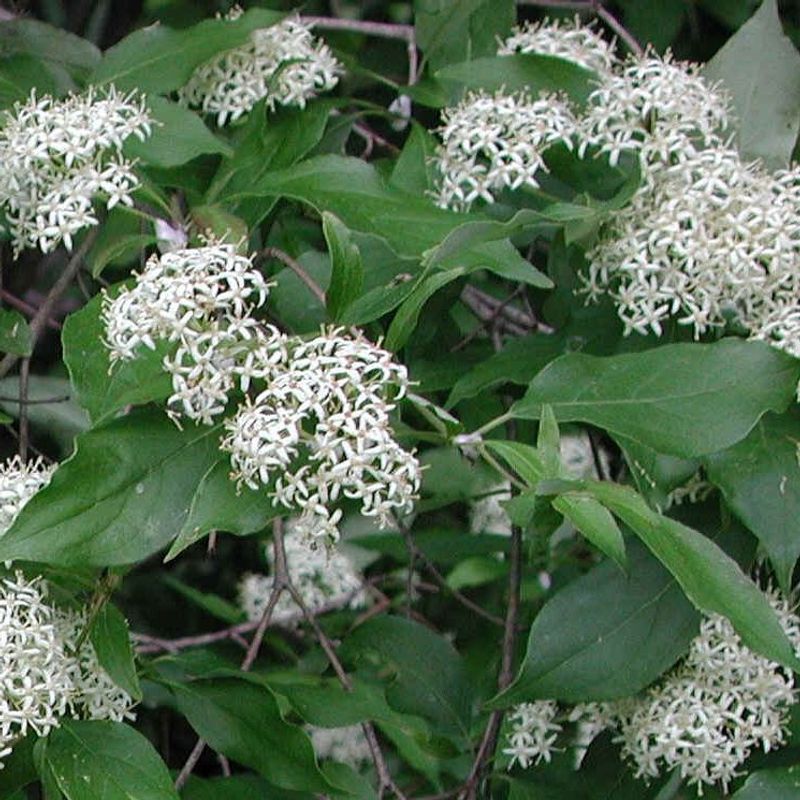
Picture a wall of branches so thick that birds disappear right into it. That is exactly what gray dogwood creates when it is left to spread naturally over a few seasons.
This native Michigan shrub is a powerhouse for wildlife. It sends up new shoots from its roots, called suckers, building a tight colony that acts like a fortress for small birds.
Robins, waxwings, and catbirds all flock to gray dogwood thickets for cover and food. The dense growth gives them a safe place to nest away from predators.
Gray dogwood thrives in average soil with minimal care. It handles wet feet, dry spells, and partial shade with ease.
Gardeners who want serious wildlife impact choose this shrub over ornamental plants every time. A single plant can become a thriving colony within just a few years of growth.
The suckering habit is not a flaw to manage. It is the entire point, and the birds will thank you for letting it run.
Gray Dogwood Spreads Into Thickets Through Root Suckers
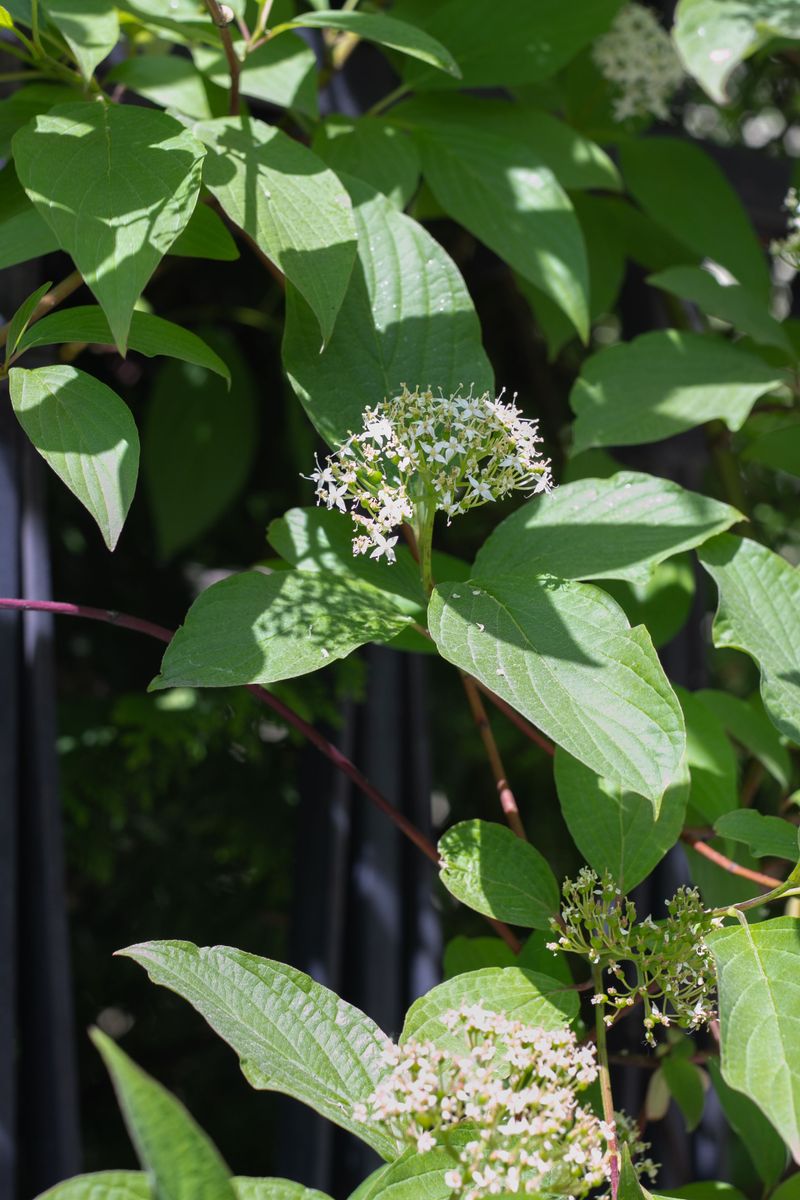
Most shrubs stay politely in one spot. Gray dogwood has bigger plans for your landscape.
This plant spreads through underground root suckers, sending up new stems a foot or two from the parent plant. Over time, those stems form a dense colony that can stretch across a wide area.
Each new sucker is genetically identical to the original plant. That means the whole colony shares the same disease resistance and adaptation to your local soil conditions.
Gardeners often worry when they see new shoots popping up unexpectedly. With gray dogwood, those surprise sprouts are a feature, not a problem to solve.
TThe suckering process happens gradually, so you usually have time to redirect growth if needed. A simple spade pushed into the soil severs a sucker root cleanly and stops its spread in that direction.
Native plant enthusiasts love this trait because it mimics how the shrub behaves in the wild. Natural thickets along stream banks and forest edges form exactly this way across the Midwest.
Letting gray dogwood sucker freely is the easiest way to build a thriving habitat patch. You plant one, and nature does the hard work from there.
White Berries Attract Dozens Of Bird Species In Fall
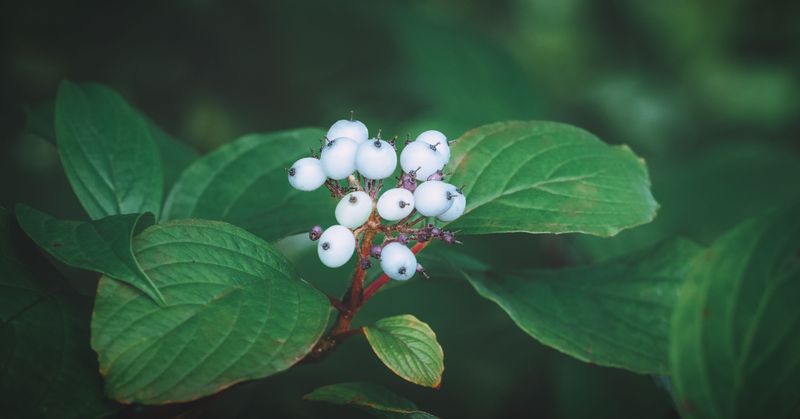
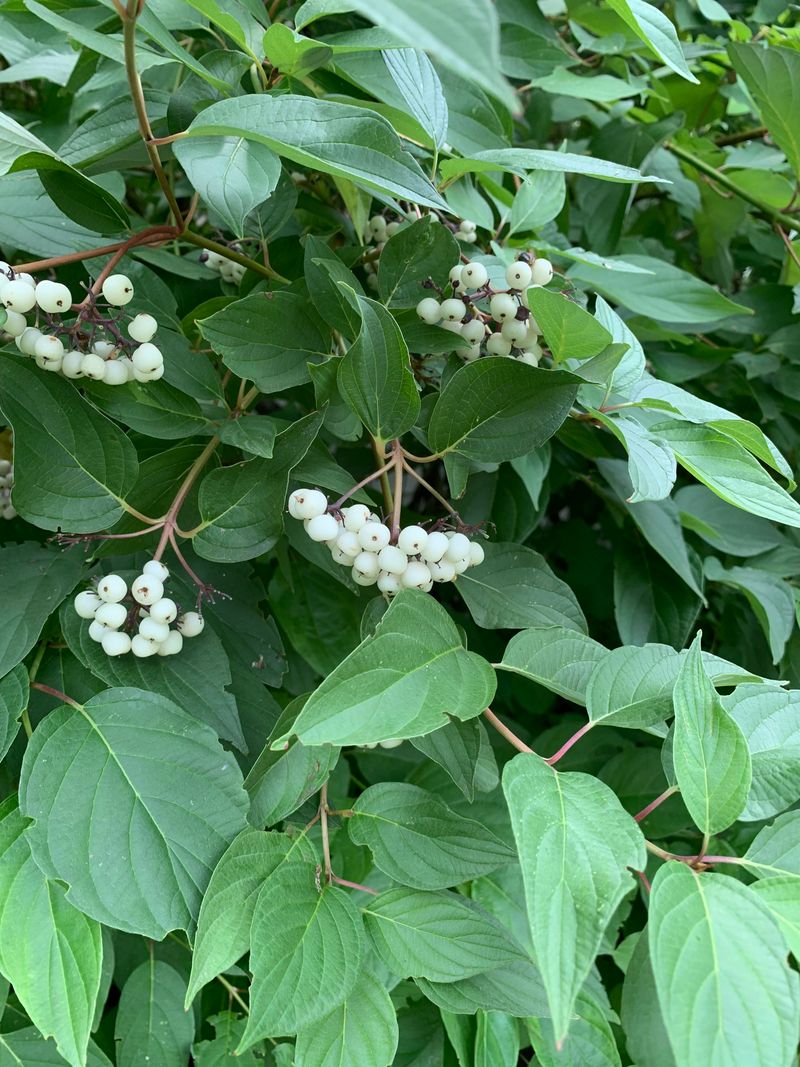
Those small white berries turn into a quick, reliable fuel stop for migrating birds. They ripen in late summer and disappear fast once the flocks arrive.
Your Michigan Garden Changes Every Week. Your Plan Should Too.
Gardening in Michigan changes quickly throughout the season. Every Friday you’ll receive a simple weekly plan showing exactly what to plant, prune, fertilize, harvest, and protect so you never miss the right timing.
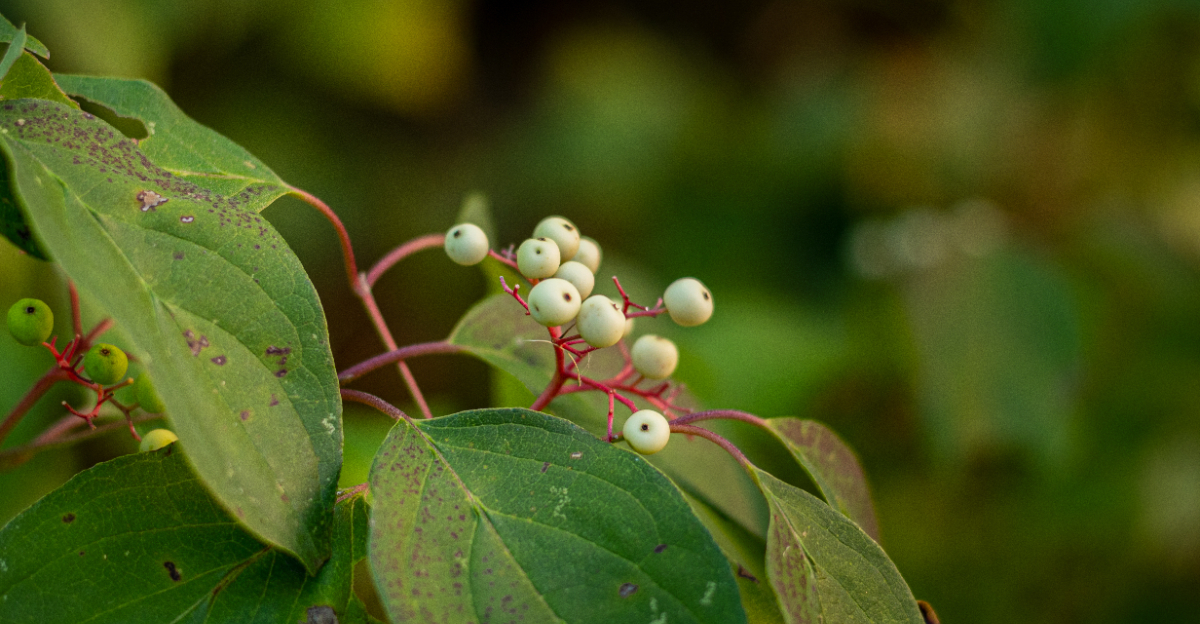
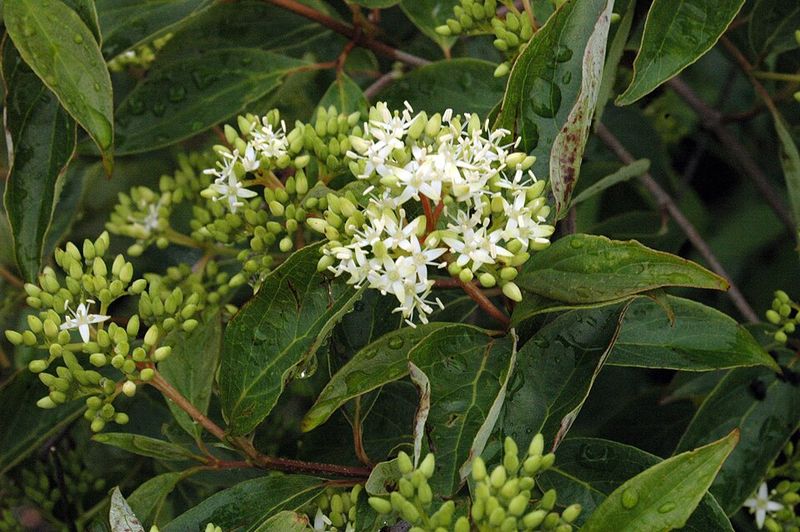
Gray dogwood produces clusters of bright white drupes held on vivid red stems. The color contrast is striking, and birds spot the berries from a surprising distance.
More than 90 bird species are known to eat gray dogwood berries across their range. Bluebirds, thrushes, flickers, and brown thrashers are among the most enthusiastic visitors.
The berries are high in fat, which is exactly what migrating birds need to fuel long flights south. Offering this kind of energy-dense food source makes your yard a critical refueling stop.
Even after most berries are gone, the red stems remain attractive through winter. Cardinals and other year-round residents continue visiting the bare thicket for shelter and leftover seeds.
Planting gray dogwood near a window gives you a front-row seat to the fall migration show. Some mornings you might spot several species feeding at the same time.
Few native shrubs pack this much wildlife value into such a compact seasonal display. The berries are brief, but the bird activity they trigger is genuinely spectacular to watch.
Suckering Habit Makes This Shrub Ideal For Erosion Control
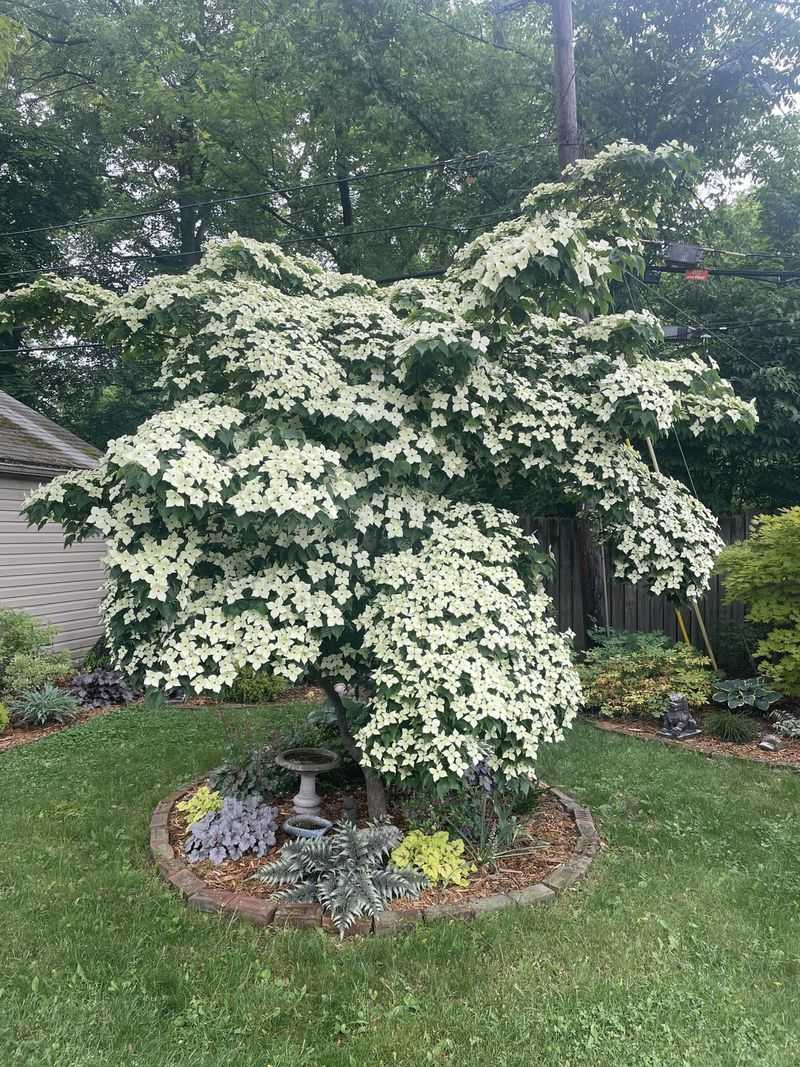
Bare slopes are a constant challenge, especially after heavy rain washes topsoil downhill. Gray dogwood solves that problem without any extra engineering.
The root system that powers all that suckering growth also binds soil together tightly. Each connected colony forms a living mat underground that holds ground in place during storms.
Steep banks, drainage swales, and stream edges are all perfect spots for this shrub. The roots go deep and spread wide, creating a stable anchor across a large area.
Native plant restoration crews regularly use gray dogwood on highway slopes and disturbed sites. It establishes quickly and starts stabilizing soil within the first growing season after planting.
Unlike grass, the thicket also provides vertical structure that slows wind and reduces surface runoff. Rain hits the leafy canopy first, then drips gently to the ground rather than pounding bare soil.
Homeowners with problem slopes often spend money on retaining walls and ground covers that fail. A row of gray dogwood planted along the top of a slope can rival the results of expensive hardscape solutions.
The suckering habit that some gardeners try to control is actually the secret weapon here. More stems mean more roots, and more roots mean better erosion protection season after season.
Minimal Pruning Keeps Thickets Healthy Without Extra Effort
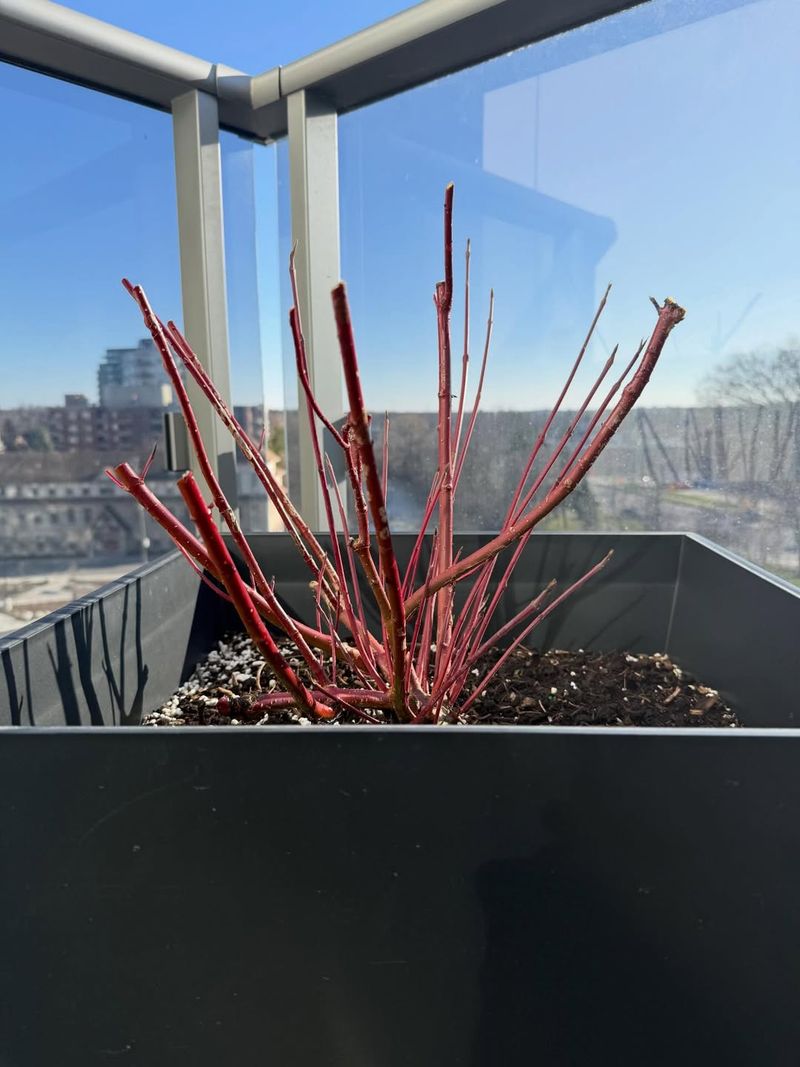
Gray dogwood is not a high-maintenance diva. It actually grows better when you leave it mostly alone.
Light pruning every two or three years is all this shrub needs to stay productive. Cutting out the oldest, woodiest stems encourages fresh new growth that blooms and berries more heavily.
The best time to prune is late winter before new buds break open. That timing protects nesting birds and gives the plant a full season to bounce back with vigor.
You do not need fancy tools or professional help for this job. A pair of sharp bypass pruners and a folding saw handle everything gray dogwood requires.
Removing about one-third of the oldest canes keeps the thicket open enough for light to reach interior branches. Better light means more flowers, more berries, and more reasons for birds to visit.
Avoid shearing this shrub into a tidy ball shape. That removes the natural branching structure that makes it so valuable to wildlife in the first place.
Gardeners who let gray dogwood grow with minimal interference are often rewarded with a healthier, more productive plant. Less effort truly equals more results with this tough native shrub.
Planting Locations Where Suckering Growth Works To Your Advantage
Not every corner of your yard is meant for neat, contained plants. Some spots are just begging for something wild and sprawling.
Gray dogwood shines along property boundaries, woodland edges, and open fence lines. These are places where spreading growth adds privacy and habitat without causing any real problems.
A north-facing slope that stays wet and shady stumps most gardeners. Gray dogwood handles those conditions without fuss, filling in areas where other plants simply give up.
Planting it between your yard and a noisy road creates a sound buffer over time. The dense thicket absorbs noise and filters dust while simultaneously feeding and sheltering local wildlife.
Rain gardens and bioswales benefit enormously from gray dogwood planted along their edges. The roots soak up excess moisture and hold the banks firm through repeated wet and dry cycles.
If you have a large open lawn you want to convert to low-maintenance habitat, start with a cluster of three or five plants. Within five years, they can knit together into a thriving colony.
The key is choosing a location where the suckering nature of this native Michigan shrub becomes a genuine advantage. Place it right, and it rewards you with decades of effortless, bird-filled beauty.
Native Bird Habitat Starts With Plants Like Gray Dogwood
Building real bird habitat is not about putting up a feeder and calling it done. It starts with the plants you choose to grow.
Gray dogwood checks every box that birds need from a single plant. It provides food, nesting cover, shelter from predators, and a safe corridor for movement through the landscape.
Native insects, which birds depend on to feed their chicks, also rely on native shrubs like gray dogwood. The leaves host caterpillars and beetles that become critical protein sources during nesting season.
Non-native ornamental shrubs, no matter how pretty, rarely support this kind of insect diversity. A yard full of exotic plants offers little for nesting songbirds trying to raise young.
Choosing gray dogwood over a non-native alternative is one of the more impactful decisions a gardener can make. Each plant you swap out for a native species multiplies the ecological benefit across your whole neighborhood.
Local bird populations have declined sharply over the past few decades due to habitat loss. Planting even a small thicket of gray dogwood is a meaningful, practical response to that trend.
This native Michigan shrub proves that the best wildlife gardens are not always the tidiest ones. Let it spread, let it sucker, and let the birds show you how right that choice really was.