Why Grasshoppers Cause More Damage In Arizona Gardens Every Summer
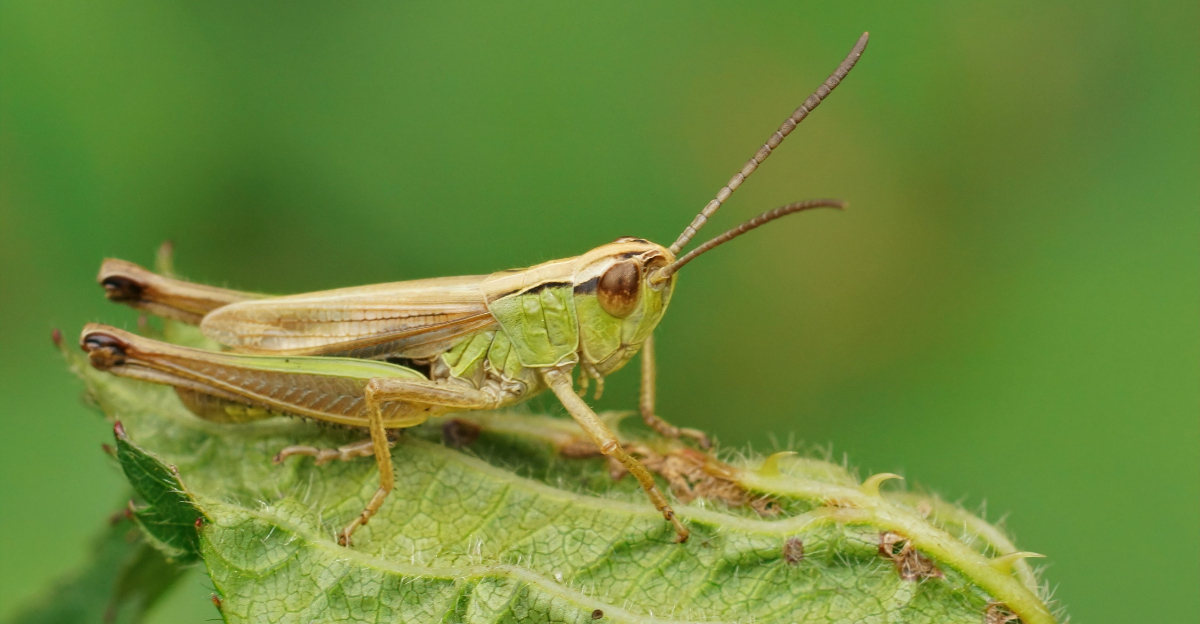
Grasshopper damage rarely starts with a few missing leaves.
By the time you notice it, hungry insects may already be spreading through your Arizona garden. Every summer brings the same surprise for many gardeners.
You can slow the damage, but only if you understand what keeps these pests so active. Don’t blame every chewed plant on bad luck.
Simple growing conditions often give grasshoppers exactly what they want. Once you recognize those patterns, protecting your favorite flowers and vegetables becomes much easier.
Read on before another wave arrives. Your garden deserves better than constant frustration.
A few smart observations today can save weeks of disappointment later. Give your plants a stronger chance to thrive despite the relentless summer pressure.
You’ll feel more confident every time grasshoppers appear next season too.
1. Hot, Dry Conditions Help Grasshopper Populations Grow
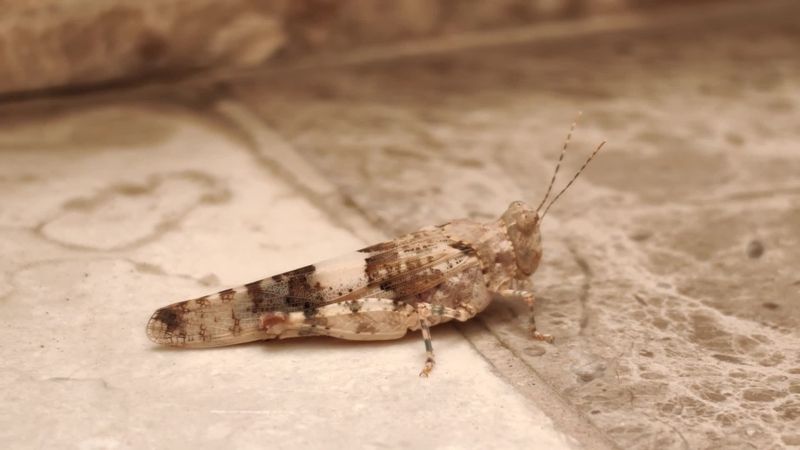
Grasshoppers thrive when the weather gets brutal. Hot, dry summers give them exactly what they need to hatch, grow, and multiply fast.
Eggs laid in dry soil survive at much higher rates than those in moist ground. Wet conditions can encourage fungal growth that limits egg survival.
In Arizona’s arid climate, that natural check rarely happens.
Warm soil speeds up egg hatching. Nymphs, which are young grasshoppers, develop faster when temperatures stay high.
That means more generations can reach adulthood within a single summer season.
Dry years also reduce the number of natural pathogens that slow grasshopper growth. Fewer pathogens mean fewer population controls.
Gardeners tend to notice bigger swarms following back-to-back dry winters and hot springs.
Low humidity also helps adult grasshoppers stay active longer each day. They feed more, move farther, and cover more ground.
A single acre can support thousands of grasshoppers during peak summer conditions.
Watching local weather trends can help you predict bad grasshopper years in advance. If spring rainfall was below average, expect heavier pressure by July.
Planning ahead with protective measures before peak season gives your garden a better chance of coming through with less damage overall.
2. Seedlings Are The First Plants To Be Damaged
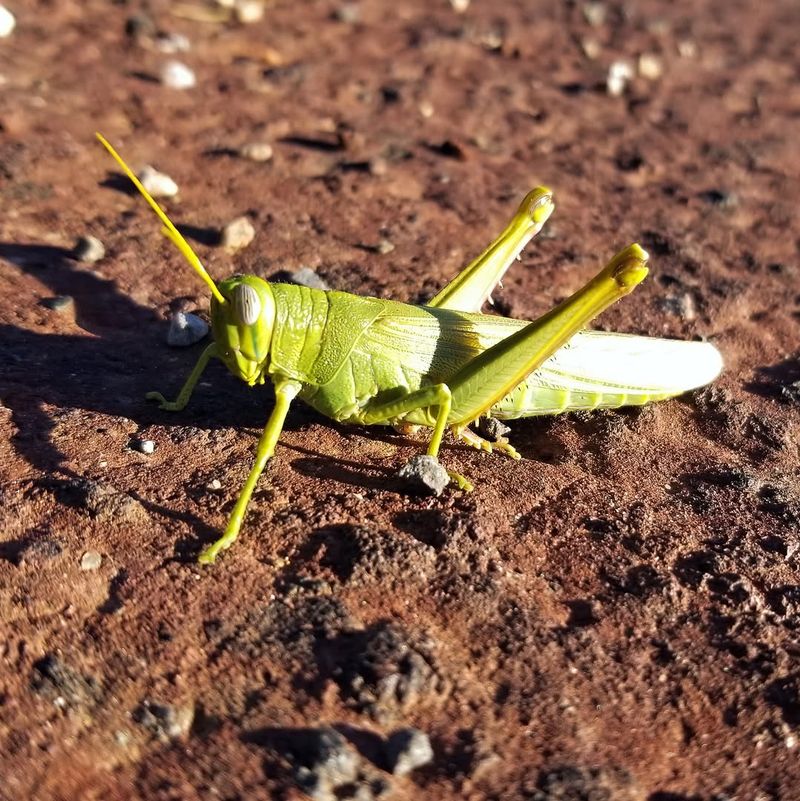
Tender seedlings are basically an open invitation. Grasshoppers go straight for the youngest, softest growth first because it requires the least effort to chew through.
Newly sprouted vegetables, herbs, and flowers have thin cell walls. Grasshoppers can strip a seedling down to a bare stem in minutes.
Once that stem is exposed, the plant struggles to recover fully.
Established plants have tougher leaves and more stored energy to bounce back. Seedlings do not have that reserve yet.
Losing even a portion of the leaf area early on can stunt growth for weeks.
Summer planting windows in warm desert regions make this problem worse. Gardeners starting fall crops in late July or August are putting seedlings into the ground right when grasshopper populations peak.
Timing and protection need to work together.
Transplanting slightly older starts instead of direct seeding can reduce risk. A four-to-six week old transplant handles light feeding pressure better than a week-old sprout.
Your Arizona Garden Changes Every Week. Your Plan Should Too.
Gardening in Arizona changes quickly throughout the season. Every Friday you’ll receive a simple weekly plan showing exactly what to plant, prune, fertilize, harvest, and protect so you never miss the right timing.
It is not a foolproof solution, but it does reduce vulnerability during the most dangerous window.
Checking seedlings every morning pays off. Catching grasshopper activity early limits how much damage builds up before you can respond.
3. Weeds Provide Food And Shelter
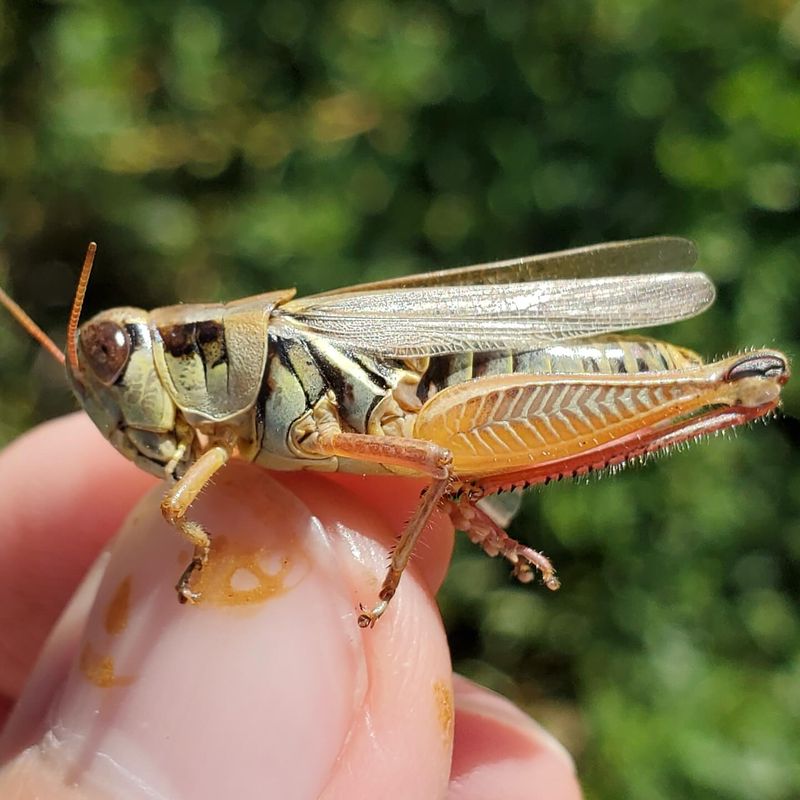
Weeds do more than compete with your plants for water. Grasshoppers use dense weed patches as both a food source and a hiding spot during the hottest parts of the day.
Tall grasses and broadleaf weeds along fence lines and garden borders create ideal habitat. Grasshoppers shelter there in the morning, warm up, and then move into garden beds to feed.
Removing that border habitat can reduce how many grasshoppers migrate into your garden each day.
Certain weeds are especially attractive. Pigweed, Russian thistle, and various grasses rank among the preferred early-season food sources.
Once those run low, grasshoppers shift attention toward garden crops.
Mowing weeds short does help. Short stubble offers less shelter and fewer calories.
Grasshoppers in sparse areas tend to spread out more rather than concentrating near your beds.
Clearing a buffer zone around your garden is worth the effort. Even a few feet of bare or closely mowed ground can slow their movement into planted areas.
It does not stop them entirely, but it reduces the ease of access.
Consistent weed management throughout spring sets you up better for summer.
4. Large Groups Can Strip Plants In Just Days
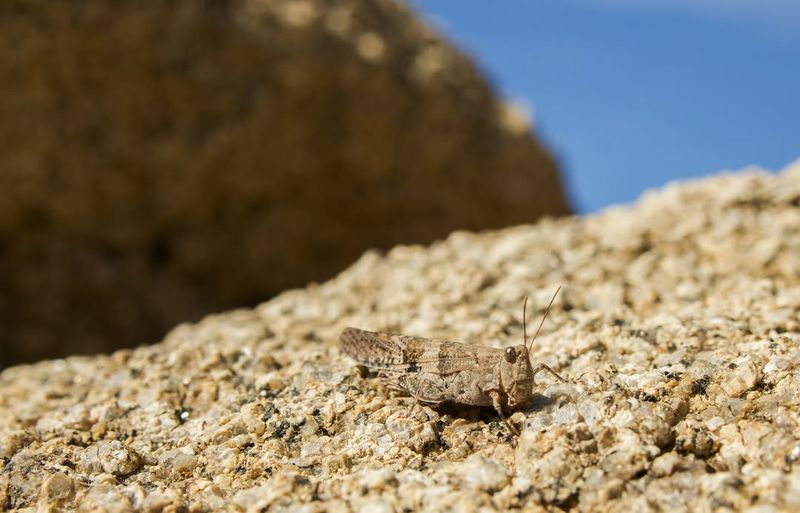
Seeing one or two grasshoppers is not a crisis. Seeing dozens moving together across your garden beds is a completely different situation that demands immediate attention.
Grasshoppers are not social insects in the way ants or bees are, but they do aggregate. When food and conditions are favorable, large numbers gather in the same area.
Feeding pressure multiplies fast when that happens.
A group of fifty grasshoppers can consume a surprising amount of plant material in under a week. Pepper plants, bean vines, and squash leaves are especially vulnerable to rapid defoliation.
Some plants can recover from partial leaf loss, but complete stripping sets them back significantly.
Movement patterns matter too. Grasshopper groups tend to sweep through an area in a directional wave.
Gardeners in Arizona have described watching entire rows of plants get eaten within two or three days during heavy infestation years.
Early detection is the most practical tool available. Checking your garden at sunrise, when grasshoppers are slower and easier to spot, helps you gauge how many are present before they become fully active.
If numbers look high, act quickly. Waiting even a few days gives a group time to cause damage that takes weeks to grow back.
5. Use Floating Row Covers On Vulnerable Crops
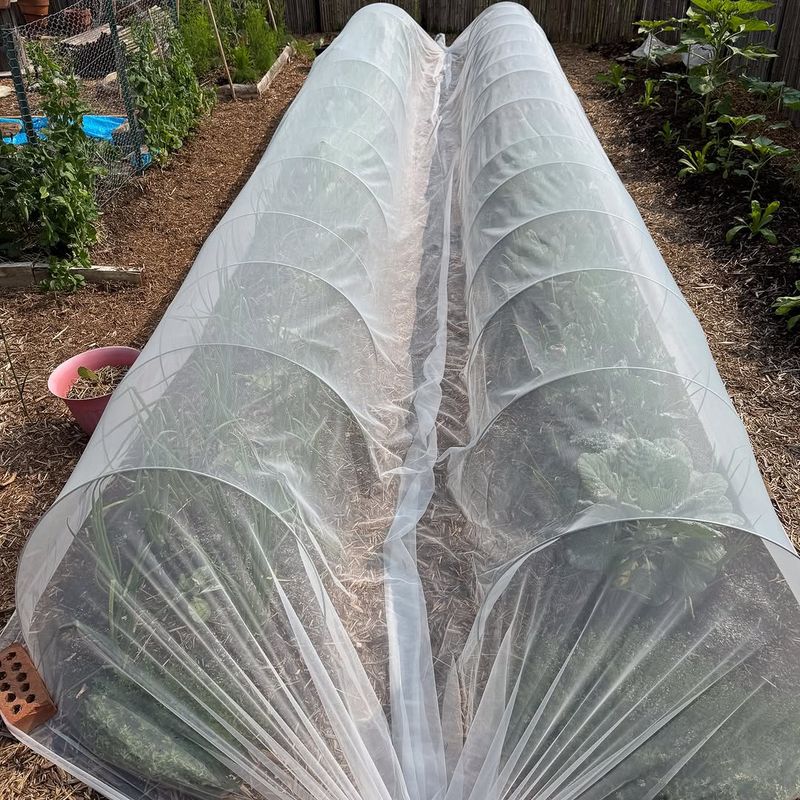
Floating row covers are one of the most reliable physical barriers a gardener can use against grasshoppers. Lightweight fabric lets sunlight and water through while blocking insects from reaching your plants.
Agribon and similar spunbonded fabrics are widely available at garden centers. They come in different weights.
Lighter grades work well in summer because they add minimal heat while still providing solid insect protection.
Securing the edges matters a lot. Grasshoppers will find gaps if the cover is loosely draped.
Burying the edges in soil or using ground staples keeps the barrier tight and effective. A loose cover is only marginally better than no cover at all.
Row covers work especially well over seedlings and young transplants during the first few weeks after planting. That window of vulnerability is when grasshopper feeding causes the most lasting harm.
Covering during that period reduces the risk substantially.
One trade-off to keep in mind is pollination. Crops that need insect pollination, like squash and melons, require the covers to be lifted during bloom periods.
Timing those openings carefully helps balance protection with fruit set.
Row covers are reusable across multiple seasons with proper care. Washing and storing them correctly extends their lifespan.
6. Encourage Birds That Feed On Grasshoppers
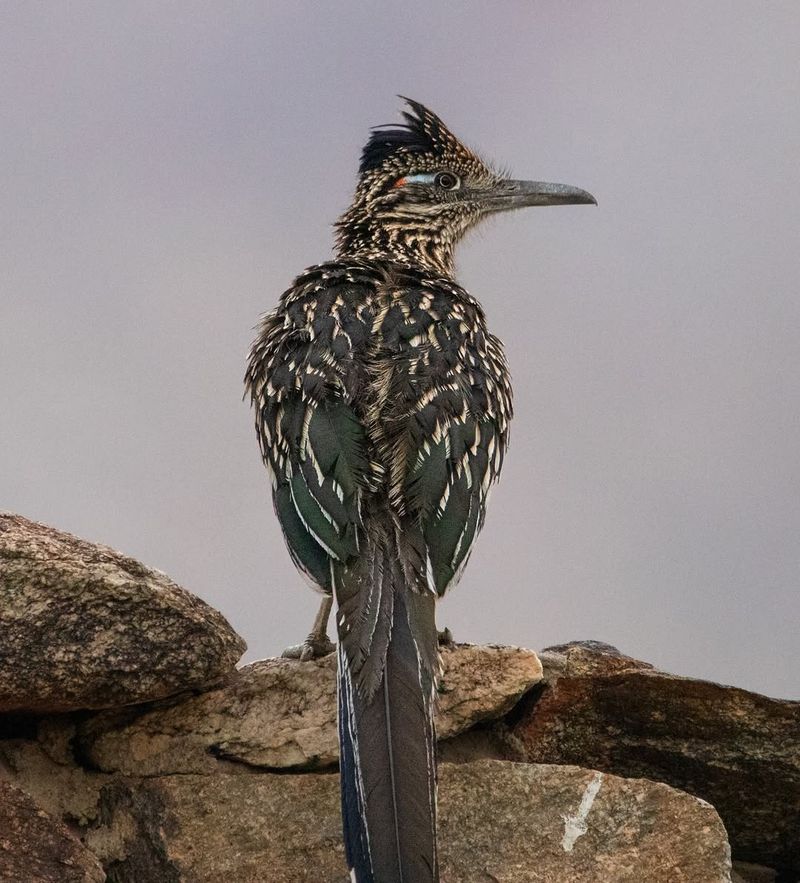
Nature already has a system for managing grasshoppers. Birds are among the most effective natural predators, and drawing them into your yard can make a noticeable difference over a season.
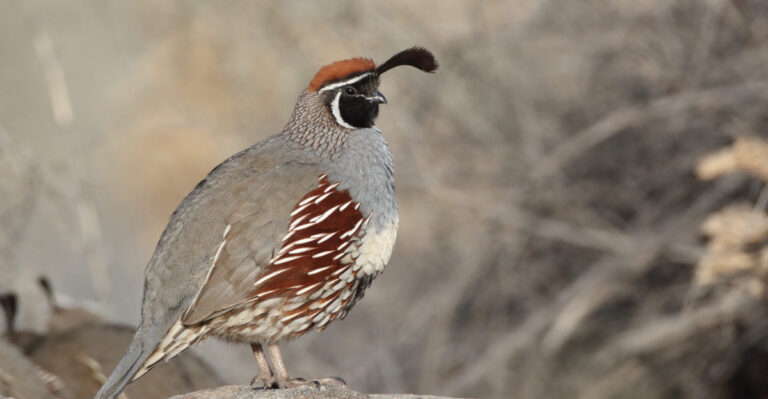
Roadrunners, kestrels, mockingbirds, and various sparrow species all feed on grasshoppers. In desert regions, roadrunners in particular are well-known for actively hunting large insects across open ground.
Spotting one near your garden is genuinely good news.
Providing water sources attracts birds reliably. A shallow birdbath or a drip water feature draws in a wider variety of species, especially during dry summer months when natural water is scarce.
Refreshing the water every couple of days keeps it clean and appealing.
Native shrubs and trees near the garden give birds perching spots and cover. Birds are more likely to forage actively in areas where they feel secure.
Open, exposed yards with no shelter tend to see less bird activity overall.
Avoiding broad-spectrum pesticide use helps protect the birds that visit. Pesticides can reduce the insect prey that birds depend on and may affect birds directly if they consume treated insects.
Keeping your garden as pesticide-light as possible supports the whole food chain.
Building a bird-friendly yard takes a season or two to pay off.
7. Hand Pick Grasshoppers Early In The Morning
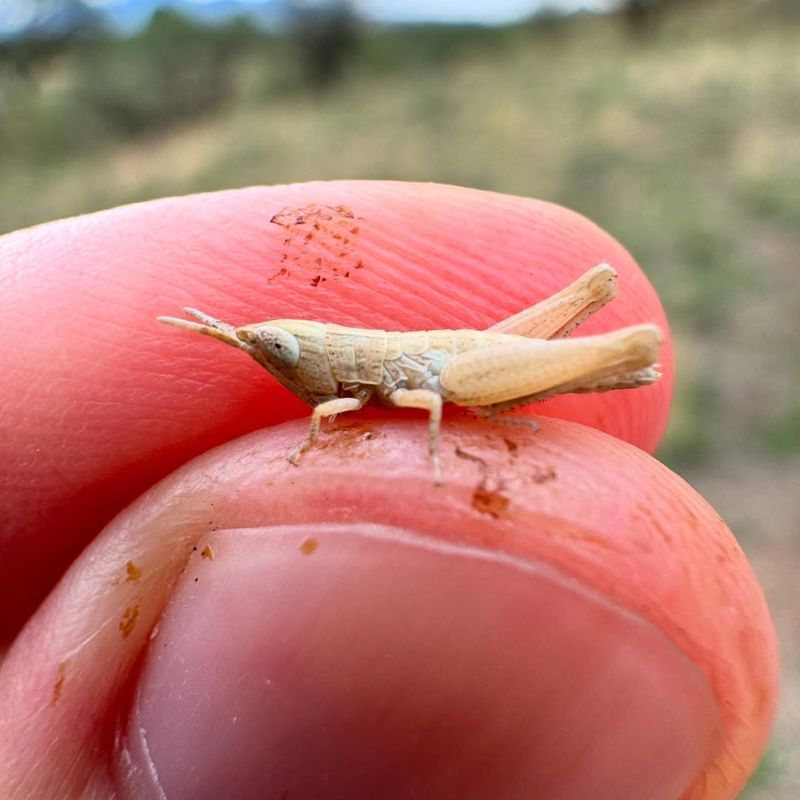
Early morning is the best window for hand-picking grasshoppers. Temperatures are cooler, and the insects are sluggish before the sun warms them up enough to jump and fly quickly.
Wearing gloves makes the process easier and more comfortable. A bucket of soapy water nearby gives you a place to drop them as you go.
Check the undersides of leaves, along stems, and at the base of plants where grasshoppers tend to rest overnight.
Hand-picking works best when grasshopper numbers are still relatively low. Catching twenty insects in a morning session is manageable.
Trying to hand-pick through a heavy infestation of hundreds is far less practical and should be combined with other methods.
Consistency makes this approach more effective. Going out every morning for a week during peak activity can meaningfully reduce the local population in your immediate garden area.
Skipping days allows numbers to rebound quickly.
Involving kids in morning garden checks can turn it into a routine that sticks. Many children find grasshopper hunting genuinely fun.
Making it a shared habit builds both the garden skill and the daily observation habit that every gardener eventually relies on.
Hand removal has zero chemical risk, costs nothing, and gives you a clear daily picture of how many grasshoppers are present.