Why January Is Often The Best Time To Plant Peas In Texas
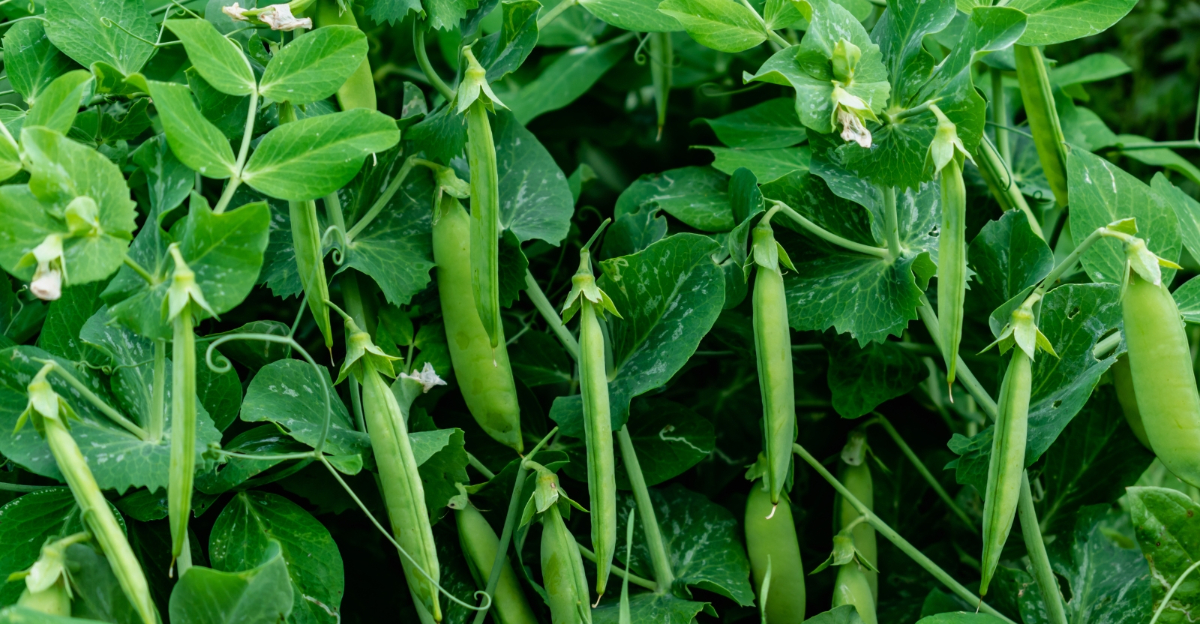
Peas are one of the few crops in Texas that don’t wait patiently for spring, and missing their window can mean missing the harvest entirely.
The weather shifts fast here, and waiting too long to plant means heat arrives before pods have a chance to form.
Getting peas into the ground now gives them a cool, steady start that leads to stronger vines and better yields later.
Most vegetables fear cold soil, but peas actually prefer it, and Texas winters often provide enough chill for peas, though gardeners in colder regions should watch for hard freezes.
It’s not just about avoiding heat, it’s about using winter’s mildness to give these plants the calm conditions they need to build energy for flowering and fruiting.
Soil in many parts of Texas stays loose and workable in January, making it easy to sow without fighting frozen ground. That early start gives roots room to grow deep before spring rain or pests stir up trouble.
This simple move puts gardeners ahead of the season instead of scrambling to catch up later.
If you want crisp, sweet peas before temperatures soar, January is the moment to make it happen.
1. Cool January Temperatures Support Steady Pea Germination
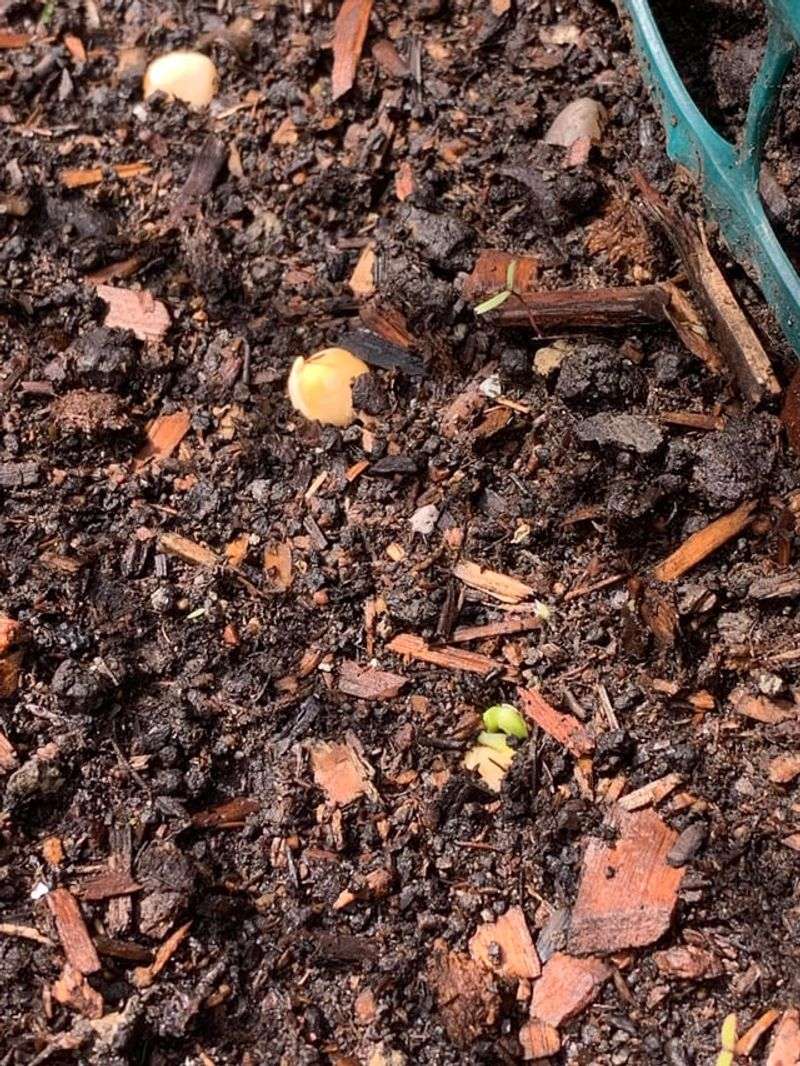
Seeds need the right conditions to wake up and start growing, and peas prefer cooler soil over warm ground. When you push those small seeds into Texas dirt during January, they encounter temperatures that sit in their comfort zone.
Soil temperatures between about 40 and 70 degrees Fahrenheit give pea seeds what they need to sprout steadily.
Warmer months can trick seeds into germinating too fast, which often leads to weak seedlings that struggle later. January’s mild climate in Texas keeps the process moving at a natural pace.
This steady start helps roots develop properly before the top growth takes over.
Consistent temperatures also mean fewer surprises for your seeds. Wild swings between hot and cold can confuse plants and slow their progress.
January offers stability that other months simply cannot match.
Gardeners in Texas benefit from this predictable window because it reduces guesswork. You plant with confidence knowing the weather will cooperate.
Peas respond well to this reliability, and you will see it in how quickly they emerge from the soil.
Early planting also takes advantage of longer daylight as winter progresses, giving young plants steady energy as they grow.
By the time warmer weather arrives, peas already have a strong foundation in place.
2. Planting Early Helps Peas Avoid Texas Spring Heat
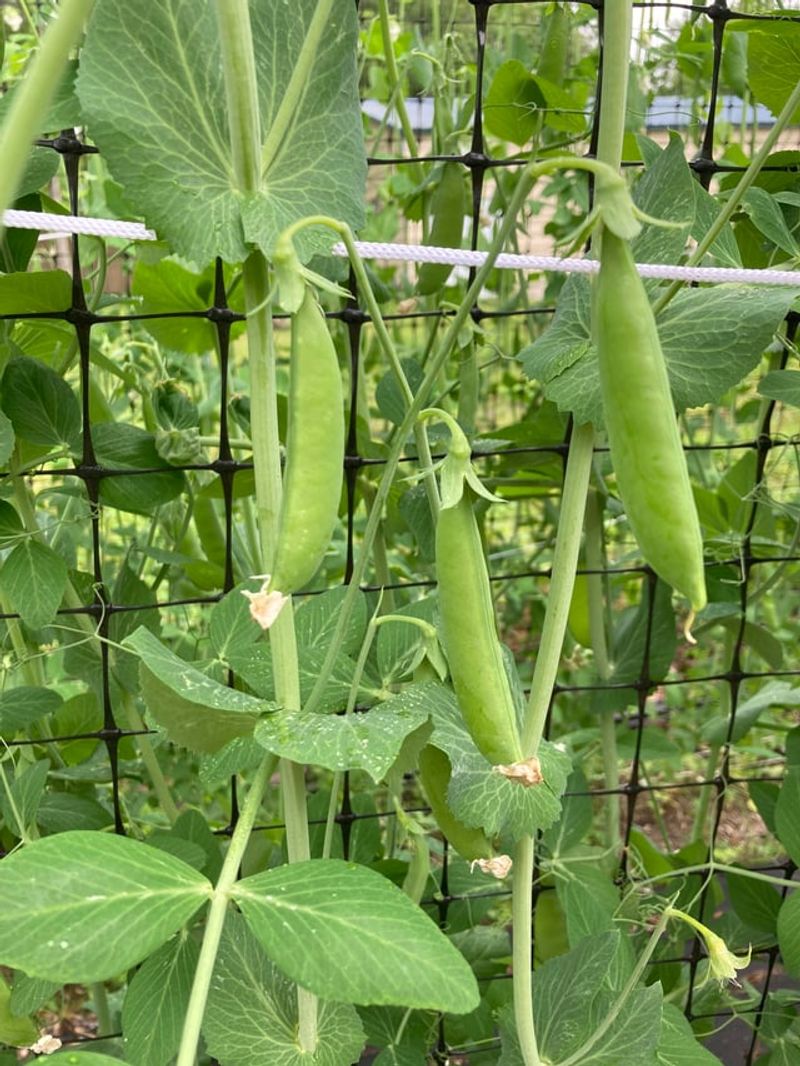
Texas springs can turn hot in a hurry, and peas do not handle intense heat very well. Planting in January gives your crop a head start before temperatures climb too high.
By the time March and April roll around, your peas will already be well-established and producing pods.
Heat stress causes pea plants to stop flowering and setting new pods. Once temperatures regularly hit the upper 70s and 80s, production drops off sharply.
January planting lets you harvest before that heat wave arrives.
Starting early also means your plants spend more time in their preferred temperature range. Peas thrive when days stay cool and nights remain crisp.
Texas winters provide exactly this kind of environment, allowing plants to focus energy on growth rather than survival.
Timing your planting to avoid the worst heat is one of the smartest moves you can make. Your harvest window becomes longer and more productive.
Gardeners who wait until February or March often watch their plants struggle as summer approaches too quickly.
Earlier planting also reduces pressure from pests that become more active as temperatures rise.
Healthier plants established in cooler weather tend to stay productive longer before heat finally shuts them down.
3. Soil Moisture Is More Reliable In January
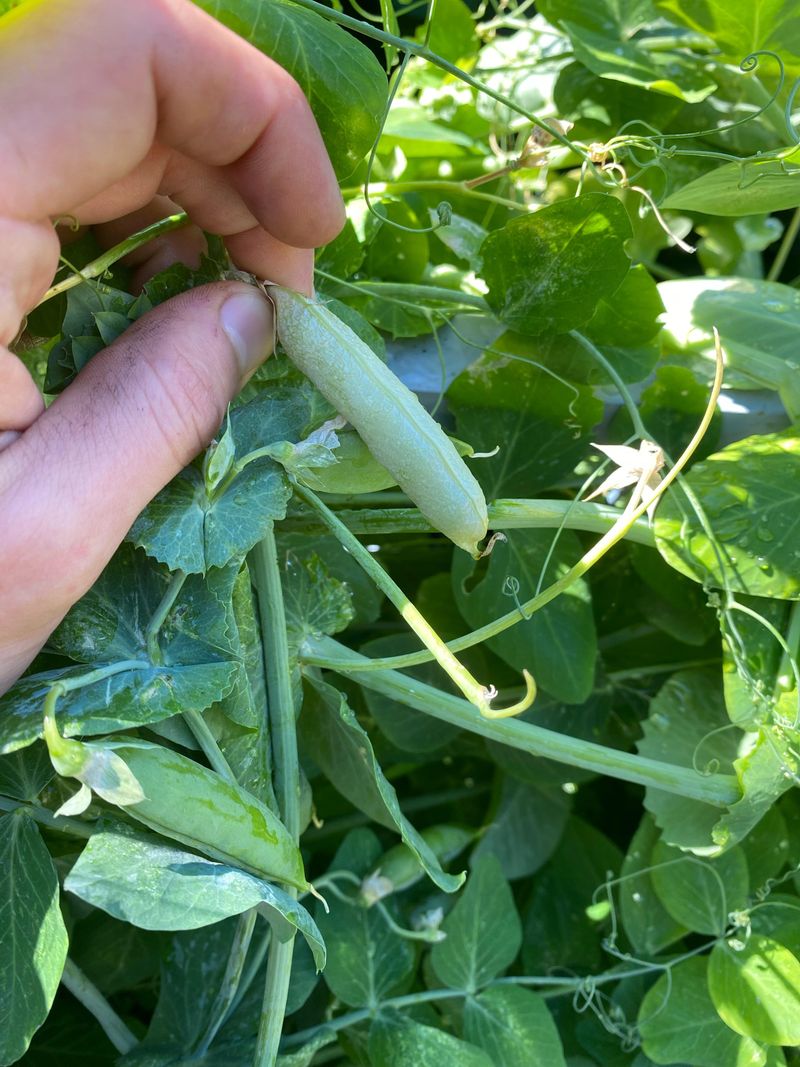
Water availability matters tremendously when seeds are trying to germinate and young plants are getting established. January in Texas typically brings more consistent moisture from winter rains and cooler conditions that reduce evaporation.
Your soil stays damp longer without requiring constant watering.
Dry spells become more common as spring progresses across the state. Seeds planted later may sit in dry ground waiting for rain that never comes.
January gives you a natural advantage because the soil holds moisture better during this time.
Consistent dampness helps roots spread and explore the ground around them. Pea plants develop stronger root systems when they do not have to cope with drought stress early in life.
Texas gardeners appreciate this because it means less time spent dragging hoses around the yard.
Rainfall patterns also tend to be more predictable during winter months. You can plan your planting schedule around typical weather without worrying about sudden dry spells.
This reliability makes January an ideal month for getting peas into the ground with confidence.
Early access to steady moisture also reduces the risk of seed rot or failed germination.
Healthy, well-established roots set the stage for vigorous growth and a more reliable harvest later in spring.
4. Short Winter Days Reduce Early Stress On Young Plants
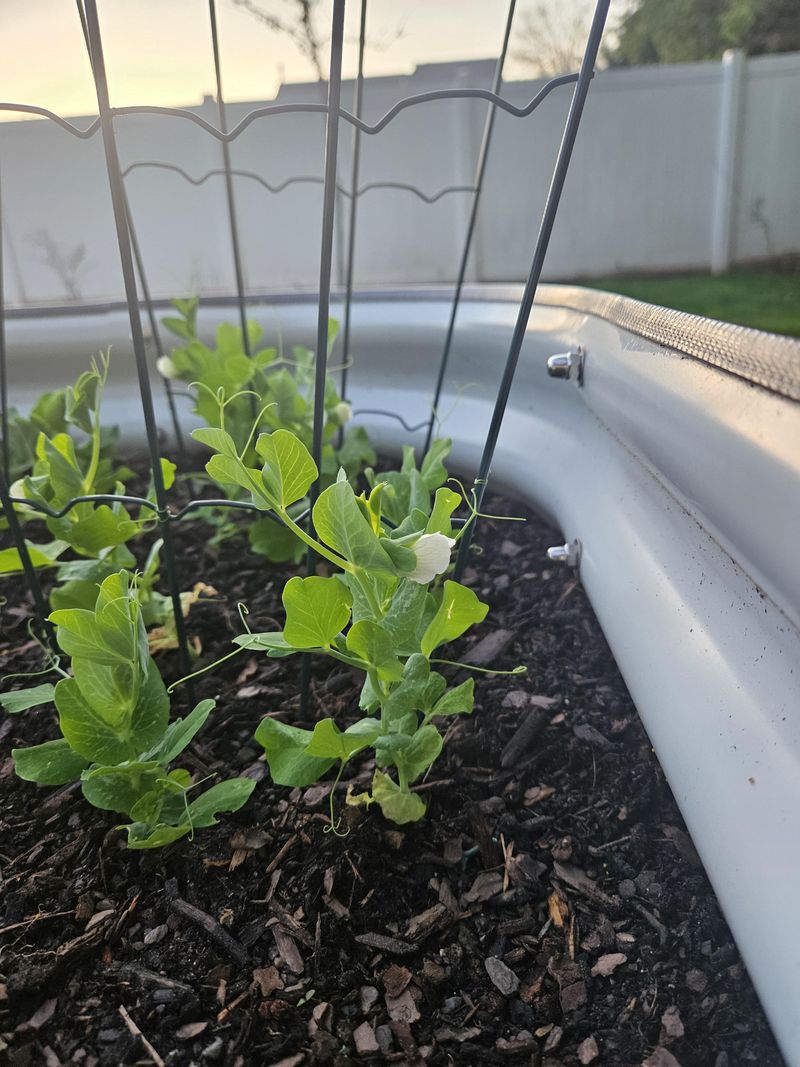
Daylight hours during January are shorter than in spring and summer, which actually benefits young pea seedlings. Less intense sunlight means plants face reduced stress while they are still tender and vulnerable.
Texas winters offer this gentler light without the harsh glare that comes later in the year.
Extended sun exposure can overwhelm seedlings before they build up enough leaf area to handle it. Shorter days give plants time to strengthen gradually.
Roots establish themselves while the top growth remains manageable and balanced.
This slower pace also conserves energy that plants can redirect toward building a solid foundation. Peas planted in January do not have to work as hard to survive their first few weeks.
Texas gardeners notice that these plants look healthier and more vigorous than those started in brighter months.
As days begin to lengthen in late winter, your peas are already strong enough to take advantage of the extra light. They transition smoothly into faster growth without the shock that sudden changes can cause.
This natural progression leads to better overall performance throughout the growing season.
Gradual exposure to increasing sunlight also helps seedlings develop sturdier stems and more resilient leaves.
By the time spring arrives, plants are ready to grow vigorously without suffering stress from sudden brightness or heat.
5. Peas Grow Strong Roots Before Fast Top Growth Begins
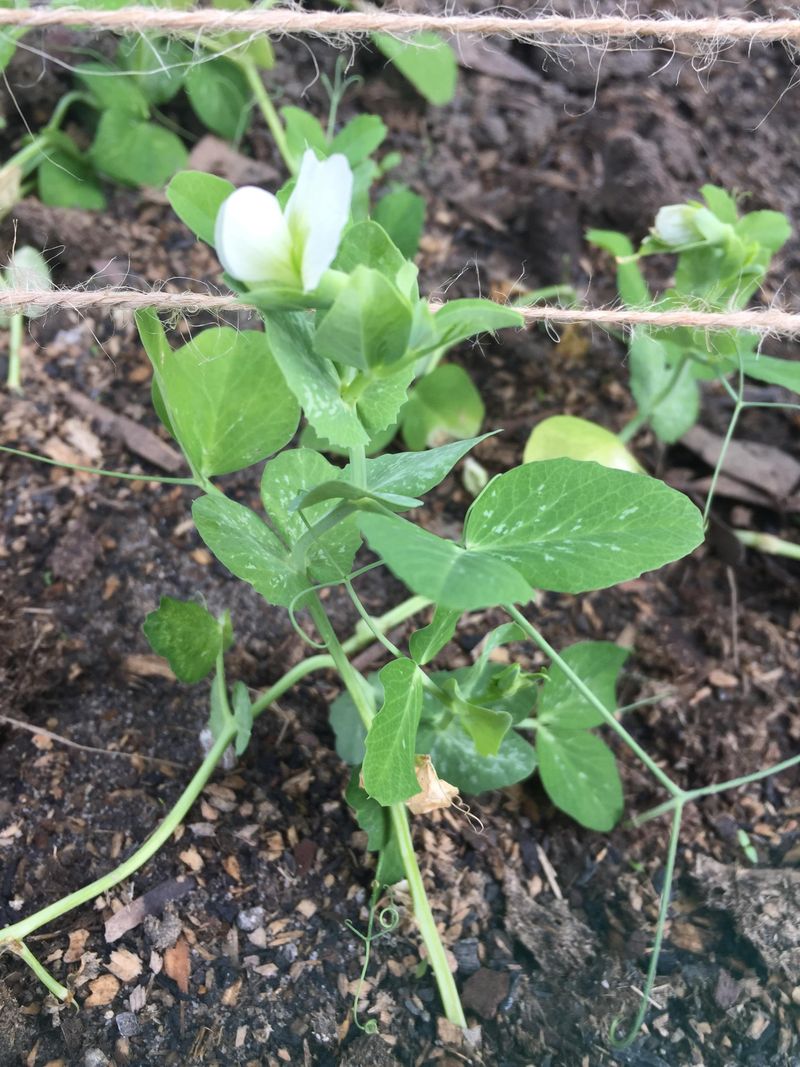
Root development is the secret to healthy, productive pea plants, and January conditions in Texas encourage exactly this kind of growth. Cool temperatures slow down the visible parts of the plant while underground roots spread and deepen.
This balance creates a sturdy base that supports everything that comes later.
Plants with weak roots cannot support heavy foliage or abundant pods. January planting gives roots weeks to explore the soil before warmer weather triggers rapid top growth.
Texas gardeners who understand this principle consistently grow better crops.
Strong root systems also help plants access water and nutrients more efficiently. When spring arrives and growth accelerates, your peas will already have the underground network they need.
This advantage shows up in taller plants, more flowers, and heavier yields.
Waiting until spring to plant means roots and shoots compete for resources from the start. January planting eliminates this problem by separating these growth phases naturally.
Your peas build strength quietly underground before showing off above the surface.
6. January Planting Leads To Earlier Harvests
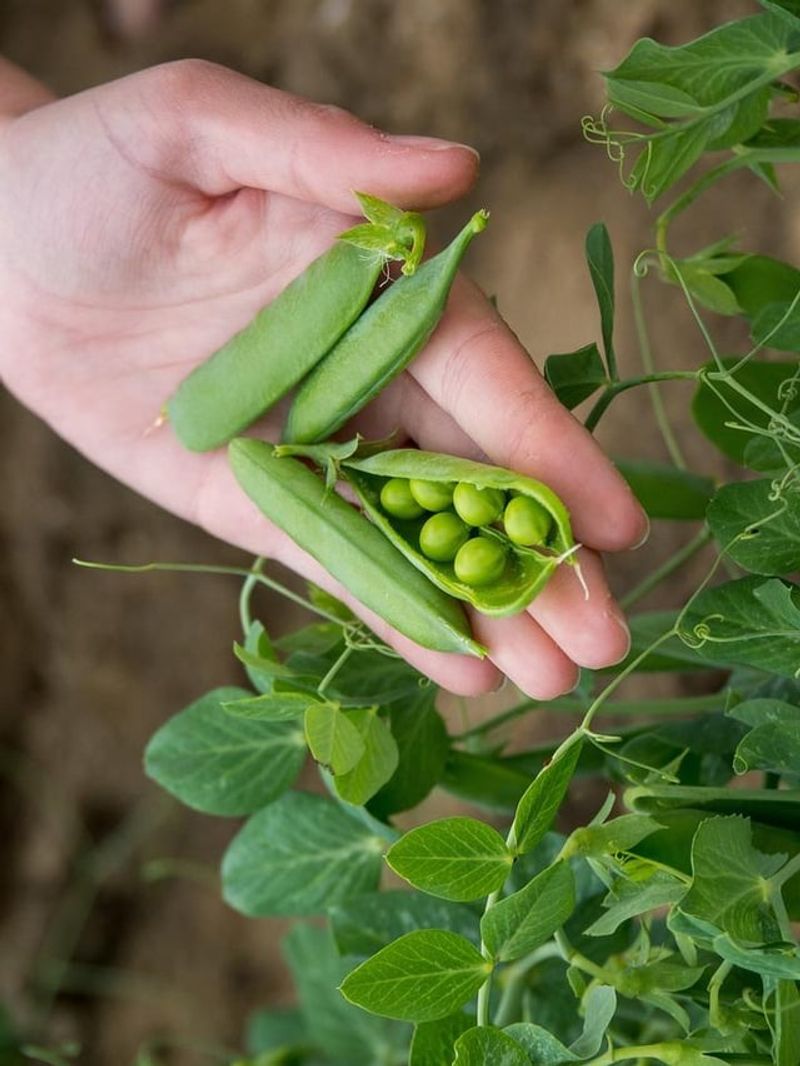
Getting peas into the ground during January means you will be picking pods weeks before gardeners who plant later. Early harvests give you fresh vegetables when they taste best and before summer crops demand your attention.
Texas gardeners value this head start because it extends the productive season for their plots.
Peas planted in January often begin flowering in late February or early March. By April, you could be harvesting regularly while neighbors are just seeing their first blooms.
This timing advantage makes a real difference in how much food you can grow in a single year.
Earlier harvests also mean you can clear the bed and plant something else sooner. Succession planting becomes easier when your first crop finishes ahead of schedule.
Texas gardens benefit from this efficiency, especially in regions where growing seasons feel short despite mild winters.
Fresh peas taste incredible when picked at their peak, and January planting maximizes your chances of enjoying them this way. You avoid the disappointment of pods maturing during hot weather when quality declines rapidly.
Timing your planting for early harvests is one of the best strategies for success.
Getting a jump on harvest also reduces competition for nutrients and space in your garden.
Early-picked peas encourage plants to keep producing, giving you a longer window of fresh pods to enjoy.
7. Cool Weather Limits Many Common Garden Pests
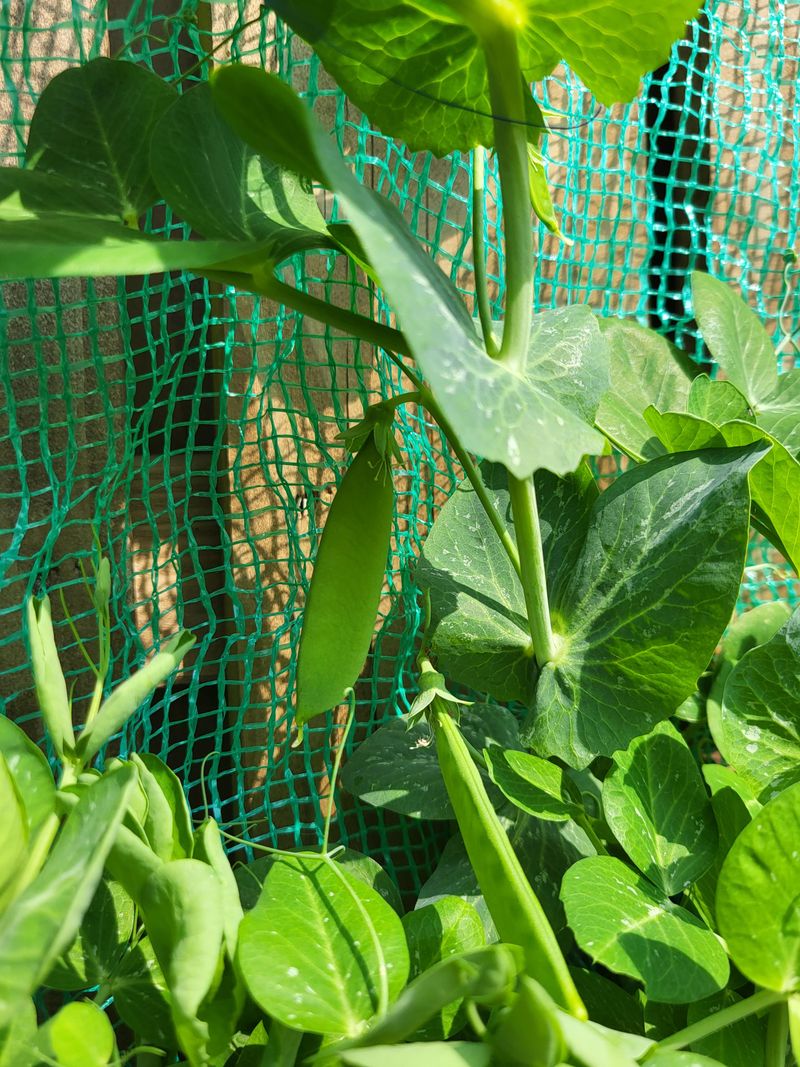
Insect activity drops significantly during Texas winters, which means your January-planted peas face fewer pest problems. Aphids, beetles, and other common garden troublemakers stay dormant or inactive when temperatures remain cool.
This natural break gives your plants time to establish themselves without constant attacks.
Warmer months bring waves of hungry insects looking for tender young plants to feed on. Peas started in spring often struggle against this pressure from the moment they sprout.
January planting sidesteps this issue entirely by taking advantage of the quiet winter period.
Fewer pests also mean less need for interventions that can disrupt your garden. You spend less time inspecting plants and more time enjoying their progress.
Texas gardeners appreciate this hands-off approach, especially those who prefer organic methods.
By the time insect populations rebound in spring, your peas are already mature and less vulnerable. Established plants can tolerate minor pest damage that would devastate seedlings.
This natural protection is one of the hidden benefits of planting during the cooler months in Texas.
8. Peas Handle Light Frost Better Than Sudden Heat
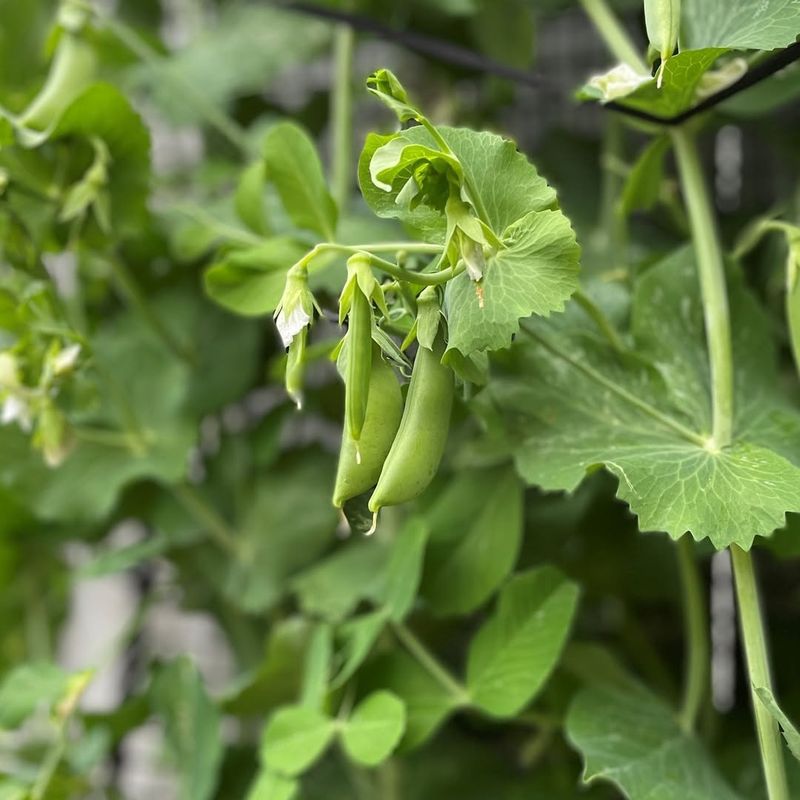
Pea plants are surprisingly tough when it comes to cold weather, and Texas winters are often mild enough for peas, though hard freezes can damage unprotected young plants.
Light frosts that occasionally occur in January might make leaves look a bit wilted temporarily, but plants bounce back quickly once the sun warms them. This resilience makes peas perfect for winter planting across the state.
Heat damage, on the other hand, can be permanent and devastating. When temperatures spike suddenly, pea plants stop producing and may not recover even if cooler weather returns.
January planting protects your crop from this risk by establishing plants before heat becomes a threat.
Gardeners in Texas often worry about frost, but peas prove those concerns are usually unnecessary. These plants evolved to handle cool conditions and actually perform better when temperatures dip at night.
Trusting their cold tolerance opens up planting opportunities that many people miss.
Frost can even improve flavor in some vegetables, and peas are no exception. Cooler temperatures encourage plants to produce sweeter pods.
January planting in Texas lets you take advantage of this natural process while avoiding the far more serious problem of heat stress later in the season.
Even when January frosts touch the leaves, pea plants usually bounce back quickly without lasting damage.
Planting early helps them establish strong roots before the heat arrives and keeps pods developing steadily.
9. Early Timing Keeps Pea Plants Productive Longer
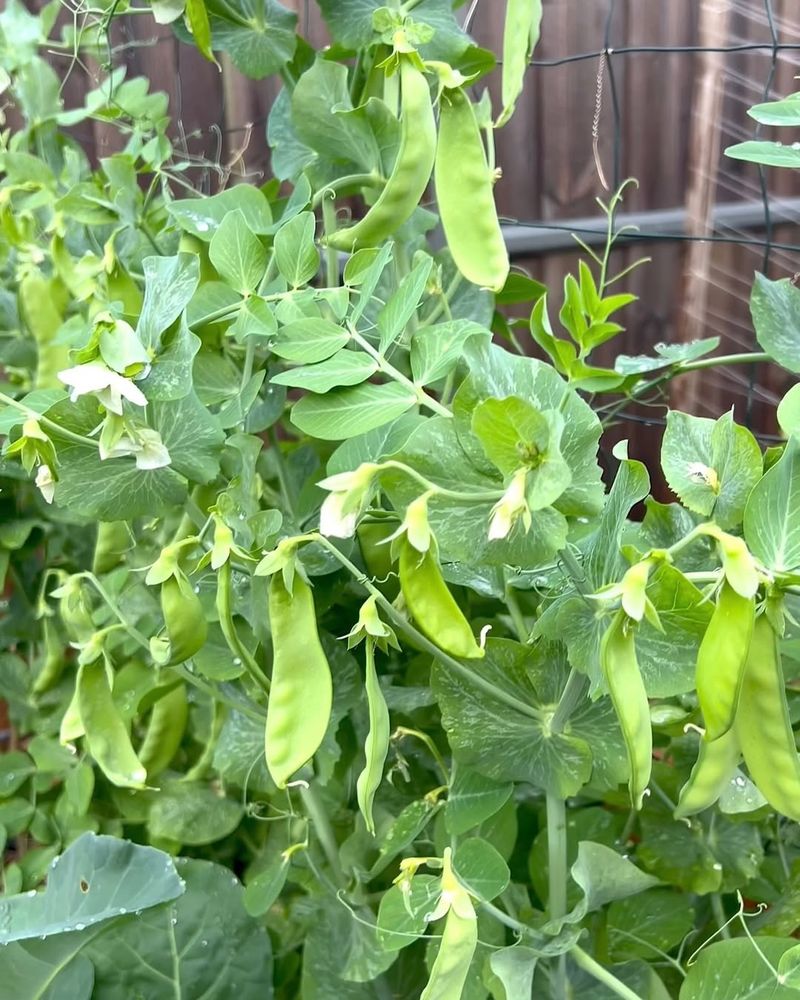
Productivity is what every gardener wants, and January planting gives your peas the longest possible harvest window. Plants that establish early keep producing pods for weeks because they mature before stress factors shut them down.
Texas gardeners who plant in January often enjoy harvests that stretch from March into May.
Later plantings compress this window significantly because heat arrives before plants reach their full potential. You might get a few pickings, but production stops abruptly once temperatures climb.
January gives you the gift of time, allowing plants to flower and set pods repeatedly.
Extended productivity also means more food from the same amount of garden space. Each plant produces more total pods over its lifetime when conditions stay favorable longer.
This efficiency matters in Texas, where garden space might be limited or shared among many crops.
Watching your peas continue to bloom and produce week after week is deeply satisfying. January planting makes this experience possible by aligning your crop with the best weather the state has to offer.
Timing is everything, and starting early pays dividends throughout the entire growing season.
Early planting gives peas a head start, letting them produce steadily before heat slows growth.
It also makes it easier to plan succession crops and get the most from your garden space.