Why Lady Beetles Gather On Your Windows In Fall (And What To Do)
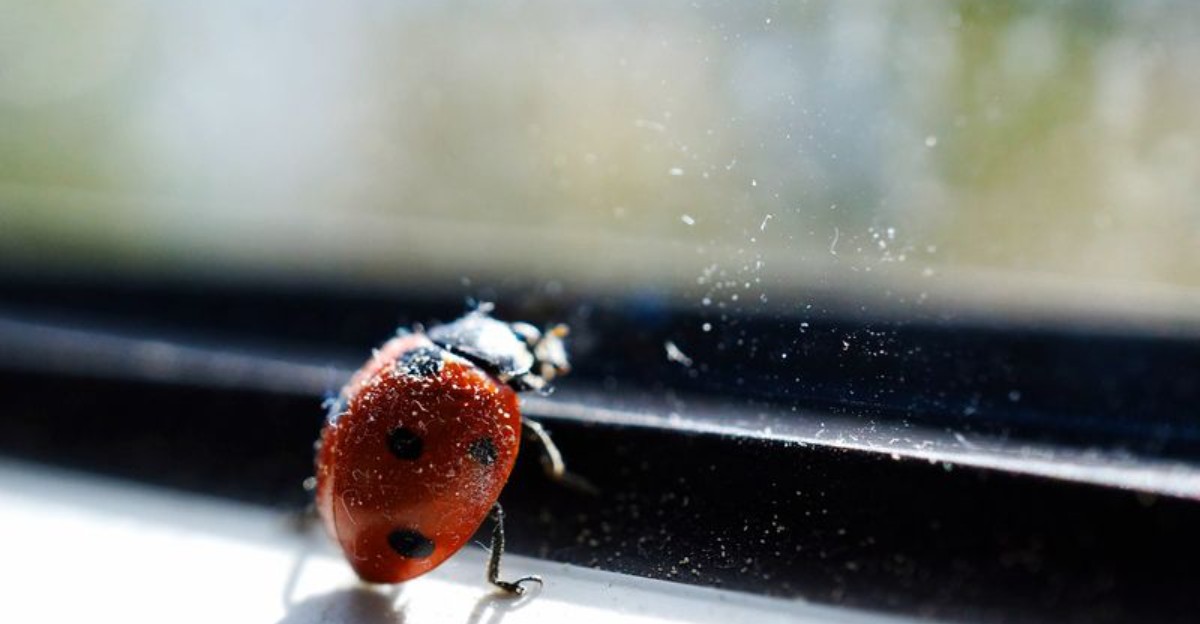
Picture a sunny afternoon when your window suddenly looks freckled with tiny orange dots that wiggle. You lean closer and realize those dots are crawling across the glass in slow little parades.
A few visitors feel charming at first, like polka dots someone painted on the window frame. Then a hundred more arrive, buzzing around the curtains and landing right on your arm uninvited.
Some neighbors shrug and call it a fall tradition, right up there with pumpkins and leaves. Others grab a broom in mild panic, wondering if their cozy house became a bug hotel.
The truth sits in the middle, because these tiny guests have clever reasons for visiting. They follow warmth, scent, and sunlight like a kid tracking the smell of fresh baked cookies.
Their habits are easy to read, and the scene feels less like a mystery and more like a puzzle. Your sunny window, it turns out, has been sending a warm, friendly invitation all season long.
Warm Walls Attract Winter Hideout Seekers
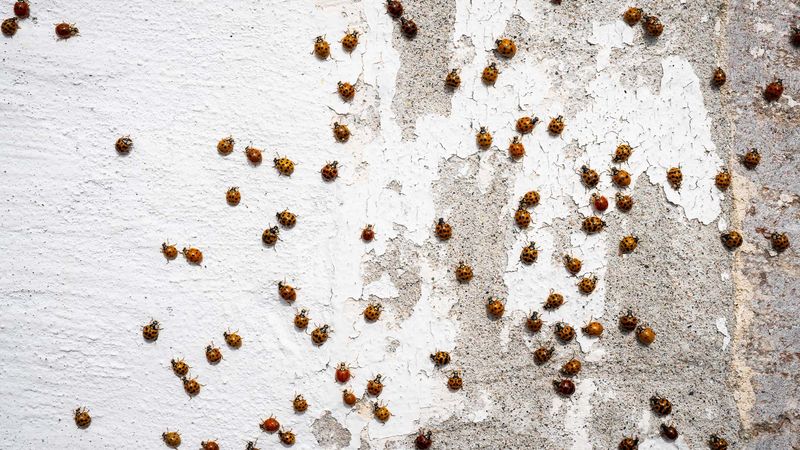
Think of your house as a giant heated rock, glowing in the October sun like a beacon. Those swarming beetles are mostly Asian lady beetles, a cousin of the native ladybugs in your garden.
Back in their home regions of Asia, these beetles spend winter tucked into sunny cliffs and rocky ledges. Your light-colored siding or brick wall looks a lot like those cliffs from a beetle’s point of view.
As nights turn chilly, the beetles sense shorter days and cooler air, which tells them to find shelter. They fly toward the warmest, brightest surfaces they can find, and your windows reflect plenty of heat.
Scent plays a big role too, because the first arrivals release a chemical signal that attracts their friends. That invisible message works like a group text, so a handful of beetles can quickly become hundreds.
Contrast matters as well, since houses that stand out against dark trees or open fields get extra attention. A pale home on a hilltop near woods stands out clearly to a sleepy beetle.
Fun fact: Asian lady beetles were brought to North America on purpose decades ago to eat crop pests. They did that job well, munching aphids on farms, but few people expected them to settle into houses so readily.
So the swarm on your glass is less about your home being dirty and more about it being cozy. Your house simply passed the beetle test for warmth, brightness, and a friendly smell that others can follow.
Warm Autumn Afternoons Bring Peak Swarm Days
Mark your calendar for the first warm afternoon after a cold snap, because that is prime beetle time. Many homeowners notice the biggest crowds in early to mid October, often between noon and late afternoon.
The pattern makes sense once you know beetles need temperatures above roughly sixty degrees to fly well. A chilly morning keeps them grounded, then a sunny burst after lunch sends them flying in clouds.
Weather watchers can actually predict swarm days by checking the forecast for a warm spell after frost. If the week shows a crisp night followed by bright sun, expect busy windows the next afternoon.
Location changes the timing a little, since northern states often see swarms start in late September. Southern areas may notice the rush closer to late October or even early November during mild years.
The busiest stretch usually lasts only a few days to two weeks, so it rarely drags on forever. Once steady cold weather settles in, the beetles stop flying and stay tucked away until spring warms things.
Knowing this rhythm gives you a real advantage, especially if you like to plan chores ahead of time. Keep windows shut on warm afternoons, and save outdoor projects near siding for cooler, cloudier days.
Think of the swarm like a short holiday rush at the mall, loud and crowded but quickly over. A little planning during those peak days keeps most of the crowd outside where it belongs.
Smelly Stains Follow Rough Handling
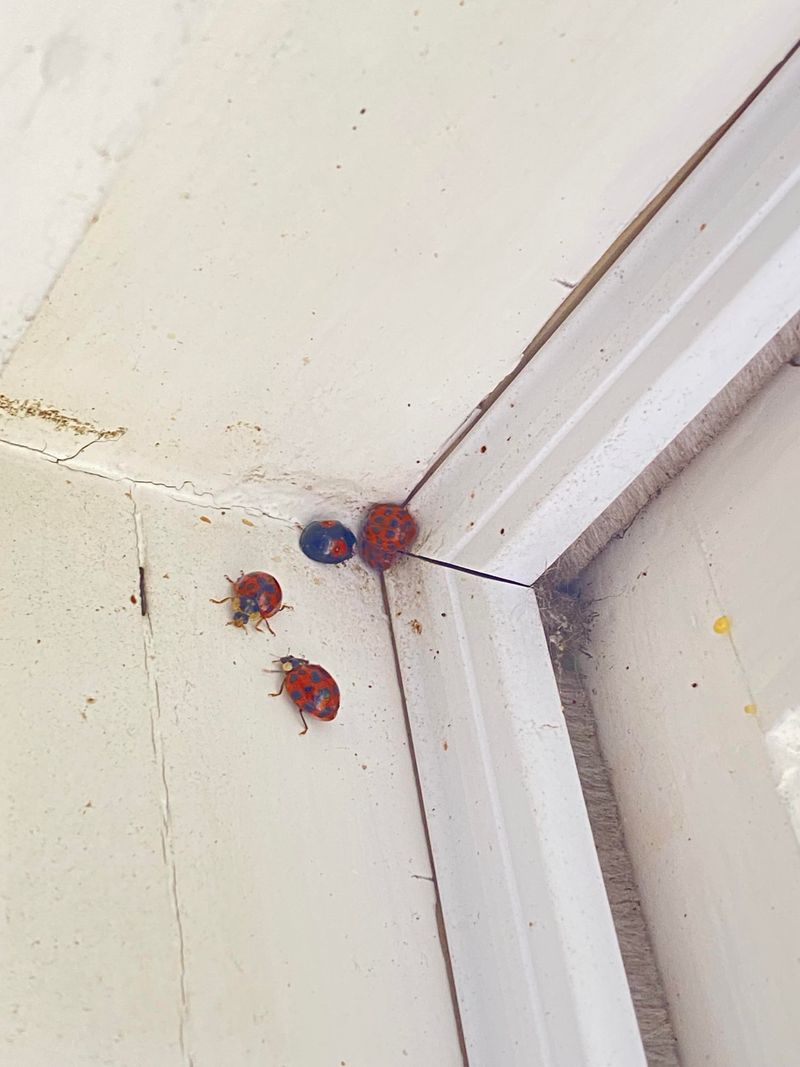
Disturb one beetle roughly, and you will quickly learn why that move backfires in a smelly way. When threatened, these beetles release a yellow fluid from their leg joints that smells sharp and musty.
Scientists call this a reflex defense, and it helps the beetle taste awful to birds and other predators. Unfortunately, that same fluid can leave orange stains on white walls, curtains, carpets, and window sills.
Rough handling can also leave a lingering odor around your window, which makes cleanup harder than it needs to be. In other words, a messy cleanup can leave you with a smell that sticks around.
Another common mistake involves spraying strong insect sprays indoors, hoping to clear the swarm in one afternoon. Those products rarely help much, and they can leave chemical residue where kids and pets play every day.
Leftover beetles on sills create problems too, because they can attract carpet beetles that chew on wool rugs. Piles of them left in a window track can also break down into dust that bothers people with allergies.
Speaking of allergies, some folks react to these beetles with itchy eyes, sneezing, or a stuffy nose. Cleaning them up gently and quickly helps keep those symptoms from flaring up.
Picture a calm librarian when you deal with these little orange guests. Gentle handling keeps your walls cleaner and your nose happier.
Vacuum Removal Done The Right Way
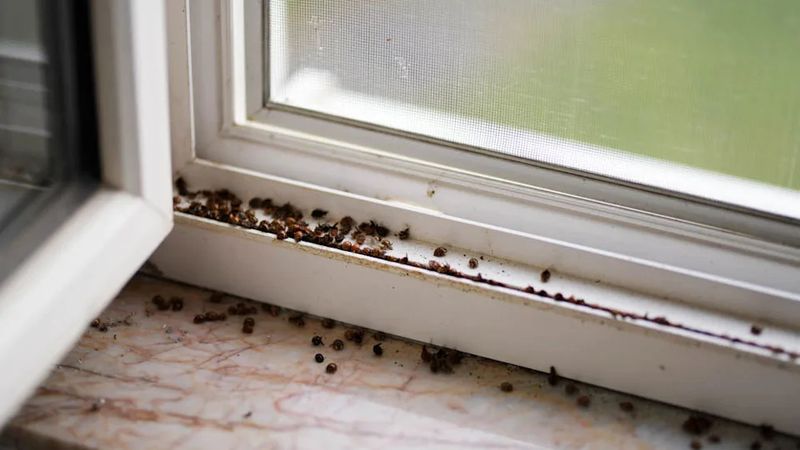
A simple trick for beetle season involves an old stocking and a trusty vacuum. Slip the stocking inside the hose, secure it with a rubber band, and start collecting.
The beetles get trapped in the stocking instead of the vacuum bag, so they do not stink up the machine. Afterward, you can pull the stocking out, tie it closed, and carry the whole bundle outside easily.
Releasing them well away from the house gives them another place to shelter, though some may find their way back. Many gardeners like this approach because the beetles still help control aphids on plants when warm weather returns.
If you prefer a cleaner setup, a bagless vacuum with a removable canister works nicely for small groups. Empty the canister outside right away so the beetles cannot crawl back out and wander through your kitchen.
Light traps offer another tool, using a glowing bulb to lure beetles into a container overnight in dark rooms. Set one up in an attic or spare room where the swarm gathers, and check it each morning.
For a few stragglers on a window, a piece of paper and a cup can scoop them up gently. Slide the paper under the beetle, cover it with the cup, and walk it out the door.
Patience pays off here, since repeated quick cleanups beat one giant cleaning session at the end of October. A few minutes each sunny afternoon keeps the numbers low and your windows looking clear and bright.
Life Inside Walls Through Winter
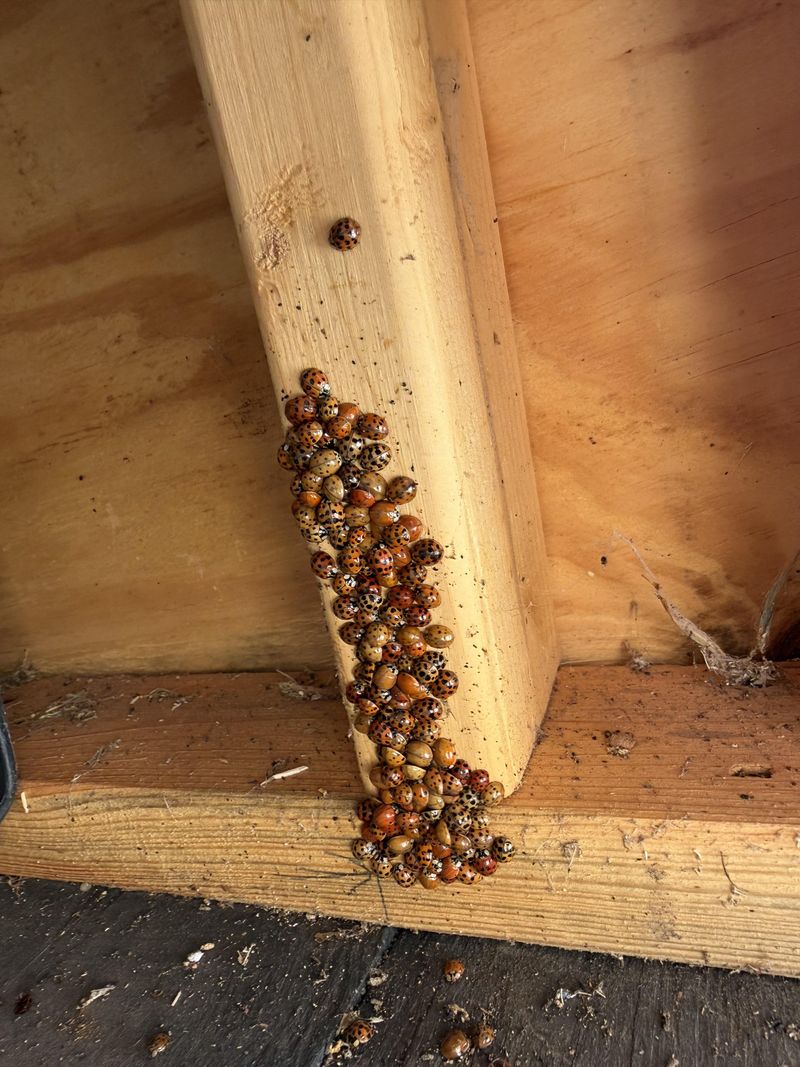
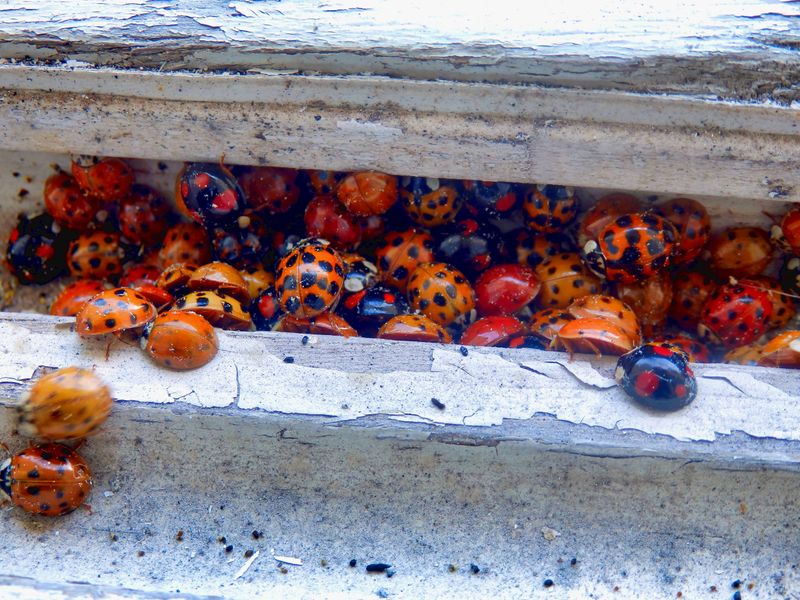
Quiet as mice, the beetles that slip past your siding settle into a long, sleepy winter break. They crowd into wall gaps, attics, and window frames, huddling together in clusters that look like orange beads.
During this rest, their bodies slow way down, and they live off stored fat until the weather warms. They do not typically breed inside your house.
Trouble starts when your furnace kicks on and warms the walls, tricking some beetles into thinking spring arrived. Those confused wanderers crawl out onto ceilings, lamps, and windows on random sunny days in December or January.
Indoor air is usually too dry for them, so many of these early risers run out of energy. You may find a few motionless beetles on sills, which you can simply vacuum up during regular cleaning.
They are not known to chew wood, damage wiring, or spread diseases to people, which makes them more of a nuisance than a threat. A rare beetle might nip your skin, but the pinch feels more like a pinprick than a real bite.
When warm weather finally returns, the remaining beetles head toward windows, hoping to escape outdoors and find food. Opening a window or two on a mild day helps them leave on their own without much fuss.
Living with a handful of sleepy beetles for a season is a lot like hosting quiet, polite roommates. Knowing what to expect turns those surprise January visitors into a small curiosity instead of a major worry.
Sealing Gaps Before Next Autumn
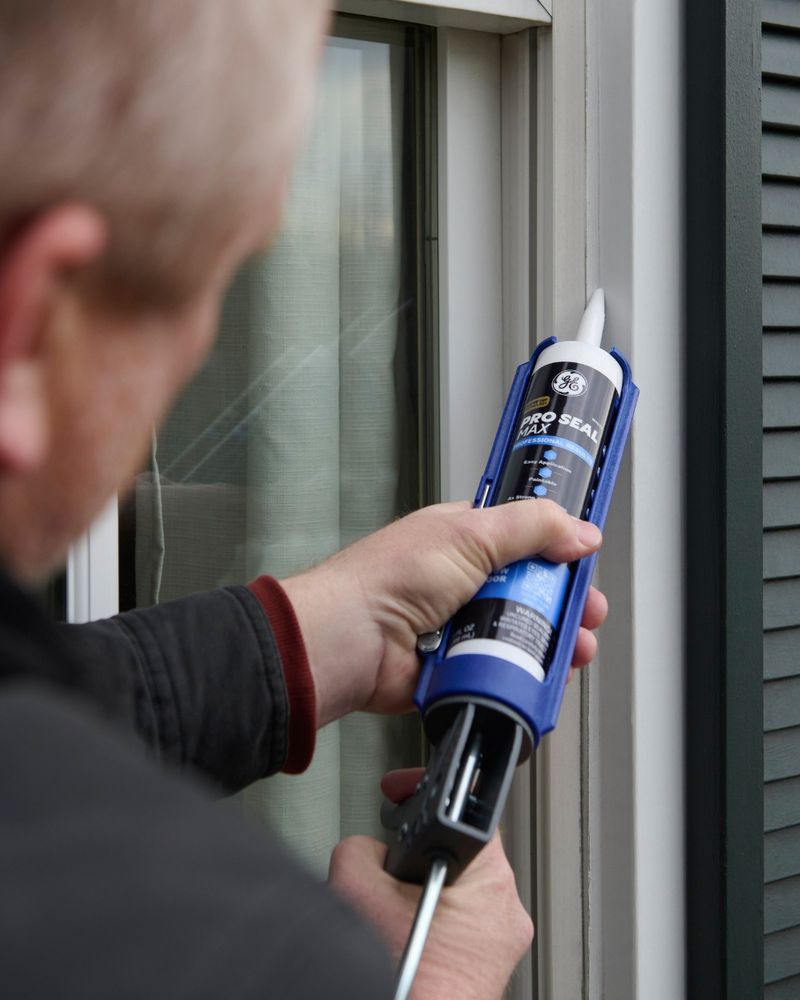
A beetle can squeeze through a crack about an eighth of an inch wide, which surprises most homeowners. Sealing those tiny openings is one of the most effective ways to keep next year’s swarm on the outside glass.
Start with a slow walk around your house on a bright day, looking closely at windows and doors. Gaps around window frames, torn screens, and worn door sweeps are the most common entry points for beetles.
A tube of silicone caulk costs only a few dollars and fills small cracks around frames and trim nicely. Weatherstripping works well for doors, and fresh screen patches can fix holes that let sneaky bugs wander inside.
Look higher up too, because attic vents, soffits, and roof edges are favorite hideouts for winter clusters. Covering vents with fine mesh screening blocks beetles while still letting your attic breathe the way it should.
Timing matters, so plan your sealing project for August or early September next year, before cold nights arrive. Sealing gaps now in early October still helps, though beetles already inside will stay until warm weather returns.
Some homeowners also hire a pest professional to apply a barrier treatment on outside walls in late September. That option can reduce numbers on tough houses, but sealing gaps remains one of the cheapest and longest lasting steps.
Picture next October with clear windows, a quiet attic, and maybe a few beetles sunning harmlessly outside. A weekend of caulking and patching now can make that peaceful scene a reality for many falls ahead.