Why Late February Is Perfect For Planting Potatoes In South & Central Texas
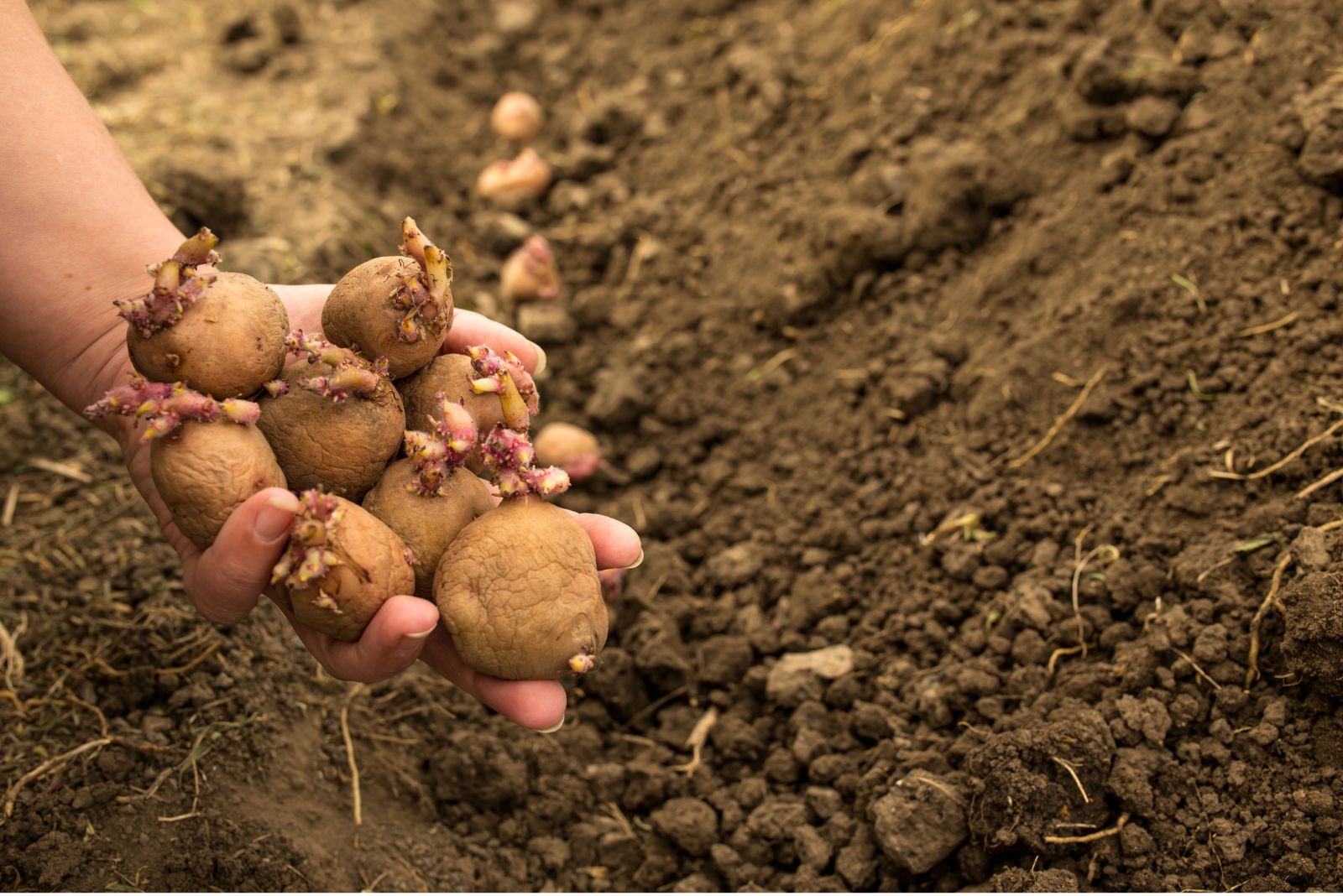
Late February is when Texas gardeners start feeling that first real hint of spring, and it also happens to be prime time for planting potatoes in South and Central parts of the state.
The soil is beginning to warm, the risk of deep freezes is fading, and conditions are just right for seed potatoes to sprout and establish strong roots.
Potatoes prefer cool weather during their early growth, so getting them in the ground now allows plants to develop before intense heat arrives. Waiting too long can shorten the growing window and lead to smaller harvests.
With proper timing, potatoes grow steadily, forming healthy tubers beneath the soil while spring temperatures remain mild and manageable. Whether you are planting in garden beds, rows, or containers, late February offers a valuable head start.
A simple planting session now can reward you with a satisfying, homegrown potato harvest well before the peak of Texas summer heat arrives.
1. Potatoes And The Texas Growing Season
Timing determines everything when growing potatoes in South and Central Texas. Plant too early, and unexpected freezes damage tender shoots.
Plant too late, and scorching summer temperatures stress the plants before harvest time arrives.
Late February provides the sweet spot between these extremes. Soil temperatures reach the ideal range of 45 to 55 degrees Fahrenheit, which encourages steady sprouting without shocking the seed potatoes.
This temperature window allows tubers to develop healthy root systems before warmer weather accelerates top growth.
Texas gardeners benefit from understanding their unique growing season. Unlike northern states where spring planting happens in April or May, South and Central Texas offer earlier opportunities.
The mild winters mean soil rarely freezes solid, and February often brings pleasant days perfect for garden work.
Planting during late February gives potato plants approximately 90 to 120 days to mature before summer heat becomes overwhelming.
Different varieties require different growing periods, but starting in February accommodates both early and mid-season types. This timing ensures plants complete most of their growth during cooler months.
The Texas growing season rewards early planters with larger yields. Potatoes planted in late February develop extensive foliage during March and April when temperatures remain moderate.
Strong plants produce more tubers and handle stress better when hot weather eventually arrives.
Regional variations exist across South and Central Texas, but late February works well throughout most areas. Corpus Christi gardeners might plant slightly earlier than Austin residents, yet February remains the target month.
Understanding your specific microclimate helps fine-tune planting dates within this general timeframe.
2. Understanding The Climate In South & Central Texas
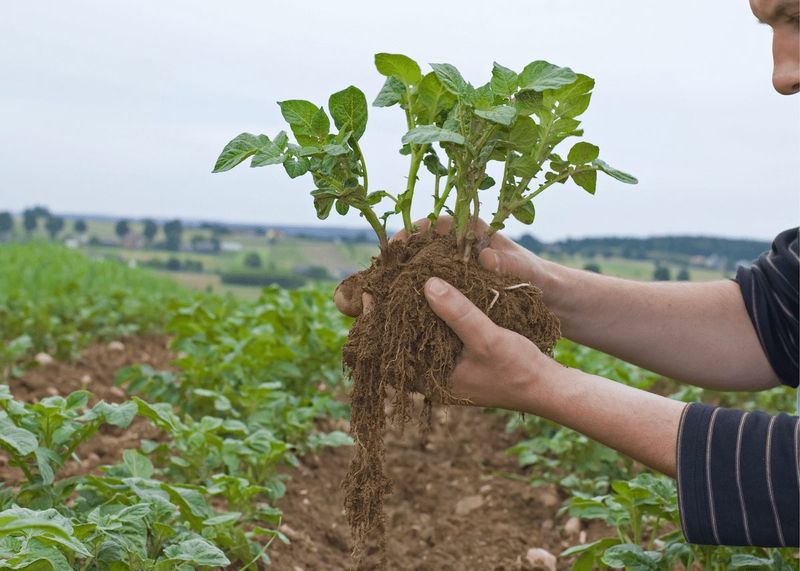
South and Central Texas enjoy remarkably mild winters compared to most potato-growing regions.
January and February temperatures rarely drop below freezing for extended periods, creating opportunities unavailable to northern gardeners. Daytime highs often reach the 60s and 70s, while nighttime lows hover around 40 degrees.
Soil temperature matters more than air temperature for potato planting success. By late February, ground temperatures in these Texas regions typically stabilize between 45 and 55 degrees at planting depth.
This range triggers sprouting without rotting seed potatoes, which happens in colder, wetter conditions.
Last frost dates vary slightly across South and Central Texas. San Antonio typically sees its final freeze around mid-February, while Austin averages late February to early March.
Houston and southern areas often finish with frost by early February. These dates guide planting decisions, though potato plants tolerate light frosts reasonably well once established.
Mild winters allow gardeners to prepare beds and plant earlier than traditional spring schedules. The ground remains workable throughout winter in most years, unlike frozen northern soils.
This accessibility means gardeners can choose optimal planting windows rather than waiting for soil to thaw.
Rainfall patterns in South and Central Texas also influence February planting. Winter months bring moderate precipitation without excessive wetness.
This moisture helps newly planted potatoes establish roots while avoiding waterlogged conditions that promote disease. Spring rains then support active growth through March and April.
Understanding regional climate patterns empowers gardeners to maximize their potato crops. Late February capitalizes on warming soil, retreating frost danger, and approaching spring moisture.
These combined factors create ideal conditions found nowhere else in the potato-growing calendar for Texas regions.
3. Advantages Of Late February Planting
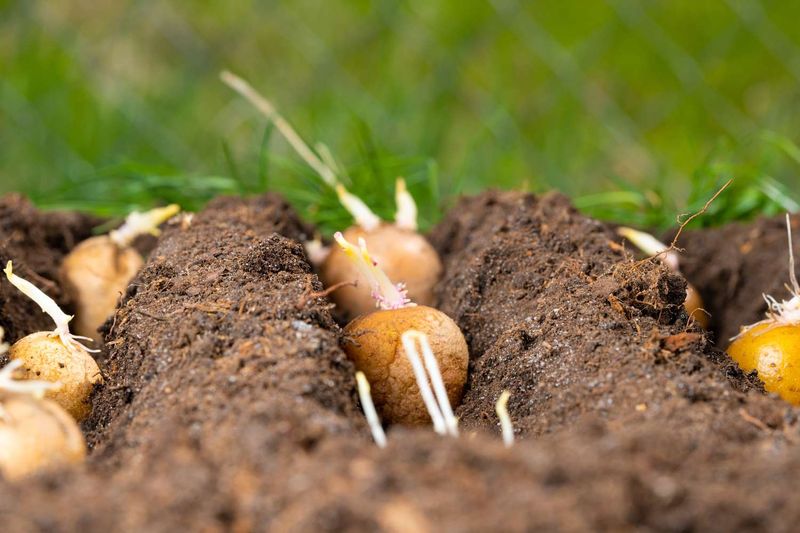
Planting potatoes in late February extends the growing season significantly in South and Central Texas.
This timing gives plants three to four months of moderate temperatures before summer heat becomes intense. Longer growing periods translate directly to larger potatoes and heavier yields per plant.
Cooler soil during establishment reduces stress on developing tubers. Potatoes planted in February sprout slowly and steadily, building strong root systems without rushing.
This gradual start produces healthier plants better equipped to handle environmental challenges later. Rush growth from warm soil planting often creates weaker plants prone to problems.
Avoiding the hottest summer months represents perhaps the biggest advantage of February planting. By starting early, gardeners harvest mature potatoes in May or early June, before July and August temperatures soar above 95 degrees regularly.
Heat stress stops tuber development and encourages plants to die back prematurely, reducing yields substantially.
Early planting also sidesteps many common potato pests and diseases. Insects become more active as temperatures rise, but February-planted potatoes develop ahead of peak pest populations.
Similarly, fungal diseases spread more readily in hot, humid conditions. Harvesting before summer’s worst weather minimizes disease pressure considerably.
Water efficiency improves with February planting in Texas. Spring rains typically provide adequate moisture during critical growth phases, reducing irrigation needs.
Summer-planted potatoes require constant watering as temperatures climb, increasing water bills and plant stress. Natural rainfall patterns align perfectly with February planting schedules.
Gardeners who plant in late February enjoy fresher potatoes earlier in the season. Homegrown new potatoes harvested in late spring taste incredible and command premium prices at farmers markets.
This timing advantage benefits both home gardeners and small-scale commercial growers throughout South and Central Texas.
4. Selecting The Right Potato Varieties For Texas
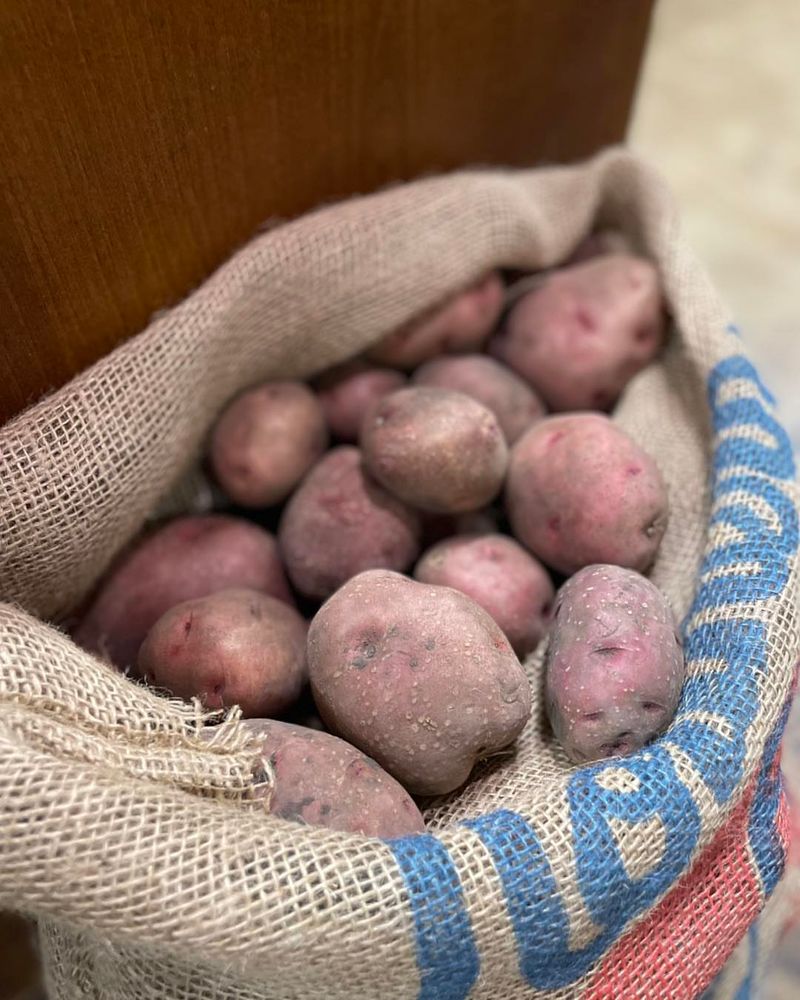
Choosing appropriate potato varieties makes enormous difference in South and Central Texas gardens. Not all potatoes handle heat equally well, and selecting heat-tolerant types ensures successful harvests.
Regional adaptation matters more here than in cooler climates where most varieties thrive easily.
Red Pontiac stands out as a reliable choice for Texas gardeners. This variety tolerates heat better than many others and produces attractive red-skinned potatoes with white flesh.
Red Pontiac matures in approximately 110 days, making it suitable for late February planting with early June harvest. Its disease resistance helps plants survive challenging conditions.
Yukon Gold offers another excellent option for South and Central Texas. These buttery yellow potatoes develop wonderful flavor and handle moderate heat reasonably well.
Yukon Gold requires about 95 days to maturity, positioning it as a mid-season variety perfect for February planting. Gardeners appreciate its versatility in cooking and storage characteristics.
Kennebec potatoes provide reliable performance across Texas regions. This white-skinned variety produces large tubers and demonstrates good heat tolerance.
Kennebec takes approximately 105 days to mature and resists common diseases affecting Texas potato crops. Its consistent yields make it popular among experienced gardeners.
Early-season varieties like Red Norland mature quickly, often within 80 to 90 days. These potatoes suit gardeners wanting harvests before peak summer heat.
Mid-season types mature in 90 to 110 days, while late-season varieties require 110 to 130 days. Late February planting accommodates early and mid-season types comfortably in South and Central Texas.
Avoiding varieties bred for cool climates prevents disappointment. Russet Burbank and similar types struggle with Texas heat and often produce poor yields.
Stick with proven Texas performers recommended by local extension offices and experienced regional gardeners for best results.
5. Planting Techniques And Soil Preparation
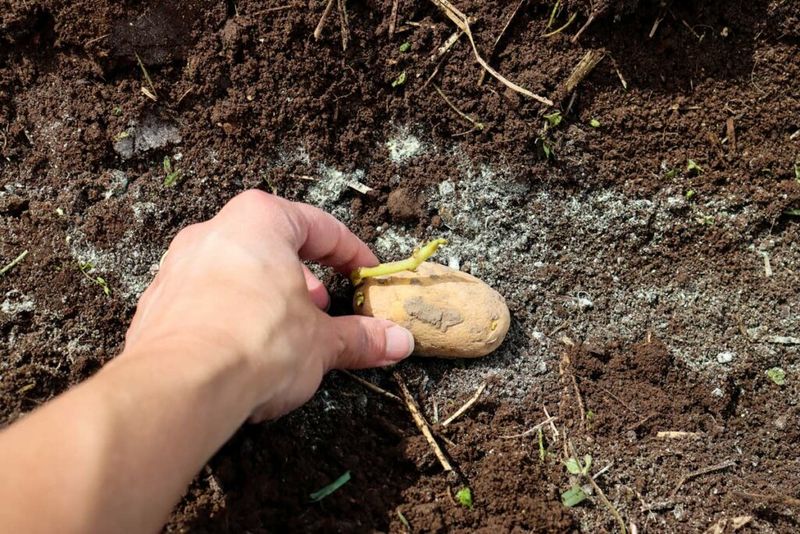
Proper soil preparation determines potato success as much as planting timing does. South and Central Texas soils vary considerably, but most benefit from amendments before planting.
Start by testing soil pH, aiming for slightly acidic conditions between 5.0 and 6.0. Potatoes struggle in alkaline soils common throughout Texas.
Adding organic matter improves both sandy and clay soils found across the region. Compost, aged manure, or peat moss increase drainage in heavy clay while improving water retention in sandy ground.
Work amendments into the top 8 to 10 inches where potato roots develop. Generous organic matter also provides slow-release nutrients throughout the growing season.
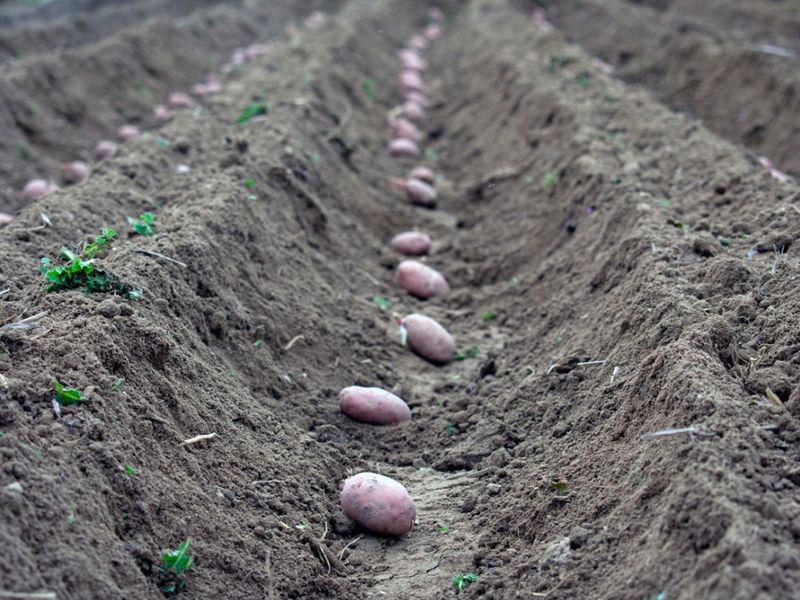
Raised beds or mounded rows work exceptionally well for Texas potato growing. These elevated planting areas improve drainage, which prevents tuber rot during wet periods.
Build rows 8 to 10 inches high and space them 3 feet apart. This arrangement allows easy hilling later while providing excellent growing conditions.
Cutting seed potatoes requires careful technique. Use certified disease-free seed potatoes rather than grocery store potatoes, which may carry diseases or growth inhibitors.
Cut large seed potatoes into pieces containing at least two eyes each. Allow cut pieces to cure for 24 to 48 hours before planting, letting cut surfaces form protective calluses.
Plant seed potatoes 4 inches deep and 12 inches apart within rows. This spacing gives plants room to develop without crowding.
Deeper planting protects tubers from sun exposure, which turns them green and inedible. Cover seed pieces with loose soil and water gently but thoroughly.
Fertilization at planting supports strong early growth. Use a balanced fertilizer like 10-10-10 or organic alternatives such as bone meal and greensand.
Avoid high-nitrogen fertilizers that promote excessive foliage at the expense of tuber development. Side-dress with additional fertilizer when plants reach 6 inches tall.
6. Care After Planting
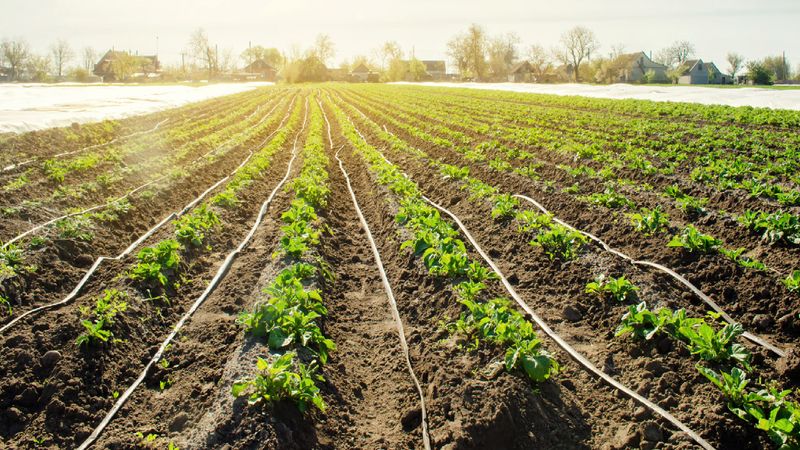
Consistent moisture proves critical after planting potatoes in South and Central Texas. Water newly planted seed pieces immediately and maintain even soil moisture as sprouts emerge.
Potatoes need approximately 1 to 2 inches of water weekly, either from rainfall or irrigation. Avoid letting soil dry completely, which stresses plants and reduces yields.
Drip irrigation or soaker hoses work better than overhead sprinklers for Texas potato patches. These systems deliver water directly to roots while keeping foliage dry.
Wet leaves encourage fungal diseases, which spread rapidly in humid Texas conditions. Consistent ground-level watering promotes steady tuber development without disease problems.
Mulching provides multiple benefits for Texas potato growers. Apply 3 to 4 inches of straw, leaves, or grass clippings around plants once they reach 6 inches tall.
Mulch moderates soil temperature, retains moisture, and suppresses weeds. These advantages become increasingly important as spring progresses toward summer heat.
Hilling represents an essential practice for maximizing potato yields. When plants reach 8 to 10 inches tall, mound soil or mulch around stems, leaving only top leaves exposed.
Repeat this process two or three times during the growing season. Hilling encourages additional tuber formation along buried stems while protecting developing potatoes from sunlight.
Monitor plants regularly for pest and disease issues common in South and Central Texas. Colorado potato beetles, aphids, and flea beetles attack potato foliage.
Hand-pick larger pests or use organic controls like neem oil. Watch for early blight and other fungal diseases, which appear as brown spots on leaves. Remove affected foliage promptly and ensure good air circulation.
Stop watering approximately two weeks before planned harvest. This drying period allows potato skins to toughen, improving storage quality.
Harvest when plants naturally begin declining, typically 90 to 120 days after February planting in Texas regions.