Why Late Season Aphids Are Crowding Michigan Kale And What Gardeners Can Do About It
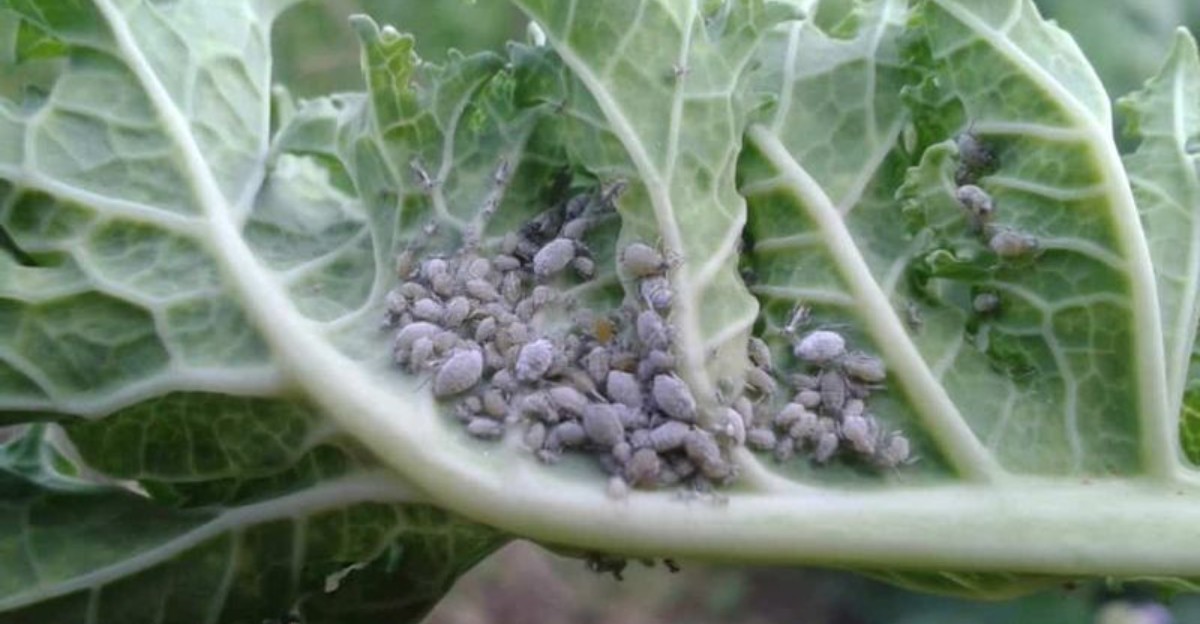
Kale that looked perfectly clean just weeks earlier can suddenly appear covered in tiny, clustered insects as October settles in across Michigan, and this timing isn’t a coincidence.
Aphids reproduce explosively in cool fall conditions, and kale’s tender, actively growing leaves during this stretch happen to offer exactly the kind of easy feeding target these pests seek out before winter arrives.
Because kale often becomes one of the last actively growing crops left in a Michigan garden this late in the season, it can attract aphid populations that might otherwise be spread across multiple plants.
A strong blast of water from a hose can dislodge many aphids without resorting to chemical treatments, while introducing natural predators like ladybugs offers a more sustainable long-term solution.
Catching this infestation early, before populations explode further, gives Michigan gardeners a real chance at salvaging a clean, edible kale harvest before the season fully winds down.
1. Cabbage Aphids Thrive In Cool Fall Weather
Most garden pests fade away when autumn arrives, but cabbage aphids seem to wake up and get busy.
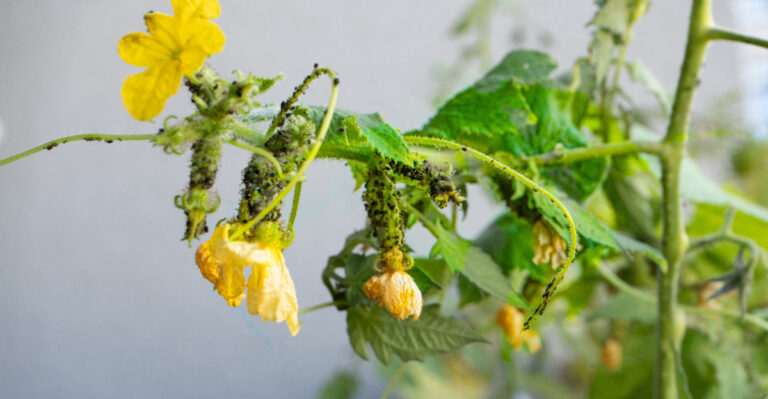
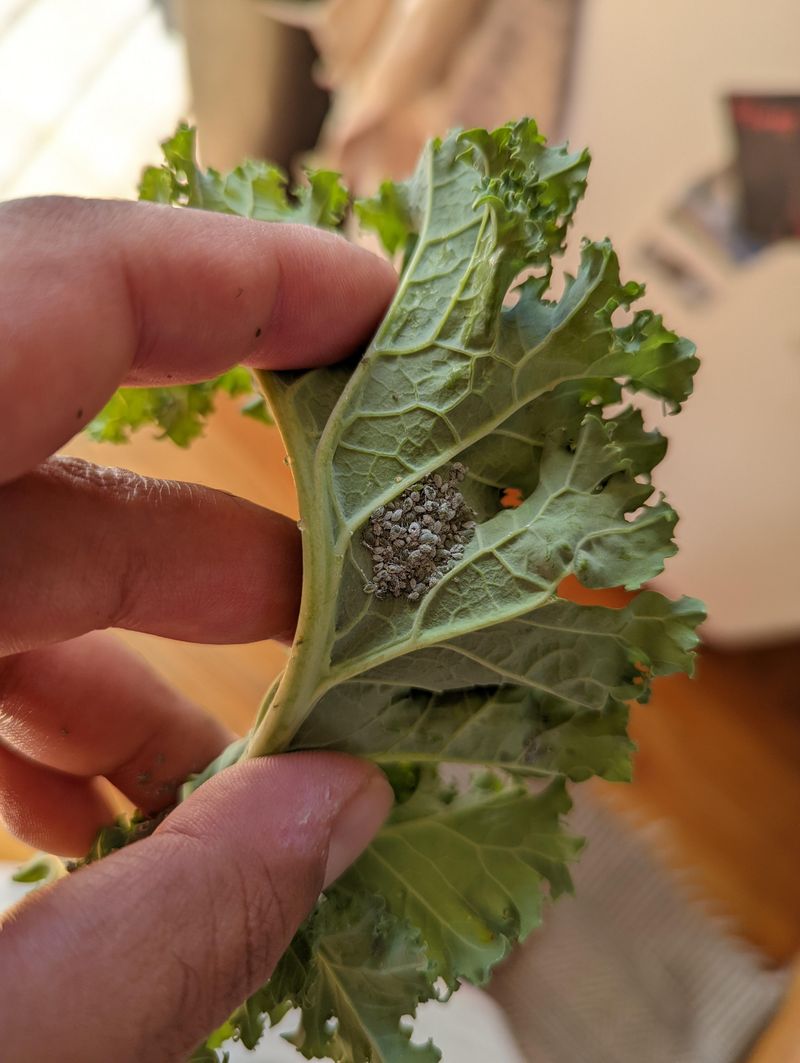
These tiny insects are grayish green and wear a waxy gray coating that makes them look dusty. When they gather in big groups, they can resemble patches of ash or mold stuck to your kale.
Their secret is speed. Female cabbage aphids give birth to live young without ever needing to mate, and those babies can start having young of their own in about a week or two.
Cool weather suits them nicely, so a few aphids in late August can turn into thousands by early October.
Finding them early makes a huge difference. Flip leaves over and look closely at the undersides, since that is where colonies usually start. Next, peek into the center of the plant where the newest leaves grow.
Curled, cupped, or puckered leaves are another big clue. Aphids suck sap from the plant, and that feeding twists the leaves out of shape. If you see a leaf bending oddly, open it gently and check for gray, powdery clusters tucked inside.
Michigan gardeners face a special challenge here. Our crisp fall days are exactly when kale turns sweet and tender, because cold nights help the plant store more sugar in its leaves. Sadly, those same cool temperatures create a perfect home for cabbage aphids.
A quick walk through the garden twice a week can catch trouble while it is still small. Bring a flashlight if the plants are thick, and you will be amazed at what you spot.
2. Natural Predators Slow Down As Temperatures Drop
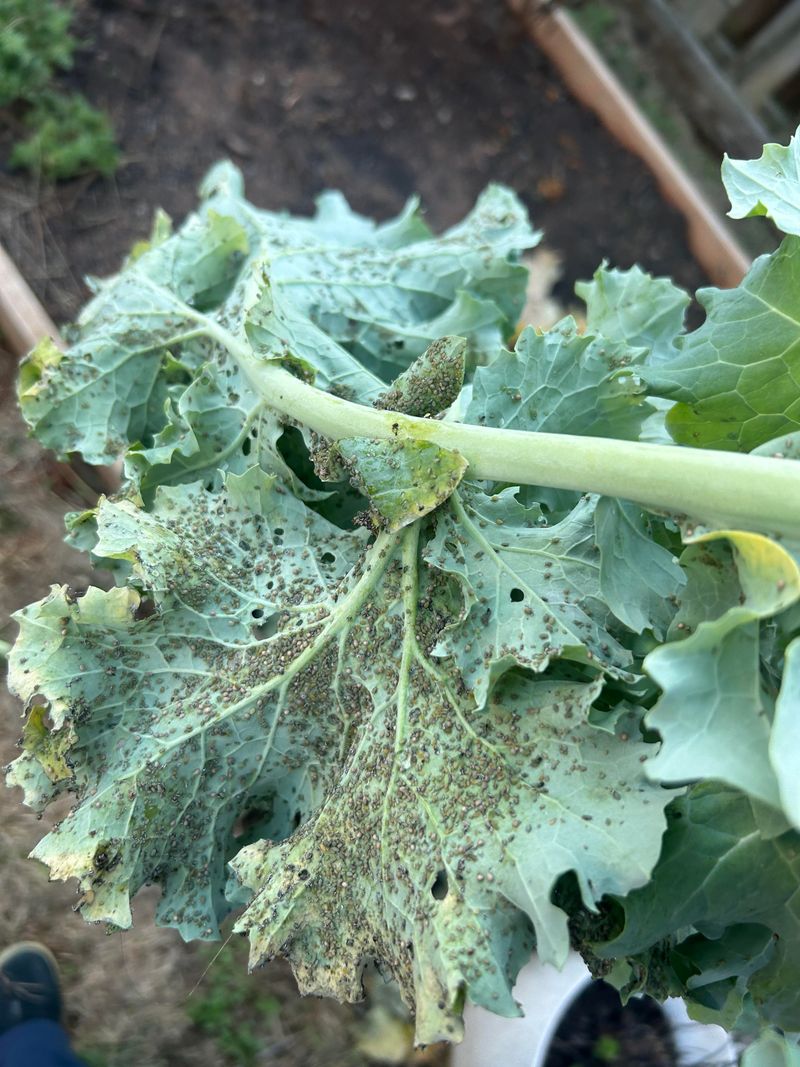
All summer long, a hidden army works for free in your garden. Lady beetles, lacewing larvae, hoverfly larvae, and tiny parasitic wasps munch on aphids day and night. As long as these helpers stay busy, aphid numbers rarely get out of hand.
Fall changes the whole game. As temperatures cool, many of these good bugs slow down, look for winter shelter, or simply stop hunting as hard. Cabbage aphids, on the other hand, keep making babies in chilly weather, so the balance tips quickly in their favor.
Your Michigan Garden Changes Every Week. Your Plan Should Too.
Gardening in Michigan changes quickly throughout the season. Every Friday you’ll receive a simple weekly plan showing exactly what to plant, prune, fertilize, harvest, and protect so you never miss the right timing.
You can still give your helpers a fighting chance. Skip broad-spectrum insecticides, because they harm lady beetles and wasps just as easily as aphids. Once those predators are gone, aphids often bounce back faster than before.
Keep an eye out for strange little bumps among the colonies. Swollen, bronze or tan aphids that look like tiny puffed-up shells are called aphid mummies.
Inside each one, a parasitic wasp is growing, and it will soon chew its way out and go hunting for more aphids to lay eggs in.
Leave those mummies right where they are. Every one you save means more wasps on patrol, even late in the season. Michigan nights can dip into the 40s by September, well before kale finishes growing.
That early chill sends many beneficial insects into slow motion while your kale is still producing leaves for weeks. Planting fall flowers like alyssum or calendula nearby can give lingering helpers a snack of nectar and keep them around a little longer.
3. Tender Center Leaves Draw The Biggest Colonies
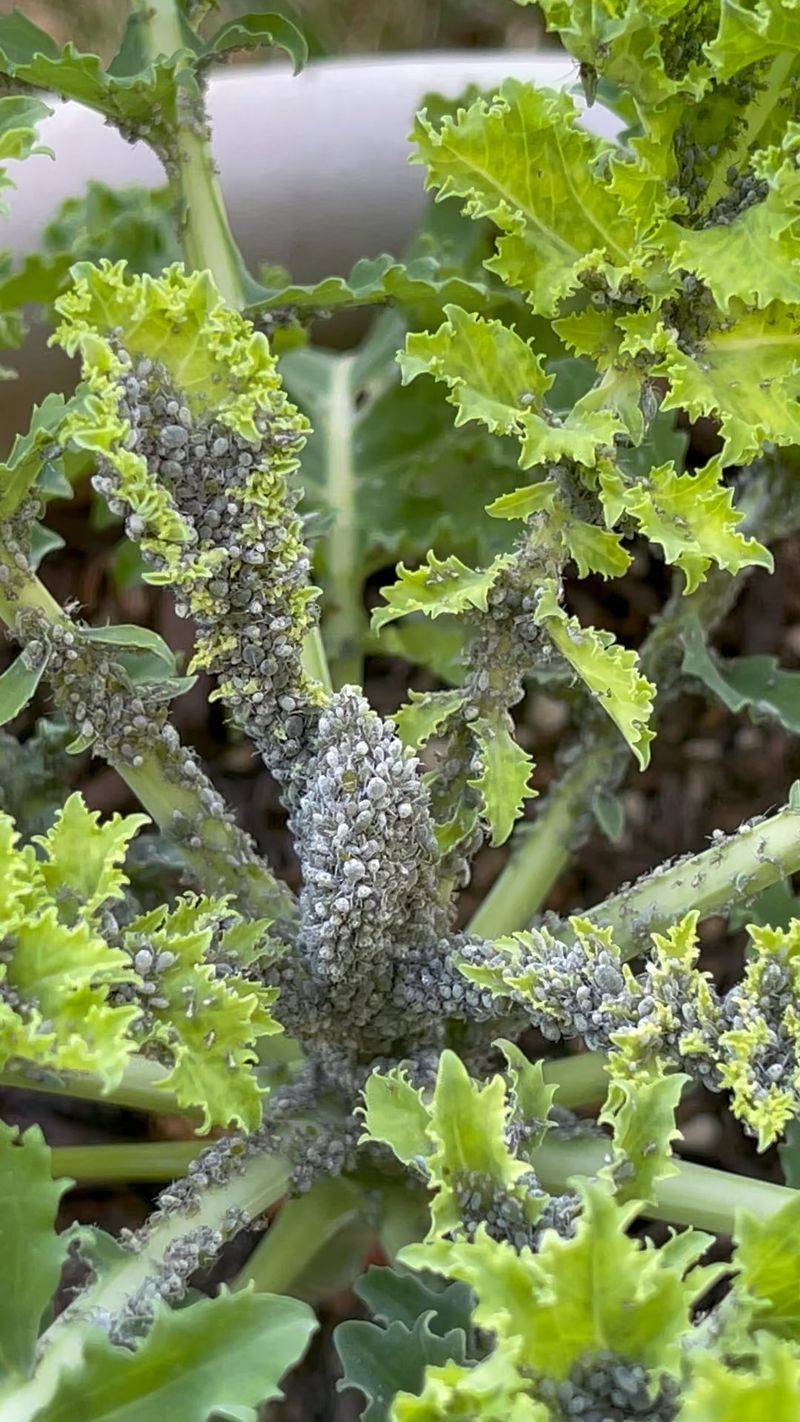
Think of the heart of a kale plant as the coziest room in the house. The newest leaves grow there, packed close together and soft to the touch. For an aphid, that spot is both a buffet and a bedroom.
Aphids feed by poking their mouthparts into leaves and sipping plant sap. Young, tender growth is easier to pierce and full of nutrients, so they naturally head toward the middle.
The tight inner leaves also block wind, rain, and hungry predators, giving colonies a safe place to grow.
Because of that, the center deserves your closest attention. Check it every few days, especially once September rolls around. Use your fingers to gently pull apart any tightly curled leaves and look deep inside.
Sometimes a leaf is simply too crowded to save. When you find one crusted with gray aphids, snap it off at the stem, drop it into a plastic bag, and seal it before tossing it in the trash.
Carrying infested leaves across the garden unbagged can shake aphids onto nearby plants. Removing a few leaves will not hurt a healthy kale plant. In fact, it often gives the plant a fresh start, since new growth can come in clean if you stay on top of things.
Here in Michigan, kale keeps pushing out new center leaves well into November, even after light frosts. That steady growth gives aphids a nonstop food supply for weeks. Your regular check-ups are the best way to stop them from settling in for the long haul.
4. Too Much Nitrogen Feeds Aphid Outbreaks
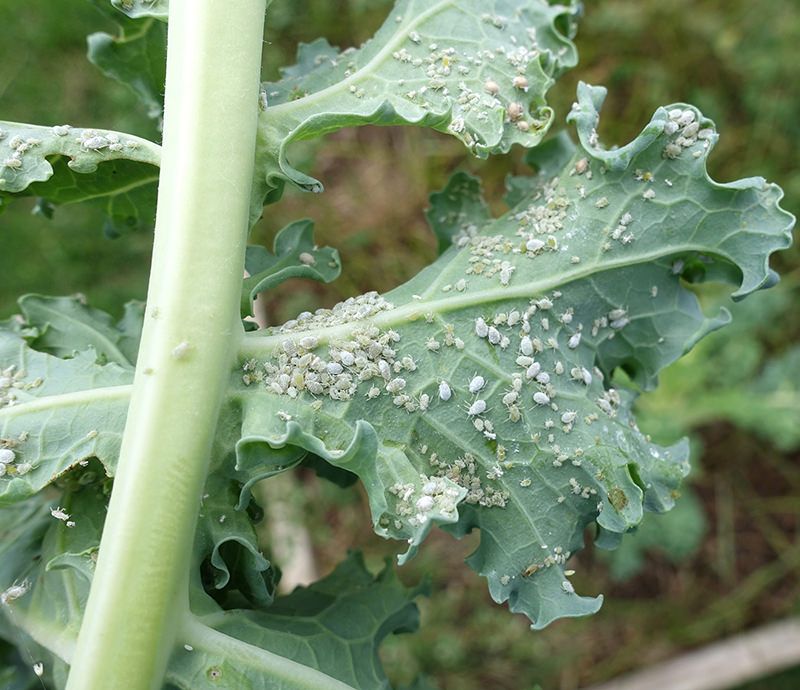
Feeding your kale feels like a kind thing to do. Gardeners love big, dark green leaves, and fertilizer seems like the fastest way to get them. Too much of a good thing, though, can roll out a welcome mat for aphids.
Nitrogen is the nutrient that pushes leafy growth. When plants get heavy doses, they produce soft, juicy leaves loaded with the proteins aphids need to grow and reproduce.
Studies on many crops show aphid colonies build faster on plants that are overfed with nitrogen.
The fix is simple and saves money too. Fertilize kale lightly and always follow the rates on the product label. More is not better when it comes to leafy greens.
Compost is a wonderful choice for steady feeding. Mixing an inch or two into the soil before planting, or spreading it around plants as a side dressing, releases nutrients slowly over time.
Quick-release fertilizers, on the other hand, can cause sudden bursts of tender growth that aphids adore.
Timing matters as well. Once late summer arrives and days grow shorter, kale naturally slows down, and extra feeding at that stage mostly helps pests. Let the plant coast through fall on the nutrients already in the soil.
Many Michigan gardeners feed their kale hard in August, hoping to keep it cranking out leaves until snow falls. That extra boost often lines up right with the rise of fall aphids. Holding back a bit can mean slightly smaller leaves, yet far fewer bugs to battle.
5. Blast Colonies Off With Water
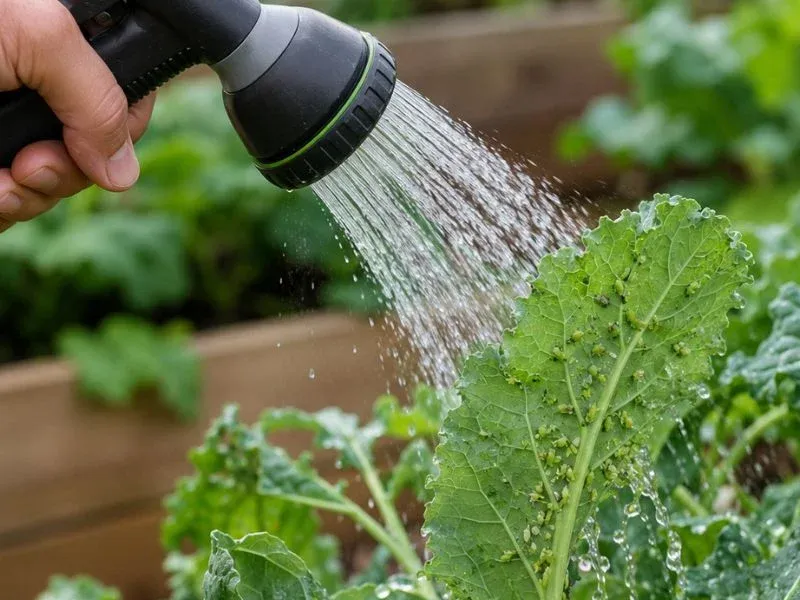
Sometimes the best tool is already coiled up next to your house. A plain garden hose can do a surprising amount of damage to an aphid colony. No mixing, no shopping, and no worries about chemicals on your dinner.
Here is how it works. A firm stream of water knocks aphids right off the leaves and onto the ground. Most of them are slow walkers with no wings, so many never find their way back up to the plant.
Aim is everything. Point the spray at the undersides of leaves and straight into the center of the plant, where colonies love to gather. Use a nozzle with a strong jet setting, but not so hard that it tears the leaves.
Morning is the perfect time for this job. Spraying early lets the leaves dry off during the day, which helps prevent disease problems that like damp foliage. Evening spraying can leave plants wet overnight, and that is best avoided.
One blast will not solve everything. Repeat every two or three days for a couple of weeks to knock down new babies before they grow up. Pair the spraying with snapping off any leaves that are heavily coated, and progress speeds up quickly.
In Michigan, early action really pays off. A small colony in September is easy to wash away, yet cool October weather can let that same group explode into a crowd. Start spraying at the first sign of gray clusters, and you may never need anything stronger.
6. Soap And Oil Sprays Need Thorough Coverage
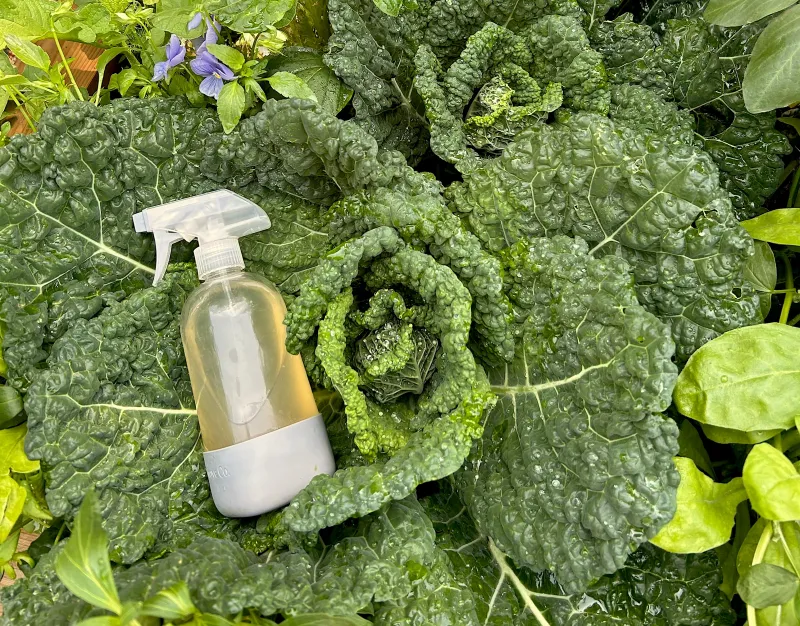
Here is a detail many gardeners miss. Insecticidal soap and horticultural oil only work when they actually touch the aphid. They do not linger on leaves to protect the plant later, so any bug the spray misses keeps right on feeding.
Cabbage aphids make that job tricky. Their bodies are covered in a waxy coating, and kale leaves have a waxy, blue green surface of their own. A light misting tends to bead up and roll away like rain on a freshly waxed car.
The answer is to soak them. Spray until colonies look thoroughly wet, paying extra attention to leaf undersides and the tight center of the plant. Turn leaves over with one hand while spraying with the other so nothing hides.
Weather plays a role too. Choose a mild, calm day and spray out of strong sunlight, since soap and oil on hot, sunny leaves can cause burned spots. Early morning or a cloudy afternoon works well.
Before treating a whole row, test a few leaves first and wait a day or two. If they look healthy, go ahead with the rest. Follow the product label, which usually suggests repeating every five to seven days.
Patience is part of the plan in Michigan. Fall aphid numbers keep climbing as the weather cools, so one treatment is rarely enough. Mark your calendar, stay consistent, and those gray clusters will start shrinking week by week.
7. Clean Harvested Leaves Before Eating
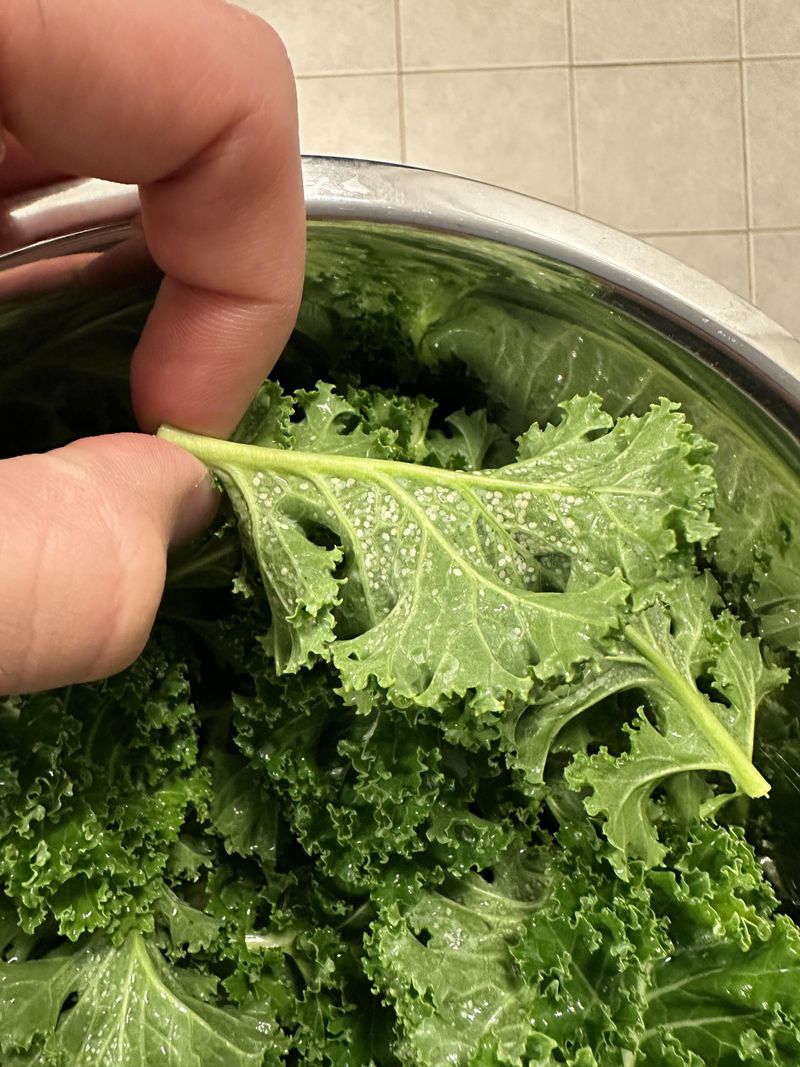
Nobody wants a surprise crunch in their kale chips. Even after a good rinse, harvested leaves can still hide a few aphids in their frilly folds. Curly kale is especially sneaky, with ruffles that act like tiny caves.
A quick splash under the faucet usually is not enough. Aphids grip tightly and tuck themselves into creases where running water barely reaches. Their waxy coating also helps them shrug off plain water.
A salty soak solves the problem nicely. Fill a large bowl or a clean sink with cool water and stir in a little salt, about a tablespoon or two per gallon. Add the leaves and let them sit for 10 to 15 minutes.
While they soak, swish the leaves around with your hands every few minutes. That movement loosens stubborn aphids so they float away or sink to the bottom.
Afterward, lift the leaves out rather than pouring everything through a strainer, so the bugs stay behind in the water.
Give the leaves a final rinse in fresh water to wash away extra salt. Then hold each one up to the light and check the folds before cooking or storing. A salad spinner or a clean towel will dry them well for the fridge.
Many Michigan gardeners keep picking kale into November, sometimes brushing snow off the plants. That late harvest often arrives right when aphid numbers are at their peak.
A few extra minutes in the kitchen means you can enjoy every sweet, frosty leaf without any unwanted guests.
8. Remove Kale Stalks After The Final Harvest
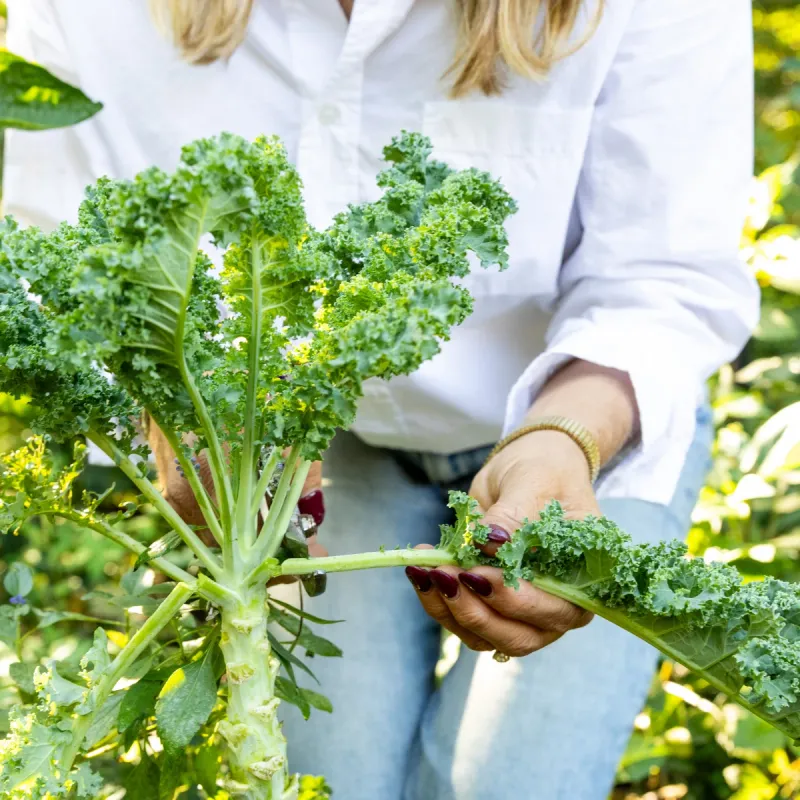
Winter might seem like the end of the aphid story. In reality, it is just an intermission. Cabbage aphids in cold climates lay tiny eggs on old brassica stalks, ready to hatch when spring returns.
Those eggs are built to handle freezing weather. They cling to leftover kale, cabbage, and Brussels sprout plants all winter long. Once temperatures warm up, they hatch and start brand new colonies, often right next to your fresh spring seedlings.
Cleaning up after the final harvest breaks that cycle. Pull out brassica stalks, roots, and fallen leaves instead of leaving them standing in the bed.
Plants that were heavily infested should go into a sealed bag or the trash rather than a home compost pile, which may not get hot enough to destroy the eggs.
Weeds deserve a look too. Wild mustard, shepherd’s purse, and other mustard family weeds can host cabbage aphids as well. Clearing them from garden edges removes another hiding spot.
Next year, give your brassicas a new address. Planting kale, cabbage, and broccoli in a different bed makes it harder for any leftover aphids to find them quickly. Rotating crops also helps with other pests and soil diseases, so the benefits stack up.
Michigan winters are long, and overwintering eggs on garden debris hand aphids a head start come April. A single afternoon of fall cleanup can mean a calmer, cleaner garden next season. Your future self, and your future kale, will thank you.