When And How To Prune Your Virginia Fig Trees For Better Growth Next Season
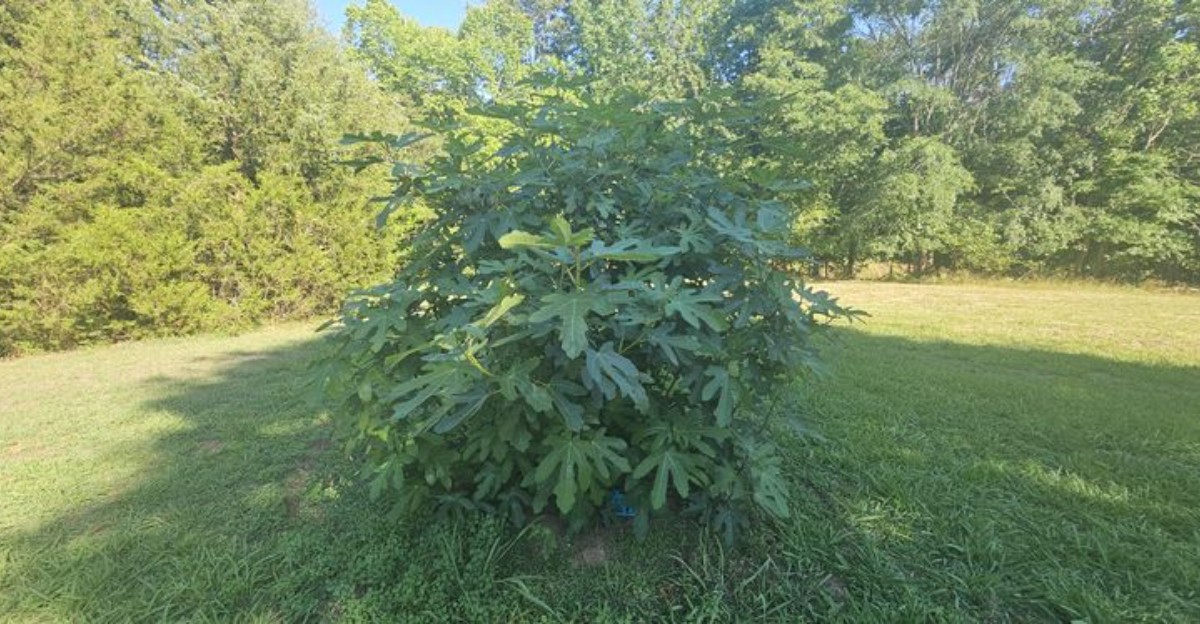
Picture a sticky, honey-sweet fig warm from the August sun. Now picture a tangled, overgrown shrub hiding its fruit behind a wall of leaves.
The difference between those two scenes often comes down to a few smart cuts. Pruning at the right moment helps your tree shake off winter stress and grow stronger.
Figs across Virginia face chilly winters, surprise frosts, and humid summers that test every branch. Cut at the wrong time, and you might trade next year’s harvest for a pile of frosty twigs.
Luckily, fig pruning is simpler than it looks. All it takes is good timing, a sharp eye, and a pair of gloves to protect your skin from the milky sap.
1. Late Winter Or Early Spring Is The Best Time
Timing is everything with figs, a bit like catching a bus. Show up too early or too late, and you miss the ride.
Most gardeners in Virginia aim for late February through March. The tree is still resting, and the worst cold snaps are usually behind you.
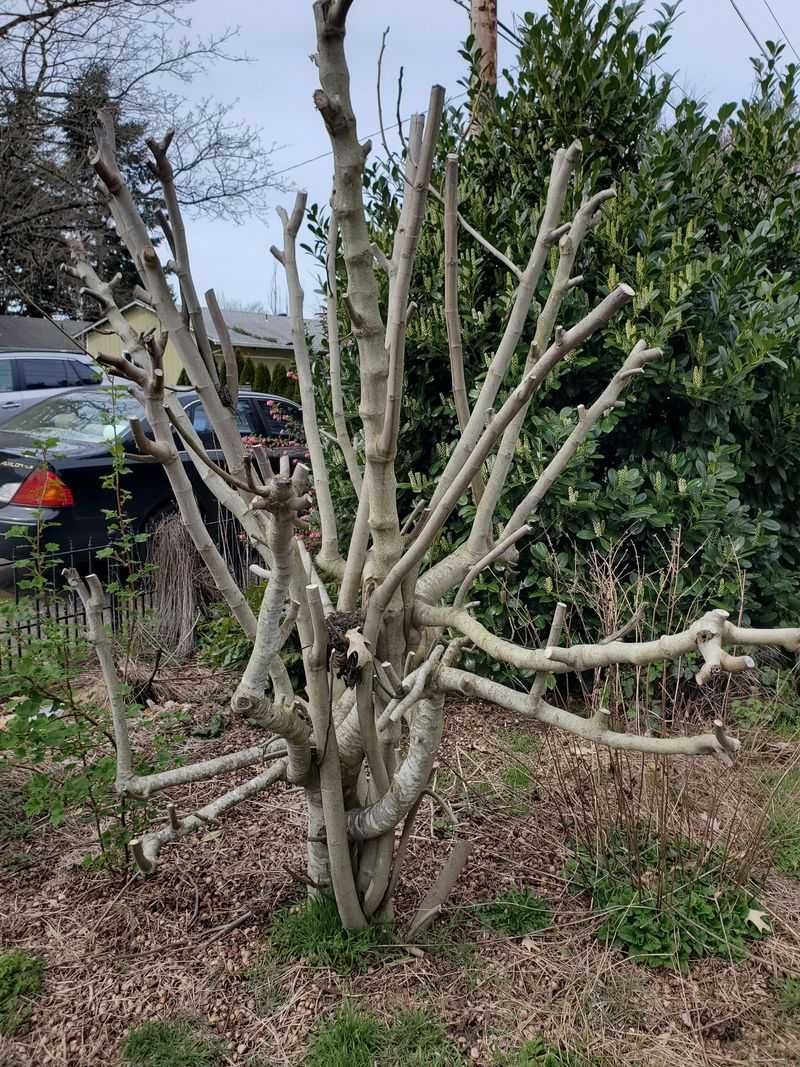
During dormancy, the fig has dropped every leaf. You can see each branch clearly, like looking at a skeleton drawing in science class.
Bare limbs make it easy to spot problems. Crooked stems, broken tips, and crowded spots jump out when nothing hides them.
Fresh cuts also heal well at this stage. The tree is about to wake up, so it seals wounds quickly once sap starts moving.
Here is a handy trick for picking your day. Watch for tiny green buds starting to swell at the branch tips.
Swelling buds tell you spring is close. Prune just before those buds open into leaves for the smoothest results.
Pick a dry, mild afternoon for the job. Wet wood can spread fungus, and freezing temperatures make branches brittle and prone to cracking.
Check the ten-day forecast before you start. A hard freeze right after pruning can damage exposed wood near your cuts.
Gather clean, sharp bypass pruners and loppers ahead of time. Wiping blades with rubbing alcohol helps prevent spreading disease between cuts.
Plan on an hour or two for a mature tree. Rushing leads to sloppy cuts, while patience gives you a tidy, productive fig.
2. Skip Fall Pruning, Which Invites Cold Damage
Autumn feels like cleanup season, and the urge to tidy everything is strong. Fig trees, however, would really prefer you leave them alone until spring.
Picture pruning as a wake-up call for your tree. Cuts send a signal to push out fresh, tender shoots.
New growth in October has little time to toughen up. Soft green stems freeze easily when the nights drop below thirty degrees.
Those frosty shoots turn black and mushy by winter. Your tree then wastes energy repairing damage instead of storing strength.
Sap loss is another concern. Figs often still have sap flowing in fall, and fresh cuts can bleed that milky fluid.
Losing sap drains stored food the tree needs for spring. Think of it like spending your savings right before a big trip.
Your Virginia Garden Changes Every Week. Your Plan Should Too.
Gardening in Virginia changes quickly throughout the season. Every Friday you’ll receive a simple weekly plan showing exactly what to plant, prune, fertilize, harvest, and protect so you never miss the right timing.
Fungal spores also love cool, damp autumn weather. Open wounds give them an easy doorway into healthy wood.
So what can you do in fall instead? Rake up fallen leaves and old fruit to reduce disease spots next year.
Add a thick layer of mulch around the base. Straw or shredded leaves help protect roots during cold months.
Some Virginia gardeners wrap young trees in burlap for extra shelter. Colder western counties especially benefit from that cozy winter coat.
If a branch snaps in a storm, trim only the broken part. Save any real shaping for when late winter rolls around.
3. Let Winter Reveal Which Branches Came Through
Winter is an honest teacher, even if its lessons feel a little harsh. By March, your fig tree will quietly show you which branches survived.
Virginia winters vary a lot from year to year. One season stays mild, while the next brings ice storms and single-digit nights.
Figs often suffer tip damage when temperatures dip hard. Sometimes only a few inches suffer, and other times whole limbs get hit.
Resist the urge to snip too soon. Waiting a few extra weeks lets you see the full picture before cutting.
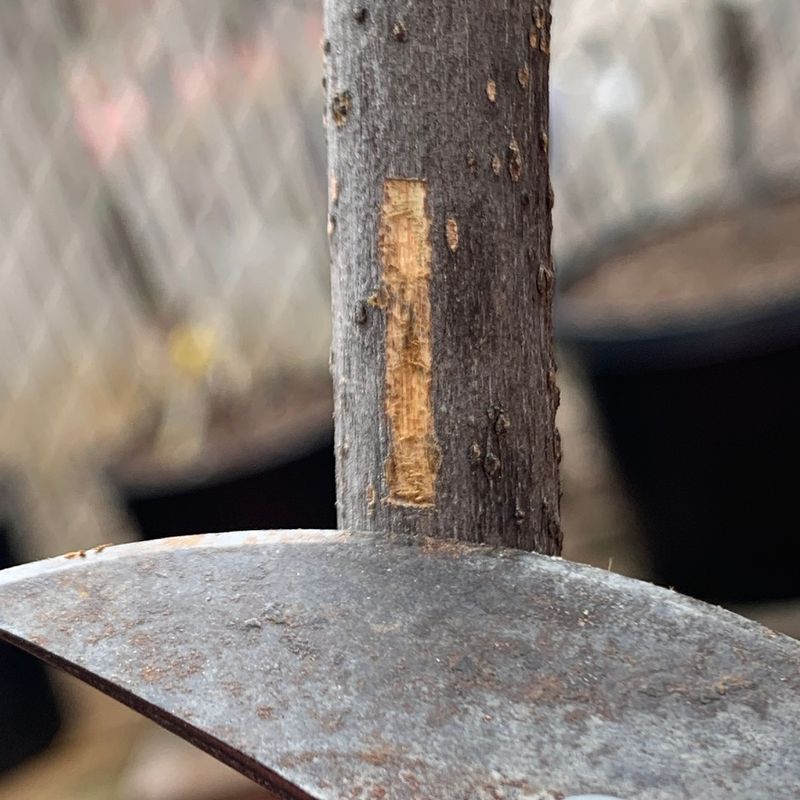
Try the scratch test on questionable branches. Gently scrape a tiny patch of bark with your thumbnail or a pocketknife.
Bright green tissue underneath means the wood is alive and well. Brown or tan tissue means that section did not make it.
Work from the tip downward along each branch. Keep scratching until you find green, then mark that spot with tape or string.
Bending branches also gives helpful clues. Healthy wood flexes a bit, while lifeless wood snaps with a dry crack.
Some figs surprise you by sprouting from lower buds later in spring. Patience can save branches you might have tossed.
Fun fact: fig roots are tougher than the tops. Even when branches freeze back hard, many trees regrow happily from the base.
Keep a simple garden notebook each spring. Tracking winter damage helps you learn which spots in your yard stay warmest.
4. Remove Frost-Damaged Wood First
Start with the obvious troublemakers before worrying about shape. Frost-damaged wood is the first thing that should go.
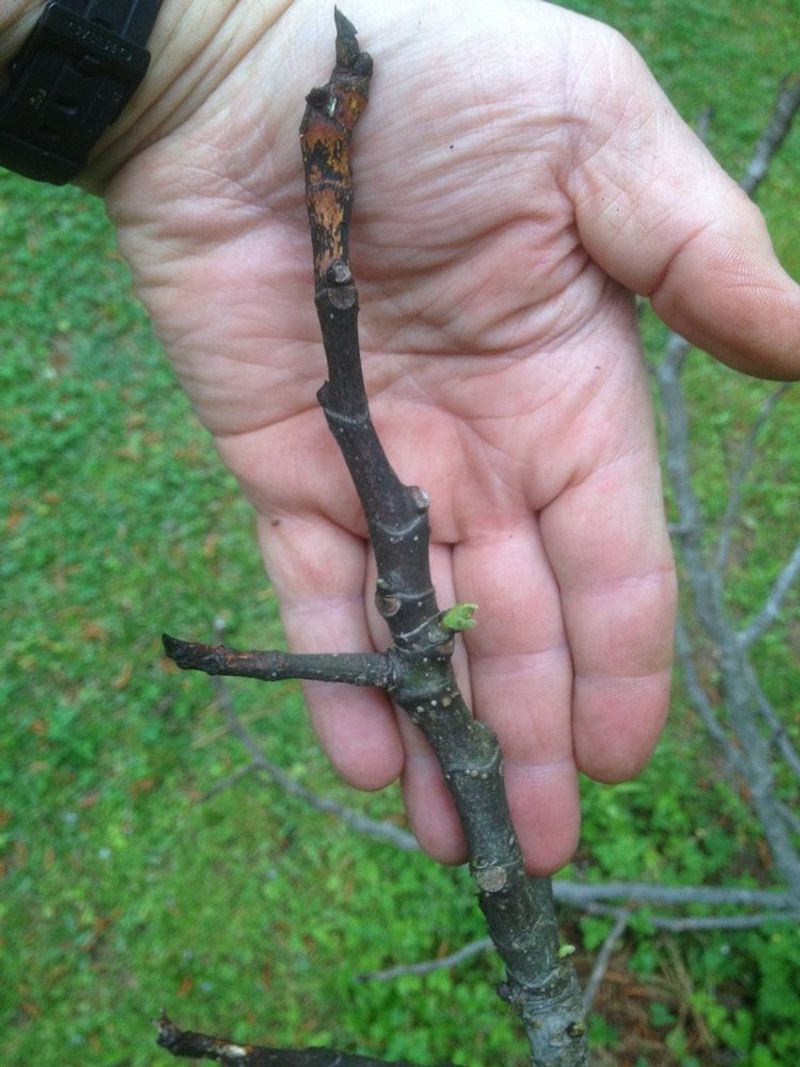
Spotting cold injury gets easier with practice. Look for bark that looks shriveled, wrinkled, dark brown, or strangely dry.
Damaged branches often feel light and brittle in your hand. They may also snap cleanly instead of bending like healthy stems.
Cut back to a spot just above a healthy bud. Leave about a quarter inch of wood above that bud for the best healing.
Angle each cut slightly so rain slides off. Water sitting on a flat wound can invite rot and fungus.
Why tackle this step first? Removing damaged wood shows you what healthy framework you really have left.
Once the clutter is gone, planning the rest becomes easier. You might discover your tree needs far fewer cuts than expected.
Leaving injured branches in place causes real trouble. Pests and fungal diseases love weak, damaged wood and can spread into healthy tissue.
In colder parts of the state, like the Shenandoah Valley, frost damage can be heavy. Some years you may cut a fig nearly to the ground.
Don’t panic if that happens. Hardy varieties like Celeste and Brown Turkey often bounce back with vigorous new shoots.
Toss removed wood in the trash or yard waste pile. Avoid composting diseased branches, since spores can linger and spread later.
5. Cut Suckers At The Base
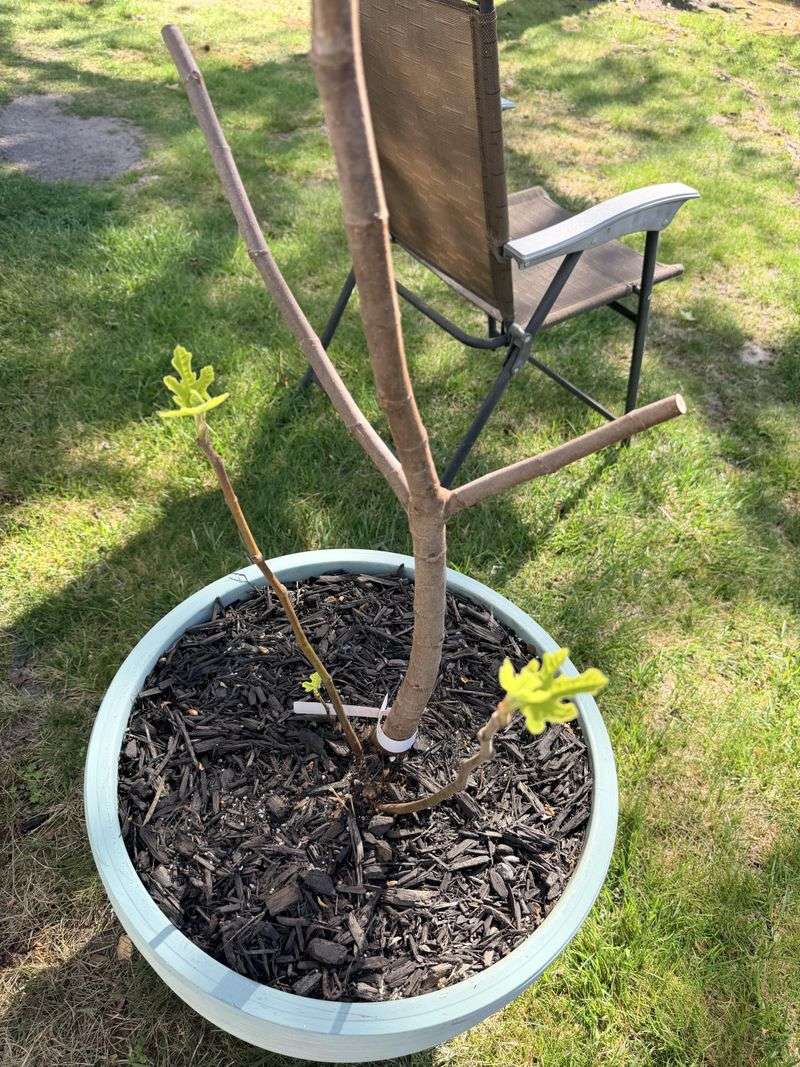
Suckers are the sneaky freeloaders of the fig world. They pop up around the trunk and quietly steal energy from the rest of the tree.
These shoots grow straight up from the roots or lower trunk. They are usually fast, green, and surprisingly thick for their age.
A fig can pour lots of food into suckers. That leaves less fuel for branches that actually produce fruit.
Removing them is fairly simple. Dig back a little soil if needed, then cut each shoot right where it starts.
Try to cut flush with the root or trunk. Leaving a stub often encourages even more suckers to sprout from the same spot.
Sharp loppers work well for thicker shoots. Small, soft suckers can sometimes be snapped off by hand in early spring.
Check again every few weeks during the growing season. Figs love to send up new suckers, especially after a tough winter.
There is one handy exception worth knowing. If frost badly damaged your main trunk, a healthy sucker can become a replacement stem.
Many growers keep one or two strong suckers as backup insurance. Colder regions make that spare stem extra valuable.
Bonus tip: suckers make great free fig plants. Dig one up with some roots attached and pot it for a friend.
Neighbors love a homegrown fig start. Sharing suckers is an old tradition among Southern gardeners with backyard figs.
6. Thin Crossing And Crowded Branches
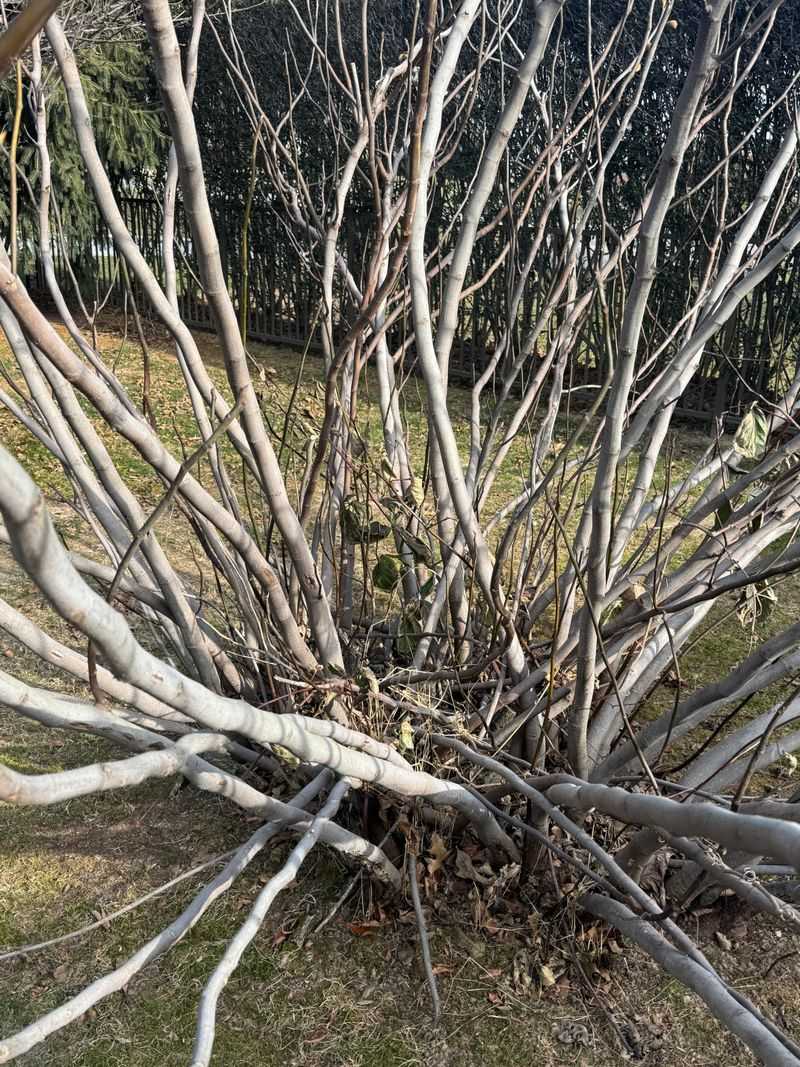
Imagine a crowded school hallway with everyone bumping elbows. A packed fig canopy feels much the same to its branches.
Crossing limbs rub against each other when wind blows. Over time, that rubbing wears away bark and leaves open wounds.
Those wounds become easy entry points for disease. Removing one branch of each crossing pair solves the problem quickly.
Pick the weaker or poorly placed branch to remove. Keep the one growing outward in a healthier direction.
Crowded centers are another issue. Too many branches block sunlight from reaching the inner leaves and fruit.
Figs ripen best with plenty of sun. Shaded fruit often stays small, pale, and less sweet than you hoped.
Airflow matters a lot in Virginia’s steamy summers. Humid, still air helps fig rust and other leaf diseases spread fast.
A more open canopy dries out quicker after rain. Faster drying means fewer spots, healthier leaves, and happier fruit.
Aim for a shape where light filters through gently. Some gardeners say a bird should fly through the middle without trouble.
Make thinning cuts back to the branch collar. The collar is the slightly swollen ring where a branch meets a larger limb.
Avoid cutting flush against the trunk. Leaving the collar intact helps the tree heal much faster and more cleanly.
Step back often while you work. Viewing the tree from several angles keeps you from overdoing it on one side.
7. Keep A Manageable Number Of Main Stems
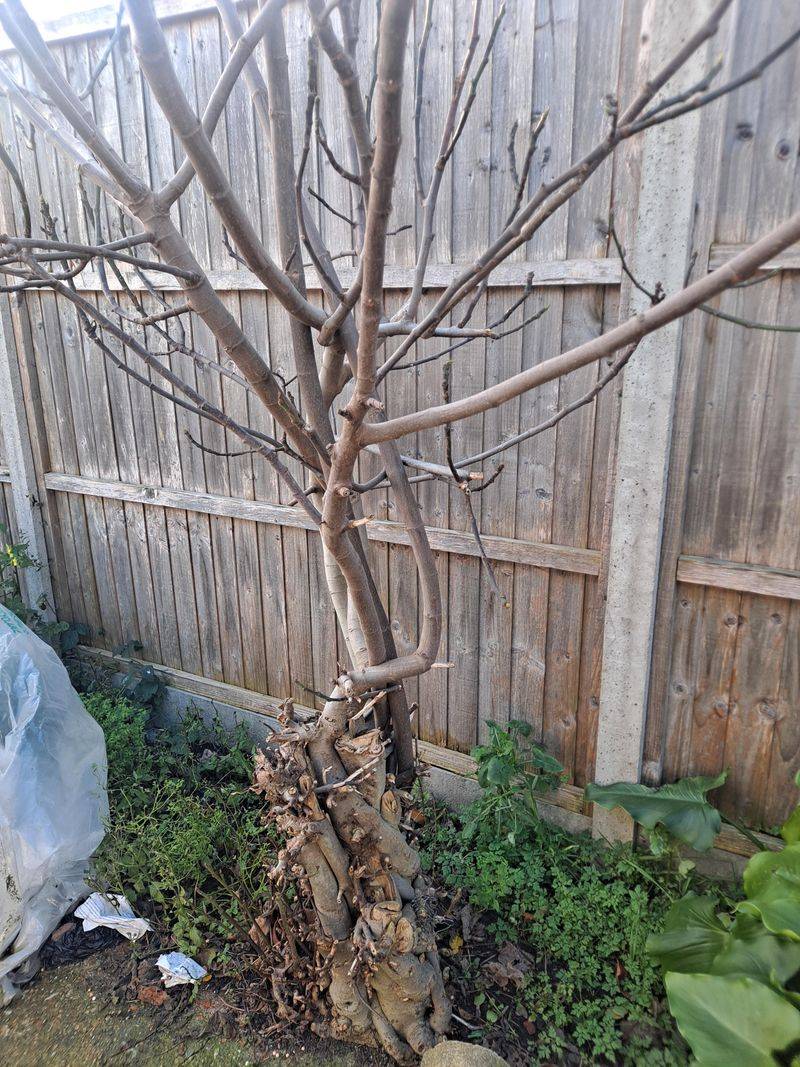
Left alone, a fig tree acts like a teenager ignoring curfew. It sends shoots everywhere and turns into a wild, bushy thicket.
Most Virginia growers prefer the bush form over a single trunk. Several stems offer backup if frost damages one or two.
Still, too many stems create chaos. Aim for roughly three to six sturdy main stems for a healthy, balanced shape.
Choose stems that are thick, straight, and evenly spaced. Spreading them around the base gives each one room to grow.
Remove extra stems cleanly at ground level. Pick the thinnest, weakest, or most awkwardly placed ones first.
Fewer stems mean each one gets more energy. Stronger stems usually produce larger, sweeter, and more plentiful figs.
Harvesting becomes easier too. You can walk around the tree and reach fruit without wrestling through a jungle of branches.
Prefer a single-trunk tree shape? That works well in warmer eastern areas like Norfolk or Virginia Beach.
A tree form looks tidy and elegant in small yards. Just remember one trunk means less protection against a harsh winter.
Rotate stems over the years for fresh growth. Replace an old, tired stem every few seasons with a vigorous young shoot.
Older wood tends to fruit less over time. Swapping stems keeps your fig youthful, productive, and full of energy.
8. Head Back Tall Stems To Keep Fruit Within Reach
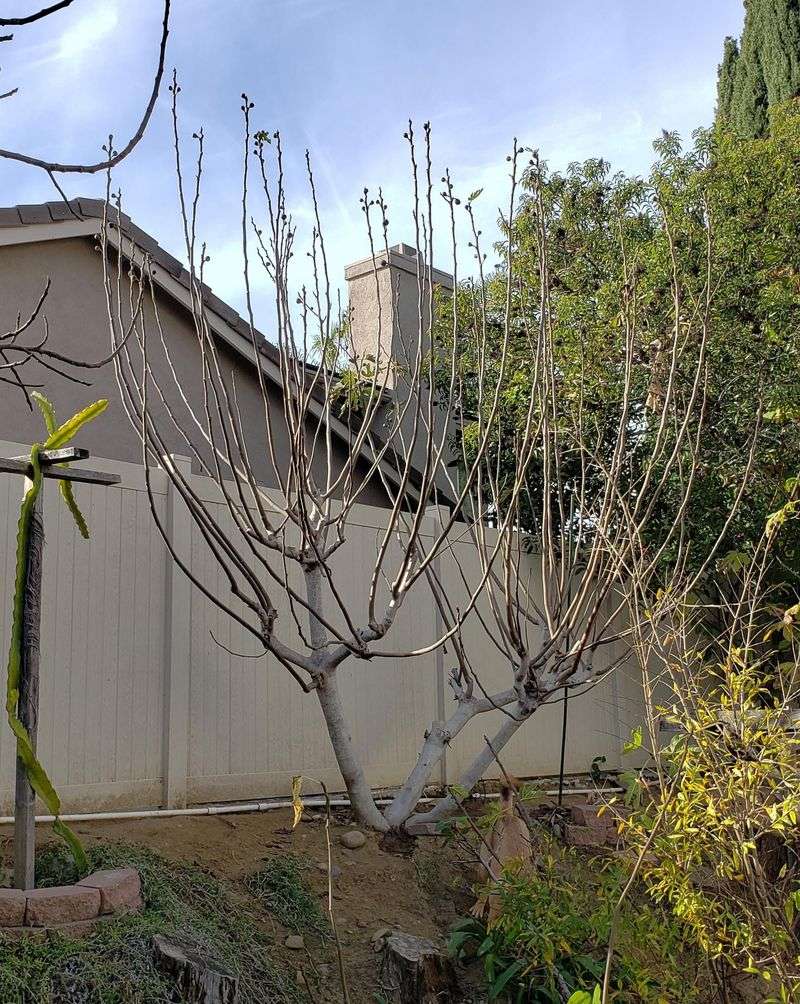
Nothing stings quite like watching birds feast on figs you can’t reach. Tall stems turn your harvest into a buffet for mockingbirds and squirrels.
Heading back means trimming the top of a stem to a chosen height. It keeps the tree compact and friendly for picking.
Most gardeners aim for six to eight feet tall. You should reach most fruit from the ground or a short step stool.
Cut each tall stem just above an outward-facing bud. New growth will then spread outward instead of back into the center.
Heading cuts also encourage side branching. More side shoots often means more spots for main-crop figs to form.
Here’s a quick fact many people miss. Main-crop figs grow on new wood produced during the current season.
Encouraging fresh growth at comfortable heights puts fruit right where you want it. Your arms and back will thank you in August.
Shorter trees are also easier to protect. Covering a compact fig with netting or frost cloth takes far less effort.
Birds are relentless when figs ripen. Netting a manageable tree can save a big share of your harvest.
Don’t remove too much height in one year. Taking off more than a third can stress the tree and reduce fruit.
Bring an extremely tall tree down gradually over two or three seasons. Slow and steady keeps it healthy and productive.
9. Go Easy If You Want An Early Breba Crop
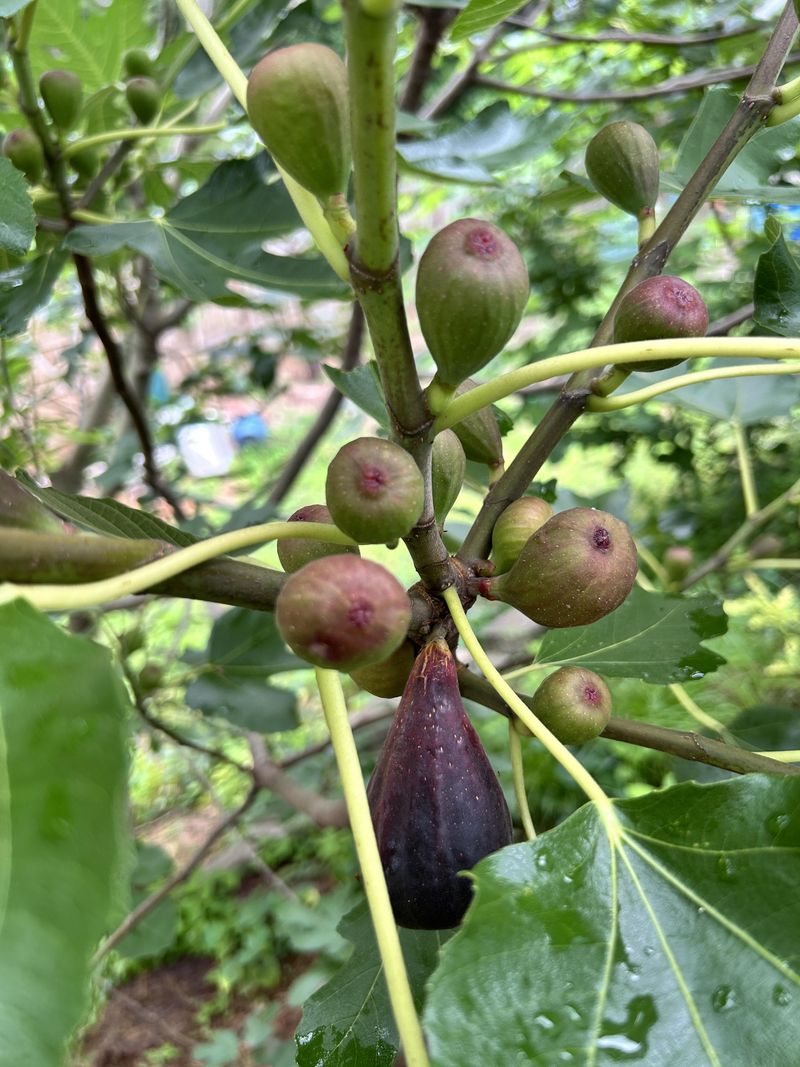
Did you know some figs give you two harvests each year? The early bonus crop is called a breba, and it feels like a surprise gift.
Breba figs form on last year’s wood. They usually ripen in early summer, weeks before the main crop arrives.
Here’s the catch many gardeners learn the hard way. Heavy pruning in late winter removes the very branches carrying breba buds.
If you love early figs, keep your cuts light. Focus on damaged wood and suckers, and skip major shaping.
Look for tiny, round bumps near branch tips. Those little knobs are baby breba figs waiting to grow.
Leave healthy tips with those bumps untouched. Trim elsewhere to shape the tree without losing your early treat.
Not every variety produces a strong breba crop. Desert King and Brown Turkey are known for decent early harvests.
Celeste, a Virginia favorite, focuses more on its main summer crop. Pruning choices matter less for varieties like that.
Cold winters can also wipe out breba buds naturally. Colder parts of the state may see few brebas regardless of pruning.
A handy compromise works for many growers. Prune half the tree harder one year, then switch sides the next year.
You get both a tidy shape and some early figs. Balancing the two keeps harvest time exciting from June through September.