Why Many Florida Lawns Look Patchy After Freeze (And What Gardeners Are Doing About It)
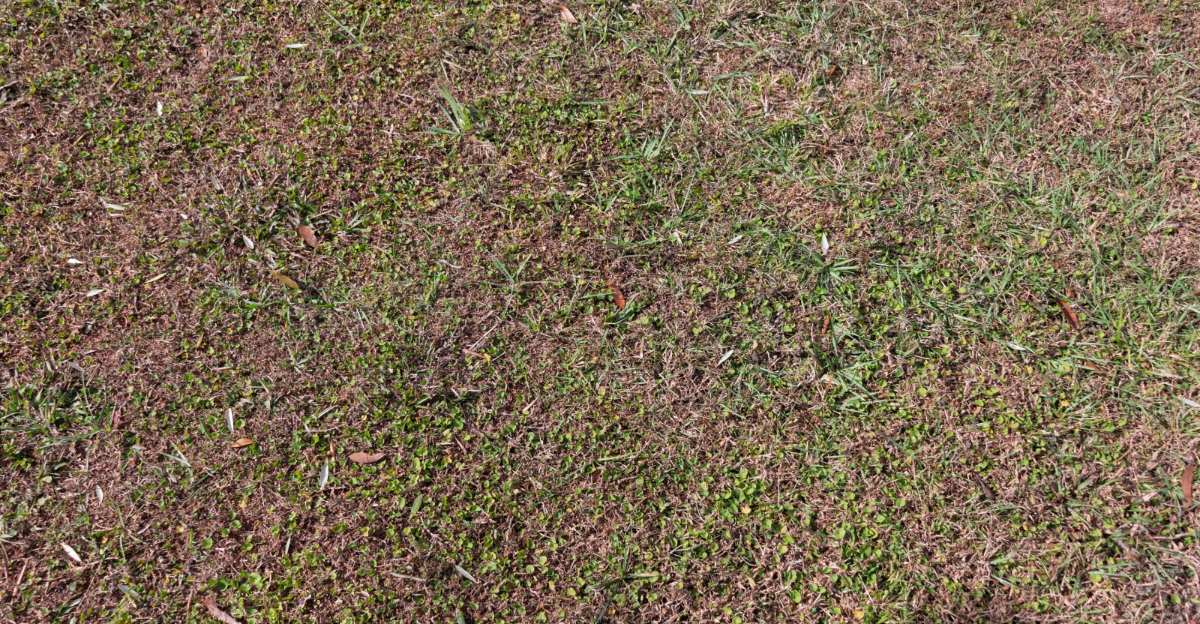
One hard freeze can turn a once flawless Florida lawn into a patchwork of brown and bare spots by sunrise. What once appeared thick, green, and even suddenly turns thin, blotchy, and uneven, with strange patches spreading across the yard.
Many homeowners assume the grass withered, yet the real story often runs deeper beneath the surface. Freeze stress can weaken roots, slow recovery, and expose hidden problems that only show up once warmth returns.
Some areas bounce back quickly, while others struggle and leave lawns looking worn long after winter passes.
Across Florida, gardeners have started using smarter recovery methods to repair damage, encourage strong regrowth, and bring tired lawns back to a dense, healthy green without starting from scratch.
1. Cold Shock Weakens Warm-Season Florida Grasses
St. Augustine, Bermuda, and Zoysia grasses thrive in Florida’s warm climate because they evolved in tropical and subtropical regions. Their cellular structure is designed to handle heat, humidity, and long growing seasons.
When temperatures suddenly drop below freezing, these grasses experience what scientists call cold shock, a rapid stress response that disrupts normal plant functions.
Cell walls within grass blades contain water that can freeze when temperatures plummet. As ice crystals form inside plant tissue, they damage cell membranes and interrupt the flow of nutrients and water throughout the plant.
This internal damage weakens the entire grass plant, even if it looks relatively normal at first glance.
Photosynthesis slows dramatically during cold stress, meaning the grass can’t produce the energy it needs to maintain healthy growth. Root activity also decreases, limiting the plant’s ability to absorb water and nutrients from the soil.
This double impact leaves warm-season turf vulnerable and unable to maintain the thick, dense growth Florida homeowners expect.
Different grass varieties handle cold differently, but all warm-season types slow down significantly when temperatures drop. The grass isn’t actively growing or repairing itself during this time, which explains why recovery takes patience and proper care rather than quick fixes.
2. Browning And Thinning Are The First Visible Signs
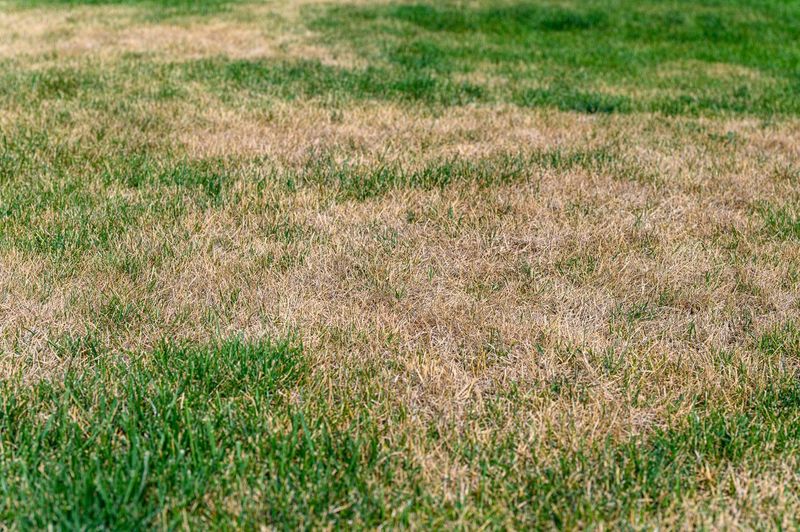
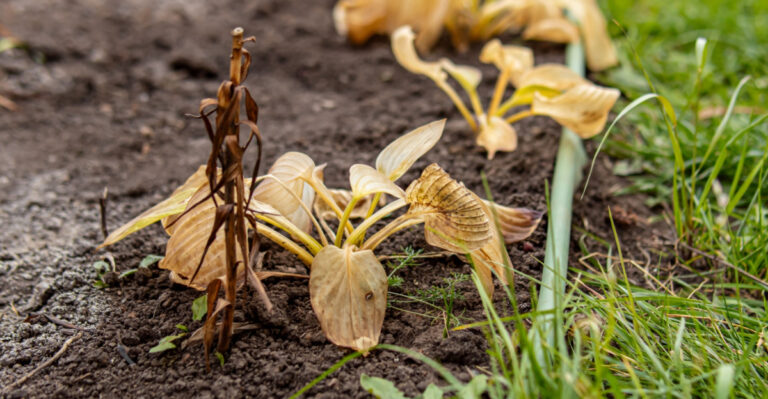
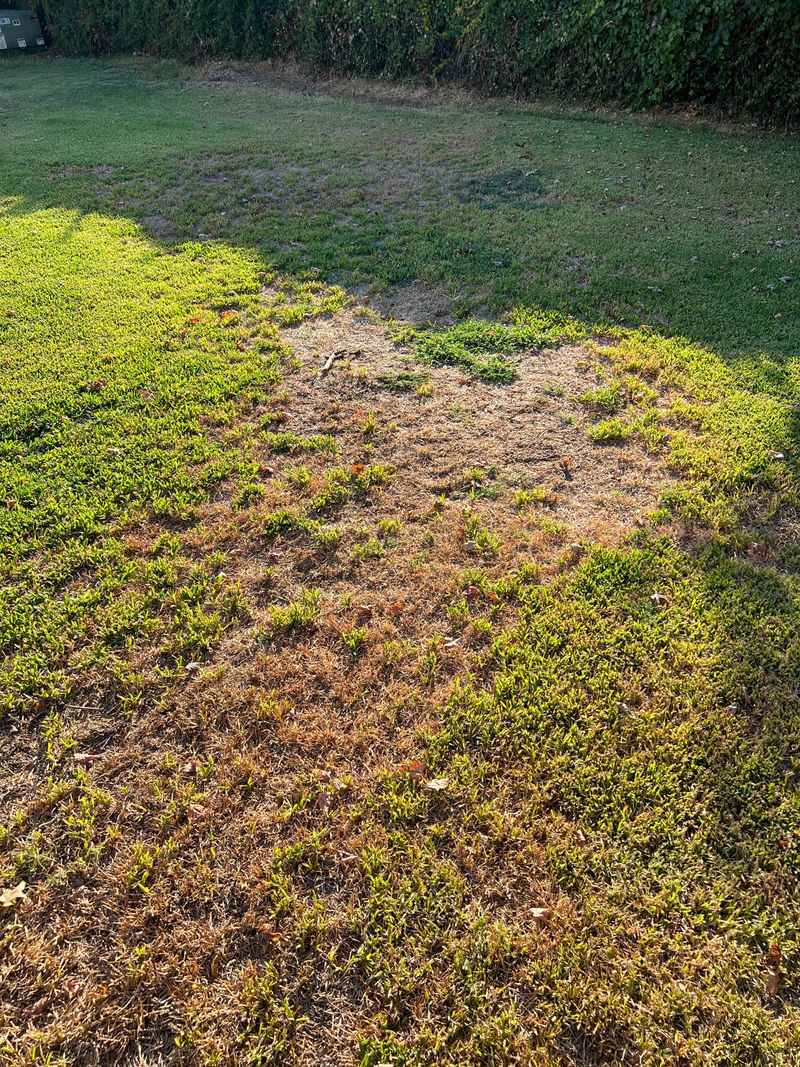
The morning after a freeze, many Florida homeowners notice their once-green lawns have taken on a dull, grayish appearance. Within a few days, brown patches start appearing in scattered areas across the yard.
These discolored spots often show up first in low-lying areas where cold air settles or in sections with less sun exposure.
Thinning becomes obvious as individual grass blades lose their firmness and begin to collapse. What was once a thick carpet of turf now looks sparse and uneven.
Some areas may appear completely brown while others retain hints of green, creating a patchwork effect that frustrates homeowners.
Grass blades may feel crispy or brittle to the touch, quite different from the soft, pliable texture of healthy turf. This change in texture signals that the freeze has damaged the above-ground portion of the plant.
The grass enters a temporary dormant state as a survival mechanism, shutting down visible growth to protect its root system.
Uneven color patterns develop because different parts of the lawn experience varying degrees of cold exposure. Areas near buildings or under trees may stay greener than open sections.
This natural variation is normal and doesn’t necessarily mean those brown areas are permanently damaged.
Time and observation help determine which sections will recover on their own.
3. Some Lawn Types Suffer More Than Others
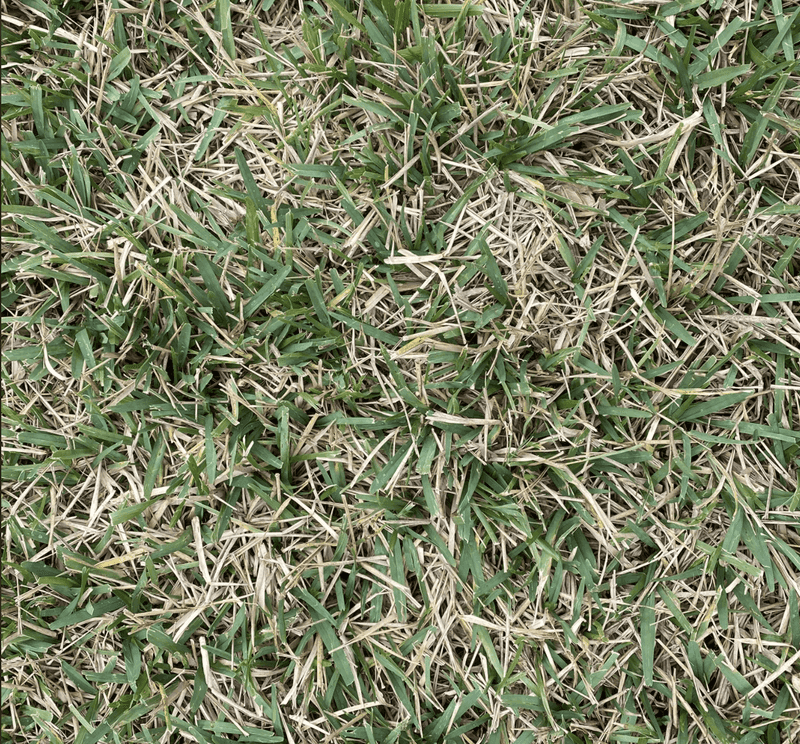
St. Augustine grass, the most popular choice for Florida lawns, shows freeze damage more dramatically than other warm-season varieties. Its broad, flat blades and tropical origins make it particularly sensitive to cold temperatures.
Floratam, a common St. Augustine cultivar, often suffers the most visible browning after a freeze because it has very limited cold tolerance.
Bermuda grass typically bounces back faster than St. Augustine because it has better cold hardiness. While Bermuda will turn brown and go dormant during freezing weather, its aggressive growth habit and deeper root system help it recover more quickly once temperatures warm up.
Many golf courses and athletic fields in North Florida choose Bermuda partly for this resilience.
Zoysia grass falls somewhere in the middle, with better cold tolerance than St. Augustine but slower recovery than Bermuda. Its dense growth pattern means freeze damage may look less patchy initially, but recovery can take several weeks.
Bahiagrass, though less common in home lawns, handles cold better than most warm-season grasses and shows less dramatic browning.
Newer St. Augustine varieties like Palmetto and CitraBlue were developed with improved cold tolerance, so lawns planted with these cultivars often show less severe damage. Homeowners who experience frequent freeze events might consider these improved varieties when renovating or establishing new turf areas.
4. Foot Traffic Worsens Freeze-Stressed Turf
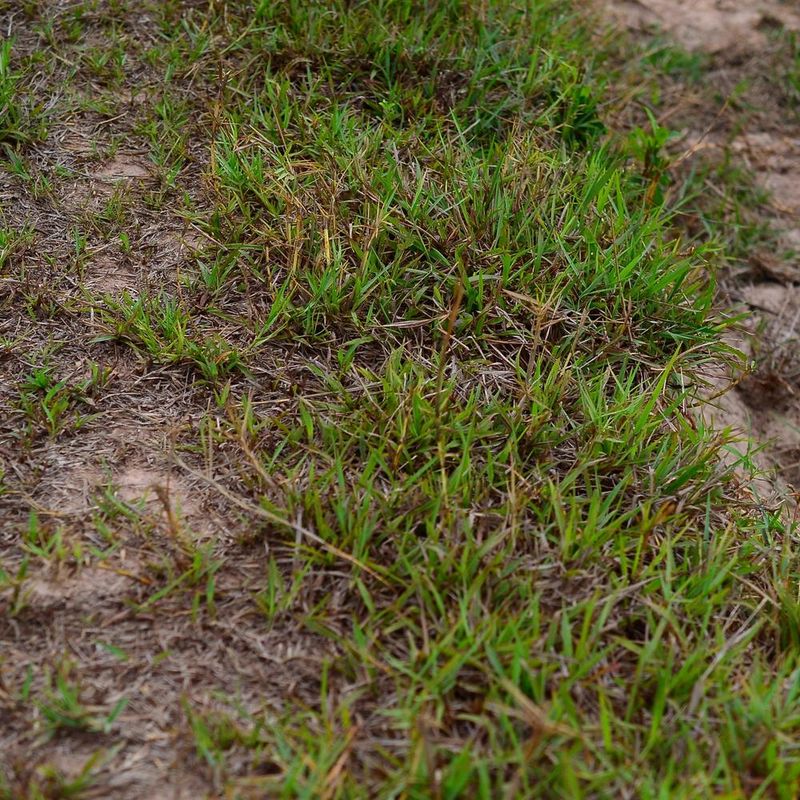
Walking across a lawn after a freeze might seem harmless, but each footstep compresses already-weakened grass plants. Freeze-damaged turf has brittle blades and compromised cell structure that can’t withstand the pressure of normal foot traffic.
What would barely affect healthy grass can cause significant additional stress to cold-damaged turf.
Soil compaction becomes a bigger problem when grass is stressed because the root system can’t push back against pressure as effectively. Compacted soil restricts air and water movement, making it harder for roots to function properly.
This creates a cycle where stressed grass becomes even weaker, delaying the recovery process.
Children playing, pets running, or even regular walking paths create visible wear patterns on freeze-stressed lawns. These high-traffic areas often stay brown longer than the rest of the yard because the grass can’t repair itself while being repeatedly compressed.
The damage compounds over time if traffic continues during the recovery period.
Smart Florida gardeners rope off heavily damaged sections or use temporary walkways to redirect foot traffic away from the most stressed areas. This simple step gives the grass a chance to recover without additional pressure.
Even a few weeks of reduced traffic can make a noticeable difference in how quickly the lawn returns to normal thickness and color.
5. Hidden Root Stress Delays Lawn Recovery
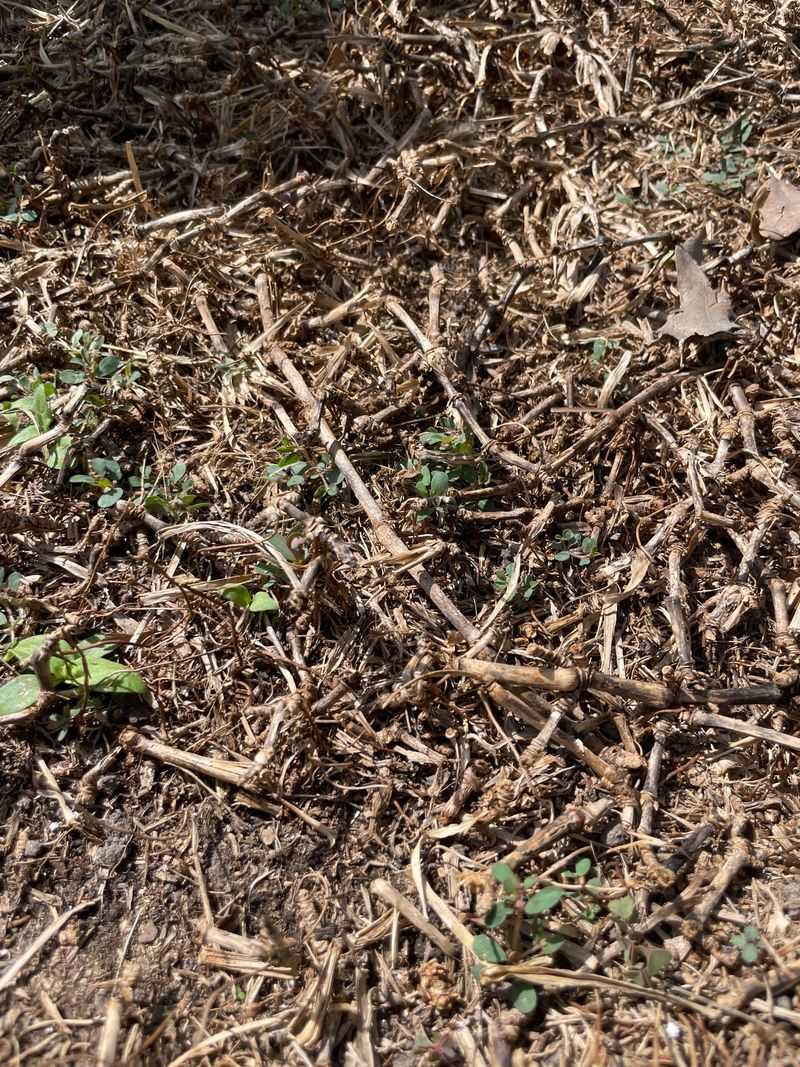
While brown blades are the most obvious sign of freeze damage, the real recovery challenge happens underground where roots struggle to function normally. Cold temperatures slow root metabolism dramatically, reducing the roots’ ability to absorb water and nutrients even after air temperatures warm up.
This hidden stress explains why lawns don’t bounce back immediately when sunny weather returns.
Root growth slows significantly during and immediately after a freeze event. The grass plant shifts into survival mode, focusing energy on protecting the crown and root system rather than producing new growth.
This protective response is helpful for long-term survival but means visible recovery takes longer than homeowners expect.
Sandy Florida soils can actually intensify root stress because they don’t hold heat as well as heavier soils. Roots in sandy soil experience more dramatic temperature swings, which adds to the overall stress.
The same soil characteristics that make Florida lawns drain well also mean roots have less insulation against sudden cold.
Recovery time varies depending on how deeply the cold penetrated the soil and how long freezing temperatures lasted. A brief overnight freeze causes less root stress than several consecutive nights of cold weather.
Understanding this underground timeline helps homeowners set realistic expectations for when their lawns will look healthy again.
6. Smart Watering Helps Lawns Bounce Back Faster
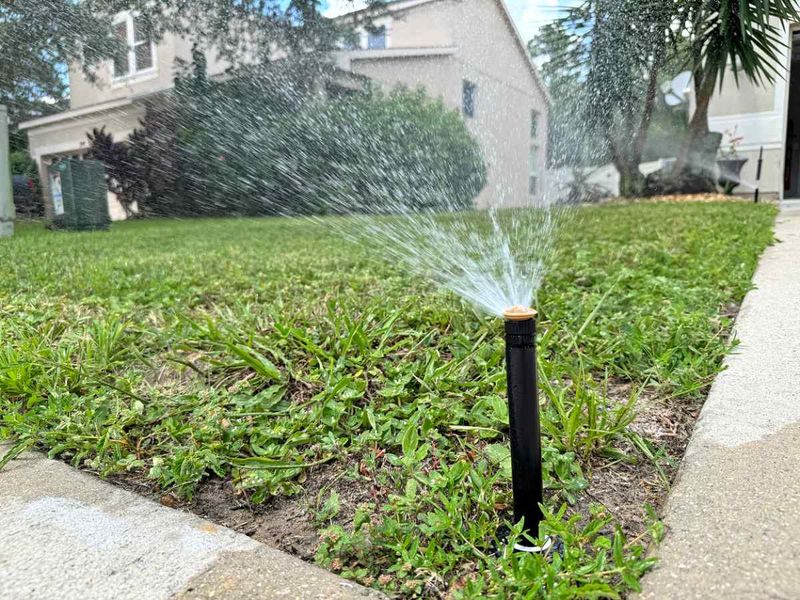
Proper watering after a freeze supports recovery without overwhelming stressed grass. Many homeowners make the mistake of overwatering, thinking extra moisture will help the lawn heal faster.
In reality, freeze-damaged grass has reduced water uptake capacity, so excessive watering can lead to fungal problems and root suffocation rather than faster recovery.
Florida’s sandy soils drain quickly, but that doesn’t mean constant watering is necessary. Stressed grass needs consistent but moderate moisture to support gradual root function recovery.
Checking soil moisture by hand before watering helps prevent both overwatering and underwatering during the critical recovery period.
Early morning watering remains the best practice because it gives grass blades time to dry before nightfall. This timing reduces disease risk, which is especially important when turf is already weakened from cold stress.
Avoiding evening irrigation helps prevent fungal issues that could compound freeze damage.
As temperatures stabilize and grass begins showing signs of new growth, gradually return to normal watering schedules. Watch for that first flush of green at the base of plants, which signals the grass is actively growing again.
At that point, consistent watering supports the new growth without the risks associated with watering dormant or severely stressed turf.
Patience with watering schedules pays off with healthier recovery.
7. Gentle Care Beats Quick Fixes After Freeze
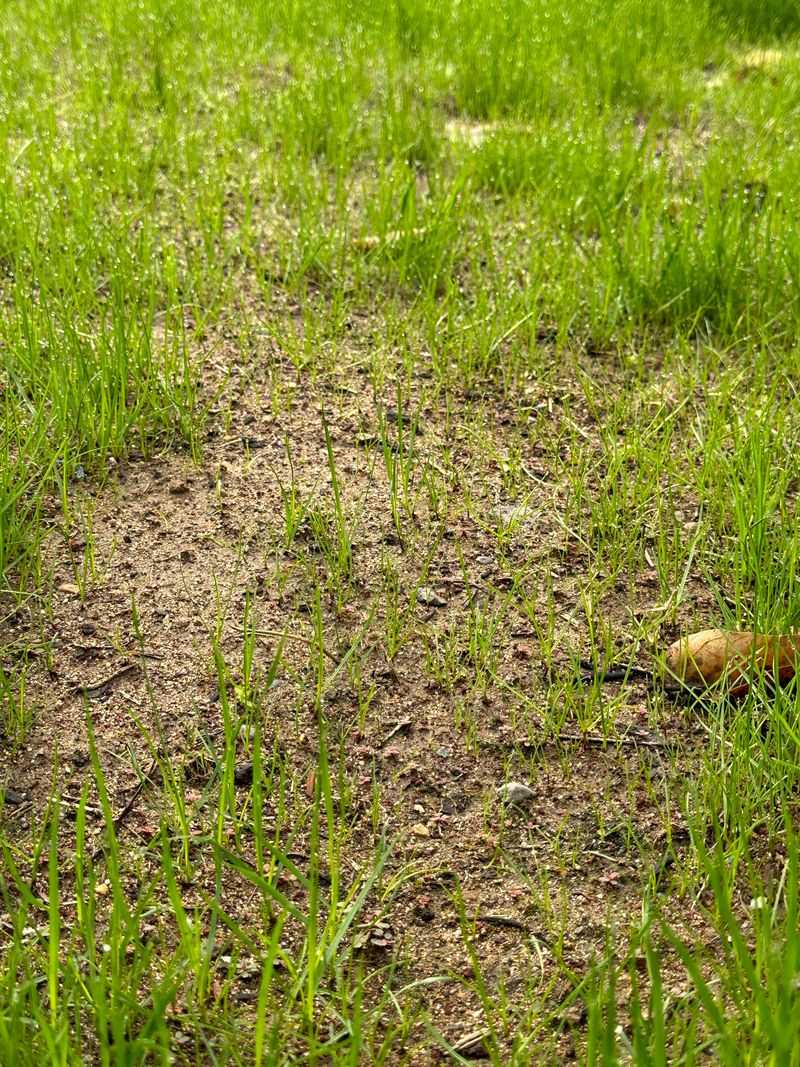
Aggressive fertilizing immediately after a freeze ranks among the worst mistakes Florida homeowners make with stressed lawns. Pushing heavy nitrogen into grass that can’t actively use it wastes money and can actually burn already-damaged turf.
The grass needs time to restart its growth processes before it can benefit from fertilizer applications.
Mowing too low in an attempt to remove brown blades strips away protective leaf tissue the grass needs during recovery. Scalping weakened turf exposes the crown to additional stress and removes the plant’s ability to photosynthesize effectively.
Raising mower height by at least half an inch during recovery gives grass a better chance to rebuild its energy reserves.
Quick-fix products promising instant green-up often contain dyes or stimulants that mask problems without addressing underlying stress. These products might make the lawn look better temporarily, but they don’t support genuine recovery.
Some can even interfere with the grass’s natural healing process by forcing premature growth before the root system is ready.
The most effective approach combines patience with gentle maintenance practices. Wait until grass shows active new growth before fertilizing lightly.
Mow only when necessary and at a higher setting. Avoid herbicide applications until the lawn has fully recovered.
This restrained approach feels counterintuitive but consistently produces better long-term results than aggressive intervention attempts.
8. Experienced Gardeners Are Repairing Lawns The Right Way
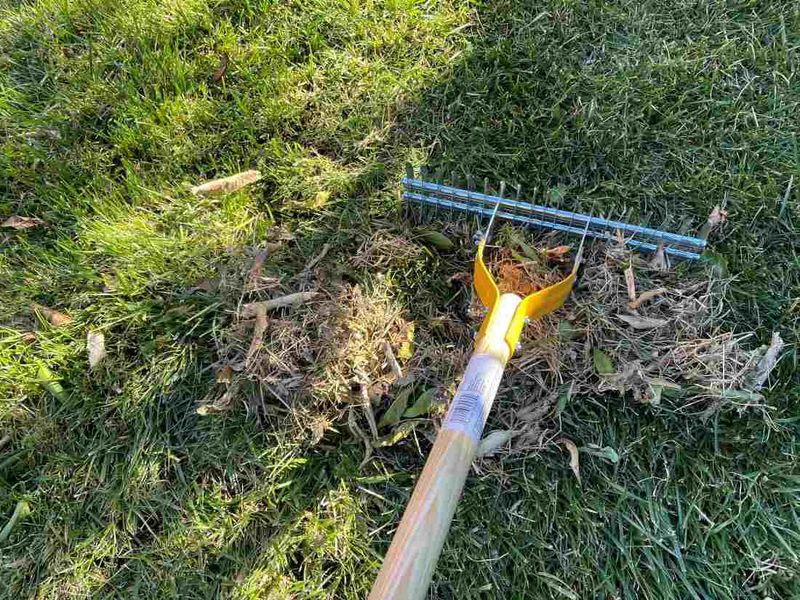
Experienced Florida gardeners know that patience is the most important tool for post-freeze lawn recovery. They resist the urge to take immediate dramatic action, instead watching and waiting for signs of natural recovery.
Most freeze-damaged lawns begin showing new green growth within two to four weeks as temperatures stabilize and roots resume normal function. In deeper freezes, full recovery may take longer depending on grass type and duration of cold exposure.
Proper mowing height makes a significant difference in recovery speed. Raising the mower blade to three and a half or four inches for St. Augustine grass gives plants more leaf surface for photosynthesis.
This extra leaf tissue helps the grass produce energy needed for recovery without the stress of constant cutting.
Light fertilization at the right time supports recovery without overwhelming stressed plants. Many successful Florida gardeners wait until they see consistent new growth before applying a balanced, slow-release fertilizer at half the normal rate.
This gentle feeding provides nutrients as the grass becomes ready to use them rather than forcing premature growth.
Spot-seeding or plugging may become necessary in severely damaged areas that don’t recover on their own. However, smart gardeners wait until late spring to assess which areas truly need replanting.
Many patches that look completely brown in January show surprising recovery by March. Gradual, observant care combined with realistic timelines produces the best results for bringing Florida lawns back to their pre-freeze health and beauty.