Why Mice Start Moving Closer To Ohio Homes In Fall – And What Your Yard Has To Do With It
A woodpile stacked against the garage wall in July. Nothing thought of it since.
By September, that same pile has become a mouse’s first stop on the way to your house, close enough to your foundation that scouting the place barely takes any risk at all.
Cooling weather is what starts the search, but your yard decides how it ends.
Dense shrubs against the siding, a shed with a gap under the door, anything stacked or overgrown near the foundation works as cover, a stepping stone mice use to case your house before ever committing to getting inside.
Strip those features away and mice have to cross open ground to reach you, exposed the whole way. Leave them in place and you’ve built the exact path they were looking for.
Most people notice mice once they’re already inside. The yard usually tipped its hand weeks before that.
1. Cooler Nights Push Mice Toward Shelter

As nights turn consistently colder, your house can become increasingly attractive as a source of warmth and shelter. Mice stay active all winter because they do not hibernate, so they need a warm base camp.
As outdoor temperatures drop, mice become more motivated to find sheltered places where they can escape cold, wind, and wet weather.
Your foundation, enclosed spaces, and warm air escaping from vents can all make the area around a house more attractive than exposed ground.
Ohio makes this worse than some states because our fall swings hard. A 70-degree afternoon can be followed by a 38-degree night, which means mice get repeated nudges toward shelter over several weeks.
Food outside is also shrinking at the same time. Seed heads dry up, insects slow down, and the easy pickings of summer fade, so a warm spot near a food supply becomes doubly valuable.
Practical move: pay attention to that first cold snap in late September or early October. Walk your yard and your foundation line during that window, because it is when scouting activity peaks.
Look for pencil-thin droppings along walls, small piles of shredded paper or insulation, and greasy smudges where fur rubs against siding. Catching these early signs gives you time to seal openings and trim cover before a small visit becomes a winter-long stay.
2. Dense Groundcover Gives Mice Easy Cover
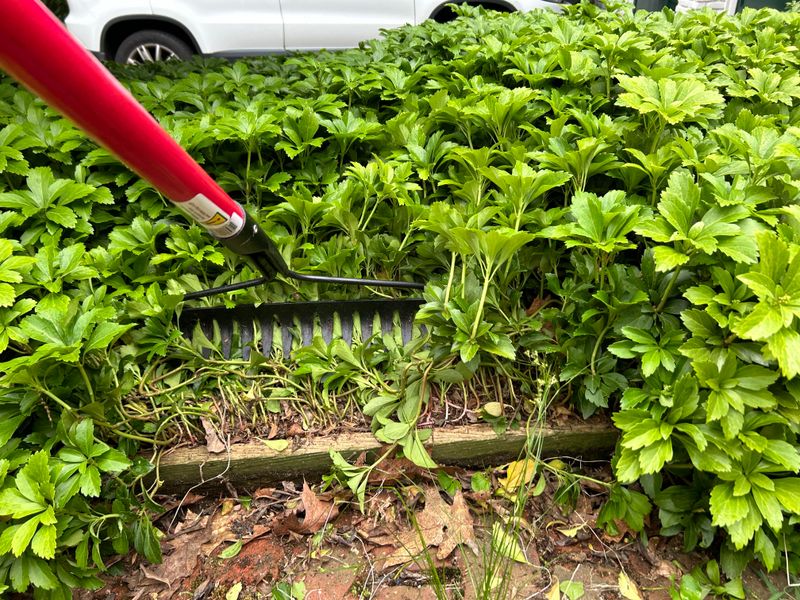
Landscapers love thick groundcover for the way it hides bare soil. Mice love it for the exact same reason.
Ivy, pachysandra, vinca, and dense low junipers create a shaded tunnel system where a mouse can move, nest, and feed without a hawk or cat ever spotting it. When that blanket of green touches your siding, you have basically built a covered walkway to your house.
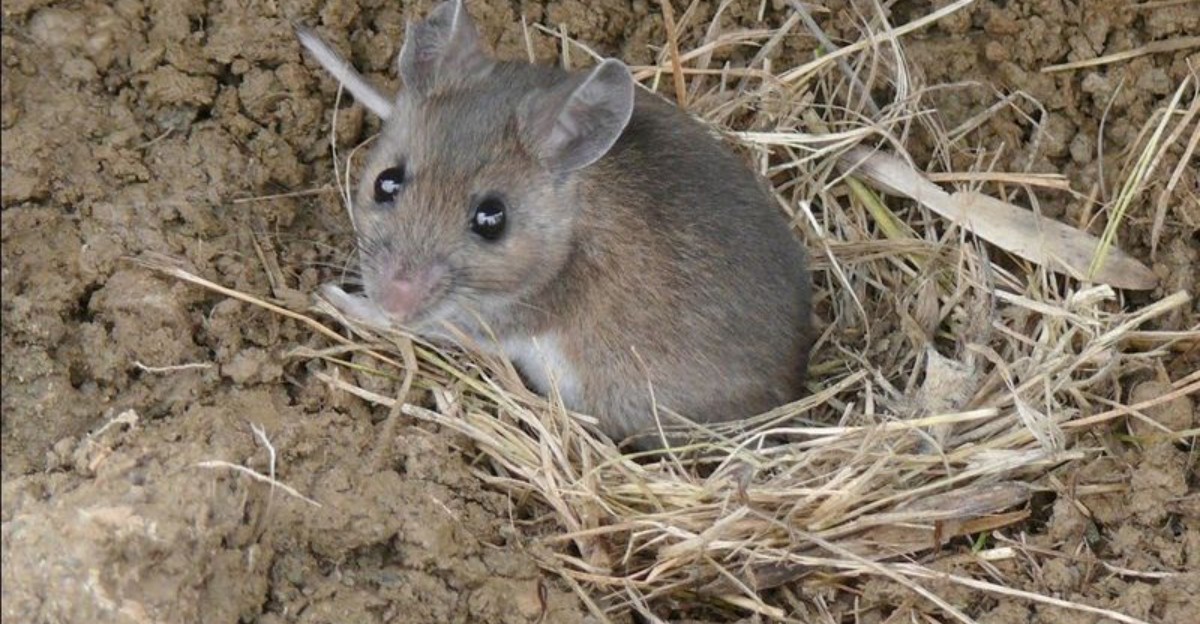
House mice do fine living outdoors in Ohio when cover is this good. They nest in the leaf litter underneath, raise young there, and slowly work their way toward the warmest edge of the yard as fall rolls on.
The fix does not mean ripping out your landscaping. Aim to leave a clear, easily inspected strip between dense plantings and the foundation rather than allowing vegetation to touch the house.
Your Ohio Garden Changes Every Week. Your Plan Should Too.
Gardening in Ohio changes quickly throughout the season. Every Friday you’ll receive a simple weekly plan showing exactly what to plant, prune, fertilize, harvest, and protect so you never miss the right timing.
Trim groundcover back so light and air reach the soil, and rake out the thick mat of old leaves that builds up beneath it. Shrubs should be pruned so the bottom several inches of trunk are visible.
A more open approach gives mice less cover and makes the foundation easier for you to inspect for signs of activity. That small strip of visibility does a surprising amount of work for you.
3. Woodpiles Create Convenient Hiding Places
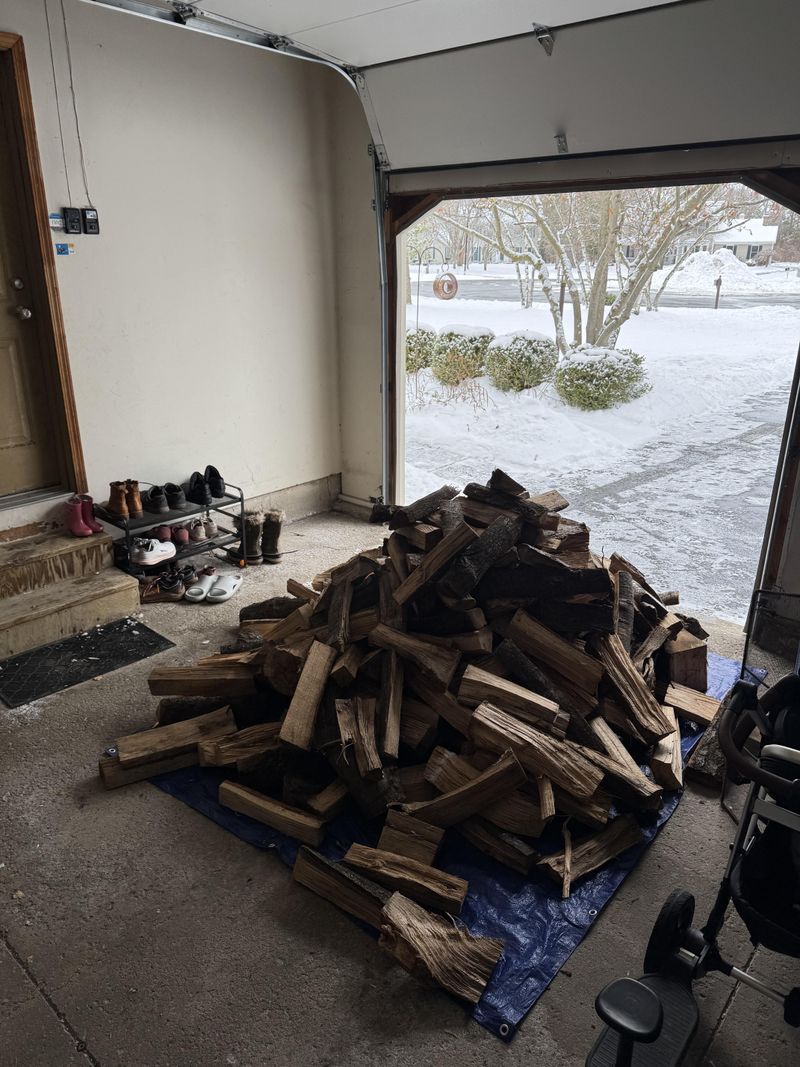
Ask any rodent to design a winter shelter and it would sketch something suspiciously like a woodpile. Stacked logs give warmth, hundreds of hiding pockets, protection from predators, and a built-in insect buffet under the bark.
Mice treat a woodpile as a fortress. From there, they run short scouting trips to whatever is nearby, and if that woodpile leans against your garage or sits five feet off the back door, your walls are the next stop.
Distance matters more than most homeowners expect. Keeping firewood at least 20 to 30 feet from the house gives rodents far less reason to make the jump indoors.
Getting the wood off the ground helps too. A metal rack or a pair of treated rails lifts logs eight inches or so, which cuts off the damp, hidden layer where nests usually form.
Stack loosely enough for air to move through, and rake leaves and bark scraps away from the base every few weeks. Debris buildup around a pile is often the real attraction, not the wood itself.
One more habit worth adopting: bring in only what you plan to burn in a day or two. Hauling a full armload into a warm basement sometimes brings passengers along for the ride.
4. Spilled Birdseed Offers An Easy Meal
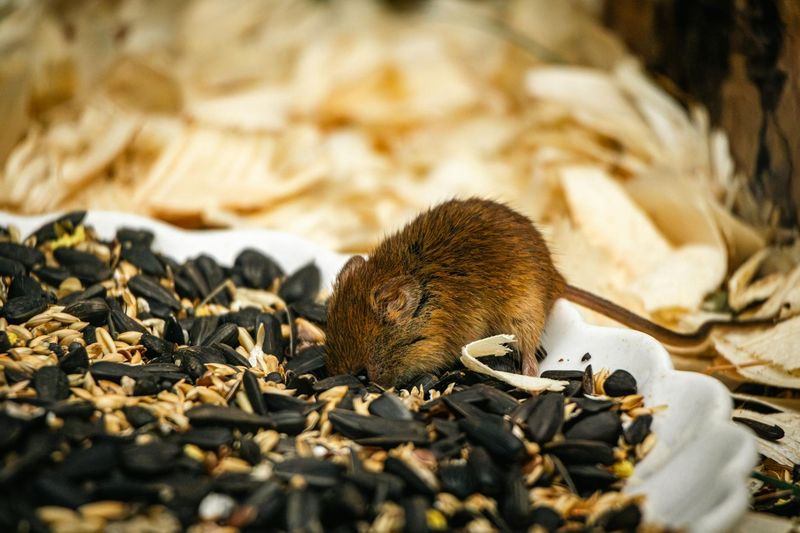
Feeding cardinals and chickadees is one of the best parts of an Ohio autumn. The trouble is that birds are messy eaters, and whatever they knock loose lands in a neat pile on the ground.
Sunflower seed is packed with fat and protein, which is exactly what a mouse wants heading into cold weather. A busy feeder can drop a cup or more of seed each day, creating a dependable food station that rodents remember and revisit.
Nobody needs to give up the hobby. A few adjustments make a real difference.
Hang feeders at least 15 to 20 feet from the house and away from fences or sheds. Add a wide seed tray underneath to catch the fallout, and rake or sweep the ground below once a week.
Switching seed types helps as well. Hulled sunflower chips, nyjer, and safflower leave less debris than striped sunflower or cheap mixes loaded with filler grain.
Store the bag itself in a metal can or thick plastic bin with a locking lid, not a paper sack in the garage corner. Rodents chew through paper and thin plastic without much effort.
Some Ohio homeowners pull feeders for a few weeks in late fall if they spot activity, then bring them back once things quiet down.
5. Pet Food Can Draw Rodents Closer
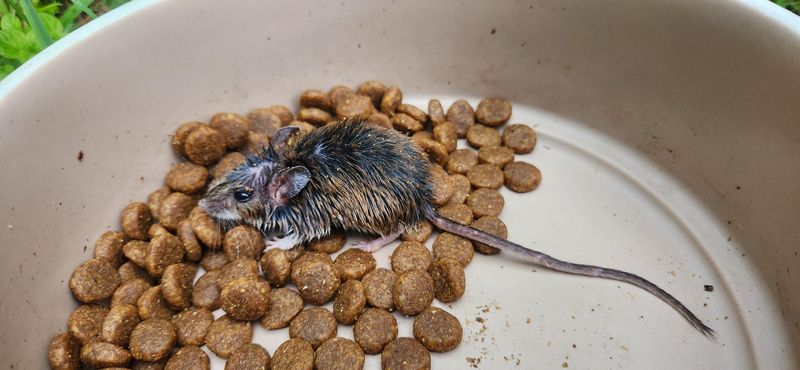
A bowl of kibble sitting out on the back patio overnight is, from a mouse point of view, room service. Dry and canned pet food both carry the protein, fat, and calories rodents hunt for as days grow shorter.
Mice follow smells, and they are happy opportunists. They rarely care whether food was meant for a beagle, a barn cat, or a backyard chicken.
Garages are the usual weak point. A half-open bag of dog food leaning against the wall gives constant access, and the paper or woven plastic offers almost no resistance to teeth.
Try feeding pets on a schedule instead of leaving bowls filled all day. Pick up leftovers within 20 minutes and rinse the bowl so crumbs and gravy residue do not linger.
Transfer every bag into a hard-sided container with a tight lid, ideally galvanized metal. Sweep behind the container too, since spilled kibble loves to roll into corners and stay there.
Outdoor feeding stations deserve extra care. Elevated platforms, covered bins, and quick cleanup keep a porch from becoming a neighborhood diner.
Birdseed and pet food stored together in one garage corner is a common setup in Ohio homes, and it is worth splitting up and sealing before the first hard frost.
6. Tall Grass Creates Protected Travel Routes
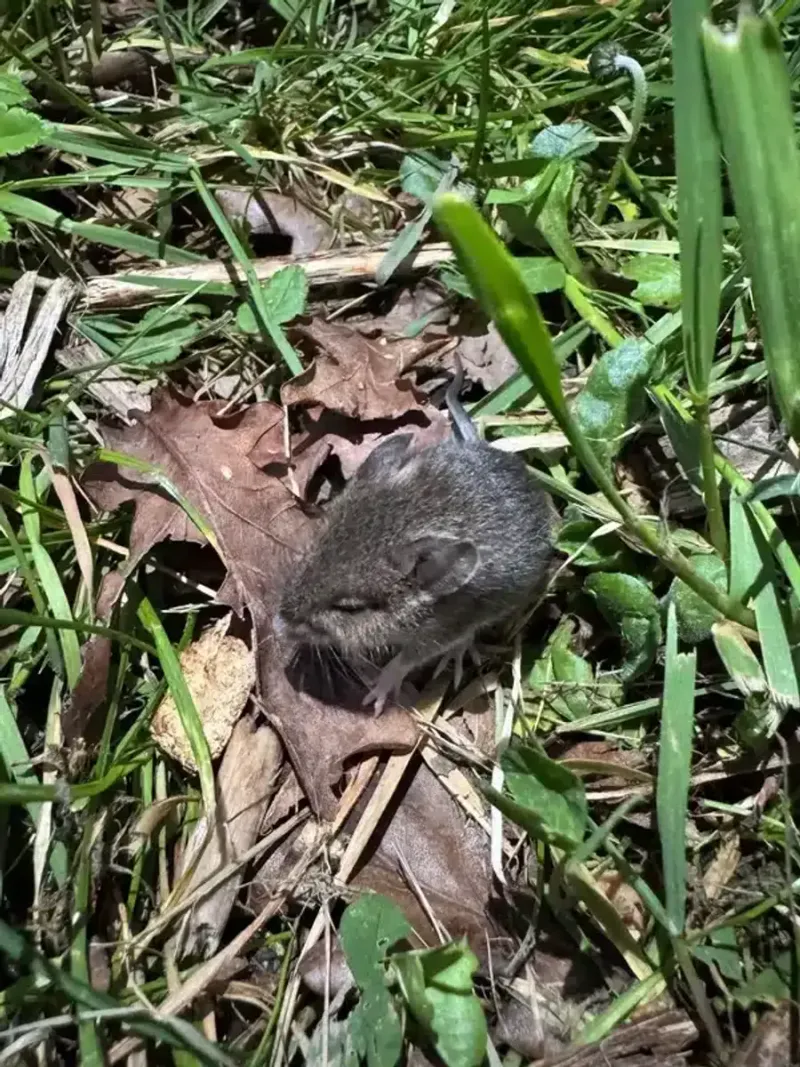
Picture a mouse standing at the edge of a mowed lawn. Open turf feels like walking across a stage with a spotlight on you, and owls and neighborhood cats are watching.
Now picture that same mouse in a strip of grass eight inches high. It disappears, and it can travel the length of your property without being seen once.
Tall grass, unmowed fence lines, and weedy corners act like hallways. They connect the field or wood lot behind your property straight to your foundation, and rodents use the same routes over and over.
Late-season mowing pays off here. Keep the lawn cut into October and November as long as it is still growing, and pay attention to the spots mowers usually skip.
Fence lines, the back of the shed, around the AC unit, along garden beds, and beside the mailbox post all tend to get shaggy. A string trimmer handles them in 15 minutes.
Weedy patches deserve the same treatment, especially where they meet a ditch, creek, or neighboring field. Ohio properties that border farmland or greenways see more pressure, so a mowed buffer of several feet is smart.
Short grass will not stop a determined rodent, but it removes the safe corridors that make the trip easy.
7. Sheds And Garages Offer Winter Refuge
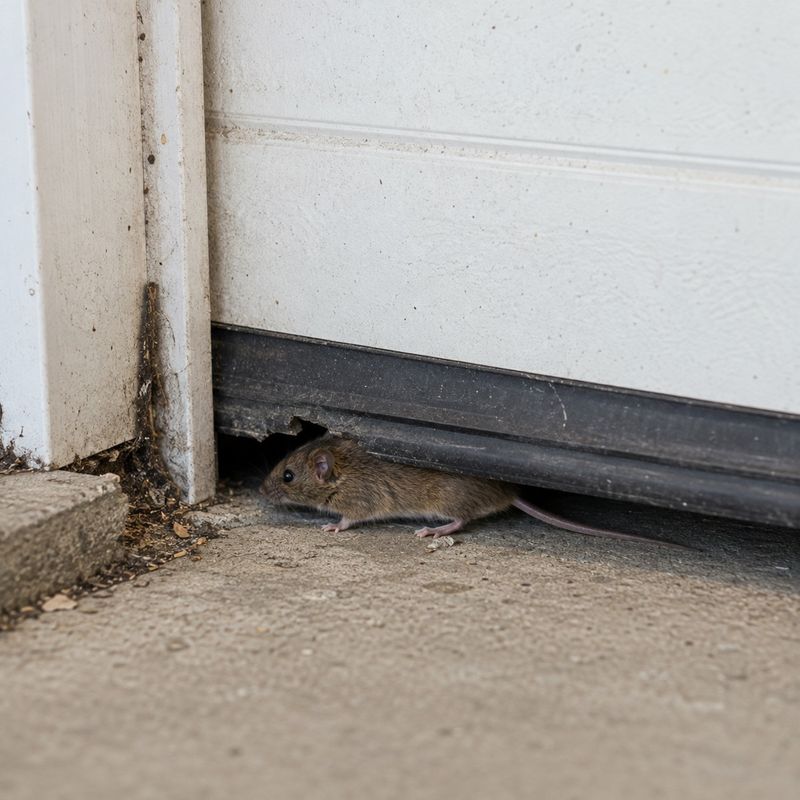
Sheds are the starter home of the rodent world. Quieter than a house, stuffed with cardboard and cushions, and often unopened for weeks at a time.
As Ohio temperatures drop, these outbuildings become prime real estate. They block wind, hold a bit of warmth, and offer dozens of tucked-away corners behind flowerpots, mower bags, and stacked totes.
Garages add one more perk: storage. Birdseed, grass seed, pet food, and even holiday candy in a spare fridge box give rodents shelter and groceries in one address.
Worth checking this month, the gap under the shed door. A quarter-inch space is enough, so add a sweep or a strip of metal flashing along the bottom edge.
Swap cardboard boxes for clear plastic bins with lids, since cardboard doubles as nesting material. Get seed and food bags into metal cans, and lift stored items off the floor onto shelves.
Look at the roofline and corners too. Gaps around vents, warped siding panels, and missing knotholes are common in older Ohio sheds and are easy to patch with hardware cloth.
Since garages connect directly to living space in most homes, sealing the door between the two matters. Weather stripping there blocks the shortest path from parking spot to pantry.
8. Foundation Gaps Turn Visits Into Indoor Problems
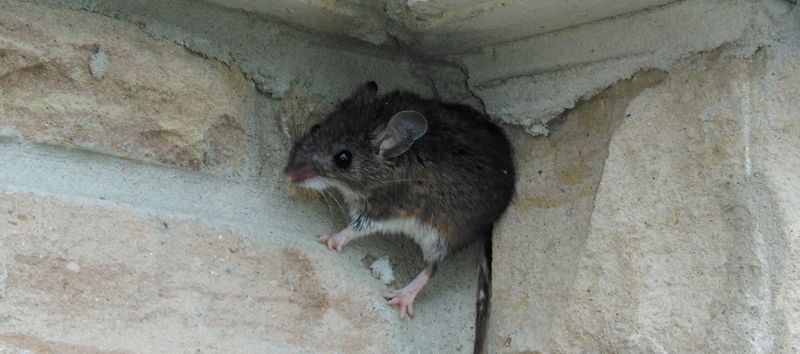
Here is the number that surprises people: a quarter inch. Roughly the width of a pencil or the thickness of a dime is all the room a mouse needs.
Their skeletons are flexible enough to squeeze through openings that look impossible, with the skull being the only real limit. If the head clears, the rest follows.
Ohio houses offer plenty of those openings. Gaps where siding meets the foundation, hairline cracks in block or poured concrete, and the holes cut for pipes, wires, and cables are the usual suspects.
Dryer vents with broken flaps, worn garage door seals, and flattened weather stripping around doors count too. So do crawl space vents with rusted screens and the space behind loose downspout brackets.
Grab a flashlight and work your way around the house at ground level. Anything a pencil fits into needs attention.
Steel wool packed tight works for small holes, though copper mesh lasts longer since it will not rust. Follow it with caulk, expanding foam, or hardware cloth for larger gaps, and screw metal flashing over chewed wood.
Skip foam alone as a permanent answer, because teeth get through it. Combining mesh with sealant gives you a barrier that holds up through an Ohio winter.
9. Fall Yard Cleanup Can Reduce Mouse Activity
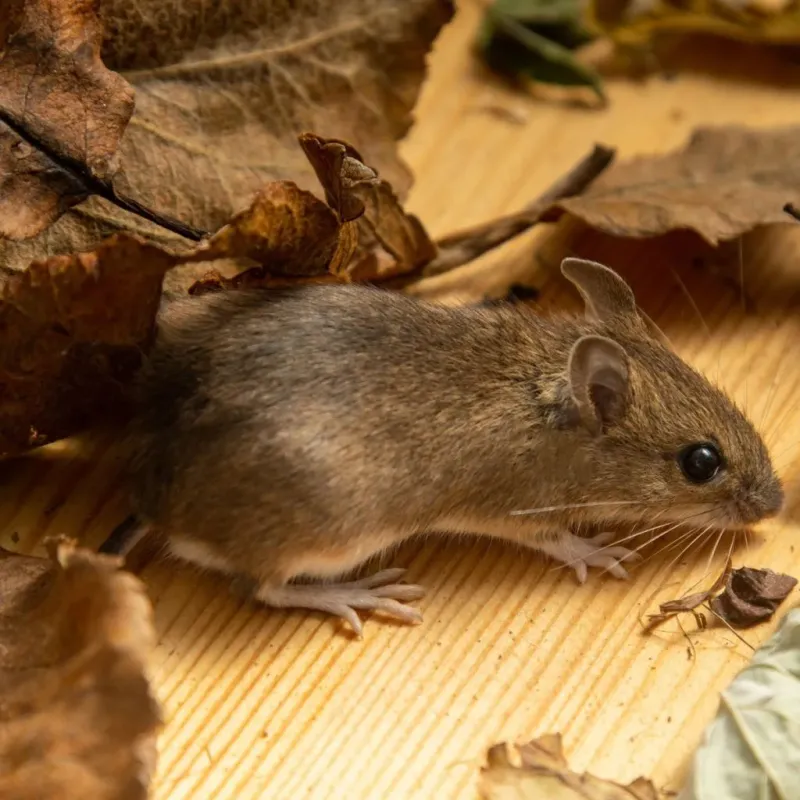
One good Saturday in October does more for rodent control than a shelf of gadgets. Cleanup works because it removes the two things mice came looking for: shelter and food.
Start with leaves. Piles that drift against the foundation, under decks, and around woodpiles turn into insulated nesting material, so rake them out and move them well away from the house.
Move firewood next if it sits too close, aiming for 20 to 30 feet of distance and eight inches of clearance off the ground. Trim dense groundcover back from the siding while you are at it.
Fallen fruit under apple and crabapple trees should be collected, since it draws rodents and the insects they eat. Harvest the last of the garden and pull spent tomato and squash vines too.
Clear out old buckets, tarps, unused planters, and stacked lumber, which all serve as convenient hideouts. Clean gutters so water does not soak the soil along your foundation.
Finish the day with the sealing walk described earlier, because prevention outside beats trapping inside every time.
Timing helps: getting this done before mid-November, ahead of Ohio’s steady cold, means fewer visitors already settled in. Repeat a quick check in early spring and you stay ahead of the cycle.