Why Michigan Deer Browse Tender New Growth First After Late-Summer Pruning
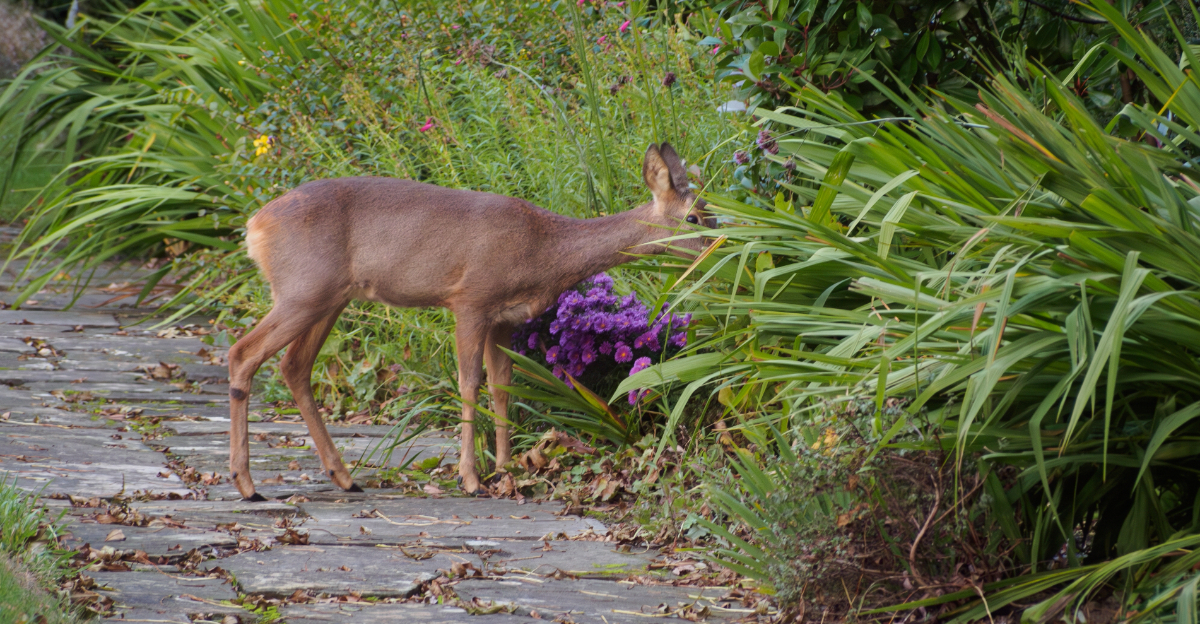
Deer are drawn to tender new growth because it’s softer, easier to digest, and packed with more nutrients than older foliage. After late summer pruning stimulates fresh shoots on many Michigan plants, deer often target these areas almost immediately.
This new growth also tends to have thinner cell walls, making it far more appealing compared to tougher, established leaves. Pruning right before deer activity increases in late summer can unintentionally create an easy buffet in your yard.
Applying repellents right after pruning helps protect vulnerable new shoots during their most attractive stage. Fencing or covering freshly pruned plants temporarily can also reduce browsing pressure significantly.
Timing pruning earlier in the season, when deer have other food sources, may reduce this risk overall. Understanding this pattern helps Michigan gardeners plan pruning schedules more strategically going forward.
1. Pruning Can Trigger A Flush Of Fresh Shoots
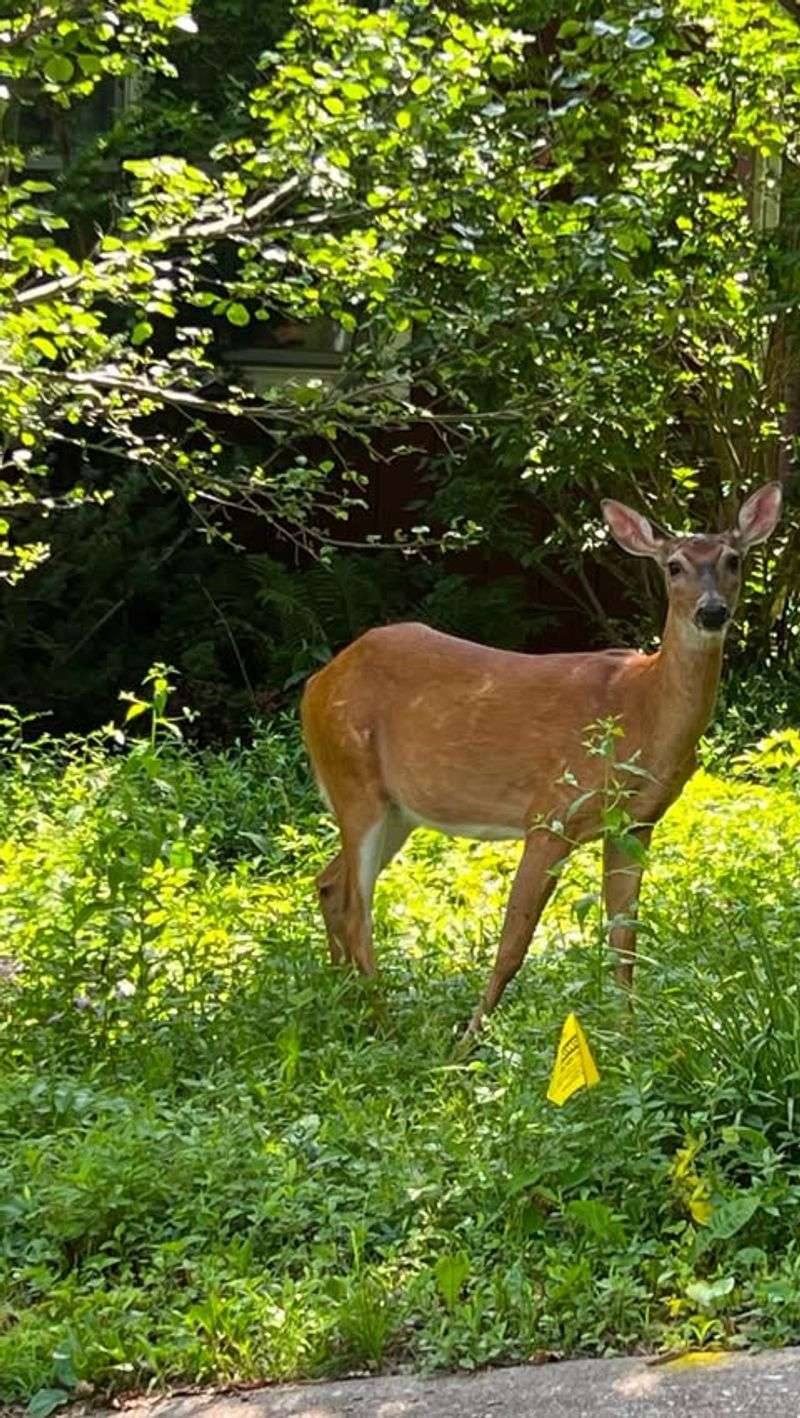
Something remarkable happens beneath the surface of a shrub right after you make your cuts. Pruning removes the dominant growing tips, and that signals dormant buds lower on the stem to wake up and push outward.
Within days, you may notice clusters of soft, bright green shoots emerging along the outer edge of the plant exactly where deer can reach them with ease.
Not every shrub responds the same way, though. The flush of new growth depends heavily on the species, the severity of the pruning, soil moisture levels, and the weather at the time.
A light cleanup of a few damaged stems rarely triggers the same dramatic response as heavy shearing or reshaping an entire hedge.
Late summer adds another layer of complexity. Shrubs have already been working hard through the growing season, and their stored energy reserves are being used to support that regrowth push.
Species like forsythia, lilac, and viburnum that set next year’s flower buds during late summer are particularly vulnerable because the new growth that emerges after cutting can interfere with that process.
Moisture also plays a big role. Shrubs that receive regular irrigation during dry stretches tend to bounce back faster and produce more noticeable regrowth than those relying solely on rainfall.
That vigorous, well-watered new growth stands out visually and aromatically in the landscape.
Understanding this response helps you time your pruning more strategically and prepare protective measures before deer ever get the chance to browse.
2. Tender Growing Tips Are Easier For Deer To Eat
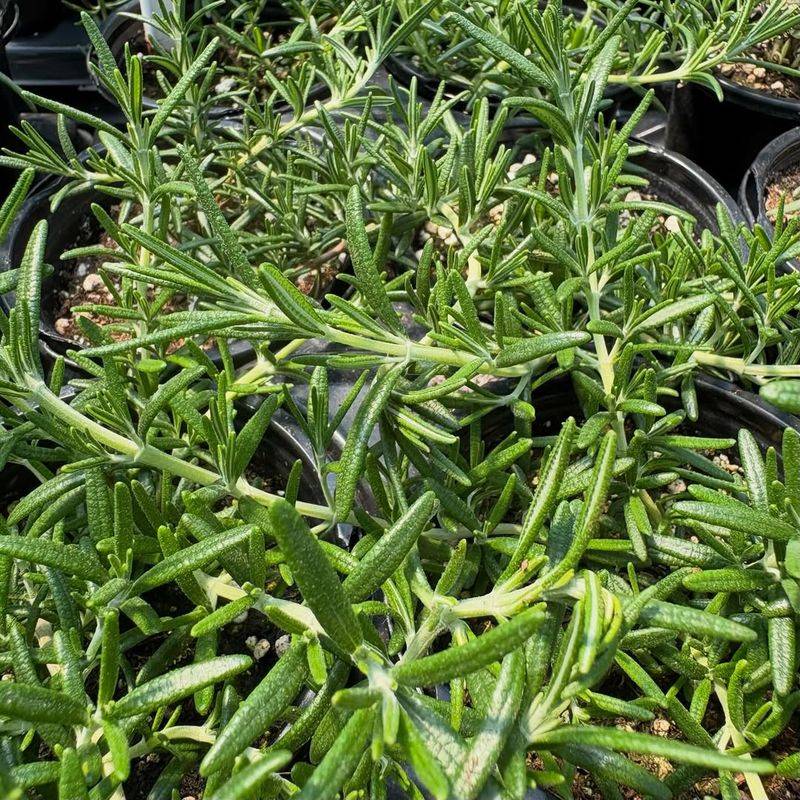
Fresh new shoots are practically irresistible to deer, and the reason comes down to simple biology. New plant growth is soft, succulent, and far less fibrous than mature woody stems.
Deer teeth and digestive systems are built for browsing, but that does not mean every plant part is equally appealing. The newest growth requires the least effort to chew and process, making it the obvious first choice.
Beyond texture, tender shoot tips tend to carry a higher concentration of nutrients, particularly proteins and sugars, compared to older, toughened foliage.
During late summer, when deer are building body condition ahead of the colder months, those nutrients matter.
Your Michigan Garden Changes Every Week. Your Plan Should Too.
Gardening in Michigan changes quickly throughout the season. Every Friday you’ll receive a simple weekly plan showing exactly what to plant, prune, fertilize, harvest, and protect so you never miss the right timing.
Fresh regrowth after pruning can look and smell noticeably different from the surrounding mature foliage, which helps deer locate it quickly even from a short distance.
Newly emerging shoots also lack the tougher cell walls and in some cases the stronger tannins or resins that develop as plant tissue matures.
That makes the chewing process genuinely easier for a deer, especially when compared to the thick, leathery, or waxy leaves that some Michigan shrubs develop by midsummer.
Worth noting is that not every new shoot will be browsed. Deer preferences shift based on the plant species, local food availability, and the level of deer pressure in your specific neighborhood.
A yard with heavy deer traffic will see much faster and more thorough browsing than a yard where deer pass through only occasionally. Knowing your local deer pressure helps you predict how quickly action is needed.
3. New Growth Appears At Convenient Browsing Height
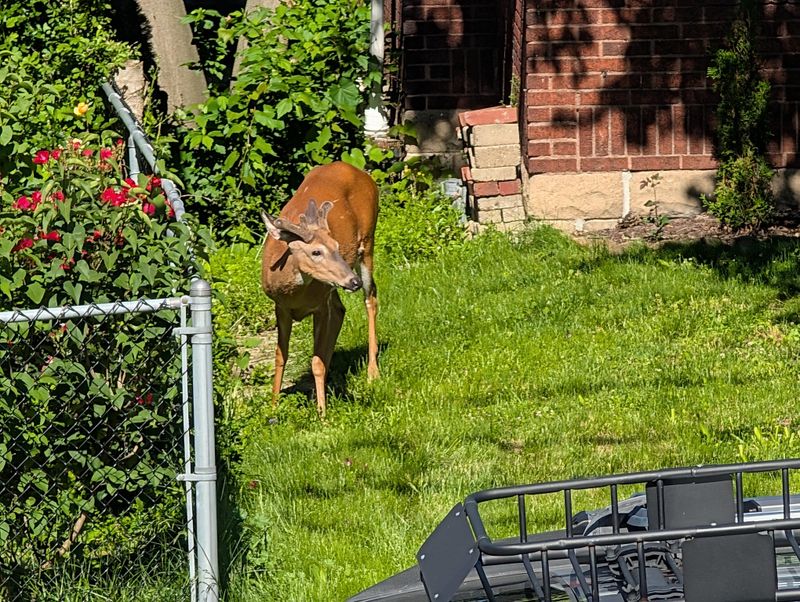
Pruning does more than shape a plant. It concentrates the newest, most tender growth along the outer and upper portions of the shrub, which happen to be exactly within a deer’s comfortable feeding range.
A white-tailed deer in Michigan typically browses from ground level up to about six feet, with the sweet spot falling somewhere between two and five feet for relaxed feeding without straining.
When you shear a hedge into a neat, uniform shape, you are essentially creating a tidy layer of fresh shoot tips at a fairly consistent height around the entire plant. From a deer’s perspective, that is an organized buffet.
Rather than searching through thick interior branches for something worth eating, they can work along the outside of the shrub and collect tender growth with minimal effort.
Over time, a clear browse line can develop on shrubs that face repeated deer feeding. The foliage below a certain height gets stripped while growth above remains intact, creating a distinctive gap that is easy to spot once you know what to look for.
Uneven missing tips, ragged outer edges, and a flat-topped appearance on shrubs that were not pruned that way are all reliable visual clues.
Deer can also stretch higher than their typical comfortable range when motivated by particularly appealing growth. Young deer and does are especially agile and can reach growth that seems safely out of reach.
Planting tall-growing species or adding height to your fencing is one reason gardeners find success keeping deer away from newly pruned plants.
4. Dry Late Summer Vegetation Makes Regrowth Stand Out
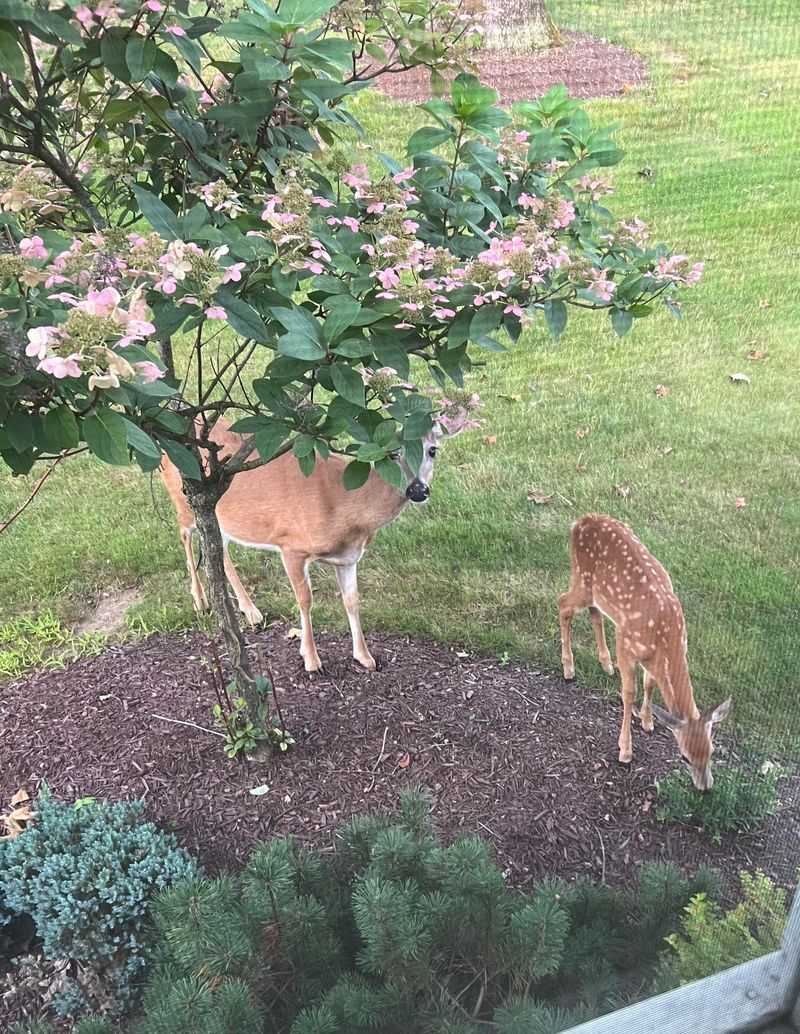
By the time August rolls around in Michigan, a lot of the natural vegetation has already toughened up, dried out, or become far less appealing to browse.
Grasses go dormant, wildflowers set seed, and many woodland plants shift their energy underground.
In the middle of that dry, mature landscape, a freshly pruned shrub pushing out bright green regrowth is practically impossible for a passing deer to ignore.
Irrigated landscape plants have a clear advantage over surrounding natural vegetation when rainfall is scarce.
A well-watered arborvitae or spirea producing fresh shoots in August looks and smells completely different from the dried-out goldenrod or fading ferns at the woodland edge.
Deer are constantly comparing available food sources, and they will reliably revisit locations where they previously found something worth eating.
Drought conditions amplify this effect considerably. When a dry summer reduces food quality across the board, even plants that deer might normally overlook can become targets if they happen to be producing fresh growth.
Late summer pruning during a drought year can draw noticeably more browsing pressure than the same pruning done during a wet, lush season when natural alternatives remain plentiful.
Local food availability is always a contributing factor rather than the whole explanation. Deer in areas with abundant natural browse may show less interest in garden plants even when those plants are producing attractive new growth.
But in suburban Michigan neighborhoods where natural habitat is limited, freshly pruned shrubs can become a reliable stop on a deer’s regular feeding circuit. Keeping that in mind helps you time pruning decisions wisely.
5. Familiar Deer Routes Lead Them Back To The Same Shrubs
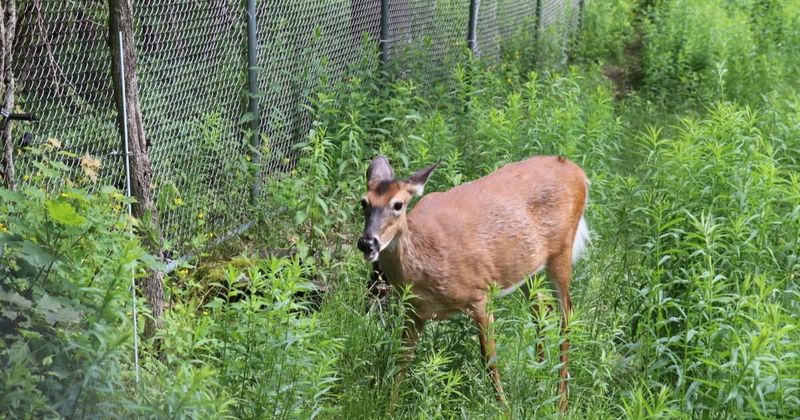
Deer are far more predictable than most people realize. They are creatures of strong habit, following established travel corridors and feeding routes day after day, season after season.
A shrub located beside a fence opening, near a woodland edge, or along a quiet side yard can face repeated browsing simply because it sits directly on a route deer already use regularly.
Pruning does not necessarily attract deer from a great distance. What it does is reward deer that already pass through your yard.
When a familiar shrub suddenly offers fresh, easy-to-eat growth, deer learn quickly and return with purpose. Over time, that shrub becomes a reliable stop on their route, and even after the new growth matures, they may continue checking it out of habit.
This is why the same species of shrub in two different yards can experience completely different levels of browsing.
A forsythia growing beside an established deer trail may get browsed repeatedly while an identical forsythia planted in a yard with no regular deer traffic remains untouched for years. Location relative to deer movement patterns matters enormously.
Identifying deer trails in your yard takes a little observation. Look for worn paths through grass, tracks in soft soil near garden beds, or areas where mulch gets regularly disturbed.
Once you spot a trail, you can prioritize protecting plants that fall directly along it. Shrubs positioned away from regular deer corridors may need less intervention, while plants on active trails should be protected as soon as pruning is complete, not after browsing begins.
6. Repeated Browsing Can Weaken Late Season Recovery
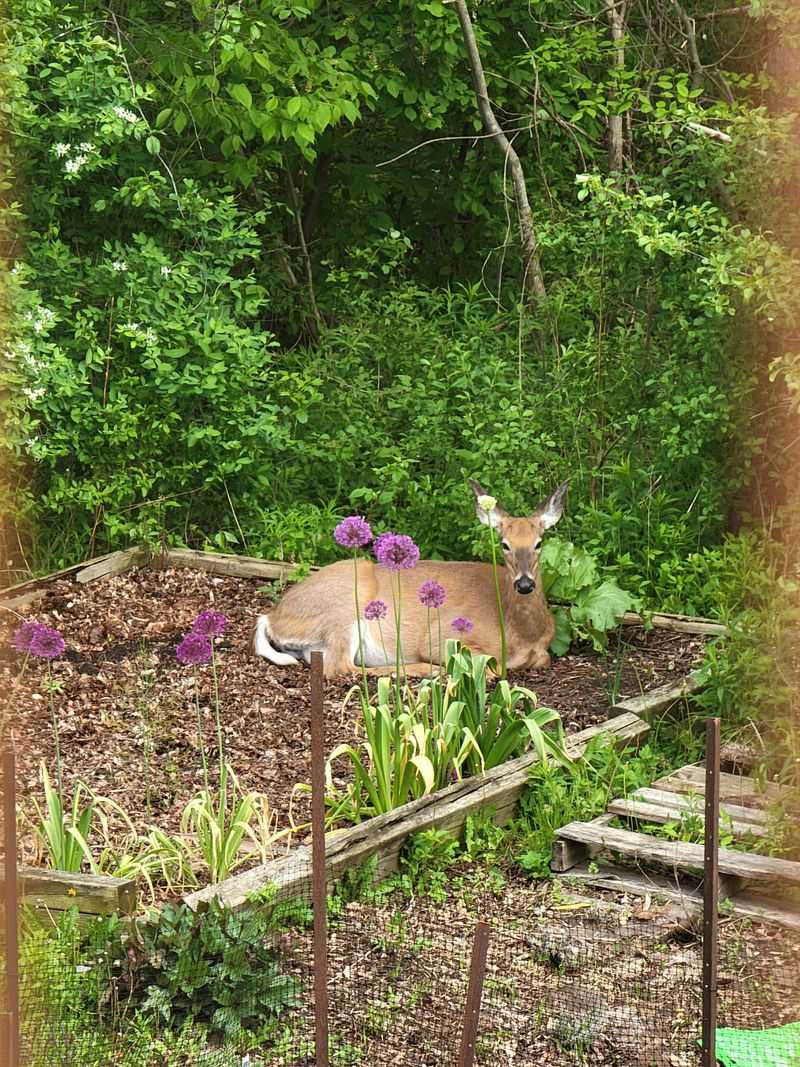
One round of browsing is frustrating enough, but repeated visits from deer can create a real challenge for a shrub trying to recover before cold weather arrives.
Each time deer remove fresh shoots, the plant has to dip into its stored energy reserves to push out another round of replacement growth.
That cycle of growth and removal is genuinely taxing on a plant that should be preparing for winter.
Repeated browsing reduces the overall leaf area available for photosynthesis. Fewer leaves means less energy production, and that can leave a shrub heading into autumn in a weaker state than it would otherwise be.
For species that set next year’s flower buds during late summer, like rhododendron, lilac, or forsythia, browsing that removes those developing buds means a noticeably reduced bloom the following spring.
Tender replacement growth that emerges after repeated browsing also has limited time to harden off before Michigan’s first frosts arrive. Soft, succulent tissue is far more vulnerable to cold damage than mature, lignified stems.
A shrub that has been repeatedly browsed through August and September may enter the colder months with fresh growth that was never able to toughen up properly.
The good news is that most healthy, established shrubs can handle a season of browsing pressure without serious long-term consequences, especially if protective measures go into place before the situation escalates.
Recovery depends on the shrub species, the overall health of the plant, and how severely and how often the browsing occurred. Acting early always produces better outcomes than waiting to see how bad it gets.
7. Ragged Ends Help Confirm Deer Browsing

Not sure whether deer are responsible for the missing growth on your shrubs? The shape of the damage itself is one of the most reliable clues you can find.
Deer lack upper front teeth, so instead of cutting through a stem cleanly, they grip and pull the vegetation, leaving a ragged, torn, or frayed end behind. That shredded appearance is completely different from the smooth, angled cut left by pruning shears or loppers.
Rabbits also browse Michigan gardens and are sometimes blamed for deer damage. The key difference is height and cut quality.
Rabbits produce a clean, diagonal cut and typically work below about two feet from the ground. Deer browsing extends from ground level up to five or six feet, and the torn stem ends give them away every time.
Finding damage at multiple heights strongly suggests deer rather than smaller animals.
Beyond stem ends, look for additional supporting evidence. Hoof prints in soft soil or mulch near garden beds are a clear sign.
Deer droppings, which are small, oval, and grouped in clusters, often appear nearby. You may also notice missing leaves, stripped flower buds, and a distinct browse line where foliage disappears below a certain height while growth above remains intact.
Putting together several clues at once gives you a confident answer. A combination of ragged stem ends, prints, droppings, and damage at consistent browsing height makes the identification straightforward.
Once you confirm deer are the culprit, you can focus your energy on the right protective strategies rather than guessing at the cause and responding to the wrong problem.
8. Protection Should Begin Before New Shoots Expand
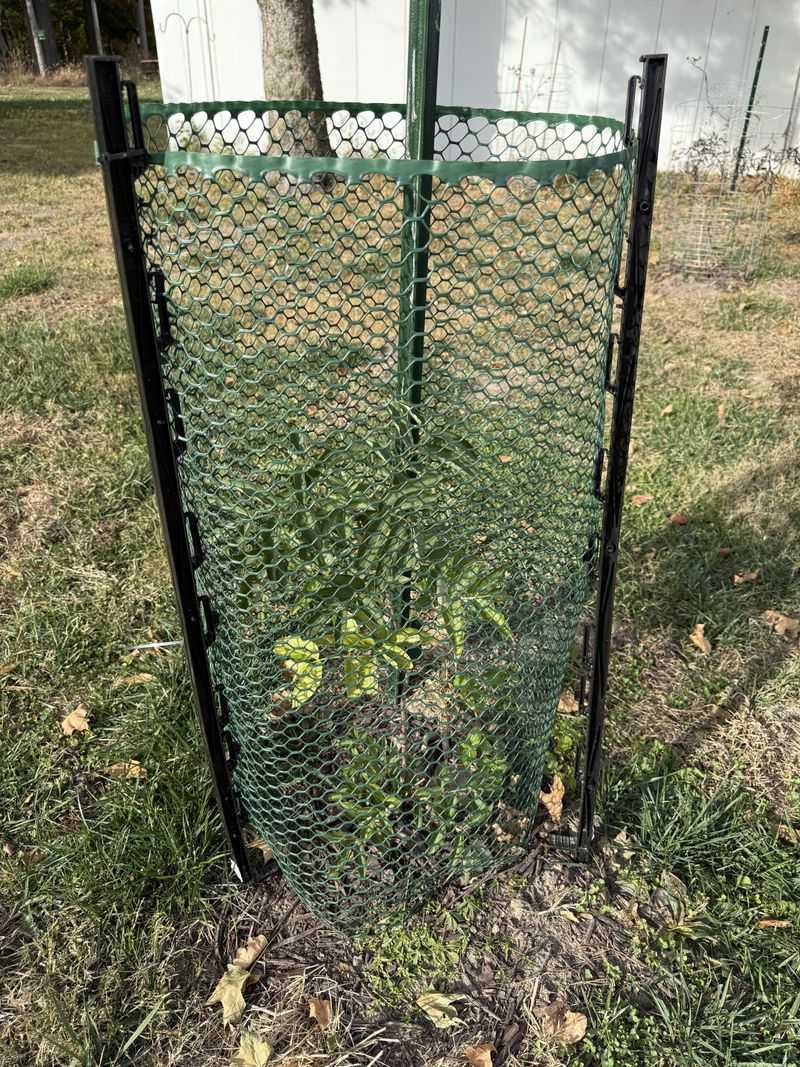
The single most effective thing you can do for freshly pruned shrubs is protect them before deer ever get a taste.
Once deer discover that a plant produces appealing regrowth, they will return to it repeatedly, and breaking that habit takes considerably more effort than preventing it in the first place.
Getting protective measures in place right after pruning puts you ahead of the problem. Physical barriers are the most dependable option where deer pressure is consistent.
Temporary wire cages placed around individual shrubs work well for smaller plants, and mesh netting draped over larger shrubs can provide solid coverage as long as it is held away from the foliage itself.
Netting that rests directly on the plant can still allow deer to pull growth through the openings. A sturdy fence standing at least eight feet tall remains the gold standard for persistent deer problems across an entire yard.
Repellents can also help when applied correctly. Products should go on before browsing becomes routine, and labels should be followed carefully for both application rate and reapplication timing.
Rain, irrigation, and new growth all reduce repellent effectiveness, so regular renewal is part of making them work. Rotating between different repellent types can also prevent deer from simply adjusting to a familiar scent.
On the cultural side, avoiding heavy pruning and excess nitrogen fertilizer late in the season reduces the amount of tender new growth that appears in the first place.
Most shrubs benefit from having their major shaping done at the right time for their species, which for many Michigan shrubs means late winter or early spring rather than late summer.
Timing your pruning thoughtfully is one of the simplest ways to reduce deer interest without adding extra work to your routine.