The Florida Yard Issue That HOAs Cite Most Often And The Native Plant That Fixes It
HOA violation notices in Florida yards follow patterns, and one issue shows up on more letters than almost anything else. Not the dramatic infractions, not the obvious neglect.
A specific, recurring yard condition that certain landscapes produce season after season without the homeowner ever fully resolving it. Most homeowners respond to the citation the same way.
A quick fix, a temporary solution, something that satisfies the inspector until the condition comes back and the cycle starts over. One Florida native plant addresses the underlying issue rather than the symptom.
It solves what the HOA keeps citing while improving the yard in ways that go well beyond compliance. Lower maintenance, better drainage, real visual structure that holds through the season without constant intervention.
The fix that actually works is not the one most cited homeowners reach for first. It is the one that makes the violation letter stop arriving entirely.
1. Bare Patchy Turf Gets Noticed Fast
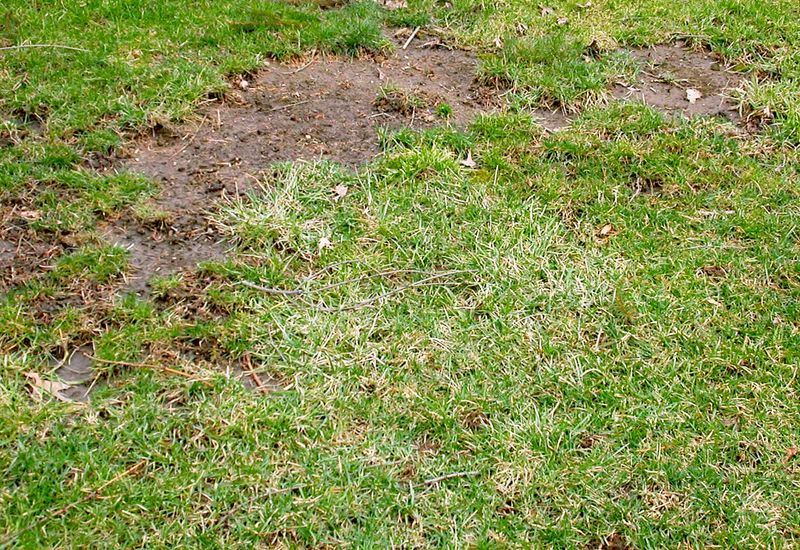
Picture a front yard where the grass near the driveway has worn down to bare sand, and the edges along the sidewalk are ragged and weedy.
That kind of visible damage catches the eye immediately, and in HOA communities, it often catches more than just a neighbor’s glance.
Bare, patchy, or thin turf is one of the most visible maintenance problems a front yard can show. Exposed soil can wash away during rain, weeds move in quickly, and the overall look signals neglect rather than care.
HOA communities often focus on curb appeal because the front yard affects the entire street’s appearance, and notices frequently target the most visible problems first.
Many HOA governing documents include language about lawn maintenance, weed control, and keeping ground cover presentable. That does not mean every community handles things the same way.
HOA rules vary widely, so homeowners should read their covenants and design standards carefully before making any changes.
Knowing why bare turf stands out is the first step toward fixing it with a real plan. A patchy lawn is not just a cosmetic annoyance.
It is often the start of a longer problem that gets harder to solve the longer bare soil sits exposed.
2. Sunshine Mimosa Fills Gaps With Living Green
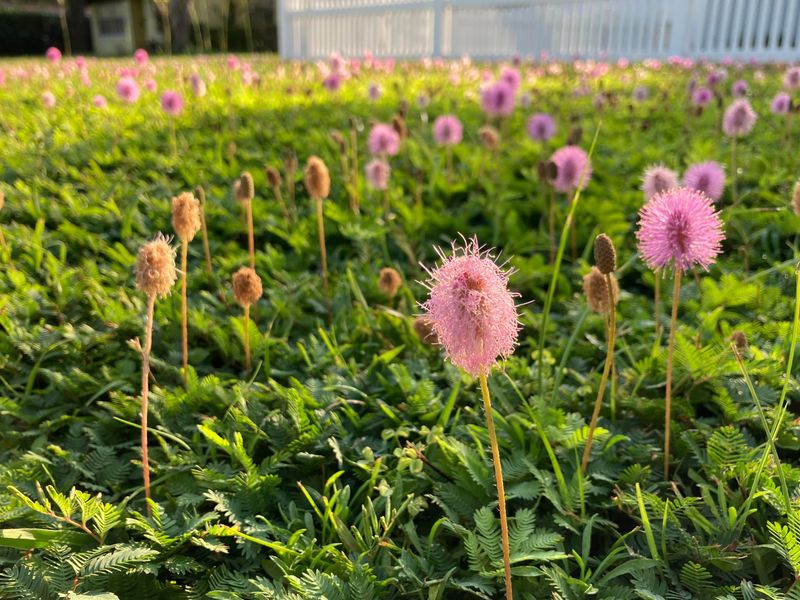
Not every struggling patch of grass needs to be resodded. In spots where turf keeps thinning out despite regular care, a native groundcover may actually be a smarter long-term answer.
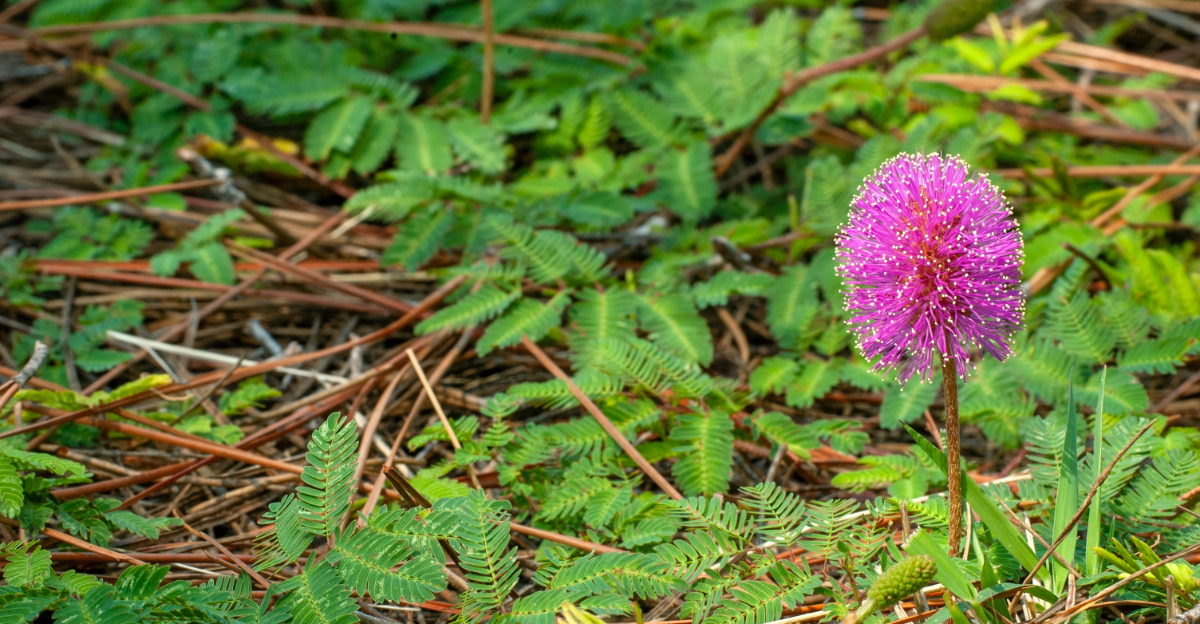
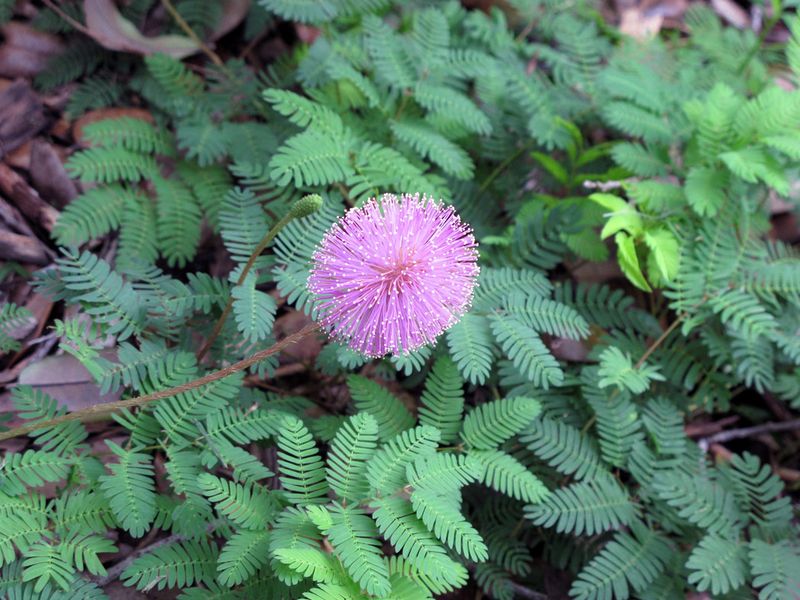
Sunshine mimosa, known scientifically as Mimosa strigillosa, is a low-growing native plant that spreads across the ground and fills open areas with dense green foliage.
According to the University of Florida IFAS Extension, sunshine mimosa is a Florida native that works well as a groundcover in sunny, well-drained sites. It grows only a few inches tall and spreads by runners, which means it gradually fills bare spots over time.
It is not an overnight solution, and it will not cover bare soil in a single season without proper planting, spacing, and care during establishment.
Sunshine mimosa grows best in full sun and does not perform well in shady spots or areas with standing water. Choosing the right location matters more than anything else.
Your Florida Garden Changes Every Week. Your Plan Should Too.
Gardening in Florida changes quickly throughout the season. Every Friday you’ll receive a simple weekly plan showing exactly what to plant, prune, fertilize, harvest, and protect so you never miss the right timing.
Plant it where the site actually fits the plant’s needs, and it will reward you with a living carpet that looks far better than a patch of bare sand.
It is a plant for the right place, chosen with a real plan, not just dropped into any open spot and left alone.
3. Pink Powderpuff Blooms Make It Look Intentional
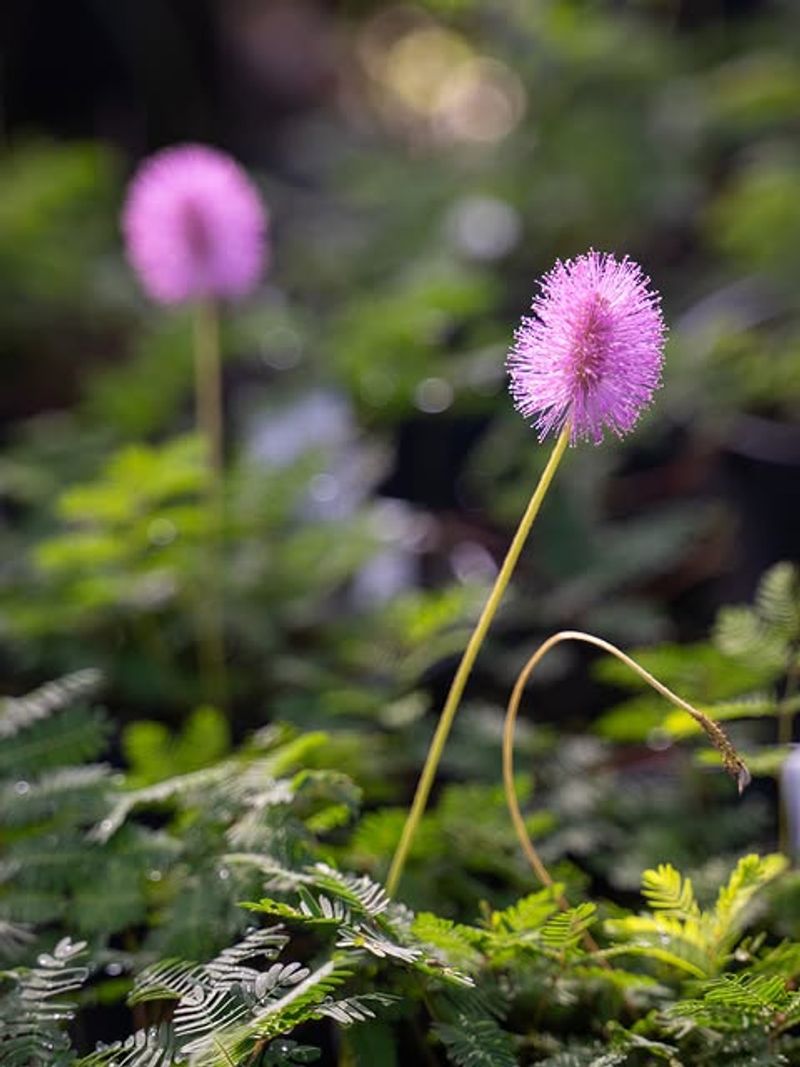
One small pink bloom can change everything about how a planting looks. Sunshine mimosa produces soft, rounded, powderpuff-style flowers that are hard to miss when the plant is healthy and in a good location.
Those blooms are what separate a planned groundcover bed from a yard that just looks like it stopped trying.
The flowers tend to appear during warmer months, though bloom timing and frequency can vary based on sunlight, moisture, and plant health. A plant in full sun with good drainage will generally bloom more reliably than one struggling in the wrong spot.
Expecting constant blooms every single day is not realistic, but expecting a noticeable flowering display during the growing season is fair when the site fits the plant.
Pollinators, including native bees, are often attracted to the blooms. The University of Florida IFAS Extension notes that sunshine mimosa provides value to pollinators, which adds another layer of purpose to the planting beyond just looks.
From a design standpoint, flowers signal intention. A bed of low green groundcover with soft pink blooms reads as a landscaping choice, not a lawn that gave up.
That visual difference matters a great deal when neighbors and HOA representatives are walking or driving past your home.
4. Low Growth Keeps The Yard From Looking Wild
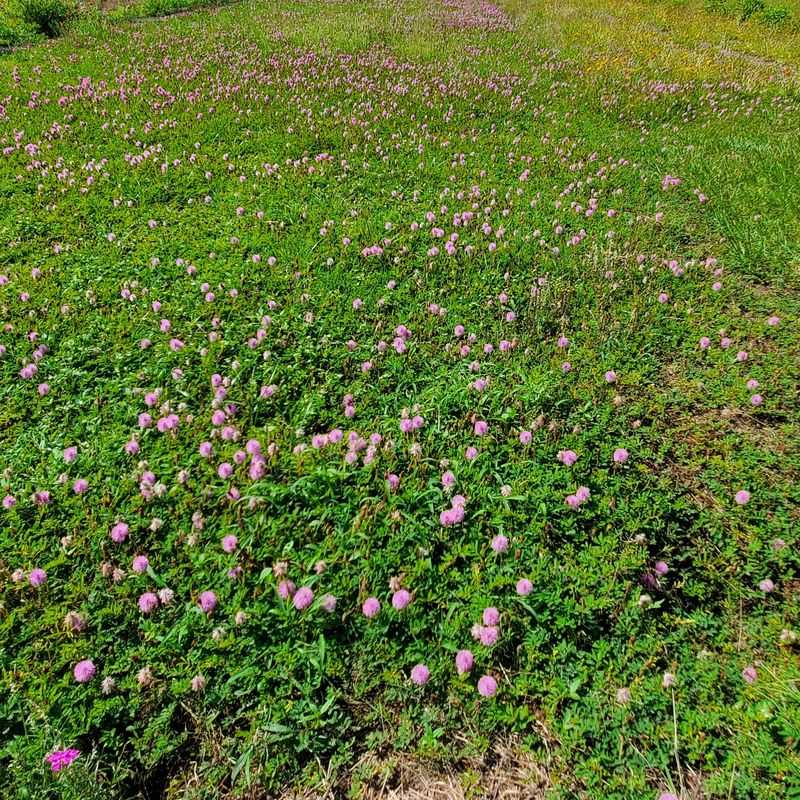
Height matters a lot when it comes to how alternative groundcovers are perceived in HOA communities. Tall, sprawling, or unstructured plantings near the front of a home can raise concerns even when the plants are healthy and intentional.
Sunshine mimosa sidesteps that problem because it stays low, typically just two to four inches tall when grown in the right conditions.
That low profile makes it easier to explain to neighbors and HOA reviewers. A flat, dense, green carpet looks more like a lawn substitute than a wildflower patch.
That distinction matters when you are trying to show that your yard is managed and cared for, not abandoned.
Low growth does not mean zero maintenance, especially during the establishment phase. New plantings can be spotty and uneven while runners are still filling in.
During that time, pull weeds by hand and guide runners toward bare spots. Fill obvious gaps with additional plants so the bed looks active rather than neglected.
Once sunshine mimosa fills in well, routine maintenance becomes lighter. The key is staying consistent during those first months so the planting never looks forgotten.
A low-growing bed that is clearly tended reads as a design decision, and that is exactly the impression you want a front yard to give.
5. Clean Edges Help HOAs See A Plan
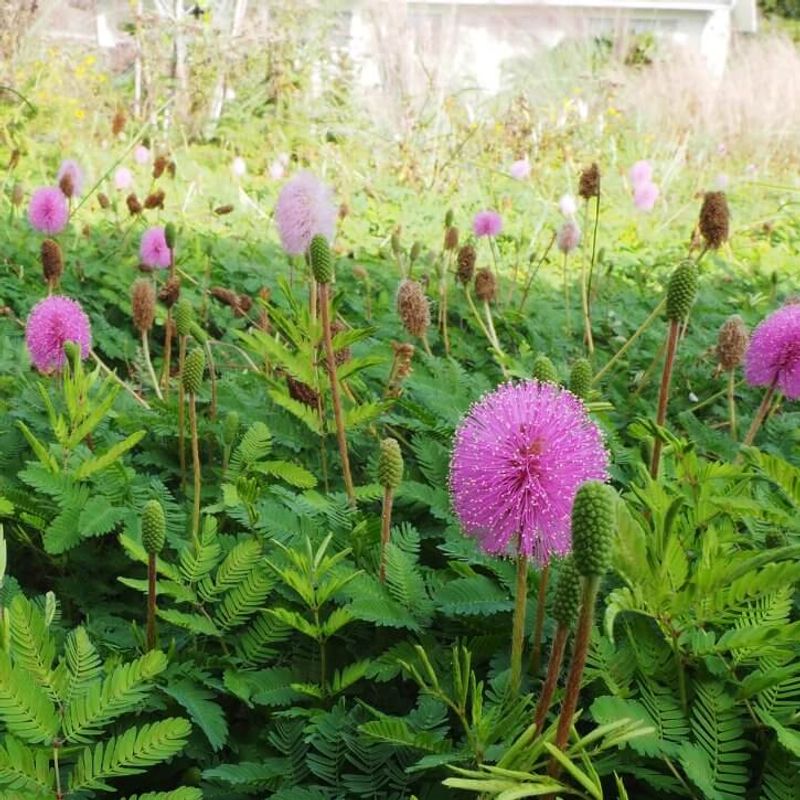
A clean border is often what transforms an alternative landscape from questionable to accepted. Without visible edges, even a healthy groundcover can look like it just wandered in from somewhere else.
Edging is one of the simplest and most effective ways to show that a planting is intentional and maintained.
Options for creating clean edges include trench edging, mower strips, stone or brick borders, pavers, and mulch transitions. The right choice depends on your yard’s layout, your HOA’s design preferences, and how much time you want to spend maintaining the border.
Any of these approaches can work well if they are kept neat and clearly separate the groundcover from sidewalks, driveways, and neighboring turf.
Sunshine mimosa spreads by runners, so visible boundaries are especially important. Without edging, runners can creep into sidewalk cracks, neighboring grass, or areas where they are not wanted.
A defined edge keeps the spread predictable and shows that the planting has a clear boundary.
If your HOA requires a landscape plan or approval drawing before changes are made to the front yard, include the edging in that drawing. Showing where the bed ends and where maintained turf or hardscape begins proves the design was thought through carefully.
That is exactly what a well-run review process is looking for.
6. Foot Traffic Decides Where It Belongs
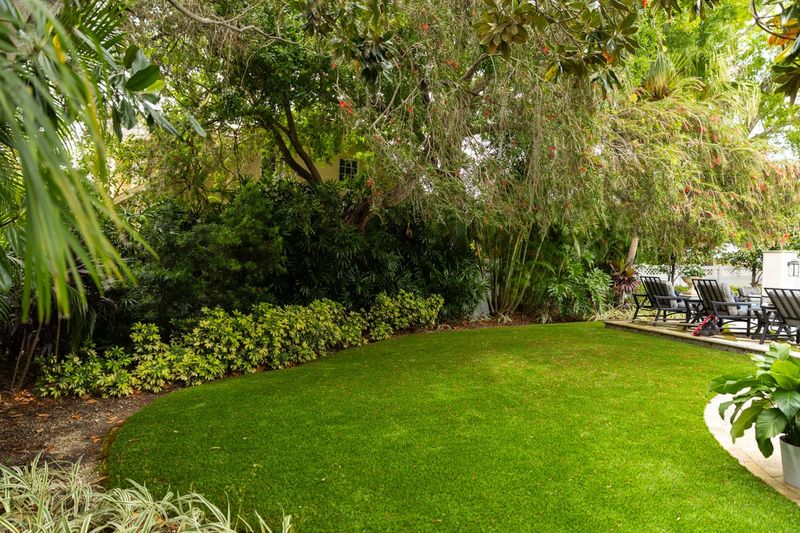
Before planting sunshine mimosa anywhere in a front yard, walk the space and watch how people actually use it. Delivery drivers cut corners.
Dogs run the same path every morning. Kids take shortcuts from the sidewalk to the front door.
Those worn lines in the grass are not random. They mark the places where groundcover will struggle no matter how well it is planted.
Sunshine mimosa is not built for repeated foot traffic. The runners and low foliage can handle occasional light contact, but a path that gets walked daily will damage the planting over time.
Crushed or broken runners do not fill in the way a resilient turfgrass might recover, and a patchy groundcover bed looks worse than bare soil in some situations.
High-traffic zones are better served by durable turf, stepping stones, gravel, or hardscape. Placing sunshine mimosa in a low-traffic area where it can spread without constant disturbance gives it the best chance to look full, healthy, and intentional.
Mapping out where people walk before choosing a planting location is a practical first step that many homeowners skip. Spending five minutes observing how your yard is actually used can save months of frustration trying to establish a plant in the wrong spot.
7. Turf Still Works In High Use Areas
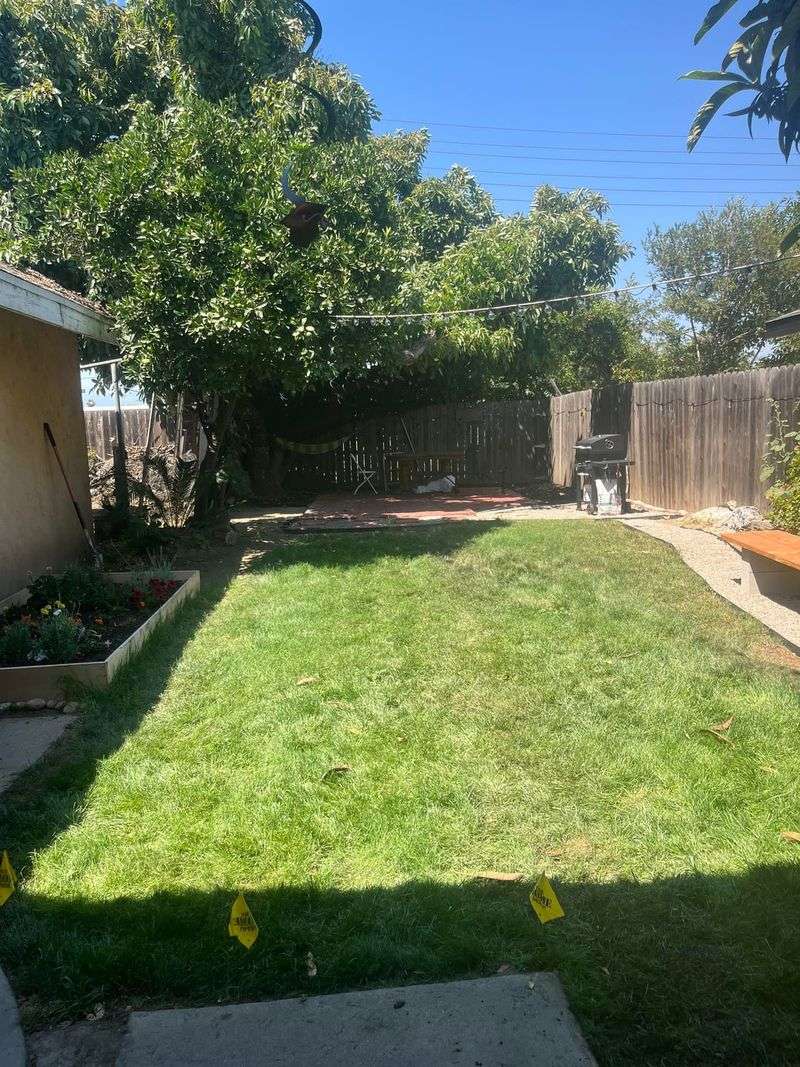
Replacing every square foot of front-yard grass is not always the right move, and it is not what Florida-Friendly Landscaping recommends.
The guiding principle behind that program is putting the right plant in the right place, which sometimes means keeping turf exactly where it is.
Play areas, pet runs, open access routes, and spots near gates or parking pads all benefit from durable, resilient grass. Turf handles repeated use, recovers from light wear, and provides a surface that groundcovers simply cannot match in those situations.
Removing grass from high-use areas and replacing it with sunshine mimosa is likely to result in a damaged, patchy bed within a season.
A mixed approach, keeping turf in functional zones and adding sunshine mimosa in low-traffic or struggling areas, can also be easier for HOAs and neighbors to understand.
A yard that still has green grass in the right places looks balanced and considered rather than experimental.
Florida-Friendly Landscaping does not mean a lawn-free yard. It means a yard that uses water wisely, supports local ecology, and reduces unnecessary inputs like excess fertilizer and irrigation.
Turf that serves a real purpose fits that definition just as well as a native groundcover bed. The goal is a smarter yard, not necessarily a smaller lawn.
8. A Planned Groundcover Bed Beats A Failing Lawn
Repeatedly patching, seeding, and fertilizing a turf area that keeps struggling is exhausting and expensive. If the same spot keeps thinning out season after season, the problem is usually the site itself, not the grass variety or the effort put in.
Compacted soil, poor drainage, tree root competition, or too much shade can make certain areas nearly impossible to keep as turf long term.
A planned sunshine mimosa bed can solve that problem more durably when the site is sunny and well-drained. The planning part matters just as much as the plant itself.
Spacing plants correctly, mulching while the bed fills in, watering during establishment, pulling weeds early, and maintaining clean edges all matter. Together, those steps make the bed look intentional from day one.
If your HOA requires approval for front-yard landscape changes, submit a simple plan. Include the bed location, dimensions, plant name, edging type, and maintenance approach.
A clear submission is far easier to approve than a vague request, and it protects you if questions come up later.
The real fix is not just a plant. It is a design, a plan, a properly chosen site, and the follow-through to keep it looking cared for.
A well-maintained sunshine mimosa bed is a front yard upgrade, not just a patch job.