What Sudden Leaf Drop Actually Means For Your Native Michigan Shrubs
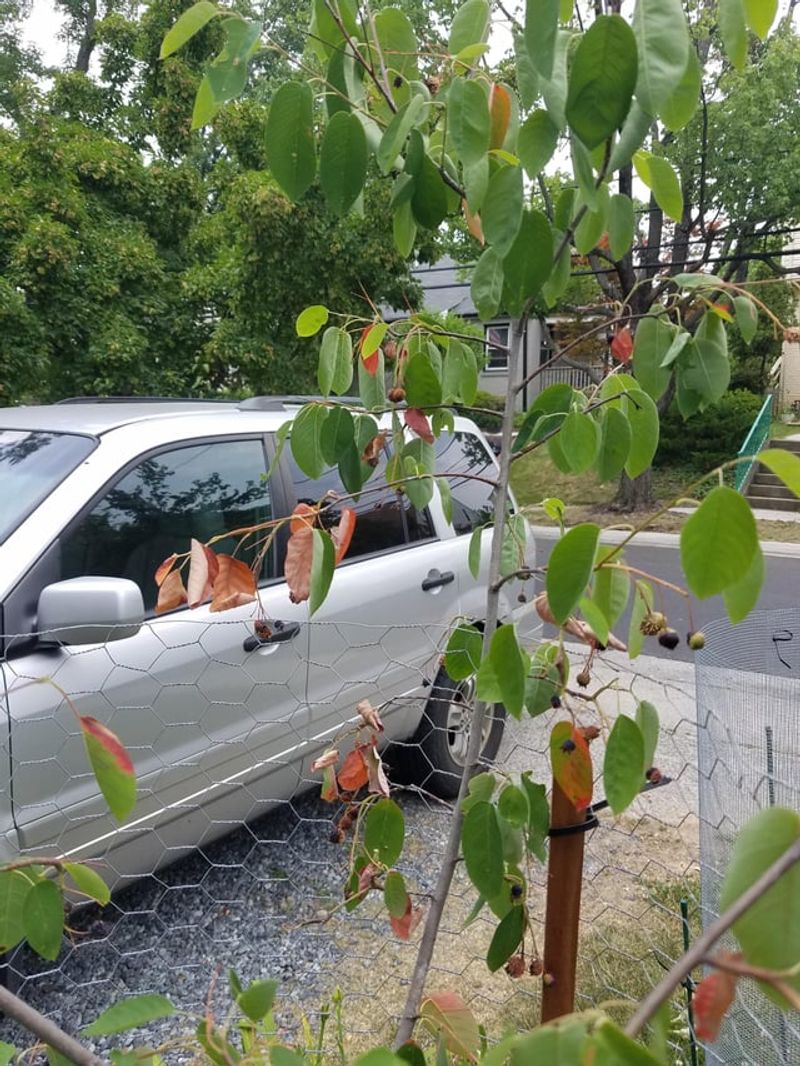
A pile of leaves under a healthy-looking shrub can make any gardener stop cold. Yesterday, the buttonbush looked fine. Last week, the serviceberry seemed full and steady.
Then one warm August morning, the ground underneath is covered, the branches look thinner, and the whole plant suddenly seems like it changed plans overnight.
Sometimes, it did.
Native Michigan shrubs often drop leaves as a survival response, especially after dry spells, heat waves, transplant stress, compacted soil, or pest pressure.
The leaves may be the first visible sign, but the real story usually starts in the roots and stems.
That does not always mean the shrub is in serious trouble.
Many native shrubs can recover well once moisture returns and stress eases, especially when buds and stems still look healthy.
So what does sudden leaf drop really mean in a Michigan garden?
Start by checking soil moisture, root conditions, heat exposure, pests, and the buds that tell you what the shrub is preparing for next spring.
1. Drought Stress Is Showing
A dry summer stretch can make a shrub lighten its load.
When rain stays away for a couple of weeks, native shrubs may begin dropping leaves to conserve moisture.
Fewer leaves mean less water lost through the plant, which helps the roots keep up during stressful weather. This is a survival strategy.
Serviceberry, elderberry, ninebark, wild hydrangea, and other Michigan natives can all shed leaves early when soil moisture drops too low. The plant is not giving up. It is reducing demand.
Leaves often change first.
They may turn pale yellow, dull green, or slightly curled before falling. The drop may start on the outer branches or the sunniest side of the shrub, where heat and water loss are strongest.
Deep watering helps more than quick sprinkling.
Water slowly at the base or around the drip line so moisture reaches several inches down. Shallow surface watering may look helpful, but roots need water deeper in the soil.
Mulch makes the water last.
A two to four inch layer of wood chips or shredded leaves keeps soil cooler and slows evaporation. Keep mulch a few inches away from the main stems so the crown can breathe.
Do not fertilize during drought stress.
Pushing new growth only gives the shrub more leaves to support when it is already trying to conserve resources.
Leaf drop after drought can look scary.
Most established native shrubs recover once their root zone gets steady moisture again.
2. Roots May Be Too Dry
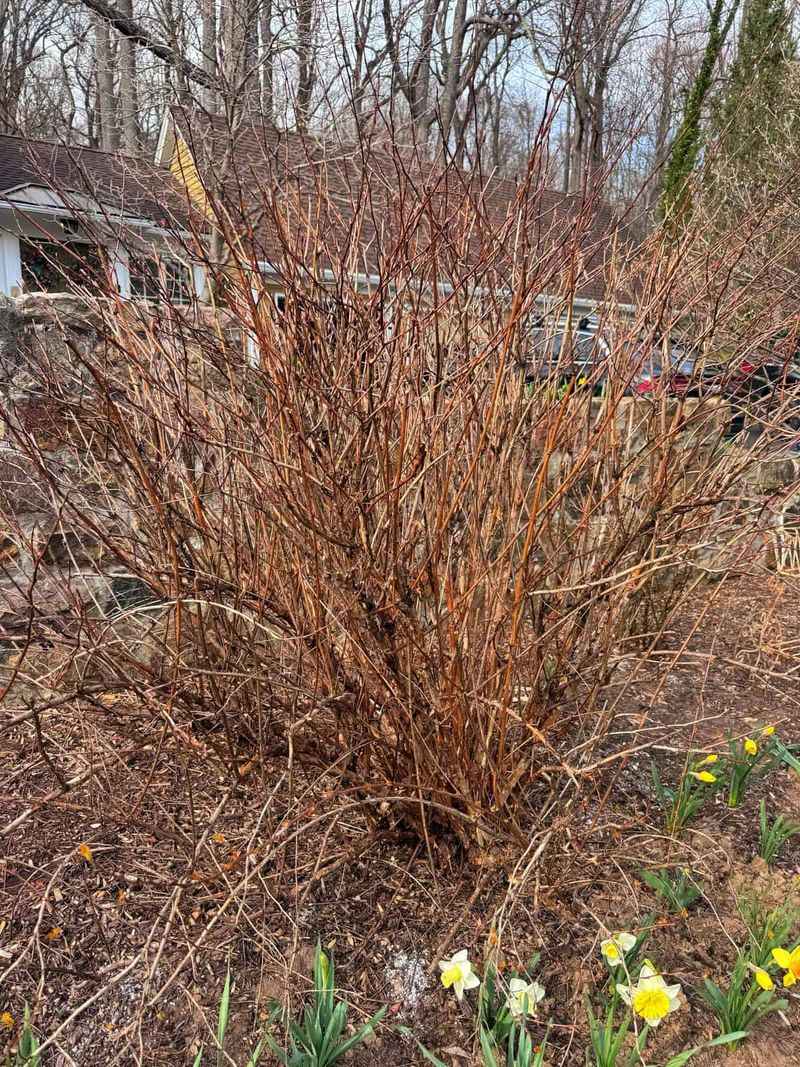
The top of the bed can lie to you.
Mulch may look damp after a light rain or quick watering, while the soil underneath stays dry where roots actually live. That hidden dryness is one of the most common reasons shrubs suddenly shed leaves in Michigan summers.
Check below the surface.
Push a finger, screwdriver, or soil probe four to six inches into the soil near the outer edge of the shrub’s canopy. That area, near the drip line, is where many feeder roots are working.
Your Michigan Garden Changes Every Week. Your Plan Should Too.
Gardening in Michigan changes quickly throughout the season. Every Friday you’ll receive a simple weekly plan showing exactly what to plant, prune, fertilize, harvest, and protect so you never miss the right timing.
Powdery soil means stress.
Soil that feels dry, loose, or crumbly several inches down means the roots are not getting enough moisture, even when the surface looks acceptable.
Sandy soil dries especially fast.
Parts of Michigan with lighter soil may need more frequent deep watering during hot spells. Water drains quickly, leaving shrubs short again sooner than gardeners expect.
Tree roots can compete hard.
Shrubs growing under maples, oaks, or other large trees may lose moisture to those bigger root systems. A shrub can look like it sits in a good spot while quietly fighting for every drink.
A soaker hose works well.
Loop it around the drip line and let it run long enough for water to soak deeply. Check again the next day to see how far moisture reached.
Do not water only at the stem.
Roots spread outward, and that whole zone needs attention. A dry root system can drop leaves fast, even on a shrub that looked healthy a week ago.
3. Heat Pushed A Safety Response
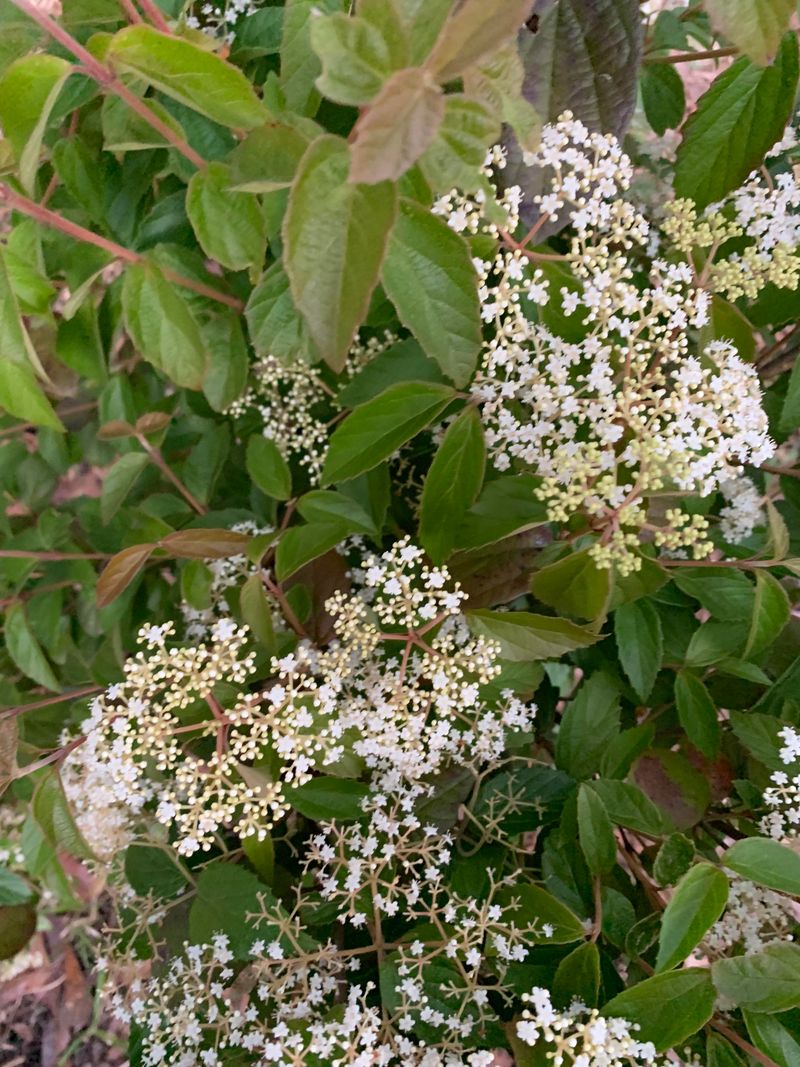
A heat wave can force shrubs into emergency mode.
When Michigan temperatures climb into the 90s and stay there, leaves lose water faster. Roots may not replace that moisture quickly enough, especially in dry or compacted soil. Leaf drop becomes a way to reduce pressure.
Heat and drought together are the hardest combination.
Buttonbush, arrowwood viburnum, American hazelnut, and other native shrubs can handle summer warmth better when soil moisture stays steady. Add dry roots, and the plant has fewer options.
The sunny side may show it first.
Leaves on the south or west side often take the strongest afternoon heat. Those areas may yellow, curl, or fall sooner than shaded interior growth.
Young shrubs need extra help.
Recently planted shrubs have smaller root systems and less stored energy. During extreme heat, temporary shade can reduce stress while roots keep developing.
Use shade carefully.
Light shade cloth during the hottest afternoon hours can protect vulnerable shrubs without blocking all light. Remove it once temperatures settle.
Water early in the day.
Morning watering gives roots moisture before the heat peaks and reduces evaporation compared with midday watering.
Skip major pruning during heat stress.
Removing leaves or cutting heavily can add more strain. Only remove damaged, diseased, or clearly compromised growth.
Sudden leaf drop after a hot spell often means the shrub chose survival over appearance.
That is not pretty, but it is practical.
4. Transplant Shock Is Catching Up
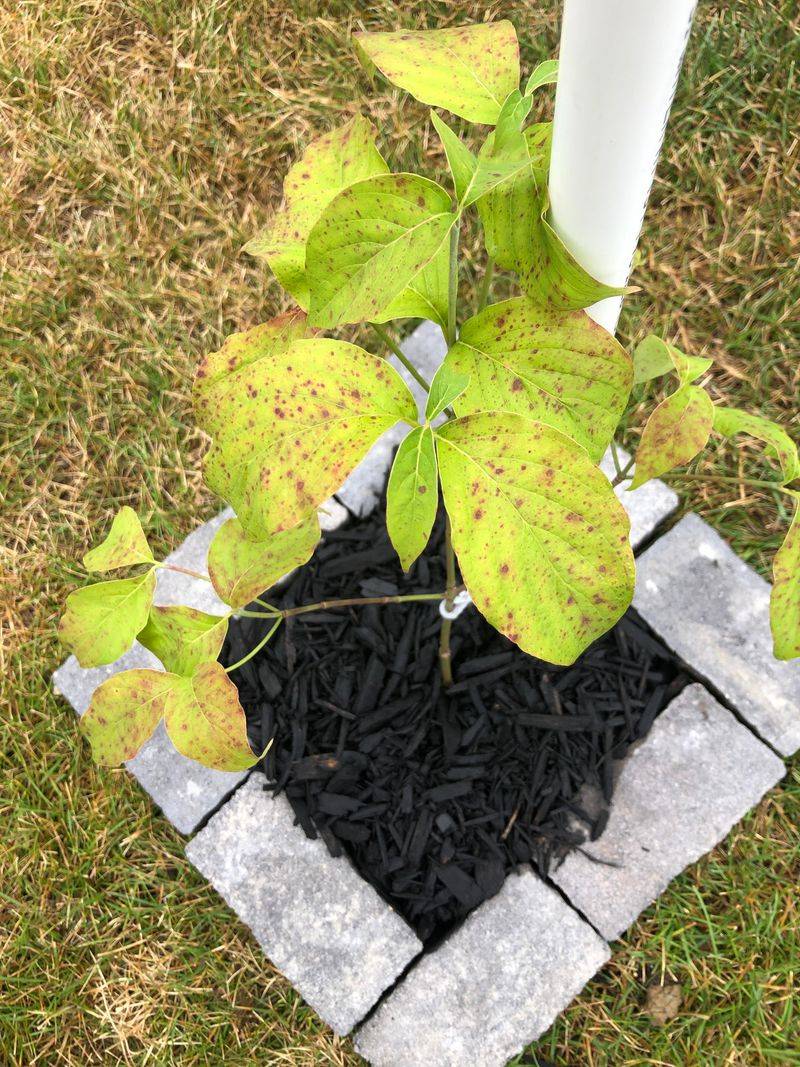
A newly planted shrub may drop leaves weeks after planting.
Transplant shock does not always show up right away. A shrub can look fine for a while, then lose leaves when summer heat exposes the gap between the top growth and the still-limited root system.
The roots need time.
Nursery shrubs lose some root function during digging, potting, transport, or planting. Once in the garden, those roots must rebuild before they can support a full canopy through Michigan heat.
Late spring planting can be rough.
A shrub planted just before hot weather has very little time to settle in before summer stress arrives. Even tough natives such as dogwood, spicebush, serviceberry, and viburnum need a season or two to establish.
Leaf drop may start low.
Leaves can yellow and fall from the lower or inner parts of the plant first. Wilting that does not fully improve after watering can also point to transplant stress.
Consistent moisture is the best support.
Water deeply two to three times per week during dry stretches, especially through the first two growing seasons. Adjust for rainfall and soil type.
Do not feed it hard.
Fertilizer can push tender new growth that the young root system cannot support. Root recovery matters more than quick top growth right now.
Protect the root zone.
Keep mulch in place, avoid digging nearby, and limit foot traffic around the plant.
A transplant-shocked shrub is not failing.
It is rebuilding underground, and the top may look thinner while that work happens.
5. Compacted Soil Limited Water
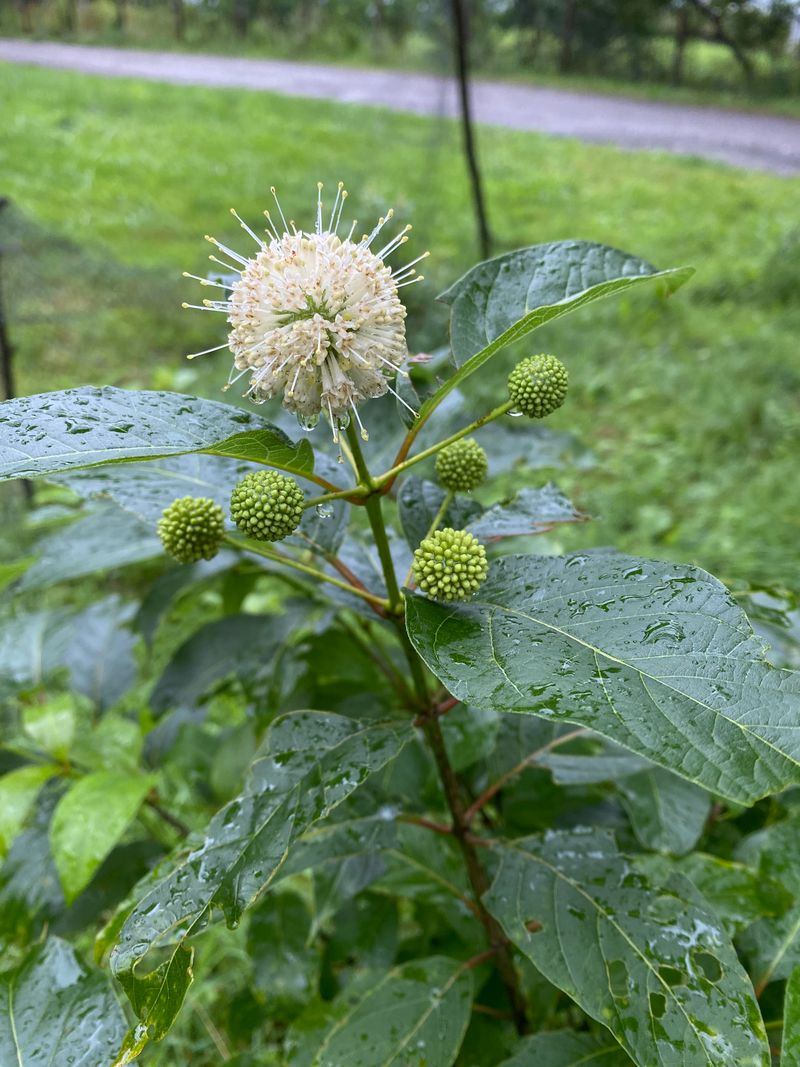
Hard soil can keep water from reaching roots.
Compaction builds slowly from foot traffic, lawn equipment, construction, heavy rain on bare soil, or years of mowing near the same shrub. The surface may look normal, but the root zone can become tight and low in oxygen.
Roots need air as much as moisture.
In compacted soil, water may run off or puddle instead of soaking in. Roots have a harder time spreading, and shrubs become more vulnerable during heat and dry spells.
A quick test helps.
Push a screwdriver or metal rod into the soil near the drip line. Strong resistance at only a few inches can point to compaction.
Stressed shrubs may look chronically tired.
Smaller leaves, slow growth, thinner canopy, and sudden summer leaf drop can all show up when roots cannot explore the soil properly.
Aerate gently.
Use a garden fork to make holes around the drip line, staying away from the main stems. Do not chop through roots or turn the whole area aggressively.
Compost can help.
Work finished compost into aeration holes or spread a thin layer over the soil before mulching. Over time, organic matter improves soil structure.
Redirect traffic.
Stepping stones, edging, or a small path can keep people and equipment out of the root zone.
A shrub in compacted soil may look healthy until summer tests it.
Loose, protected soil gives native shrubs a much better chance to hold their leaves when stress arrives.
6. Pests May Be Riding Stress
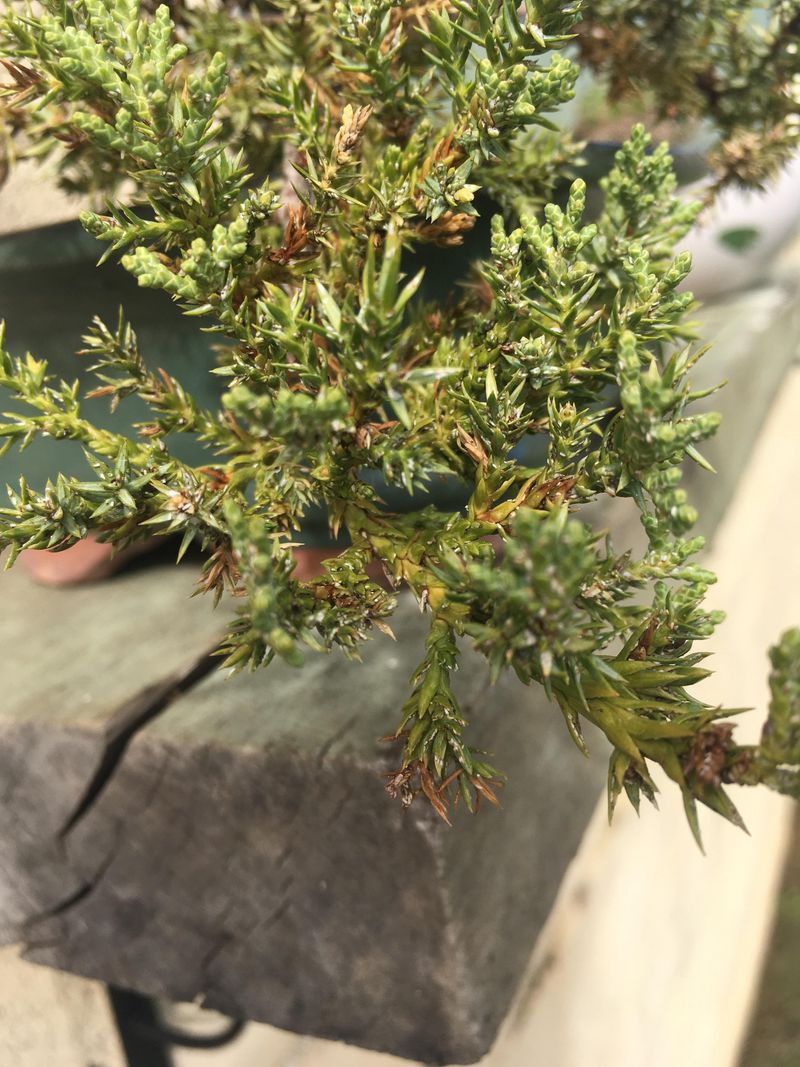
Insects often move in after stress has already opened the door.
A shrub weakened by drought, heat, transplant shock, or compacted soil can become more attractive to pests. Leaf drop may come from the stress itself, or from insects taking advantage of that weaker moment.
Look closely before treating.
Spider mites, scale, borers, and chewing insects leave different clues. Guessing can lead to the wrong fix and unnecessary sprays.
Spider mites leave fine signs.
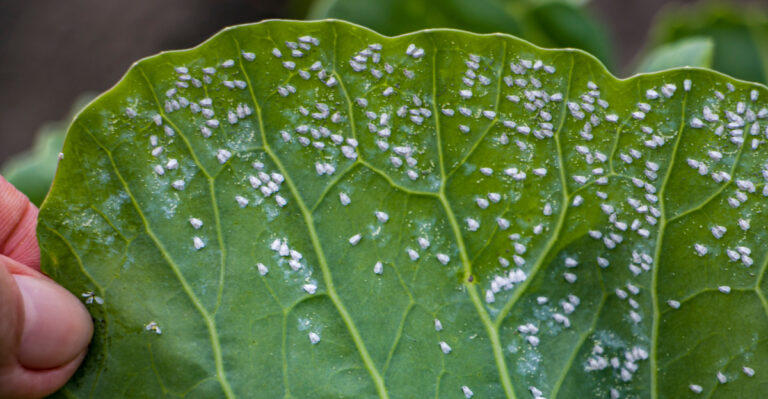
Check the undersides of leaves for tiny moving specks, stippling, dusty-looking foliage, or fine webbing. Mites often increase during hot, dry weather.
Scale looks like bumps.
Small tan, brown, gray, or waxy bumps along stems or leaf veins may be scale insects. They can drain energy slowly and make stressed shrubs look worse.
Borers are harder to spot.
Small holes, sawdust-like frass, cracked bark, or branch sections losing strength can point to internal feeding. This deserves closer inspection.
Chewers leave obvious damage.
Ragged edges, missing sections, rolled leaves, or skeletonized foliage can reveal caterpillars, beetles, or other feeding insects.
Start with low-impact fixes.
A strong spray of water, pruning out badly affected sections, or targeted insecticidal soap may help once the pest is confirmed. Avoid broad treatments that harm beneficial insects.
Healthy shrubs resist pests better.
Restoring water, mulch, airflow, and soil health often does more long term than chasing every insect with a spray bottle.
7. Fall Buds Still Matter
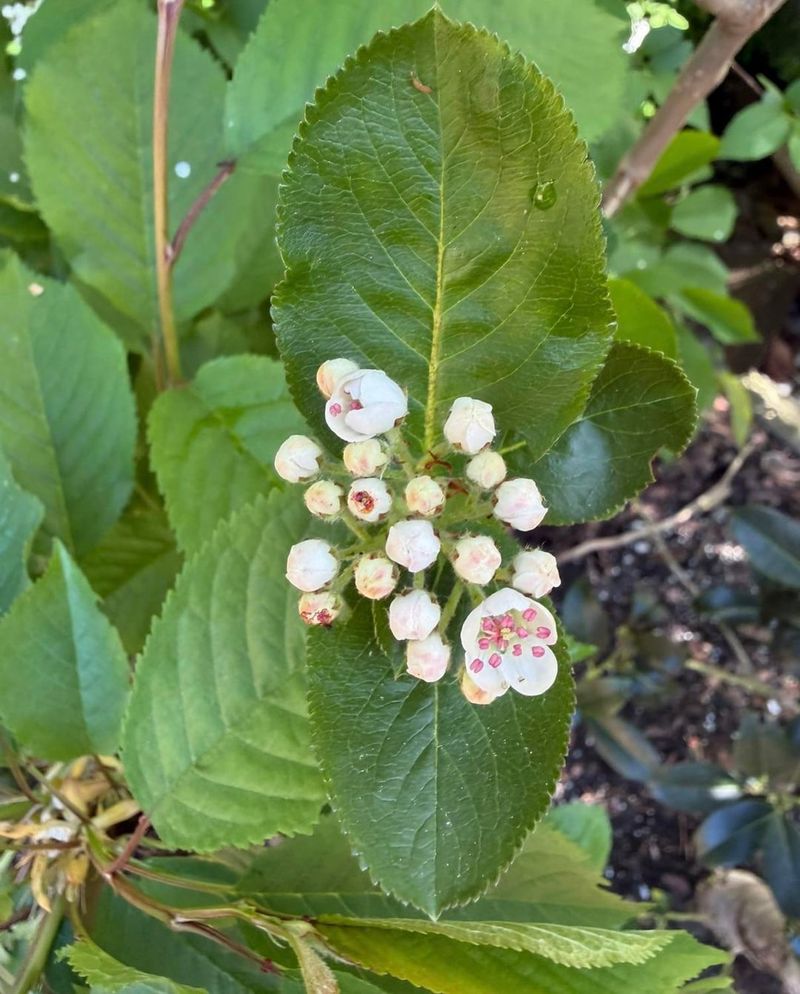
Buds can tell you whether the shrub is still on track.
A native shrub may drop leaves early and still be prepared for next spring. Many Michigan shrubs form next year’s buds during summer, before gardeners start worrying about leaf loss.
Look along the stems.
Healthy buds are usually firm, plump, and securely attached. They may sit at branch tips or along the sides of stems, depending on the shrub.
Do a light scratch test.
Gently scratch a small spot of bark with a thumbnail. Green tissue underneath means that stem is still alive. Brown, dry tissue may mean that section has declined.
Check more than one place.
One branch can be stressed while the rest of the shrub remains healthy. Work from outer stems toward the main structure and compare several areas.
Viburnum, chokeberry, ninebark, serviceberry, and other natives often hold promise in their buds.
Even after leaf drop, those buds may open normally next spring once the plant has rested through winter.
Do not prune too soon.
Early leaf drop can make a shrub look worse than it is. Wait until you know which stems are truly compromised before making big cuts.
Mark questionable branches.
A small ribbon or note can help you check them again later without cutting in panic.
Leaves are this season’s report.
Buds are next season’s plan, and they may be much more reassuring.
8. Water Deep Before Winter
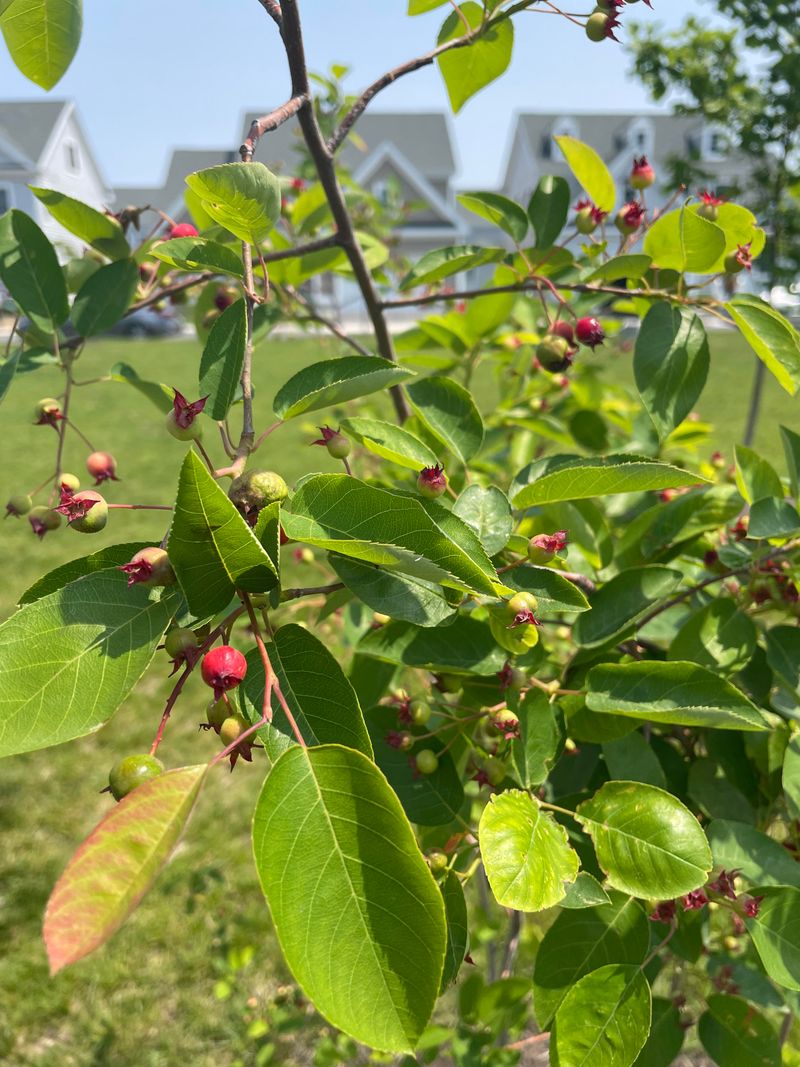
A stressed shrub should not enter winter with dry roots.
Once Michigan soil freezes, roots cannot easily pull in moisture. The water available in the root zone before freeze-up matters, especially for shrubs that already dropped leaves early from summer stress.
Late fall watering can help recovery.
Deep watering in late September through mid-October, or before the ground freezes in your area, gives roots a better reserve going into winter.
Water at the drip line.
That is where many active roots sit. A slow soak around the outer canopy edge helps more than a quick splash near the stems.
Soaker hoses are useful.
Let water run slowly so it sinks rather than running across the surface. Check the soil afterward to make sure moisture reached several inches down.
Refresh mulch before winter.
A two to four inch layer helps hold moisture and protects soil from temperature swings. Keep mulch away from the main stems to prevent crown problems.
Avoid late fertilizer.
New growth right before cold weather is not helpful. The shrub needs roots, stored energy, and stability, not a fresh push of tender leaves.
Keep watering until freeze-up during dry falls.
Autumn rain may be enough in some years, but dry soil beneath the surface still needs attention.
Sudden leaf drop in summer does not have to decide the shrub’s future.
A deep drink before winter can help it start the next growing season with stronger roots and a better chance to leaf out fully again.