Why Michigan Lavender Turns Woody (And How To Stop It)
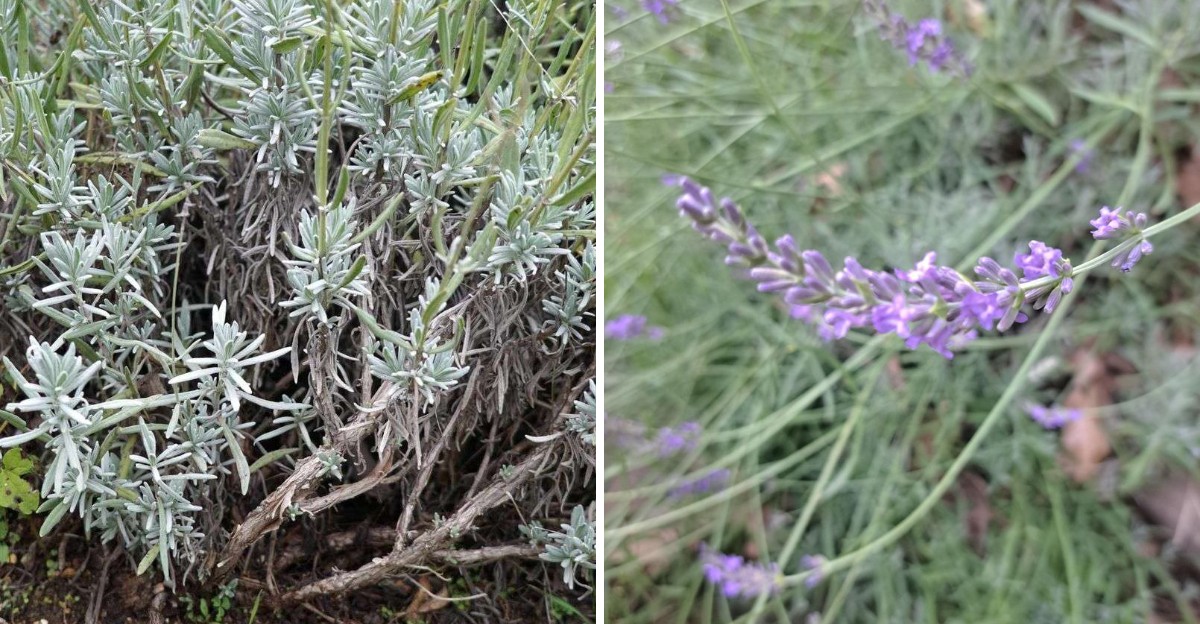
The lavender you planted five years ago used to sit like a neat silver-gray cushion beside the walkway, tidy and full every single summer without much fuss.
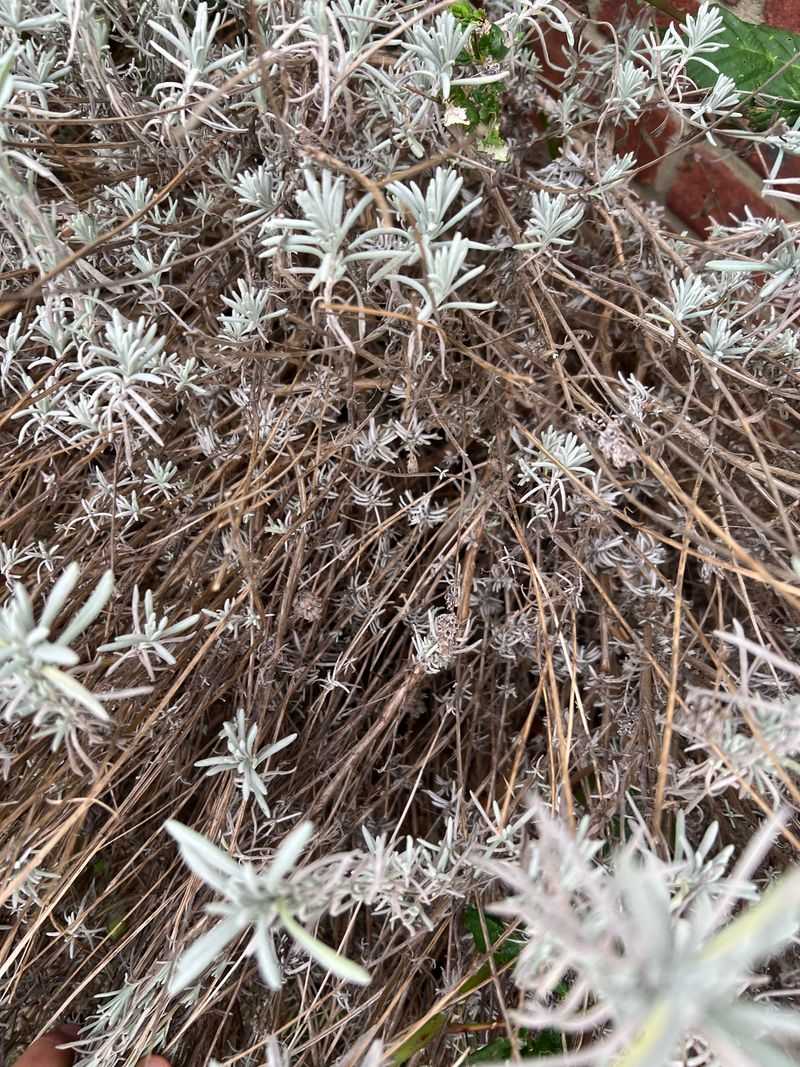
Now it sprawls open in the middle, with thick gray stems at the base and a few flower spikes waving from the tips like something gave up halfway through the season.
Michigan gardeners run into this all the time, and the reasons are part biology and part missed pruning most people never connect together.
Most gardeners just assume the plant is simply getting old and there’s nothing to be done about it.
That assumption is only half true, and it skips over exactly the habit that actually determines how long a lavender stays looking good.
Here is what actually causes the change, what genuinely prevents it, and when a plant is simply too far gone to save.
1. Skipped Pruning Lets Stems Turn Woody
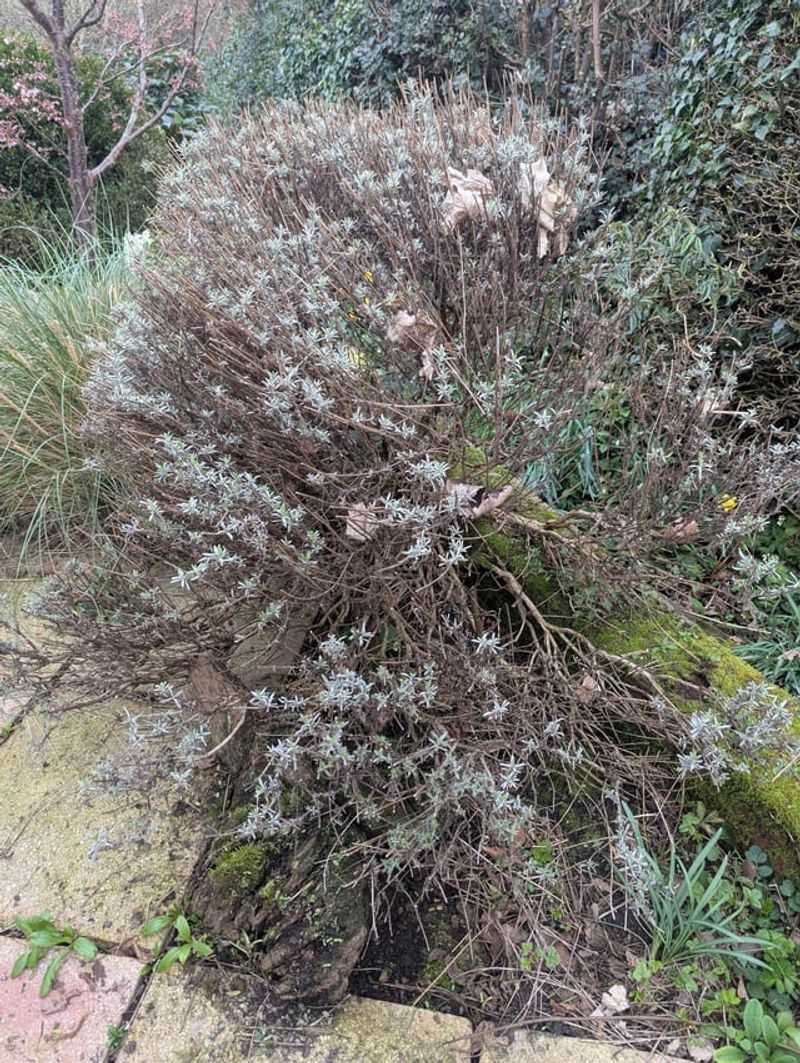
Skip the shears for a couple of summers, and lavender tells on you fast. The base thickens into gray, bark-like stems, and the leafy growth retreats toward the tips.
Flowers keep coming, but they perch on long bare stalks instead of a tidy mound the way they should.
Here is the mechanism at play. Lavender adds new growth from the outer, softer part of each stem each year. When those soft shoots are never shortened, they stretch, lignify, and harden into permanent wood.
The plant keeps building upward and outward on top of that wood, so the woody zone grows taller every season that passes without pruning.
Michigan makes the problem worse in a specific way too. Heavy snow and ice press down on tall, unpruned stems, splitting the center of the plant open under the weight.
Once that split happens, the middle stays bare, and water sits in the gap during our freeze-thaw winters, causing further damage.
MSU Extension points to regular pruning as the main defense against leggy, woody lavender. Trimming every year keeps the flexible green portion long enough to work with.
Miss several years in a row, and you are no longer pruning. You are doing surgery on a plant that has already gone hard at the base.
2. Age Alone Explains Some Of The Change
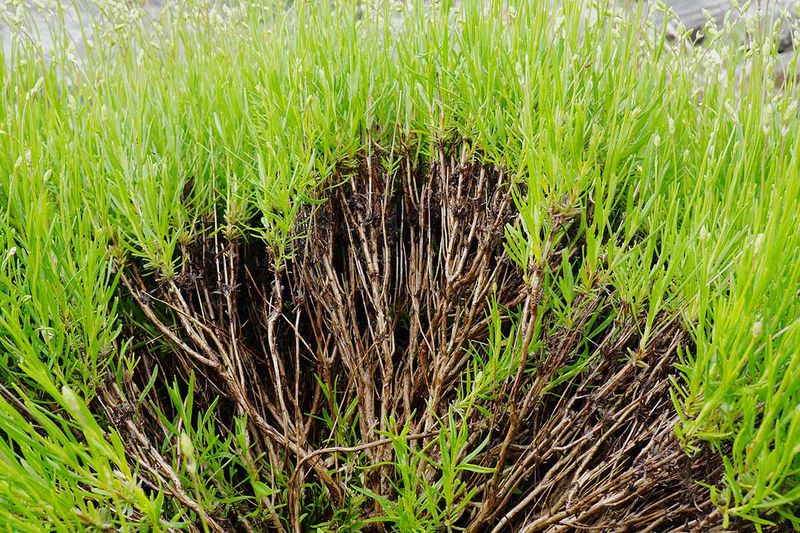
Even a perfectly cared-for lavender gets woody eventually. It is a subshrub, which means the lower part of the plant is built to turn into wood while the top stays soft and herb-like.
In Michigan, most garden lavender is English lavender, usually Munstead or Hidcote, since those handle our winters best overall.
Those varieties commonly stay attractive for roughly ten to fifteen years, then decline no matter how careful you are with them. The center opens, stems crack, and bloom gets thinner.
So there is a real difference worth understanding here. Age-related woodiness creeps in slowly from the bottom of the plant. Neglect-related woodiness shows up much faster.
Knowing which one you have changes your plan entirely. A twelve-year-old plant with sparse bloom is finishing its run, and no pruning technique reverses that outcome.
Your Michigan Garden Changes Every Week. Your Plan Should Too.
Gardening in Michigan changes quickly throughout the season. Every Friday you’ll receive a simple weekly plan showing exactly what to plant, prune, fertilize, harvest, and protect so you never miss the right timing.
A three-year-old plant sprawling after two skipped haircuts can still be steered back toward a mound though, at least partly.
Winter stress in Michigan speeds the clock too. Repeated freezing and thawing, wet clay soils, and road salt spray all wear plants down sooner than they would on a dry Mediterranean hillside.
3. Annual Cutbacks After Bloom Prevent It
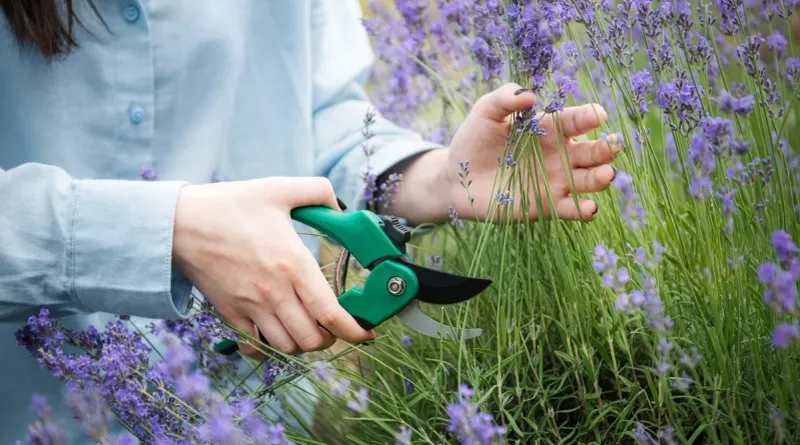
Timing matters more than muscle here. MSU Extension guidance points to pruning after flowering, once the blooms fade, rather than waiting until fall or working in early spring on a whim.
In most of Michigan that lands in mid to late summer, often July into early August. Cutting then gives the plant time to push a little new growth and harden off before cold weather arrives.
Late pruning in September or October leaves tender shoots that winter damages without much warning.
The technique itself is simple. Shear the plant back by about one third, following the natural dome shape, and stay in the green, leafy part of the stems.
Leave at least a couple of inches of soft growth above the woody base when you cut.
Sharp bypass pruners or hedge shears both work fine for this job. Dull blades crush stems and invite rot instead of a clean cut.
Snip the spent flower stalks at the same time so the plant is not feeding seed heads it does not need.
Done yearly, this routine keeps the woody zone short and the green mound thick. The plant stays dense, blooms across the whole surface, and shrugs off snow load far better.
4. Cutting Into Old Wood Rarely Recovers
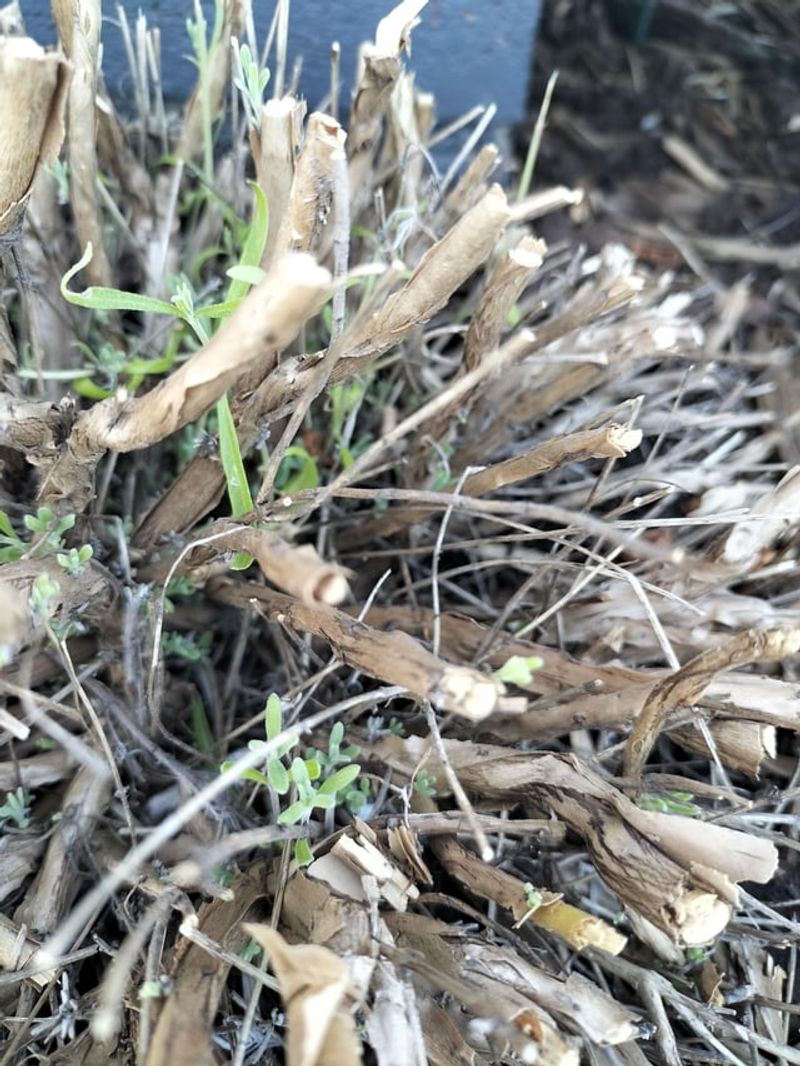
Here is the hard truth most rescue articles skip entirely. Lavender has very few dormant buds in old, bare wood, so cutting back into that gray, leafless area usually produces nothing at all.
Cut a stem below the lowest leaves, and that stem is often simply finished for good. Do it across the whole plant, and you can lose the whole plant in one afternoon.
That is why prevention beats repair with this particular species. Unlike forsythia or spirea, which cheerfully resprout from a stump, lavender does not have that trick available to it.
If you want to try improving a moderately woody plant, go slowly and keep expectations low from the start. Prune only into stems that still carry leaves, take no more than a third in one summer.
Some gardeners have luck with layering instead as an alternative approach. Mound gritty, compost-free soil over the sprawled woody stems in spring, and a few may root where they touch the ground.
Before you make any big cut, ask one question first. Is there green growth below where I plan to prune? If the answer is no, put the shears down entirely.
5. Full Sun Encourages Compact Growth
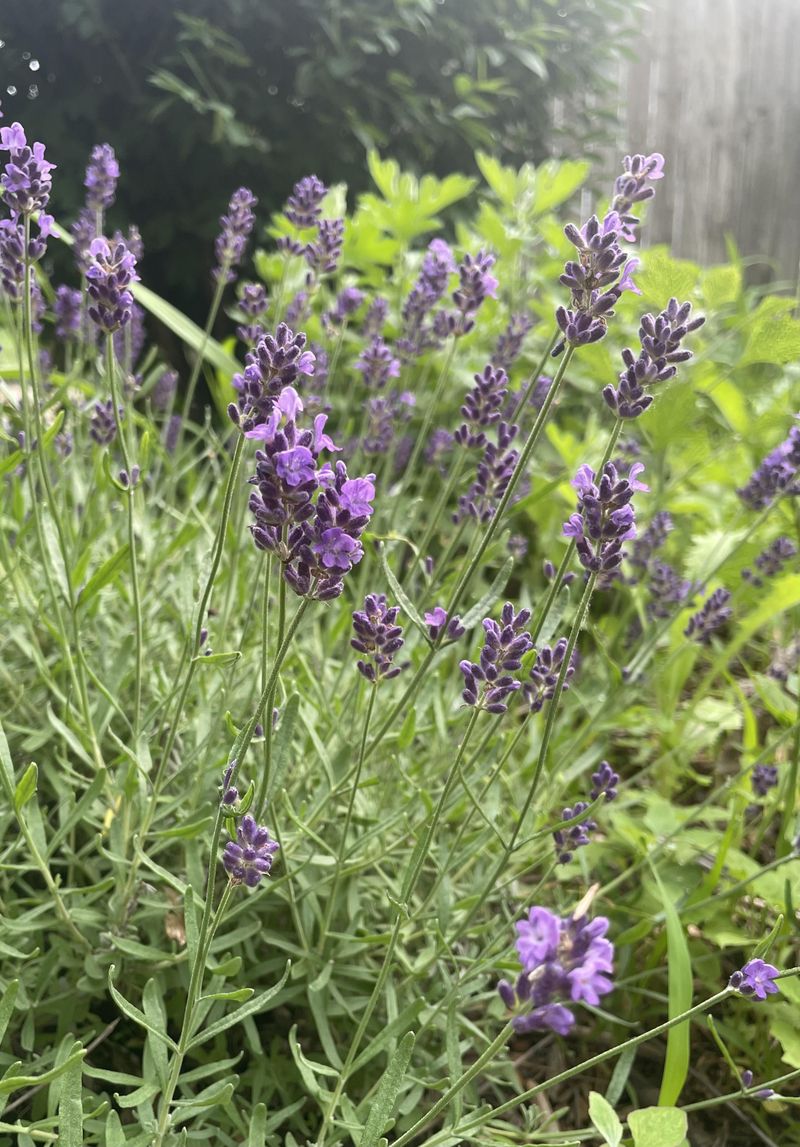
Lavender is a sun worshipper from dry, bright hillsides, and it grows like one in the garden too. Give it six to eight hours of direct light, or more, and stems stay short, thick, and close together.
Set it in part shade, and the plant does what most plants do in dim light. It reaches. Stems stretch toward whatever sun they can find, spacing out the leaves and exposing bare stem between them.
That stretched growth hardens into wood just the same, only faster and floppier than it would in full sun.
Michigan yards create shade problems people do not always notice happening gradually. Maple trees grow, fences go up, garages next door cast long shadows over time.
Spend one clear day tracking sun on the bed before you blame your pruning for the problem. Check at nine, noon, three, and six, and add up the hours of direct light received.
Air movement helps too in this equation. Crowded plantings trap humid air, and our humid summers already push lavender toward leaf spot and root problems.
Space plants roughly two to three feet apart so light reaches the lower stems and leaves dry quickly after rain passes through.
6. Well Drained Soil Reduces Stress Related Legginess
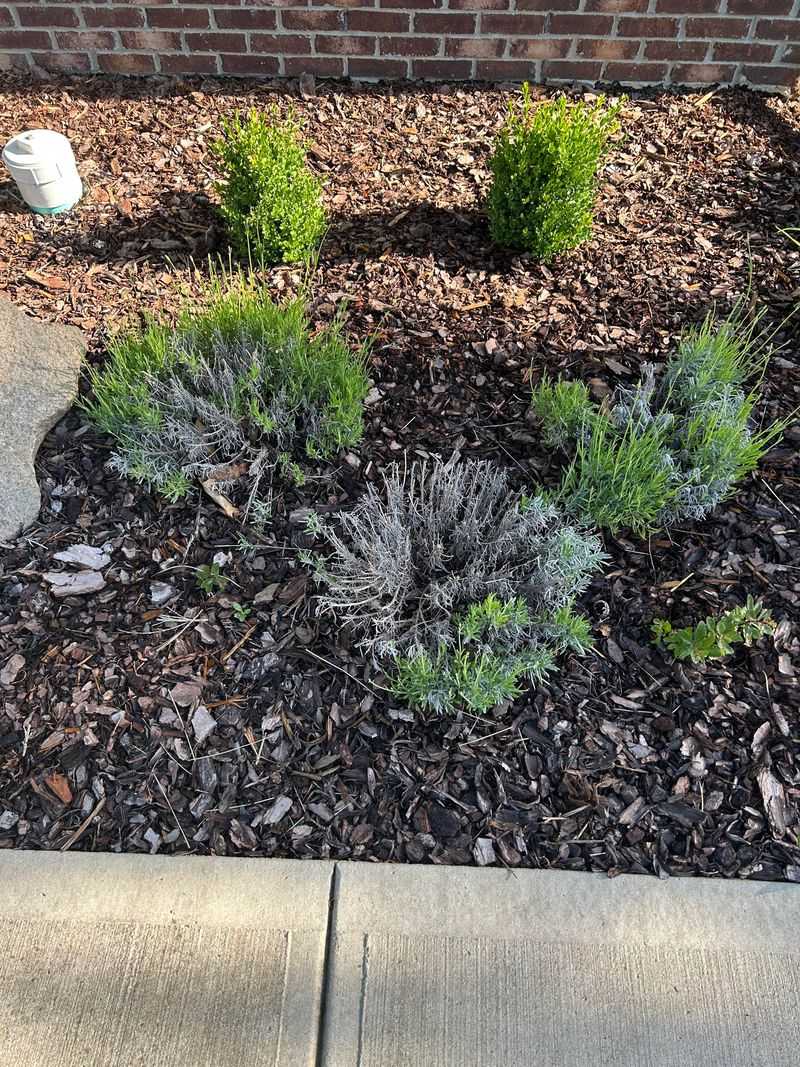
Wet feet may be the quiet reason a Michigan lavender looks ragged and uneven. Much of the state sits on heavy clay or compacted fill, and lavender roots rot in soil that stays soggy.
A struggling root system cannot support dense, even growth across the whole plant. You end up with thin stems, patchy leaves, weak bloom, and bare patches in random sections.
Drainage fixes are physical, not chemical, and worth understanding clearly. Raised beds, berms, or mounds eight to twelve inches high lift the crown above standing water.
Mixing coarse sand, pea gravel, or crushed granite into clay improves structure better than piling on rich compost ever could.
Skip the wood mulch right against the stems entirely. Shredded bark holds moisture at the crown, which is exactly where Michigan plants rot during a wet April.
Soil pH matters as well here. Lavender likes slightly alkaline conditions, around 6.5 to 7.5, and much of Michigan runs a bit acidic, so a soil test and a little lime can help.
Water new plants until they settle in, then back off sharply afterward. Established lavender in Michigan usually needs no supplemental watering except during real drought conditions.
7. Replace Plants Once Woodiness Takes Over
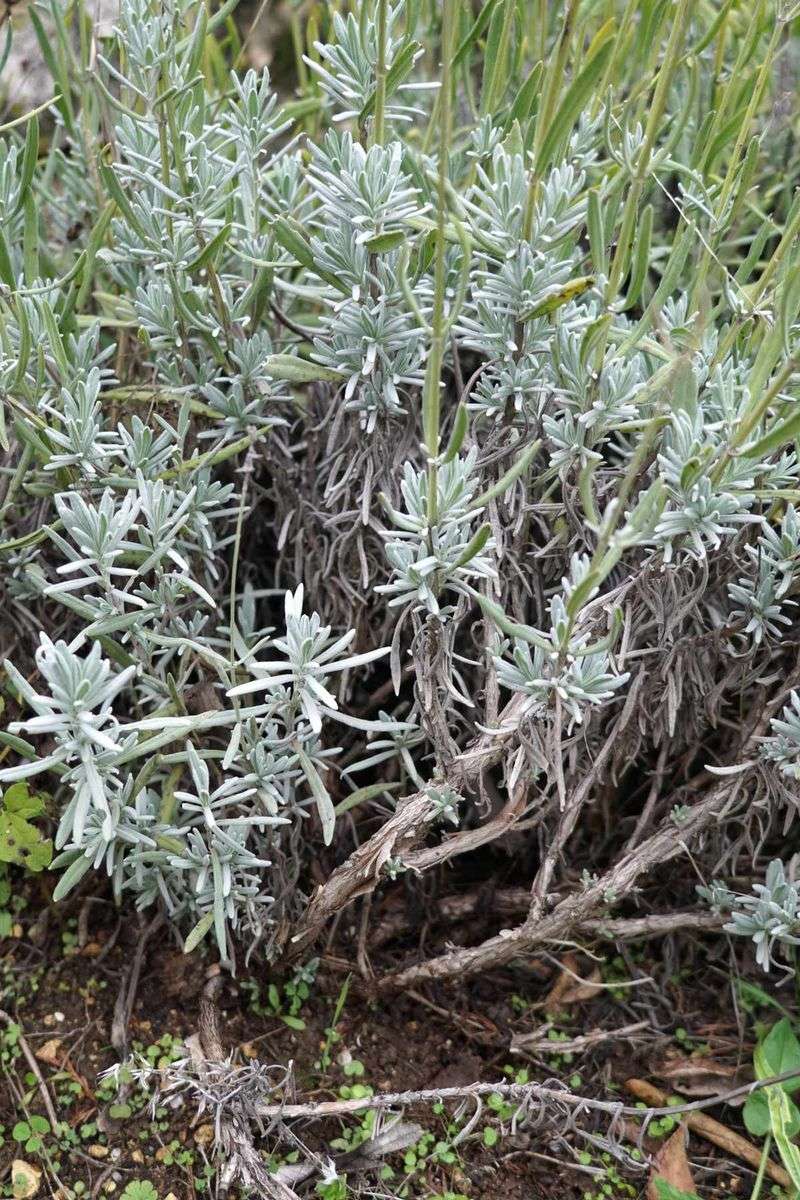
Sometimes the kindest move is the compost pile. When a lavender is mostly gray wood with a thin fringe of leaves at the tips, no pruning plan will rebuild it at that point.
Signs a plant is finished include a split, hollow center, bark peeling on main stems, bloom only on the outer few inches, and large bare sections throughout.
Replace in spring rather than fall in Michigan for the best results. Planting in May or early June gives roots a full season to establish before winter arrives.
Choose hardy English types such as Munstead, Hidcote, or Phenomenal, which handle zone 5 and colder Michigan winters better than Spanish or French lavenders.
Then start the annual summer trim in the plant’s first or second year, before wood ever gets ahead of you the way it did last time.
There is a bright side to starting over too. A young plant blooms heavily, smells stronger, and looks better in three years than a twenty-year-old survivor ever will again.
Take cuttings from the old plant in early summer if you love its color or scent. Root a few in gritty mix, keep them lightly moist, and you get free replacements that match the parent plant exactly.
8. Mulch Choice Makes A Bigger Difference Than Expected
Most gardeners think of mulch as a single category, but around lavender the material matters as much as whether you use it at all.
Organic mulches like shredded bark, wood chips, or compost hold moisture against the crown, and that dampness is exactly what pushes a Michigan lavender toward rot during our wet springs and humid summers.
Inorganic mulches behave the opposite way. Pea gravel, crushed granite, or limestone chips reflect heat back up toward the plant, warm the soil surface slightly, and let excess moisture evaporate rather than soaking in and lingering at the base.
That difference shows up directly in stem health.
A crown sitting in gravel dries out between rains and stays firm, while the same crown under bark mulch can stay damp for days, encouraging exactly the kind of rot that leads to random bare patches and premature woody stubs.
Depth matters too, regardless of material chosen. A thin layer, an inch or less, spread loosely around the base does the job without smothering the crown or trapping humidity against the stems themselves.
Keep whatever mulch you choose pulled back a few inches from the actual stems, creating a small dry buffer zone that lets air circulate right where the plant needs it most.
Switching from bark to gravel around an established lavender is a simple afternoon project. Many Michigan gardeners report noticeably fewer bare patches and less legginess within a single growing season after making the change.
This one adjustment costs very little and pairs naturally with the drainage improvements already covered, since both aim at the same underlying goal of keeping the crown dry through Michigan’s wettest stretches.
9. Companion Planting Choices Can Cause Or Prevent Legginess
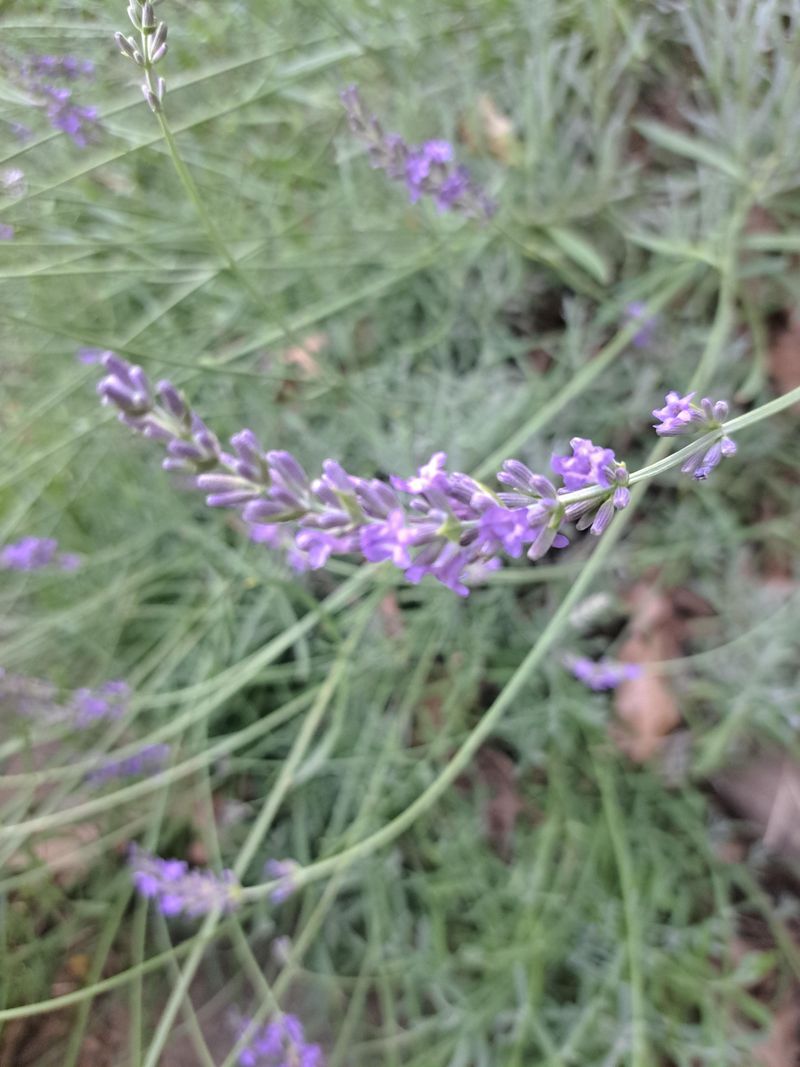
What grows next to a lavender plant often gets overlooked entirely, yet neighboring plants can push lavender toward exactly the stretched, woody growth gardeners are trying to avoid.
Tall perennials or shrubs planted too close cast shade for part of the day, even when the lavender’s own spot technically qualifies as full sun on paper, and that partial shading is often enough to trigger the same reaching, leggy growth seen in truly shady locations.
Thirsty companions cause a separate problem. Plants that need regular watering nearby often share irrigation zones with lavender, and the extra moisture meant for a hosta or annual bed ends up soaking lavender roots that would rather stay dry.
Good companions exist for a reason, and they tend to share lavender’s same preferences. Rosemary, sage, yarrow, and ornamental grasses like little bluestem all tolerate the same lean, dry, sunny conditions without demanding extra water that could drift toward nearby lavender roots.
Spacing between companions matters just as much as the species chosen. Even drought-tolerant neighbors planted too close can crowd airflow around the lavender’s base, trapping humidity that encourages the same leaf spot and root problems already discussed.
Walking the bed and honestly assessing what has grown up around an established lavender over the years often reveals the real cause of a plant that started sprawling for no obvious reason.
Relocating a thirsty companion, or simply widening the gap between plants, sometimes solves legginess that gardeners had already blamed on age or missed pruning, when the real issue was sitting right next to it the whole time.