Why Millipedes Suddenly Cover Florida Sidewalks In Late Summer
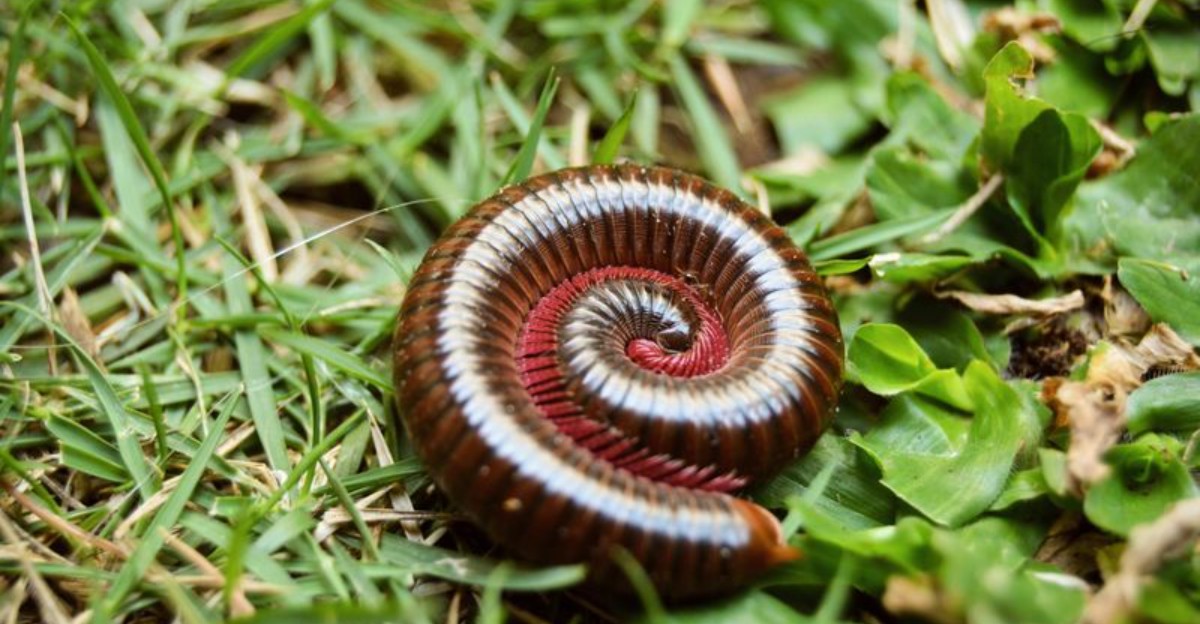
One evening the sidewalk is clear. The next morning it’s covered.
Dozens of millipedes moving across the concrete like something signaled all of them to leave at once. Nobody did anything different.
Nothing in the yard changed overnight.
That timing isn’t coincidence. Heavy rain followed by a dry stretch pushes millipedes up out of the soil in huge numbers.
Flooded out of the wet ground they normally stay buried in, they go wandering in search of somewhere drier. Late summer in Florida delivers exactly that pattern on repeat, soaking storms followed by sun.
That’s why sidewalks, driveways, and porches suddenly fill with them for a few days before they vanish just as fast as they showed up.
The swarm looks alarming up close. It’s temporary, tied to weather more than anything happening in the yard.
1. Blame Saturated Soil For The Sudden Millipede March
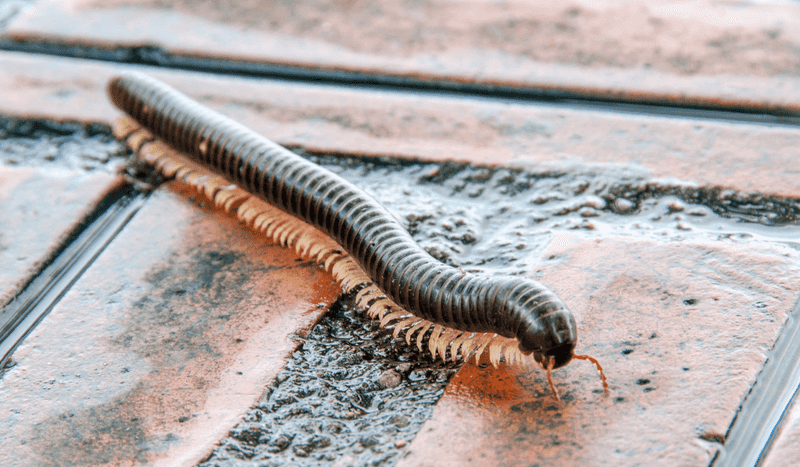
Picture a sponge that has soaked up more water than it can hold. That is basically what Florida soil becomes after a run of heavy storms, and millipedes live inside that sponge.
Under normal conditions, they spend their time a few inches down, tucked into damp crumbly dirt where they breathe through tiny openings along their sides. When water fills every air pocket, those openings stop working well and the animals get uncomfortable fast.
Their only real option is to climb upward and outward. Whole groups push through the surface at once, which is why the march looks so coordinated even though each one is just escaping on its own.
Homeowners often assume something in the yard attracted them, like a new plant or fresh sod. The truth is simpler and has more to do with drainage than dinner.
Check your low spots after the next downpour. If water sits for hours in the same corner of the lawn, that patch is likely launching the parade.
Fixing grade problems, clearing clogged gutter outlets, and adding a shallow swale can cut the crowd size next season. Better-drained soil is less likely to stay saturated long enough to trigger such dramatic surface movement.
2. See Sidewalks As Escape Routes Instead Of The Attraction
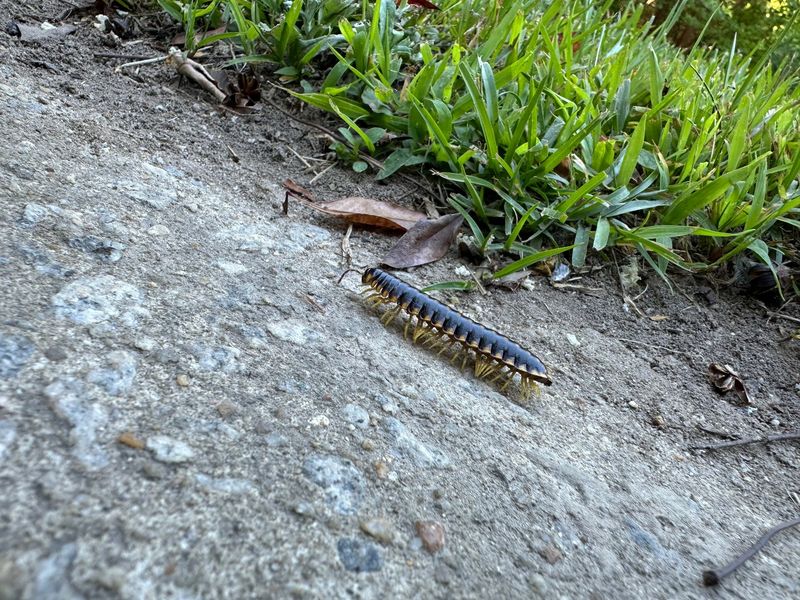
Concrete offers nothing a millipede wants. No rotting leaves, no shade pockets, no soft soil to burrow into, and yet that is exactly where you find them piled up.
Think of a sidewalk as the high ground during a flood. It sits above the soggy lawn, it warms slightly, and it gives a traveling creature a smooth surface to cover ground quickly.
They are passing through, not moving in. Most of the ones you see on the walkway are headed toward a foundation wall, a garage threshold, or any barrier that promises shelter on the other side.
That detail matters when you plan a response. Spraying the sidewalk itself accomplishes very little, because new arrivals keep streaming in from the surrounding turf and beds.
Aim your attention at the source areas on either side instead. Rake back soggy mulch, thin out dense groundcover, and give the strip along the walk a chance to dry between waterings.
Your Florida Garden Changes Every Week. Your Plan Should Too.
Gardening in Florida changes quickly throughout the season. Every Friday you’ll receive a simple weekly plan showing exactly what to plant, prune, fertilize, harvest, and protect so you never miss the right timing.
A stiff broom handles the cleanup better than a hose, since rinsing them toward the house just relocates the problem. Sweep them back into open turf or a compost pile where they can do their natural job of breaking down plant material.
3. Look To Summer Rain For The Late-Season Population Surge
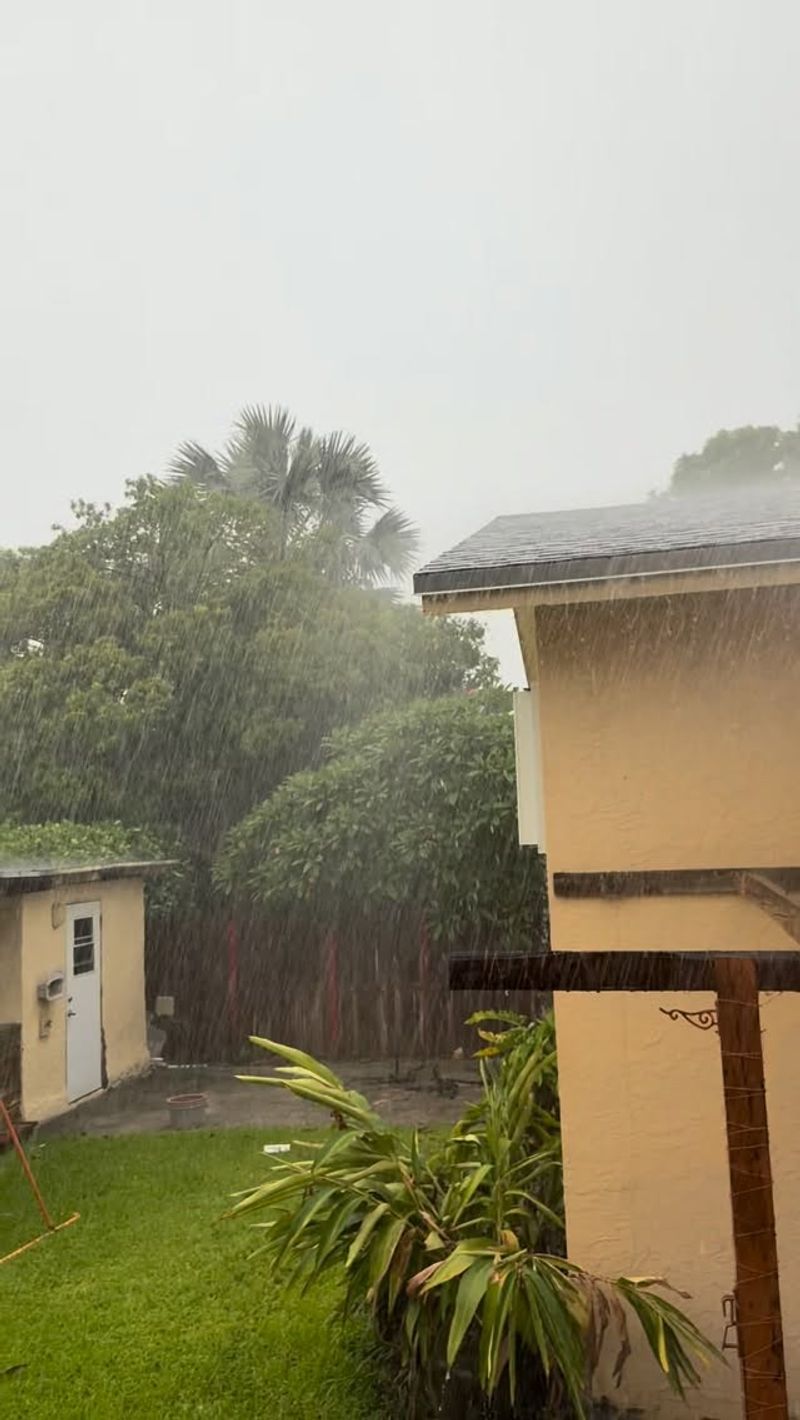
Florida runs on a wet season schedule that most residents can set their watch to. Afternoon thunderstorms roll in day after day from roughly June through September, and humidity rarely drops enough to dry things out overnight.
All that moisture is a gift for creatures that need damp conditions to survive. Eggs laid earlier in the year hatch successfully, young ones find plenty of soft decaying material to eat, and survival rates climb through the warm months.
By late summer, the population that started small has multiplied into something you notice. The same yard that showed a handful in May can produce hundreds by August.
Add one more soaking storm on top of an already full water table and the whole crowd heads for the exits at once. That timing is why the invasion feels so sudden rather than gradual.
Knowing the calendar gives you an advantage. Start moisture cleanup in early summer instead of waiting for the first big wave to appear on your porch.
Clean gutters in June, check downspout extensions, and thin overgrown beds before the rain really settles in. Getting ahead of the season beats scrambling after it.
4. Check Thick Mulch For The Moist Habitat Millipedes Prefer
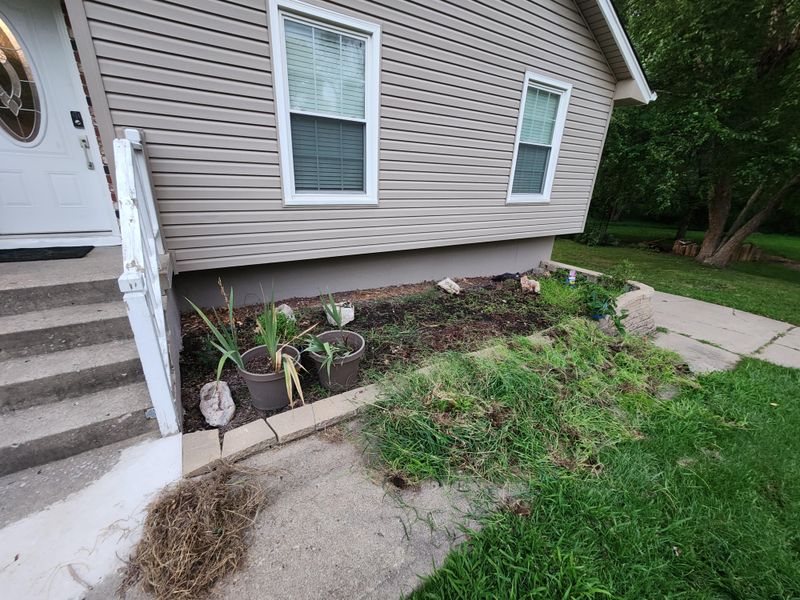
Mulch does wonderful things for a landscape bed. It holds water at the roots, blocks weeds, and keeps soil temperatures steady during brutal afternoons.
Every one of those benefits also reads as a five star listing to a millipede. Deep, shredded, slowly rotting bark gives them cool shade, steady dampness, and a food supply all in one place.
Trouble starts when the layer gets too generous. A thick mulch layer can stay damp underneath for longer, creating a moist zone right beside your walls.
Pull a handful back from a shady bed and look underneath. If the lower layer is matted, dark, and smells sour, you have found a nursery.
Keep the depth reasonable and rake the surface occasionally to break up crusting and let air move through. A one foot gap of bare soil or gravel between mulch and the foundation makes a surprising difference.
Coarser materials like pine bark nuggets drain faster than fine shredded types. Swapping products in the beds closest to the house cuts the dampness without giving up curb appeal.
Refresh mulch by removing old material rather than piling new on top year after year.
5. Leave Decaying Leaves On The Suspect List
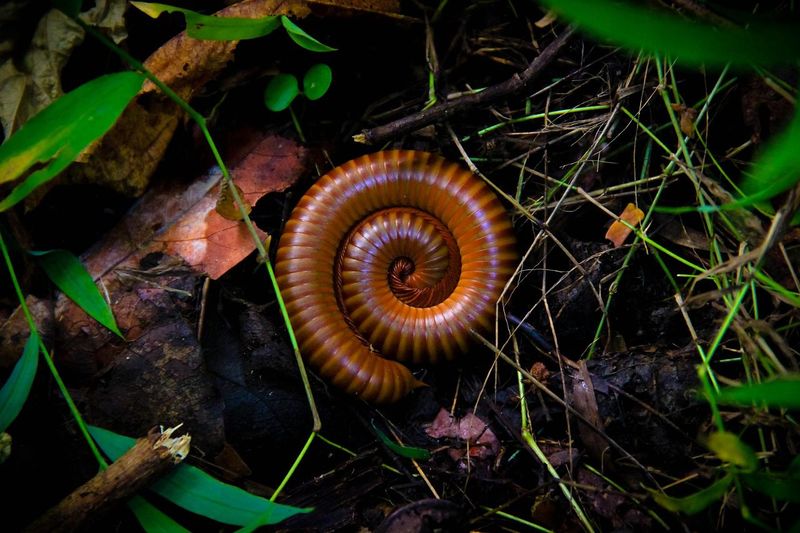
Here is a quiet truth about these creatures: they are recyclers, not raiders. Their whole purpose in the ecosystem is chewing through fallen plant material and turning it back into soil.
That appetite explains why leaf litter ranks so high on their list of favorite addresses. A damp pile of oak leaves against the north side of a house offers food, humidity, and a hiding spot all at once.
Grass clippings left in soggy clumps work the same way. So do forgotten stacks of yard waste, cardboard boxes in the side yard, and boards resting flat on the ground.
Walk the perimeter of your home with fresh eyes and count how many spots fit that description. Most yards have three or four without anyone realizing it.
Clearing them out is free and takes an afternoon. Bag the leaves or move them to a compost bin positioned well away from the walls.
Bagging clippings instead of letting them mat along the edge of a bed also helps. Fewer buffet tables near the house means fewer diners wandering onto the porch when the weather turns wet.
Fun detail: some species can pack over three hundred legs into a body shorter than your finger.
6. Expect Mass Movement When Underground Conditions Turn Uncomfortable
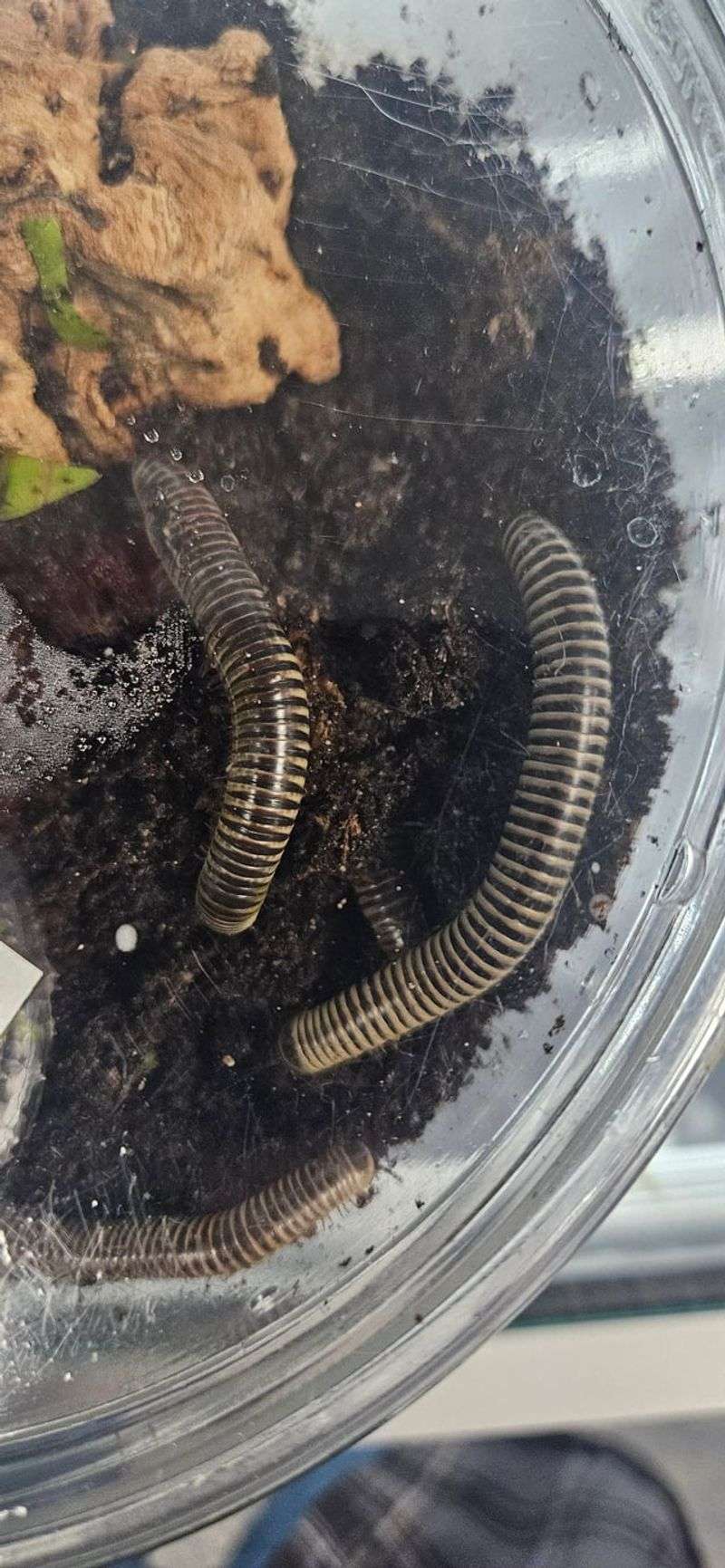
Nobody sends out a signal. There is no leader, no plan, and no meeting where the group decides to relocate to your patio.
What happens is much simpler. Thousands of individuals living in the same saturated area hit their limit at the same moment and head the same general direction, which creates the illusion of an organized migration.
Once they surface, they follow edges. Driveways, curbs, foundation lines, and fence bases act like guide rails that funnel them straight toward buildings.
The movement usually peaks overnight and in the cool hours after sunrise. That is why you rarely see the march in progress and instead wake up to the aftermath.
Outdoor lighting makes the gathering worse in some yards. Bright outdoor lighting can attract other nighttime insects and activity, so using warmer, lower-intensity lighting near doorways may help keep the area calmer.
The whole episode tends to run its course within a week or two. Most of the travelers dry out or return to the soil once conditions settle, so patience plus a broom handles more than any spray bottle will.
Sweeping in the early morning catches the bulk before the sun bakes them onto the concrete.
7. Watch Irrigation Add More Moisture After The Rain Stops
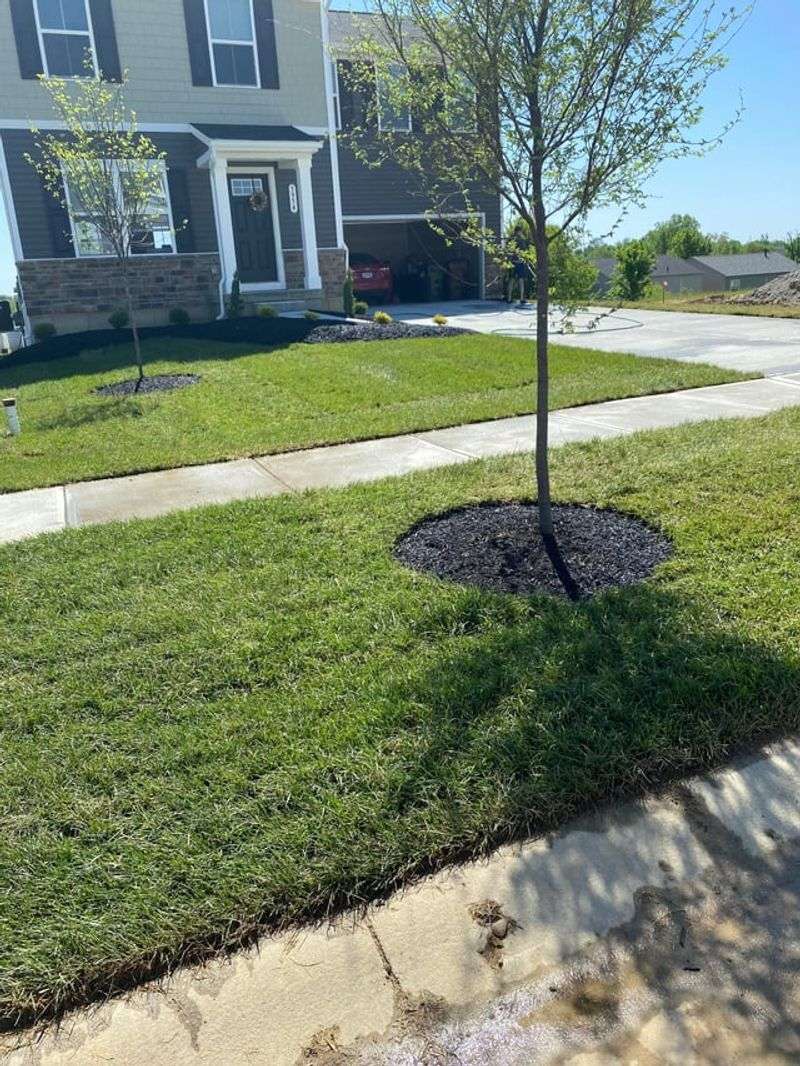
Rain gauges tell a story that sprinkler timers ignore. Plenty of Florida systems run the same schedule in August that they ran in April, dumping inches of water onto ground that already received a soaking the night before.
The result is soil that stays waterlogged even during dry stretches between storms. Millipedes that might have settled back down instead keep getting pushed toward the surface.
Zones aimed at foundation beds cause the most trouble. Spray heads that hit the wall or wet the mulch strip create exactly the conditions that keep the population thriving all summer.
Install a rain sensor if your controller lacks one, since many municipalities require them anyway. A simple shutoff after measurable rainfall saves water and reduces the crowd on your walkway.
Switch to early morning watering so surfaces dry during the day. Evening cycles leave everything damp through the exact hours when these travelers are most active.
Check the beds nearest your doors by hand. If the soil stays saturated between rain and irrigation, dial that zone back and let it dry more thoroughly.
Drip lines beat overhead spray around the house because they deliver water at the roots without soaking the surface layer.
8. Keep Millipedes Outside By Closing Gaps Around The House
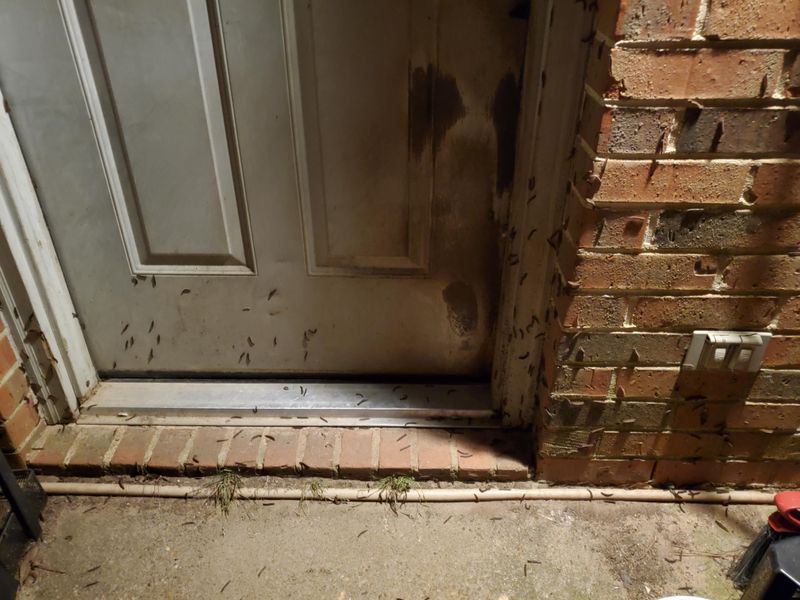
A millipede in your kitchen is a lost tourist, not an invader. Homes offer them nothing to eat and air far too dry for comfort, which is why the ones that wander inside rarely last long.
Getting in takes less space than you would guess. Worn door sweeps, sliding glass door tracks, garage thresholds, and hairline foundation cracks all serve as open doors during a big movement.
Grab a flashlight and inspect the bottom edge of every exterior door from the outside. If you can see daylight, something small can walk right through.
Replace tired weatherstripping and add a threshold seal where the gap is stubborn. Caulk the gaps around hose bibs, cable lines, and air conditioner line sets where they pass through the wall.
Screen the weep holes in block or brick walls with stainless mesh rather than plugging them, since those openings need to stay functional for drainage.
Garages deserve special attention because the rubber seal along the bottom of the door flattens over time. A fresh seal there solves half the indoor sightings in most Florida houses.
Vacuum up any that slip through, then empty the canister outside.
9. Manage Moisture And Organic Debris Before Reaching For A Treatment
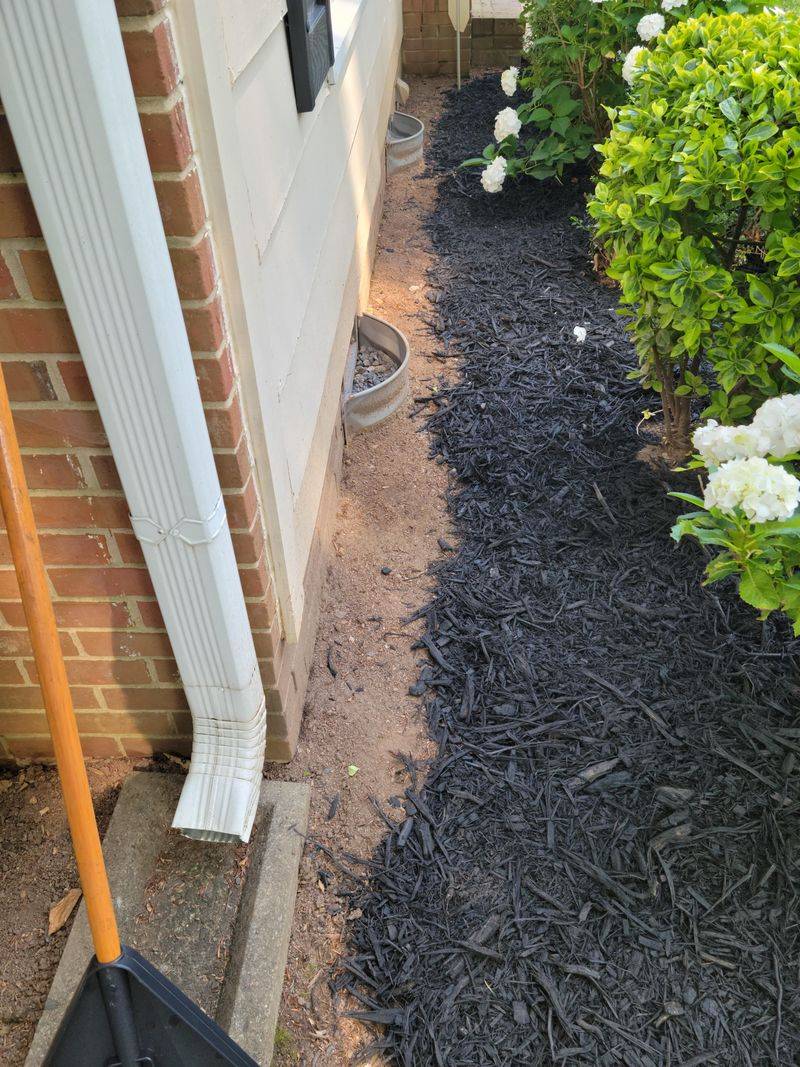
Reaching for a spray feels satisfying, but it treats the symptom while the cause keeps pumping out replacements. Yard conditions decide how big the wave gets, and those conditions are entirely within your control.
Start with drainage. Extend downspouts far enough from the house to keep runoff from collecting beside the foundation, and fill settled areas near the walls.
Next comes the perimeter cleanup. Pull mulch back six to twelve inches from the foundation, trim shrubs so air and sunlight reach the soil beneath, and clear leaf litter from behind bushes where nobody usually looks.
Store firewood off the ground and away from the house. Flip over anything that traps dampness underneath, including flower pots, kiddie pools, and stacked pavers.
Do these chores in late spring and the late summer surge shrinks noticeably. Repeat the perimeter sweep every few weeks during the rainy stretch and you stay ahead of the buildup.
If numbers still overwhelm you, a licensed pest professional can apply a targeted perimeter barrier that works alongside the habitat changes. Pairing the two approaches gives far better results than either one alone, and your sidewalk stays walkable.