Why Michigan Tomatoes Need To Be Hardened Off Longer Than Most Gardeners Think
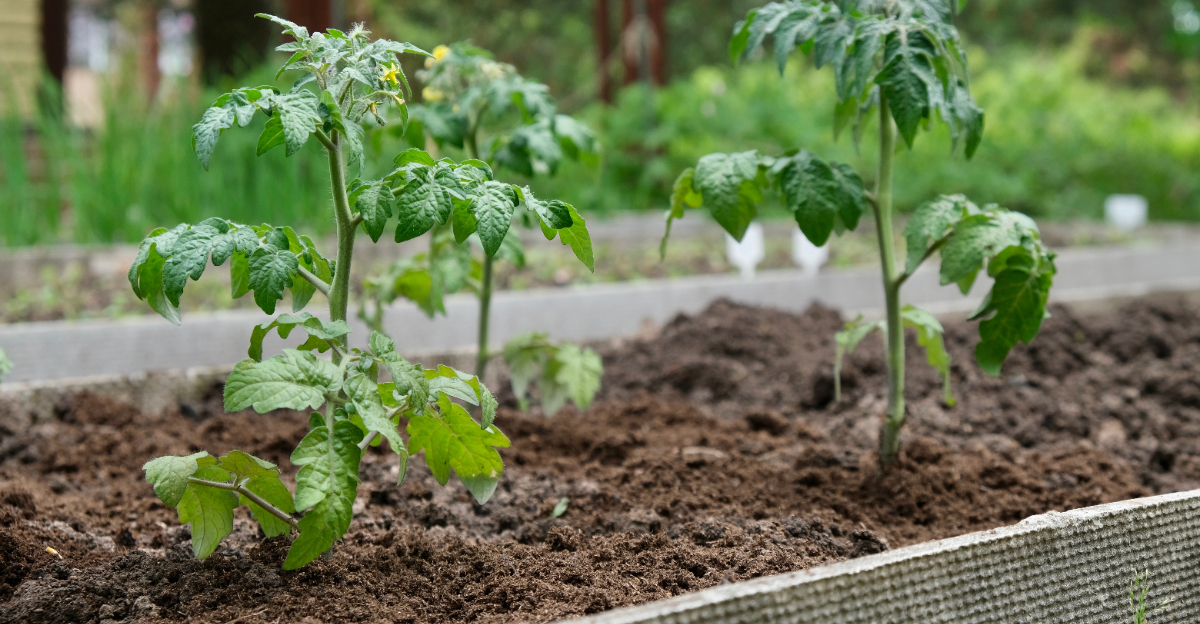
Hardening off tomatoes is one of those steps that gardeners know they should do but often rush through because spring feels short and the urge to get plants in the ground is real.
In Michigan, cutting this process short is one of the most common reasons tomatoes struggle in their first few weeks outdoors even when everything else looks right.
The jump from a controlled indoor environment to a Michigan spring is a bigger shock to a plant than most people give it credit for.
Temperature swings, direct sun, wind, and fluctuating moisture levels hit all at once, and a tomato that was not gradually introduced to those conditions will spend valuable weeks just recovering instead of growing.
Michigan’s unpredictable late spring weather makes this adjustment period longer and more important than what standard gardening advice typically suggests.
The gardeners who take extra time with this step consistently see faster growth and stronger production once plants are fully established. Here is why that extra time matters and exactly how to use it well.
1. Large Day To Night Temperature Swings
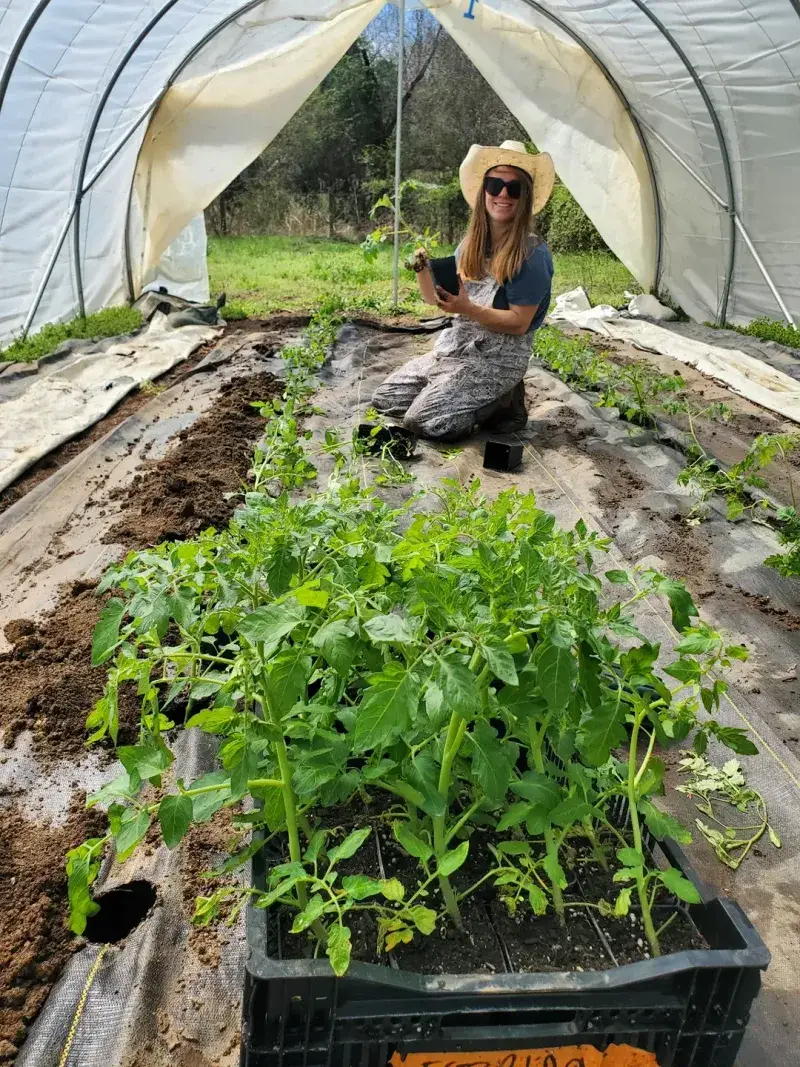
One night, you wake up to frost warnings after a perfectly warm afternoon. That is Michigan spring in a nutshell, and your tomato seedlings feel every single degree of that shift.
Tomatoes are warm-weather plants that struggle when temperatures drop below 50 degrees Fahrenheit, and Michigan nights can easily dip that low well into late May.
When seedlings grown indoors suddenly face these swings, their cells experience real stress. The plant slows its growth, tightens up, and sometimes shows signs of damage like purple-tinged leaves or wilting.
Gradual exposure during hardening off teaches the plant to handle these shifts without going into shock.
Starting with just an hour or two outside each day, then slowly building up over two to three weeks, gives your tomatoes time to adjust their chemistry.
They actually thicken their cell walls and produce protective compounds that help them survive the cold snaps Michigan loves to throw out in spring.
Gardeners who skip this step often find their plants sitting still for weeks after transplanting, not because the soil is bad, but because the plant is simply recovering.
Michigan’s temperature swings are wide and frequent, so your hardening off window needs to be longer than what gardeners in warmer states typically follow.
Give your plants the time they need, and they will reward you with strong, steady growth all season long.
2. Cold Soil Slows Down Root Function
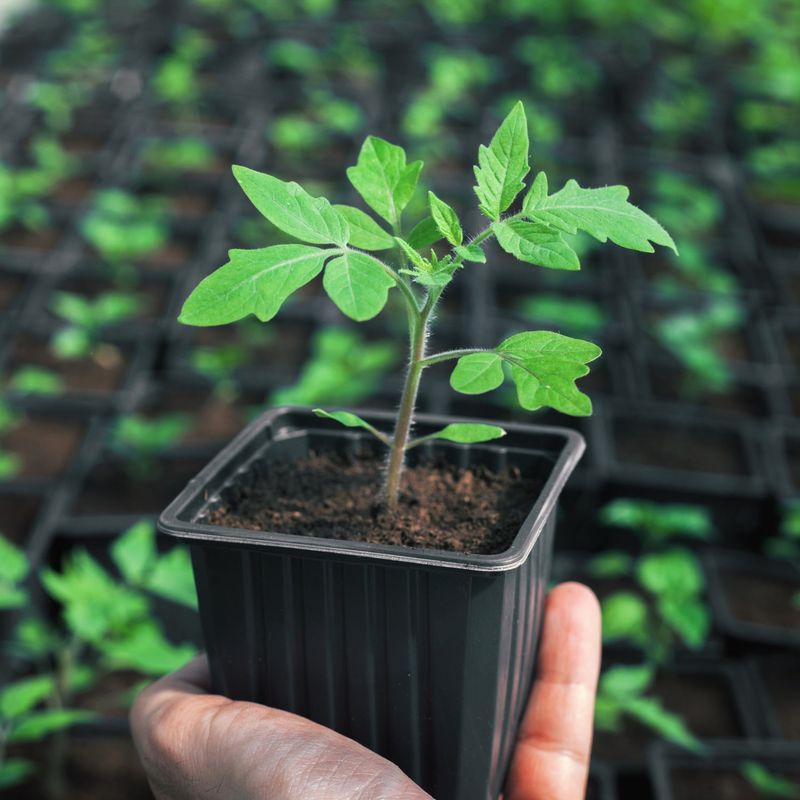
Here is something many gardeners overlook completely: even when the air feels warm and comfortable outside, the soil in a Michigan garden can still be surprisingly cold.
Soil temperatures in Michigan often stay below 60 degrees Fahrenheit well into late May or even early June, and tomato roots simply do not perform well in cold ground.
When roots sit in cold soil, they struggle to absorb water and nutrients properly. The plant above ground may look fine at first, but it is quietly starving because its root system cannot do its job.
Your Michigan Garden Changes Every Week. Your Plan Should Too.
Gardening in Michigan changes quickly throughout the season. Every Friday you’ll receive a simple weekly plan showing exactly what to plant, prune, fertilize, harvest, and protect so you never miss the right timing.
Phosphorus uptake, which is critical for early plant development, drops dramatically when soil temperatures fall below 55 degrees Fahrenheit.
Hardening off helps in a smart way here. As you gradually expose your seedlings to outdoor air, you are also giving yourself more time before transplanting, which means the soil has more days to warm up naturally.
Rushing transplanting into cold Michigan soil because the calendar says it is time is one of the most common mistakes backyard gardeners make. A longer hardening off period of two to three weeks naturally aligns your transplant date with warmer soil conditions.
Checking soil temperature with an inexpensive thermometer before transplanting is a game changer. Aim for at least 60 degrees Fahrenheit consistently, and your tomato roots will take off with energy and purpose rather than sitting still in cold Michigan ground.
3. Strong Spring Sun Can Scorch Tender Leaves
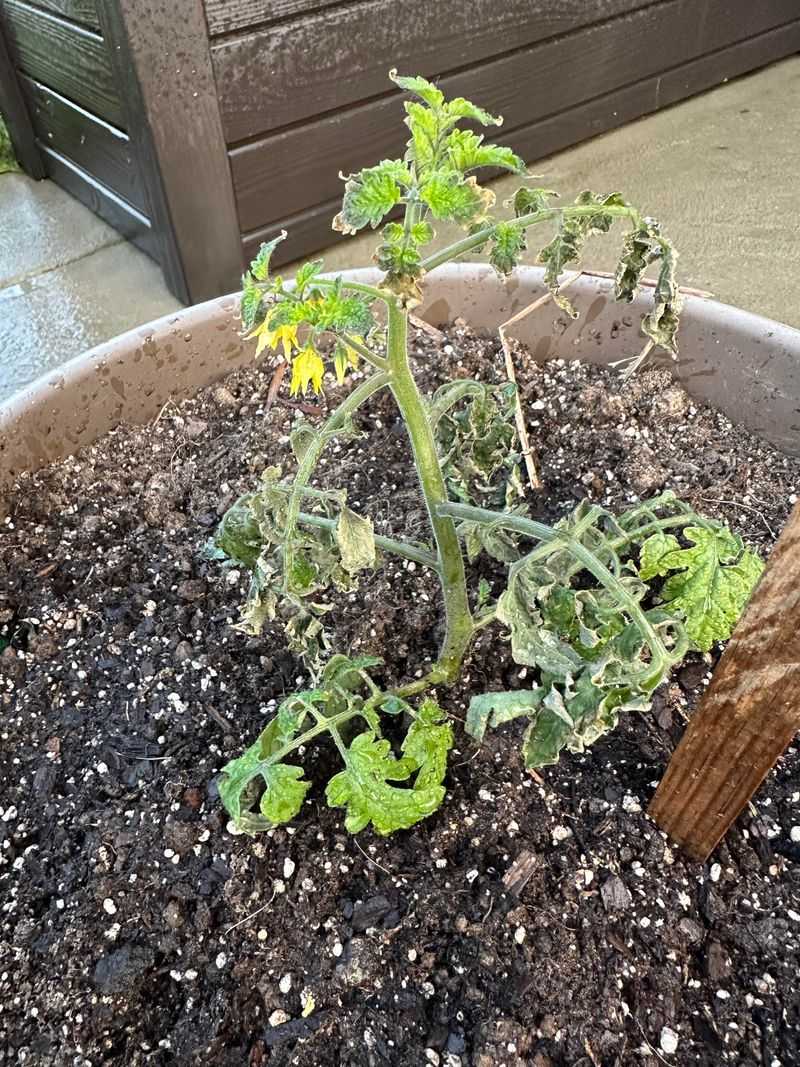
Imagine spending months indoors under soft grow lights, then suddenly stepping outside into full afternoon sun. That is exactly what your tomato seedlings experience when you skip proper hardening off.
Indoor-grown plants develop leaves that are simply not built for the intensity of direct outdoor sunlight, even on a mild Michigan spring day.
Michigan’s spring sky can be deceptively powerful. Even when temperatures feel cool, UV rays are strong enough to cause serious leaf scorch on plants that have not adjusted.
Leaf scorch shows up as pale, bleached, or papery patches on the leaves, and once it happens, those leaves never fully recover their function.
The good news is that this damage is completely avoidable with a gradual approach. Start your hardening off sessions in a shaded or partly shaded spot, like under a tree or on the north side of your house.
After several days, move to a spot with morning sun and afternoon shade. Then slowly introduce more direct sun over the following days and weeks.
Michigan’s clear spring days are wonderful for growing tomatoes, but only once the plants have built up their natural sun protection through gradual exposure. Chlorophyll and protective pigments actually shift and strengthen during this process.
Giving your seedlings two full weeks to adjust to Michigan’s outdoor light levels means they will be tough, vibrant, and ready to soak up every bit of summer sunshine without flinching.
4. Wind Builds Stronger Stems Over Time
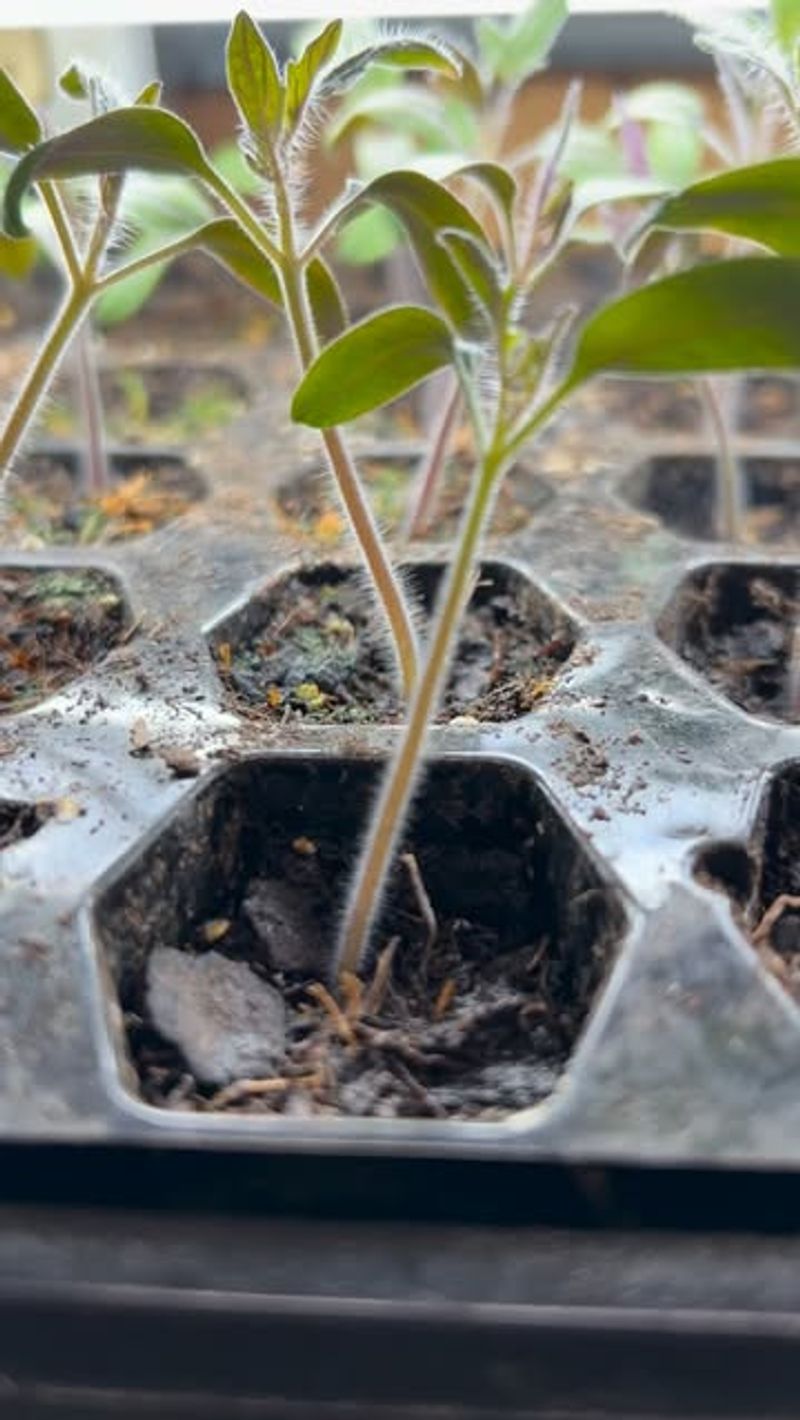
Wind is something most gardeners never think about when they picture their tomato plants growing happily in the garden. But for seedlings raised in the still, calm air of a home or greenhouse, even a light Michigan spring breeze can feel like a serious challenge.
Wind pushes plants around physically, and that movement puts real strain on stems that were never built for it indoors.
Here is the fascinating part: wind exposure actually triggers a process called thigmomorphogenesis, which is a fancy science word for the way plants grow stronger in response to physical stress.
When stems bend in the breeze, the plant responds by producing thicker, sturdier cell walls. Over time, wind-hardened tomato stems become noticeably more robust than those that skipped the process.
Michigan is well known for its breezy spring weather, especially in areas near the Great Lakes where wind comes off the water with real force.
A plant moved directly from a calm indoor environment into a windy Michigan garden can snap, lean badly, or simply exhaust itself trying to stay upright.
Starting with short outdoor sessions on calmer days, then gradually increasing wind exposure over two to three weeks, gives stems time to thicken and strengthen naturally. You will actually be able to see and feel the difference in your plants by transplant day.
Sturdy stems mean better nutrient flow, stronger support for fruit, and a plant that handles Michigan’s unpredictable weather with confidence.
5. Transplant Shock Eats Into Your Short Growing Season
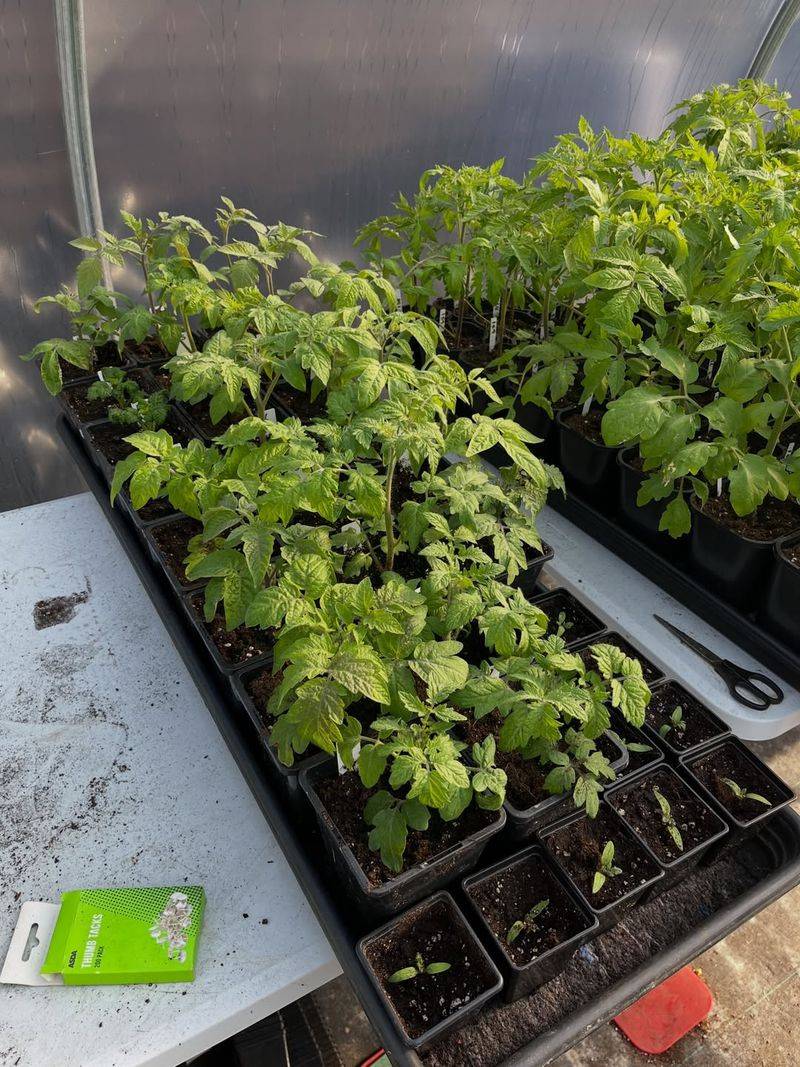
Michigan gardeners know the growing season is precious. Frost can show up in early May and return as early as late September, which leaves a window that feels shorter every time you check the calendar.
Losing even two weeks to transplant shock is not just frustrating, it directly reduces how many tomatoes you actually get to harvest before fall arrives.
Transplant shock happens when a plant moves from one environment to another too quickly and spends its energy recovering instead of growing. You can spot it easily: the plant just sits there, looking okay but not doing much.
New leaf growth stalls, roots are slow to establish, and the whole plant seems to pause while it figures out its new situation.
A thorough hardening off process of at least two weeks dramatically reduces this stall period. Plants that have been properly prepared for Michigan’s outdoor conditions tend to take off within days of transplanting rather than weeks.
They already know what the wind feels like, how strong the sun is, and how cool the nights get. There is no big surprise waiting for them in the garden.
For Michigan gardeners who want maximum production from their tomato plants, this is one of the most practical investments of time you can make.
Two extra weeks of hardening off at the start of the season can easily add two to three weeks of productive fruiting at the end. That trade is absolutely worth it.
6. Indoor And Outdoor Conditions Are Worlds Apart
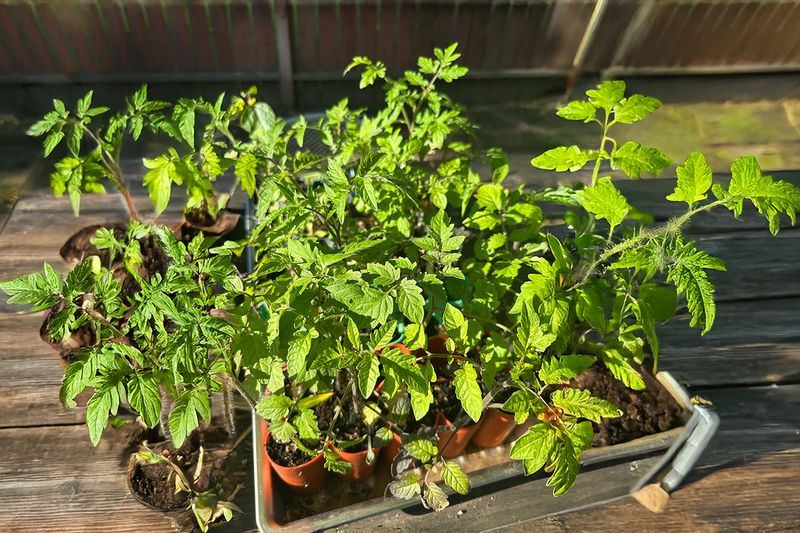
Picture the life your tomato seedlings have been living since you started them from seed. Consistent warmth, no wind, soft artificial light, steady humidity, and zero surprises.
It is basically a five-star resort compared to what waits for them outside in a Michigan garden. The contrast between these two environments is bigger than most gardeners stop to think about.
Outdoors, your plants face fluctuating temperatures, intense sunlight, drying winds, rain, insects, and soil microbes that are completely new to them. Every one of these factors requires a physical and chemical adjustment inside the plant.
Stomata on the leaves, which are tiny openings that control water loss, actually change their behavior in response to outdoor conditions. Indoors, they stay relaxed and wide open.
Outside, they need to learn when to close up to prevent the plant from drying out too fast.
This adjustment takes real time, especially in Michigan where outdoor conditions can shift dramatically from one day to the next. Rushing this transition means the plant is trying to handle everything at once, which overwhelms its systems and slows it down significantly.
A gradual hardening off schedule that stretches across two to three weeks gives every part of the plant time to recalibrate. Think of it like training for a race.
You would not go from the couch to a marathon without practice. Your Michigan tomatoes deserve the same thoughtful preparation before they face the real outdoor world.
7. Late Frost Risk Keeps The Window Wide Open

Most gardening calendars list mid-May as the safe transplant date for Michigan tomatoes, but experienced Michigan gardeners know that date is just a guideline, not a guarantee.
Late cold snaps have caught countless gardeners off guard, with frost arriving well after Mother’s Day and wiping out plants that were put in the ground too eagerly.
Michigan’s last frost date varies significantly by region, and even the Lower Peninsula can see cold nights into late May.
A longer hardening off period gives you a built-in buffer against this reality. When you extend your process to two and a half or even three weeks, you are not just preparing your plants, you are also buying yourself flexibility.
If a late cold snap rolls through Michigan, your seedlings are still safely manageable in containers rather than stuck in the ground and vulnerable.
Hardened plants that have been through the full process also handle unexpected cold snaps better than those that were rushed. Their thickened cell walls and adjusted stomata give them more resilience when temperatures drop unexpectedly.
Watching the actual forecast rather than the calendar is the smartest move any Michigan gardener can make. Use that extra hardening off time to watch for a stretch of consistently warm nights before committing to full transplanting.
Patience during this stage pays off in a big way. The tomatoes you plant after a proper, extended hardening off period will grow with the kind of strength and confidence that makes the whole Michigan gardening season feel worth every careful step.