Why Some Arborvitae In Ohio Recover In Spring And Others Don’t
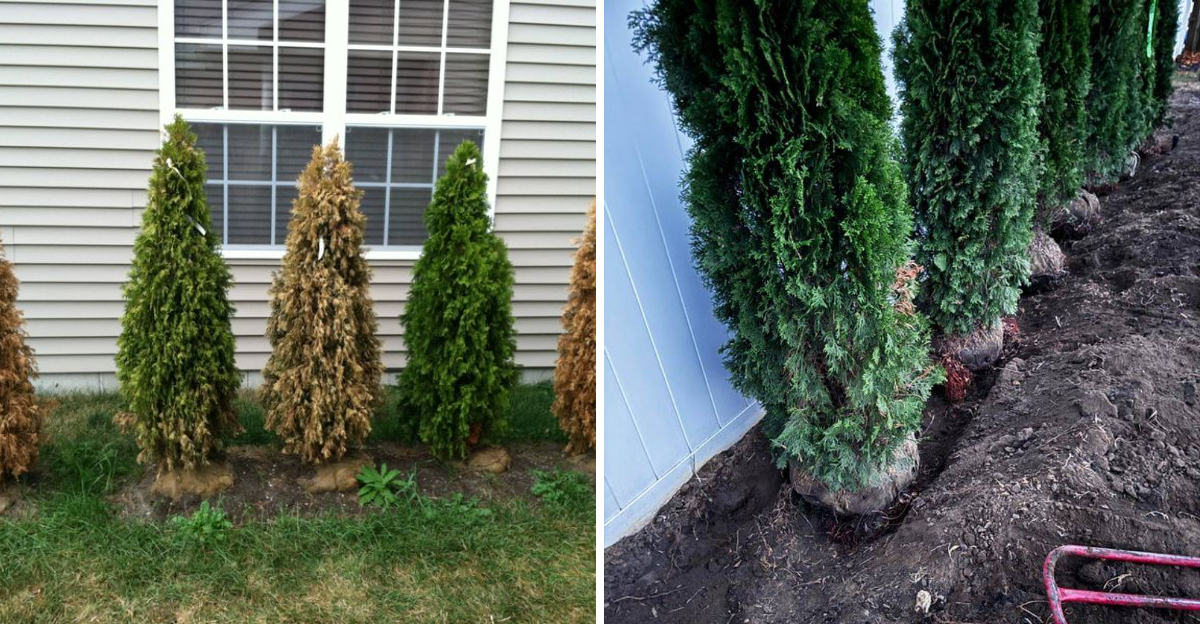
One arborvitae looks fine. The one beside it looks like winter picked a favorite.
That is the spring mystery a lot of Ohio homeowners face once the snow melts and the hedge finally comes back into view. Why does one plant stay green while another turns brown, thin, or patchy?
Should you wait it out, water deeply, prune the worst parts, or admit the screen is not coming back the way you hoped?
Arborvitae can look rough after an Ohio winter for more than one reason. Drying winds, frozen soil, road salt, wet clay, poor drainage, deer browsing, and old stress from the previous season can all show up at once in spring.
The tricky part is knowing which plants still have enough green growth to recover and which ones are only going to leave gaps in your privacy screen. Before you grab the pruners or dig anything out, learn what the damage is actually telling you.
1. Check For Winter Burn Before You Start Pruning
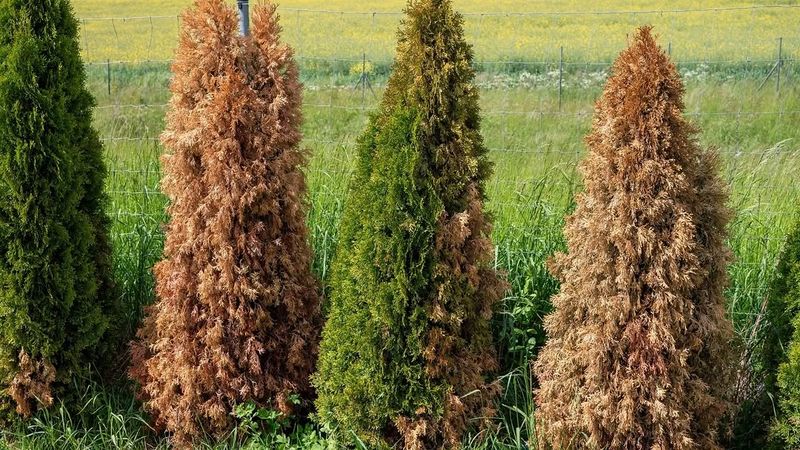
Brown arborvitae in early spring does not always mean the plant is finished. Winter burn is one common cause of spring browning on arborvitae in Ohio, and it can look alarming even when some living growth remains inside.
Winter burn happens when dry winter winds and bright winter sun pull moisture out of the foliage faster than the roots can replace it.
Because Ohio soil often stays frozen well into late winter, the roots simply cannot absorb water even when the plant is losing it through its needles.
The side of the plant facing the prevailing wind or the afternoon sun usually shows the most damage.
Seeing brown foliage in early spring does not automatically mean you need to prune heavily. Rushing in with pruning shears before the plant has had a chance to wake up for the season can cause more harm than good.
Arborvitae usually show their spring growth later than impatient homeowners expect, and that fresh growth can make light tip damage less noticeable.
Give the plant a few weeks after temperatures consistently warm up before you make any major decisions about cutting.
Patience in early spring is almost always the smarter move with winter burn.
2. Look For Green Growth Inside The Branches
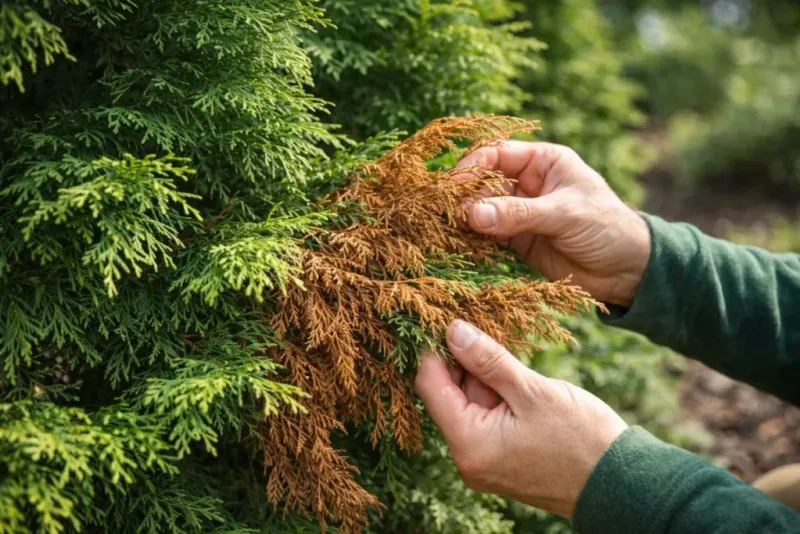
One of the most useful things you can do before making any decisions about a brown arborvitae is to look inside the plant. Outer tip browning and interior browning tell very different stories about what is actually going on with the plant’s health.
Gently part the foliage and look toward the center of the branch structure. If you find green tissue, flexible twigs that bend without snapping, and healthy-looking inner growth, that is a good sign.
The plant likely still has the ability to push new growth outward and fill in the damaged areas over the coming weeks. A scratch test can help on small branches, but do not rely on one twig.
Check several areas for flexible growth, green tissue, and new buds before making a decision.
Your Ohio Garden Changes Every Week. Your Plan Should Too.
Gardening in Ohio changes quickly throughout the season. Every Friday you’ll receive a simple weekly plan showing exactly what to plant, prune, fertilize, harvest, and protect so you never miss the right timing.
Branches that are brown all the way from the tip back through the interior, with brittle twigs that snap cleanly and no green tissue visible, are much less likely to recover. The difference matters a lot when you are deciding whether to wait or remove.
Checking several branches in different parts of the plant gives you a more accurate picture than looking at just one spot. A plant with mostly green interior growth and brown tips is in a very different situation than one that is brown from the inside out.
3. Water Deeply After A Dry Or Windy Winter
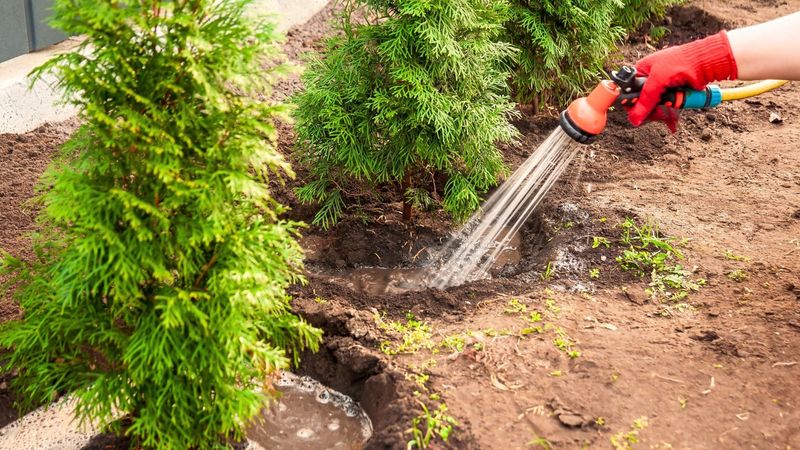
Moisture is one of the most overlooked parts of arborvitae spring recovery. After a dry fall, a windy winter with little snow cover, or a late winter with extended freezing temperatures, arborvitae roots can enter spring already running low on available moisture.
Arborvitae are shallow-rooted evergreens, which means their root systems sit close to the surface and are more vulnerable to dry conditions than deep-rooted trees.
Once the soil thaws and temperatures begin climbing, the plant starts pushing new growth and needs consistent moisture to support that process.
Sprinkling the surface lightly is not enough. Deep, slow watering that soaks the root zone is far more effective, especially in the weeks just after the ground thaws.
That said, soggy soil creates a separate problem entirely. Ohio clay soil drains slowly, and arborvitae sitting in wet, waterlogged ground are at risk for root rot and other issues that will make recovery harder, not easier.
The goal is consistent moisture without standing water around the base of the plant. Checking soil moisture a few inches below the surface before watering helps you avoid both extremes.
If the soil feels dry and crumbly, water thoroughly. If it feels wet and heavy, hold off and check drainage before adding more water.
4. Do Not Cut Back Into Bare Brown Wood
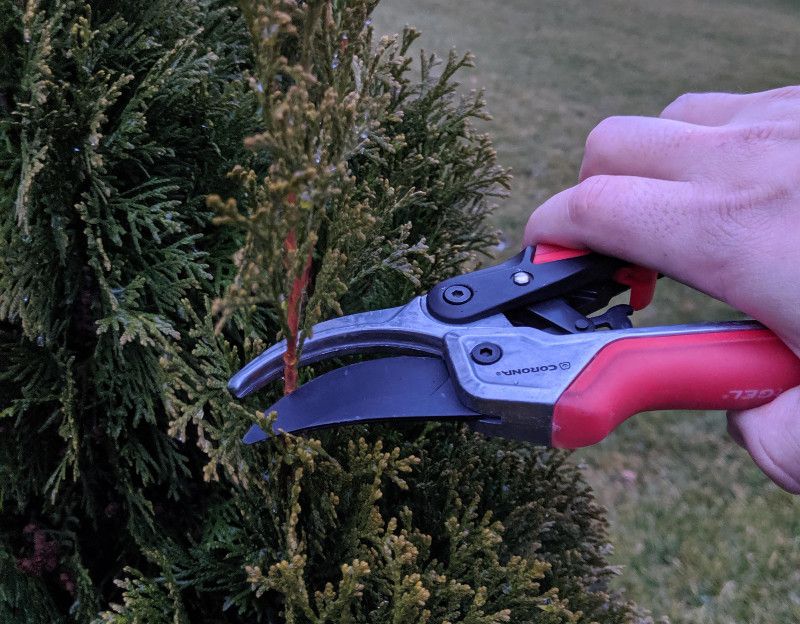
Grabbing the hedge trimmer and cutting aggressively into brown arborvitae is one of the most common mistakes Ohio homeowners make in spring. The problem is that arborvitae do not reliably push new growth from old bare wood the way some other shrubs do.
Unlike forsythia or lilac, which can be cut hard and still produce new shoots from old stems, arborvitae needs green foliage present on a branch in order to push new growth from that area.
Cut back to bare brown wood and you are very likely left with a permanent bare section that will never fill back in.
That can turn a recoverable plant into a lopsided, permanently thinned one.
Light pruning into green growth is fine and sometimes helpful. Removing clearly broken branches, trimming ragged edges, or snipping off fully brown tips that are well beyond any living tissue can neaten the plant without causing lasting harm.
The rule of thumb is to only cut where you can see green, and to cut conservatively rather than trying to shape the plant heavily right after a tough winter.
Some lightly damaged outer foliage that looks brown in April may become hidden by new green growth by June, so waiting a few weeks before deciding what truly needs to come off is almost always worth it.
5. Watch For Root Stress In Wet Ohio Soil
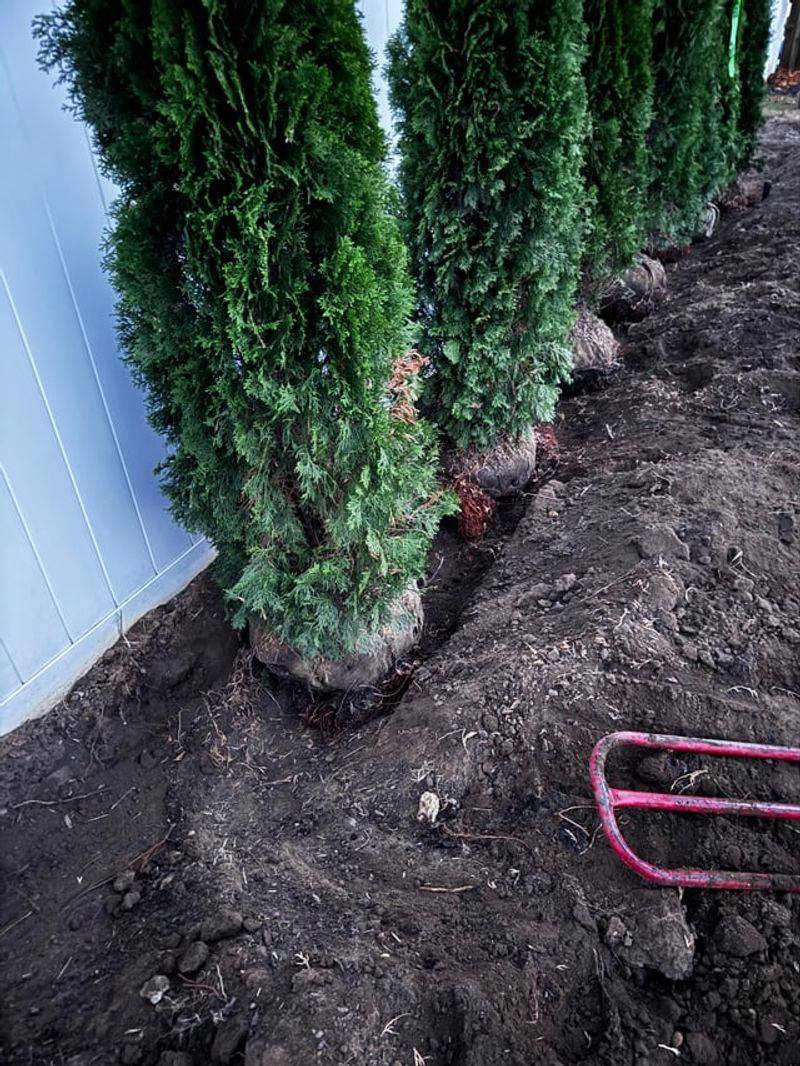
Not every struggling arborvitae is dealing with winter burn. Some plants fail to recover in spring because their roots were already under stress long before the first frost arrived.
Ohio’s heavy clay soil is a major contributing factor that does not get enough attention.
Clay soil holds water for a long time, especially in low-lying areas or spots near downspouts and driveways. Arborvitae roots sitting in consistently wet, poorly drained soil become weakened over time.
A stressed root system going into winter has less ability to support the plant through cold, drying conditions, and it has less ability to bounce back when spring arrives.
Signs of root stress include foliage that thins from the inside out, browning that starts in the lower or interior portions of the plant, consistently poor growth compared to nearby plants, and multiple arborvitae struggling in the same area of the yard.
Improving drainage around struggling plants can help, but it needs to happen thoughtfully. Avoid piling mulch directly against the trunk, since that traps moisture at the base and can cause bark problems over time.
A mulch ring pulled a few inches away from the trunk and spread out over the root zone helps retain even moisture without smothering the base.
If drainage is genuinely poor in a planting area, that underlying problem needs to be addressed before replacement plants will do any better than the ones that are struggling now.
6. Protect Exposed Plants From Spring Wind
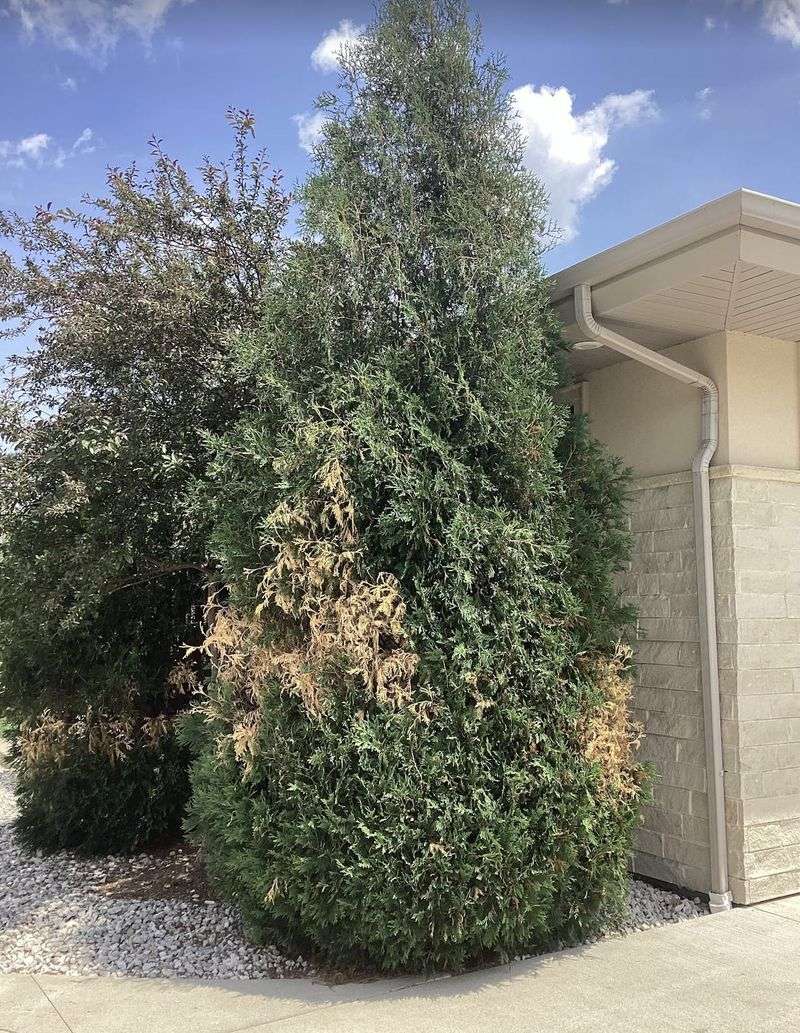
Location matters more than most people realize when it comes to how well arborvitae handle Ohio winters.
Plants tucked in a sheltered spot near a fence or building often come through winter looking much better than the ones planted along an open property line, near a road, or on the corner of a house where wind hits from multiple directions.
Exposed arborvitae face more drying wind during winter and early spring, which accelerates moisture loss from the foliage. Road-side plantings also deal with salt spray from winter road treatments, which adds another layer of stress.
Salt damage can look similar to winter burn, with browning on the side of the plant closest to the road, but the foliage may also appear bleached or have a different texture than typical wind burn.
Burlap screens installed before winter can reduce wind and salt exposure significantly without trapping heat the way plastic wraps do. Plastic wrapping is not recommended because it can cause overheating on sunny winter days and creates humidity problems.
Proper spacing between plants also matters since arborvitae planted too close together compete for resources and are more vulnerable when conditions get tough.
If you have repeatedly lost or damaged arborvitae in a particularly exposed spot, that location may simply be better suited to a tougher, more wind-tolerant evergreen or a mixed screening planting that does not rely entirely on one species.
7. Give Light Damage Time To Push New Growth
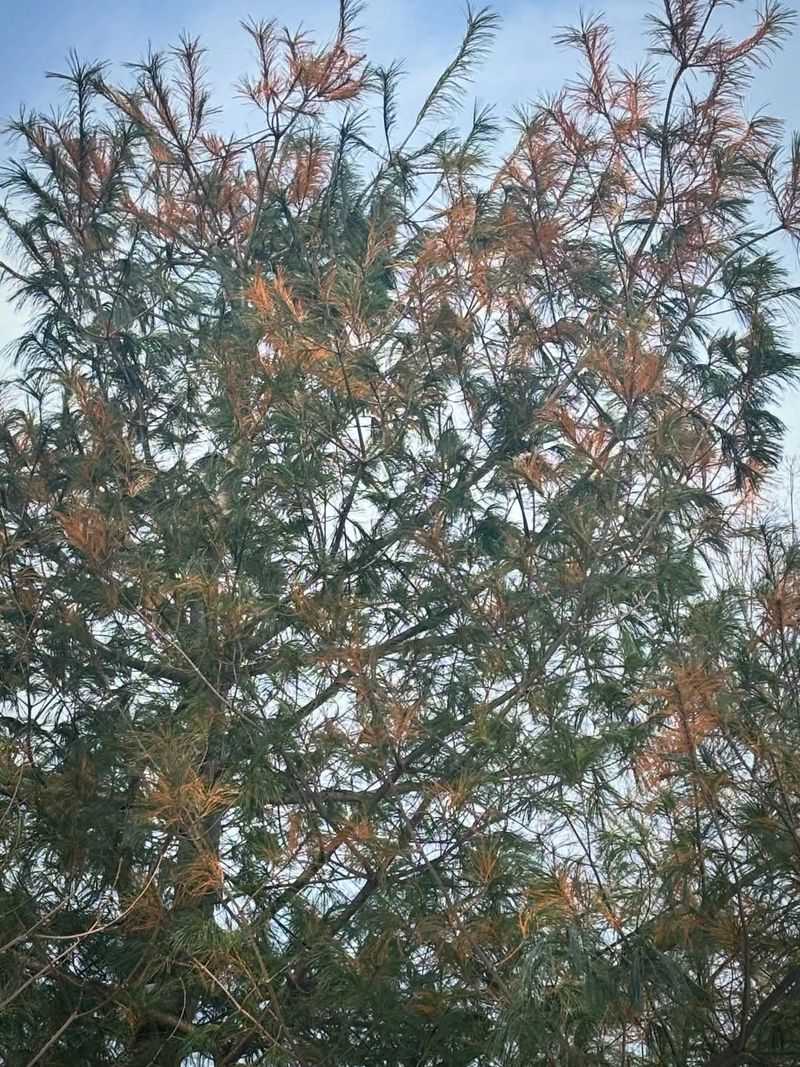
Spring in Ohio can be deceptive. An arborvitae that looks rough in late March or early April may look noticeably better by late May or early June once the plant has had time to push new growth.
Jumping to conclusions too early costs homeowners plants that would have recovered just fine on their own.
Light tip burn and patchy outer browning are the types of damage most likely to become less visible as the season progresses.
New growth emerges from the tips of healthy branches and can cover a surprising amount of surface damage within a single growing season.
The plant does not erase the brown foliage, but the new green growth grows out in front of it and changes the overall appearance significantly.
A realistic timeline for reassessment is late May to early June in most parts of Ohio. By that point, a plant with genuine recovery potential will be showing clear signs of new growth and the overall color will be improving.
A plant that still looks uniformly brown, has no new tips emerging, and feels dry and brittle is telling you something different.
Large bare sections, especially ones that run through the interior of the plant rather than just the outer tips, are unlikely to fill back in regardless of how long you wait.
Watching the plant through late spring before making a final call is the most informed approach.
8. Replace Arborvitae That Are Brown From The Inside Out
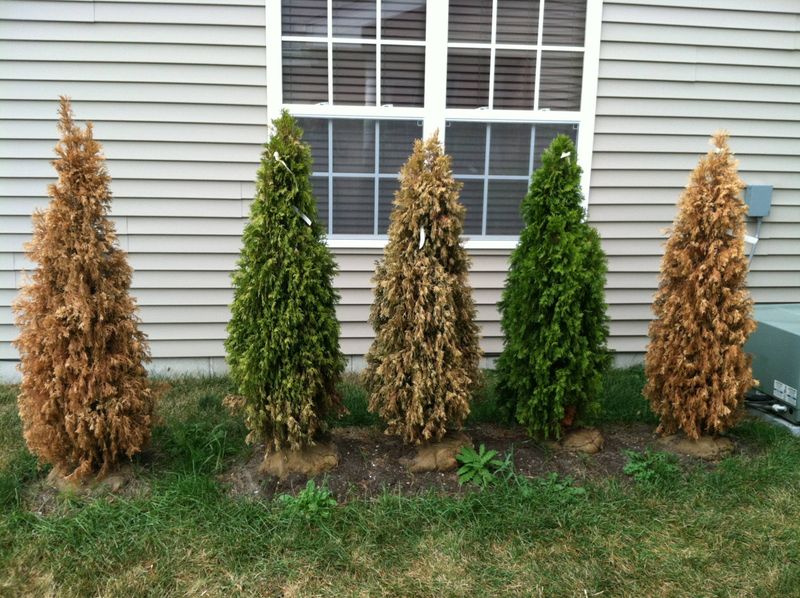
Sometimes the most practical thing you can do is accept that a plant is not going to recover and make a plan to replace it.
Widespread browning that runs through the interior of the plant, brittle branches with no green tissue, repeated yearly decline, and severe root problems are all signs that waiting is unlikely to produce a useful result.
A privacy hedge that is half-bare or permanently lopsided is not serving the purpose it was planted for. Waiting two or three more seasons hoping it will fill back in means years of looking at a screen that does not screen.
Replacement, done thoughtfully, puts you ahead in the long run.
Before replanting in the same spot, take time to understand why the previous plant struggled. Poor drainage, road salt exposure, heavy wind, deer pressure, or a site that simply does not suit arborvitae well are all worth addressing before putting in new plants.
Improving soil drainage, adjusting the planting location slightly, spacing new plants correctly, and selecting cultivars known to perform in Ohio conditions can all make a significant difference.
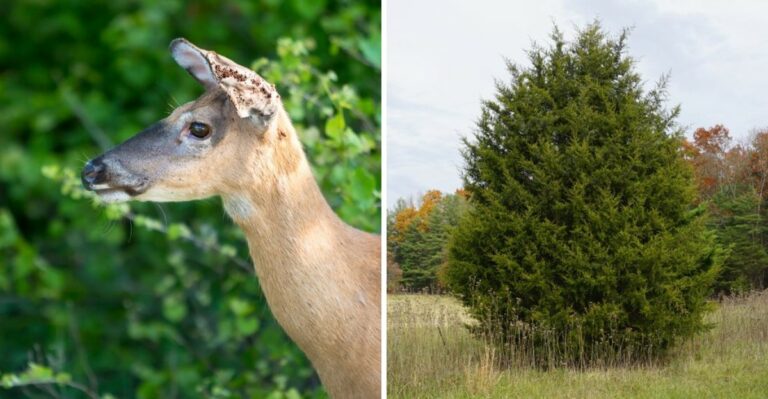
In spots where arborvitae have repeatedly failed, consider a mixed screen using site-appropriate evergreens and shrubs, such as eastern red cedar in sunny, well-drained spots or winterberry holly as a deciduous native component in moist areas.