Why Moles Invade Washington Lawns Every Spring (And What’s Really Going On Underground)
Every spring, Washington lawns turn into something that looks suspiciously like a tiny underground city is being built without your permission.
Somewhere beneath your feet right now, a mole is absolutely thriving, and your lawn is paying for it.
Here’s the thing, moles aren’t random.
They’re not lost, and they’re not targeting you personally.
They’re just doing what moles do, and Washington happens to be the perfect place to do it.
The climate, the soil, the spring rainfall, your lawn is basically a five-star hotel for a creature that eats its own body weight in earthworms every day.
The good news?
Once you understand what’s actually driving them, you stop guessing and start making smart decisions.
Here is exactly what is happening underground, why spring sets everything off, and what you can actually do about it.
What’s Actually Happening Beneath Your Feet Right Now
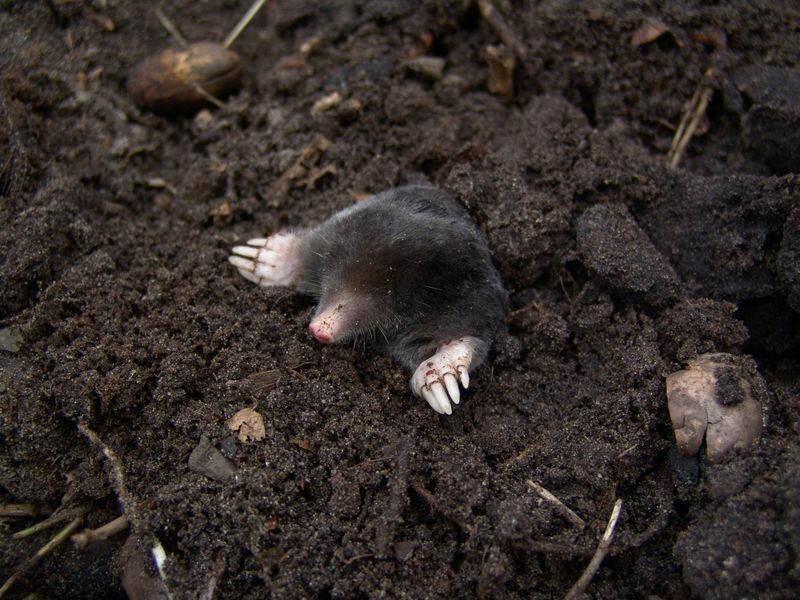
Beneath your lawn, a full-scale excavation project is already underway.
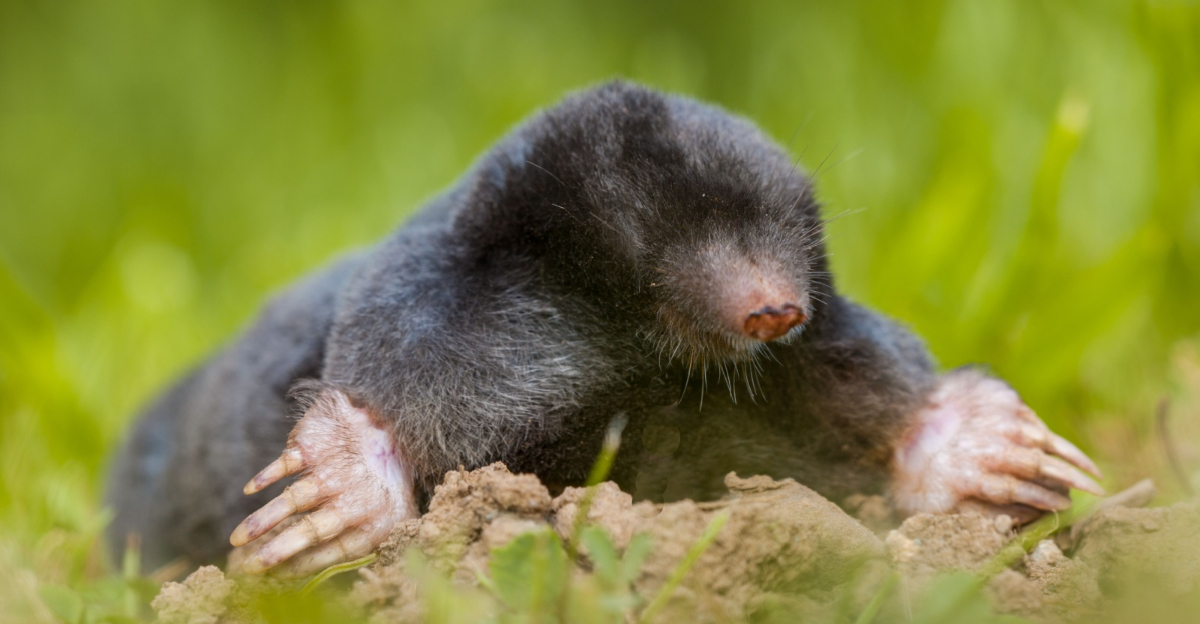
The contractor is small, velvety, and completely unbothered by your opinion.
Each animal builds an elaborate network of tunnels that can stretch up to 100 feet, pushing soil upward as it moves.
Soft, moist Pacific Northwest soil makes digging almost effortless for these creatures.
A mole can move through earth at roughly 15 feet per hour, which explains why your yard can look completely different overnight.
Those raised ridges you see are called surface runs, and they are basically the mole’s fast-food lane, used repeatedly to hunt earthworms.
Deeper tunnels, sometimes 12 inches below ground, serve as sleeping quarters and nesting chambers.
The soil mounds you spot on your lawn are exit points where the animal pushes excavated dirt upward.
One mole can consume close to their body weight each day, so the underground activity never really stops.
Spotting fresh mounds in the morning means the animal worked through the night.
The tunnel system never stops expanding, and it always follows the food.
Knowing this changes how you approach the problem entirely.
Why Washington Is A Mole’s Idea Of Paradise
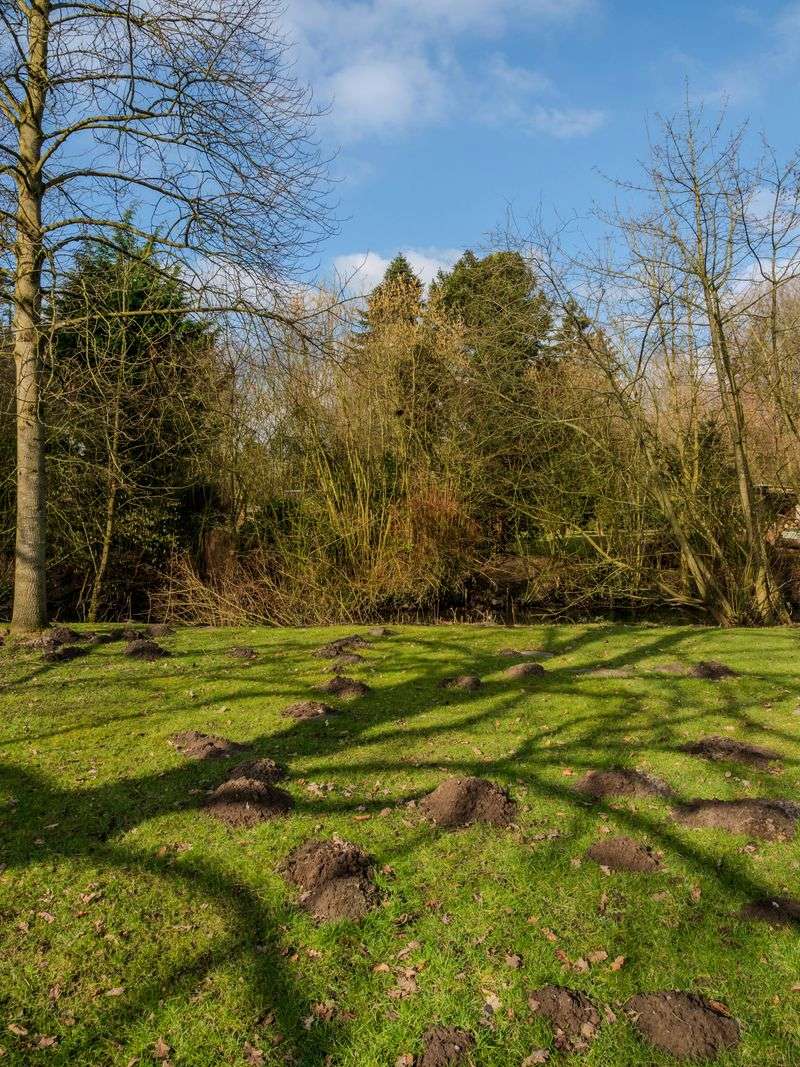
Washington happens to be exactly the kind of place moles would choose if they could read a map.
The combination of heavy annual rainfall, mild temperatures, and thick, loamy soil creates the kind of underground environment these animals dream about.
Earthworms, their primary food source, thrive in exactly these conditions.
Rainfall keeps the soil soft and loose, making it easy for small paws to push through without much resistance.
Western Washington especially gets consistent moisture from October through June, which keeps worm populations high and active near the surface.
More worms near the surface means moles stay shallow, which means more visible damage to your lawn.
Eastern Washington is not off the hook either.
Irrigated lawns and gardens in drier regions create the same moist conditions that attract these creatures.
Anywhere humans water regularly, the soil stays loose and food-rich, which is a direct invitation underground.
Native species like the Townsend’s mole, the largest mole in North America, are particularly common in the Pacific Northwest.
Your Washington Garden Changes Every Week. Your Plan Should Too.
Gardening in Washington changes quickly throughout the season. Every Friday you’ll receive a simple weekly plan showing exactly what to plant, prune, fertilize, harvest, and protect so you never miss the right timing.
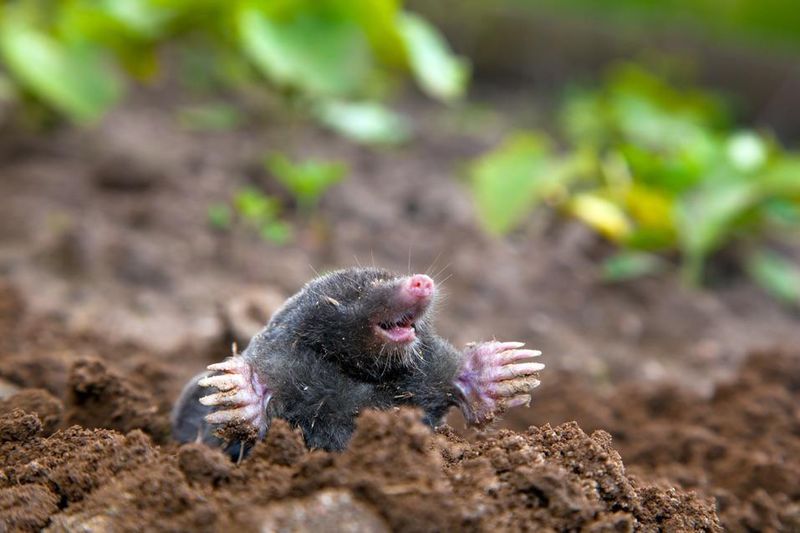
They are built for this terrain, with wide, powerful front claws perfectly suited for Pacific Northwest soil.
Washington homeowners are not just dealing with moles.
They are dealing with some of the most capable diggers on the continent.
Why Spring Triggers The Invasion Every Single Year
Spring does not just bring flowers.
It brings moles to the surface in full force.
As soil temperatures rise after winter, earthworms begin migrating upward toward warmer, more oxygenated ground.
Moles follow that food source like a compass pointing north, and your lawn sits right in their path.
Winter slows mole activity but never stops it.
These animals do not hibernate, which surprises most homeowners.
Instead, they retreat to deeper tunnels during cold months and return to shallow hunting runs the moment the ground warms up in late February or March.
Spring also coincides with mole breeding season.
Females give birth to litters of two to five young between March and May.
That means more animals are actively tunneling and expanding territory just as your lawn is trying to wake up from winter dormancy.
Young moles disperse from the nest after about a month, each one immediately establishing its own tunnel network.
A single yard can suddenly support multiple animals, each working independently and expanding in different directions.
The timing feels like an invasion because, in a real sense, it is.
Spring is peak season, and every morning you wait is another morning they gain ground, literally.
The Signs Most Homeowners Miss Until It’s Too Late
Most people notice the mounds first, but the mounds are just the part the mole didn’t bother to hide.
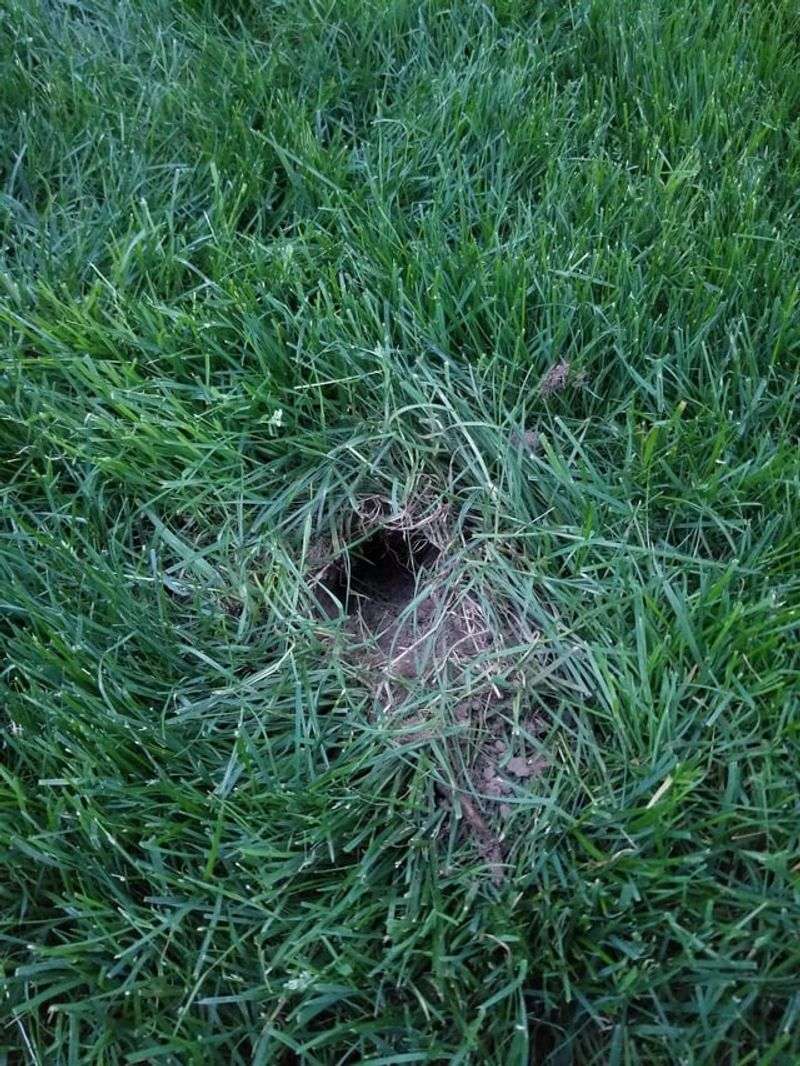
The raised ridges crossing your lawn, often called surface tunnels or feeding runs, are the earliest warning signs.
If the ground feels spongy when you walk across it, that is a strong signal that tunnels have already hollowed out the soil beneath.
Plant roots getting disrupted is one of the most overlooked consequences.
Moles do not eat plants, but their tunnels expose roots to air, causing grass and garden plants to wilt or yellow without any obvious surface reason.
Many homeowners blame drought or disease before they ever suspect underground activity.
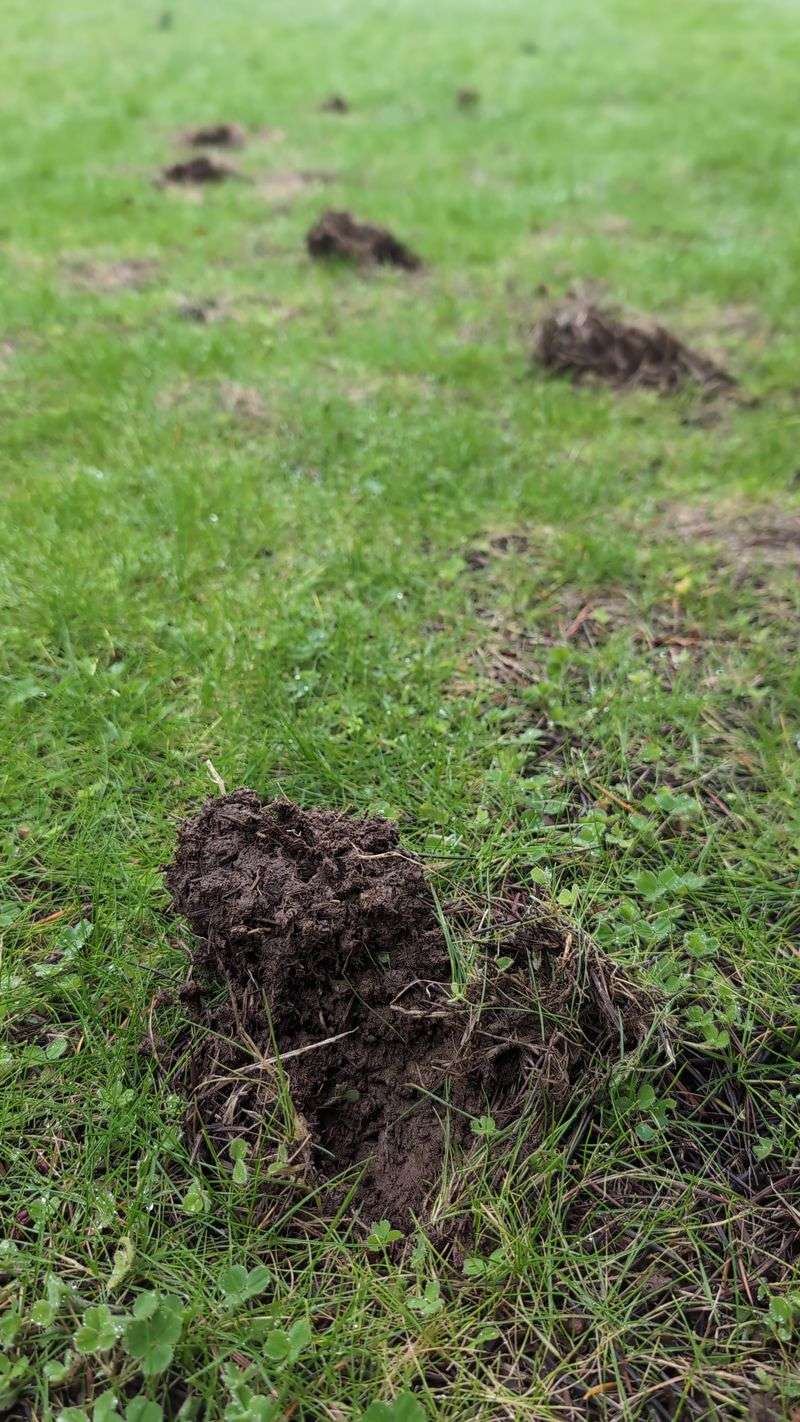
Molehills, the volcano-shaped mounds, differ from the flat ridges of surface runs.
Fresh molehills appear quickly, sometimes overnight, and the soil in them feels loose and dark.
Old mounds harden and flatten, so fresh activity is easy to spot if you know what to look for.
Raised soil near the base of shrubs, flower beds, or vegetable gardens often signals that tunnels are branching outward from the lawn.
Checking garden borders regularly in early spring gives you a head start.
Catch it early and you’re dealing with a visitor.
Wait too long and you’re dealing with a tenant who’s already redecorated.
The Mistakes Washington Gardeners Keep Making Every Year
Buying a bag of repellent granules at the hardware store feels satisfying, but it rarely solves anything long-term.
Castor oil products, vibrating stakes, and ultrasonic devices are among the most purchased mole deterrents in the Pacific Northwest.
Studies and experienced pest managers consistently show that these methods provide minimal, short-lived results at best.
Flooding tunnels with water is another popular but flawed approach.
Pouring water into mole runs rarely flushes the animal out and usually just collapses the tunnel temporarily.
The mole simply moves a few feet over and starts a new run within hours.
Assuming one mole means a colony is a common misconception that leads to overkill strategies.
Moles are actually solitary animals.
One mole can create an astonishing amount of tunnel damage on its own, so the yard does not need to be overrun for the problem to look severe.
Waiting until late summer to address the problem is perhaps the biggest mistake of all.
By August, tunnels are deeply established, soil is compacted around runs, and young moles from the spring litter are fully independent and active.
March and April are your window.
The tunnels are fresh, the damage is still surface level, and the mole hasn’t had time to make itself at home, yet.
Proven Ways To Stop The Damage
The most reliable way to stop mole damage?
Trapping.
Pest management professionals across the Pacific Northwest often consider it the most effective control method.
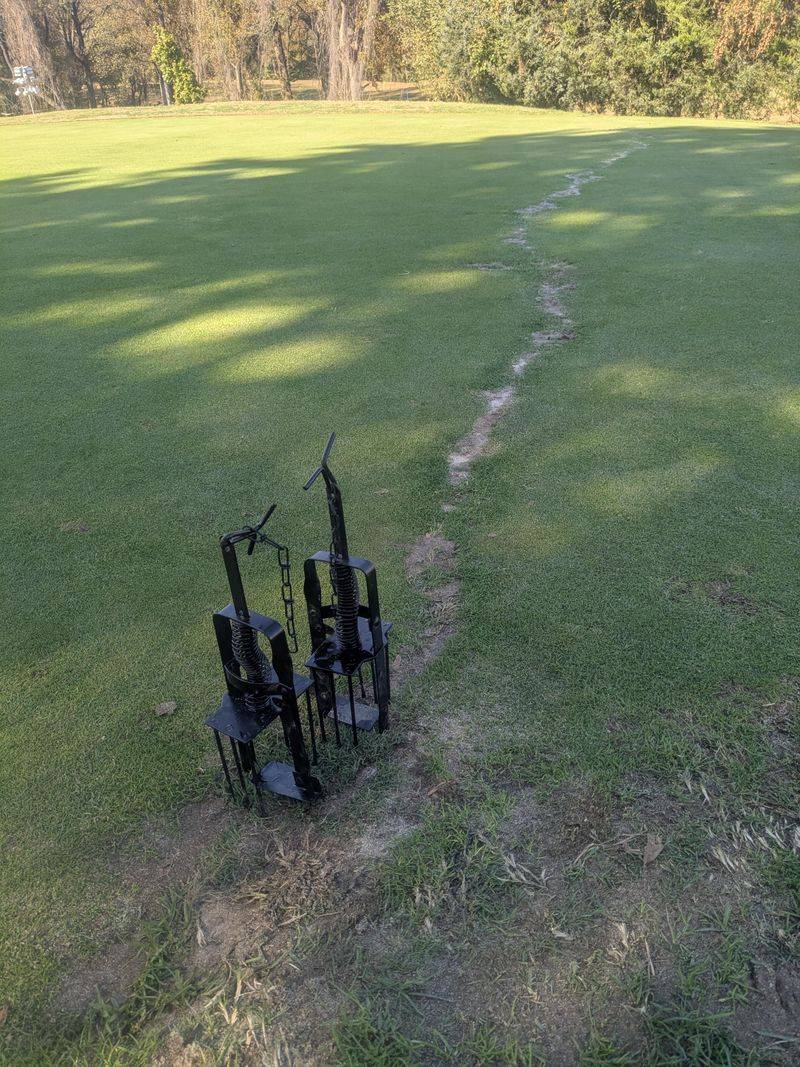
Harpoon traps and scissor-jaw traps, placed directly inside active surface runs, have a strong success rate when positioned correctly.
The key is confirming the tunnel is active first by pressing down a small section and checking within 24 hours to see if it has been reopened.
Underground wire mesh barriers offer long-term protection for garden beds and high-priority lawn areas.
Hardware cloth buried at least 12 inches deep with an outward-facing bend at the bottom stops tunneling before it starts.
Installing barriers around raised beds or tree root zones protects the areas that matter most without treating the entire yard.
Reducing watering in low-priority lawn areas discourages worms from staying near the surface, which in turn reduces mole activity in those zones.
It is not a complete fix, but strategic water management can shift the problem away from areas you care most about.
Hiring a licensed wildlife control professional is worth considering for persistent or widespread infestations.
Professionals understand local mole behavior, soil conditions, and legal trapping regulations specific to Washington state.
Combining trapping with habitat modification gives homeowners the most reliable, long-term results.
How To Keep Them Away Before Next Spring Even Starts

Fall is the secret weapon most homeowners forget to use.
Applying beneficial nematodes to your lawn in late summer or early fall targets grub and worm populations before they concentrate near the surface.
Fewer worms near the top means moles have less reason to tunnel shallow next spring.
Aerating compacted soil in autumn actually works against you if done without a follow-up plan.
Loose, aerated soil is easier for moles to move through, so pair aeration with a top dressing that firms the surface layer back up.
A denser upper soil layer creates more resistance and makes your lawn a less attractive hunting ground.
Installing underground barriers around the perimeter of garden beds before winter gives you a protective head start.
Spring is too late for installation because tunnels may already be active beneath the surface by the time the ground thaws.
Getting barriers in place during dry fall weather makes the job easier and the protection more reliable.
Checking your lawn for signs of mole activity each February, before the soil fully warms, lets you act at the earliest possible moment.
Early intervention in moles invading Washington lawns is always more effective than reactive damage control.
Think of it this way: the mole is already planning its spring.
The only question is whether you are too.