Why Moles Keep Returning To The Same Texas Lawn
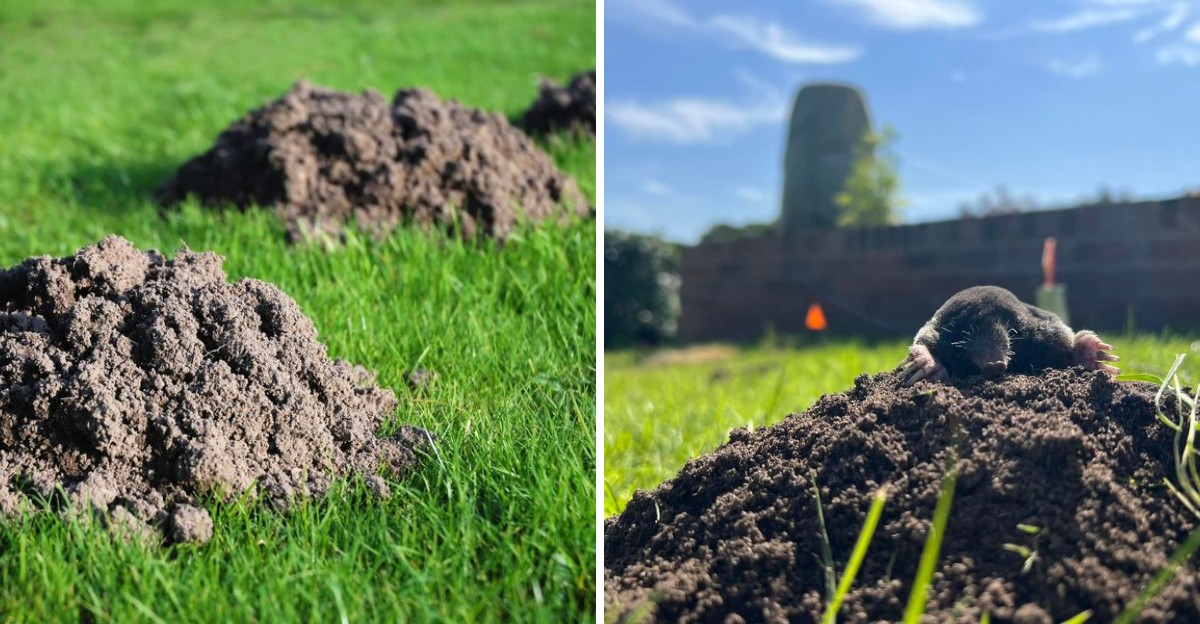
If moles keep coming back to the same areas of your Texas lawn no matter what you try, there is a specific reason, and it has very little to do with luck or the particular persistence of any individual mole.
Moles return to the same lawn and the same tunneling routes because your lawn is consistently offering what they need, and until those conditions change, the tunnels will keep reappearing.
The frustrating cycle most Texas homeowners experience with moles is not a sign that removal methods don’t work. It’s a sign that something in the yard keeps drawing new moles in after old ones are gone.
Understanding what that something is gives you a completely different approach to the problem. One that addresses the source rather than the symptom.
1. Your Lawn Is Packed With Grubs And Insects
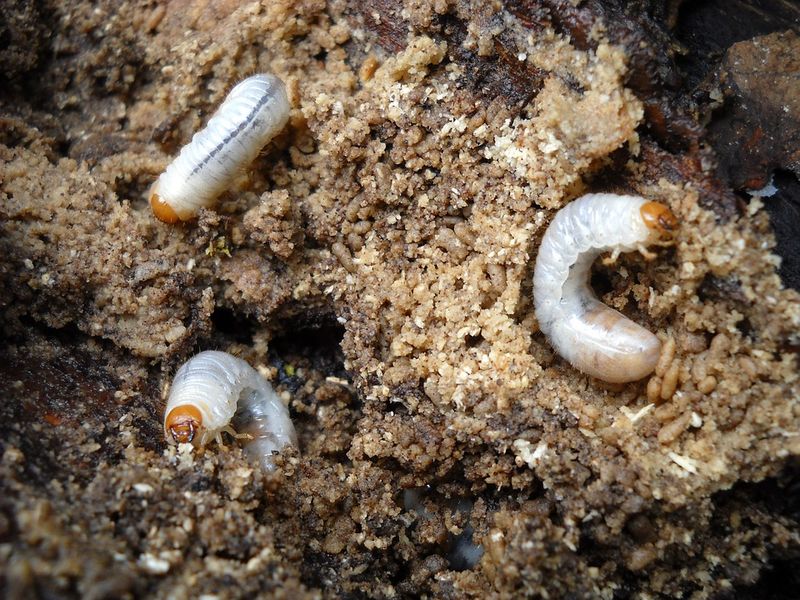
Moles have a huge appetite, and grubs are their favorite snack. If your Texas lawn is full of these juicy insects, moles will treat it like an all-you-can-eat buffet.
Grubs are the young form of beetles, and they live just below the surface where roots grow. Moles can sniff them out easily and dig tunnels to reach them. The more food available, the more reasons a mole has to stay.
Besides grubs, moles also eat earthworms, ants, and other soft-bodied bugs. Texas lawns with rich, moist soil often have plenty of these critters. That makes your yard a perfect hunting ground.
To break the cycle, you can reduce the food supply. Applying beneficial nematodes or a safe grub treatment lowers the number of insects underground. Fewer bugs mean fewer reasons for moles to visit.
Keep an eye out for signs of grub trouble, like patches of grass that lift up easily or brown spots. Birds pecking at your lawn can also hint at a bug problem below.
Timing matters when treating grubs. Late summer and early fall are great times in Texas because young grubs are close to the surface and easier to reach.
Once the food runs low, moles usually move on to search elsewhere. They rarely stick around a yard that no longer feeds them well. Removing their meals is one of the smartest first steps you can take.
2. Soft, Moist Soil Makes Digging Easy
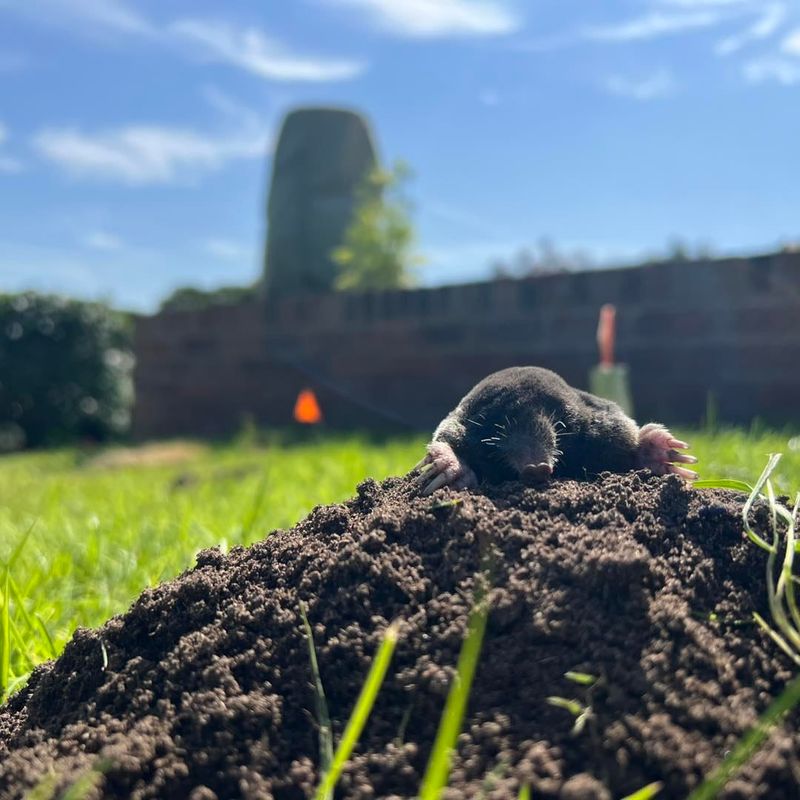
Moles are champion diggers, but even they prefer soil that is easy to tunnel through. Soft, moist ground lets them zip along without much effort.
Many Texas lawns get watered often, which keeps the soil damp and loose. While that is great for your grass, it also rolls out the welcome mat for moles. Loose earth means faster tunnels and better hunting.
Clay-heavy areas that stay wet can be especially inviting. When rain or sprinklers keep the ground soft, moles find it simple to build their underground highways.
One helpful trick is to water your lawn less often but more deeply. Deep watering encourages strong roots while letting the top layer dry out between sessions. Drier surface soil is harder for moles to work with.
Your Texas Garden Changes Every Week. Your Plan Should Too.
Gardening in Texas changes quickly throughout the season. Every Friday you’ll receive a simple weekly plan showing exactly what to plant, prune, fertilize, harvest, and protect so you never miss the right timing.
Good drainage also plays a big role. If water pools in certain spots, fix those low areas so the ground does not stay soggy. Moles avoid yards that feel dry and firm.
Aerating your lawn correctly can help too, but avoid overdoing it. Extremely loose soil can actually make tunneling easier for these visitors.
Pay attention to how your yard feels underfoot. If it stays squishy for days, that is a clue moles will enjoy it.
By managing moisture, you make your lawn less comfortable for digging. Moles look for the path of least resistance, so a firmer yard sends them searching somewhere else. Small watering changes can make a real difference.
3. Old Tunnels Are Still Wide Open
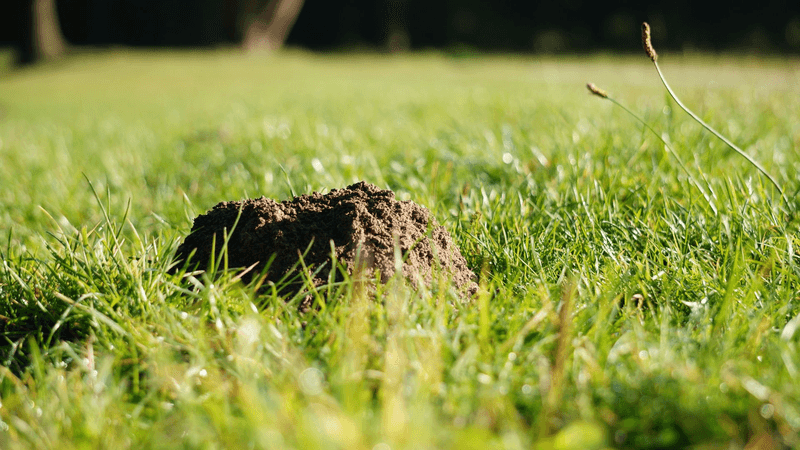
Once a mole digs a tunnel system, that maze does not just disappear. Those underground paths stay ready for use, and moles love reusing them.
Think of tunnels like highways. If the road is already built, why build a new one? Moles will happily travel through old passages to find food and shelter.
Even after you scare one mole away, another can move in and take over the leftover tunnels. That is why the same Texas lawn keeps getting hit season after season.
To stop the pattern, you need to collapse and pack down existing tunnels. Walk over the raised ridges to flatten them, or use a lawn roller for bigger areas.
Filling active tunnels with soil and firming the ground makes them useless. When the pathways are gone, new moles have to start from scratch, which they often avoid.
Check your yard regularly for fresh ridges that pop back up. Repairing them quickly keeps moles from settling in comfortably.
You can also mark active tunnels by pressing them down and seeing which ones rise again within a day. Those are the busy routes worth targeting.
Staying consistent is key here. If you flatten tunnels once and stop, moles may simply reopen them.
By keeping the ground packed and smooth, you remove the ready-made roads that make your lawn so appealing. A tunnel-free yard is far less inviting to these underground travelers than one with an existing network.
4. Nearby Yards And Fields Keep Sending Newcomers
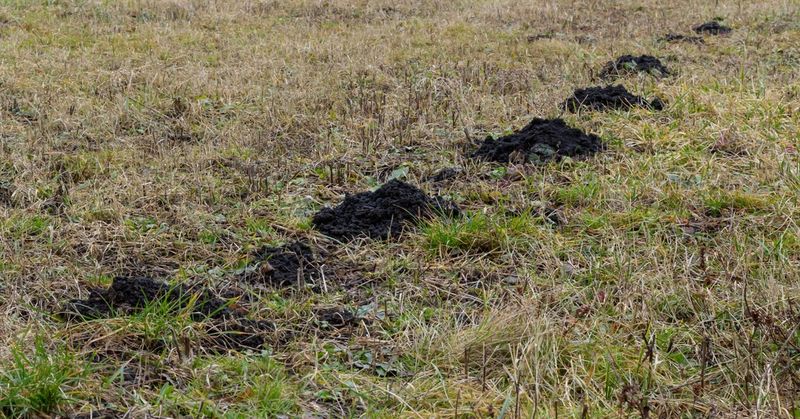
Sometimes the mole problem is not just your yard, it is the whole neighborhood. Moles travel underground between properties, and open fields nearby act like breeding grounds.
If your Texas home sits near a pasture, empty lot, or wooded area, moles have a steady supply of new arrivals. As soon as you remove one, another wanders in from next door.
These animals do not care about property lines. Their tunnels stretch far and wide, connecting lawns, gardens, and grassy fields.
Talking with your neighbors can be a smart move. If several homes tackle the problem together, moles have fewer safe places to hide and multiply.
Creating a barrier along your property edge can also help. Some people bury hardware cloth a foot or two deep to block tunneling from outside.
Keeping the border of your yard less appealing matters too. Trimming tall grass and reducing moisture near fences makes the crossing less inviting.
It helps to understand that a single tidy lawn surrounded by wild land will always attract wanderers. The green, well-watered space stands out like an oasis.
Focus on making the whole area less mole-friendly rather than just chasing one animal. Long-term control works best when you think beyond your fence line.
While you cannot control every field around you, you can make your own yard the least tempting stop on a mole’s journey. When your lawn offers little food and firm soil, newcomers keep moving instead of settling down in your grass.
5. Texas Weather Pushes Moles Toward Comfortable Ground
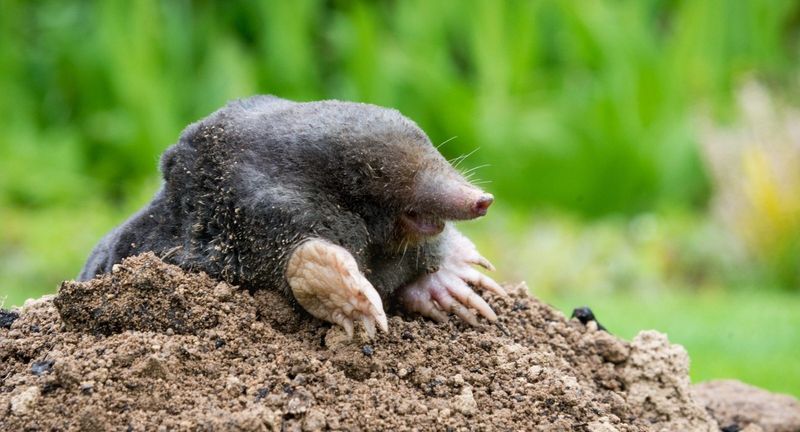
Weather in Texas can swing from blazing heat to sudden downpours, and moles respond to those changes. When conditions get tough, they head for the most comfortable soil around, which is often your lawn.
During hot, dry spells, natural areas bake hard and lose their bugs. Your watered lawn stays cool and full of life, so moles migrate toward it.
When heavy rains flood the ground, moles move to higher, well-drained spots. A raised or nicely graded yard becomes their safe haven.
Because your grass often gets special care, it offers steady comfort no matter the season. That reliability keeps moles coming back.
You can work with the weather instead of against it. During droughts, cutting back on watering makes your lawn less of a green island for hungry moles.
After big storms, check low areas and improve drainage so water does not linger. Firmer, drier ground is less inviting once the rain stops.
Understanding these seasonal habits helps you predict when moles are most likely to show up. Spring and fall tend to be their busiest times in Texas.
Adjusting your lawn routine with the seasons keeps you one step ahead. Small changes during extreme weather can steer moles away from your property.
Nature will always shape where moles go, but you have some say in the matter. By making your yard match the surrounding conditions instead of standing out, you give moles fewer reasons to seek shelter in your grass when the weather turns rough.
6. Half-Hearted Control Methods Let Them Bounce Back
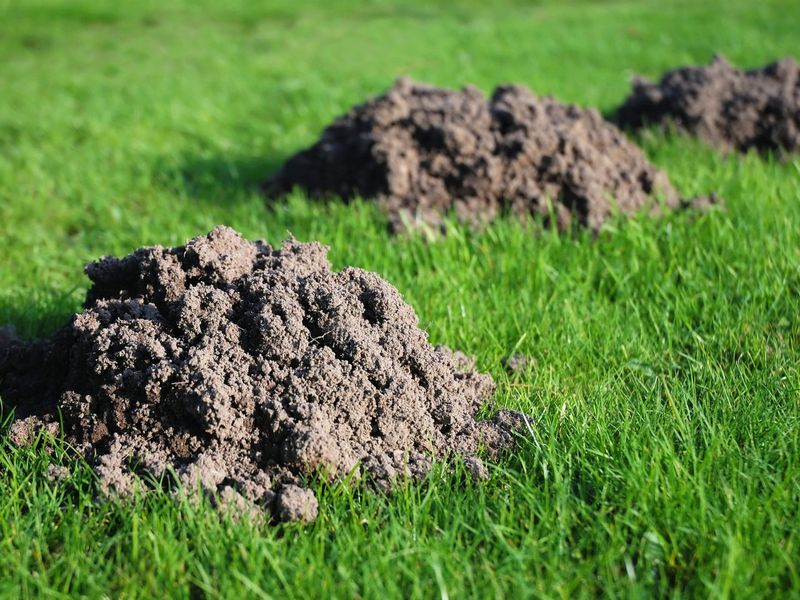
Plenty of folks try one quick fix, see a little success, and then stop. That is exactly when moles sneak right back into the same lawn.
Chasing moles takes patience and a plan. A single trap, sprayer, or home remedy rarely solves the whole issue on its own.
Store-bought gadgets like sonic spikes may work for a short time, but clever moles often get used to them. Once they ignore the buzzing, they return to their favorite spots.
The key is combining several methods and sticking with them. Reduce food, firm the soil, collapse tunnels, and stay consistent over weeks, not days.
Giving up too early is the most common mistake. Moles are stubborn, and they test whether your defenses will last.
Keeping notes on where you see fresh activity helps you stay organized. Track which spots keep reopening and focus your effort there.
It also helps to rotate your tactics. If moles get comfortable with one approach, switching things up keeps them guessing.
Professional help is worth considering if the problem feels too big. Local Texas experts know the habits of regional moles and can build a lasting plan.
Think of mole control as a routine rather than a one-time chore. Regular checks and quick action prevent small problems from growing.
When you commit to steady, layered efforts, moles finally get the message that your yard is more trouble than it is worth. Consistency beats quick fixes every single time, and it is the surest way to keep them from bouncing back.
7. Overwatering And Rich Fertilizer Create A Mole Paradise

A beautiful, lush lawn is something to be proud of, but too much water and fertilizer can accidentally invite moles. Rich, moist soil is basically a five-star resort for them.
When you feed your grass heavily, you also feed the worms and insects living below. More bugs mean more mole meals waiting underground.
Overwatering keeps the soil soft and full of life, making tunneling and hunting a breeze. Your effort to grow perfect grass can backfire.
Finding balance is the goal here. Water deeply but less often so the top layer dries between sessions and firms up.
Choose fertilizer wisely and avoid piling on more than your lawn needs. A healthy but not overloaded yard supports fewer of the insects moles crave.
Organic matter like heavy mulch can also boost worm populations. Using it in moderation helps keep the underground buffet smaller.
Watch how your lawn responds to your care routine. If mole activity spikes right after heavy feeding or watering, that is a clear signal to cut back.
Testing your soil can guide smarter choices. Knowing what your grass actually needs prevents overfeeding and the mole magnet it creates.
Simple tweaks, like watering in the early morning and spacing out feedings, make a surprising difference. Your grass can stay green without becoming a mole hotspot.
By caring for your Texas lawn with a lighter touch, you keep it healthy while removing the perfect conditions moles love. A slightly less pampered yard is often the one moles decide to skip.