The California Garden Tasks To Finish Before The First Real Heat Wave
California gardeners know how quickly a comfortable spring can turn into a week of hard sun, dry wind, and afternoon heat that changes the whole feel of the yard. One stretch of hot weather can push plants, dry containers fast, and expose weak spots you barely noticed when temperatures were still mild.
That is why the window before the first real heat wave matters so much. It is the time to finish the jobs that give gardens a better chance of holding up, from watering adjustments to cleanup and a few smart planting decisions.
Plenty of problems that show up in early summer actually begin with things left unfinished in spring.
A yard does not need to be perfect before hot weather arrives, but it does need preparation in the right places. The tasks ahead are the ones that make the biggest difference when California starts feeling serious.
1. Check Soil Moisture Before Plants Start Wilting
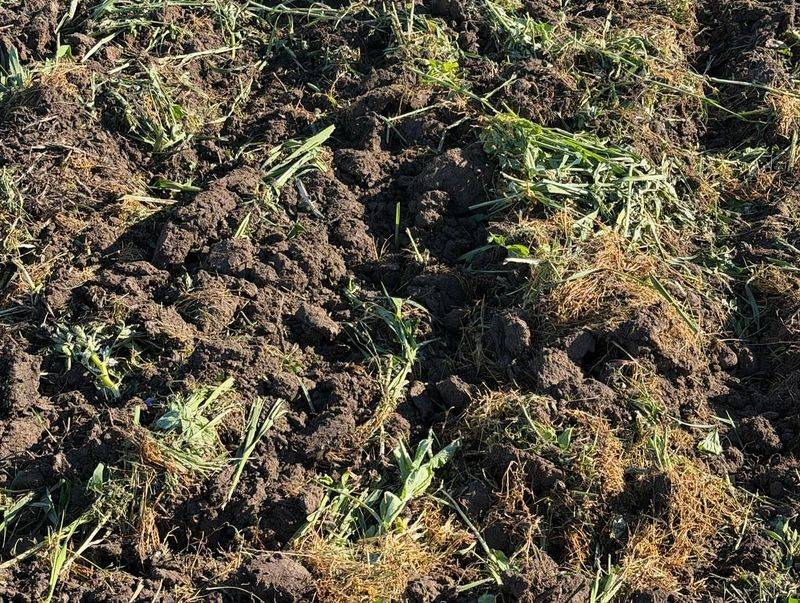
Your soil tells a story long before your plants start showing stress. In California, where the ground can dry out faster than you might expect, checking soil moisture before a heat wave arrives gives you a real head start.
Stick your finger about two inches into the soil near the base of your plants. If it feels dry at that depth, your garden needs water right away.
A simple moisture meter from any garden center is a worthwhile investment if you want more accurate readings. These inexpensive tools take the guesswork out of watering and help you avoid both overwatering and underwatering.
Sandy soils common in Southern California drain quickly, while clay-heavy soils in the Central Valley hold moisture longer but can become rock hard when they dry out completely.
Pay close attention to spots in your yard that get the most sun exposure, since these areas lose moisture much faster than shaded corners. Raised beds also tend to dry out more quickly than in-ground planting areas.
Checking soil moisture is especially important for vegetable gardens, where consistent hydration directly affects how well your crops produce during the hottest weeks of the year.
Once you know where your soil stands, you can water deeply and thoroughly before the heat sets in. Deep watering encourages plant roots to grow downward toward cooler, moister layers of soil, making the whole plant more resilient when temperatures climb.
A well-hydrated garden going into a heat wave has a much better chance of staying productive and healthy all summer long across California.
2. Switch To Early Morning Watering
Most experienced California gardeners will tell you that when you water matters just as much as how much you water. Switching to early morning watering before a heat wave hits is one of the easiest and most effective changes you can make for your garden.
Watering between 5 and 9 in the morning gives the soil time to absorb moisture before the afternoon sun cranks up the heat.
Watering in the evening might seem convenient after a long day, but prolonged damp foliage overnight can encourage disease problems on some plants. Midday watering is even worse because a huge portion of the water evaporates before it ever reaches the roots.
Your California Garden Changes Every Week. Your Plan Should Too.
Gardening in California changes quickly throughout the season. Every Friday you’ll receive a simple weekly plan showing exactly what to plant, prune, fertilize, harvest, and protect so you never miss the right timing.
Morning watering sidesteps both of these issues and puts the water exactly where your plants need it most.
In regions like the San Fernando Valley or the Central Valley, where summer afternoon temperatures regularly push past 100 degrees Fahrenheit, this timing shift can be a genuine game-changer for your garden. Plants that get a good deep drink in the morning are better prepared to handle the intense heat that builds throughout the day without showing signs of stress.
If you have an automatic irrigation timer, now is a great time to reprogram it so that watering cycles run early in the morning instead of at midday or evening. Many smart irrigation controllers even allow you to set seasonal adjustments so your system automatically increases watering frequency as summer progresses.
Making this simple switch costs nothing extra and can noticeably improve how well your California garden holds up through the heat.
3. Water The Root Zone Instead Of Wetting Foliage
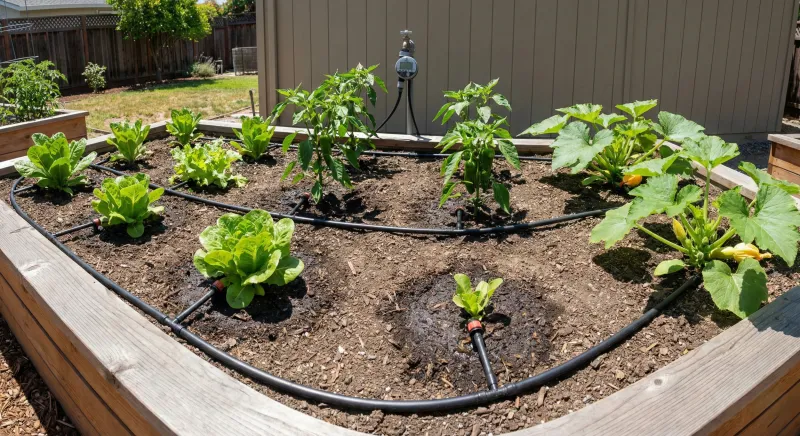
Picture this: you are standing in your California backyard on a blazing afternoon, and you spray water all over your tomato plants to cool them down. It feels like the right thing to do, but it can actually cause more harm than good.
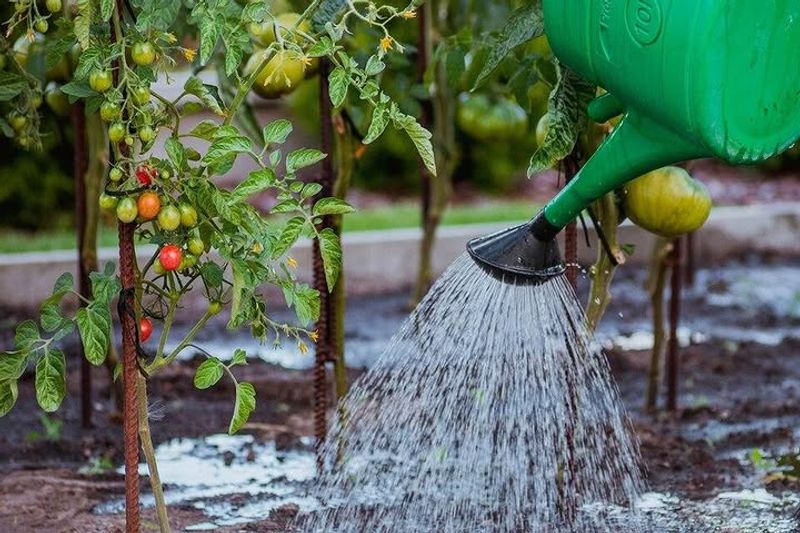
Wetting foliage during hot weather can increase disease risk, especially on plants like squash, roses, and peppers, so it is better to water the soil at the base of the plant.
Directing water straight to the root zone is a far smarter approach. Roots are where plants actually absorb water and nutrients, so getting moisture there efficiently means your plants benefit more from every drop you use.
This is particularly valuable in California, where water conservation is always a priority and gardeners are encouraged to use resources wisely.
Soaker hoses and drip irrigation systems are excellent tools for targeting the root zone precisely. Lay them along the base of your plants and let water seep slowly into the soil without any splash on stems or leaves.
This method also reduces water waste from evaporation, which becomes a bigger concern as temperatures climb through the summer months.
For gardeners who hand water, try using a watering wand or a hose with a gentle flow setting so you can direct water right at the soil level. Avoid using a strong spray that scatters water everywhere and disturbs the soil surface.
Training yourself to water at the base of plants rather than overhead is one of those small habits that adds up to a noticeably healthier California garden by the time the real heat of summer arrives.
4. Test Drip Lines Soaker Hoses And Emitters
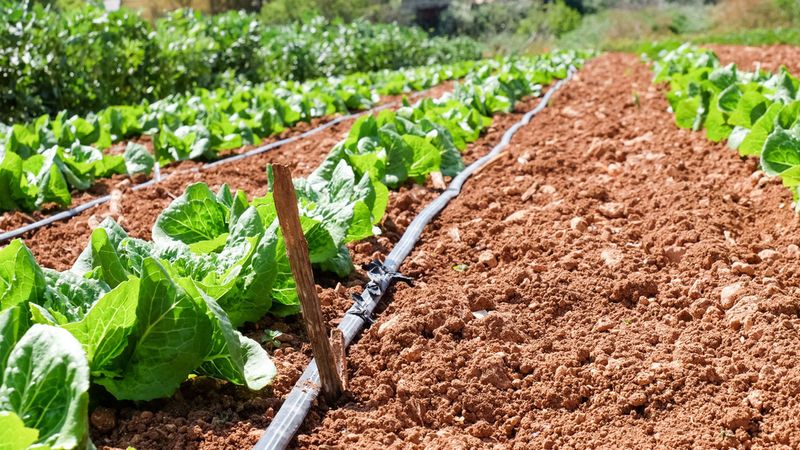
Before the heat wave season fully kicks off in California, your irrigation system deserves a full checkup. Drip lines, soaker hoses, and individual emitters can develop clogs, cracks, or disconnected joints over the winter and spring months without you noticing.
Running a faulty system during a heat wave means some plants get too much water while others get none at all, and by the time you spot the problem, your garden may already be suffering.
Start by turning your system on and walking the entire length of your drip lines. Look for any areas where water is pooling or spraying sideways, which often signals a cracked line or a blown emitter.
Also watch for dry patches right next to emitters, which usually means a clog is blocking the flow. Clogged emitters are surprisingly common and easy to miss if you are not looking closely.
Replacing a faulty emitter takes less than a minute and costs almost nothing. Most garden supply stores across California carry replacement emitters, connectors, and soaker hose repair kits.
Keep a few extras on hand so you can fix problems quickly as they come up throughout the season. Checking the water pressure at your main supply line is also a smart step, since low pressure can prevent emitters from working correctly.
Once everything checks out, run your system for a full cycle and observe how the soil looks around each plant after watering. The ground should be evenly moist but not waterlogged.
A well-functioning drip system is one of the most reliable ways to protect your California garden from the stress of extreme summer heat without wasting a single drop of water.
5. Refresh Mulch Before Soil Temperatures Climb
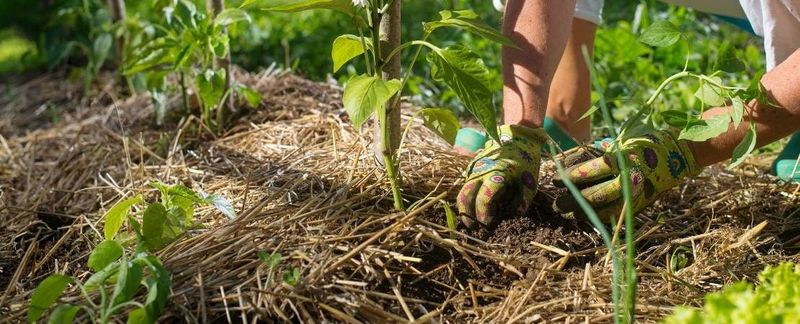
Mulch is basically a superhero layer for your California garden soil. A fresh application of organic mulch before the first heat wave can mean the difference between soil that stays cool and moist and soil that bakes dry within a day or two of hot weather.
If your mulch from last season has thinned out or broken down into the soil, now is absolutely the right time to top it up before summer heat arrives.
Aim for a two to three inch layer of mulch spread evenly around your plants, keeping it a couple of inches away from the base of stems and trunks to prevent rot. Wood chips, shredded bark, straw, and even composted leaves all work well as mulching materials.
Many California municipalities offer free or low-cost wood chip mulch through their green waste programs, which is a great way to stock up without spending much.
Beyond holding moisture in the soil, mulch also regulates soil temperature, which is a huge benefit during California heat waves. Studies have shown that mulched soil can stay up to 10 degrees cooler than bare soil on a hot day.
That temperature difference protects roots, keeps beneficial soil organisms active, and reduces how often you need to water throughout the season.
Fresh mulch also suppresses weeds that compete with your garden plants for water and nutrients. Fewer weeds mean less stress on your plants during the hottest months.
Spreading mulch is one of the most satisfying and productive tasks you can knock out in an afternoon, and the payoff for your California garden lasts all the way through the summer and into fall.
6. Set Up Shade Cloth For Tender Vegetables
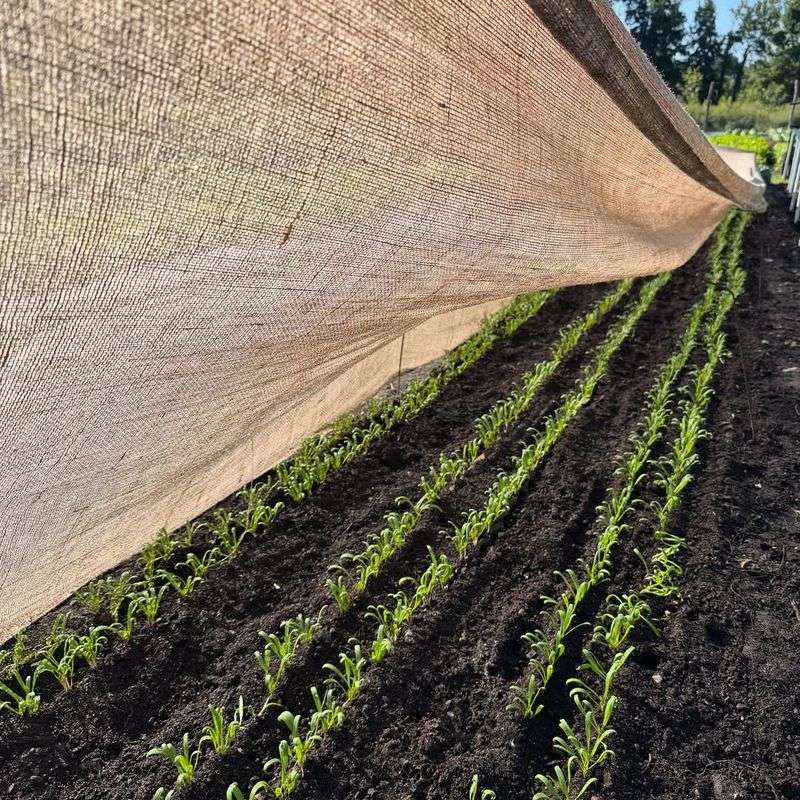
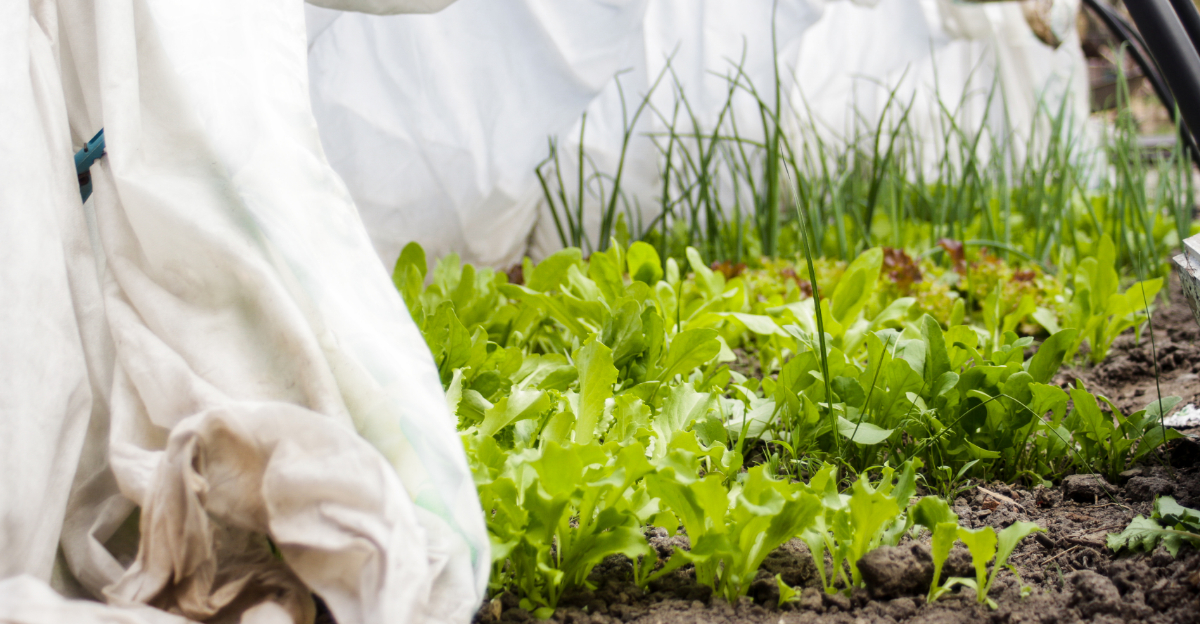
Lettuce bolts, spinach goes bitter, and young seedlings can get scorched when California’s summer sun hits full intensity without any protection. Setting up shade cloth before the first heat wave is one of the most practical moves you can make for tender vegetables in your garden.
It does not take a lot of materials or time, and the results are genuinely impressive when you compare shaded plants to unprotected ones side by side.
Shade cloth comes in different percentages of light blockage, typically ranging from 30 to 70 percent. For most vegetables, a 30 to 40 percent shade cloth strikes a good balance between reducing heat stress and still allowing enough sunlight for healthy growth.
Crops like lettuce, kale, cilantro, and young transplants benefit the most from this kind of protection during the hottest parts of the California summer.
Building a simple shade structure does not require any carpentry skills. A few pieces of PVC pipe, some garden stakes, and zip ties can create a sturdy frame over a raised bed in under an hour.
Drape the shade cloth over the frame and secure the edges so it does not blow away in the afternoon breeze that often rolls through coastal California communities. Reusable shade cloth can last several seasons with proper care.
Timing the setup is key. Getting your shade structure in place a week or two before temperatures spike gives your plants time to adjust to slightly different light conditions without any shock.
Gardeners across California who use shade cloth regularly report that their cool-season crops last weeks longer into summer and that heat-sensitive transplants establish much more successfully than they would without protection.
7. Move Or Group Containers Before Hot Weather Hits
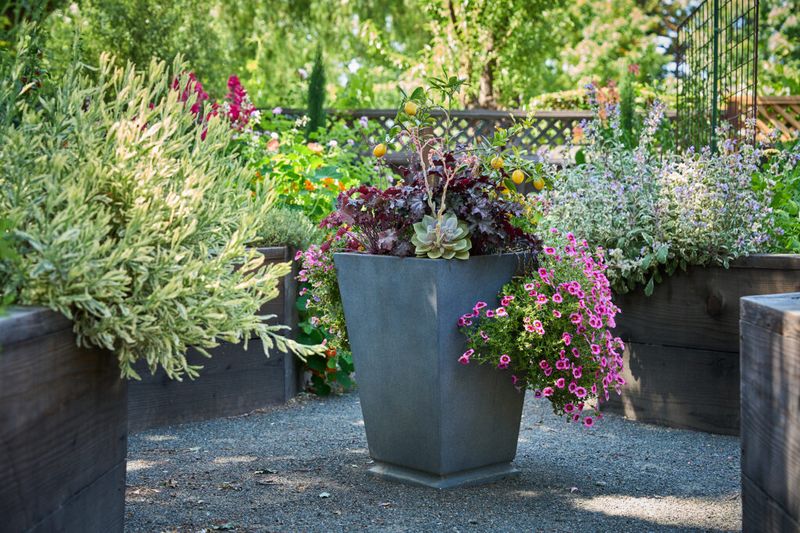
Container plants are some of the most vulnerable members of any California garden during a heat wave. Unlike plants in the ground, potted plants have a limited amount of soil holding their moisture, and that soil can heat up to damaging temperatures when pots sit in direct afternoon sun.
Moving or grouping your containers before the hot weather arrives is one of those tasks that takes maybe 30 minutes but pays off for the entire summer season.
Look for spots in your yard or patio that get morning sun but are shaded from the intense afternoon rays. A position on the east side of a fence, wall, or building is often ideal for container plants in California because they get gentle early light without being blasted by the harsh western sun during the hottest hours of the day.
Even shifting a pot a few feet can make a noticeable difference in how much heat it absorbs.
Grouping containers together is another clever strategy. When pots are clustered close to each other, they create a small microclimate that is cooler and more humid than the surrounding area.
The foliage of neighboring plants provides mutual shade, and the slightly higher humidity between them reduces moisture loss from both the soil and the leaves. This works especially well for herbs like basil, mint, and parsley that struggle in extreme heat.
Consider placing light-colored or reflective pot saucers under dark containers to reduce heat absorption from below. You can also wrap dark-colored pots in burlap or light fabric to keep the pot walls cooler.
These small adjustments add up to a big difference in how well your California container garden survives and thrives through the hottest stretch of summer.