Why Nasturtium Is A Smart Choice For Texas Gardens
Ever feel like Texas weather keeps you guessing just when your garden starts to settle in? That constant shift is exactly why some plants stand out more than others.
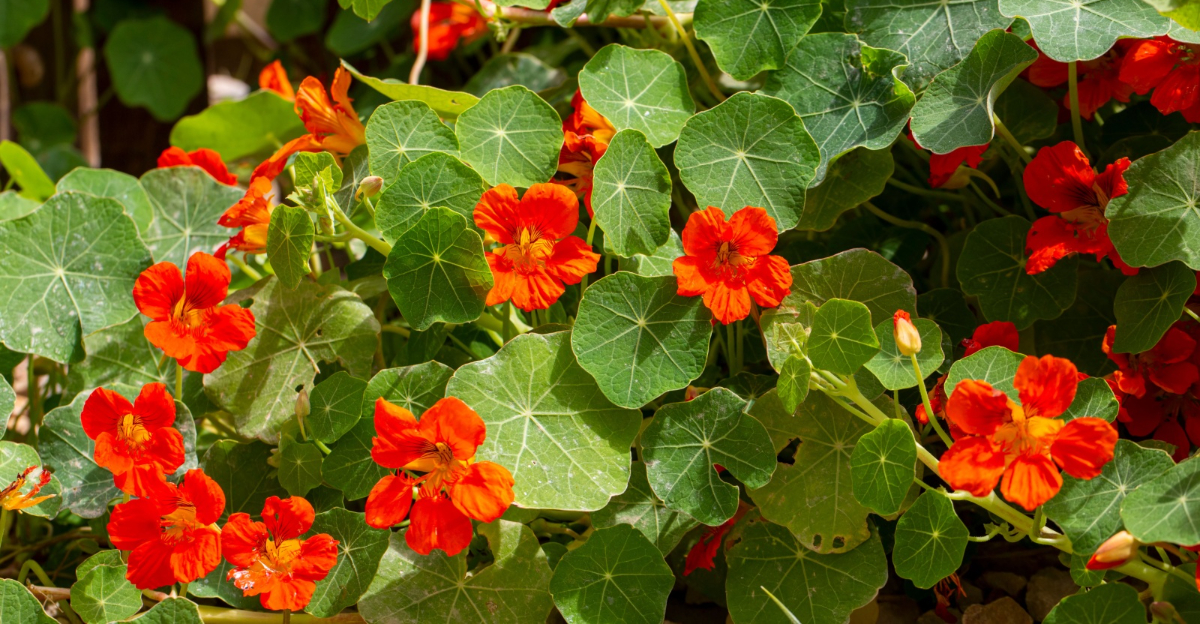
Nasturtiums are one of those surprises, fitting neatly into Texas growing conditions during the cooler months.
While many gardens slow down in fall and winter, these plants step in with bright blooms and edible leaves that keep things interesting.
From the Hill Country to the Gulf Coast and North Texas, mild winters create a window where nasturtiums can thrive.
For gardeners looking to extend the season, they bring color, flavor, and practical benefits when the garden might otherwise feel quiet.
1. Nasturtiums Thrive During Texas Cool Season Planting Windows
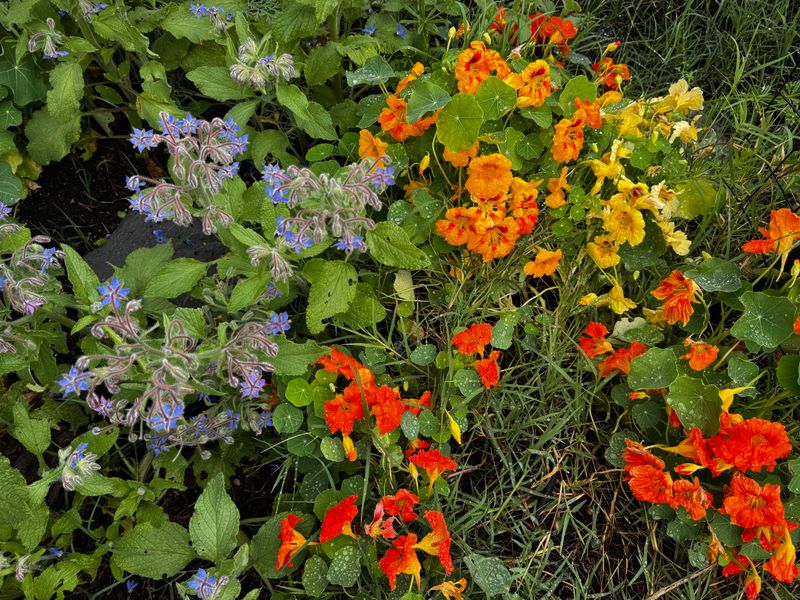
Timing is everything in Texas gardening, and nasturtiums fit neatly into the cool season calendar that many Texas regions enjoy from October through April.
While summer heat tends to slow or stop nasturtium growth, the stretch of mild weather in fall and early spring gives these plants ideal conditions to establish roots and put on a show.
In South Texas and along the Gulf Coast, gardeners can often plant nasturtiums as early as late September or as late as February, taking advantage of a long mild window.
In North and Central Texas, planting in early October or late February tends to work well, depending on frost timing.
Nasturtiums can handle light frost but may need protection when temperatures drop below 28 degrees Fahrenheit for extended periods.
Because Texas has such varied regional climates, it helps to think of nasturtiums as a cool-season annual rather than a spring plant. Starting seeds directly in the ground works well since nasturtiums dislike having their roots disturbed.
Soil temperatures between 55 and 65 degrees Fahrenheit encourage solid germination, usually within 7 to 14 days.
Planning around these windows gives Texas gardeners the best shot at a full, productive growing season.
2. Mild Temperatures Help Nasturtiums Bloom More Reliably
Few things frustrate a gardener more than a plant that looks great in the catalog but refuses to bloom in real conditions.
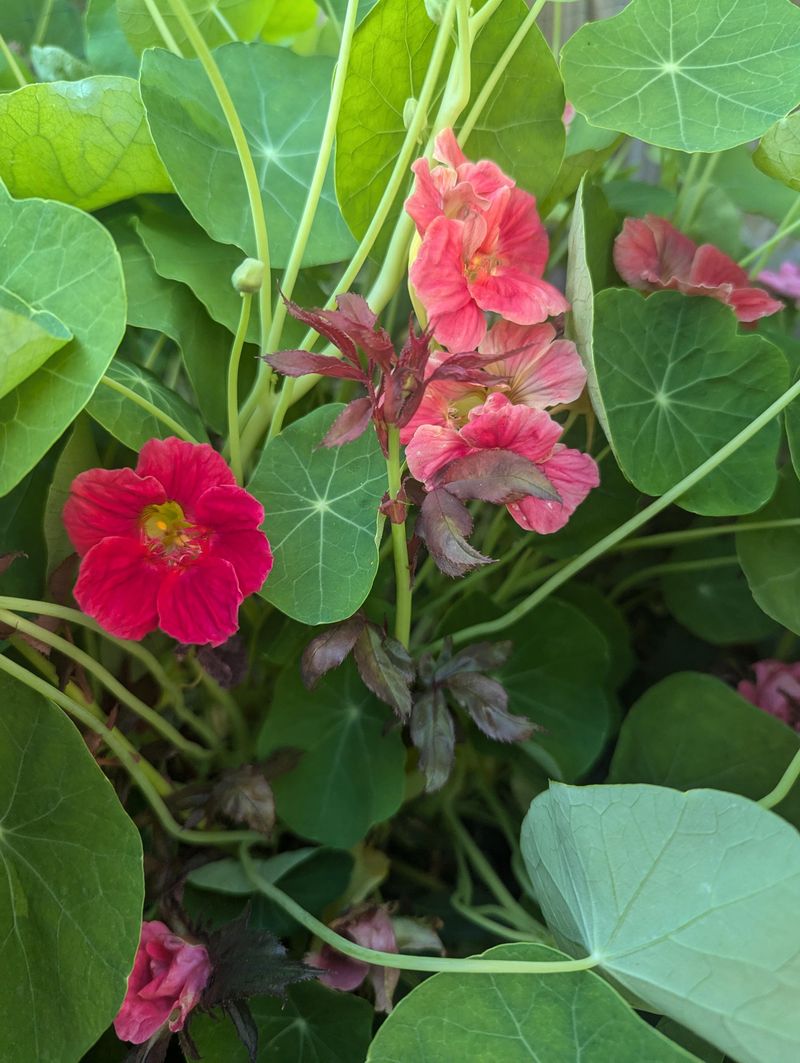
Nasturtiums sidestep that problem when grown during Texas cool seasons, producing flowers more consistently when daytime temperatures stay between 55 and 75 degrees Fahrenheit.
When temperatures climb above 85 degrees for extended stretches, nasturtium plants tend to shift their energy toward leaf production rather than flowering. That is one reason summer plantings in most parts of Texas often disappoint.
The cool season window, however, creates conditions where blooms open steadily and the plant stays vigorous without excessive stress.
Coastal areas of Texas often enjoy the longest bloom windows because winters stay mild enough to keep plants going for several months.
In the Hill Country and Central Texas, gardeners can expect a solid bloom period from fall through early spring before warming temperatures signal the end of the season.
Keeping plants watered consistently during dry spells helps extend blooming.
Removing spent flowers as they fade can also encourage the plant to keep producing new buds throughout the cool season rather than focusing energy on seed development.
3. Grows Well In Poor Soil Without Extra Fertilizer
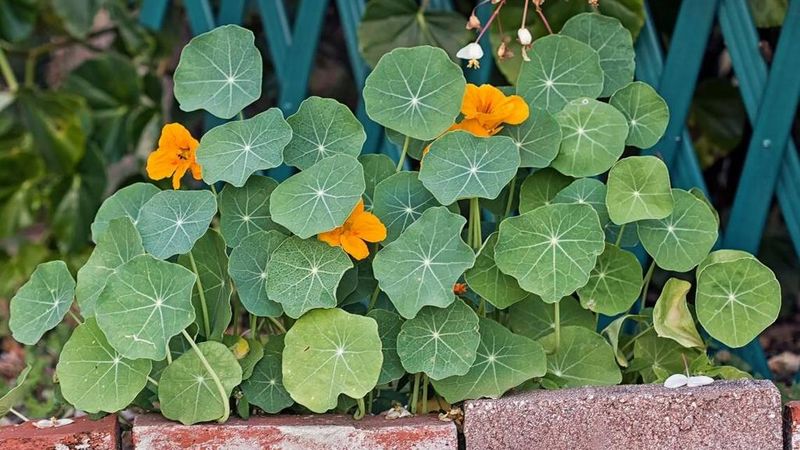
One of the more counterintuitive facts about nasturtiums is that they actually perform better in lean, low-nutrient soil than in rich, heavily amended beds.
Gardeners who load up their beds with compost and fertilizer before planting nasturtiums often end up with big, lush leaves and very few flowers.
The reason comes down to plant biology. When nitrogen levels are high, nasturtiums channel resources into leaf and stem growth.
In poorer soil, the plant senses that conditions are not ideal for vegetative growth and responds by producing more flowers and seeds as a survival strategy.
Texas gardeners can take advantage of this by planting nasturtiums in areas that have not been recently fertilized or amended.
Well-drained soil is more important than soil richness for nasturtiums. They dislike sitting in waterlogged ground, especially during cool, wet Texas winters when drainage can become an issue.
Sandy loam or even slightly rocky soil with decent drainage tends to produce strong plants. A soil pH between 6.0 and 7.0 suits them well.
Skipping the fertilizer routine not only saves time and money but also leads to a more colorful, flower-forward display throughout the cool season.
4. Edible Leaves And Flowers Add Flavor To Texas Gardens
Plenty of ornamental plants look great in the garden but offer nothing beyond visual appeal.
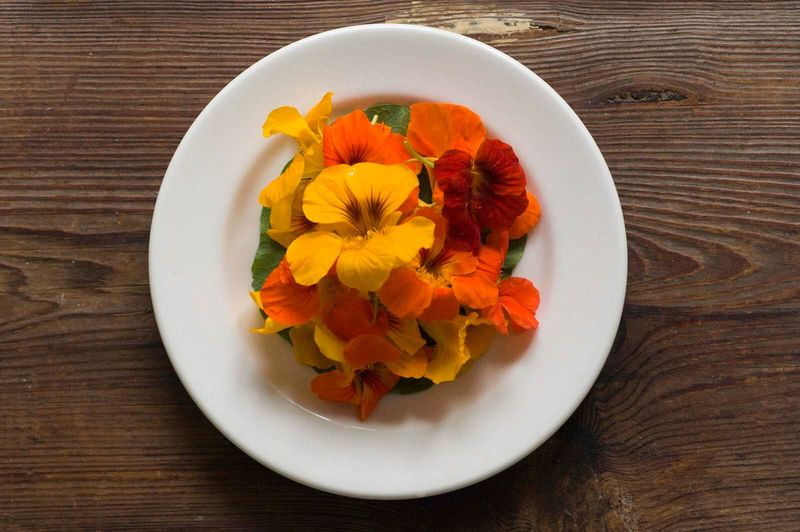
Nasturtiums break that mold by being fully edible from leaf to seed, adding a peppery, watercress-like flavor to fresh dishes that many Texas home cooks find surprisingly useful.
The flowers make a striking garnish on salads, tacos, or grilled vegetable plates, and the leaves can be torn into salads or used as a wrap for light fillings.
Green nasturtium seeds can be pickled in vinegar brine and used as a caper substitute, which is a technique that stretches back centuries in European cooking.
The flavor is bold and slightly tangy, making them a fun ingredient to experiment with.
From a nutrition standpoint, nasturtium leaves and flowers contain vitamin C and other beneficial compounds, though eating large quantities is not typical in everyday cooking.
For Texas gardeners who enjoy growing food as well as ornamentals, nasturtiums offer a practical overlap between the two.
Harvesting flowers and leaves regularly also encourages the plant to keep producing, which means you get a more continuous supply of both fresh ingredients and garden color throughout the cool growing window.
5. Acts As A Trap Crop For Aphids And Other Pests
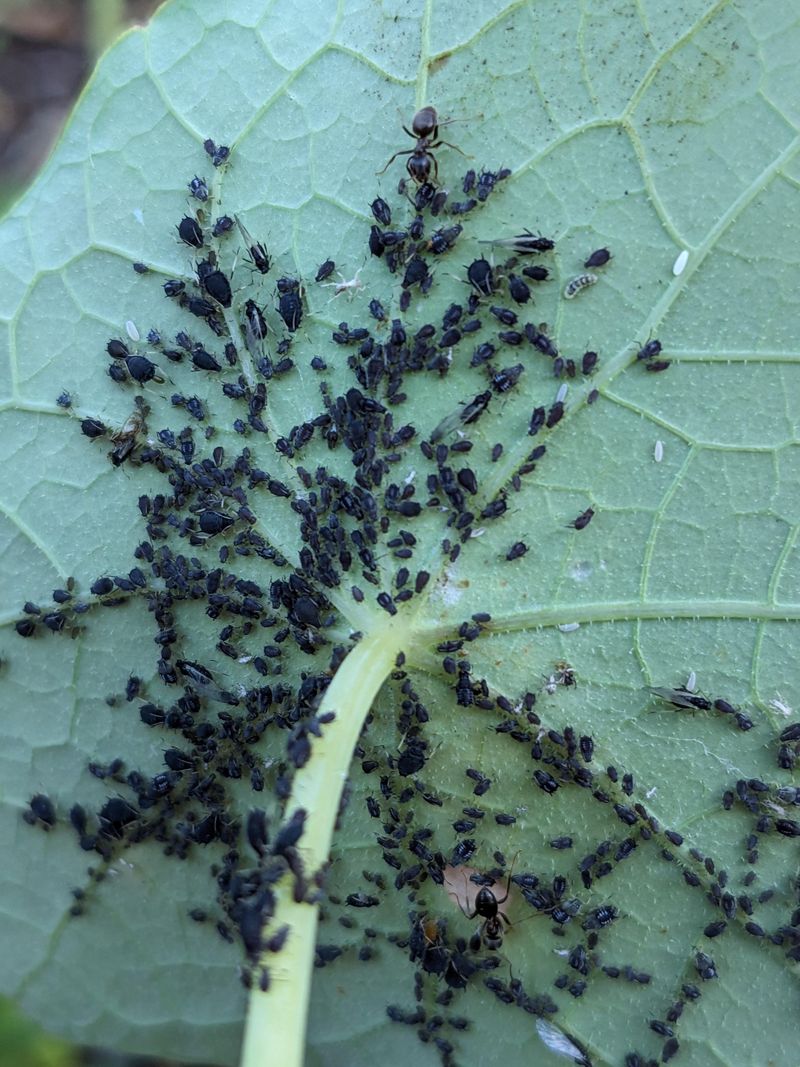
Aphids are a common headache for Texas vegetable gardeners, especially during cooler months when cool-season crops like kale, broccoli, and lettuce are in full swing.
Planting nasturtiums nearby can shift some of that pest pressure away from your food crops and onto the nasturtiums instead.
This strategy is known as trap cropping, and nasturtiums are one of the more reliable plants for drawing aphids in. The insects are attracted to nasturtium foliage and tend to cluster on stems and the undersides of leaves.
Once aphids concentrate on the nasturtium plants, it becomes easier to manage them in one spot through targeted sprays of water, insecticidal soap, or by hand removal.
Beyond aphids, nasturtiums are sometimes noted for attracting beneficial insects such as ladybugs and lacewings, which feed on pest populations throughout the garden.
The relationship between nasturtiums and garden pests is not a simple repel-or-attract equation, and results can vary depending on garden conditions.
Still, many Texas gardeners report that placing nasturtiums near vegetable beds helps reduce the number of aphids reaching their primary crops.
Using them as a border plant around raised beds is a practical and low-effort way to incorporate this approach into your cool-season garden plan.
6. Works Well In Containers During Cooler Months
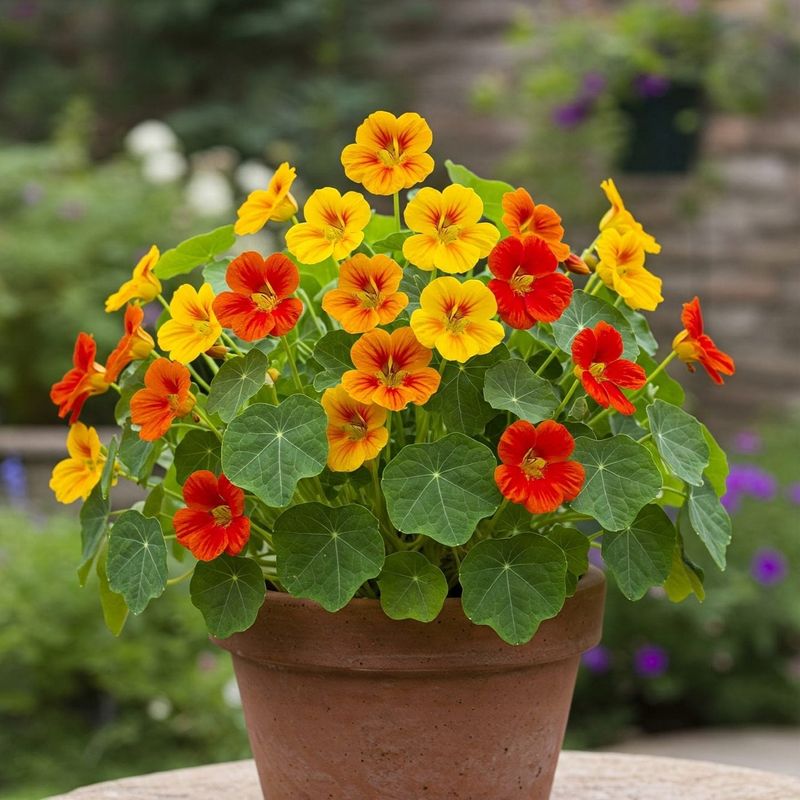
Container gardening opens up a lot of options for Texas gardeners who have limited ground space, shaded beds, or patchy soil quality.
Nasturtiums adapt well to container life, especially during the cooler months when they are at their most productive and visually striking.
Compact or bush varieties work well in standard pots, while trailing types create a cascading effect that looks great in hanging baskets or on elevated planters.
A container with at least 12 inches of depth gives nasturtium roots enough room to develop properly.
Using a well-draining potting mix without added slow-release fertilizer tends to produce better flowering results, following the same principle that applies to in-ground planting.
One advantage of container growing in Texas is the ability to move plants around as weather shifts. If a cold front rolls in with temperatures expected to drop sharply, pots can be moved under an overhang or into a protected spot temporarily.
Watering needs for container nasturtiums are a bit higher than for in-ground plants, especially on windy days when pots dry out faster.
Checking soil moisture every couple of days during dry stretches keeps plants healthy without overwatering.
Containers also make nasturtiums accessible for apartment balconies and small urban outdoor spaces across Texas cities.
7. Fast Growing Habit Fills Empty Garden Spaces Quickly
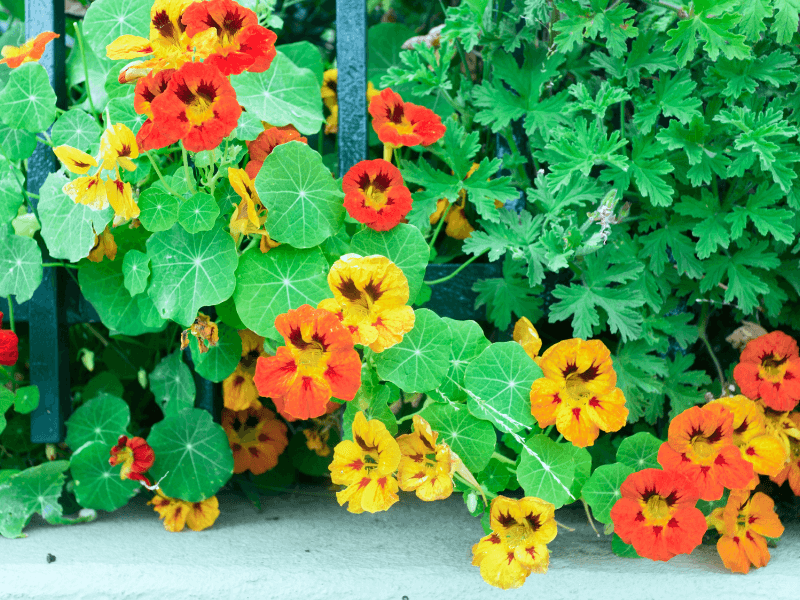
Empty garden beds can be an open invitation for weeds, and Texas soil in fall is often warm enough to get cool-season plants going without much delay.
Nasturtiums germinate and establish quickly, often showing their first true leaves within two weeks of planting when conditions are right.
From seed to first bloom, nasturtiums can take as little as five to six weeks, which is a fast turnaround compared to many ornamental plants.
That speed makes them especially useful for filling in gaps between slower-establishing vegetables or perennials, adding color and ground coverage while other plants are still getting started.
Their spreading habit also helps suppress weeds by shading the soil surface as the season progresses.
Bush varieties tend to stay more compact and mounded, while vining types can spread two to three feet or more, making them useful as a living mulch between taller plants.
In Texas fall gardens, where the cool season feels short compared to spring-summer planting, this fast growth rate means you can plant in October and realistically expect flowers before Thanksgiving in many regions.
Direct seeding into the garden bed, rather than transplanting, tends to produce the strongest and fastest-growing plants since nasturtiums prefer not to have their root systems disturbed during establishment.
8. Prefers Full Sun In Cooler Weather And Light Shade As Temperatures Rise
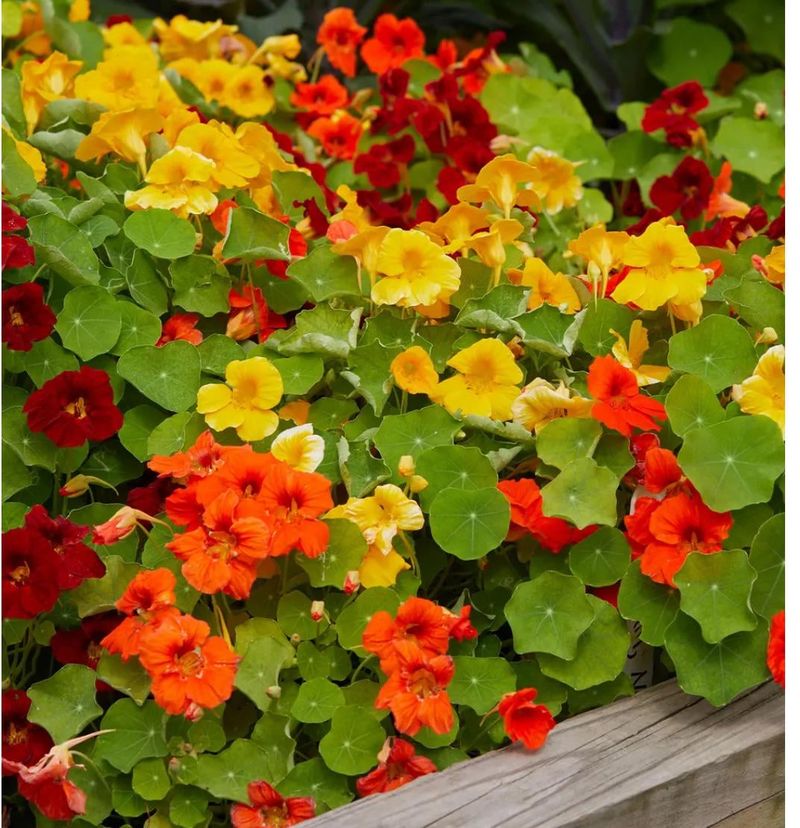
Sun exposure is one of those variables that changes the way nasturtiums perform depending on the time of year, and understanding this shift can help Texas gardeners keep plants going a bit longer into the warming season.
During the cool months of fall and early spring, nasturtiums thrive in full sun, meaning six or more hours of direct sunlight per day. That light intensity drives strong growth and abundant flowering when temperatures stay comfortable.
As Texas temperatures begin climbing in late March and April, plants in full sun locations tend to stress out faster, with leaves showing bleaching or wilting during the hottest part of the afternoon.
Positioning nasturtiums where they receive morning sun and filtered afternoon shade can extend their productive life by several weeks as the season transitions toward summer.
East-facing beds or spots shaded by a fence or taller plant during the afternoon hours are practical options for this purpose.
In Central and North Texas, this approach can keep plants looking reasonable into early May before the heat becomes too intense. South Texas gardeners may find that a shadier location becomes necessary as early as late February.
Paying attention to sun patterns in your specific yard and adjusting placement each season leads to noticeably better results over time.
9. Easy To Grow From Seed With Minimal Effort
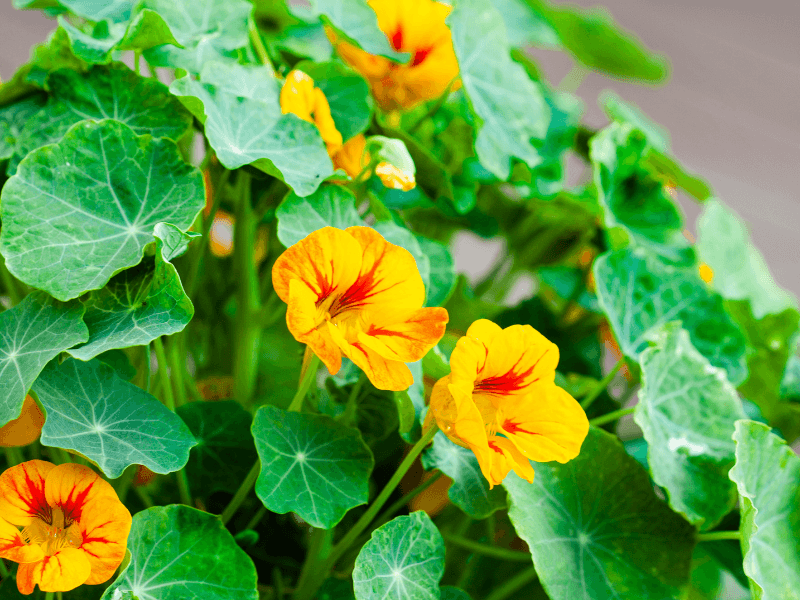
For gardeners who feel intimidated by starting plants from seed, nasturtiums are one of the most forgiving options available.
The seeds are large, easy to handle, and germinate reliably without the need for special equipment, heat mats, or indoor grow lights.
Planting is straightforward. Press seeds about half an inch to one inch deep directly into garden soil or a container, space them roughly 10 to 12 inches apart, water them in gently, and wait.
Nasturtiums strongly prefer direct sowing because their roots are sensitive to disturbance, and transplants often struggle compared to seeds started in place.
Soaking seeds in water for a few hours before planting can speed up germination slightly, though it is not required.
Children and beginning gardeners often find nasturtiums to be a satisfying first seed-starting experience because results come quickly and visibly.
The large seeds are easy to see and handle, germination usually happens within one to two weeks, and the plants grow fast enough to hold a young gardener’s interest.
In Texas, where the cool-season window for planting nasturtiums is clearly defined by temperature, timing the seed drop correctly is really the only skill needed.
Get the seeds in the ground during the right temperature range and the plants tend to handle the rest with very little additional help.