Why New Jersey Homeowners Should Still Mow During A Dry Spell
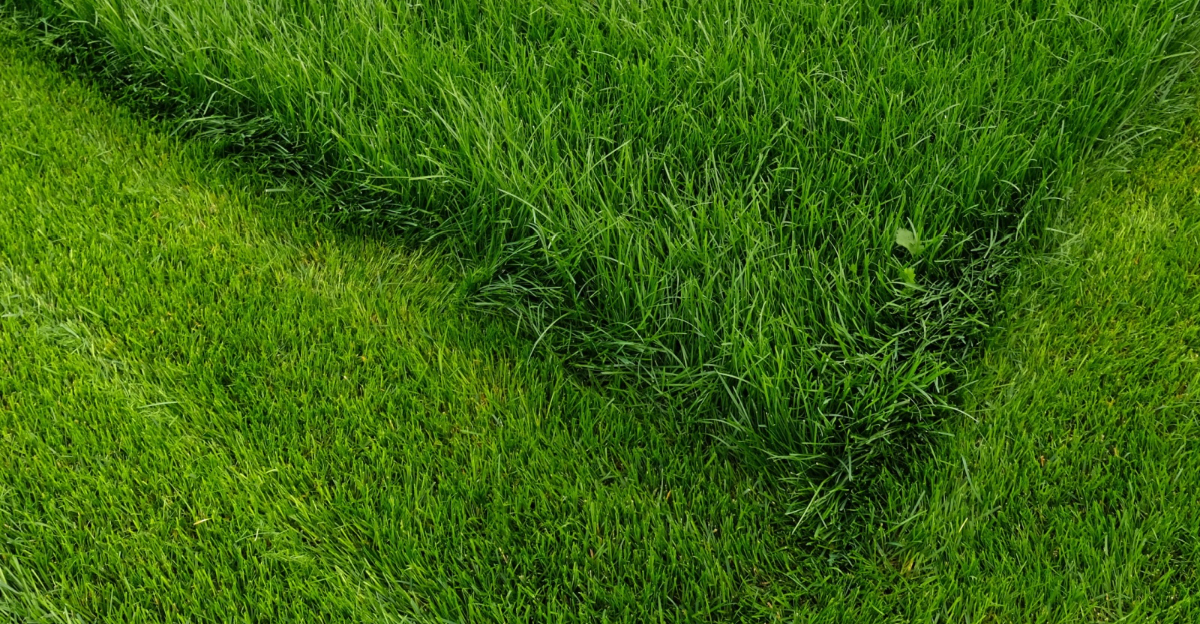
July in New Jersey doesn’t ease up. The sun sits high, the humidity clings, and lawns start showing stress within days of the last rainfall.
Most homeowners see brown patches and assume the mower is the problem. So they park it in the garage and wait for clouds that might not come for weeks.
That instinct feels right, but it’s working against the grass, not for it, at least while some green remains. A lawn that’s still holding color but showing early stress actually benefits from regular mowing.
One that has gone fully brown and dormant needs rest instead, not a blade running over it. New Jersey’s mix of clay-heavy soil and stretches of drought means knowing the difference matters.
Understanding how mowing helps grass that’s stressed but not shut down changes the whole approach to summer lawn care. It’s about knowing exactly when, how, and why to keep cutting.
1. Mowing Strengthens Grass Roots
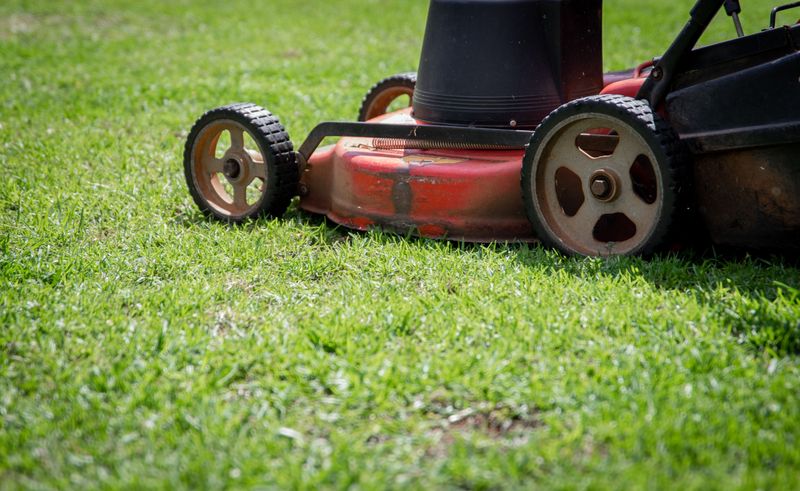
Strong roots make the biggest difference you never actually see. When you mow regularly, even during a dry stretch, the grass plant shifts its energy downward.
That downward push sends nutrients and water-seeking roots deeper into the soil. Deeper roots find moisture that surface-level roots simply cannot reach.
It works a lot like wearing the right hat on a sunny day, enough coverage to stay comfortable without overheating.
Shallow roots simply can’t hold up once rain disappears for a stretch. Regular cuts force the plant to toughen up where it counts most.
Homeowners who skip mowing often find their lawns look burned and flat by mid-August. The grass never built the underground strength it needed to survive.
A well-rooted lawn bounces back faster after the first soaking rain returns. Mowing is not just about looks; it is about building a lawn that fights back.
This approach works especially well in clay-heavy soils common across central parts of the state. The grass responds to consistent cutting by anchoring itself more firmly in tough ground.
You do not need to mow aggressively during dry spells; a light trim is enough. Keep the blade high and let the roots do the rest of the heavy lifting.
2. Regular Cuts Stop Weeds Spreading
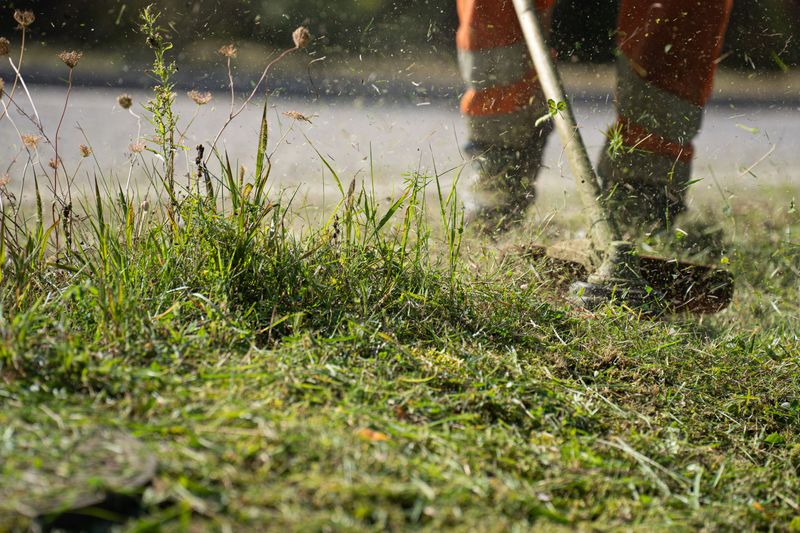
Weeds take advantage fast, and a dry spell gives them the perfect opening. When turf grass weakens from heat stress, weeds rush in to fill every gap.
Skipping mowing gives those weeds the height advantage they need to spread seeds. One dandelion left alone can scatter seeds across your yard in no time.
Mowing regularly cuts off the seed heads before they go airborne. No seed heads mean no new weeds popping up next week.
Crabgrass spreads fast across the mid-Atlantic region during hot, dry summers. It grows aggressively and smothers weakened turf if you give it room to run.
Keeping your grass at a consistent height creates a dense canopy that blocks sunlight from reaching weed seeds. Weed seeds need light to sprout, so cutting them off at the source is smart strategy.
Your New Jersey Garden Changes Every Week. Your Plan Should Too.
Gardening in New Jersey changes quickly throughout the season. Every Friday you’ll receive a simple weekly plan showing exactly what to plant, prune, fertilize, harvest, and protect so you never miss the right timing.
You don’t need to reach for chemicals to deal with every weed in your yard. Sometimes, a sharp mower blade and a consistent schedule do the job just fine.
Mowing also interrupts the growth cycle of broadleaf weeds that thrive in compacted, dry soil. Breaking that cycle early saves you a lot of headache come fall seeding season.
Lawns that stay trimmed during dry periods tend to recover with far fewer weed patches. A little effort now pays off with a cleaner, fuller lawn when rain finally returns.
3. Trimming Removes Disease-Inviting Leftover Blades
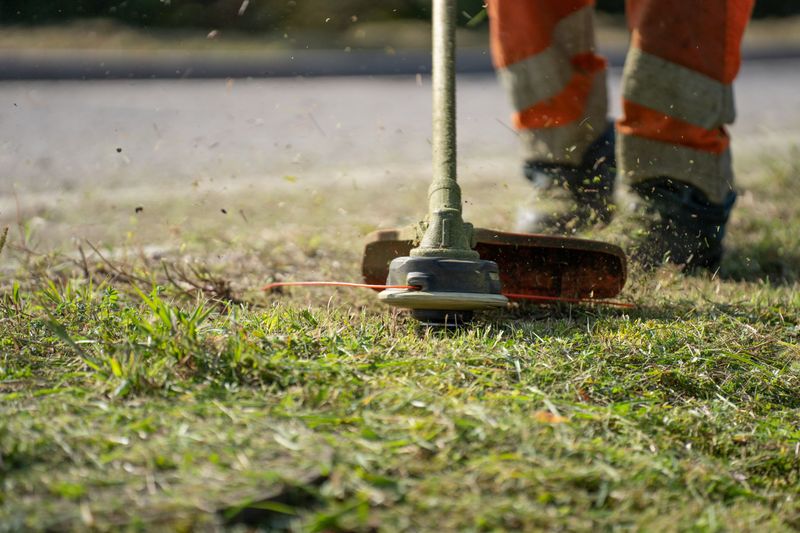
Leftover grass blades do more than look messy, they create the perfect conditions for lawn disease.
When you skip mowing during a dry spell, those leftover blades accumulate and trap heat and humidity near the soil surface. That warm, damp layer becomes a breeding ground for fungal infections.
Dollar spot and brown patch are two of the most common lawn diseases in the region. Both spread faster when spent organic matter sits on top of the soil unchecked.
Trimming the lawn removes that layer of debris and opens up airflow around the base of each grass plant. Better airflow means drier conditions, and drier conditions slow fungal growth significantly.
Each mowing session pushes the grass to work a little harder underground, building strength you won’t notice until the dry weeks hit.
A light mow every ten to fourteen days during a dry stretch is usually enough to keep spent material in check. You are not trying to scalp the lawn; you are just tidying it up.
Clearing away old blades also helps sunlight reach the healthy green growth underneath. That sunlight encourages new cell production, which keeps the living grass stronger against stress.
Lawns that stay clean during dry periods tend to show far less disease damage when moisture returns. Getting ahead of disease is always easier than treating it after the fact.
4. Maintaining A Schedule Keeps Lawns Tidy

Consistency does more for a lawn than most people give it credit for. Homeowners who stick to a mowing schedule, even through dry spells, always come out ahead when conditions improve.
Skipping weeks at a time forces you to cut too much grass at once when you finally do mow. Cutting more than one-third of the blade height in a single pass shocks the plant badly.
That shock is called scalping, and it leaves your lawn looking patchy and stressed. Scalping during a dry spell can set back recovery by several weeks.
A regular schedule avoids that problem entirely because the grass never gets too tall between cuts. You stay within the safe cutting range every single time.
Scheduling also helps you spot problems early. When you mow weekly, you notice dry patches, bare spots, and pest damage before they spiral out of control.
Consider setting a calendar reminder for every ten days during a heat wave. That small habit keeps your lawn manageable without overworking it during tough conditions.
Neighbors will notice the difference between a cared-for lawn and one that was abandoned during a dry stretch. A consistent schedule signals that you take your property seriously year-round.
There is also a personal satisfaction that comes from a well-kept yard. Walking out to a clean, even lawn on a hot summer morning feels like a small victory worth earning.
5. Cutting With Sharp Blades Reduces Stress
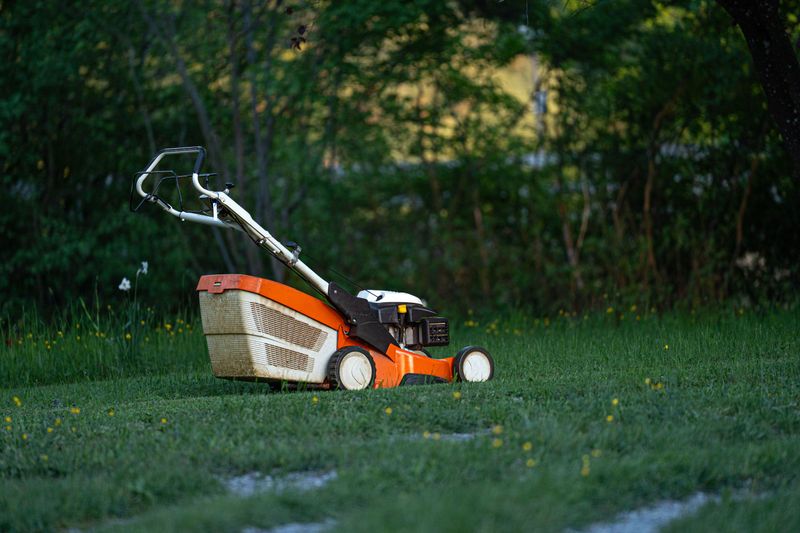
A dull blade does not cut grass; it tears it. Torn grass tips turn brown and create open wounds that dry out faster in hot weather.
Sharp blades slice cleanly through each blade of grass, leaving a smooth tip that heals quickly. That clean cut matters even more during a dry spell when the plant is already under pressure.
Grass that gets torn by a dull mower uses extra energy to repair those ragged edges. During a drought, that wasted energy could be the difference between surviving and burning out.
Sharpening your mower blade at least twice a season is worth building into your routine, and most hardware stores can handle it quickly for a small fee.
You can also sharpen blades yourself with a metal file and about fifteen minutes of effort. A sharp edge does not need to be razor perfect; it just needs to cut cleanly.
When you run your finger carefully along a freshly sharpened blade, you can feel the difference immediately. That difference translates directly into healthier grass on your lawn.
Dry spells amplify every small stressor your lawn faces, so reducing stress wherever possible is the smart play. A sharp blade is one of the easiest upgrades you can make.
Pair sharp blades with a slightly raised cutting height and you give your grass the best possible chance of staying green through the toughest summer stretches.
6. Shorter Grass Loses Less Moisture
Tall grass sounds like it would hold more water, but that logic flips in hot weather. Longer blades actually expose more surface area to the sun and wind.
More surface area means more evaporation, and more evaporation means the plant dries out faster. Keeping the grass at a moderate height reduces that moisture loss significantly.
The sweet spot for most cool-season grasses common in the state is between three and four inches tall. That height shades the soil below while limiting the amount of leaf surface baking in the sun.
Shaded soil stays cooler, and cooler soil retains moisture longer after any rain or irrigation. It is a simple equation that pays off in a big way during hot, dry stretches.
Think of grass height as a built-in cooling system for the soil beneath it. Homeowners who let grass grow too tall during a dry spell often see it flop over from its own weight.
Flopped grass traps humidity at the base and invites mold and disease. Mowing to the right height is a balancing act, but it is not complicated. Set your deck height before you start and stick with it throughout the season.
Consistent height management during a dry spell keeps your lawn looking sharp and helps it hold onto every drop of moisture it can find.
7. Consistent Mowing Speeds Up Recovery
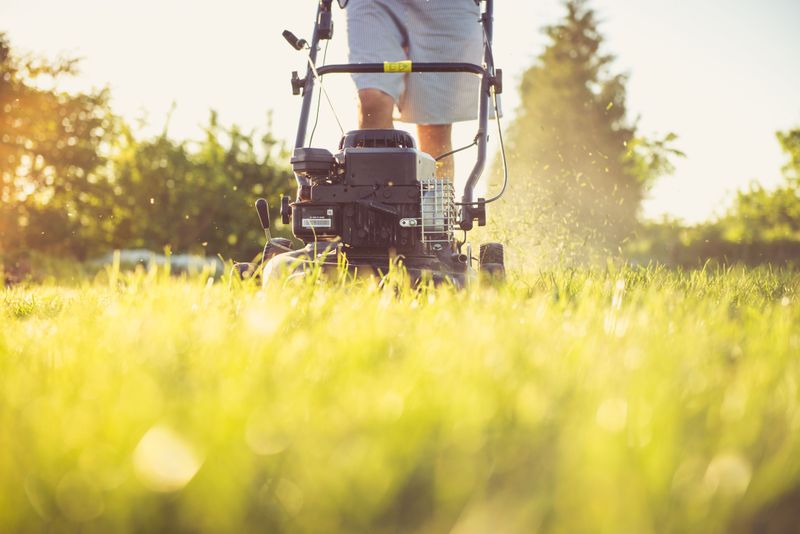
Every homeowner wants a fast bounce-back after a rough dry stretch. The lawns that bounce back fastest are almost always the ones that stayed on a mowing schedule.
Regular cutting stimulates lateral growth, which means the grass spreads outward and fills in bare spots more quickly. That spreading action is what turns a patchy yard into a full, dense lawn.
When you skip mowing for weeks, the grass grows tall and weak instead of wide and strong. Weak, tall grass takes much longer to recover once rain returns.
Consistent cuts train the grass to produce more shoots from the base of each plant. More shoots mean more coverage, and more coverage means fewer bare patches to worry about.
It works the same way pruning does, encouraging fuller, denser growth over time. The act of cutting actually triggers a growth response that benefits the whole lawn.
Post-drought recovery can take anywhere from two weeks to a full month depending on how the lawn was managed.
Lawns that were mowed consistently during the dry spell tend to recover noticeably faster than those left untouched.
Watering after the first mowing of a recovery period helps drive nutrients into the root zone quickly. That combination of cutting and watering jump-starts the regrowth process in a powerful way.
Sticking with your mowing routine through the tough weeks is what separates a thriving lawn from one that struggles every summer to get back on its feet.
8. Light Mowing Prevents Shading Overgrowth
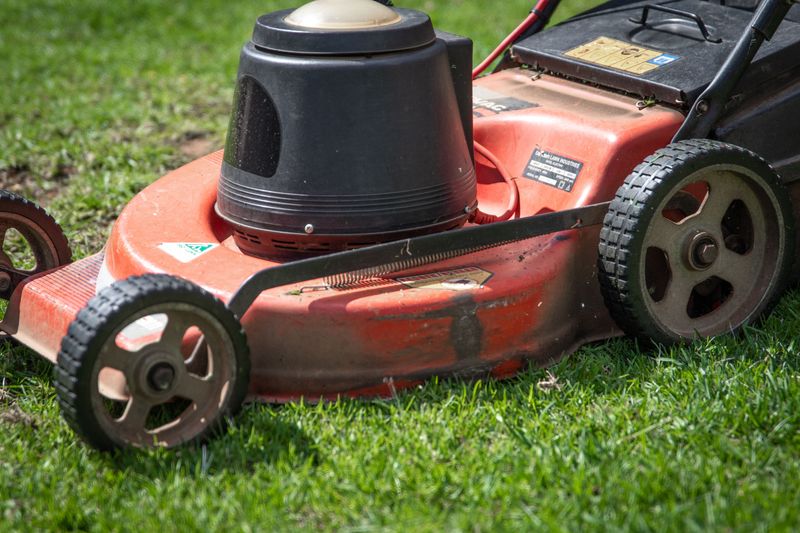
Overgrown grass creates its own problems that have nothing to do with water. Tall, dense grass casts heavy shade on the lower blades, blocking the light they need to stay healthy.
When lower blades cannot access sunlight, they weaken and eventually stop growing. That creates a thick, tangled mat at the base of the lawn that suffocates healthy growth.
Light mowing during a dry spell prevents that mat from forming in the first place. Keeping the canopy open lets sunlight filter down to the soil and encourages even growth across the whole yard.
An open canopy also improves air circulation, which reduces the chance of fungal issues taking hold. Good airflow is one of the simplest and most effective tools in lawn care.
The key word here is light. During a dry spell, you never want to remove more than one-third of the grass height in a single pass.
A light pass with the mower every week or ten days is all it takes to prevent overgrowth from shading itself out. Small, frequent cuts beat one big aggressive mow every time.
Overgrowth also makes your yard look wild and neglected, which affects your home’s curb appeal. A tidy lawn signals pride of ownership, and that matters whether you are selling or simply enjoying your space.
Keeping up with light mowing during a dry spell is one of the simplest things New Jersey homeowners can do to protect their lawn all summer long.