Why North Carolina Azaleas Look Healthy But Bloom Less Every Year And How To Fix It
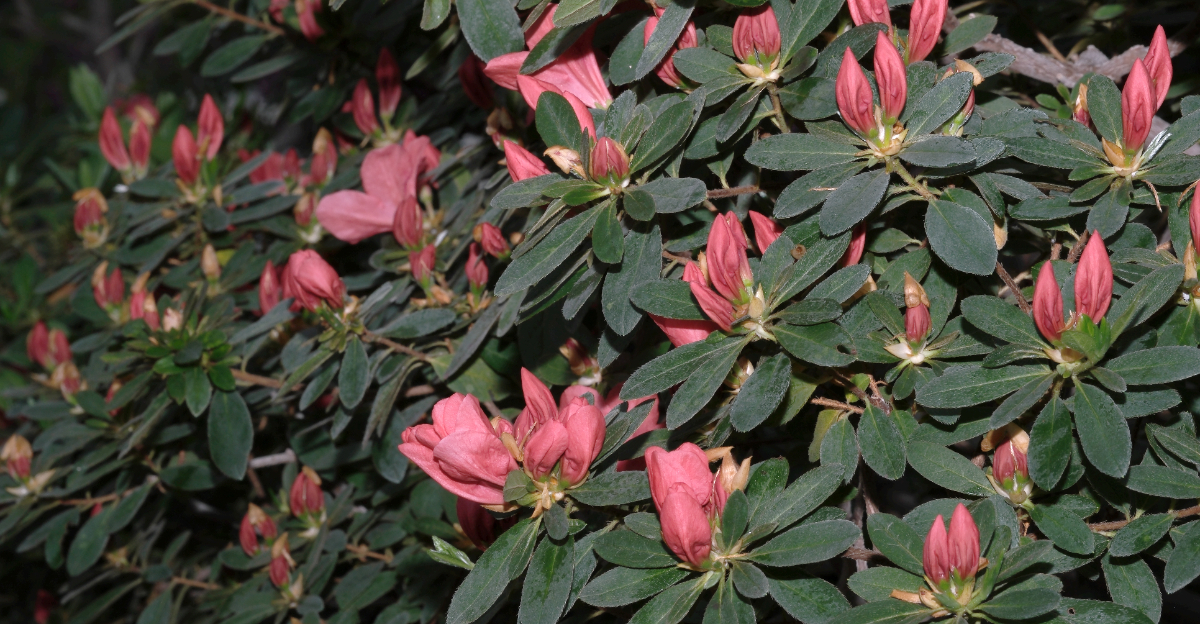
Azaleas can look full, green, and perfectly healthy in North Carolina, yet still produce fewer blooms each year. That can be confusing, especially when the plant seems to be growing well.
The issue often comes down to timing and conditions that affect how buds are formed long before spring arrives.
In North Carolina’s climate, azaleas usually set their flower buds in late summer or early fall, which means what happens during those months plays a big role in next year’s display.
Small changes in light, pruning habits, or soil conditions can quietly reduce the number of blooms over time. Many gardeners do not notice the problem until the spring show starts to fade.
The good news is that once you understand what is causing it, you can make simple adjustments to bring those blooms back and keep your shrubs looking their best.
1. Pruning At The Wrong Time Of Year
Most gardeners are surprised to learn that the timing of one simple chore can completely wipe out next year’s flowers.
Azaleas (Rhododendron spp.) are unique because they set their flower buds for the following year almost immediately after they finish blooming in late spring.
That means any pruning done in summer, fall, or winter is essentially cutting off the blooms before they ever get a chance to open.
It does not matter how healthy the plant looks on the outside. If you trimmed your azaleas in August or October, you likely removed hundreds of tiny developing buds without even realizing it.
This is one of the most widespread reasons North Carolina gardeners see fewer flowers season after season, even on plants that appear completely vigorous and well-fed.
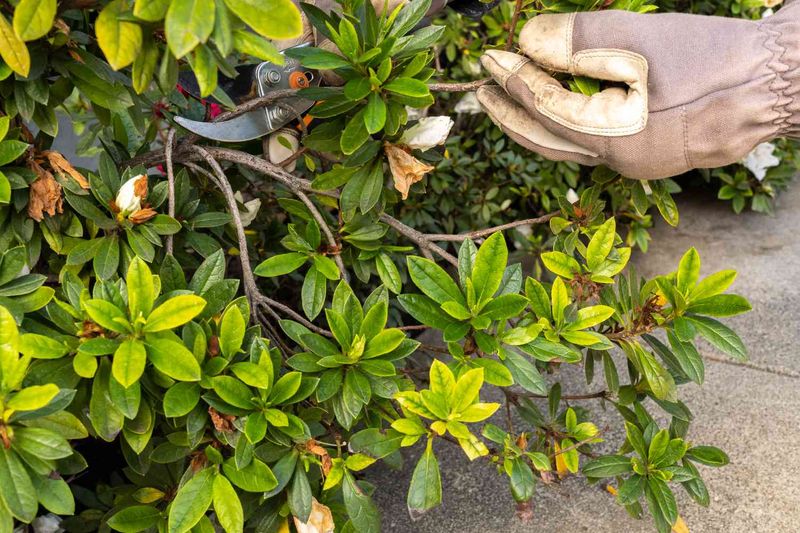
The fix is refreshingly simple once you know it. Prune your azaleas immediately after they finish flowering in spring, ideally within two to three weeks of the last bloom dropping.
This gives the plant the entire growing season to develop strong new growth and set fresh buds for the following year. A quick, well-timed trim does far more good than a heavy cut at the wrong time.
Mark it on your calendar this spring and you will likely notice a real difference in bloom count the very next year right in your own North Carolina yard.
2. Too Much Shade As Trees Grow Taller

Here is something that sneaks up on a lot of North Carolina gardeners over time. When azaleas were first planted years ago, the spot probably got a nice amount of filtered morning light.
But trees grow, canopies thicken, and what was once a bright dappled area can slowly turn into deep shade without anyone really noticing the change.
Azaleas do tolerate shade, but they absolutely need some light to produce flowers. When light levels drop too low, the plant puts all its energy into surviving rather than blooming.
The foliage stays green and full, which tricks gardeners into thinking everything is fine, but underneath that healthy exterior the plant simply lacks the energy to form flower buds.
Your North Carolina Garden Changes Every Week. Your Plan Should Too.
Gardening in North Carolina changes quickly throughout the season. Every Friday you’ll receive a simple weekly plan showing exactly what to plant, prune, fertilize, harvest, and protect so you never miss the right timing.
Walk around your yard on a sunny morning and honestly assess how much light your azaleas are actually receiving. If the area stays shaded for most of the day, it is time to act.
Selectively pruning some of the lower or crossing branches on overhead trees can open up the canopy and let more filtered light reach your plants.
In cases where the shade is too severe to correct, carefully transplanting the azalea to a brighter location in early fall gives it a real chance to recover and bloom beautifully again.
Morning sun with afternoon shade is genuinely the sweet spot for North Carolina azaleas.
3. Excess Nitrogen Fertilizer Feeding Leaves Instead Of Flowers
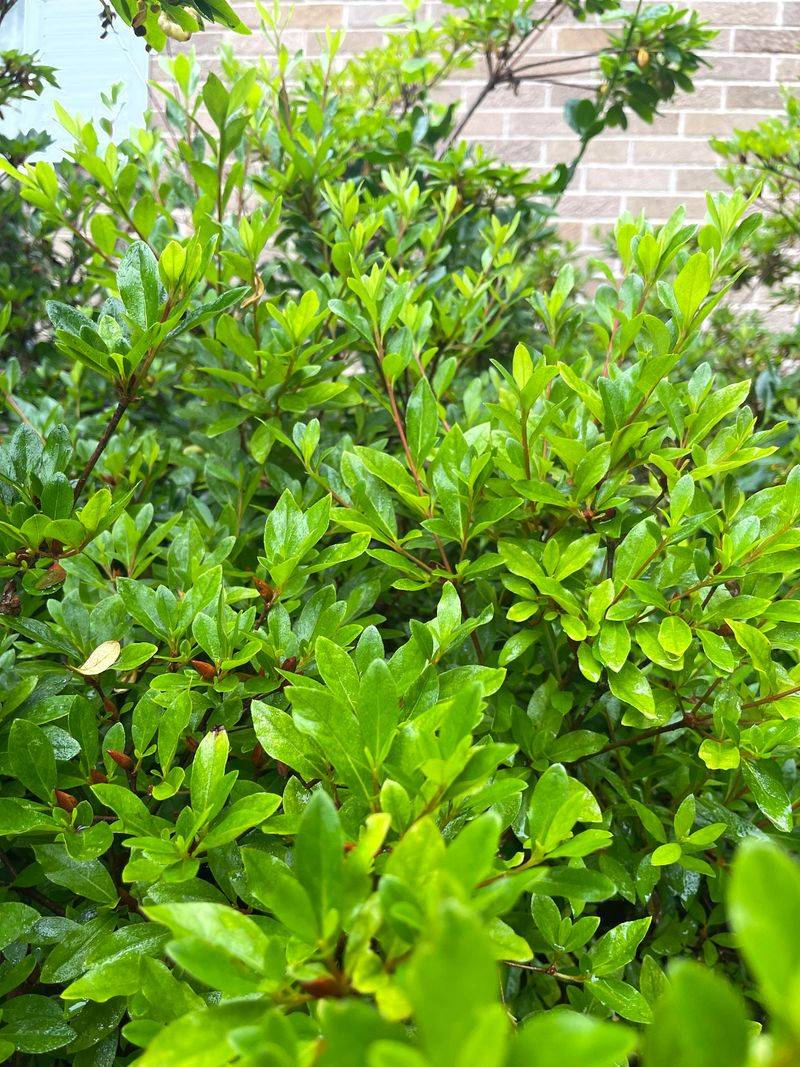
Feeding your plants feels like such a caring thing to do, but with azaleas, more fertilizer is not always better. High-nitrogen fertilizers push plants to produce a lot of leafy, green growth very quickly.
The result looks impressive at first glance, but all that energy going into foliage means very little is left over for forming flower buds.
Nitrogen is the first number on any fertilizer bag, and products like general-purpose lawn fertilizers or vegetable garden blends tend to be very high in it. Many North Carolina gardeners accidentally over-apply these without realizing the impact on their azaleas.
The plants respond by growing lush and thick, which looks healthy, but the bloom count quietly drops year after year.
Switching to a fertilizer specifically formulated for acid-loving plants like azaleas and rhododendrons makes a noticeable difference. These blends are lower in nitrogen and designed to support flowering rather than just foliage.
If your azaleas are already growing vigorously without much help, you can even skip fertilizing entirely for a season and see how they respond. When you do feed them, apply fertilizer in early spring just before new growth starts, and avoid feeding after midsummer.
Giving your North Carolina azaleas the right fuel at the right time is one of the easiest ways to see more blooms without any extra effort.
4. Late Spring Cold Snaps Catching Buds Off Guard
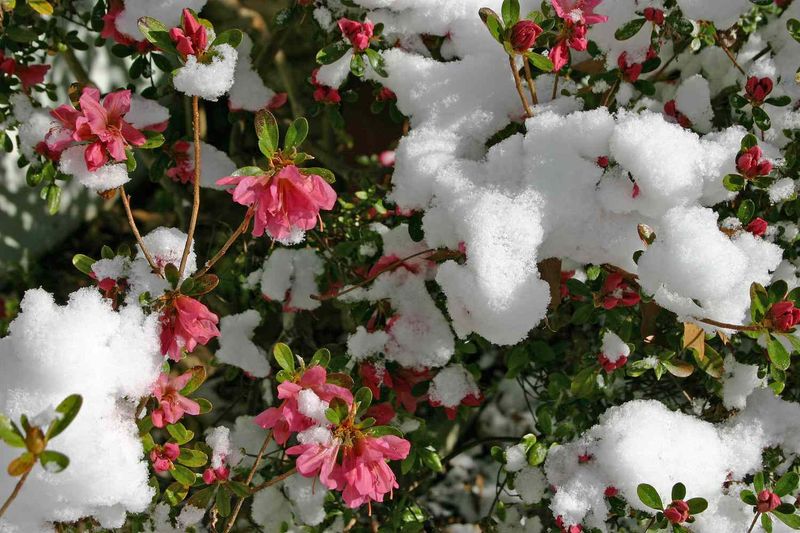
North Carolina weather can be genuinely unpredictable in spring, and azalea buds are more fragile than most people realize.
After a warm stretch in March or early April encourages buds to swell and develop, a sudden overnight frost can quietly damage them before they ever open.
The plant itself usually looks completely fine the next morning, but those buds are already compromised.
Gardeners across the Piedmont and even the coastal plain have experienced this frustrating pattern. The azalea looks full of promise, then the blooms either fail to open properly or appear sparse and brown-tipped.
It is easy to blame the plant or the soil, but the real cause happened during one cold night that barely seemed worth worrying about.
Planting azaleas in sheltered spots helps reduce this risk considerably. A location near a south or east-facing wall, under the light protection of a tall tree, or tucked against a fence can buffer plants from sharp temperature swings.
When a late frost is in the forecast, draping a light frost cloth or even an old bedsheet over your shrubs overnight provides surprising protection. Remove the covering in the morning once temperatures rise.
Choosing cold-hardy azalea varieties suited to your specific North Carolina region also reduces the risk of bud damage from late-season cold snaps that seem to come out of nowhere every few years.
5. Aging Woody Stems That No Longer Bloom Well
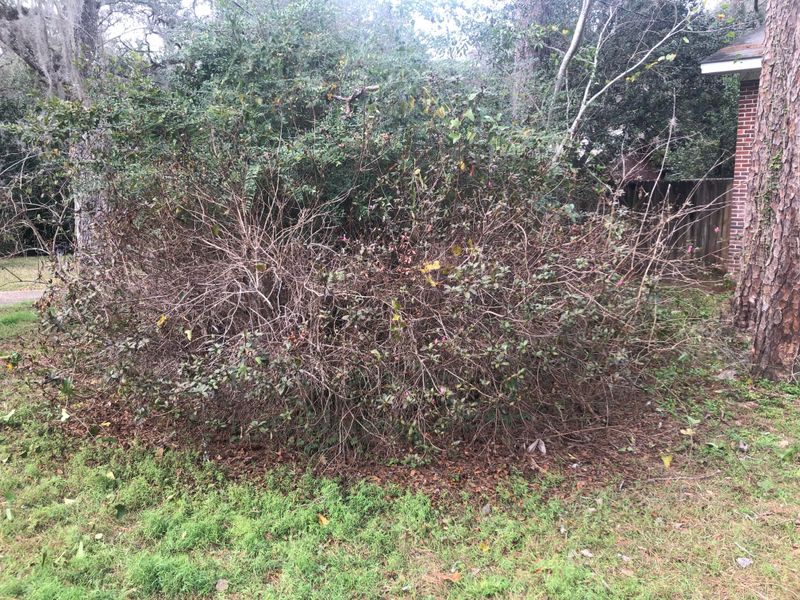
Older azaleas have a certain charm about them, with their thick, gnarled trunks and sprawling shapes. But as azaleas age and become increasingly woody, those older stems gradually produce fewer and fewer flowers.
The plant is not failing, it is simply running out of the young, vigorous growth that blooms most reliably.
Many North Carolina gardeners have mature azaleas that have been in place for twenty or thirty years without ever receiving a real renewal pruning. Over time, the center of the plant fills with dense, unproductive old wood while new flowering growth struggles to emerge.
The result is a plant that looks impressive from a distance but delivers a disappointing bloom show up close.
Rejuvenating an older azalea does not have to be drastic or risky. The most effective approach is to remove about one-third of the oldest, thickest stems each year over three consecutive seasons.
Cut those old stems back to just above a healthy side branch or down close to the base. This gradual approach encourages fresh new growth from the base and lower portions of the plant without stressing it too heavily all at once.
Within two to three growing seasons, most North Carolina azaleas respond with noticeably stronger growth and a much more generous flower display. Patience during the process pays off with a genuinely revitalized plant.
6. Soil pH Drifting Away From What Azaleas Need
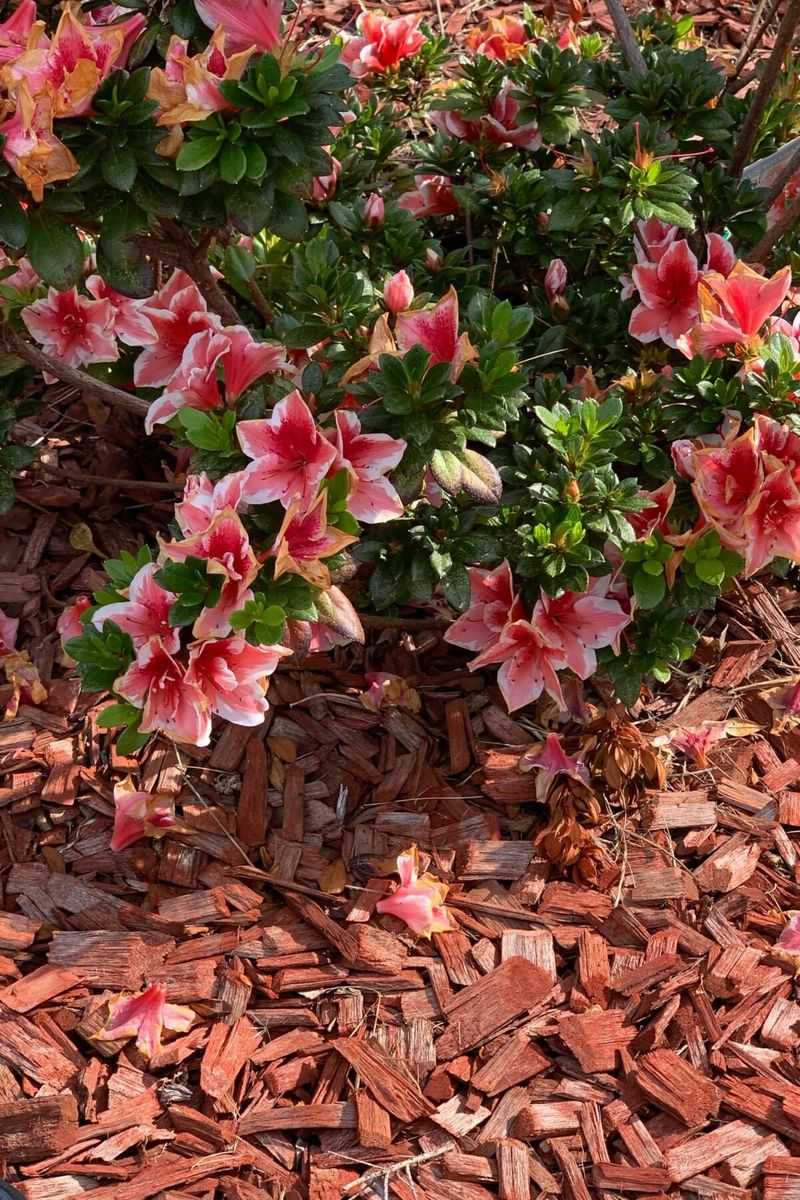
Soil chemistry might not be the most exciting topic, but for azaleas it is genuinely one of the most important factors in whether they bloom well or not. Azaleas are acid-loving plants that perform best in soil with a pH between 4.5 and 6.0.
When the pH climbs higher than that, the plant cannot absorb key nutrients properly even if those nutrients are present in the soil.
In North Carolina, soil pH can shift over time for several reasons. Lime applied to nearby lawn areas can gradually raise the pH around foundation plantings.
Irrigation with hard water, concrete or brick structures leaching alkaline compounds, and even natural weathering can all push soil chemistry in the wrong direction.
The azalea continues to look green and healthy because it is surviving, but it simply cannot access what it needs to form flowers.
Getting a basic soil test is the smartest first step, and North Carolina State University’s Cooperative Extension service makes it easy and affordable for home gardeners.
Once you know your pH, you can adjust it by working elemental sulfur into the soil around your plants.
Acidifying mulches like pine bark or pine straw also help maintain the right pH over time and are very commonly used throughout North Carolina landscapes. Correcting the soil pH often produces a visible improvement in bloom production within a single growing season.
7. Drought Stress During Summer Bud Formation
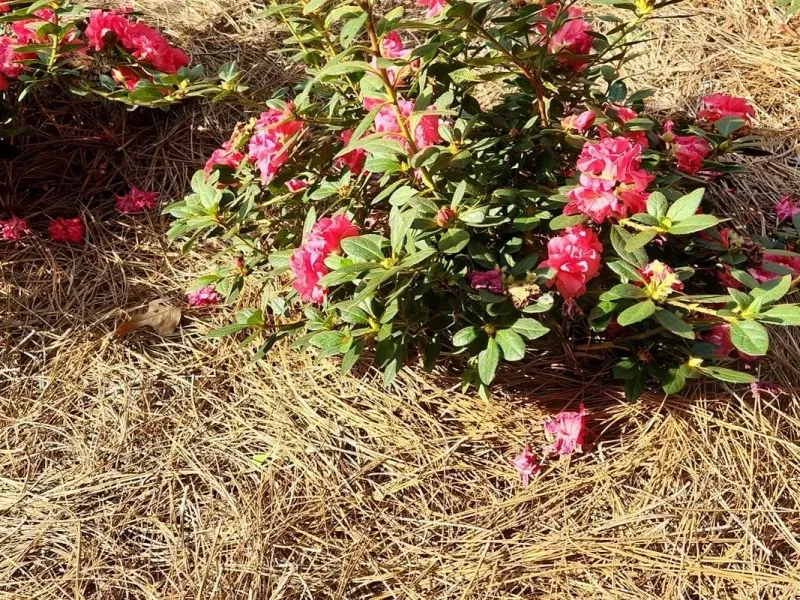
Summer in North Carolina can be brutally hot and dry, and azaleas feel every bit of that stress even when they do not show obvious signs of wilting.
Flower buds for the following spring actually begin forming in late summer and early fall, which means the moisture available to the plant during those months directly determines how many blooms you will see next year.
Azaleas have shallow, fibrous root systems that dry out faster than deeper-rooted plants. A few weeks of drought stress during late July or August can significantly reduce the number of buds that form, and you will not even notice the damage until the following spring when blooms fail to appear.
By then, the connection between last summer’s dry spell and this spring’s sparse flowers is easy to miss.
Keeping your azaleas consistently moist through summer is one of the highest-impact things you can do to improve bloom count.
Deep watering once or twice a week during dry stretches is far more effective than light daily sprinkling, which only wets the surface without reaching the roots.
Applying a generous layer of pine straw or shredded bark mulch around the base of each plant helps the soil hold moisture longer between waterings.
In North Carolina’s hot and humid summers, that combination of deep watering and good mulching can make a dramatic difference in how generously your azaleas bloom the following spring.