These 11 Vegetables Keep Regrowing After Every Cut For Endless Harvests In North Carolina
Planting a vegetable once and harvesting from it repeatedly sounds like exactly the kind of garden setup most people want but assume is too good to be true. It is not.
A solid group of vegetables are built to regrow after cutting, pushing out fresh growth within days of being harvested and continuing that cycle for weeks or even months in a climate as favorable as North Carolina’s.
The long warm season here stretches that productive window further than most states can offer, giving cut and come again vegetables more time to keep producing before conditions finally shift.
Some of these work best in spring and fall when temperatures stay moderate, while others handle North Carolina summers without slowing down.
Getting familiar with which ones belong in each season and how to cut them correctly to encourage the fastest regrowth can completely change how much food a backyard garden actually produces.
These vegetables reward every harvest with another one right behind it.
1. Collards
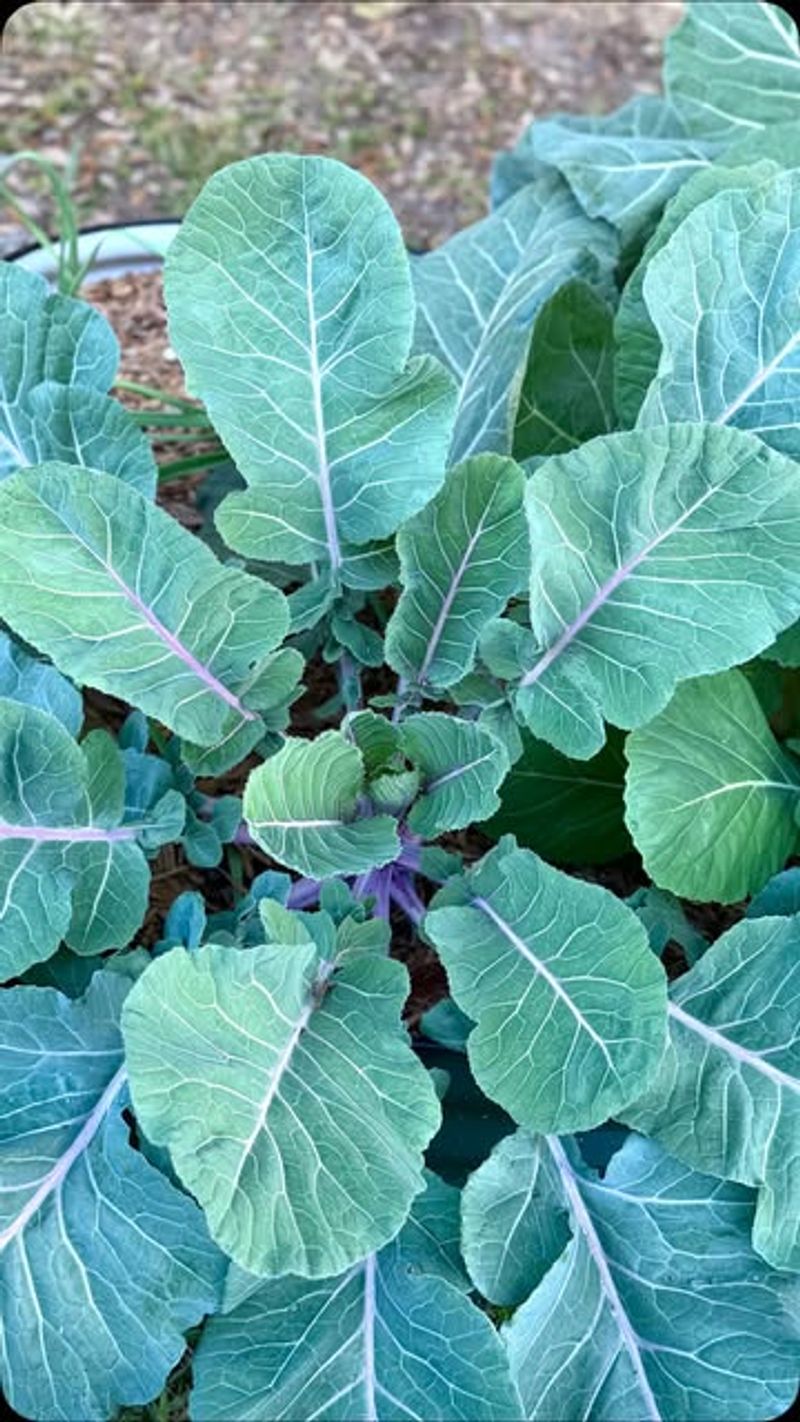
Collard greens have been a staple of Southern cooking for hundreds of years, and North Carolina gardeners have always known their secret: cut the outer leaves, and the plant just keeps going.
Unlike crops you harvest all at once, collards reward patience with a steady stream of fresh, nutritious leaves from fall all the way through spring.
Established plants can even handle summer heat better than most leafy greens, making them one of the most dependable vegetables in the whole state.
To get the most out of your collards, always harvest from the bottom up. Remove the oldest outer leaves first and leave the younger growth at the center untouched.
This keeps the plant actively producing and prevents it from putting energy into anything other than making more leaves for you.
Collards thrive in North Carolina’s cooler months, and a light frost actually makes the leaves taste sweeter by converting starches into sugars. Plant them in full sun with well-draining soil, and water them consistently for the best results.
Adding a layer of mulch around the base helps the soil hold moisture during dry spells. With just a little regular care, a single collard plant can feed your family for months without needing to be replanted, making it one of the smartest choices for any North Carolina garden.
2. Kale
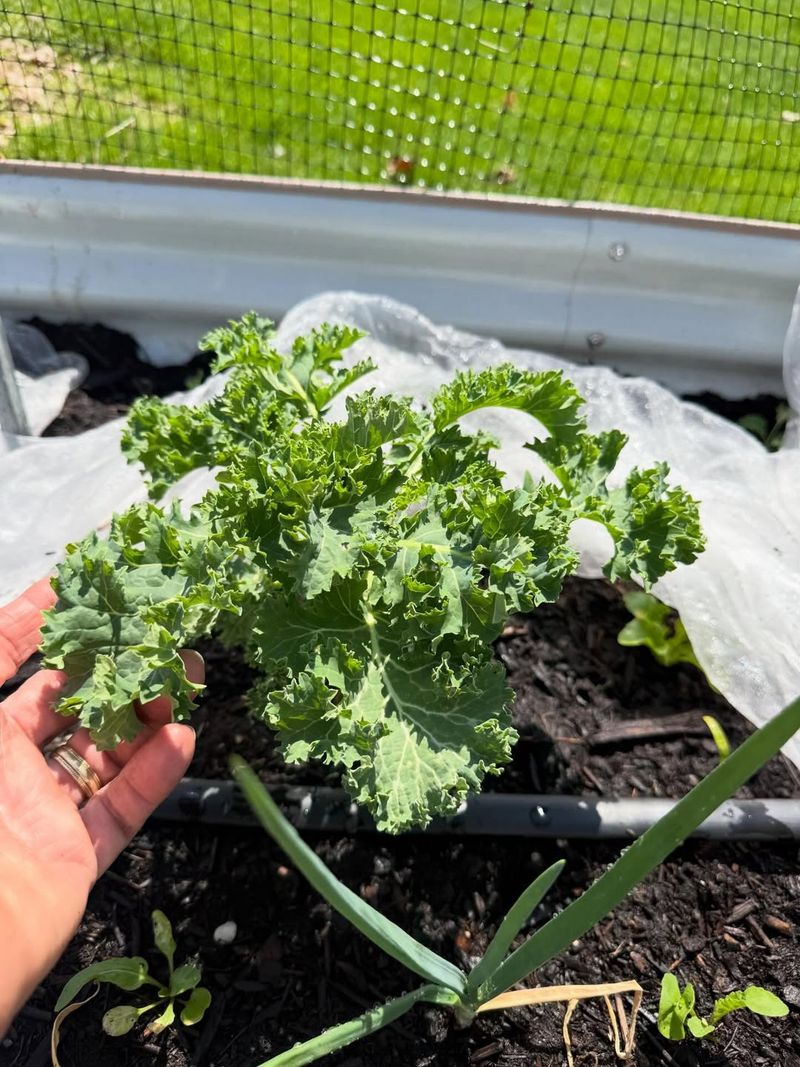
Kale has earned its reputation as one of the most productive vegetables a home gardener can grow, and the cut-and-come-again method is exactly why. Instead of pulling the whole plant, you simply snip the outer leaves and let the center keep growing.
Within days, new leaves push out from the middle, and before you know it, you have another round of fresh greens ready to pick. North Carolina gardeners who learn this trick rarely go back to buying kale from the store.
The key is to never cut more than one-third of the plant at a single harvest. Taking too many leaves at once stresses the plant and slows regrowth significantly.
Stick to the outer, more mature leaves and always protect the growing tip at the very center, which is the engine behind all that new growth.
Your North Carolina Garden Changes Every Week. Your Plan Should Too.
Gardening in North Carolina changes quickly throughout the season. Every Friday you’ll receive a simple weekly plan showing exactly what to plant, prune, fertilize, harvest, and protect so you never miss the right timing.
Kale performs best during North Carolina’s cool seasons, from early fall through late spring. Summer heat can make the leaves tougher and slightly more bitter, though some varieties handle warmth better than others.
Planting in a spot with afternoon shade during hot months can extend your harvest window. Rich, well-amended soil with consistent moisture gives kale exactly what it needs to stay productive.
Fertilize lightly every few weeks with a nitrogen-rich option to keep those leaves coming in thick, tender, and full of flavor throughout the growing season.
3. Swiss Chard
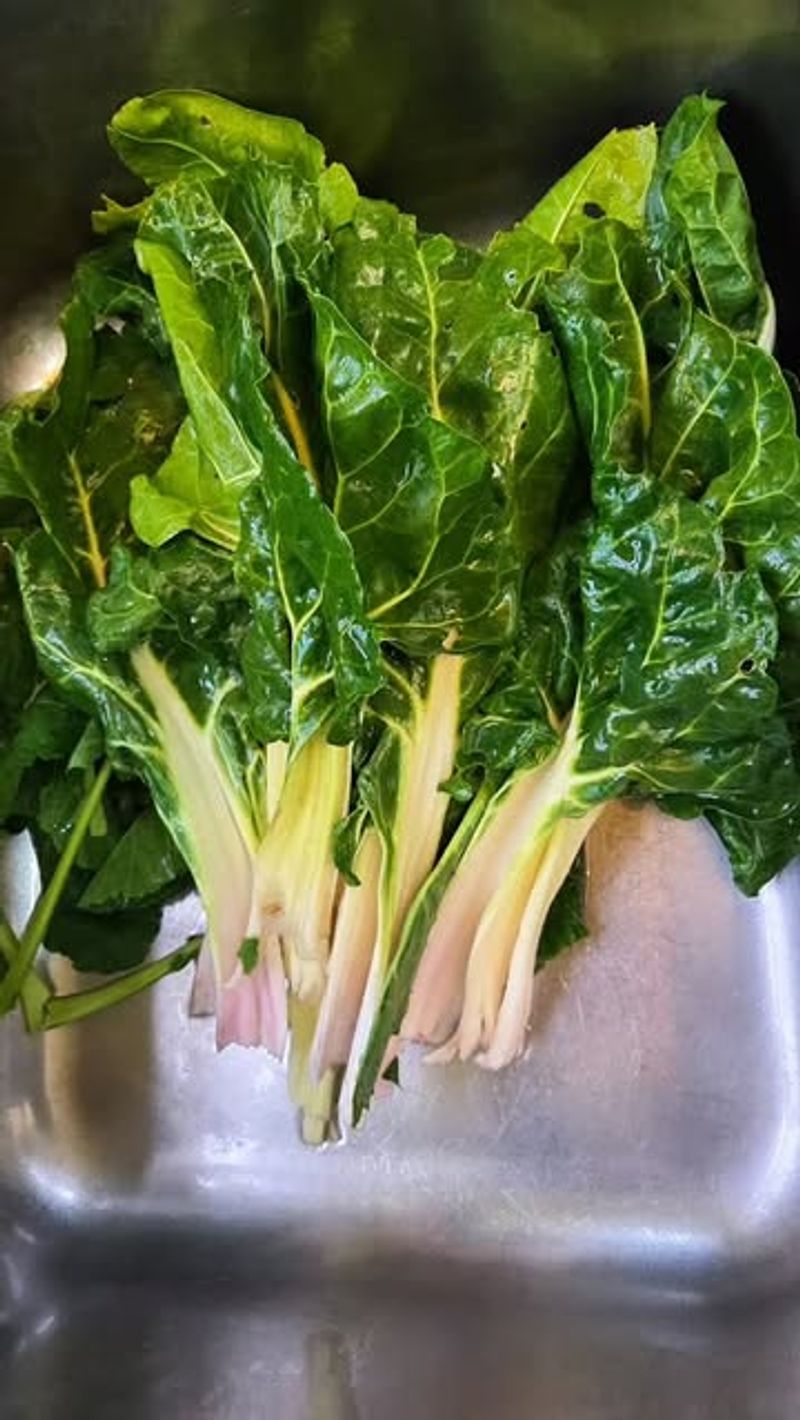
Swiss chard might be the most underrated cut-and-come-again vegetable in North Carolina, and that is honestly a shame. Its colorful stems in shades of red, yellow, orange, and white make it one of the prettiest things you can grow in a garden bed.
Beyond the looks, chard is incredibly tough. It handles both cool temperatures and warm spells better than almost any other leafy green, giving North Carolina gardeners a much longer harvest window than crops like spinach or arugula.
Harvesting chard the right way makes all the difference. Cut the outer stalks at the base, close to the soil, and always leave the inner leaves and the central growing point completely alone.
The plant uses that center cluster to push out new growth, and as long as you protect it, the harvests just keep coming week after week.
Swiss chard grows well in both spring and fall in North Carolina, and it can even push through mild winters with a little protection like row cover fabric. Plant it in full sun or partial shade with fertile, well-draining soil.
Regular watering keeps the leaves tender and prevents them from becoming fibrous or tough. A balanced fertilizer applied monthly helps maintain steady growth.
Once you start growing Swiss chard with the cut-and-come-again method, you will wonder why you ever bought it pre-packaged from the grocery store.
4. Mustard Greens
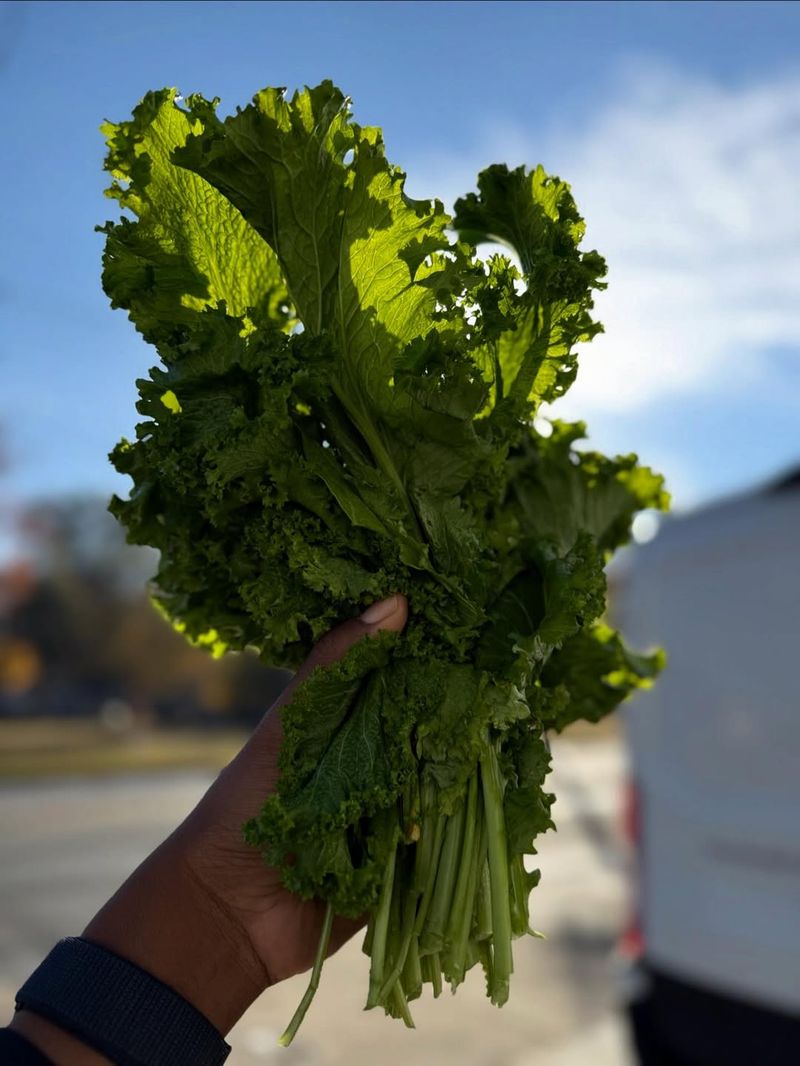
Few vegetables grow as fast as mustard greens, and that speed is a big part of what makes them so satisfying to grow in North Carolina. Plant them in late summer or early fall, and within a matter of weeks, you will have broad, flavorful leaves ready to cut.
The peppery, slightly spicy taste adds serious character to salads, stir-fries, and Southern-style cooked greens. And because they regrow after cutting, one planting can keep your kitchen stocked for months.
The trick to keeping mustard greens productive is protecting the crown, which is the low, central cluster where new leaves emerge. Cut only the outer, larger leaves and leave that crown completely intact.
Even a light cutting every week or two is enough to keep the plant busy producing fresh growth without exhausting it.
Mustard greens are a cool-season crop that shines in North Carolina from fall through early spring. They can handle light freezes, which often mellows their flavor and makes them taste a little less sharp.
Summer heat is their main challenge because high temperatures trigger bolting, which causes the plant to send up a flower stalk and stop producing tender leaves.
To get the most out of your harvest, plant them as early as August for a fall crop or in late February for a spring run. Rich soil and steady moisture are all they really need to thrive.
5. Turnip Greens
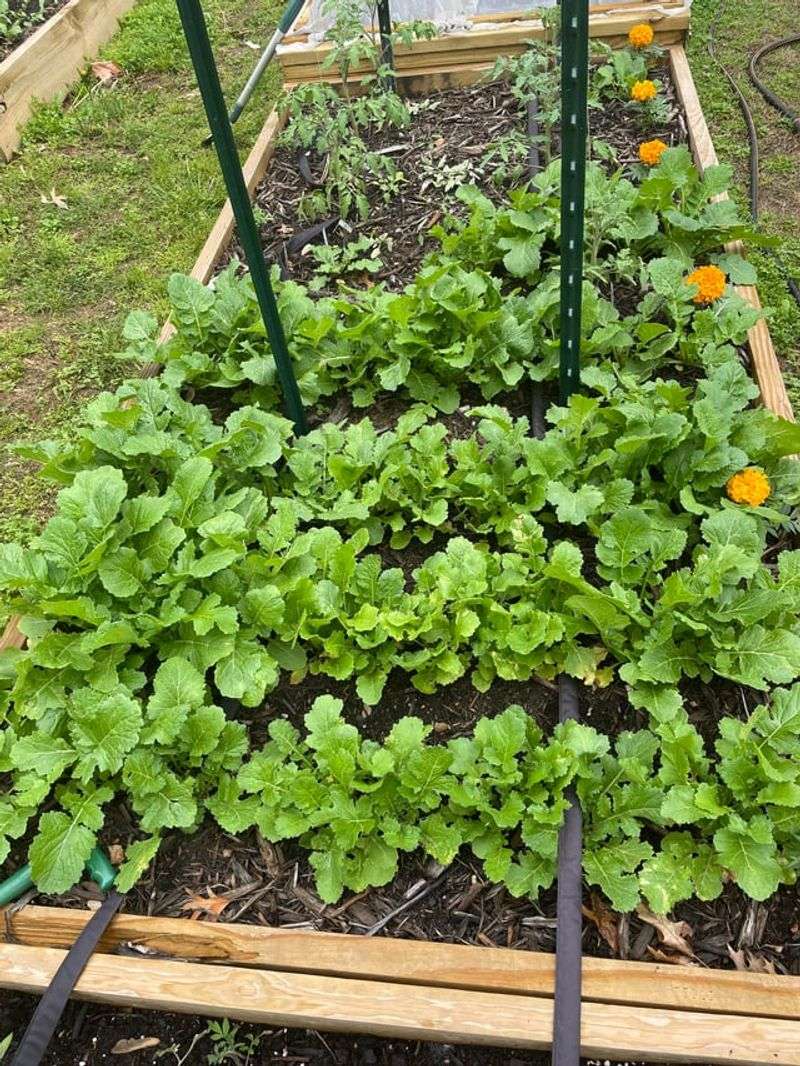
Turnips are famous for their roots, but here is something many new gardeners do not realize: the leafy tops are just as valuable, and they keep regrowing after each harvest.
North Carolina has a long tradition of cooking turnip greens, and growing your own means you always have a fresh supply without waiting for the roots to fully mature.
The greens come back quickly when you harvest just a few outer leaves at a time, letting the plant stay active and productive throughout the season.
Moderation is the key when harvesting turnip greens repeatedly. Taking too many leaves at once puts stress on the plant and slows down root development at the same time.
If your main goal is continuous leaf harvests, plant a dedicated row just for greens and let them grow without worrying about the roots below. This way, you can cut freely and often without compromising anything.
Cool weather is when turnip greens truly shine in North Carolina. Fall and early spring are the best times to grow them, and they can tolerate light frost without much trouble.
Summer heat tends to make the leaves tougher and more bitter, so timing your planting is important. Full sun and consistently moist, fertile soil give turnip greens everything they need to produce abundantly.
Add a nitrogen-rich fertilizer after each cutting to push fresh growth quickly and keep those harvests coming right through the cooler months.
6. Leaf Lettuce
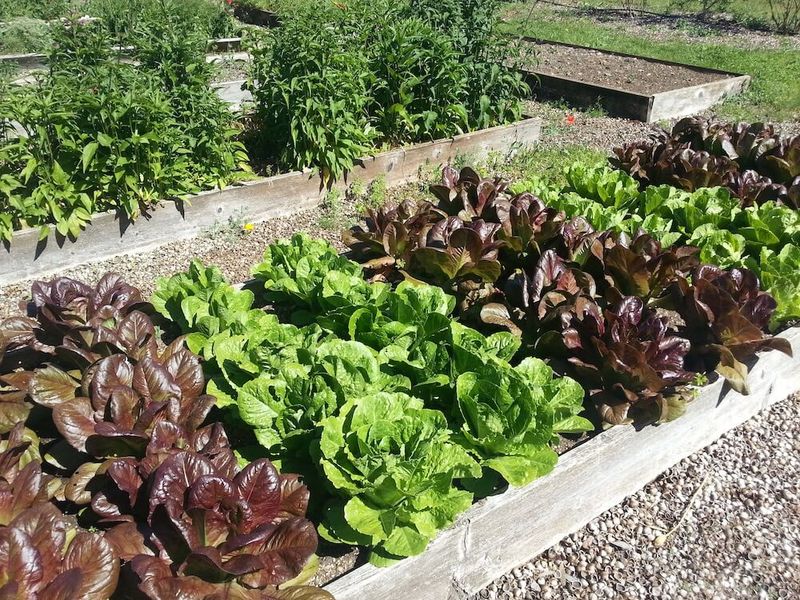
Leaf lettuce is one of the easiest and most rewarding cut-and-come-again crops you can grow in a North Carolina garden. Unlike head lettuce, which you harvest all at once, loose-leaf varieties let you snip what you need and walk away while the plant keeps growing.
It is almost like having a living salad bowl right outside your back door. Varieties like Red Sails, Black Seeded Simpson, and Oakleaf are especially well suited to the cut-and-come-again approach.
The best way to harvest leaf lettuce for regrowth is to cut the outer leaves about an inch above the soil, leaving the central crown untouched. That crown is where all new growth originates, and protecting it keeps the plant producing fresh leaves for weeks.
You can also do a full cut across the top of the plant, leaving about two inches of stem, and watch it regrow from there within a week or so.
Timing matters a lot with leaf lettuce in North Carolina. It thrives in cool weather during fall, winter, and early spring, but once summer heat arrives, the plant bolts quickly and the leaves turn bitter.
Planting in a spot with afternoon shade can buy you a few extra weeks in warmer weather. Keep the soil consistently moist and fertilize lightly every two to three weeks.
With the right timing and care, you can enjoy fresh lettuce from your North Carolina garden for most of the year.
7. Arugula
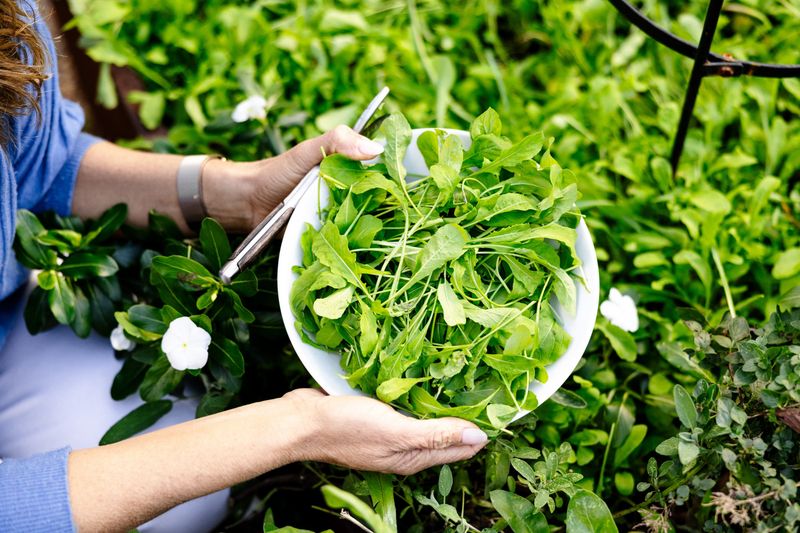
Arugula is the kind of green that surprises people the first time they taste it fresh from the garden. That bold, peppery, slightly nutty flavor is completely different from anything you get in a store-bought bag, and growing it yourself in North Carolina is surprisingly simple.
Even better, arugula regrows quickly after a light cutting, which means one small planting can keep producing for several weeks before the plant eventually bolts and calls it a season.
For the best regrowth, cut arugula when the leaves are young and about three to four inches tall. Use scissors or garden shears to snip across the top of the plant, leaving about an inch of stem behind.
New leaves will push out from the base within a week or two, especially in cool conditions. Avoid taking the plant all the way down to the soil because that can stop regrowth entirely.
In North Carolina, arugula is best planted in fall or early spring because summer heat causes it to bolt incredibly fast. Once it bolts, the leaves become very bitter and the plant focuses all its energy on making flowers and seeds instead of tender greens.
Planting in partial shade can help slow the bolting process in warmer weather. Arugula grows well in containers too, which makes it easy to move to a cooler spot when temperatures climb.
Light, fertile soil and regular watering are all it takes to enjoy this flavorful green season after season.
8. Spinach
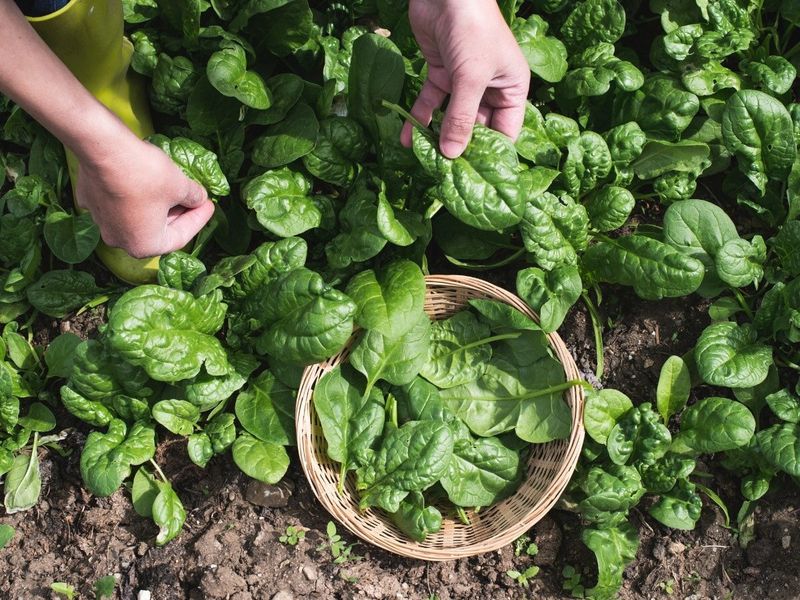
Spinach is one of those vegetables that feels almost magical when you grow it the cut-and-come-again way. You harvest a handful of leaves for dinner, and a week later, the plant has already replaced them with fresh new growth.
For North Carolina gardeners, spinach is a cool-season treasure that fits perfectly into fall, winter, and early spring planting schedules. It is packed with nutrients and incredibly versatile in the kitchen, which makes every harvest feel like a real reward.
Always harvest spinach by removing the outer, more mature leaves first and leaving the younger inner leaves alone. The small, tender leaves at the center are the ones that will grow up and replace what you just cut.
Pulling from the outside and protecting the inside keeps the plant in a continuous growth cycle that can last for weeks or even months in the right conditions.
North Carolina winters are generally mild enough for spinach to survive with minimal protection, especially when you use row covers or cold frames during hard freezes.
The plant slows down in very cold temperatures but bounces back quickly when things warm up slightly.
Summer is the real challenge because heat triggers bolting almost immediately. Planting in early September for a fall crop or late February for a spring harvest gives you the best window.
Rich, moisture-retaining soil and consistent watering help spinach stay tender and productive right through the cooler North Carolina months.
9. Beet Greens
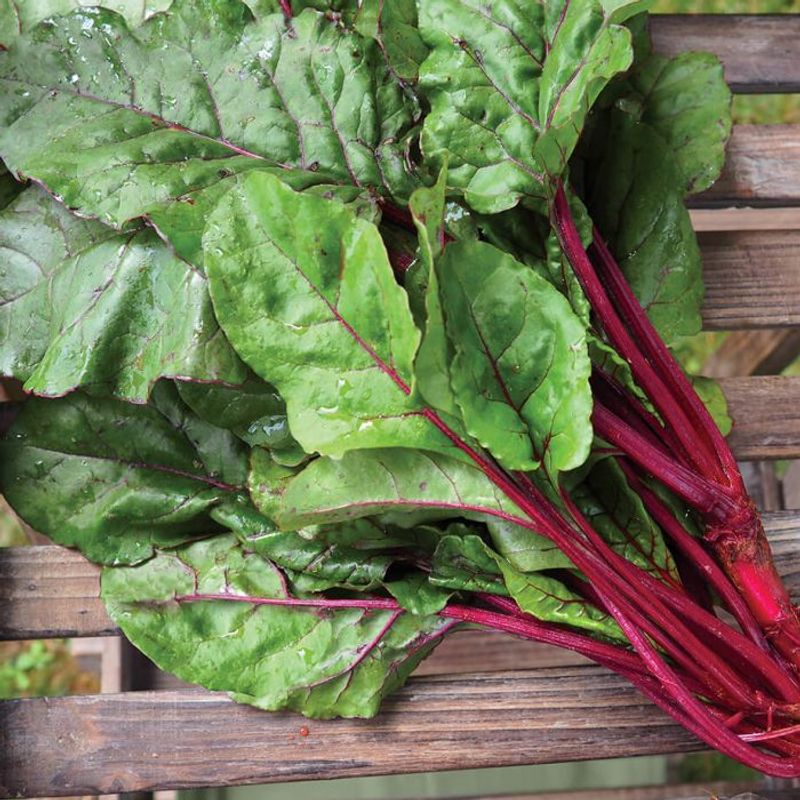
Most people grow beets for the colorful roots, but the leafy greens on top are just as useful and can be harvested repeatedly throughout the season.
Beet greens have a mild, slightly earthy flavor that works beautifully in salads when young and tender, or sauteed with garlic when the leaves are a bit larger.
North Carolina gardeners who discover this double-duty harvest quickly realize they are getting twice the value from every single plant in the ground.
The trick to repeated beet green harvests is restraint. Only remove two or three outer leaves per plant at a time, and always leave the younger inner leaves untouched.
Cutting too many leaves at once puts serious stress on the root below and can slow or even stop its development.
If your main goal is continuous leaf harvests rather than growing big roots, plant a separate section of your bed specifically for greens and harvest freely from those plants.
Beets grow best in North Carolina during the cooler months of fall and spring. They prefer loose, deep, well-draining soil that lets the roots expand without obstruction.
Regular watering keeps both the roots and leaves developing at a steady pace. Beet greens are ready to harvest when they reach about four to six inches tall, which usually happens pretty quickly after germination.
Adding a light layer of compost when you plant gives them a nutritional head start that pays off in both leaf and root production throughout the growing season.
10. Bunching Onions
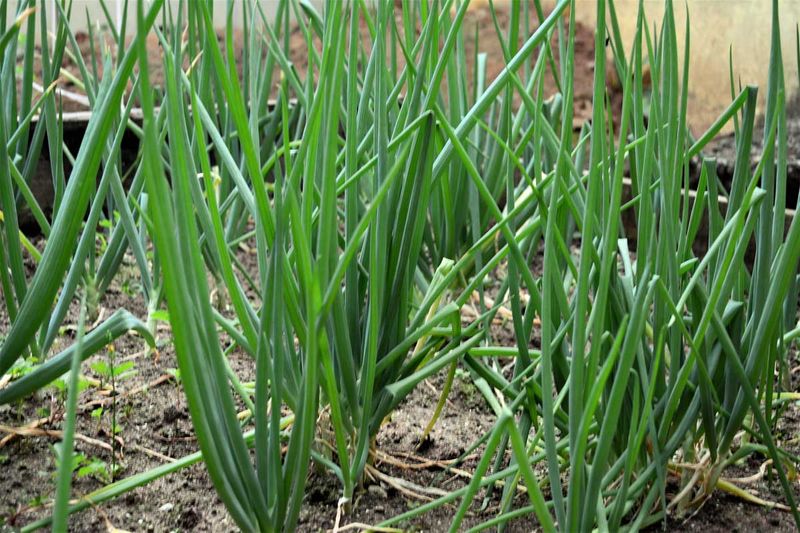
Bunching onions, also called green onions or scallions, are one of the most low-maintenance cut-and-come-again vegetables you can keep in a North Carolina garden.
Cut the green tops for cooking and the base stays right in the ground, quietly regrowing and getting ready for the next harvest.
They multiply over time too, slowly forming wider and wider clumps that give you more to harvest with every passing month. Once you have a patch established, it practically takes care of itself.
Harvesting bunching onions is wonderfully simple. Use scissors or a sharp knife to cut the green tops down to about an inch above the soil line, leaving the white base and roots fully intact underground.
New green shoots will emerge from the same base within a week or two, especially during the cooler parts of the North Carolina growing season when conditions are ideal for steady growth.
Bunching onions are remarkably adaptable and can grow through much of the year in North Carolina, though they prefer cooler temperatures for the most vigorous production.
They work great in containers, raised beds, or traditional garden rows and do not need much space at all.
Plant them in full sun with well-draining soil and water them regularly, especially during dry stretches. A light feeding of balanced fertilizer every few weeks encourages faster regrowth after each cutting.
Keeping a small patch of bunching onions growing means you always have fresh flavor ready to grab at a moment’s notice.
11. Bok Choy
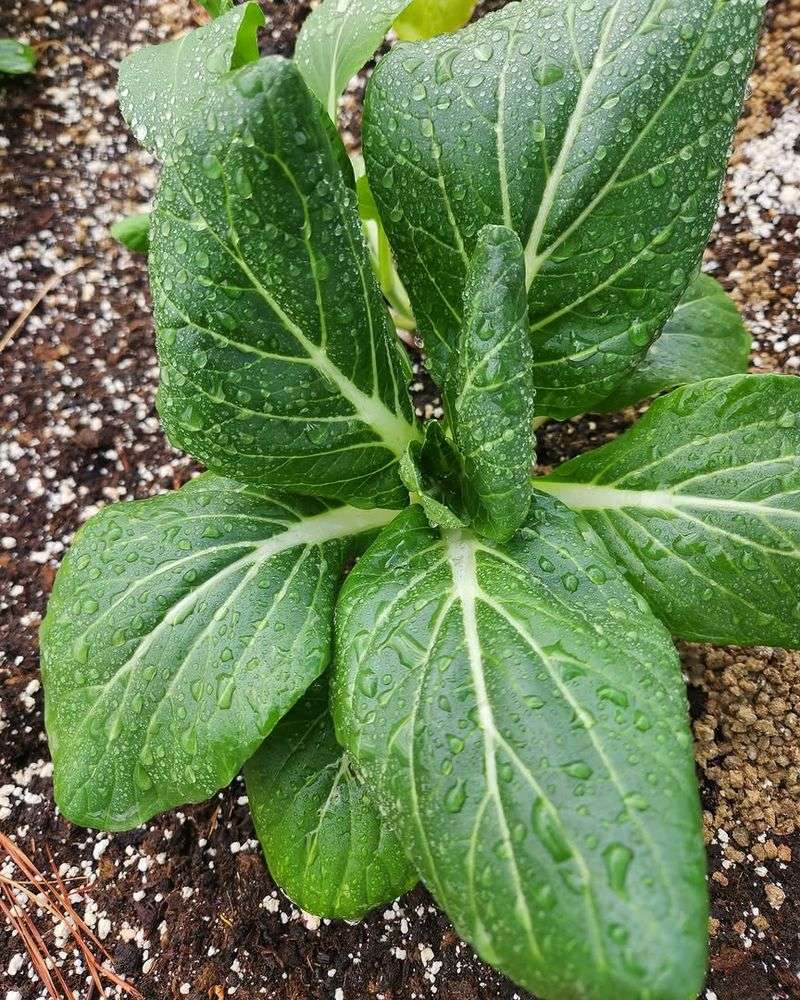
Bok choy brings a crisp, mild flavor to the garden that is completely different from other leafy greens, and North Carolina gardeners who grow it in the cooler months are always pleasantly surprised by how well it performs.
While it is not quite as aggressive a regrower as kale or collards, bok choy can absolutely produce multiple harvests when you approach it the right way.
Carefully removing the outer leaves while protecting the central growth point gives the plant what it needs to keep pushing out fresh new foliage.
Baby bok choy varieties tend to regrow better than full-size types, making them a smarter choice if repeated harvests are your goal. Cut the outer leaves close to the base and leave the pale inner leaves alone.
Some gardeners also cut the entire plant a few inches above the soil and watch smaller side shoots emerge from around the base, which adds a fun second round of harvesting to the whole experience.
Cool weather is absolutely essential for bok choy in North Carolina. Fall planting is ideal, with transplants going in around late September or early October for a productive harvest that stretches into early winter.
Spring planting works too, but the window is shorter because warming temperatures trigger bolting fairly quickly. Rich soil, consistent moisture, and a sheltered spot with some protection from harsh afternoon sun give bok choy the best possible conditions.
Row covers during unexpected cold snaps help extend the season and protect your harvest well into the colder months.