Why North Carolina Gardeners Are Skipping Fall Bulb Fertilizer This Year

Fertilizing bulbs at planting time has long been common practice, but a growing number of North Carolina gardeners are rethinking that habit this fall.
Spring-flowering bulbs already carry everything they need to bloom stored inside them, since that energy was built up the previous growing season rather than depending on what’s added at planting.
Adding fertilizer now, especially one high in nitrogen, can actually encourage leafy growth at the expense of root development, which matters more during a season already stressed by this summer’s drought conditions.
With soil still recovering in many parts of the state, some gardeners are choosing to hold off and let bulbs draw on their own reserves instead.
This shift reflects a broader rethinking of what bulbs actually need to establish well before winter sets in.
1. Healthy Soil May Already Provide Enough Nutrients

Rich, well-cared-for soil is like a full pantry. When your garden bed already holds plenty of nutrients, your bulbs have everything they need to grow strong roots and bright blooms.
Adding more fertilizer on top of that can be a waste of both money and effort.
Many North Carolina gardeners spend years building good soil with leaves, mulch, and organic matter. Over time, that care creates a balanced home where nutrients stay available season after season.
Bulbs planted in this kind of ground rarely struggle to find what they need.
Soil that drains well and stays loose also helps roots reach nutrients easily. When the ground is crumbly and full of life, tiny helpers like earthworms and microbes keep breaking down material into food for plants.
That steady process feeds bulbs slowly and gently. Piling on extra fertilizer can throw off this natural balance. Too many nutrients may push out helpful microbes or cause salts to build up in the soil.
Instead of helping, that heavy hand can make the ground harder for bulbs to enjoy.
Before reaching for a bag of feed, take a good look at your beds. If your soil is dark, soft, and full of activity, it may already be doing the job.
Trusting your ground when it is truly healthy can save time and still give you a gorgeous spring show.
Sometimes the smartest choice a gardener makes is simply doing less and letting nature handle the rest.
2. Compost Can Improve The Planting Bed Naturally

Finished compost is one of the best gifts you can give your garden. It works quietly in the background, feeding the soil and helping bulbs settle in comfortably.
Many gardeners find that a few inches of compost do more good than a scoop of store-bought feed.
What makes compost special is how it improves soil in several ways at once. It adds nutrients, holds moisture during dry spells, and helps loosen heavy clay that is common across parts of North Carolina.
That mix of benefits is hard to match with a single fertilizer. When you spread compost before planting, you also invite helpful organisms into the bed.
Your North Carolina Garden Changes Every Week. Your Plan Should Too.
Gardening in North Carolina changes quickly throughout the season. Every Friday you’ll receive a simple weekly plan showing exactly what to plant, prune, fertilize, harvest, and protect so you never miss the right timing.
Worms, fungi, and tiny microbes move through the material and turn it into food that bulbs can slowly use. This gentle release keeps plants nourished for months.
Compost also improves how water moves through the ground. Soil that soaks in rain and drains extra moisture keeps bulbs from sitting in soggy spots. That balance protects roots and helps flowers return year after year.
Using compost feels satisfying too, especially when you make it from kitchen scraps and yard trimmings. You get to recycle waste while giving your garden a natural boost. It is a win for both your plants and your wallet.
For fall bulbs, simply work a layer of finished compost into the top few inches of soil. That small step builds long-lasting fertility and often replaces the need for extra fertilizer entirely, leaving you with healthier beds and brighter spring blooms.
3. More Fertilizer Does Not Always Mean More Flowers

It sounds logical to think that more food equals more flowers. But bulbs do not really work that way.
Piling on fertilizer can actually leave you with fewer blooms and a bed full of floppy leaves instead.
The trouble usually comes from nitrogen, one of the main ingredients in many fertilizers. Nitrogen pushes plants to grow lots of green leaves.
While leaves are nice, too much leafy growth can come at the cost of the flowers you really want.
Bulbs already carry the energy they need to bloom the first spring after planting. Dumping extra nitrogen on them does not create bigger or brighter flowers. Instead, it can lead to weak stems that flop over and hide the blossoms.
Too much fertilizer can also stress the plant in other ways. Roots may struggle, and the tender parts of the bulb can suffer from an overload of nutrients. That kind of stress rarely helps a flower shine.
Gardeners in North Carolina are learning that balance beats excess every time. A moderate approach, or none at all, often produces the tidy, colorful displays everyone loves.
Flowers respond best to steady, gentle conditions rather than a sudden feast. If you do choose to feed your bulbs, go light and pick a product low in nitrogen. A little goes a long way, and restraint usually pays off.
Skipping the extra scoop can lead to sturdier stems and a garden that truly pops when spring arrives, proving that less can genuinely be more.
4. Bulbs Store Energy Inside Themselves

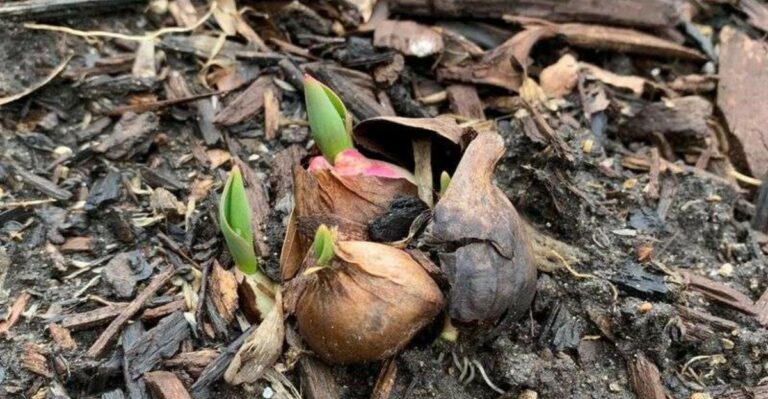
Think of a bulb as a tiny packed lunchbox. Inside its layers sits all the energy needed to sprout, grow, and bloom the very first spring. That built-in supply is one reason extra fertilizer often is not necessary.
When a bulb forms, it stores food from the previous growing season. This stored energy powers those early leaves and flowers before the plant even builds much of a root system. In other words, the bulb comes ready to perform.
Because of this, the first-year show depends more on the bulb’s quality than on anything you add to the soil. A firm, healthy bulb planted at the right depth already has what it takes to succeed.
Other conditions matter more than fertilizer during this stage. Bulbs need a cold winter chill to trigger blooming, along with steady moisture and space to form roots. Get those basics right, and the flowers will follow.
North Carolina winters usually offer enough chilling hours for popular bulbs like daffodils and tulips. That natural cold does the important work that no fertilizer could ever replace.
Nature handles the timing beautifully. So instead of worrying about feeding, focus on choosing plump, firm bulbs and planting them properly. Give them good soil, decent drainage, and a little patience through winter.
When you trust the energy already tucked inside each bulb, spring rewards you with cheerful color that seems to appear like magic, all from a small package that was fully prepared from the start.
5. Fertilizer Placement Can Damage Bulbs

Where you put fertilizer matters just as much as how much you use. Dropping a handful straight into the planting hole, right against a bulb, can cause real harm. That close contact is a common mistake even careful gardeners make.
Concentrated fertilizer holds strong salts that pull moisture away from tender tissues. When those salts touch a bulb or its young roots, they can scorch and injure the very parts you are trying to help.
The result can be weak growth or no growth at all. Roots are especially sensitive when they first begin to reach into the soil. If they hit a pocket of raw fertilizer, they may struggle to develop properly. That early setback can affect the whole plant.
The safer way is to mix any amendments evenly into the planting area rather than concentrating them in one spot. Blending compost or a mild feed throughout the bed spreads nutrients gently and keeps them from burning bulbs.
Some gardeners like to place a thin layer of plain soil between the bulb and any added feed. That small buffer protects the base of the bulb while still letting roots find nutrients as they grow outward.
Given how easily placement can go wrong, many North Carolina gardeners simply skip the fertilizer step to avoid the risk. Fewer chemicals near the bulb means fewer chances for injury.
Playing it safe often leads to healthier plants and a smoother start, letting your bulbs settle in without any harsh surprises waiting underground.
6. Soil Testing Prevents Guesswork

Guessing about what your soil needs is a bit like shopping without a list. You might grab things you already have or skip what really matters.
A simple soil test clears up the mystery and takes the guesswork out of feeding your garden.
North Carolina makes soil testing easy and affordable through its state program. Gardeners can send in a small sample and receive a report showing exactly which nutrients are present and which are low.
That information is gold for anyone who plants bulbs. Once you see the results, you can make smart choices instead of automatic ones. If your soil already holds plenty of nutrients, there is no reason to add more.
The test gives you permission to skip the fertilizer with confidence. A test also reveals your soil’s pH, which affects how well plants absorb food. Sometimes the real problem is not a lack of nutrients but a pH that is out of range.
Fixing that can matter far more than adding fertilizer. Testing before you plant saves money too. Instead of buying products you may not need, you spend only on what your garden truly lacks.
That kind of targeted care is both practical and kind to the environment. Many gardeners feel relieved when a test shows their beds are already in good shape. It turns a nervous habit into a calm, informed decision.
With clear numbers in hand, skipping fertilizer this fall becomes an easy and sensible move backed by real facts.
7. Drainage Matters More Than Feeding In Many Beds

Water can make or break a bulb bed faster than any fertilizer. Many bulbs that fail to return do so because they sat in soggy soil all winter, not because they were hungry. Drainage is often the hidden hero of a healthy garden.
Parts of North Carolina have heavy clay that holds water like a sponge. When bulbs stay wet for too long, their tissues can rot and break down underground. No amount of feeding can fix a bed that stays flooded.
Because of this, improving drainage often does more good than adding nutrients. Loosening the soil, mixing in compost, or planting in raised beds helps extra water escape. Those steps keep bulbs comfortable through wet weeks.
Choosing the right spot also helps. Slightly sloped areas or higher ground let rain flow away instead of pooling around bulbs. Even a small change in location can make a big difference in survival.
Some gardeners add coarse material like grit to heavy soil to create air pockets and better flow. This simple trick helps roots breathe and keeps the base of each bulb from staying waterlogged.
Healthy roots then support strong spring blooms. When you focus on drainage first, fertilizer often becomes an afterthought. A bulb sitting in well-drained, airy soil already has a huge advantage.
That is why so many North Carolina gardeners are putting their energy into fixing wet beds instead of feeding them, knowing that dry feet lead to happier, longer-lasting flowers.
8. The Right Timing Matters More Than Routine Fertilizing

Timing can be the secret ingredient that beats any bag of feed. Planting bulbs at just the right moment gives them the best possible start, often making fertilizer feel unnecessary. In gardening, when you plant can matter as much as what you plant.
Fall bulbs like to go into the ground when the soil has cooled but has not yet frozen. In North Carolina, that sweet spot usually lands in mid to late autumn. Planting then lets roots grow before winter settles in.
Roots that form in fall anchor the bulb and prepare it for a strong spring. If you plant too early or too late, that root growth can suffer, and no fertilizer will fully make up for the lost head start.
Along with timing, steady growing conditions do most of the heavy lifting. Cool temperatures, good drainage, and healthy soil work together to support the bulb naturally. These basics often matter far more than a scoop of plant food.
Many gardeners are shifting away from the old routine of feeding every fall out of habit. Instead, they focus their attention on the calendar and the care of their soil. That change in mindset leads to better, more reliable blooms.
By planting at the right time and giving bulbs a comfortable home, you set the stage for a beautiful spring without extra products.
Trusting good timing and steady conditions is a simple, smart approach, and it explains why so many North Carolina gardeners are happily skipping the fertilizer this year.