North Carolina Border Plants That Keep Beds Tidy Without Mulch Rings Or Edging
A clean garden edge can feel like a weekend job that never ends.
Mulch slides downhill after a summer storm. Grass creeps back into the bed. Plastic edging cracks, metal strips lift, and bare soil seems to invite weeds the moment your back is turned.
A living border changes that rhythm.
Low, spreading plants can cover exposed soil, soften bed edges, and create a clear visual line without constant trimming or hardware.
They do not remove every maintenance task, but once established, they can do a lot of the tidying work that mulch rings and edging usually demand.
North Carolina gardens have plenty of good choices, especially in shade and part shade where many traditional edging plants struggle.
The key is matching the plant to the site. Some want cool woodland soil. Some handle dry shade. Some need sun and sharp drainage. All need early weeding and proper spacing before they knit together.
So which border plants can make North Carolina beds look finished without all the extra fuss?
Start with low growers that spread steadily, hold their shape, and make the edge look intentional.
1. Allegheny Spurge Makes A Clean Ribbon
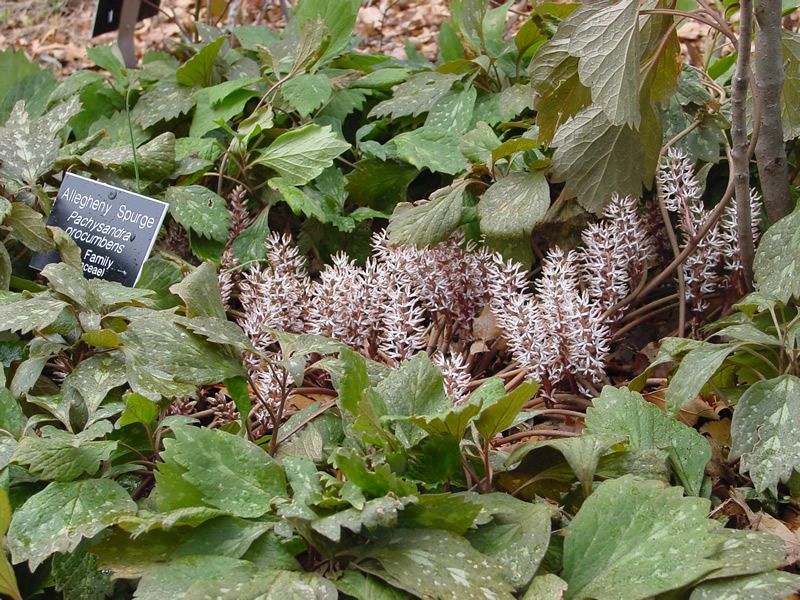
Allegheny spurge brings quiet order to shaded beds.
This North Carolina native, Pachysandra procumbens, stays low and spreads slowly through shallow rhizomes.
The glossy, mottled leaves sit close to the soil, creating a neat ribbon that looks especially good along woodland paths, shrub borders, and shaded foundation beds.
The slow pace is a strength. It creeps outward steadily rather than racing across the garden in one season.
That makes it easier to manage. A light trim or shallow edge cut now and then can keep the colony where it belongs.
Part to full shade suits it best. Harsh afternoon sun can scorch the foliage and make the planting look tired.
Rich, well-drained soil gives it the cleanest start. Leaf compost worked into the bed helps mimic the woodland conditions it prefers.
Space plants close enough for coverage. Eight to ten inches apart works well when a quicker border is the goal.
Water during the first growing season. Once the roots settle, the planting becomes much more forgiving.
Early weeding matters. The plant will not cover bare soil instantly, and open gaps invite weeds during year one.
Avoid thick mulch over the crowns. A heavy layer can hold too much moisture around the base and slow the colony.
Allegheny spurge is not flashy.
Its value is the steady, polished edge it builds over time, one low leaf cluster at a time.
2. Green And Gold Seals Shady Edges
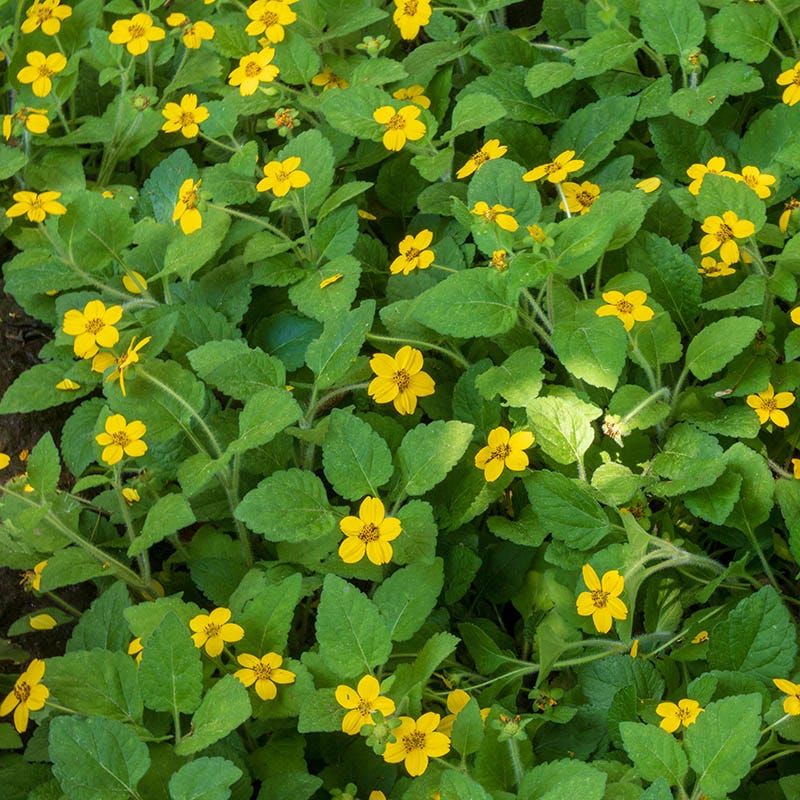
Green and gold gives shaded borders a cheerful line.
Known botanically as Chrysogonum virginianum, this low native spreads by above-ground runners that root where they touch the soil.
Over time, those runners create a soft mat that covers bare ground and draws a clear edge between a bed and the space around it.
The flowers are bright without being loud. Yellow blooms appear most heavily in spring, then return in scattered waves during the growing season.
Your North Carolina Garden Changes Every Week. Your Plan Should Too.
Gardening in North Carolina changes quickly throughout the season. Every Friday you’ll receive a simple weekly plan showing exactly what to plant, prune, fertilize, harvest, and protect so you never miss the right timing.
The foliage stays low. Mature plants usually sit only a few inches tall, which keeps the edge tidy and easy to read.
Part shade is ideal. Morning sun with afternoon shade often gives the best balance of bloom and healthy foliage.
Moisture should stay steady. Green and gold dislikes bone-dry soil but also struggles in soggy spots.
Compost helps heavy clay. A looser, richer planting strip lets the runners root more easily.
Space plants ten to twelve inches apart. That gives each crown room while still allowing the bed to fill in at a reasonable pace.
Trim wandering stems. A few quick clips several times a year can keep the border from drifting across a path or lawn edge.
Weed early and often in the first season. Once the mat closes, it shades out many small annual weeds.
Green and gold feels natural but still controlled.
It is a smart choice for gardeners who want a living edge that flowers, spreads, and keeps shaded beds from looking unfinished.
3. Pennsylvania Sedge Softens Dry Borders
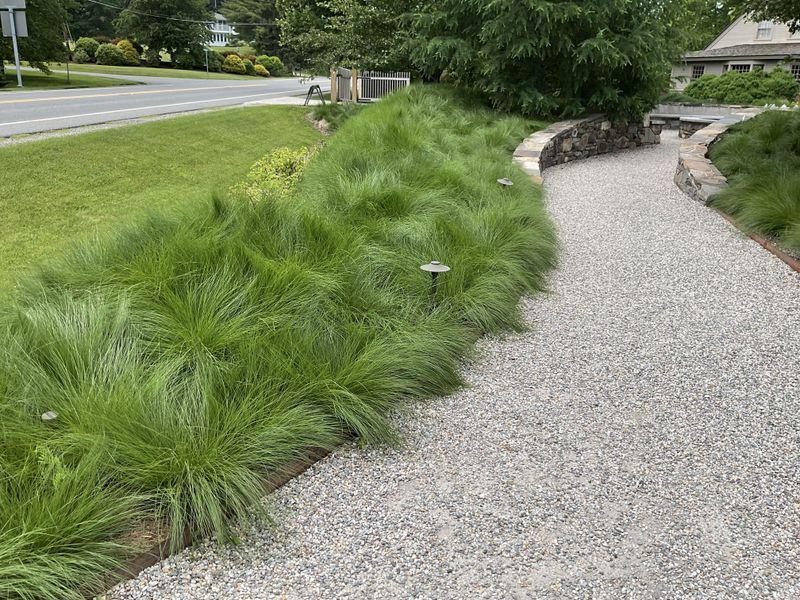
Pennsylvania sedge turns a hard edge into a soft sweep.
The fine blades arch outward in loose, graceful tufts, giving bed edges a meadow-like look without the height of ornamental grasses.
Carex pensylvanica is especially useful in dry to moderately moist shade, one of the hardest conditions for border plants.
It spreads slowly through rhizomes. The colony builds gradually, forming a low grassy carpet beneath trees and along woodland paths.
Close spacing speeds the effect. Six to eight inches apart helps the planting knit together faster.
Dry shade is its specialty. It can handle the challenging soil beneath oaks, maples, and other canopy trees better than many traditional ground covers.
The look is soft, not razor-crisp. Gardeners who want a formal clipped line may prefer another plant, but naturalistic beds benefit from its flowing texture.
Light foot traffic is usually tolerated. That makes it useful along informal paths where a shoe occasionally lands off course.
A late-winter trim refreshes the planting. Cutting old blades back to a few inches before spring growth starts keeps the edge neat.
Avoid summer mowing. Heat-stressed sedge does not need that extra push.
Weeds are the main early challenge. Hand pulling during the first year helps the colony claim the space.
Do not smother it with mulch. A light leaf layer is fine, but a thick mulch ring can bury the crowns.
Pennsylvania sedge is tidy in a relaxed way.
It gives dry shaded borders a finished line while still letting the garden feel loose, layered, and alive.
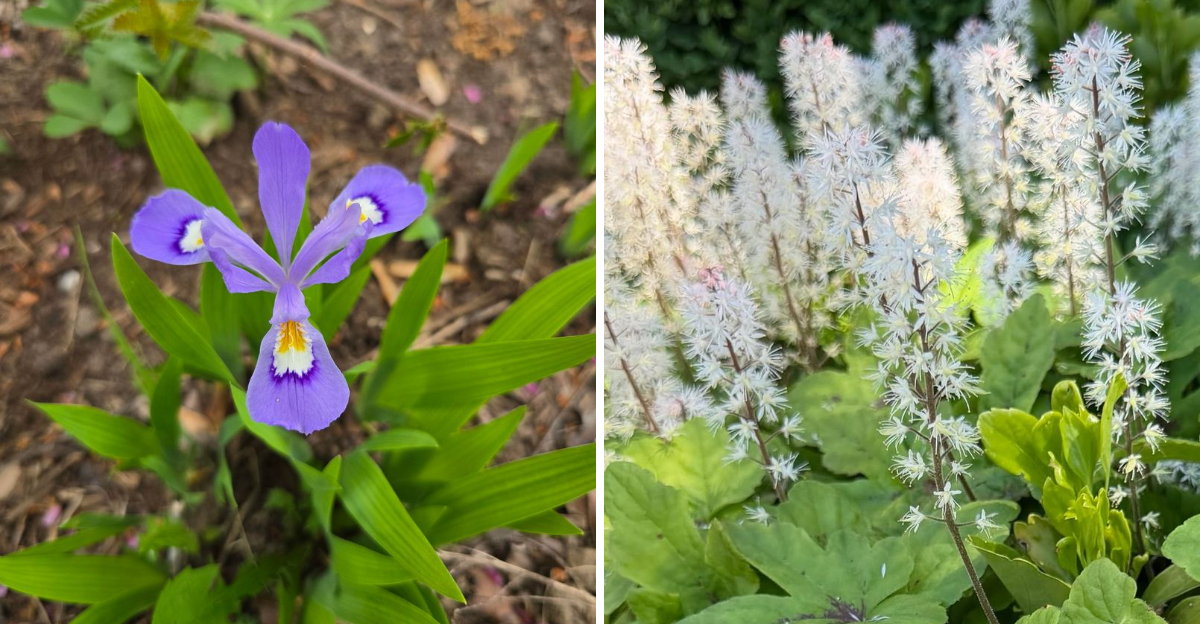
4. Dwarf Crested Iris Draws A Low Line
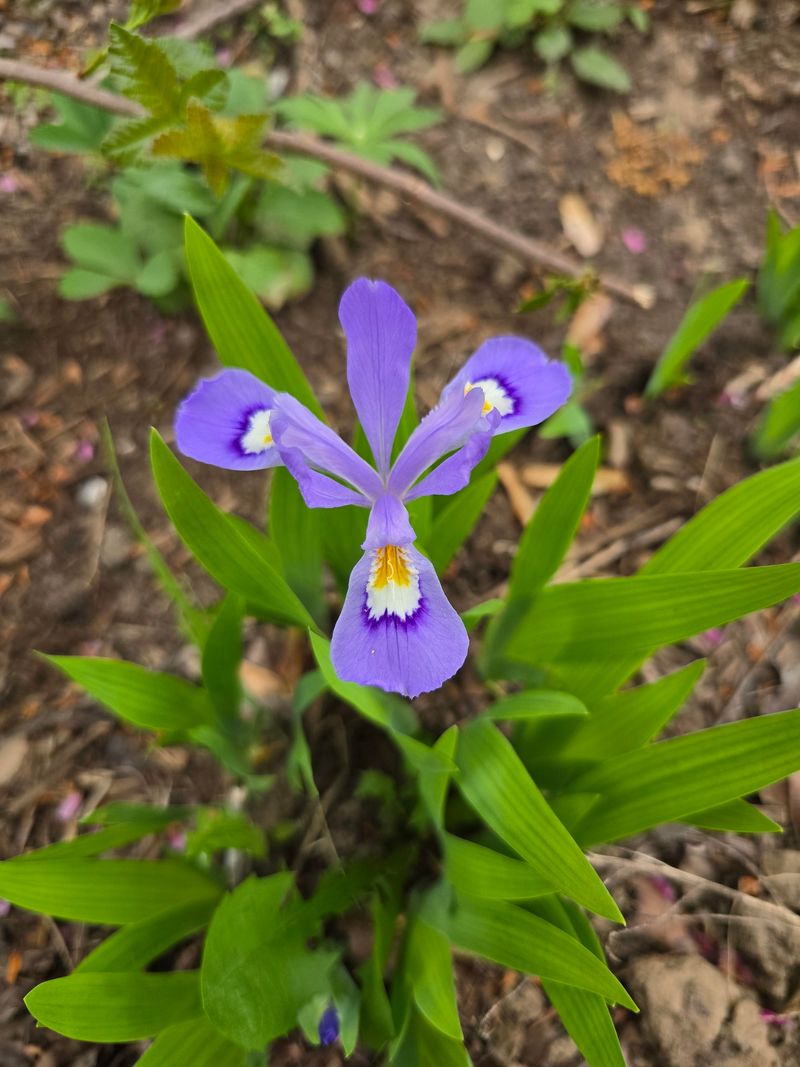
Dwarf crested iris makes a small border feel designed.
This native iris, Iris cristata, grows only a few inches tall, but its spring flowers bring serious presence. The lavender-blue blooms sit just above tidy fans of foliage, creating a low floral ribbon along shaded bed edges.
The plant spreads through shallow rhizomes. Those rhizomes move outward gradually, forming flat colonies that are easy to guide.
Part shade is best. Bright filtered light under trees or along a woodland edge gives the plant enough energy without scorching the foliage.
The soil should drain well. Standing water around the crowns can cause rot.
Leaf compost supports growth. A thin layer worked into the planting area improves texture and moisture without burying the rhizomes.
Space rhizomes six to eight inches apart. The colony may take two or three years to look full, but the result is worth the wait.
Winter changes the border. The foliage can thin or disappear in cold months, then return strongly in spring.
Division keeps it vigorous. Every few years, lift crowded clumps and replant the healthiest outer fans.
Do not cover the rhizomes deeply. They should sit shallow, with crowns able to breathe.
Edge wandering is easy to control. A sharp spade can redirect a colony before it crosses into turf or a path.
Dwarf crested iris is not a year-round wall.
It is a refined spring border that stays low, spreads politely, and gives shaded beds a memorable seasonal edge.
5. Moss Phlox Hugs Sunny Walks
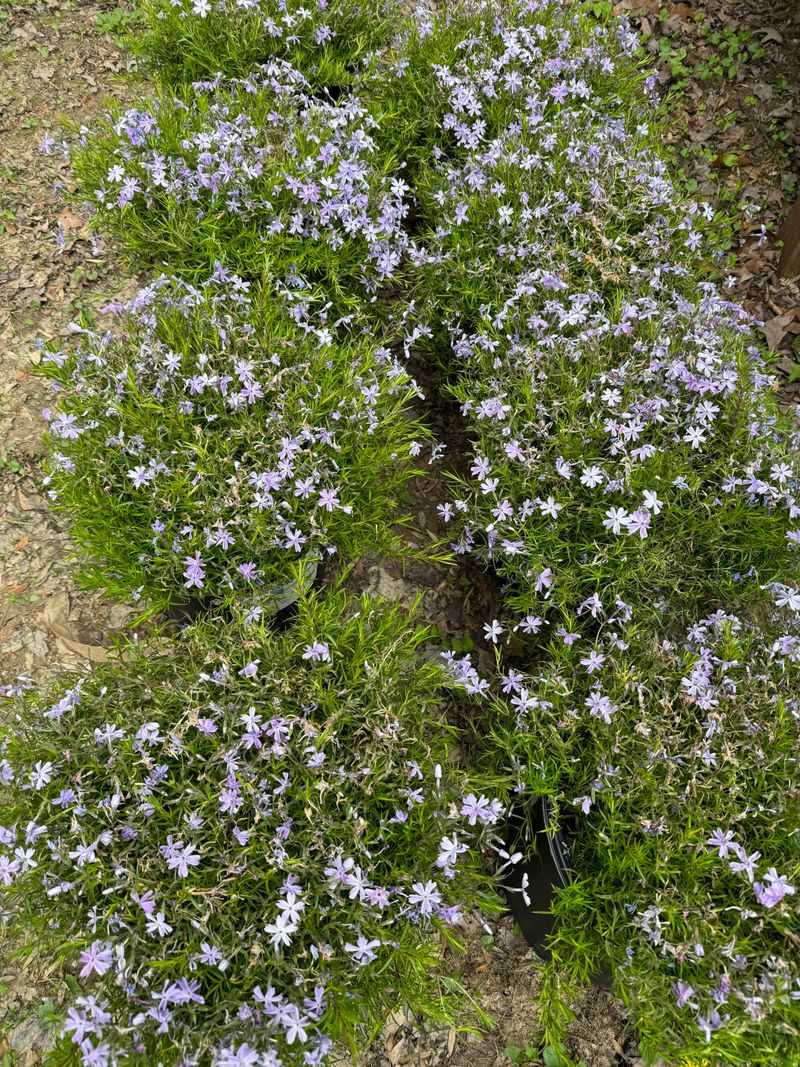
Moss phlox is made for sunny edges.
Its evergreen, needle-like foliage forms a dense mat that hugs the ground and spills slightly over rocks, paths, and raised bed edges.
In spring, the plant can cover itself in pink, white, lavender, or purple flowers until the border looks like a living carpet.
Full sun is important. Too much shade makes the mat thinner and reduces bloom.
Drainage is even more important. Moss phlox dislikes wet crowns, especially during humid North Carolina summers.
Raised edges suit it well. Slopes, rock gardens, sunny walks, and sandy amended beds all give the plant the drainage it wants.
Avoid low soggy spots. A wet planting strip can open the center of the mat and invite weeds.
Space plants ten to twelve inches apart. The mats usually fill gaps within a season or two when the site suits them.
Shear lightly after flowering. Removing about one-third of the growth keeps the plant compact and prevents woody open centers.
Do not cut too hard into old growth. A gentle trim is enough.
Keep weeds out early. Once weeds root through the mat, removal becomes more difficult.
Water during establishment. After roots settle, the plant handles drier sunny conditions much better.
Moss phlox gives a crisp look without a hard edge.
It is one of the easiest ways to make a sunny bed border feel polished, colorful, and low to the ground.
6. Foamflower Brightens Cool Edges
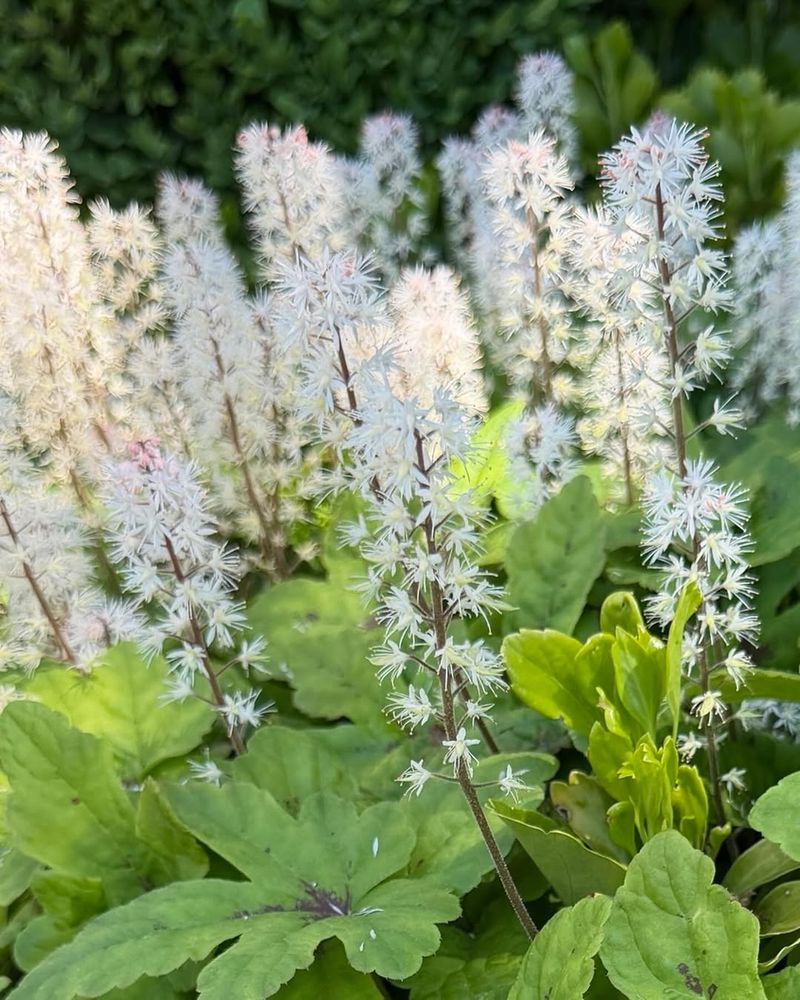
Foamflower brings light to shaded borders.
Tiarella cordifolia has heart-shaped leaves and airy white flower spikes that rise in spring. In the right spot, it creates a soft, bright line that looks especially good along woodland beds, shaded walkways, and cool garden edges.
The spreading form works best for borders. Some foamflowers clump, while others send out stolons that create a wider colony.
Choose the spreading type for a continuous edge. That habit helps the planting cover soil and define the bed.
Cool shade is ideal. Hot pavement, dry slopes, and south-facing walls can make the foliage struggle.
Moist, well-drained soil keeps it lush. Foamflower wants consistent moisture without soggy roots.
Leaf compost is a good amendment. It improves moisture retention and supports the woodland feel this plant prefers.
Space plants ten to twelve inches apart. In good soil, the colony can fill in within a couple of seasons.
Trim wandering stolons when needed. A quick pass with hand shears keeps the edge tidy.
Remove tired flower stalks. This freshens the planting after bloom without disturbing the foliage.
Weed carefully in year one. The canopy needs time to close and shade the soil.
Foamflower is not aggressive.
It forms a cool, luminous border that makes shaded beds look intentional instead of bare.
7. Wild Ginger Covers Deep Shade
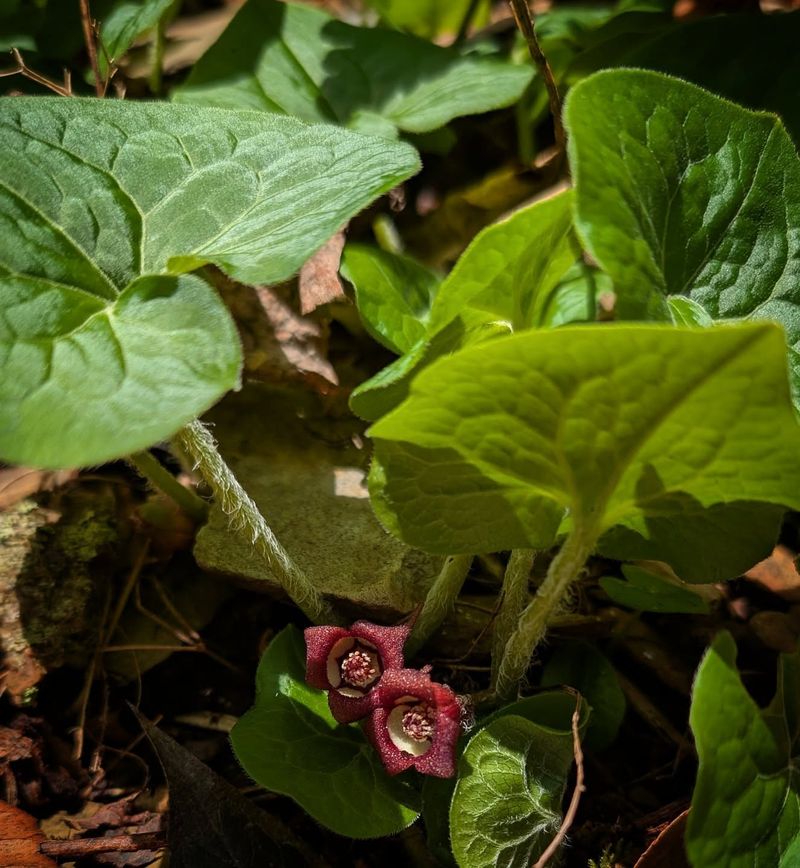
Wild ginger is a deep-shade problem solver.
Its broad, heart-shaped leaves overlap into a low canopy that covers bare soil beautifully. Asarum canadense spreads through rhizomes just below the surface, creating a calm, leafy border in places where many plants give up.
The flowers stay hidden. Small brownish-purple blooms appear near the ground in spring, but the foliage is the main reason to grow it.
Deep shade suits it well. Woodland beds, tree-root zones with decent soil, and shaded slope edges are all good candidates.
Moist, humus-rich soil gives the best growth. Wild ginger struggles in dry, sandy, compacted ground.
Add leaf compost before planting. That gives the rhizomes a richer, cooler layer to move through.
Space transplants eight to ten inches apart. The canopy takes time to close, but patience brings a dense result.
Winter dormancy should be expected. The foliage may disappear in cold weather, then return in spring.
Mark the edge during dormancy. A few small stones or natural markers can prevent accidental digging.
Hand weed early. Open soil between young plants can sprout weeds during the first season.
Control spread with a spade. The rhizomes move slowly enough that annual edging is simple.
Wild ginger gives deep shade a finished floor.
It is especially useful where mulch looks dull, washes away, or never seems to stay evenly spread.
8. Christmas Fern Holds The Back Edge
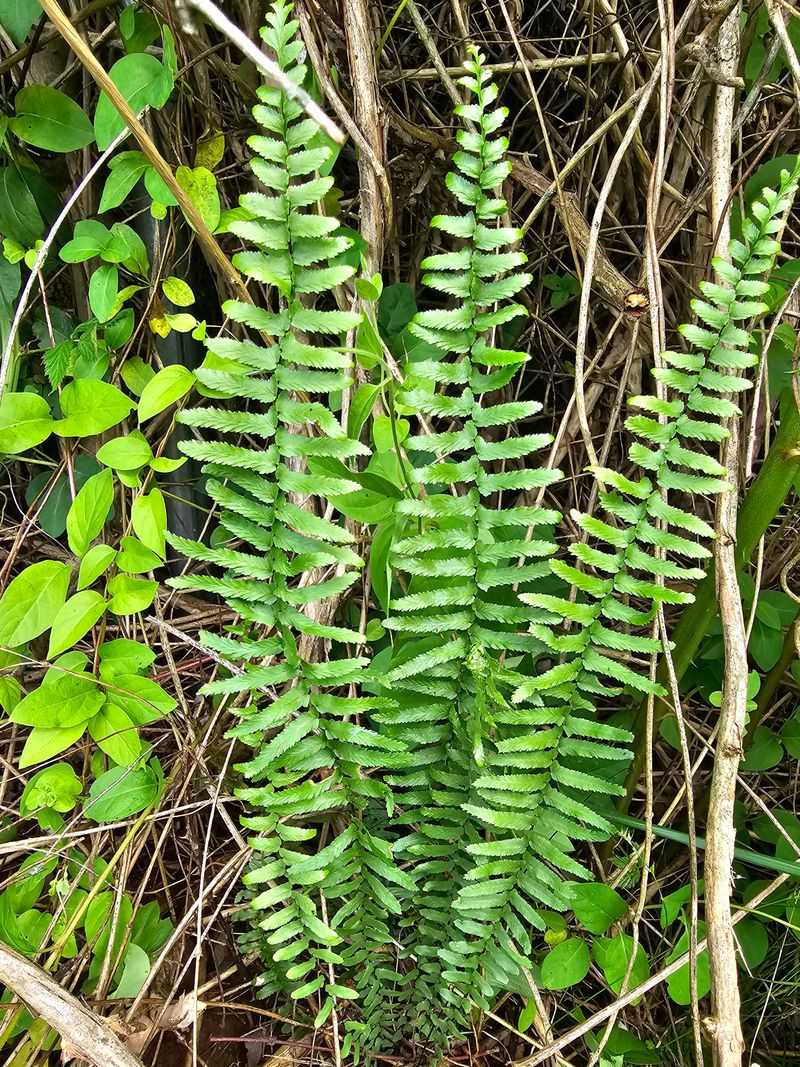
Christmas fern adds structure where low borders need height behind them.
This native fern, Polystichum acrostichoides, grows in clumps rather than spreading aggressively. Its upright evergreen fronds make it useful along the back or middle edge of shaded beds where a taller green line looks better than a flat mat.
The fronds stay handsome through much of winter. That year-round presence gives shaded beds structure when many perennials disappear.
It is not a front-edge creeper. Mature fronds can reach one to two feet tall, so placement matters.
Use it as a rear border. A row of clumps can define the back of a bed or the base of a woodland slope.
Part to full shade suits it well. It can tolerate dry shade better than many ferns once established.
Well-drained soil still matters. Christmas fern does not want a swampy planting site.
Space clumps eighteen to twenty-four inches apart. This gives each crown room to expand without crowding.
Leave old fronds through winter. They protect the crown and create a natural mulch layer.
Clean up in late winter. Remove flattened fronds before new fiddleheads rise.
Pair with lower plants. Allegheny spurge, wild ginger, or foamflower can cover the front while Christmas fern holds the back.
Christmas fern gives a bed a steady frame.
It does not replace a low edging plant everywhere, but it makes shaded borders look layered, anchored, and finished.