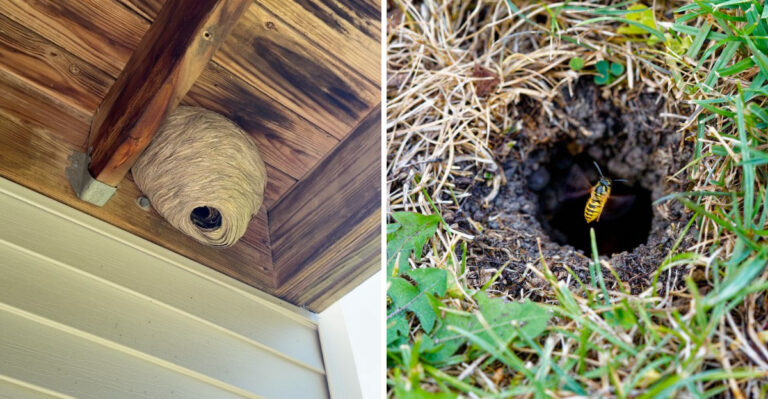
Why North Carolina Gardeners Get Moles In Spring And How To Stop Them

Spring is when many North Carolina gardeners start noticing fresh tunnels and raised ridges running through their lawns, often appearing almost overnight. These are clear signs that moles are active, and this time of year is when their activity really picks up.
As the soil warms and becomes easier to dig, moles move closer to the surface in search of food like grubs and insects. North Carolina’s mix of moisture and mild temperatures creates ideal conditions for them to thrive.
While they are not eating your plants, their digging can disrupt roots, damage turf, and leave yards looking uneven. The sudden appearance of these tunnels can be frustrating, especially after putting effort into spring lawn care.
Understanding why moles show up now is the first step toward dealing with them and keeping your yard looking smooth and well maintained.
1. Spring Soil Is Soft And Easy To Tunnel
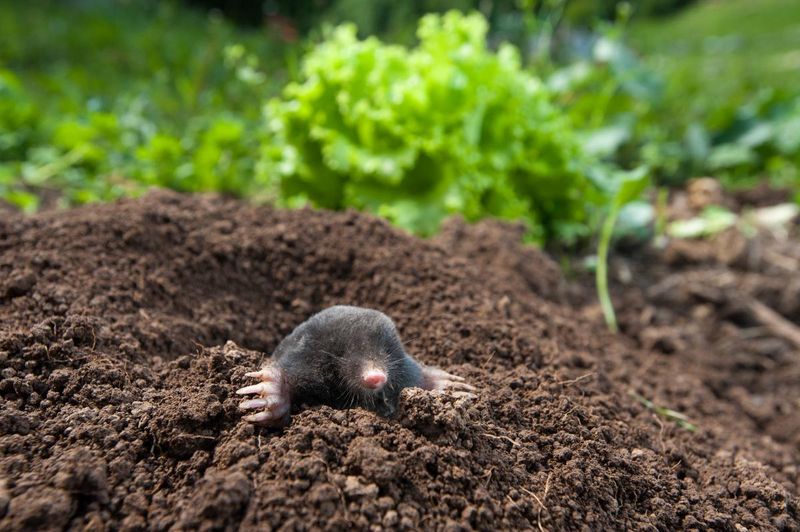
After a long North Carolina winter, the ground transforms in ways that make moles feel right at home. Rain softens the soil, frost loosens the top layers, and suddenly the earth is practically an open invitation for tunneling.
Moles are built for digging, with broad front paws and strong shoulders that can push through loose ground with very little effort.
Soft spring soil means moles can cover more ground in less time, expanding their tunnel networks quickly across your lawn and garden beds. What might start as one small ridge in the morning can turn into a long winding trail by afternoon.
North Carolina’s clay-heavy soil actually holds moisture well after winter rain, making it ideal for mole activity.
The best way to fight back starts with understanding this soil connection. Avoid overwatering in spring, which keeps the ground unnecessarily soft and wet.
Let the top few inches dry out a bit between waterings, and moles will find your yard less appealing to tunnel through. Aerating your lawn in fall rather than spring can also help firm up the surface over time, making it slightly harder for moles to push through easily.
2. Earthworm Activity Increases In Spring
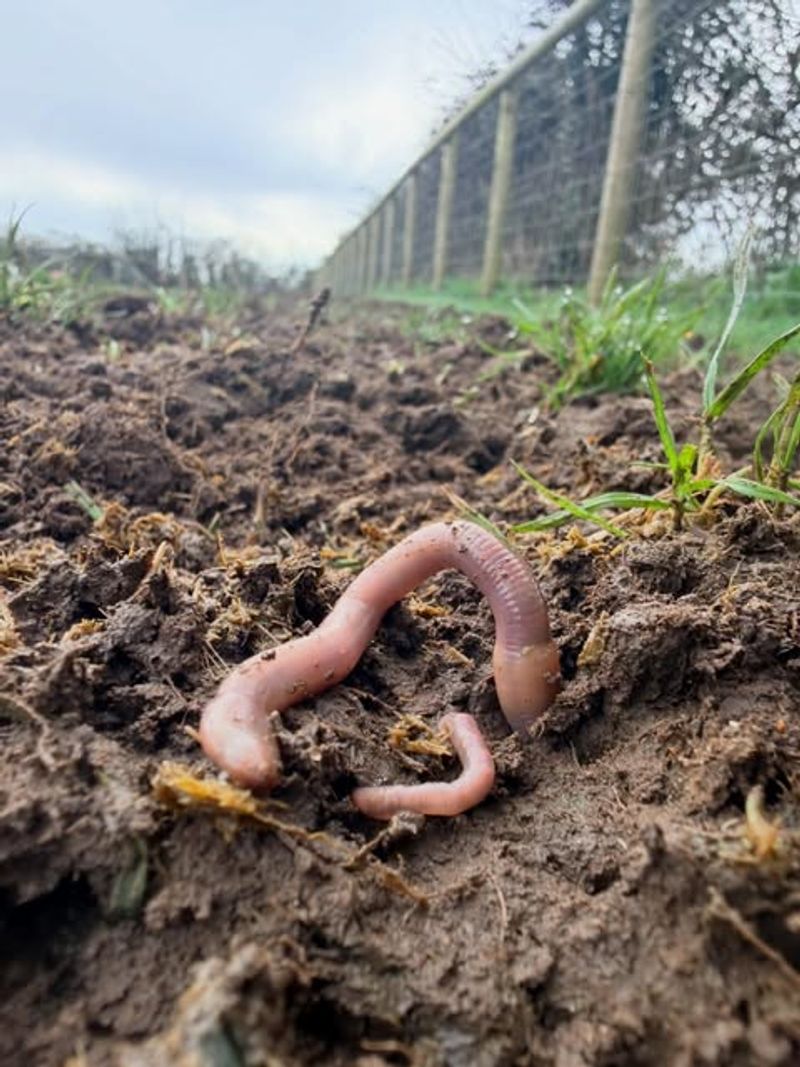
Earthworms are basically the fast food of the mole world, and spring is when the menu gets fully stocked. As North Carolina soil warms up and absorbs spring rainfall, earthworms move closer to the surface to feed and breathe.
Moles pick up on this activity quickly and follow the food trail right into your yard.
A single mole can eat up to 70 to 100 percent of its body weight in earthworms and insects every single day. That is a massive appetite, and your garden beds filled with rich, worm-friendly compost are basically a buffet.
The more earthworms your soil supports, the more attractive your lawn becomes to these underground visitors.
Reducing excess organic matter and compost in high-traffic mole areas can help lower the earthworm population slightly, making your yard less of a draw.
You do not want to eliminate earthworms entirely since they are great for your garden health, but managing where you concentrate rich organic material makes a difference.
Your North Carolina Garden Changes Every Week. Your Plan Should Too.
Gardening in North Carolina changes quickly throughout the season. Every Friday you’ll receive a simple weekly plan showing exactly what to plant, prune, fertilize, harvest, and protect so you never miss the right timing.
Spreading castor oil granules around garden beds is another practical option, as the smell and taste disrupts mole feeding behavior without harming earthworms or your plants in the process.
3. Grubs And Insects Become Active Again
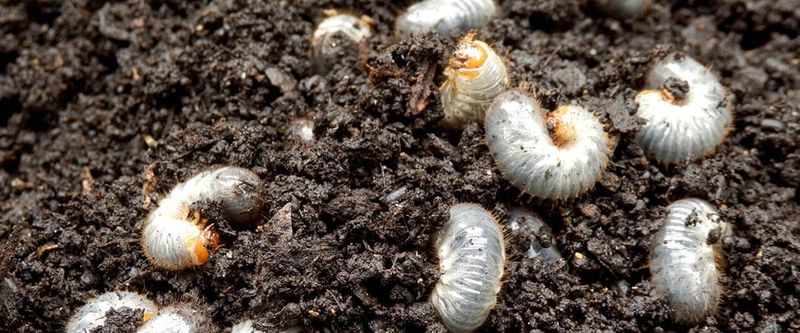
Few things attract moles faster than a grub-filled lawn, and spring is exactly when grubs start waking up and moving toward the surface.
These plump, white beetle larvae spend winter deep in the soil and then migrate upward as temperatures climb through March and April in North Carolina.
Moles can detect their movement and head straight for the feast. Japanese beetle grubs are especially common across central and eastern North Carolina, and they are a top reason moles target well-maintained suburban lawns each spring.
Ironically, the healthier and greener your grass looks, the more likely it is harboring a grub population underneath that moles want to reach. It feels unfair, but that is just how the food chain works.
Treating your lawn with a grub control product in late summer or early fall is actually the most effective timing, since you target the young grubs before they grow large.
Milky spore powder is a natural option that works specifically against Japanese beetle grubs and builds up effectiveness over several seasons.
Nematodes, which are microscopic beneficial organisms, can also be applied to North Carolina lawns in spring to target active grubs naturally, reducing the food supply that keeps moles coming back year after year.
4. Moles Expand Territories After Winter

Winter slows moles down but does not stop them completely. Once spring arrives and the ground warms up across North Carolina, moles enter a highly active phase where they push outward from their existing tunnel systems to claim new feeding territory.
This expansion is driven by hunger and competition, especially as younger moles from last year begin searching for their own space.
A single mole can maintain a tunnel network stretching over 100 feet, and in spring that range grows even larger. Homeowners often notice new ridges popping up in areas of their yard that were untouched the previous season.
This spreading pattern can quickly move from one corner of your yard to your neighbor’s garden and back again.
One of the smartest ways to stop territorial expansion is to act fast at the first sign of activity. The longer you wait, the more established the tunnels become and the harder moles are to redirect.
Planting mole-repelling plants like daffodils, alliums, or caper spurge along garden borders creates a natural boundary that moles tend to avoid.
These plants produce scents and compounds that irritate moles without any chemicals involved, giving North Carolina gardeners a beautiful and functional line of defense each spring season.
5. Lawn Watering And Rain Increase Food Supply
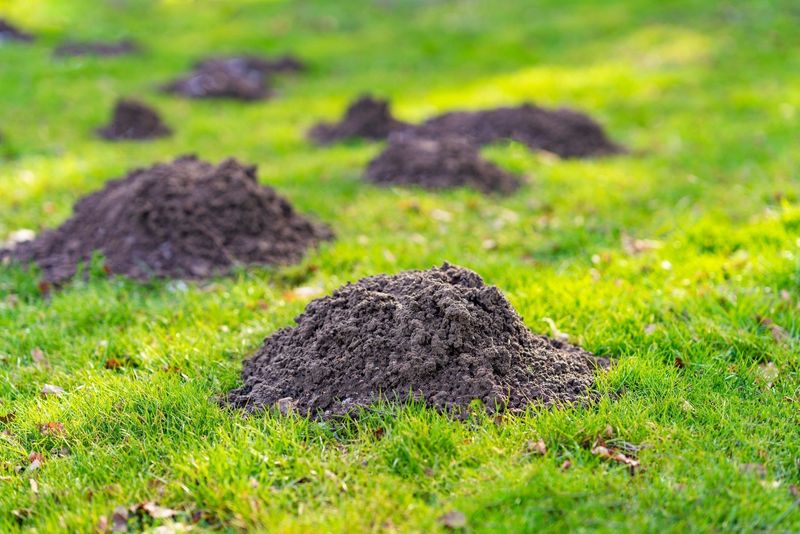
North Carolina gets a generous amount of rainfall in spring, and while that is great news for your garden, it is equally good news for moles.
Every time the soil gets a good soaking, earthworms and insects move closer to the surface, which signals feeding time for any mole in the area. Add regular irrigation on top of natural rain, and your yard becomes a non-stop mole magnet.
Many gardeners unknowingly make the problem worse by watering too frequently or too deeply during spring months. Overwatering keeps the soil moist around the clock, which supports a constantly active population of soil insects just below the surface.
Moles pick up on this and settle in rather than moving on to drier ground nearby. Switching to a deep but infrequent watering schedule helps a lot.
Water your lawn thoroughly once or twice a week instead of lightly every day, which allows the top layer of soil to dry out between sessions.
This disrupts the ideal moist environment that worms and grubs prefer, making your yard slightly less rewarding for moles.
Also, check for any drainage issues in low-lying areas of your North Carolina yard where water pools after rain, since those soggy spots are often where mole activity is heaviest during the spring season.
6. Gardens Provide Ideal Feeding Grounds

There is something about a well-tended vegetable garden that moles simply cannot resist. Rich, amended soil packed with organic matter creates the perfect underground environment for worms and insects to thrive, which means moles follow right along behind them.
North Carolina gardeners who invest time and effort into building great soil often find themselves dealing with the most mole traffic.
Raised beds are especially vulnerable because the loose, fertile growing mix inside them is far easier to tunnel through than compacted native soil.
Moles can move through raised bed soil almost effortlessly, and their tunneling disrupts plant roots, dries out the soil around seedlings, and can set back your spring planting by weeks.
The damage often looks worse than it actually is, but the stress on young plants is real. Protecting your garden beds with a layer of hardware cloth or galvanized wire mesh buried several inches below the surface is one of the most effective long-term solutions available.
The mesh acts as a physical barrier that moles simply cannot push through, keeping your raised beds safe while still allowing water and nutrients to flow freely.
Pairing this barrier method with castor oil-based repellent sprays around the garden perimeter gives North Carolina gardeners a strong two-layer defense that holds up well through the entire spring growing season.
7. Thick Mulch Creates Shelter And Moisture

Mulch is one of the best things you can put in your garden for moisture retention, weed control, and soil health. But here is the catch: thick layers of mulch also create a cozy, humid environment just above the soil surface that insects and earthworms love.
And where the food gathers, moles are never far behind. Mulched areas in North Carolina gardens tend to stay moist longer than bare soil, especially in shaded beds under trees or along fence lines.
That consistent moisture draws worms upward and keeps grubs active near the surface throughout spring.
Moles treat heavily mulched garden zones almost like a highway, tunneling through them with ease and speed.
You do not have to give up mulching to solve the problem. Instead, try keeping mulch layers no thicker than two to three inches, which reduces the insulating and moisture-trapping effect that makes these areas so attractive.
Pulling mulch slightly away from the base of plants and edges of beds also helps reduce that snug, sheltered feeling moles prefer.
Using rubber mulch or gravel in areas with heavy mole activity is another option, since these materials do not support the same insect populations that organic wood chip mulch does, making those spots far less rewarding for any hungry mole exploring your North Carolina yard.
8. Reduce Food Sources To Discourage Moles
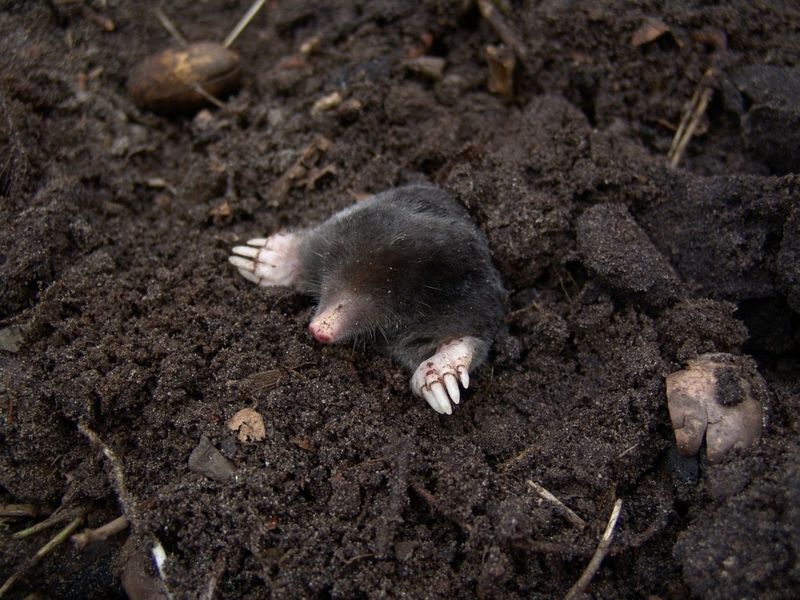
One of the most practical long-term strategies any North Carolina gardener can use is simply making the yard less rewarding as a food source.
Moles are driven almost entirely by hunger, so when the food runs out or becomes harder to find, they move on to better hunting grounds.
Targeting the food supply is smarter and more sustainable than reacting after damage already appears.
Beneficial nematodes are microscopic roundworms that you water into your lawn in early spring, and they target grubs and soil insects without harming plants, birds, pets, or people.
They are widely available at North Carolina garden centers and online, and one treatment can make a noticeable difference in grub populations within a few weeks. Fewer grubs means fewer reasons for moles to stay.
Grub control products containing imidacloprid or chlorantraniliprole are also effective when applied correctly, usually in late spring when young grubs are most vulnerable to treatment.
Always follow label instructions carefully and water the product in well after application. Combining chemical grub control with a natural nematode treatment gives you broader coverage across different insect types.
Over one or two seasons of consistent food source management, many North Carolina homeowners report a significant drop in mole tunnel activity, proving that patience and persistence with this approach really does pay off beautifully.
9. Use Physical Barriers In Garden Beds
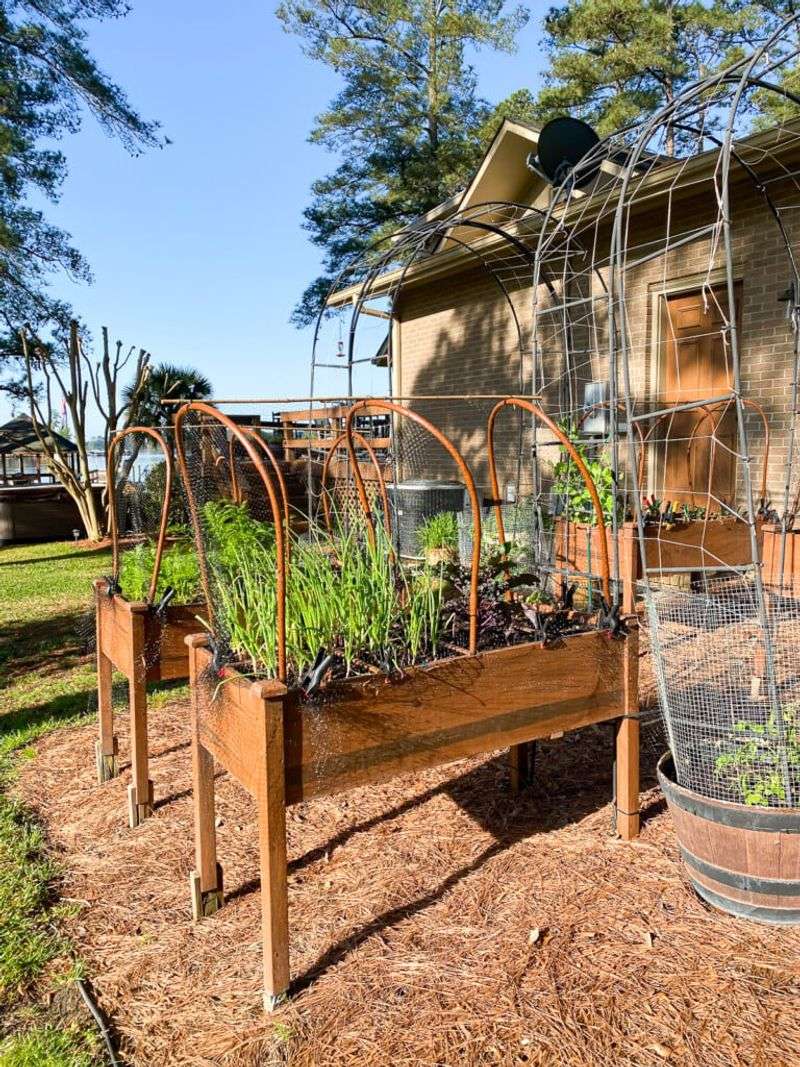
When moles keep coming back no matter what repellents or treatments you try, physical barriers are the most reliable solution available.
Hardware cloth, also called galvanized wire mesh with quarter-inch openings, can be installed at the bottom of raised garden beds before you fill them with soil.
This one-time installation creates a permanent underground wall that moles simply cannot get through.
For in-ground garden beds and borders, you can bury the mesh vertically around the perimeter, sinking it at least 12 to 18 inches deep. Moles tunnel at various depths, so going deep enough with your barrier is important for it to actually work.
The top edge of the mesh should sit just at or slightly above soil level so it blends in without interfering with planting or weeding.
Hardware cloth is available at most home improvement stores across North Carolina and is relatively affordable compared to the cost of replanting damaged seedlings season after season.
For flower beds and perennial borders, you can also create individual plant cages from the mesh to protect the root zones of your most valuable plants.
This approach works especially well around newly planted bulbs in fall, which moles sometimes disturb while tunneling.
Physical barriers require a bit of upfront effort but deliver lasting protection that no spray or granule product can fully match over the long term.