Why North Carolina Gardeners Love Autumn Crocus For Surprise Fall Color
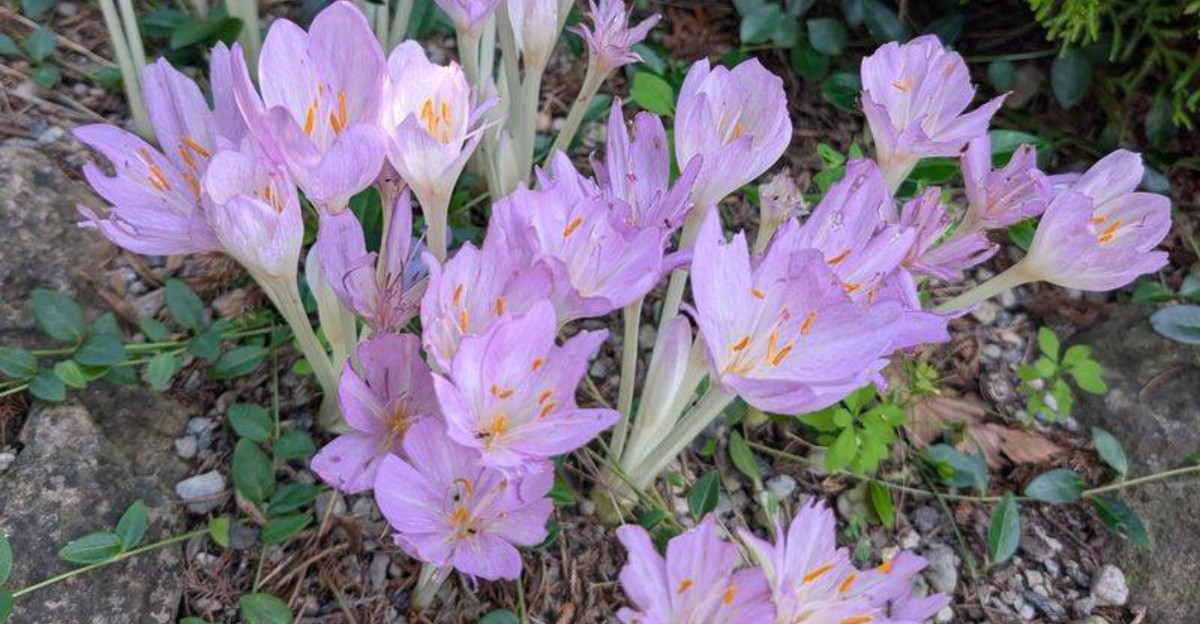
One day the bed is empty. A week later, pale purple flowers have appeared from bare ground. Autumn crocus does this every year, and it never stops being a surprise.
The blooms come first, then the leaves arrive in spring and fade by summer. That odd schedule is part of its charm. Gardeners plant the corms in late summer, and the flowers open in fall without any special care.
One important note: this plant is not a true crocus. It is a different species, and every part of it is poisonous to pets and people. Keep it away from curious dogs, cats, and children.
With that rule in mind, North Carolina gardeners enjoy its unusual timing. It fills the gap when almost nothing else is blooming.
1. Flowers Pop Up Out Of Nowhere In Fall
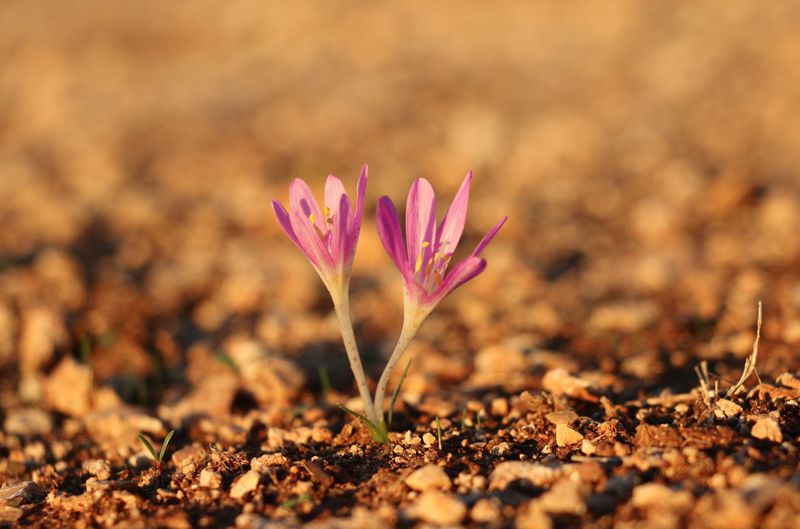
One September morning, you walk past a bare patch of mulch and stop in your tracks. Overnight, a bunch of pink blooms has shot straight up from the ground. That is the magic of autumn crocus, also known as Colchicum autumnale and its cousins.
The surprise comes from its odd schedule. Its leaves grow in spring, soak up sunshine for a few weeks, and then fade away by early summer. For months, nothing shows above the soil, so most people forget the bulbs are even there.
Then late summer or fall rolls around. Pink, lavender, or white flowers shaped like little goblets push up on pale stems, with no leaves at all. Some folks call them naked ladies for exactly that reason, and the name tends to stick once you see them.
Because the bulbs hide all summer, it helps to mark their spot. A plant tag, a painted rock, or a small stake works fine. Without a marker, you might dig right into them while planting mums or tidying a bed.
Placement matters too. Put these bulbs where people will actually see them, like along a front walk, beside the mailbox, or at the edge of a flower bed. Tucking them behind tall shrubs wastes their big moment.
In North Carolina, summer gardens often look worn out by September. Zinnias get leggy, daylilies stop blooming, and heat wears down many plants. Autumn crocus steps in right then with fresh, clean color that feels like a bonus round.
It is a cheerful reminder that the gardening season is not over yet, and that a few small bulbs can bring a lot of joy.
2. It’s Not A True Crocus, And It’s Highly Toxic
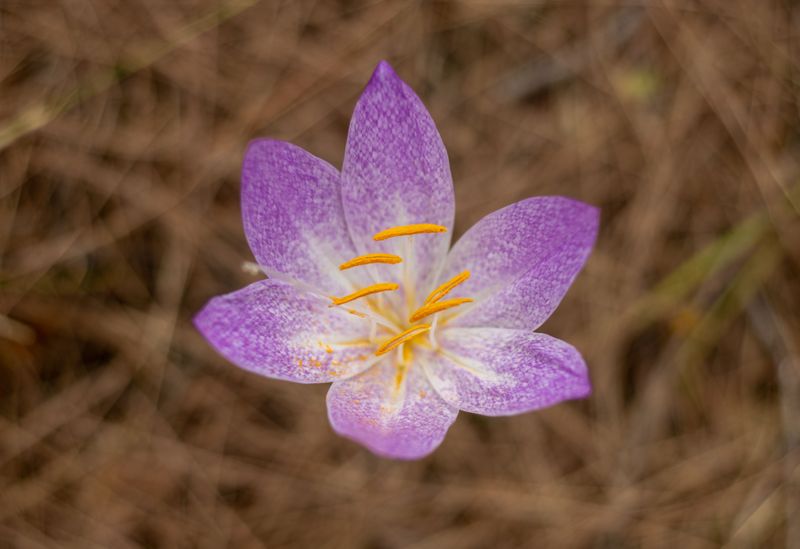
Names can fool you. Even though people call it autumn crocus, Colchicum is not a real crocus at all. It belongs to a totally different plant family, and that difference matters more than you might think.
Every part of this plant is highly poisonous to people and pets if eaten. That includes the bulbs, the leaves, the flowers, and the seeds. Its spring leaves have even been mistaken for wild ramps or garlic by foragers, which can lead to serious illness.
Your North Carolina Garden Changes Every Week. Your Plan Should Too.
Gardening in North Carolina changes quickly throughout the season. Every Friday you’ll receive a simple weekly plan showing exactly what to plant, prune, fertilize, harvest, and protect so you never miss the right timing.
Another mix-up happens with saffron crocus. Saffron comes from the red threads, called stigmas, of Crocus sativus, a true crocus. Colchicum looks a bit similar, but you should never harvest anything from it for cooking. Ever.
Good habits keep everyone safe. Wear gloves when you handle the bulbs, and wash your hands afterward. Plant them well away from your vegetable patch, herb bed, and any spot where kids or dogs like to play.
Labels are your friend here. Clear tags help family members, guests, and future you remember what is growing in that bed. If you ever share bulbs with a neighbor, pass along a quick warning too.
Many North Carolina gardeners grow tomatoes, peppers, and herbs right next to their flower beds. Lots of them also have curious dogs and cats roaming the yard. Planning ahead lets you enjoy this lovely bloom without worry.
Think of it like a beautiful ornament on a high shelf, perfect to admire and simply not something to snack on. With a little care, safety and beauty can live side by side in the same garden.
3. Its Toxicity Keeps Deer And Rodents Away
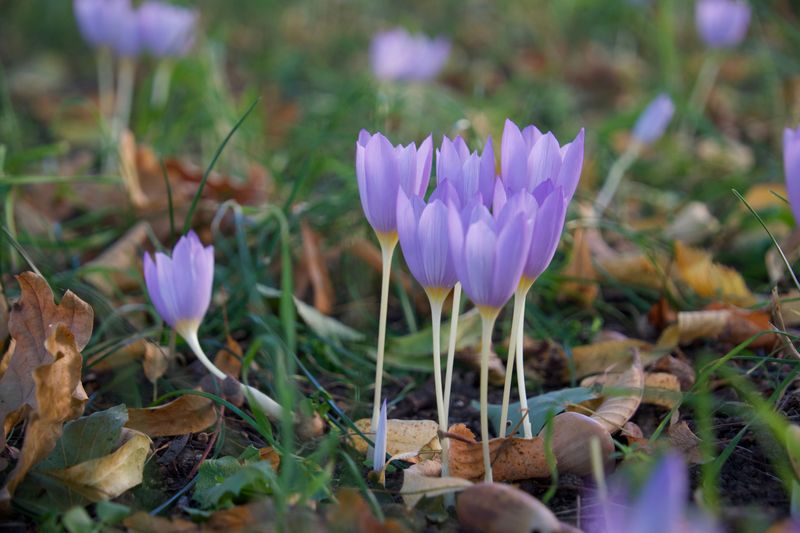
Ask any gardener near Asheville or Raleigh about deer, and you might hear a long sigh. Hungry animals can wipe out a tulip bed in one night. Autumn crocus, though, usually gets a pass.
The same poison that makes Colchicum risky for people also works as built-in armor. Deer, squirrels, chipmunks, and voles generally avoid nibbling the bulbs and leaves. They seem to know this plant is bad news.
So while tulips and true crocus nearby get dug up or chewed, autumn crocus tends to stay put. You plant it once, and the clump is still there next year. For anyone tired of feeding the wildlife, that feels like a small victory.
Put that toughness to work. If you have a bed where squirrels keep raiding your bulbs, try autumn crocus there instead. It can fill in spots where other choices keep vanishing.
Pairing helps too. Daffodils are another bulb animals usually skip, and they bloom in spring while Colchicum shines in fall. Together, they give you two seasons of color in the same space without much animal trouble.
Snowdrops and alliums also make good partners for a critter-resistant planting. North Carolina has plenty of deer, from mountain suburbs to coastal neighborhoods.
Gray squirrels are everywhere, and voles tunnel under many lawns. Growing plants that pests leave alone saves money, time, and a lot of frustration.
No plant is completely animal-proof, since a very hungry critter may still take a test bite. Still, autumn crocus comes about as close as it gets for a flowering bulb.
4. True Fall-Blooming Crocuses Offer A Second Option
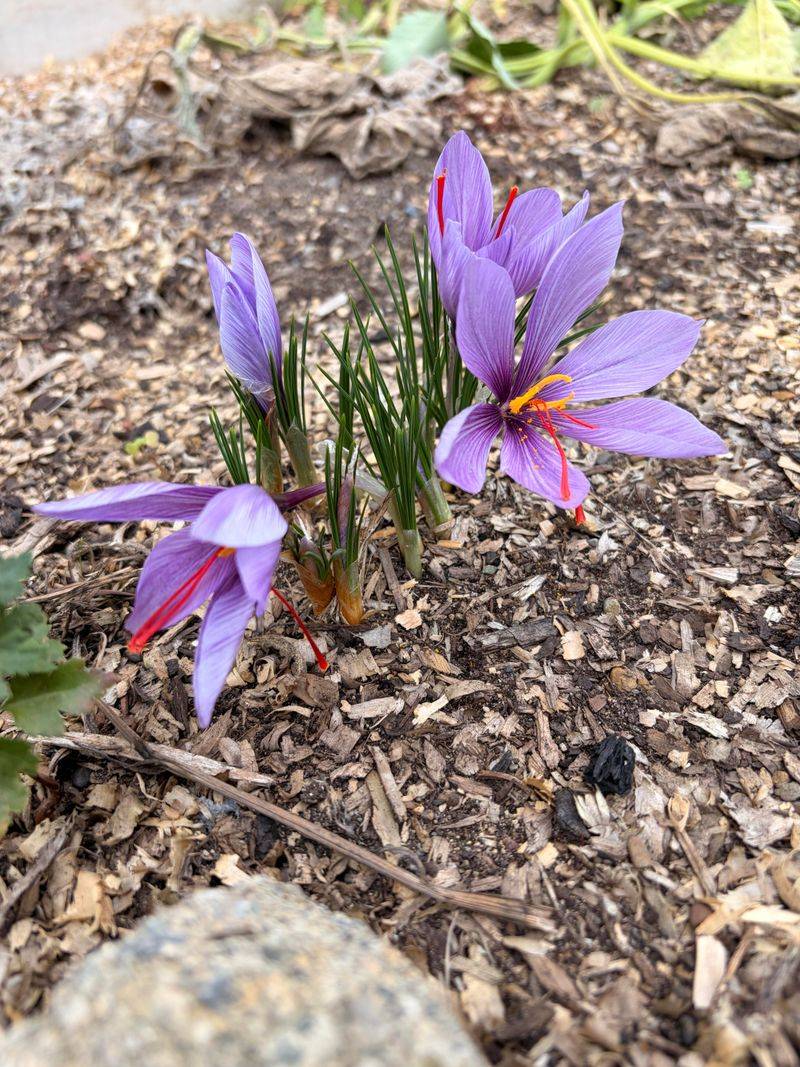
Here is a twist many people never hear about. Some real crocuses bloom in autumn too, not just in early spring. Adding them gives your fall garden even more variety.
Crocus speciosus is a favorite, with lavender to violet petals marked by fine darker veins. Then there is saffron crocus, Crocus sativus, which has purple flowers and three bright red stigmas.
Those red threads are the saffron used in rice dishes and baking around the world. Growing your own saffron sounds fancy, but it is pretty simple.
Each flower only gives you three threads, so you need a good number of corms for even a small harvest. Still, picking them by hand feels special, and they dry quickly on a paper towel.
Timing and spot matter. Plant corms in late summer in full sun and soil that drains well, about 3 to 4 inches deep. Soggy ground leads to rot, so raised beds or sandy spots work nicely.
Unlike Colchicum, true crocuses are tasty to squirrels and chipmunks. Lay hardware cloth or wire mesh over the planting area, then cover it with soil or mulch. Flowers can grow right through the holes while critters stay out.
North Carolina gardeners get the best of both worlds. You can grow Colchicum for bold, critter-resistant blooms and true fall crocuses for delicate color and a bit of homegrown spice.
Just keep the two clearly separated and labeled, since only Crocus sativus is safe to harvest. A little planning makes for a colorful and fascinating autumn bed.
5. Bulbs Go In During Late Summer
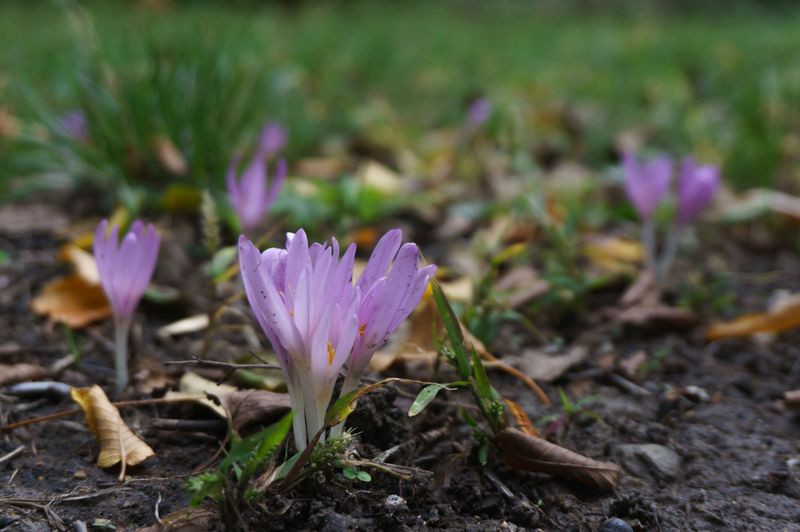
Most people think of bulb planting as a chilly October chore. Autumn crocus breaks that rule. It wants to go in the ground while summer is still hanging around.
Colchicum and fall-blooming crocuses need planting in late summer or very early fall. That way, they can settle in and bloom that same season. Spring bulbs like tulips and daffodils, on the other hand, go in during mid to late fall.
Shopping early is the secret. Garden centers and catalogs often stock these bulbs for just a short window in late summer. When you spot them, grab them, because the best varieties sell out fast.
Plant right away once you get home. Colchicum bulbs are so eager that some start blooming in the bag, even without soil or water. It looks funny, but those bulbs still need a home soon so they can grow roots.
Pick a spot with well-drained soil, since wet ground can rot the bulbs. Large Colchicum bulbs usually go about 4 inches deep. Mixing in a bit of compost helps heavy clay drain better, which is handy across much of the state.
North Carolina has a long growing season, so late summer planting fits right in. The soil is warm, roots grow quickly, and you are often already outside watering and tidying. Tucking in a few bulbs on a cooler evening takes only minutes.
Just a few weeks later, you get flowers to show for it. Few garden projects reward you that fast, and that quick payoff keeps many gardeners coming back for more bulbs every year.
6. Spring Leaves Recharge The Bulbs
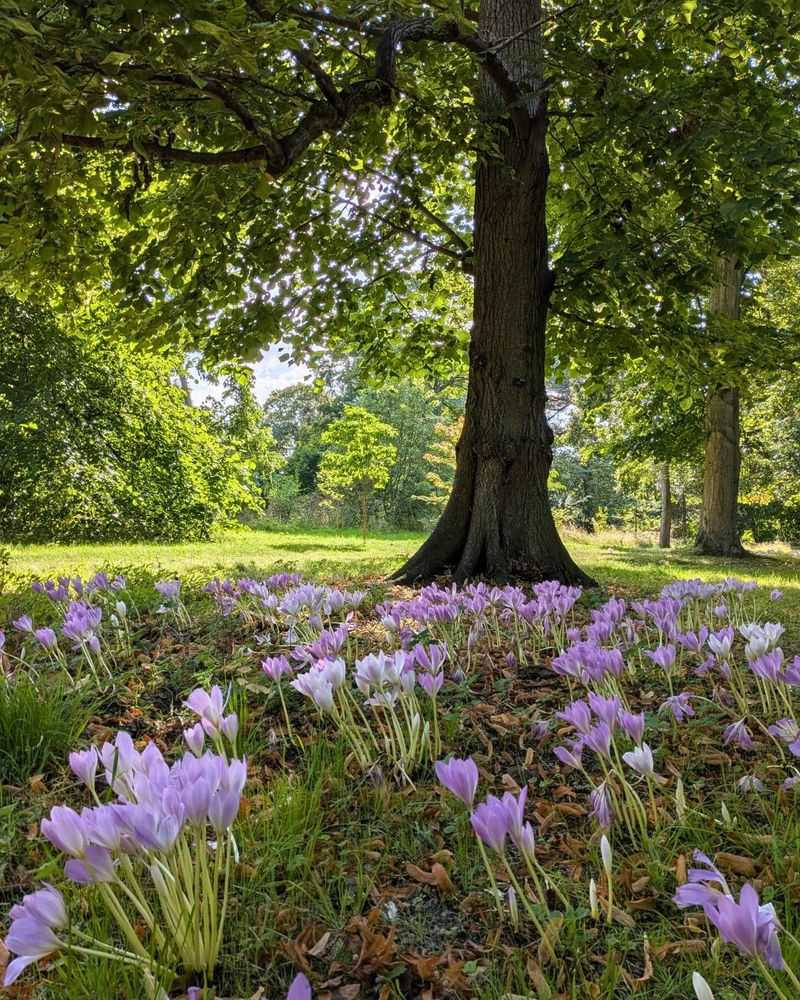
Spring brings a side of autumn crocus that surprises new growers. Big, glossy leaves pop up, looking a lot like tulip foliage but chunkier. No flowers come with them, which confuses plenty of folks.
Those leaves have a key job. They act like solar panels, turning sunlight into food that the bulb stores underground. All that stored energy powers the flowers that show up months later in fall.
Cutting the leaves too soon is a common mistake. When you remove them while they are still green, the bulb loses its food supply. Over time, that leads to weaker bulbs and fewer blooms.
Patience pays off here. Let the leaves stay until they turn yellow and wither on their own, usually by early summer. Then you can gently pull or snip away the dry pieces.
A smart planting plan hides the messy stage. Grow autumn crocus among low groundcovers like creeping thyme or sedum, or near perennials such as hostas, hardy geraniums, and ferns.
As those plants fill out, they cover the yellowing foliage nicely. Lawn plantings need care too. If you tuck bulbs into grass, skip mowing over that area until the leaves fade. A small mow-around zone keeps the bulbs healthy and happy.
In North Carolina, the leaves may look untidy for a few weeks in late spring. It can be tempting to clean them up early, especially before a cookout or garden party.
Try to resist, because those floppy leaves are building your fall show. A little messiness now means a bigger burst of color later.
7. It Naturalizes And Returns Year After Year
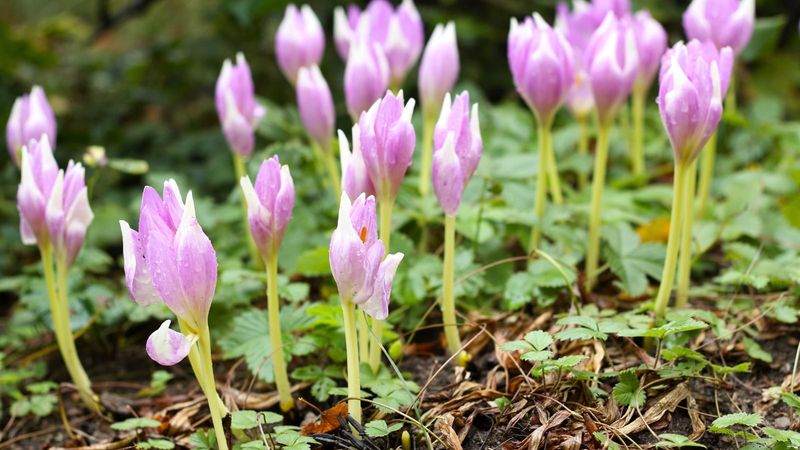
Some plants ask for constant fuss. Autumn crocus is more like a loyal friend who shows up every fall without being asked. Give it a good spot, and it keeps coming back.
In the right conditions, Colchicum bulbs multiply over time. One bulb becomes a small group, and that group grows into a thick clump. Each year, the display gets fuller, with more flowers popping up together.
Getting there is easy. Plant in full sun to partial shade, in soil that drains well. A spot under a tall tree with light, dappled shade often works great, especially when leaves fall later and frame the flowers.
Go easy on summer watering. The bulbs rest underground during summer, and too much water can cause rot. Normal rainfall is usually plenty, so skip that area with the hose.
After several years, clumps may get crowded and bloom less. That is your cue to divide them. In summer, after the leaves fade, dig up the clump with gloves on, separate the bulbs, and replant them right away with a bit more space.
You will end up with extra bulbs to spread around the yard. North Carolina offers a sweet spot for this plant. It performs especially well in the Mountains and Piedmont, where cooler winters and fall weather suit its natural rhythm.
Coastal gardeners can still try it, especially in well-drained beds. Over the years, a handful of bulbs can turn into a stunning drift that neighbors slow down to admire.