Why California Gardeners Should Never Add Pokeweed To The Compost Pile
Some garden cleanups seem tidy and eco-friendly. A heap of pulled stalks, a waiting compost bin, and the satisfying sense of a job well done all appear to fit together.
One towering weed doesn’t play by those rules. It hides a few clever survival tricks, tucked away where few gardeners think to look.
Placed in the wrong spot, it tends to come back stronger than before.
Its glossy fruit looks harmless, even charming, yet it carries surprises for people, pets, and future garden beds.
A few smart habits make a big difference. Protective gear, careful disposal, and a little patience go a long way toward keeping it under control.
The compost bin can wait. This guest deserves a different exit.
1. Seeds Survive A Cold Compost Pile
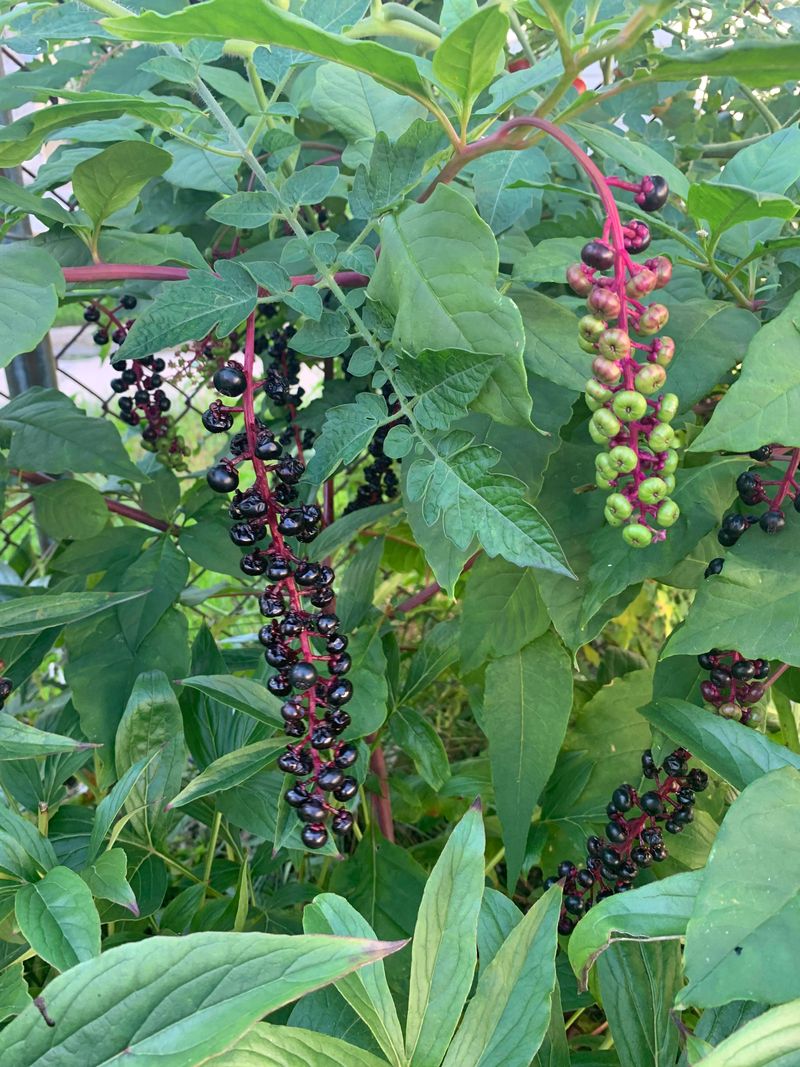
A ripe pokeberry squeezed between gloved fingers reveals about ten shiny black seeds tucked inside. Each wears a hard, glossy coat, armor built for rough conditions.
Most backyard piles are what gardeners call cold compost. Scraps go in a little at a time, the pile sits, and nature slowly does the work.
Cold piles turn leaves and coffee grounds into lovely compost. They do very little, though, to stop a tough weed seed.
Breaking down food scraps is easy for microbes. Cracking a hard seed coat is a much bigger job.
In a cool pile, pokeweed seeds simply rest in damp darkness, much as they would in soil. Some may even soften just enough to sprout faster later.
A single mature plant can produce thousands of seeds in a season. Tossing one into a cold bin essentially fills a seed bank by hand.
October timing makes this especially relevant, since berry clusters ripen to deep purple right now. Fall cleanup often brings the biggest temptation to compost.
Berries and berry stalks are best kept out of every compost pile, hot or cold. Snipping clusters off and dropping them straight into a sturdy trash bag handles them safely.
Leaves and stems from young plants without flowers carry less risk, but most gardeners find it easier to keep the whole plant out. Compost should feed a garden rather than reseed its weed problem.
2. Seeds Stay Alive In The Soil For Years
Patience works as this weed’s secret weapon. A seed landing in a garden this fall doesn’t have to sprout next spring.
It can sit quietly underground and wait for the perfect moment. That waiting game makes control trickier than most gardeners expect.
According to the UC Statewide IPM Program, pokeweed seeds can stay viable in the soil for many years. Some reports point to decades for the toughest seeds.
A weed pulled today might keep sending relatives up for a long time to come. The seed bank holds plenty in reserve.
Gardeners often notice the pattern after digging a new bed. Turning the soil brings old buried seeds up toward light and warmth.
Suddenly, a crop of seedlings appears where none grew the year before. Those plants rarely blow in from nowhere, since many waited below the surface all along.
Your California Garden Changes Every Week. Your Plan Should Too.
Gardening in California changes quickly throughout the season. Every Friday you’ll receive a simple weekly plan showing exactly what to plant, prune, fertilize, harvest, and protect so you never miss the right timing.
Compost adds another layer to the problem. Every scoop spread carries whatever seeds lived in the pile.
Pokeweed berries in the bin mean long-lasting seeds tucked right into the best beds.
Keeping the seed bank small makes the smartest long game. Pulling young plants before they flower and cutting off berry clusters before they ripen both help enormously.
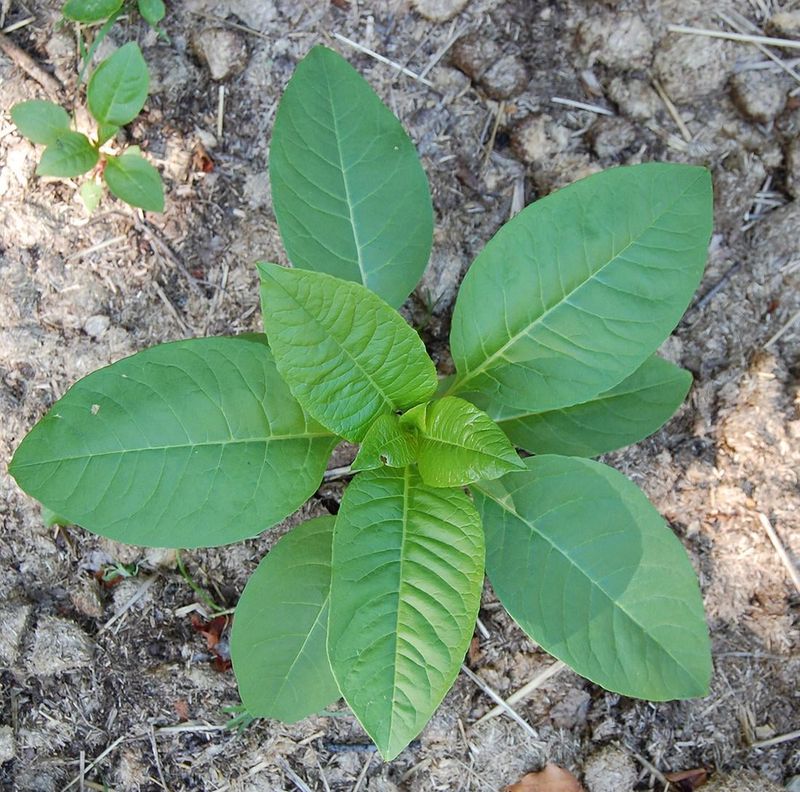
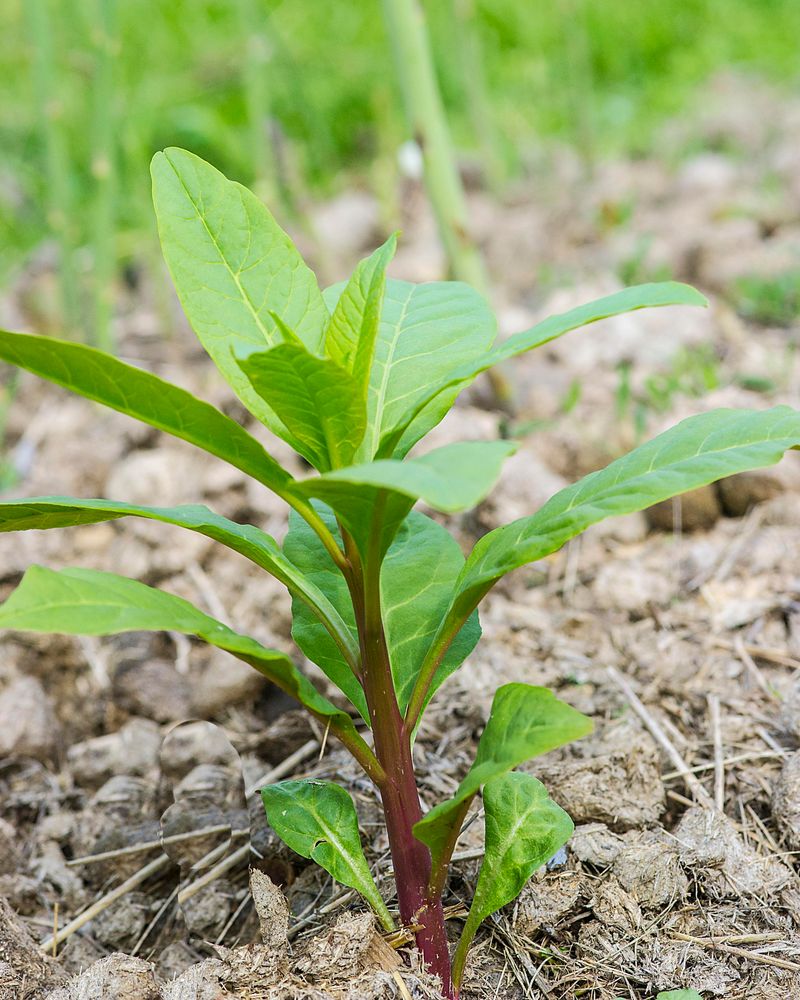
Spring checks for the first glossy, oval leaves on reddish stems catch seedlings early. That quick attention stops a new generation of seeds before it forms and falls.
3. Home Piles Rarely Get Hot Enough
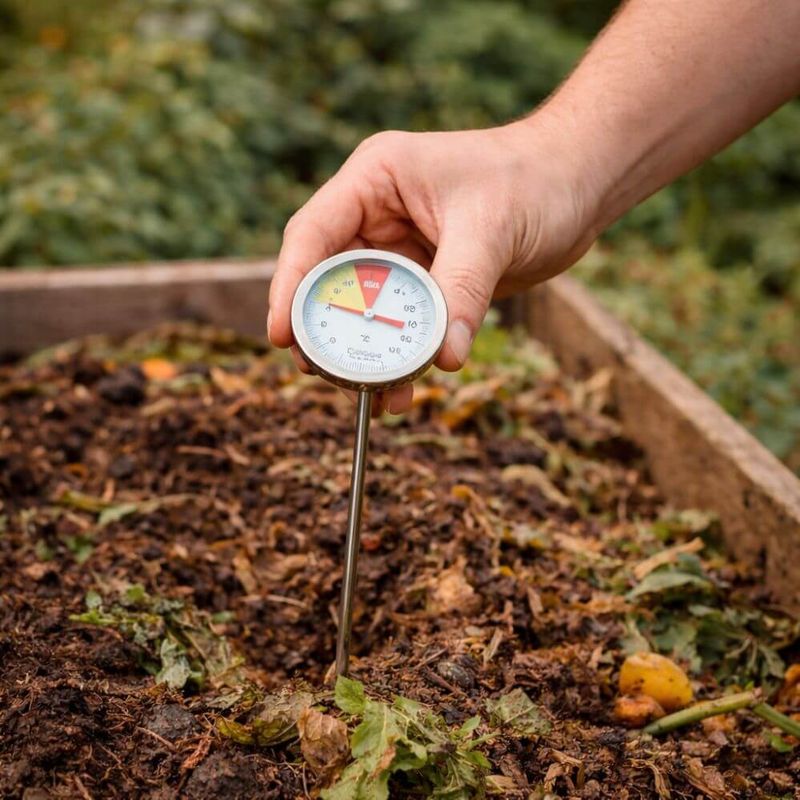
A compost thermometer pushed into a typical backyard bin often delivers a surprise. Many home piles hover around the temperature of a warm bath, which feels cozy but falls far short of the heat needed to stop weed seeds.
Reliably stopping most weed seeds requires a pile that stays around 140 to 160 degrees Fahrenheit. It also has to hold that heat for several days at a time.
Every part of the pile needs a turn in the hot center, too. Edges and corners can’t simply ride along.
Reaching that point takes serious effort. A hot pile usually needs to measure at least three feet tall, wide, and deep.
It also needs the right mix of green and brown materials, steady moisture, and frequent turning.
Commercial composting sites have machines and staff to manage all this, while most households have a pitchfork and a busy weekend.
Even a well-run home pile has cool edges. Seeds near the sides, top, and bottom often stay well below the heat zone.
A pokeberry stuck in a corner can sit out the whole process untouched. That single overlooked berry can start a new patch.
Dedicated compost cooks still do best treating pokeweed as trash rather than as an ingredient. Gambling with this plant rarely pays off.
Hot piles shine with grass clippings, leaves, and kitchen scraps. Keeping pokeweed out keeps compost clean and every turn of the fork free of unwelcome surprises.
4. Root Pieces Can Regrow
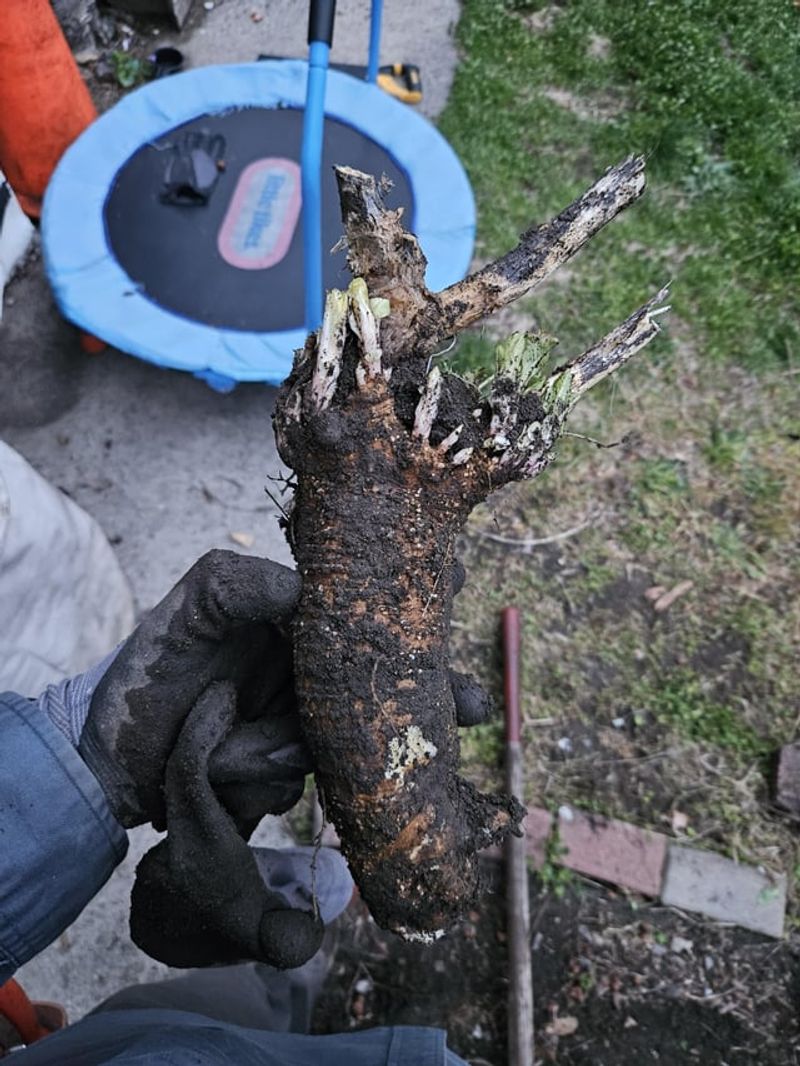
A mature plant lifted from the ground reveals something resembling a giant pale carrot. The taproot can grow several inches thick and reach a foot or more into the soil, serving as both storage tank and comeback plan.
Pokeweed is a perennial. Top growth fades back in winter, but that fat root stays alive underground.
Each spring, it pushes up fresh shoots using the energy packed inside. A big piece of root left behind lets the plant return like a stubborn houseguest.
The same trick can happen in a compost pile. A chunk of crown or upper root tossed into a moist, shady bin may stay alive for a surprising stretch.
Given time, it can send up new shoots right through the compost. The result is a pokeweed growing in the very place meant to break it down.
Removal works best when the soil is damp. A shovel or digging fork loosens the ground around the plant, making it easier to lift the crown and as much upper root as possible.
Young plants come out far more easily than old giants. Tackling them early saves plenty of sweat later.
Once the root comes out, it belongs in a bag with the rest of the plant rather than in the bin. Regular trash pickup makes the safest route.
Watching the spot for a few weeks afterward catches any new shoots. Digging those out promptly finishes the job.
5. Finished Compost Spreads The Problem
Spring arrives, and a load of dark, crumbly compost gets wheeled out with pride. It goes around the tomatoes, the roses, and the new flower bed.
A few weeks later, strange seedlings with reddish stems pop up everywhere it landed.
Contaminated compost ranks among the sneakiest ways weeds travel. Finished compost looks clean and smells sweet, so few people suspect it.
Yet any seeds that survived the pile now sit in perfect, nutrient-rich soil. The hiding place couldn’t be much better.
Compost also gives those seeds a head start. It holds moisture, warms quickly in spring, and sits near the surface where seeds get light.
The result works like a five-star nursery for the very weed meant to be removed. Instead of one pokeweed patch, several may appear.
The spread can reach beyond one yard, too. Many gardeners share extra compost with neighbors or use it in community gardens across town.
A single batch can carry pokeweed seeds into beds its maker may never see. That ripple effect makes careful sorting worthwhile.
A firm rule keeping pokeweed berries out of the bin offers the best protection. Compost suspected of carrying seeds works best under trees or shrubs, where seedlings are easy to spot.
Pulling any pokeweed sprouts while they’re small and soft keeps them from settling in. Beds treated this way bring fewer unwelcome surprises each spring.
6. Every Part Is Toxic To Handle
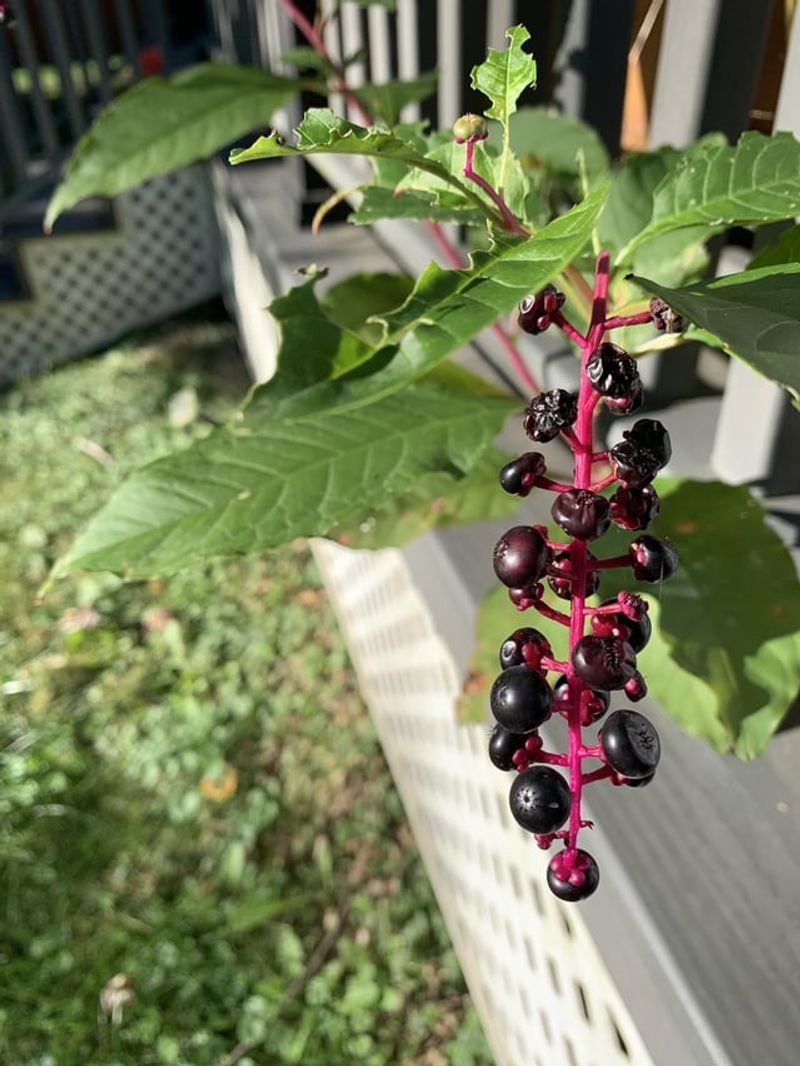
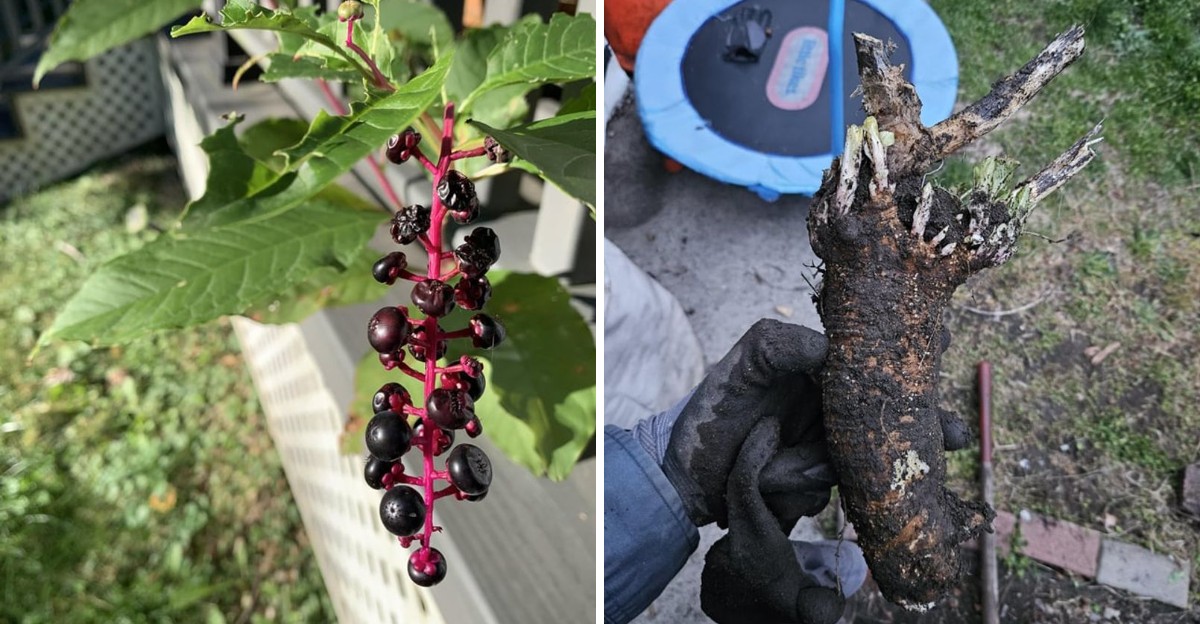
Glossy berries dangling in purple clusters look like something from a storybook. Kids sometimes squish them to make purple ink, and birds gobble them happily.
Those pretty colors hide a real hazard, though.
Every part of American pokeweed is toxic to people, pets, and livestock. The roots carry the highest amount of harmful compounds.
Leaves, stems, and berries are poisonous, too, and green unripe berries can be especially risky. Swallowing plant parts can cause stomach pain, vomiting, and diarrhea, and serious cases need medical care.
Skin can react as well. The sap may irritate skin, and plant juice getting into a cut or scrape causes extra concern.
Some people develop rashes after handling the plant with bare hands. Splashes near the eyes can cause irritation, too.
A compost pile makes all this worse. Turning a heap full of pokeweed means touching crushed stems and berry juice again and again.
Every stir offers another chance for sap to reach arms or face.
Sturdy gloves, long sleeves, and long pants make sensible gear whenever pulling or cutting pokeweed. Washing hands, arms, and tools with soap and water afterward completes the routine.
Children are best kept away from the work area and taught to avoid tasting the berries. A friendly explanation goes a long way.
Anyone who swallows part of the plant needs a prompt call to Poison Control.
7. Birds And Pets Can Reach The Pile
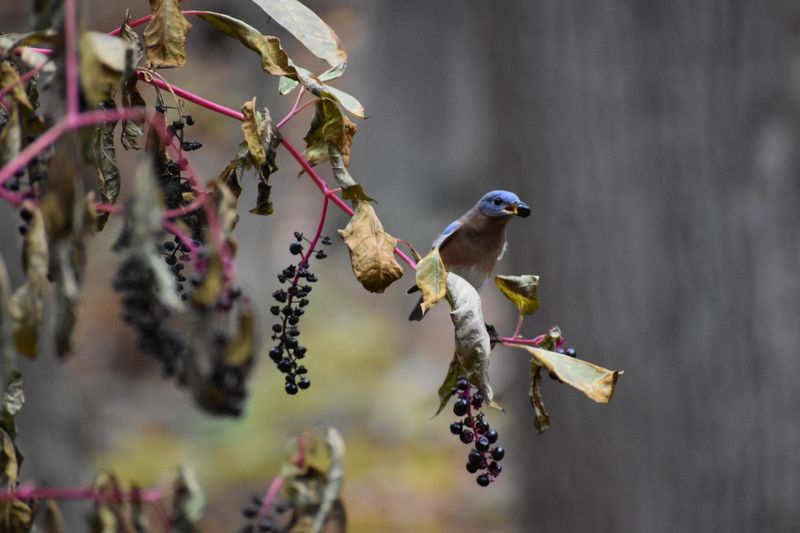
A robin lands on an open compost heap, spots a cluster of purple berries, and starts feasting. Ten minutes later, it flaps off to a fence post across the yard.
That short trip shows the pokeweed delivery service in action.
Birds love pokeberries. The UC Statewide IPM Program points out that birds rank as a main way pokeweed seeds spread.
Seeds pass through their bodies unharmed and get dropped along fences, under trees, and in garden beds. Each visit to the pile can plant new weeds far from where they started.
Open piles work like a buffet with no guard at the door. Berries sit right on top, easy to see and easy to grab.
Mockingbirds, robins, and many other birds happily take the hint. Fall migration brings even more hungry visitors this time of year.
Pets add another worry. Dogs are famous for digging into compost and snacking on whatever turns up.
Chewing pokeweed roots, stems, or berries can upset their stomachs or cause worse problems. Backyard chickens and other roaming animals face similar risks.
Pulled pokeweed left lying in an open heap, even for a day or two, invites trouble. Bagging it right away and keeping the bag sealed until trash day closes the buffet for good.
A lidded compost bin for regular scraps and close supervision of pets near garden waste add extra protection. A dog that chews pokeweed needs a prompt call to the veterinarian.
8. Bag It For The Trash Or Green Waste
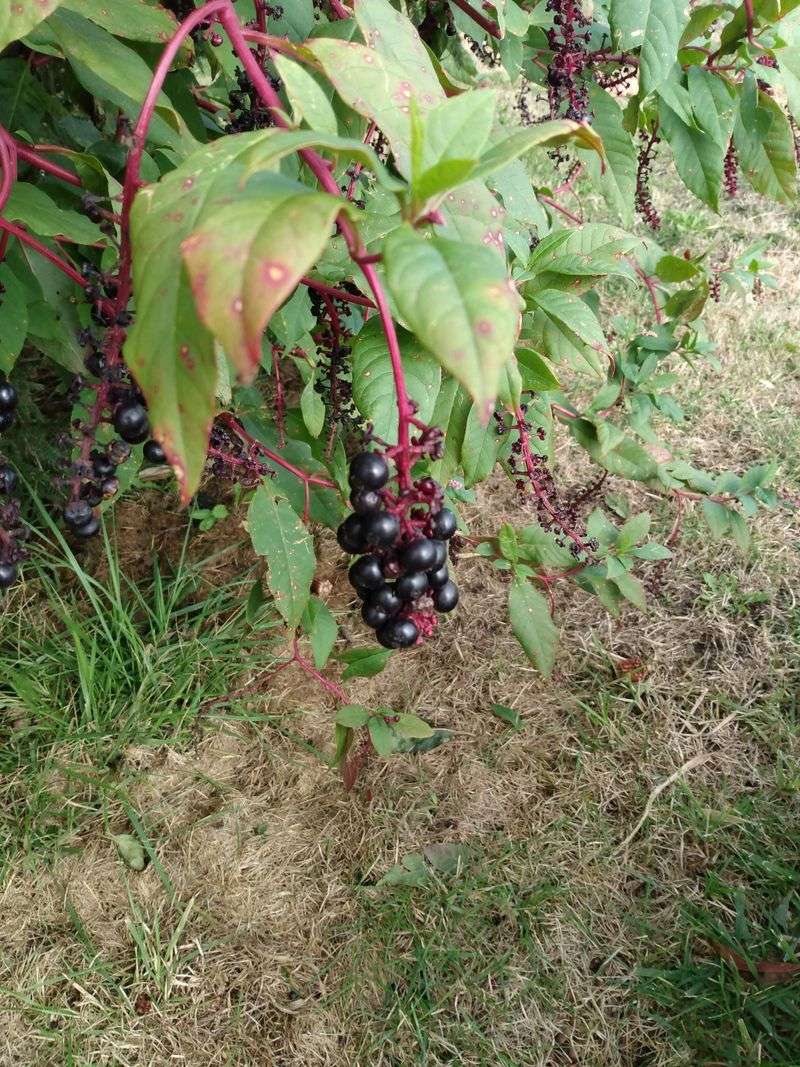
Late summer and early fall offer the best moment to act. Green berry clusters hanging from the stalks, not yet purple, leave time to stop the seed show.
Even ripening clusters can still be caught before they drop.
Protective gear comes first. Sturdy gloves, long sleeves, and long pants keep sap off skin.
Every flower and berry stalk comes off next, dropped straight into a heavy-duty trash bag. Early cutting keeps ripe berries from falling to the ground or getting snatched by birds.
The rest of the plant follows. Young plants pull out by hand, while older ones call for a shovel to lift as much of the taproot as possible.
Stems, leaves, and roots join the berries in the bag. A tight knot keeps everything from spilling.
Most gardeners do best sending the bag out with regular household trash. City green waste programs can work, but only when they accept invasive weeds and seed heads.
Large facilities often reach higher temperatures than home piles, yet rules vary from town to town. A quick call or a look at the local program’s website clears up any confusion.
Washing gloves, tools, and hands with soap and water finishes the cleanup. Marking the spot and checking it every few weeks catches any new sprouts.
A little follow-up keeps this weed from staging a comeback next year. Steady attention turns a stubborn problem into a manageable one.