Why North Carolina Orchards And Fruit Trees Attract So Many Yellowjackets In September
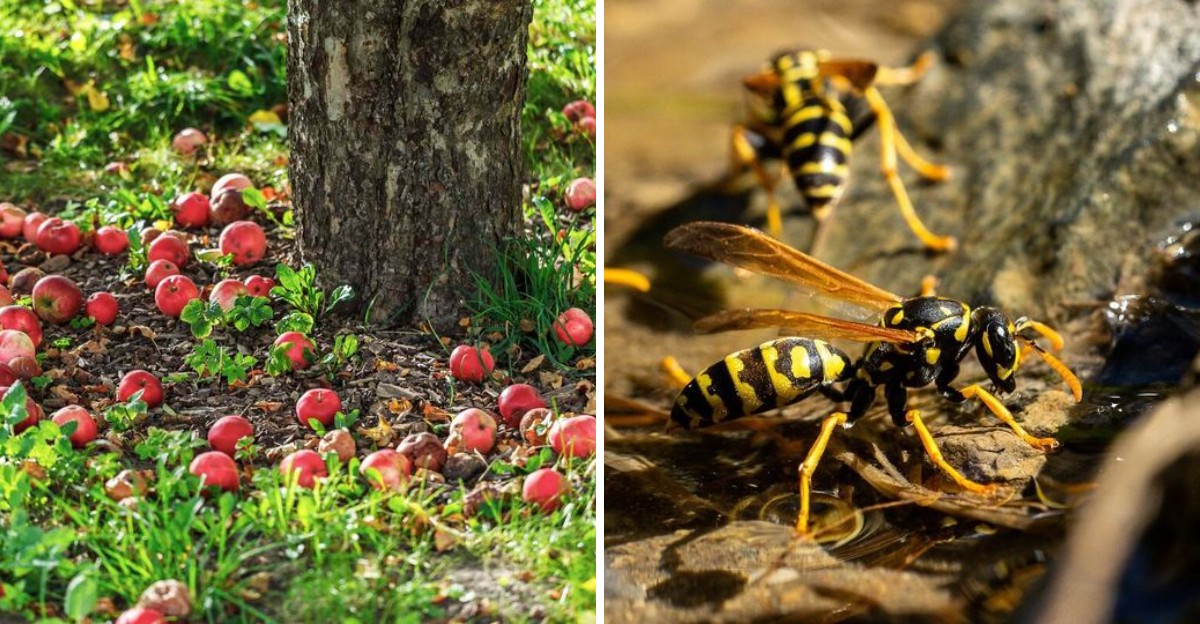
Orchards and fruit trees become a magnet for yellowjackets in North Carolina every September, and the timing lines up closely with both the insects’ seasonal needs and the fruit’s ripening cycle.
As yellowjacket colonies reach their peak size late in the season, workers need far more food to sustain the group, right as fallen and overripe fruit becomes widely available on the ground beneath trees.
The sugary juice from split or rotting fruit offers a concentrated, easy-to-access food source that natural flowers can no longer match this late in the year.
This overlap often leads to noticeably more yellowjacket activity around orchards compared to other parts of a property.
Understanding this seasonal timing helps explain why fruit trees see such a sharp rise in yellowjacket visitors as the month goes on.
1. Ripe Fruit Provides The Sugar They Crave
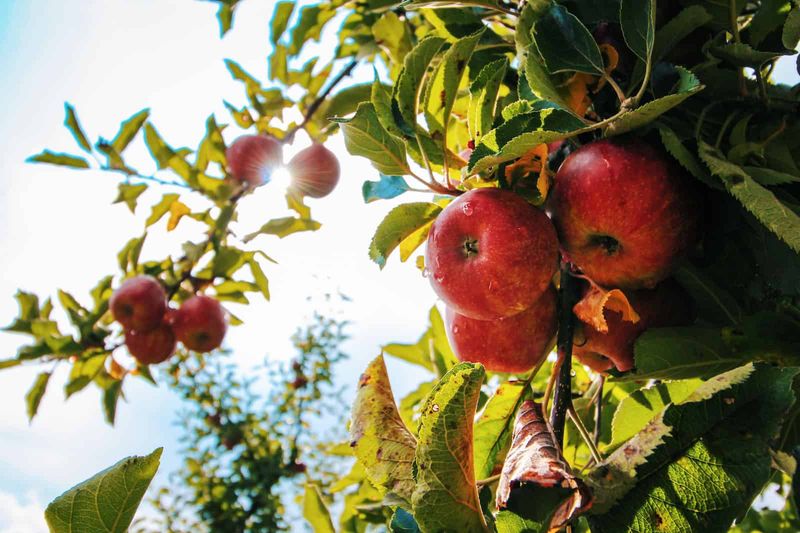
Sweetness is the main reason yellowjackets crowd your fruit trees. By September, apples, peaches, pears, figs, and grapes have soaked up months of sunshine and turned into little pockets of sugar.
That natural sweetness is exactly what these insects are searching for. Yellowjackets need quick energy to keep their large colonies going, and sugary plant material is one of the easiest sources around.
A ripe piece of fruit gives them a fast meal without much effort. They do not have to hunt or chase anything, so a loaded fruit tree feels like a buffet.
North Carolina weather makes this even stronger. The warm days and mild evenings help fruit ripen fully, releasing more sugar and juice. When the skin softens, tiny amounts of sweet liquid seep out, and that scent floats through the air.
Grapes are a favorite because their thin skins break easily. Figs are just as tempting since they get soft and sticky when ready to pick. Peaches drip juice when they reach peak ripeness, sending out a smell yellowjackets cannot resist.
You can lower the crowd by picking fruit as soon as it is ripe. Do not let it hang too long on the branch. The longer sweet fruit stays out, the more insects it invites.
Checking your trees every couple of days helps you stay ahead. When you harvest promptly, you take away the reward the yellowjackets are looking for, and they slowly move on to search elsewhere for their next sugary snack.
2. Fallen Fruit Creates A Feeding Zone
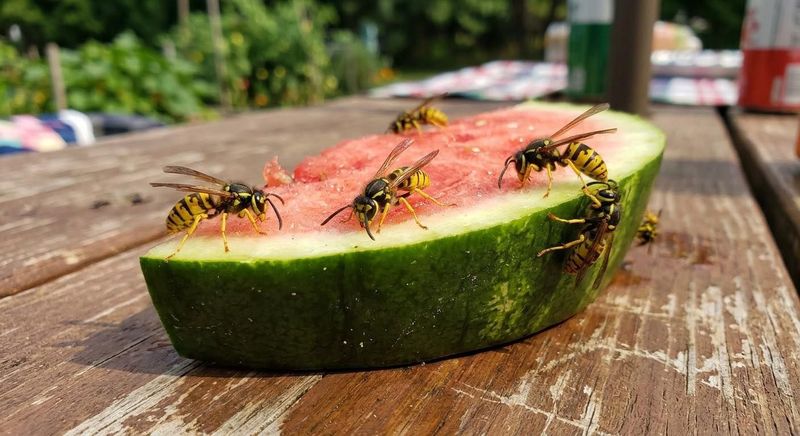
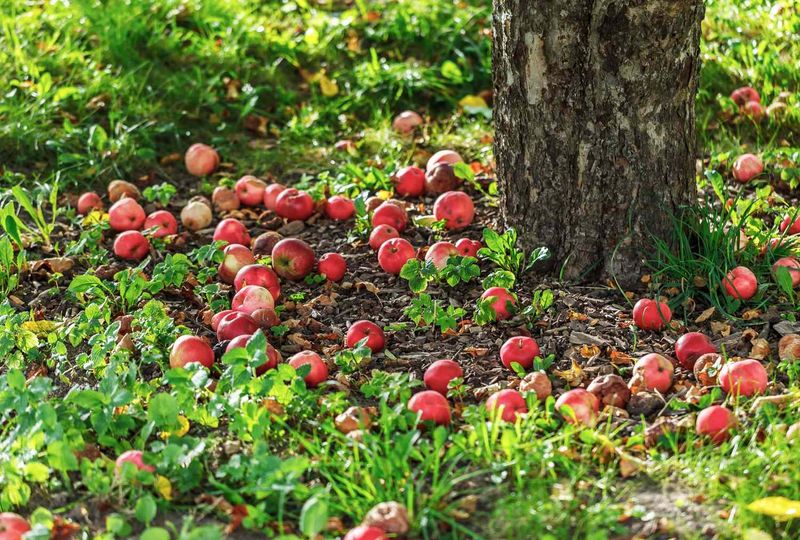
Look under your fruit trees in September and you will often find a scattered pile of fallen fruit. That fruit on the ground becomes one of the biggest attractions for yellowjackets. As it sits in the warm air, it softens and starts to ferment.
Fermenting fruit gives off a strong, sweet, slightly sour smell. Yellowjackets can pick up that scent from a surprising distance and follow it straight to the source. Once one finds the spot, others quickly join in.
The ground level makes feeding easy for them. They do not have to balance on a branch or reach high into the tree. Instead, they can crawl right into the soft, split fruit and drink up the juices.
Your North Carolina Garden Changes Every Week. Your Plan Should Too.
Gardening in North Carolina changes quickly throughout the season. Every Friday you’ll receive a simple weekly plan showing exactly what to plant, prune, fertilize, harvest, and protect so you never miss the right timing.
Fallen figs and peaches are especially messy because they break open when they land. That exposed inside is packed with sugar and moisture, which is exactly what the insects want. Grapes that drop create the same problem in bunches.
The best fix is simple and quick. Rake or pick up fallen fruit every day or two during peak season. The sooner you clear it, the fewer insects gather around your trees.
Toss the collected fruit into a sealed bin or bury it away from your yard. Leaving it in an open pile just moves the feeding zone a few feet over.
Keeping the orchard floor clean makes a real difference. When there is no easy meal waiting on the ground, yellowjackets have far less reason to hang around your trees all month.
3. September Is Peak Yellowjacket Season
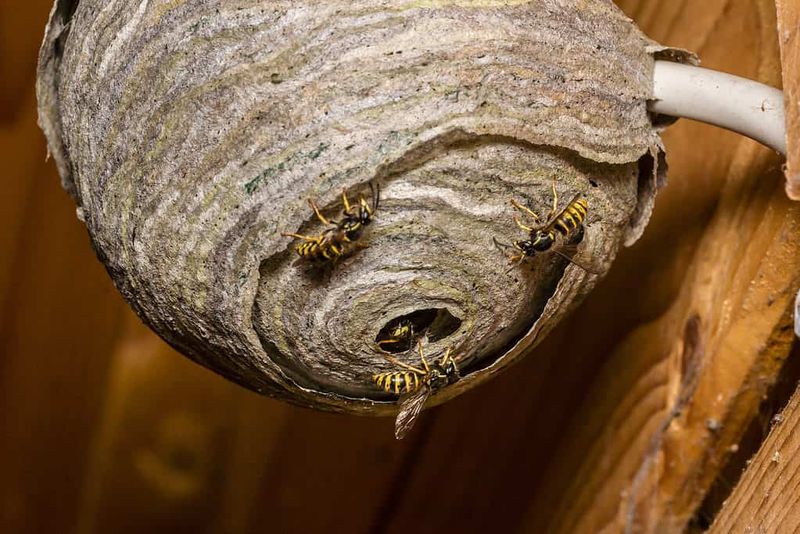
Timing plays a huge role in why September feels so buzzy. Yellowjacket colonies start small in spring, but they grow steadily all summer. By late summer and early fall, those nests are packed with thousands of workers.
More workers means more mouths searching for food. Each one leaves the nest looking for sugar and protein, and a big colony sends out a steady stream of foragers. That is why you suddenly notice so many of them at once.
North Carolina orchards line up perfectly with this cycle. The fruit ripens at the same moment colonies hit their largest size. The insects need extra energy heading into fall, and your sweet fruit gives them exactly that.
There is another reason activity spikes. As the season shifts, the queen slows down and fewer young are being raised inside the nest. This frees up many adult workers who now spend their time hunting for sugary treats outdoors.
Because of this, gardens, patios, and picnic areas all see more visitors in early fall. The orchard just happens to be the sweetest target of all.
Knowing the timing helps you plan ahead. Expect the busiest stretch from late August into early October across most of the state. Harvest earlier when you can, and stay alert around your trees during these weeks.
Once cooler weather settles in and the season winds down, the colonies naturally shrink and activity fades. Until then, patience and quick cleanup are your best tools for a calmer, easier orchard.
4. Damaged Fruit Attracts Them Quickly
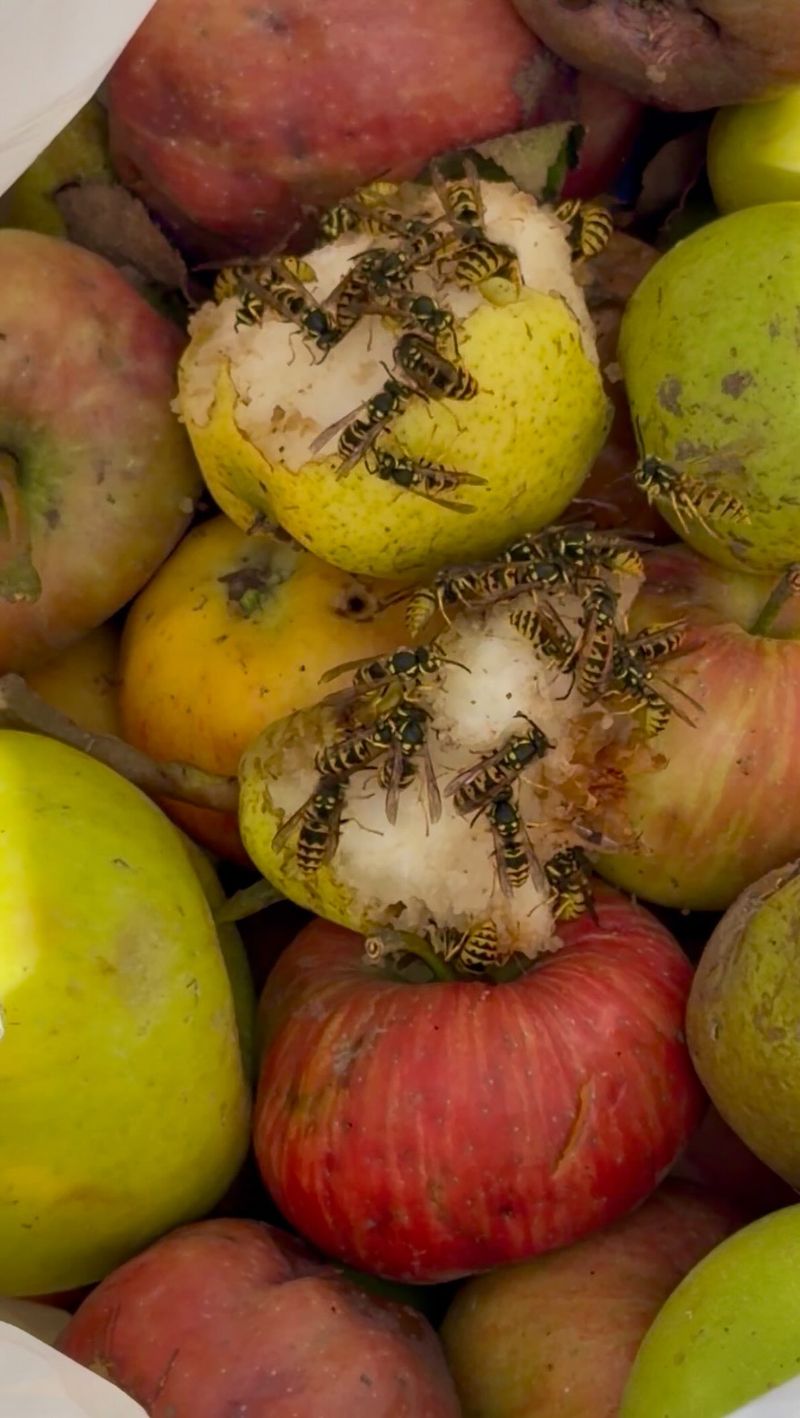
Any fruit with a break in its skin becomes an instant magnet. Cracks, bruises, bird pecks, and insect holes all give yellowjackets a shortcut to the sweet insides. Whole fruit takes effort to open, but damaged fruit is already served.
When the skin splits, sugary juice leaks out and mixes with the air. That scent travels fast and tells nearby insects exactly where to go. A single cracked peach can pull in dozens of visitors within an hour.
Birds often start the problem. They poke holes looking for a bite, then move on, leaving an open wound in the fruit. Yellowjackets swoop in to take advantage of the easy opening.
Weather adds to it too. Heavy rain followed by warm days can cause fruit like tomatoes, figs, and grapes to swell and crack on their own. Those natural splits work just like bird damage.
You can cut down on this by checking your trees often. Remove any fruit that looks cracked, bruised, or pecked before it turns into a feeding spot. The faster you pull damaged pieces, the less attention your tree gets.
Netting helps protect fruit from birds, which lowers the amount of damage in the first place. Fewer holes mean fewer easy meals for buzzing guests.
Handling fruit gently during harvest matters as well. Dropping or squeezing produce creates soft spots that leak juice later. When you keep your fruit whole and firm, you give yellowjackets far fewer open doors to sneak through.
5. They Often Follow Existing Fruit Damage
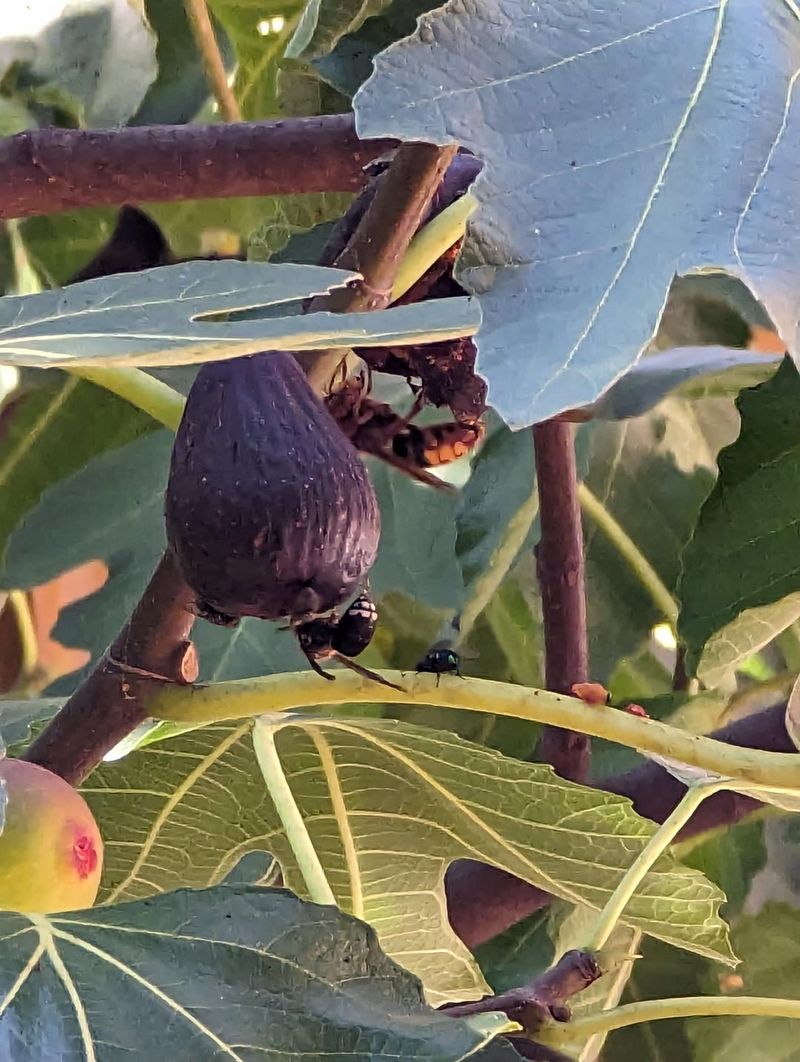
Here is something many gardeners get wrong. Yellowjackets usually are not the ones who make the first hole in your fruit. Their mouthparts are not built to bite through tough, healthy skin, so they wait for an opening.
Instead, they follow damage that other pests or birds started. Once a beetle, caterpillar, or bird cracks the surface, the yellowjackets arrive to feed on the exposed juice. They are opportunists more than attackers.
This matters because it changes how you solve the problem. If you only focus on the yellowjackets, you miss the real cause. The original damage often comes from something else in your orchard.
Take a close look at your damaged fruit and search for clues. Small round holes might point to insect larvae inside. Jagged tears near the top often mean birds have been visiting your branches.
Fungal spots and soft rot can also break the skin and invite feeding. Diseases weaken the fruit until it splits, giving insects an easy way in.
By finding and fixing the first source of trouble, you protect more of your crop. Control beetles and caterpillars, add bird netting, and remove diseased fruit early in the season.
When the fruit stays whole and healthy, yellowjackets have nothing to follow. They lose interest and drift toward easier targets elsewhere.
Thinking of them as followers rather than starters helps you become a smarter grower. Protect the skin of your fruit, and you shut down the buffet before the crowd even arrives.
6. Orchard Cleanup Can Reduce Activity
A tidy orchard is a quieter orchard. One of the simplest ways to cut down yellowjacket traffic is regular cleanup around your fruit trees. When you remove their food, you remove their reason to stay.
Start with the fruit on the ground. Rake or gather fallen pieces every day or two during the busy September stretch. Even a few soft apples left overnight can draw a crowd by morning.
Harvest ripe fruit right on time instead of letting it linger. The longer sweet fruit hangs or sits, the more scent it releases. Picking promptly keeps that smell from spreading through your yard.
Do not toss damaged produce into an open pile. Bruised or split fruit still leaks sugar and attracts foragers from a distance. Seal it in a bin or bury it well away from your trees.
Keep the area under each tree clear of sticky spills and juice. Wipe up any mess from harvesting and move buckets of fruit indoors quickly. Small habits like these add up fast.
Consistency is the secret here. A single cleanup helps, but doing it steadily through the season makes the biggest difference. The insects learn there is no reliable meal and move elsewhere.
This approach also keeps your orchard healthier overall. Removing old fruit lowers the chance of mold, rot, and other pests taking hold in the fall.
With a little effort each week, you enjoy cleaner trees, calmer surroundings, and far fewer stinging visitors buzzing around while you work outside.
7. Nearby Compost And Trash Can Add Attractions
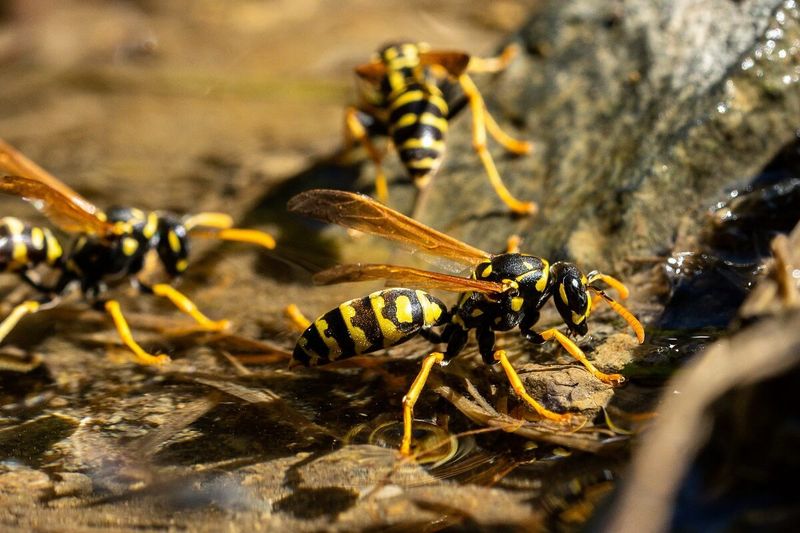
Your fruit trees might not be the only thing pulling in the crowd. Compost piles, trash cans, and food waste near the orchard often add extra attractions. Yellowjackets happily feed wherever sugar and scraps are easy to reach.
An open compost bin is a common culprit. Fruit peels, melon rinds, and sweet leftovers sitting on top give off strong smells. Those odors invite foragers just as much as ripe fruit does.
Garbage cans work the same way. Sugary spills, empty soda cans, and sticky wrappers all send out signals the insects follow. If the lid is loose, they crawl right inside.
Outdoor eating spots can make it worse. A dropped popsicle, a juice spill, or an open trash bag near your trees creates even more reasons for them to gather in that part of the yard.
The good news is that small changes help a lot. Keep compost covered with a layer of leaves or soil to trap the smell. Bury fresh fruit scraps deep instead of leaving them on top.
Use trash cans with tight, secure lids and empty them often. Rinse out sticky containers before tossing them so they stop giving off sweet odors.
Wipe down outdoor tables and clean up spills right away during meals outside. A quick wipe removes the scent trail that draws them in.
By managing these nearby sources, you shrink the total buffet around your property. Fewer feeding spots overall means fewer yellowjackets hovering around both your trash and your treasured fruit trees.
8. Harvest Carefully Around Yellowjackets
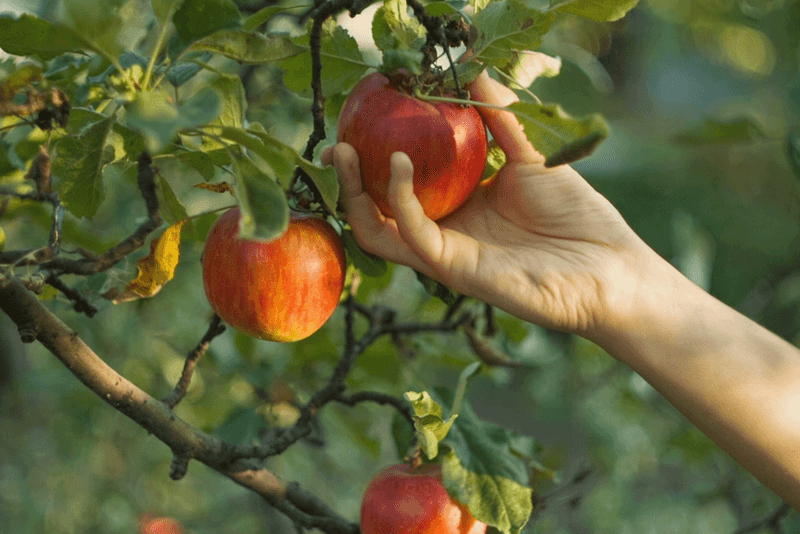
Picking fruit in September takes a little extra care. With so many yellowjackets around, a calm and thoughtful harvest keeps you comfortable and safe. A few smart habits make the whole job smoother.
Always inspect fruit before you grab it. Turn it gently and look for insects tucked into cracks or hiding on the shaded side. Reaching blindly into leaves is how surprise encounters happen.
Move slowly and steadily as you work. Fast, jerky motions can startle the insects and make them defensive. When you stay relaxed, they usually keep feeding and ignore you.
Watch for hidden nests too. Yellowjackets sometimes build homes in the ground, in brush piles, or inside old stumps near the orchard. Bumping one by accident stirs up the whole colony.
Dress smart on busy days. Long sleeves, gloves, and closed shoes give you a helpful layer of protection while you pick. Skip sweet perfumes and bright floral patterns, since those can draw curious visitors.
Harvest during cooler parts of the day when you can. Early morning tends to be calmer because the insects are less active in the chill. That gives you a quieter window to gather your crop.
Keep a filled bucket covered as you go. Exposed fruit in your basket sends out scent and invites followers right to your hands.
If you spot a large nest, give it plenty of space and consider calling a professional for removal. Staying patient and prepared lets you enjoy a full, rewarding harvest without unwanted drama.