Why Your Christmas Cactus Looks Tired And Wrinkled By Late Summer In North Carolina
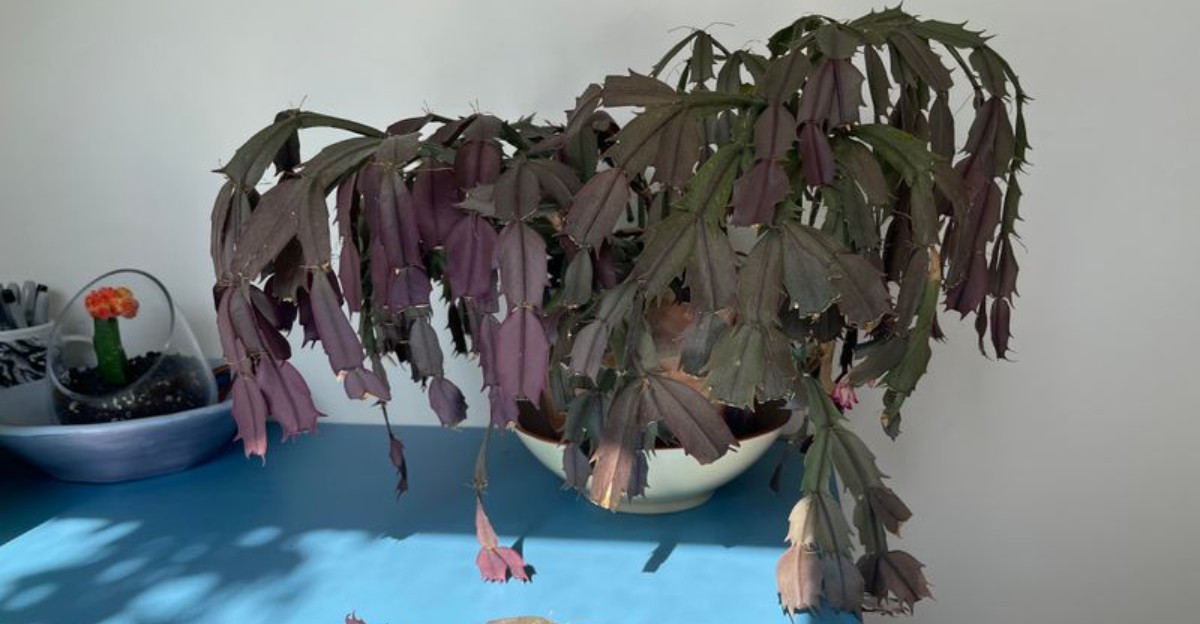
A Christmas cactus that looks limp, wrinkled, or generally worn out by late summer in North Carolina is often reacting to the combination of heat and humidity common this time of year.
These plants prefer bright, indirect light and consistent moisture, and extended stretches of intense summer heat can cause segments to lose their usual plumpness even when watering hasn’t changed.
Overwatering during hot, humid weather can compound the problem, since soggy roots struggle to support the plant properly under stress.
This tired appearance is usually temporary and tends to improve once temperatures cool and the plant’s care routine is adjusted for the changing season.
Recognizing these late-summer symptoms early can help prevent more serious stress as the Christmas cactus heads toward its important fall blooming period.
1. The Plant May Be Too Dry
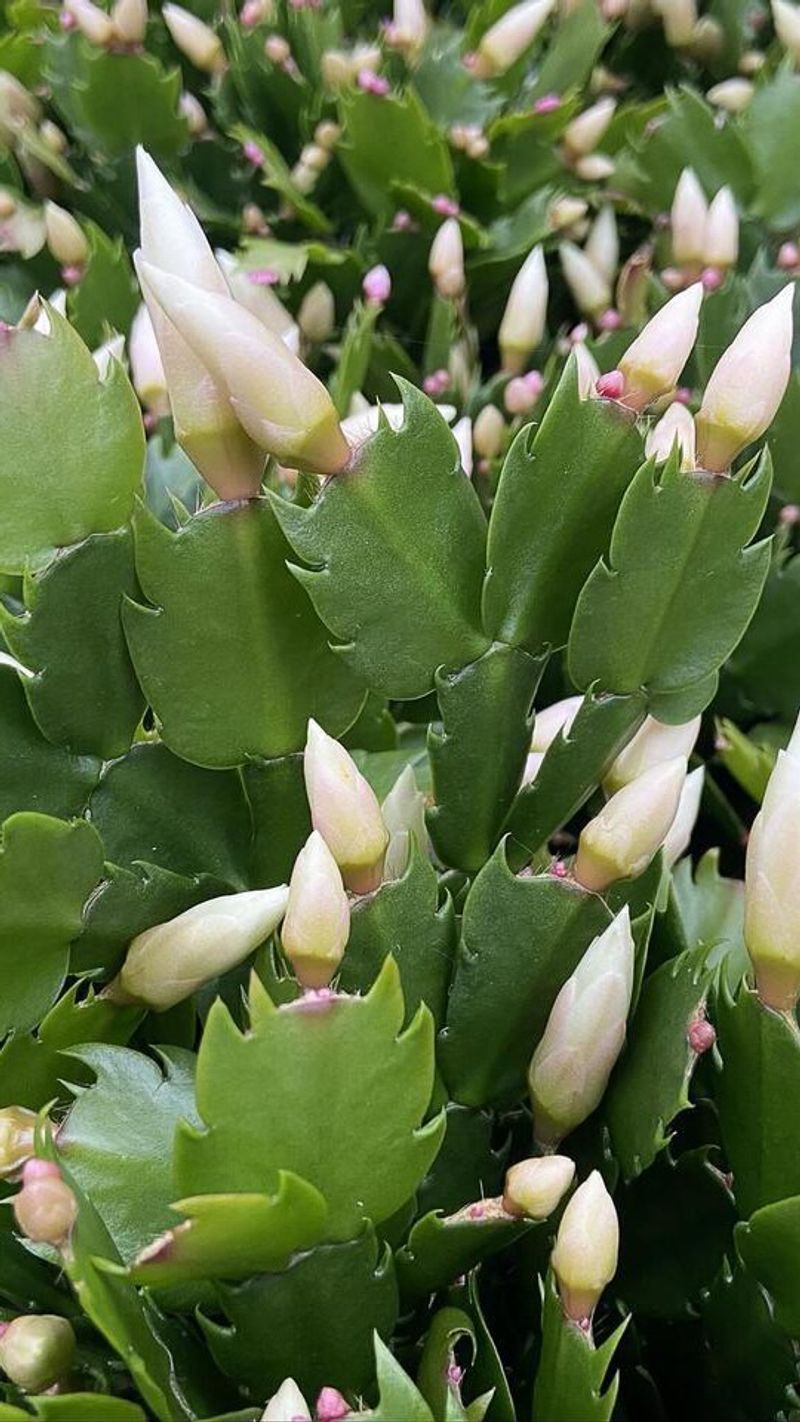
Wrinkled, floppy segments are often a loud cry for water. When a Christmas cactus goes too long without a drink, its flat leaf pads lose their firmness and start to pucker like a raisin.
These plants store water inside their segments, so when that supply runs low, the whole plant looks tired and droopy. In North Carolina, warm indoor air and sunny windows can pull moisture out faster than you might expect during late summer.
Before you grab the watering can, do a quick check. Stick your finger about two inches into the potting mix. If it feels dry and crumbly that deep, your plant is thirsty and ready for a good soak.
Water slowly until you see it running out the drainage holes, then let the pot finish draining fully. This makes sure the roots get an even, deep drink instead of just wetting the top layer.
Skip the tiny splashes of water every day, since that habit never reaches the deeper roots where it matters most. A thorough watering once the mix dries out works far better.
Within a day or two, you should notice the segments plumping back up and looking firm again. That bounce-back is your sign the plant simply needed a drink.
Keep a loose routine, but always trust the soil check over the calendar. A quick finger test each week helps you catch dryness early, long before those wrinkles set in and stress builds up.
2. Too Much Water Can Cause The Same Appearance
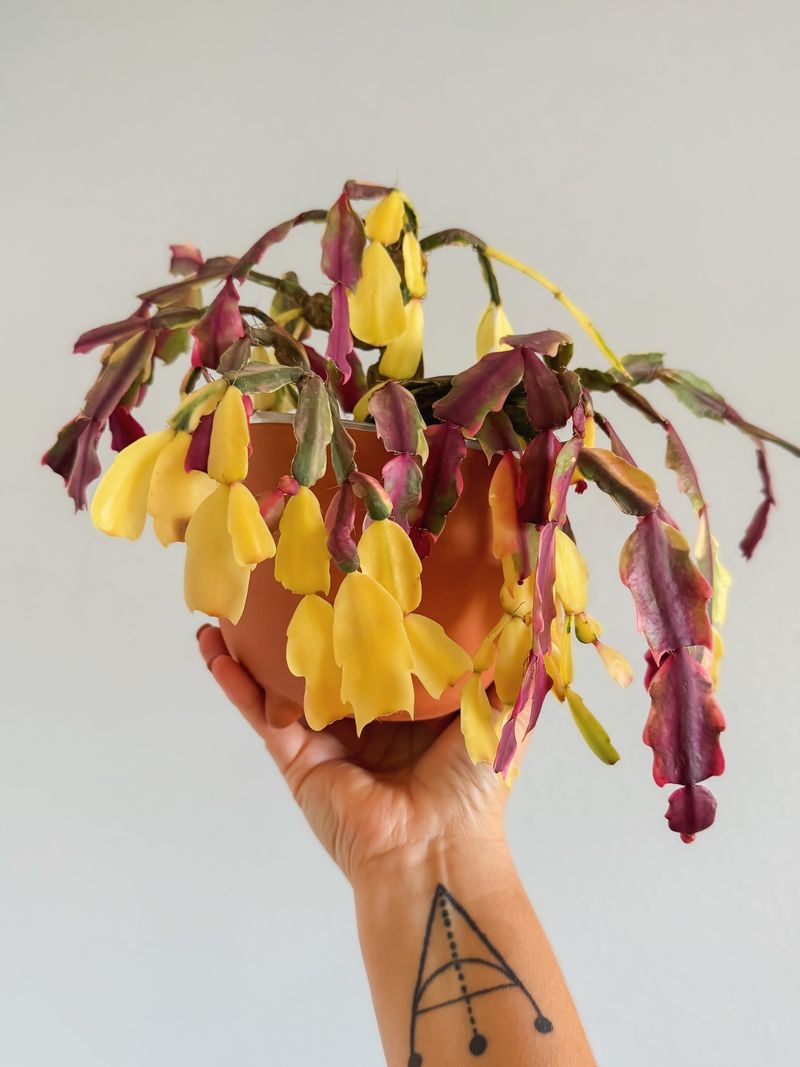
Here is a surprising twist: a soggy Christmas cactus can look just as wrinkled as a thirsty one. When the soil stays wet all the time, the roots struggle and slowly lose their ability to do their job.
Roots need air pockets in the soil to stay healthy. Constant moisture fills those spaces with water, and the roots begin to rot and weaken instead of soaking up what the plant needs.
The tricky part is that damaged roots cannot pull water upward, so the segments turn limp even while the potting mix feels damp. Many gardeners see that and assume the plant needs more water, which only makes things worse.
If your soil has been wet for days and the plant still looks sad, stop watering right away. Gently lift the plant and check the roots for a mushy feel or a sour smell.
Your North Carolina Garden Changes Every Week. Your Plan Should Too.
Gardening in North Carolina changes quickly throughout the season. Every Friday you’ll receive a simple weekly plan showing exactly what to plant, prune, fertilize, harvest, and protect so you never miss the right timing.
Trim away any soft, brown roots with clean scissors, then repot into fresh, dry mix that drains quickly. Give the plant a chance to breathe before you water again.
Going forward, let the top couple inches of soil dry out between drinks. This simple pause protects the roots and keeps them strong.
Think of watering like giving a pet meals rather than leaving food out all day. A little rhythm keeps everything balanced. Once the roots recover, your cactus will firm up again and look far happier through the warm North Carolina stretch of late summer.
3. Summer Heat Increases Water Stress
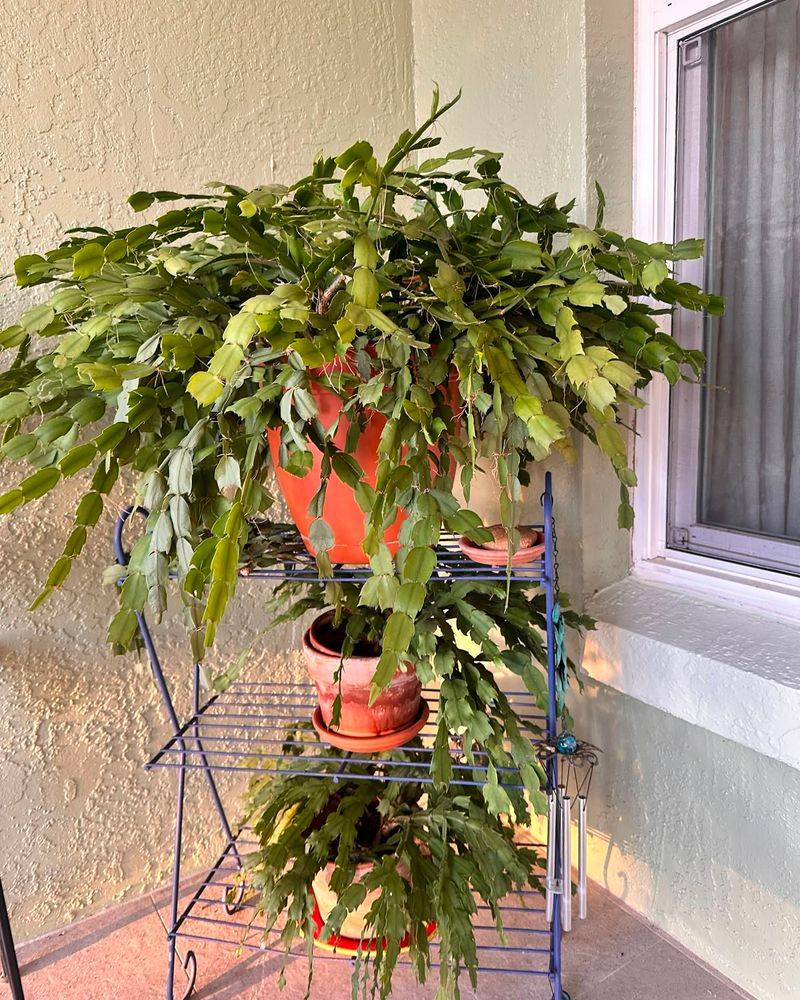
North Carolina summers bring real heat, and that warmth changes how fast your cactus dries out. Hot air pulls moisture from both the soil and the plant, so a pot that stayed damp for a week in spring might dry out in just a couple of days now.
Plants kept outdoors on a porch or patio feel this the most. Warm breezes and toasty afternoons speed up moisture loss, leaving segments wrinkled before you even notice a problem.
Containers heat up quickly too, especially dark or thin ones sitting in the sun. When the pot gets warm, the roots inside get stressed and cannot keep up with the plant’s needs.
During the hottest stretches, check your plant more often than usual. A quick soil test every couple of days helps you stay ahead of the heat instead of playing catch-up.
Move outdoor plants to a shadier, cooler spot when temperatures climb. A place with morning light and afternoon shade gives comfort without cutting off the brightness the plant enjoys.
Grouping potted plants together can also help, since they create a slightly cooler, more humid pocket of air around each other. Little tricks like that make a big difference.
Watch for wilting in the late afternoon, which is the plant’s warning sign that heat is winning. Adjusting its location and watering rhythm during hot spells keeps your Christmas cactus firm, comfortable, and ready to bounce back once cooler days return.
4. Poor Drainage Can Damage The Roots
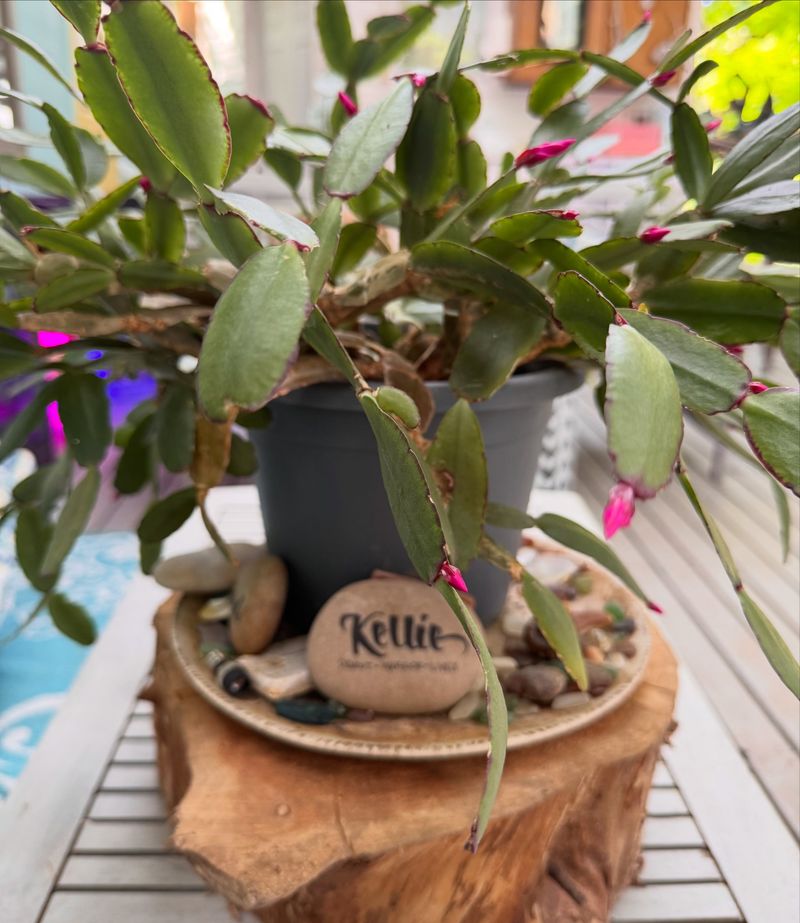
A pot without good drainage is like a bathtub with no drain. Water pools at the bottom, and the roots end up sitting in a soggy puddle that slowly harms them.
Christmas cactus roots love a loose, airy mix that lets extra water flow away fast. When water gets trapped, the roots weaken, and the whole plant starts to look sad and wrinkled up top.
Start by checking the bottom of your pot for drainage holes. If there are none, that is likely a big part of the problem, and it is time for a new container.
The potting mix matters just as much. Heavy, dense soil holds too much water, while a blend made for cactus or succulents drains beautifully and keeps roots happy.
You can improve regular potting soil by mixing in perlite, coarse sand, or small bark pieces. These bits create gaps that let air and water move freely through the pot.
Always empty the saucer under your plant after watering. Letting the pot sit in collected water undoes all your careful draining efforts.
When you repot, choose a container only slightly larger than the roots. An oversized pot holds extra soil that stays wet far too long.
Good drainage protects your plant during those humid North Carolina stretches when the air already feels heavy with moisture.
Give the roots a well-draining home, and you will see firmer segments, steadier growth, and a cactus that handles late summer with far less fuss.
5. Check The Potting Mix Before Watering
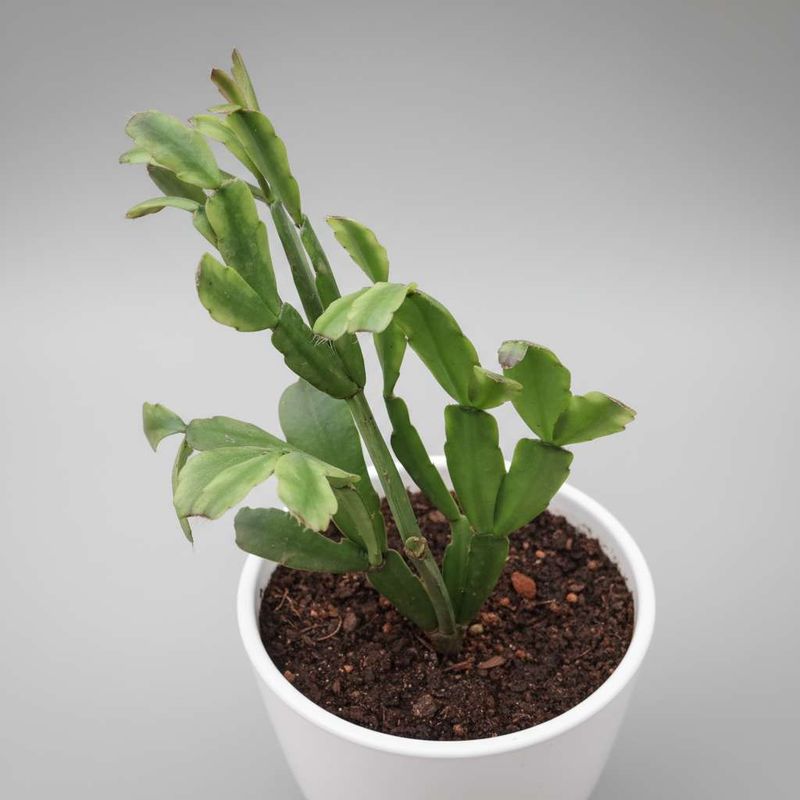
Guessing when to water is one of the easiest mistakes to make. The smartest move is simple: check the soil before you ever pick up the watering can.
The top of the mix can look and feel dry while the deeper layer near the roots stays moist. That is exactly where you want to focus your attention.
Push your finger two or three inches into the pot. If it feels dry at that depth, your plant is ready for water. If it still feels cool and damp, wait a few more days.
For a clearer reading, try a wooden skewer or a chopstick. Slide it into the soil, pull it out, and see if damp bits cling to it. A clean, dry stick means it is time to water.
Moisture meters work too, and they take the guesswork out completely. Just stick the probe near the root zone and read the level.
Watering by a strict calendar often leads to trouble because your plant’s needs shift with the weather. Hot weeks dry the soil fast, while cool cloudy stretches keep it damp longer.
By letting the root zone guide you, you give the plant exactly what it wants when it wants it. No more soggy roots or sudden thirst.
This one small habit fixes a huge number of Christmas cactus problems. Trust the soil, not the schedule, and your plant will reward you with plump, firm segments all season long.
6. Give The Plant Bright But Protected Light
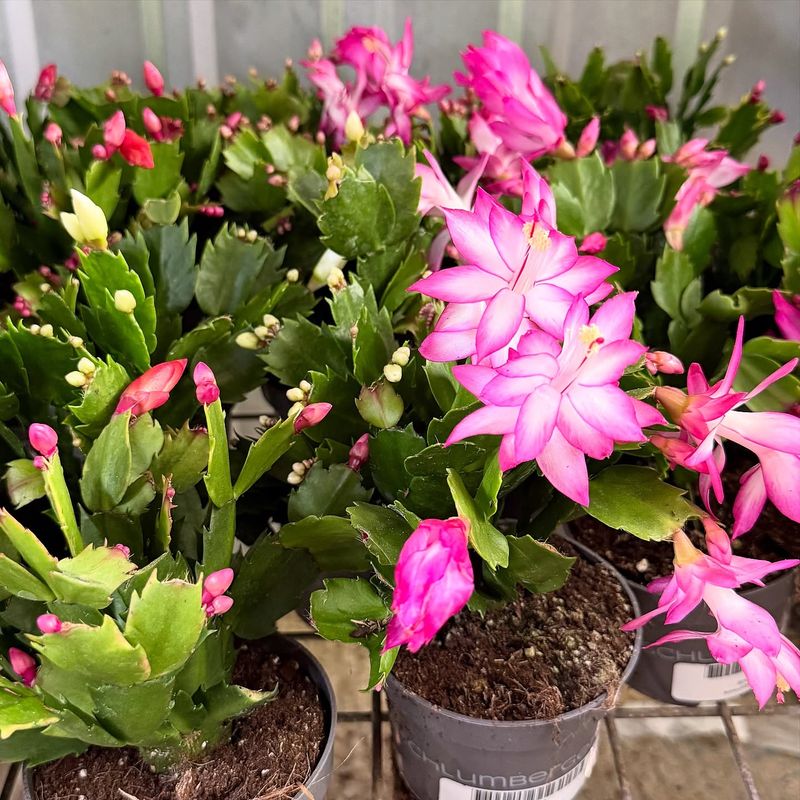
Light can make or break your cactus, and the right kind keeps it glowing. Christmas cactus loves bright spots, but it prefers gentle, indirect light rather than harsh rays beaming straight down on it.
Think of the forests where these plants come from, tucked under tree branches with dappled sunshine filtering through. That soft, filtered glow is exactly what makes them thrive.
Strong afternoon sun in North Carolina can be too much, especially through a hot window. Intense rays heat the segments, speed up moisture loss, and sometimes leave pale or reddish patches on the leaves.
An east-facing window is often perfect, offering bright morning light without the scorching afternoon blast. A spot a few feet back from a sunny window works well too.
If your plant sits outdoors, place it where it gets shade during the hottest part of the day. Morning sun paired with afternoon shade keeps it comfortable and happy.
Watch the color of the segments as your clue. Deep, healthy green means the light is just right, while faded or blotchy pads suggest the sun is too strong.
Rotating the pot every week or two helps every side get equal light. That keeps the plant balanced and growing evenly instead of leaning toward the window.
Finding that sweet spot between bright and protected takes a little trial and error. Once you land it, your cactus stays firm, colorful, and ready to set buds when the cooler days of fall arrive.
7. Avoid Heavy Feeding When The Plant Is Stressed
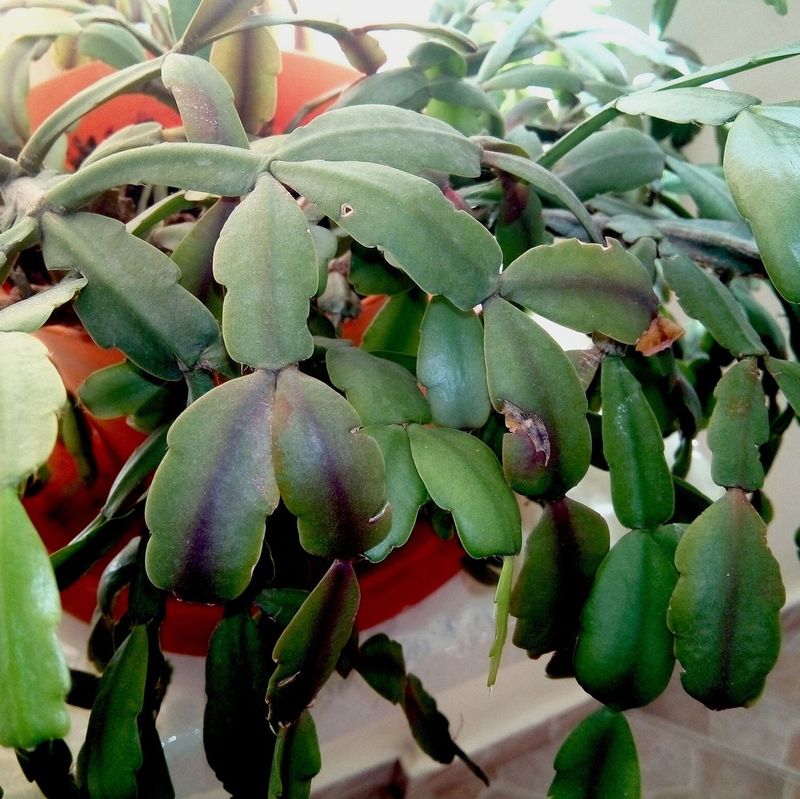
When a plant looks rough, it is tempting to reach for fertilizer and hope for a quick boost. With a stressed Christmas cactus, though, that move can backfire and make things worse.
Fertilizer is like food for a plant, but a struggling one cannot digest a big meal. If the roots are weak or the plant is badly wilted, feeding just adds pressure it cannot handle.
Extra fertilizer salts can build up in dry or damaged soil, irritating tender roots that are already having a hard time. The result is more stress, not less.
The first job is always to fix the basics. Sort out the watering, check the drainage, and move the plant to comfortable light before you think about food.
Give the cactus time to settle and recover once its conditions improve. A plant that feels safe and steady will start bouncing back on its own.
Wait until you see fresh, healthy growth and firm segments again. That new growth is your green light that the roots are working well and ready for a light feeding.
When you do feed, use a balanced fertilizer at half the strength listed on the label. A gentle dose supports growth without overwhelming the plant.
Save regular feeding for the active growing season, not the middle of a stressful heat wave. Patience really pays off here.
By holding off on food until your cactus feels better, you let it heal first and grow strong, setting the stage for a beautiful bloom later on.
8. Help It Recover Before Fall Bud Formation
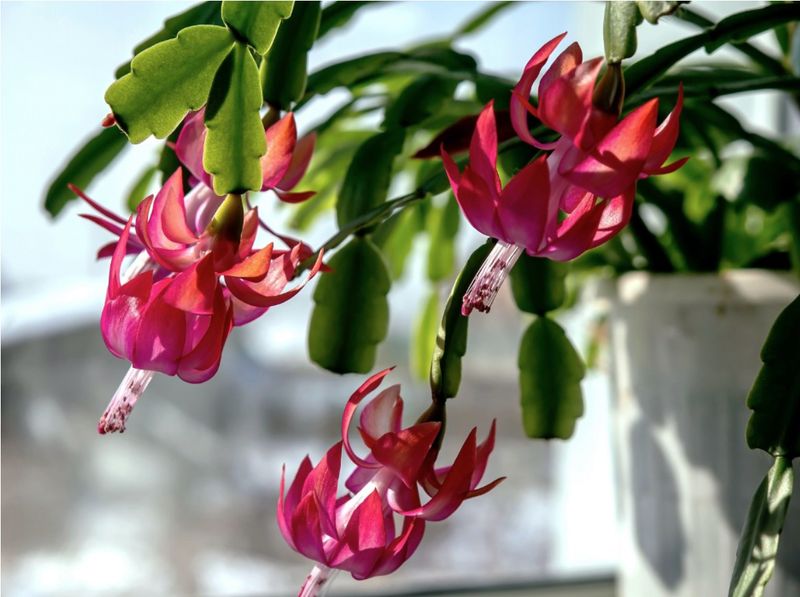
Late summer is the perfect moment to help your cactus regroup before its big show. The recovery you give it now sets the stage for a burst of blooms when cooler days arrive.
Everything comes together during this stretch. Steady watering, good drainage, and comfortable light all work as a team to bring back firm, healthy segments.
Start by getting the moisture rhythm just right, letting the top inches dry before each deep drink. Consistent care beats random watering every single time.
Make sure the pot drains freely and the roots have room to breathe. Healthy roots are the foundation for the buds that form later.
Keep the plant in bright, gentle light and out of scorching afternoon sun. A calm, steady environment lets it rebuild its strength without new stress.
Try to avoid big changes right now, like repotting or moving it around constantly. Christmas cactus likes stability, and too much shuffling can slow its comeback.
As nights grow longer and cooler in fall, these plants naturally begin setting flower buds. A plant that entered autumn firm and healthy will bud far more generously.
Cooler temperatures and longer darkness at night act as gentle signals that tell the cactus it is time to bloom. Your late summer care makes sure it is ready to answer that call.
Give it a little patience and steady attention now, and you will be rewarded with plump segments and cheerful flowers just when the holidays roll around. That payoff is well worth the effort.