Why Ohio Gardeners Are Giving Up On Endless Summer Hydrangeas (And What Blooms Reliably Instead)
Frustrated gardeners have a nickname for one famous reblooming shrub, and that nickname is Endless Bummer. Plenty of folks across Ohio bought the promise of summer-long color and got a big pile of green leaves.
Late spring frosts often nip the tender flower buds that formed on last year’s stems before they open. New growth can still bloom, yet our shorter seasons sometimes leave those second buds running out of time.
My patience ran out after three summers of babying mine and counting exactly four blue flowers. You might notice the same pattern in your yard, with lush green leaves and very little actual color.
Thankfully, Ohio has plenty of tough shrubs and perennials that easily shrug off cold snaps and heavy clay. Which of these dependable bloomers will finally earn that sunny empty spot by your front porch?
1. Smooth Hydrangea
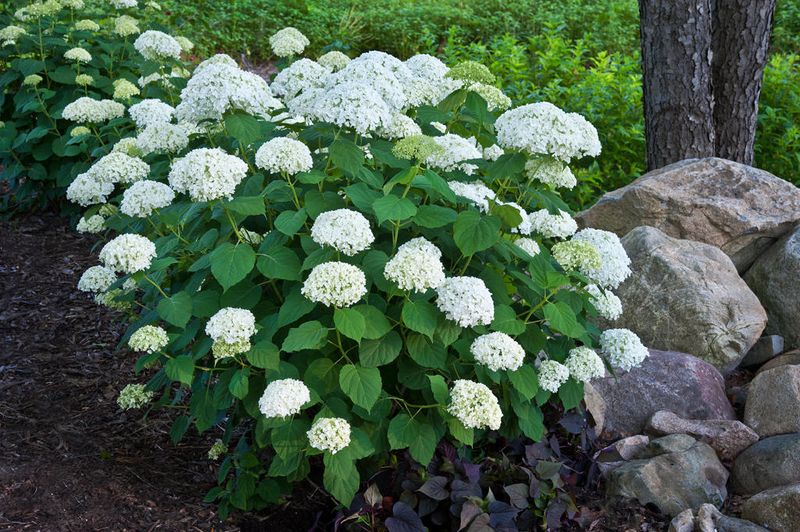
Snowball-sized white blooms up to twelve inches across make ‘Annabelle’ the hydrangea your grandmother probably grew by the porch. Smooth hydrangea is native to the eastern United States, and wild plants grow on shady Ohio hillsides.
Flowers form on new wood each spring, so harsh winters and late frosts barely matter to this shrub. You could cut every stem to the ground in March and still enjoy a full show by July.
Personally, I love how forgiving it is about heavy clay, which describes a lot of backyards around here. Rich soil with steady moisture keeps the leaves perky and the flower heads big during hot weather.
Partial shade suits it best, though full sun works fine when you keep the hose handy. Afternoon shade helps reduce midday wilting on those sticky days when temperatures climb into the nineties.
Older ‘Annabelle’ stems sometimes flop after a heavy rain because the flower heads soak up water like sponges. ‘Incrediball’ was bred with thicker stems, so it holds those giant blooms upright much more reliably.
Pruning is simple, since cutting last year’s growth back by about one third encourages strong fresh stems. Do this in late winter or early spring, before new leaves begin pushing out from the base.
Bees and butterflies visit the lacy flowers, and dried heads add winter texture if you leave them standing. Swapping a fussy bigleaf type for this native workhorse might be the easiest upgrade you make this year.
2. Panicle Hydrangea
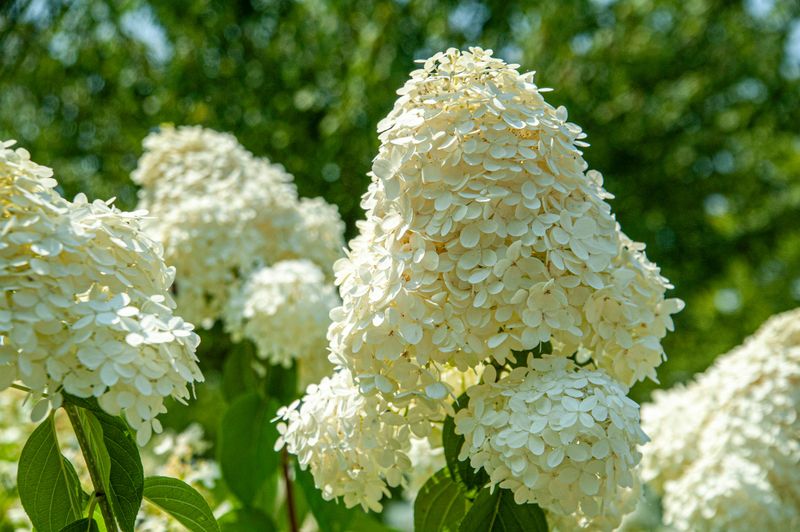
Cone-shaped flower clusters on ‘Limelight’ open a cool lime green, then blush pink as fall nights turn crisp. Watching that color shift each autumn feels a bit like having two different shrubs in one spot.
Panicle hydrangea handles cold down to zone 3, covering every corner of the Buckeye State easily. It blooms on new wood, so a surprise April freeze rarely costs you a single summer flower.
Unlike its moody cousins, this species actually enjoys sun and performs best with six or more hours daily. A little afternoon shade can help in hotter spots, but most northern gardens need full sun here.
Soil pH does not change the flower color, so you can skip the aluminum sulfate and coffee grounds. Clay and sandy ground both work, as long as water drains away after a heavy summer storm.
Established plants tolerate dry spells better than most hydrangeas, yet steady moisture still produces the biggest panicles. A spring layer of mulch protects shallow roots and keeps the soil from drying out too quickly.
Late winter is prime pruning time, and you can safely remove up to half of the previous growth. Cutting back encourages sturdy stems that hold heavy flower heads without bending toward the lawn after rain.
‘Quick Fire’ blooms several weeks earlier than ‘Limelight’ and turns deep rosy red by late summer. Planting both gives you a relay of color that stretches from midsummer right through the first frosts.
3. Rose Of Sharon
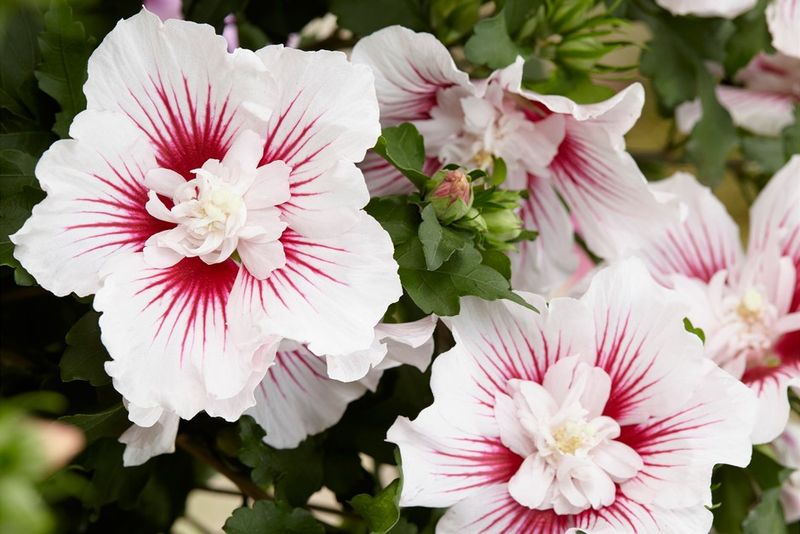
Late summer usually belongs to tired gardens, yet rose of Sharon saves its biggest show for August. Trumpet-shaped flowers in pink, purple, white, or red open daily while most shrubs have already called it quits.
Each blossom lasts only about a day, but new buds keep coming for many weeks in a row. I like how hummingbirds and bumblebees both seem to treat the shrub like a busy roadside diner.
Hardy in zones 5 through 9, it shrugs off humid summers and short dry stretches with little fuss. Give it at least six hours of direct sun, because shade leads to floppy branches and fewer flowers.
You need to know one catch before buying, since older varieties drop seeds that sprout all over the yard. Some regions consider those wandering seedlings a weedy problem, so choose your plant with real care.
Look for low-seed cultivars like ‘Azurri Blue Satin’ or the Chiffon series, which produce far fewer seedlings. Pulling any volunteers while they are small takes seconds and keeps nearby woods and fields protected.
Flowers form on new wood, so prune in late winter or early spring before leaves appear. Trimming back the previous year’s stems encourages extra branching, which often means more flower buds overall.
Rose of Sharon also leafs out late in spring, so please be patient before assuming something went wrong. Most plants look like bare bundles of sticks until mid-May, then suddenly burst into fresh green growth.
4. Dwarf Bush Honeysuckle
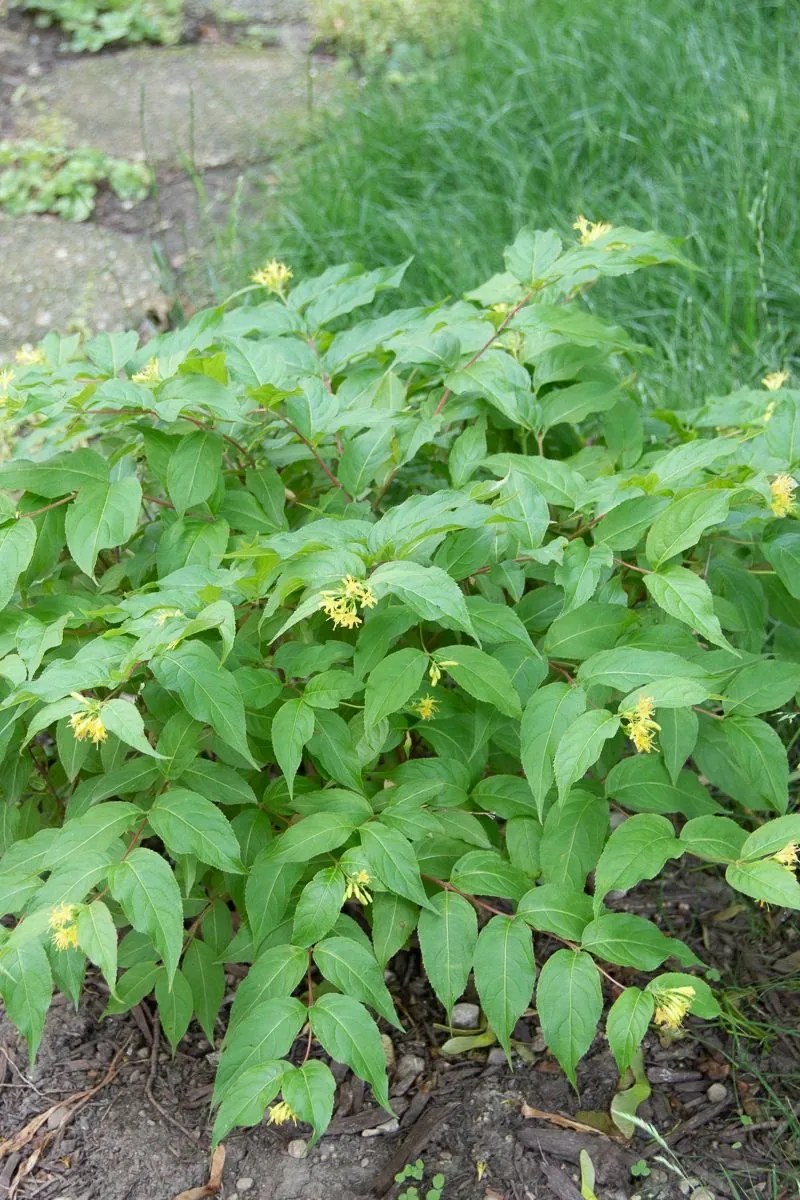
Hardly anyone notices this shrub at garden centers, which is a shame because it blooms through July heat. Dwarf bush honeysuckle produces clusters of small yellow trumpet flowers that hungry bumblebees seem unable to resist.
Please do not confuse it with the invasive Asian bush honeysuckles that crowd woodlands across the Midwest. Diervilla lonicera is a native North American shrub, and it belongs in a different genus altogether.
Most plants stay about three feet tall and spread by underground runners into a tidy, low thicket. That habit makes it handy for slopes, where roots help hold soil in place during heavy rains.
Flowers appear on the current season’s growth, so spring frosts rarely interfere with the summer display. Blooms usually start in early summer and often continue in smaller flushes as fresh shoots develop.
Full sun brings the best flowering, though it handles partial shade under taller trees surprisingly well. Dry, rocky soil does not bother it much once roots settle in after the first year.
Fall color adds another bonus, with leaves turning warm shades of orange and deep burgundy as nights cool. Cultivars like ‘Kodiak Orange’ were selected for even brighter foliage, which shows up well against evergreens.
Pruning is easy in late winter, when you can cut older stems back to refresh the plant. I believe this underused native deserves a front-row spot in more yards, especially where hydrangeas sulked.
5. Arrowwood Viburnum
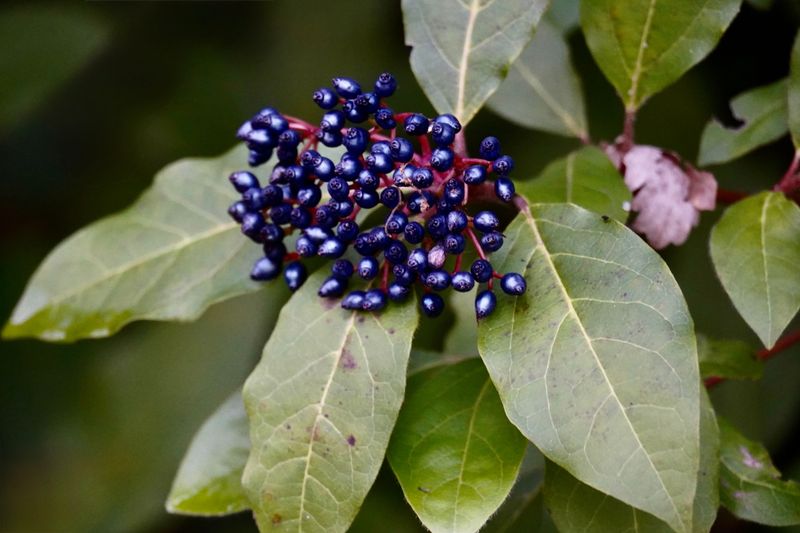
Native Americans reportedly used the straight young stems of this shrub for arrow shafts, hence its memorable name. Arrowwood viburnum still earns its keep today with flat creamy white flower clusters every late spring.
Those blooms give way to blue-black berries that hungry songbirds gobble up quickly in early fall. ‘Blue Muffin’ is a compact cultivar known for especially bright blue fruit on a smaller frame.
For heavier berry crops, plant a second arrowwood nearby, since cross-pollination between different plants helps fruit set. A neighbor’s unrelated arrowwood growing within shouting distance can sometimes do the job just as well.
Hardy in zones 3 through 8, this native handles harsh winters without losing its flower buds very often. It grows happily in full sun or partial shade, which gives you plenty of placement options.
Clay soil common around Columbus and Cleveland rarely slows it down, though decent drainage keeps roots healthiest. Once established, it tolerates dry spells better than many flowering shrubs you see at big box stores.
Glossy toothed leaves often turn rich red or purple in autumn, giving the shrub a second season of glory. Deer usually pass it by, which counts as a small miracle in many wooded suburban neighborhoods.
Keep an eye out for viburnum leaf beetle, a pest that chews leaves into lace in some areas. Pruning infested twig tips in winter removes egg sites and helps reduce damage the following spring.
6. Summersweet
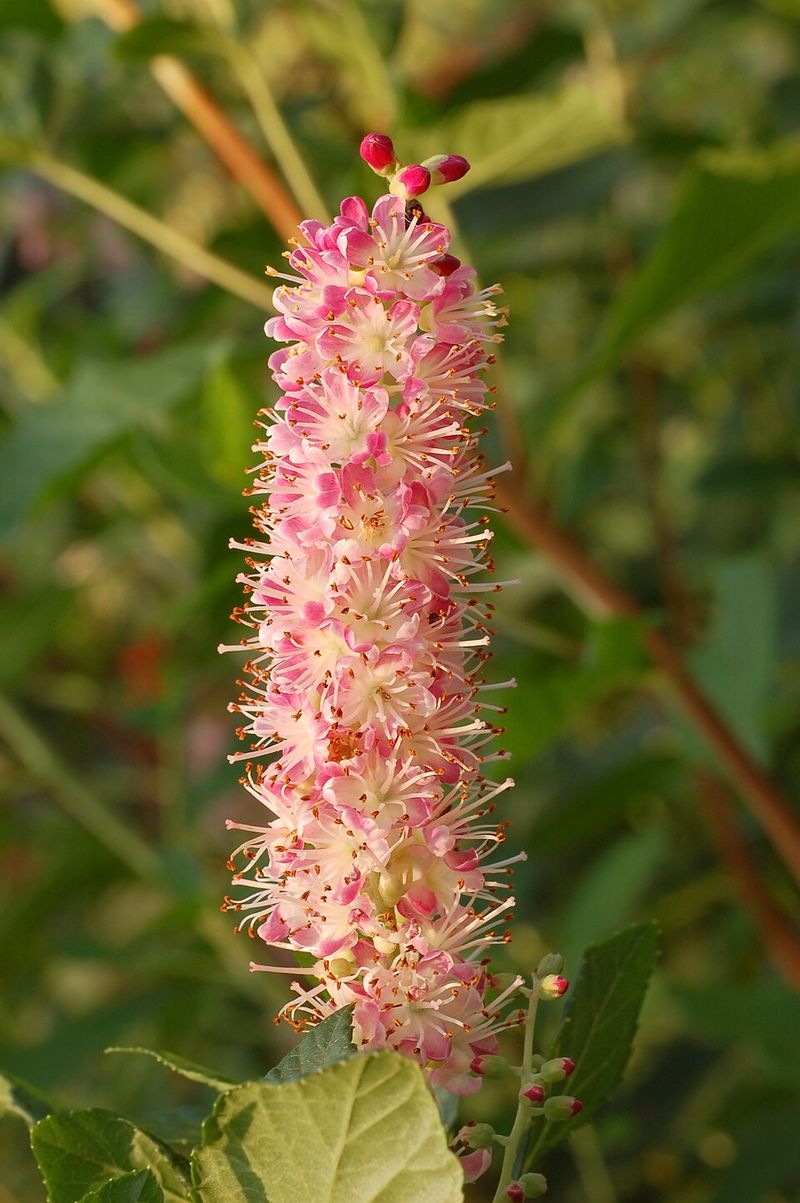
Walk past a blooming summersweet in late July, and the spicy-sweet perfume might stop you mid-stride. Bottlebrush spikes of white or pale pink flowers cover the shrub just as many other plants fade.
Clethra alnifolia is native to the eastern United States and handles winters in zones 3 through 9. Blooms open on new wood each year, so a cold snowy spring rarely affects the summer show.
What surprises me most is how many pollinators crowd the flowers at once on a sunny afternoon. Butterflies and bees arrive in waves, and hummingbirds sometimes stop by for a quick sip too.
Damp spots are where this shrub truly shines, so think rain gardens, pond edges, or low corners. Slightly acidic soil that stays moist keeps it happiest, while long droughts can stress the leaves badly.
Partial shade works beautifully, but full sun is fine when the soil does not dry out. Water deeply during summer dry spells, especially the first couple of growing seasons after planting it.
‘Hummingbird’ is a compact cultivar that stays around three or four feet, perfect for smaller beds. Plants can spread slowly by suckers, so give them a little elbow room to form a colony.
Fall brings golden-yellow leaves that glow nicely against dark evergreens before dropping away for the winter. Light pruning in late winter keeps the shape tidy without sacrificing any of next summer’s fragrant flowers.
7. Ninebark
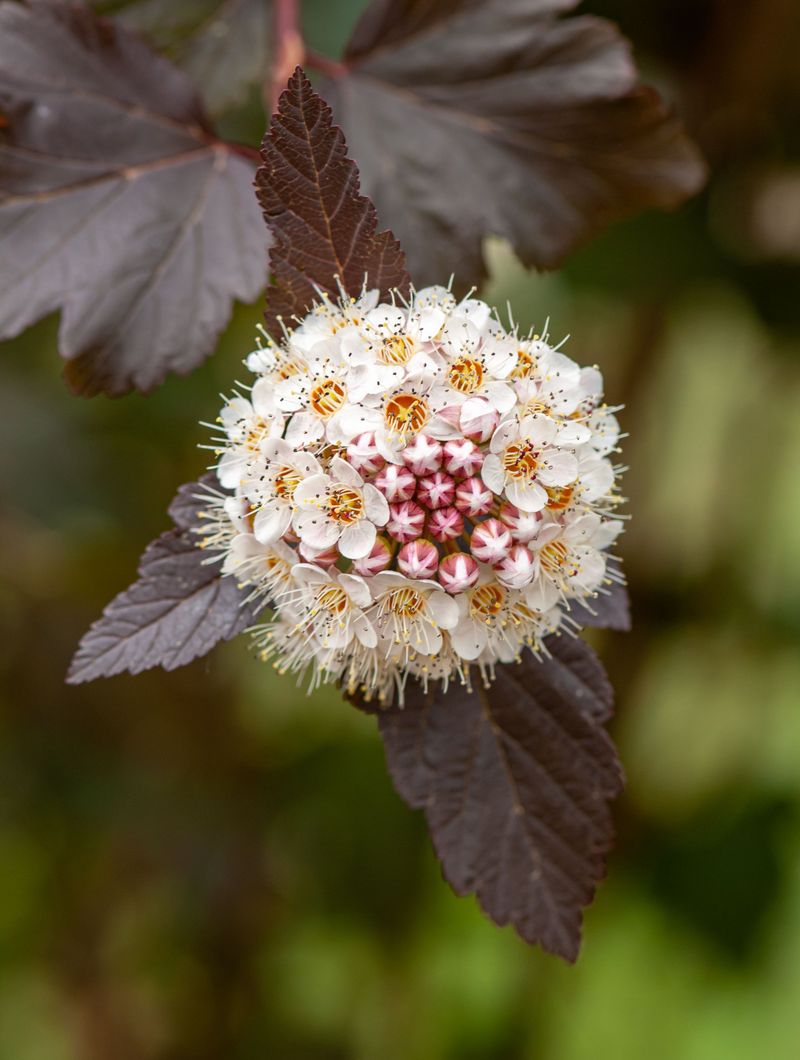
Peeling bark that flakes off in papery strips gives this tough native its quirky name and winter charm. Folklore claims each stem has nine layers of bark, though nobody seems to have proved it.
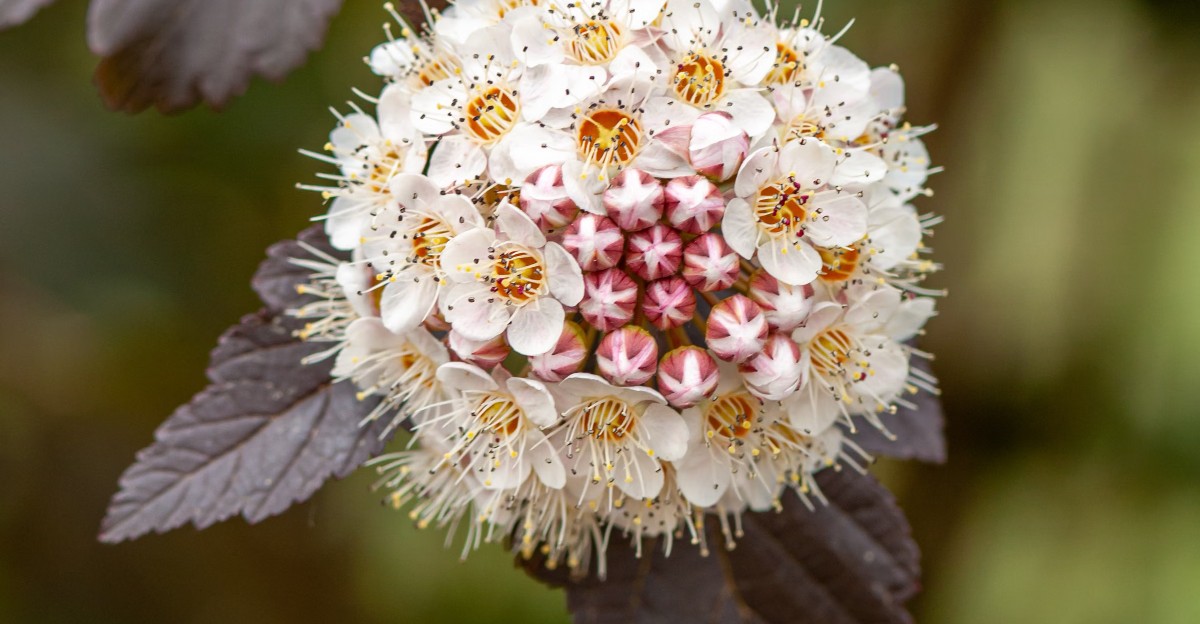
Physocarpus opulifolius is native to Ohio and handles winters down to zone 2 with no complaints. Fluffy clusters of white or pale pink flowers appear in late spring, usually around May and June.
Purple-leaved cultivars like ‘Diabolo’ make the pale flowers really pop against dark, nearly black foliage. ‘Center Glow’ adds golden new growth that slowly deepens to burgundy, which looks fantastic beside green shrubs.
Flowers form on last year’s stems, but this hardy shrub rarely loses its buds to cold weather. That makes it a safer bet than bigleaf hydrangeas, which often sacrifice buds to April freezes.
Sun or shade, clay or sand, ninebark adapts to nearly any spot you hand it. Full sun produces the richest leaf color and heaviest bloom, while deep shade turns purple types greener.
Prune right after flowering, since winter cuts remove the buds that would have opened that same spring. Every few years, take a few of the oldest stems to the ground to refresh the shrub.
Powdery mildew sometimes dusts the leaves in humid summers, so give plants decent airflow between neighbors. Reddish seed capsules follow the flowers and provide another round of interest well into the autumn months.
8. Purple Coneflower
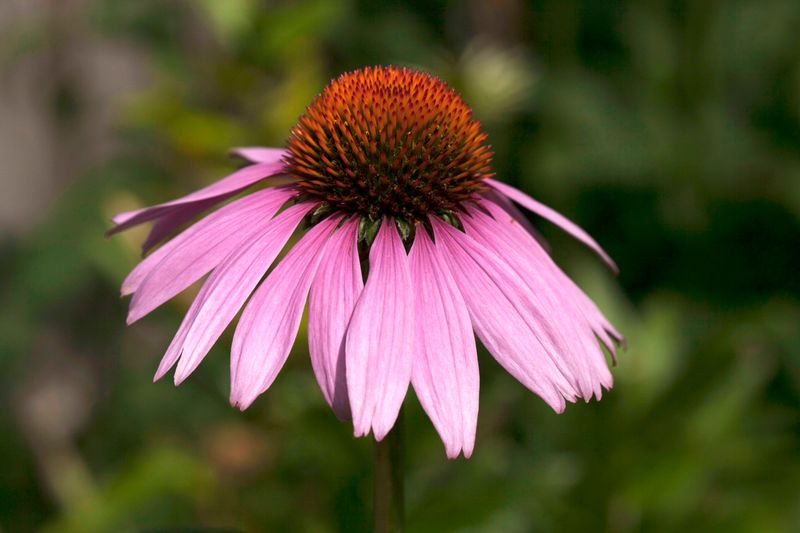
Goldfinches perch on coneflower seed heads in fall and pluck out seeds like kids raiding a candy jar. Echinacea purpurea feeds pollinators first, then turns into a winter bird feeder you do not have to fill.
Native to eastern and central North America, it thrives in zones 3 through 9 across the region. Pink-purple petals droop gently around a spiky orange-brown cone, blooming from midsummer well into early fall.
Six or more hours of sun keeps the stems strong and the flowers coming steadily all season. Well-drained soil matters more than richness, since soggy roots cause far more trouble than lean ground.
Once established, coneflowers handle drought like champs and rarely need extra water except during long hot spells. Skip the heavy fertilizer, because too much feeding often produces floppy stems and noticeably fewer blooms overall.
Snipping spent flowers early in the season encourages more buds to form on the side branches below. Later in summer, I like to leave the faded heads standing for birds and winter texture.
Fancy hybrids in sunset orange and lipstick red look tempting, though many are shorter-lived than the straight species. For reliable return performance, the classic purple form or ‘Magnus’ usually comes back strongest year after year.
Clumps can be divided every few years in spring if the center starts thinning out. Pair them with ornamental grasses for a prairie look that practically takes care of itself all summer.
9. Black-Eyed Susan
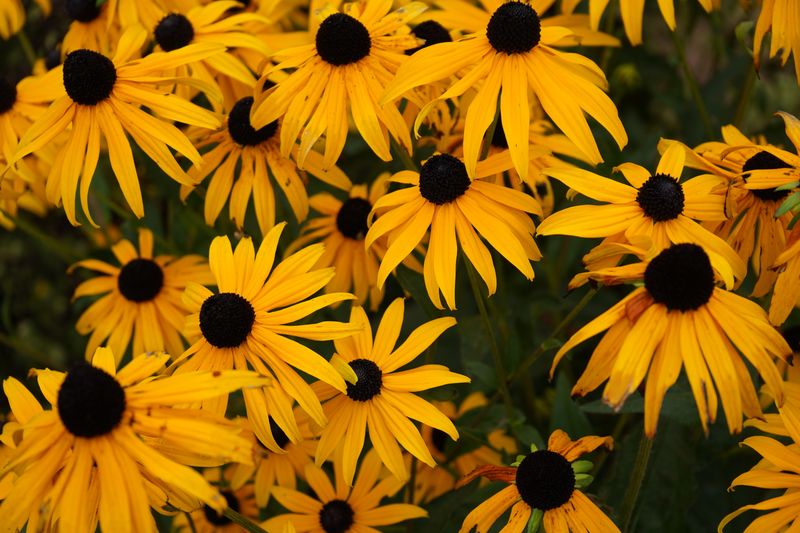
Bright golden petals circling a chocolate-brown center make black-eyed Susan one of the happiest faces in any garden. Rudbeckia hirta is the Maryland state flower, yet it feels right at home across Ohio summers too.
It often blooms from June into October, outlasting plenty of shrubs that cost five times as much. Butterflies sip from the flowers, and finches pick at the seed heads once petals fall away.
You’re in for a big surprise if you expect it to stay put, because seedlings pop up nearby. Rudbeckia hirta often behaves as a biennial or short-lived perennial, so reseeding keeps the patch going.
That habit is natural spreading, not invasiveness, and extra seedlings are easy to share with friends. Gardeners wanting a longer-lived clump often choose Rudbeckia fulgida ‘Goldsturm’, a close cousin that spreads by roots instead.
Full sun brings the heaviest bloom, though partial shade still produces a respectable show of color. Heavy clay soil does not scare it, which makes it a natural fit for many Ohio yards.
Water new plants regularly the first season, then let established clumps handle dry spells mostly on their own. Snipping faded flowers encourages more buds, but leave a few if you want seedlings next year.
Divide crowded clumps every three or four years in spring to keep plants vigorous and blooming well. After a few frustrating hydrangea summers, I find these cheerful daisies a genuine relief to grow.