The Vegetable Watering Schedule That Helps Texas Gardens Thrive
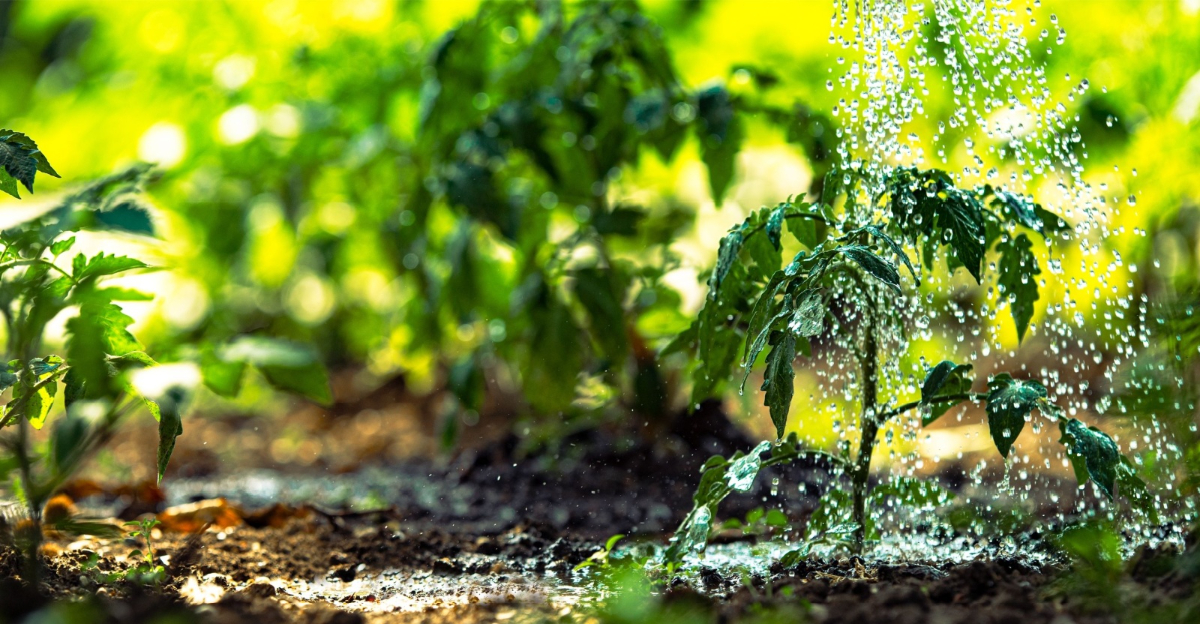
Watering vegetables in Texas can make even confident gardeners second-guess themselves. One day the soil seems fine, and by lunchtime it feels like the sun has turned your garden bed into toast.
Add in drying wind, spotty rain, and those classic Texas weather mood swings, and a simple watering routine starts looking a lot less simple. That is part of what makes Texas vegetable gardening so interesting.
Sandy soil can let moisture slip away quickly, while heavy clay can hang onto water longer than you expect. Raised beds and containers add another layer of fun, because they can dry out in a hurry when the heat turns serious.
Yes, your tomatoes may act dramatic about it. The real trick is understanding that not every vegetable wants the same routine.
Root depth, crop type, soil, and recent rainfall all shape what makes sense. Once you start reading those clues, watering gets a whole lot easier and your garden feels much less like a guessing game.
1. Deep Watering Helps Texas Vegetable Gardens Start Strong
Soil that dries out quickly is one of the first challenges Texas gardeners face when starting a vegetable bed.
When water only reaches the top inch or two of soil, roots tend to stay shallow, which leaves plants more vulnerable during the hottest parts of a Texas summer.
Watering deeply encourages roots to grow further down into the soil where moisture sticks around longer.
A slow, steady application of water works much better than a quick sprinkle.
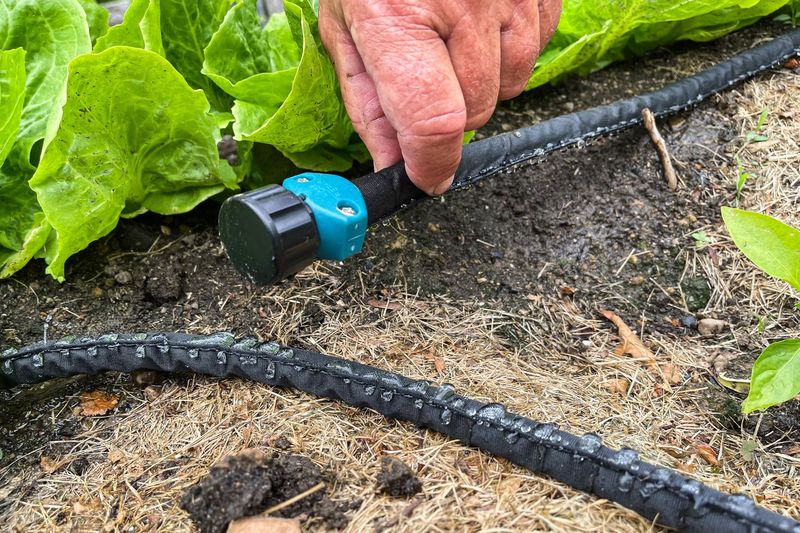
Soaker hoses and drip irrigation are especially useful tools in Texas vegetable gardens because they deliver water right at the base of the plant without wetting the leaves, which can help reduce fungal issues during humid periods.
Aim to wet the soil at least six to eight inches deep during each watering session.
One simple way to check whether water reached deep enough is to push a wooden dowel or a screwdriver into the soil after watering. It should slide easily through moist soil and stop or resist when it hits dry ground.
Checking moisture depth a few times each season helps gardeners get a better feel for how long to run their irrigation.
In Texas heat, starting with deep watering habits from the beginning gives vegetable plants a much stronger foundation to work from as temperatures climb.
2. Leafy Greens And Shallow Roots Need Closer Checks
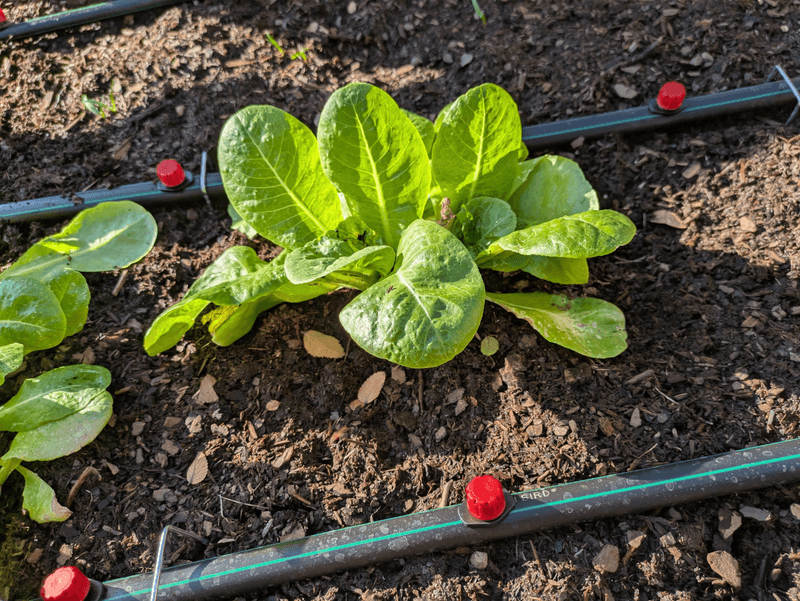
Lettuce, spinach, arugula, and other leafy greens are some of the most rewarding vegetables to grow in a Texas garden during cooler months, but they come with a catch.
Their roots stay fairly close to the surface, usually within the top four to six inches of soil, which means that surface layer needs to stay consistently moist without becoming waterlogged.
Because the upper few inches of soil dry out faster than deeper layers, especially in Texas wind and afternoon sun, leafy greens may need watering more frequently than other crops.
During warm spring days or an unexpected warm spell in fall, checking soil moisture every day or two is a reasonable habit.
Your Texas Garden Changes Every Week. Your Plan Should Too.
Gardening in Texas changes quickly throughout the season. Every Friday you’ll receive a simple weekly plan showing exactly what to plant, prune, fertilize, harvest, and protect so you never miss the right timing.
Sticking a finger about an inch into the soil is still one of the most reliable low-tech tools a gardener has.
Wilting in the morning is usually a sign that the plant is genuinely short on water, while wilting only in the afternoon heat can sometimes be a temporary stress response rather than a sign of dry soil.
Mulching around leafy greens helps slow down evaporation and keeps the root zone cooler on warmer Texas days.
A thin layer of straw or shredded leaves around the base of plants can make a noticeable difference in how often watering is needed throughout the growing season.
3. Heavy-Drinking Vegetables Need More Consistent Moisture
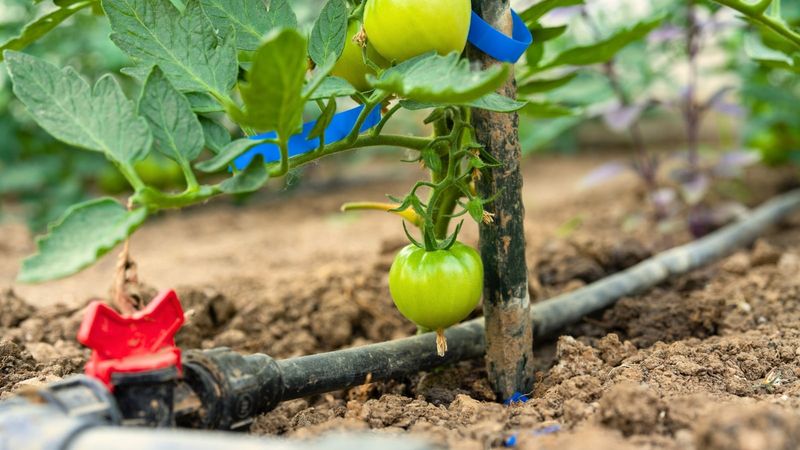
Tomatoes, cucumbers, squash, and peppers are among the most popular vegetables in Texas gardens, and they also happen to be some of the thirstiest.
These crops produce a lot of fruit, which requires a steady supply of water to support growth from flowering all the way through harvest.
Inconsistent watering during this stage can lead to frustrating problems like blossom drop, cracked tomatoes, or bitter cucumbers.
During the peak of a Texas summer, tomatoes and cucumbers in garden beds may need watering every two to three days, depending on soil type, mulch coverage, and recent rainfall.
In raised beds or containers, that schedule can shift to daily watering during extreme heat stretches.
The goal is to keep moisture available in the root zone without letting the soil swing between soaking wet and bone dry.
Drip irrigation on a timer is a practical solution for gardeners who want to keep these heavy drinkers well-hydrated without standing in the garden every morning.
Mulching generously around the base of these plants can reduce how often watering is needed while also protecting the soil from direct sun.
Watching the lower leaves for early signs of stress, such as slight curling or a dull grayish-green color, can help catch moisture shortfalls before they affect fruit quality or overall plant health in your Texas garden.
4. Moderate Water Users Benefit From Even Moisture
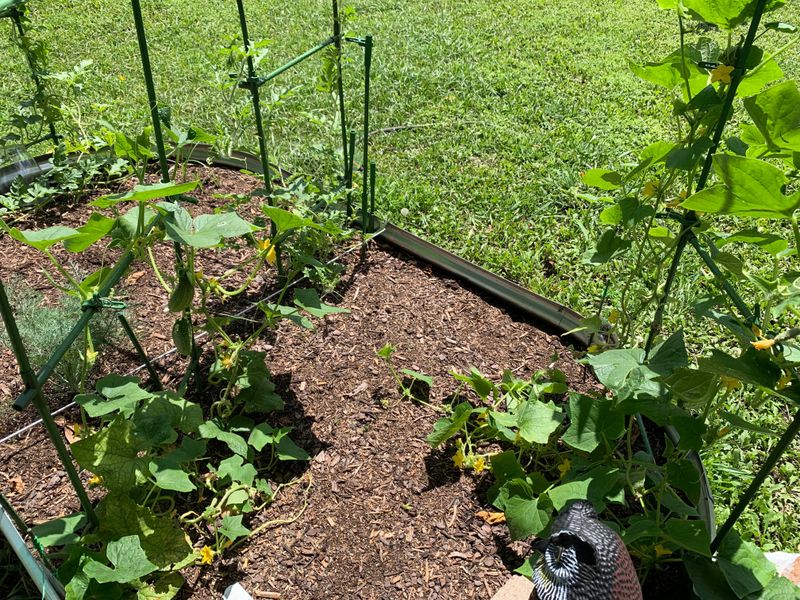
Green beans, sweet corn, and summer squash sit somewhere in the middle of the watering spectrum. They need a reliable moisture supply, but they are somewhat more forgiving than tomatoes or cucumbers when conditions shift slightly.
Still, in Texas heat, even moderate water users can feel the pressure of dry spells more quickly than gardeners expect.
For most of these crops, watering deeply every three to four days during warm weather tends to work well in garden beds with decent soil and a layer of mulch.
The key is keeping the root zone consistently moist rather than alternating between very wet and very dry conditions.
Corn in particular benefits from steady moisture during its tasseling and silking stage, when water stress can reduce how well kernels fill out on the ear.
Green beans tend to show their displeasure with inconsistent moisture through yellowing leaves or pods that feel tough and stringy at harvest.
Checking the soil about two inches down before reaching for the hose is a reliable way to avoid both overwatering and underwatering.
In Texas gardens where afternoon temperatures regularly climb past 95 degrees, even moderate water users may need attention more often during a heat wave.
Adjusting the schedule based on what the soil and plants are telling you is more useful than sticking rigidly to a fixed calendar routine.
5. Deep-Rooted Vegetables Can Handle Longer Gaps
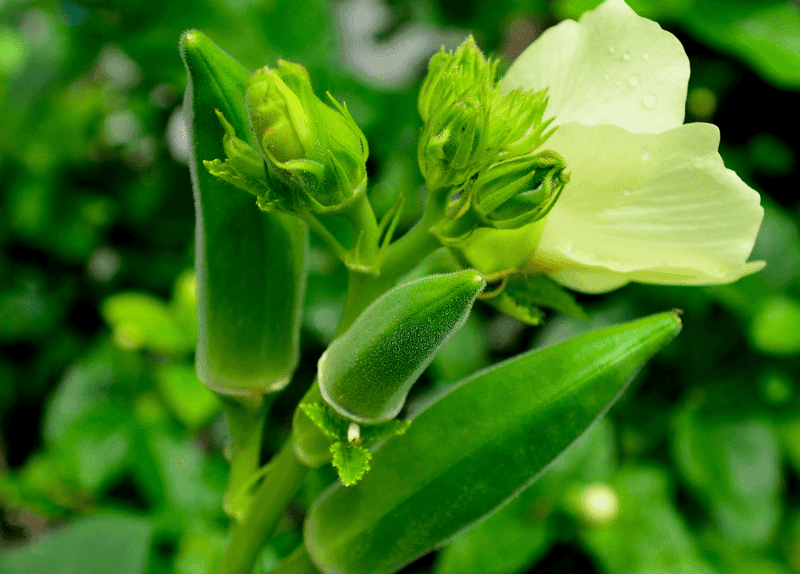
Okra and sweet potatoes have something in common that makes them especially well-suited for Texas gardens: both develop deep, extensive root systems that can reach moisture stored well below the surface.
Once these plants are established, they can handle longer gaps between watering sessions than shallow-rooted crops without showing significant stress.
Okra is a standout performer in hot Texas summers, and many gardeners find it needs watering only once or twice a week once the plants are a foot or more tall.
Sweet potatoes, grown for their starchy roots rather than fruit, also manage reasonably well during dry stretches after they settle in.
That said, even deep-rooted crops benefit from consistent moisture during their earliest weeks in the ground when roots are still developing.
Gardeners should still pay attention during extended dry spells lasting more than a week, especially if temperatures are unusually high or if the Texas garden is situated in a spot with full sun exposure all day.
Mulching helps these plants stretch the time between waterings by slowing evaporation from the soil surface.
A two to three inch layer of organic mulch around the base of okra or sweet potato plants can meaningfully reduce how often irrigation is needed. Watering deeply but less frequently works well for these crops and encourages roots to keep reaching downward.
6. Sandy Texas Soil Can Speed Up Watering Needs
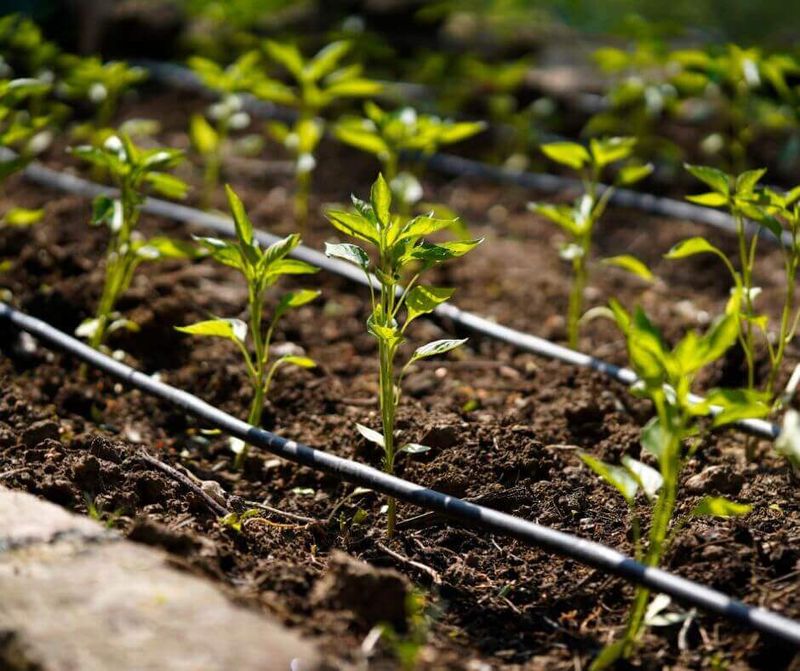
Sandy soil drains quickly, which sounds like a benefit until you realize that water can pass right through the root zone before plants have a chance to absorb much of it.
In parts of East Texas and other regions with sandier soils, this fast drainage means vegetable gardens may need watering more frequently than the same crops growing in loamy or clay-heavy soil elsewhere in the state.
One of the most effective ways to slow down water loss in sandy Texas soil is to work organic matter into the beds over time.
Compost added each season gradually improves the soil’s ability to hold moisture, which reduces how often the garden needs irrigation.
Even a modest improvement in water retention can make a meaningful difference during a dry Texas summer.
Mulching heavily over sandy soil is another practical strategy that pays off quickly. A thick layer of straw, wood chips, or shredded leaves on top of the soil slows evaporation and helps keep the root zone cooler through the hottest parts of the day.
Gardeners working with sandy soil should check moisture levels more often than they might expect, especially during windy days when surface evaporation increases.
Drip irrigation or soaker hoses are particularly helpful in these conditions because they deliver water slowly, giving it more time to soak into the root zone rather than running off or draining away too fast.
7. Raised Beds And Containers Need Faster Watering Checks
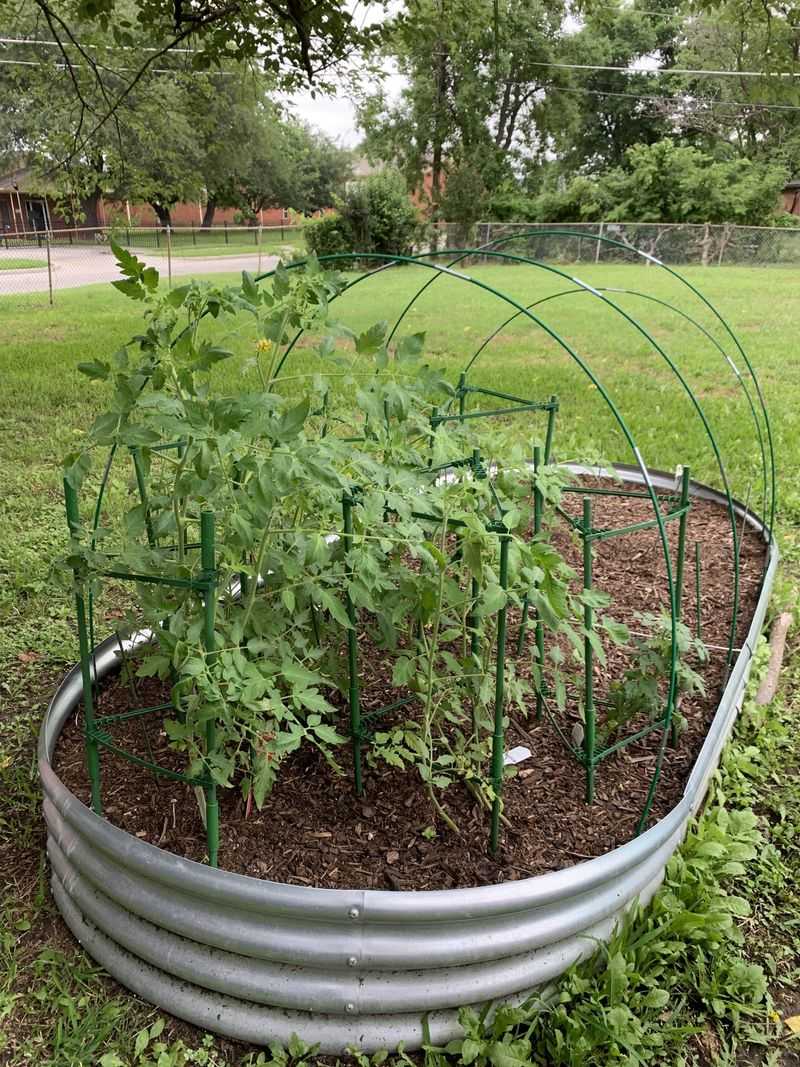
Raised beds and containers are popular choices for Texas vegetable gardeners because they offer better drainage and easier weed control, but that same drainage comes with a tradeoff.
The soil volume in a raised bed or container is much smaller than an in-ground garden, and it is exposed to heat and air on multiple sides, which means moisture evaporates faster than most gardeners initially expect.
During the peak of a Texas summer, a container-grown tomato or pepper may need watering every single day, sometimes even twice a day in small pots sitting in full sun.
Raised beds usually dry out a bit more slowly than containers, but they still need closer attention than in-ground beds, particularly if they are filled with a light, well-draining potting mix rather than native soil.
Checking the top inch or two of soil daily is a smart habit for anyone growing vegetables in raised beds or containers in Texas. Lifting a container to feel its weight is a quick way to gauge moisture without digging around in the soil.
Lightweight containers dry out faster than heavier ones, and dark-colored pots absorb more heat and speed up moisture loss.
Adding a layer of mulch to the surface of raised beds and large containers helps slow evaporation considerably, reducing how often the gardener needs to reach for the watering can during long, hot Texas summers.
8. Rainfall Should Change Your Watering Schedule
After a good rain, many Texas gardeners make the mistake of watering on their usual schedule without checking whether the soil actually needs it.
Overwatering after rainfall is a common issue that can stress roots just as much as drought, especially in heavier clay soils where water may already be sitting in the lower profile for several days after a storm.
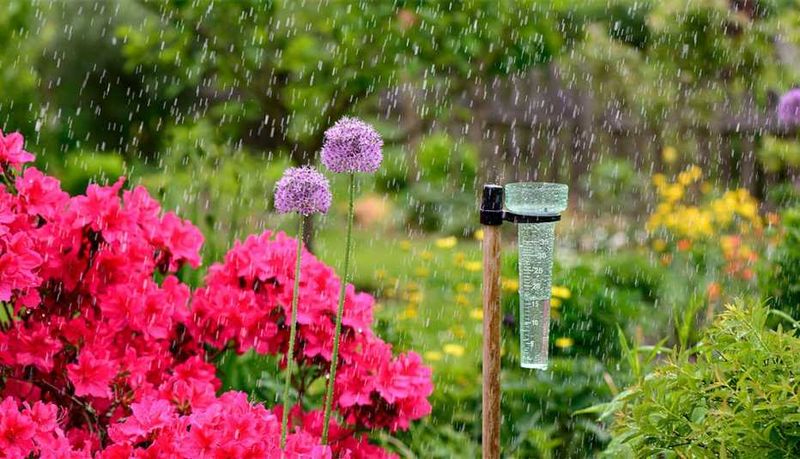
A simple rain gauge placed near the vegetable garden is one of the most useful tools a Texas gardener can own.
It removes the guesswork about how much rain actually fell on the garden, since rainfall can vary significantly even within the same neighborhood during a Texas thunderstorm.
If the garden received at least an inch of rain, most vegetable crops will not need supplemental watering for a few days, depending on temperature, wind, and soil type.
Checking the soil before watering after any rainfall event is a habit that saves both water and plant health. Pushing a finger two inches into the soil gives a fast, reliable read on whether moisture is still available in the root zone.
Texas rainfall patterns tend to be feast-or-famine through much of the year, with long dry stretches broken by intense rain events.
Adjusting the watering schedule fluidly based on what rain has delivered, rather than following a rigid routine, leads to healthier vegetables and a more productive garden through every season.