Why Ohio Tomatoes Taste Better When You Do This In August
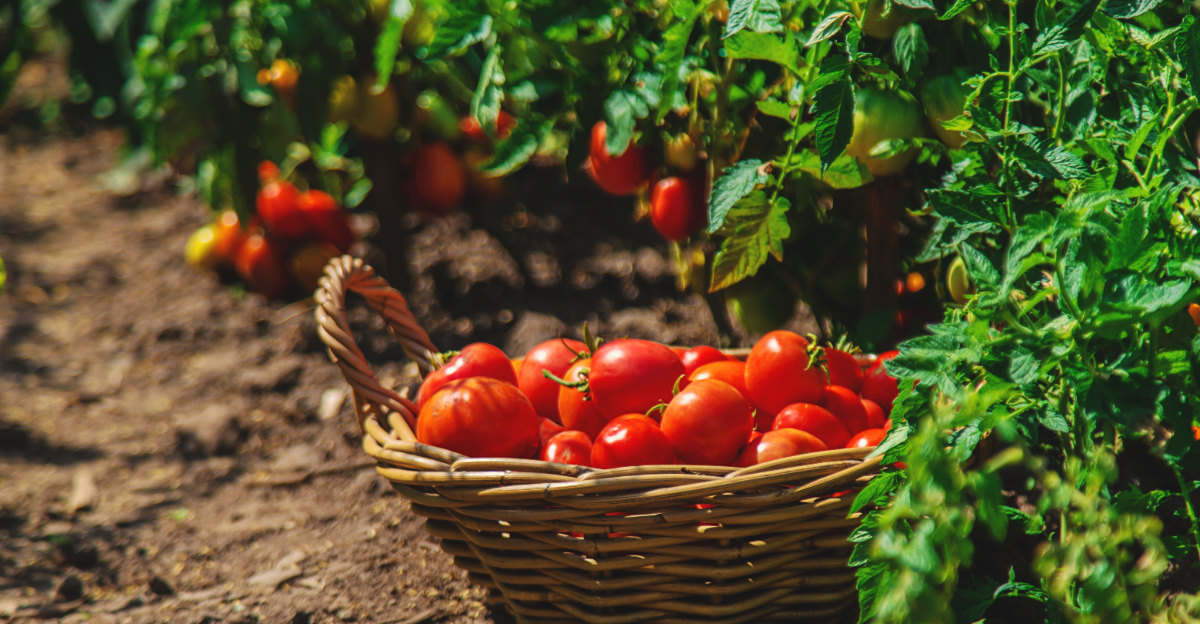
There’s a moment in late August when Ohio tomatoes stop tasting like tomatoes and start tasting like something closer to candy. Sweet, dense, almost jam-like in a way store-bought fruit never quite reaches.
Most gardeners chalk this up to luck, good soil, or the right seed packet. But there’s one specific habit separating the growers who get this flavor from the ones who don’t.
It has nothing to do with fertilizer or sunlight. It comes down to what happens at the base of the plant once the August heat settles in, a small shift in routine most people rarely think to try.
If you’re growing tomatoes in Ohio and skipping this step right now, you’re leaving a serious amount of flavor behind on the vine.
Cutting Back Watering In Late August Concentrates Sugar In The Fruit
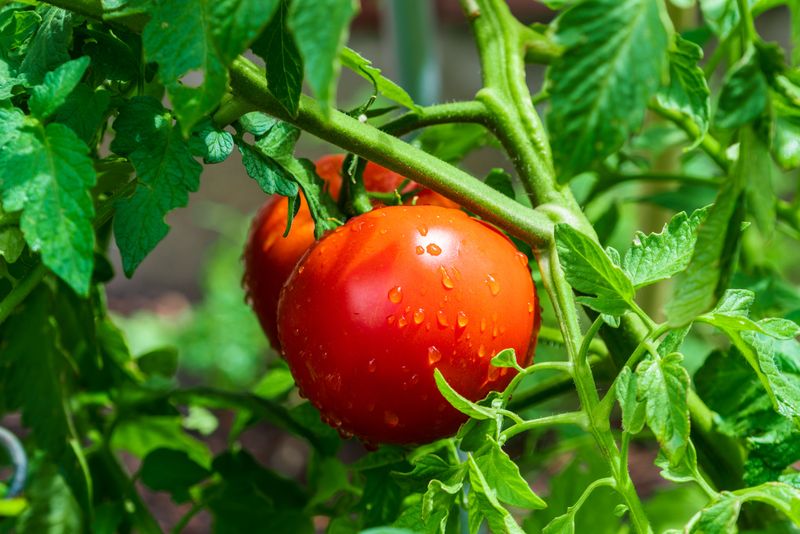
Sweet, sun-warmed tomatoes do not happen by accident. Pulling back on watering in late August makes a measurable difference, and the science behind it is surprisingly simple.
When a tomato plant gets less water, it redirects its energy toward what already matters most. The plant stops pushing energy into new growth and starts pouring everything into the fruit already on the vine.
That shift concentrates natural sugars inside each tomato. The result is a denser, richer flavor that watered-down fruit just cannot match.
Think of it like making a sauce on the stove. The longer it simmers and reduces, the deeper and more intense the flavor becomes.
Most Ohio gardeners water tomatoes every day or every other day through summer. In late August, you can stretch that to every three or four days instead.
The goal is mild, controlled stress on the plant. That gentle pressure signals the tomatoes to stop diluting their sugars with excess water. Cutting back water does not mean stopping it.
Gardeners in Ohio have a natural advantage here because late August often brings drier stretches of weather. You can lean into that natural dryness rather than fighting it with the hose.
Timing matters a lot with this trick. Start pulling back water when most of your tomatoes have already turned color and are in the final ripening stage.
This technique works best on full-size varieties like beefsteak or heirloom types. One small change in August can transform your harvest’s flavor.
Ohio’s Late-Summer Heat And Humidity Change Tomato Flavor
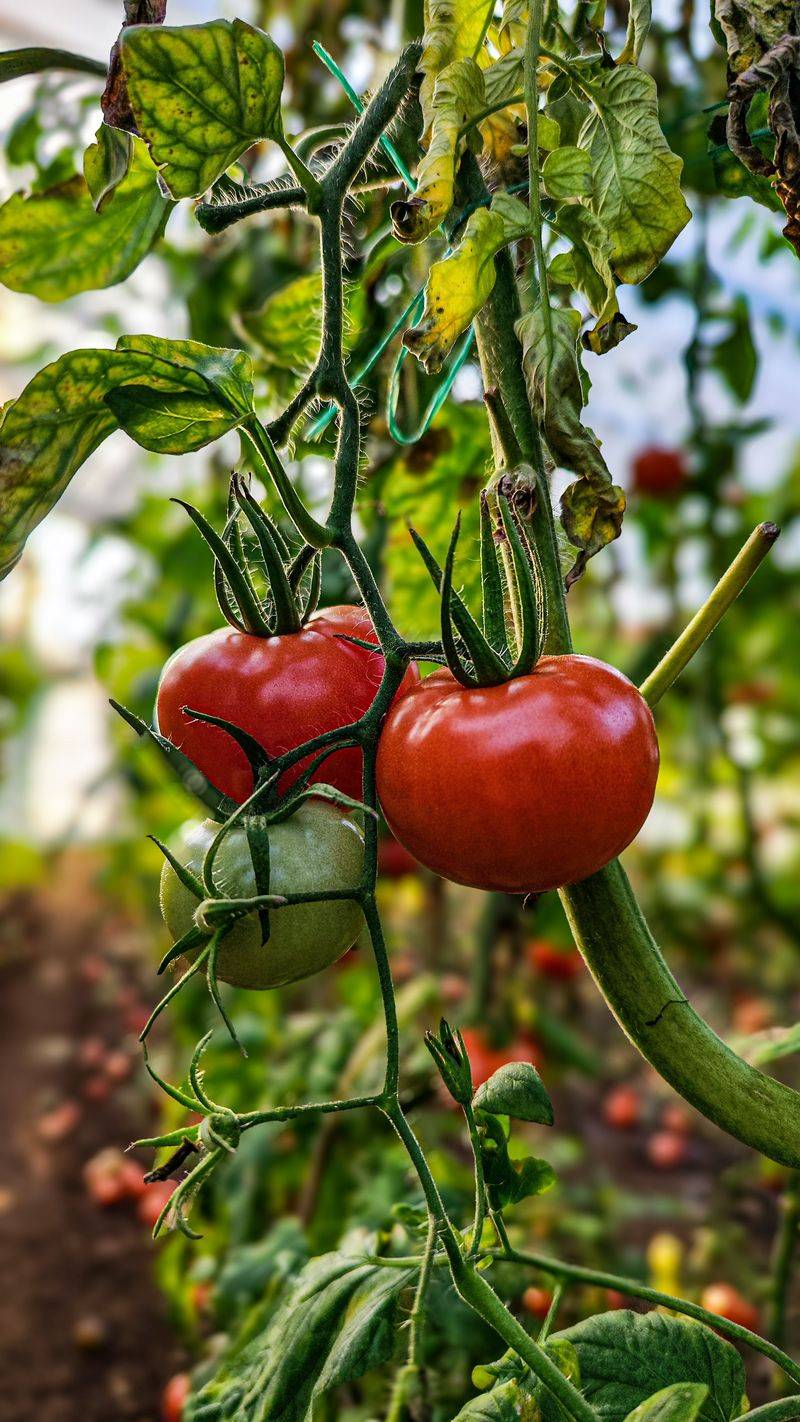
Ohio summers have a personality all their own. The air in late August gets thick, warm, and almost sticky in a way that actually benefits tomato flavor in a big way.
Tomatoes develop their best taste when nighttime temperatures stay above 60 degrees Fahrenheit. Ohio’s late summer regularly delivers exactly that kind of warmth.
Warm nights allow the fruit to keep ripening slowly and evenly. That slow ripening process builds up lycopene and natural sugars in layers, creating a more complex taste.
Part of the flavor advantage comes down to timing. The state sits in a sweet spot for summer heat, hot enough to push ripening but rarely severe enough to scorch the plants.
Your Ohio Garden Changes Every Week. Your Plan Should Too.
Gardening in Ohio changes quickly throughout the season. Every Friday you’ll receive a simple weekly plan showing exactly what to plant, prune, fertilize, harvest, and protect so you never miss the right timing.
Humidity plays a sneaky role too. When humidity is high, plants lose less moisture through their leaves, which helps them hold onto the water already inside the fruit.
That retained moisture keeps the tomato flesh tender and juicy. Pair that with concentrated sugars from reduced watering, and you get a tomato that is both rich and refreshing.
The humidity in Ohio also slows the skin from toughening too fast. Thin-skinned tomatoes burst with juice when you bite into them, which is part of what makes homegrown ones so satisfying.
Late-summer heat in Ohio also boosts something called ethylene production inside the fruit. Ethylene is the natural gas that triggers ripening and deepens color.
More ethylene means faster, fuller flavor development. Working with Ohio’s climate instead of against it is the real secret most gardeners rarely talk about.
The Right Amount Of Water Reduction Without Stressing The Plant
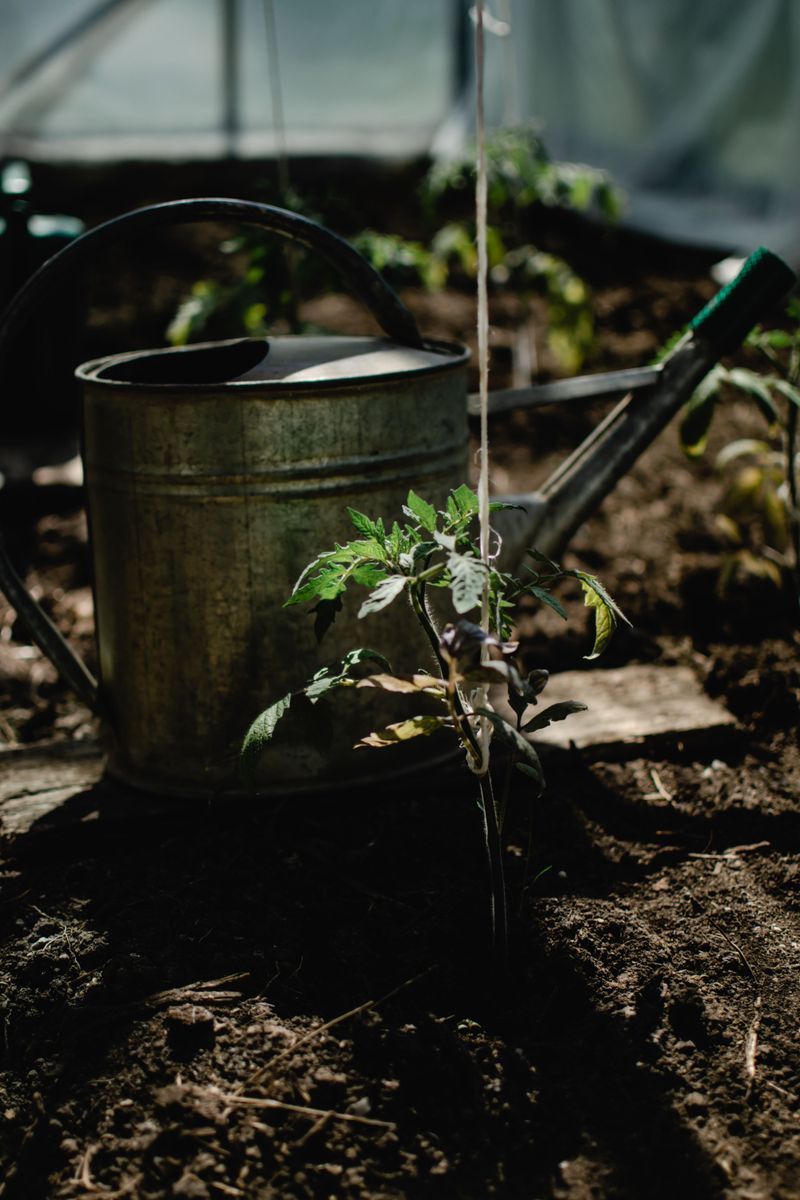
Finding the right balance is the part that trips most gardeners up. Too much water dilutes flavor, but too little water causes blossom end rot and cracked skin.
The sweet spot is reducing water noticeably from your normal summer schedule, without cutting it out entirely. That is a meaningful cut without pushing the plant into panic mode.
If you normally water every day, shift to every three days. If you water every two days, try stretching to every four or five days in late August.
Pay attention to the soil, not just the calendar. Stick your finger two inches into the ground near the base of the plant.
If the soil feels moist at that depth, hold off watering for another day. If it feels completely dry and the plant looks slightly droopy in the morning, go ahead and water.
Morning drooping that recovers by noon is normal mild stress. That is exactly the level of pressure you want to create deeper flavor.
Afternoon wilting that does not bounce back is a warning sign. At that point, give the plant a good drink to prevent permanent damage.
Drip irrigation makes this process much easier to control. A timer-based drip system lets you reduce output gradually without guessing.
Hand-watering works just as well if you stay consistent. The key is not having a rigid schedule but reading what the plant is telling you each morning.
Reducing water in a smart, gradual way protects your harvest while pushing flavor to its full potential. That careful balance is what separates good tomatoes from unforgettable ones.
Signs Your Tomatoes Are Ready For This Technique
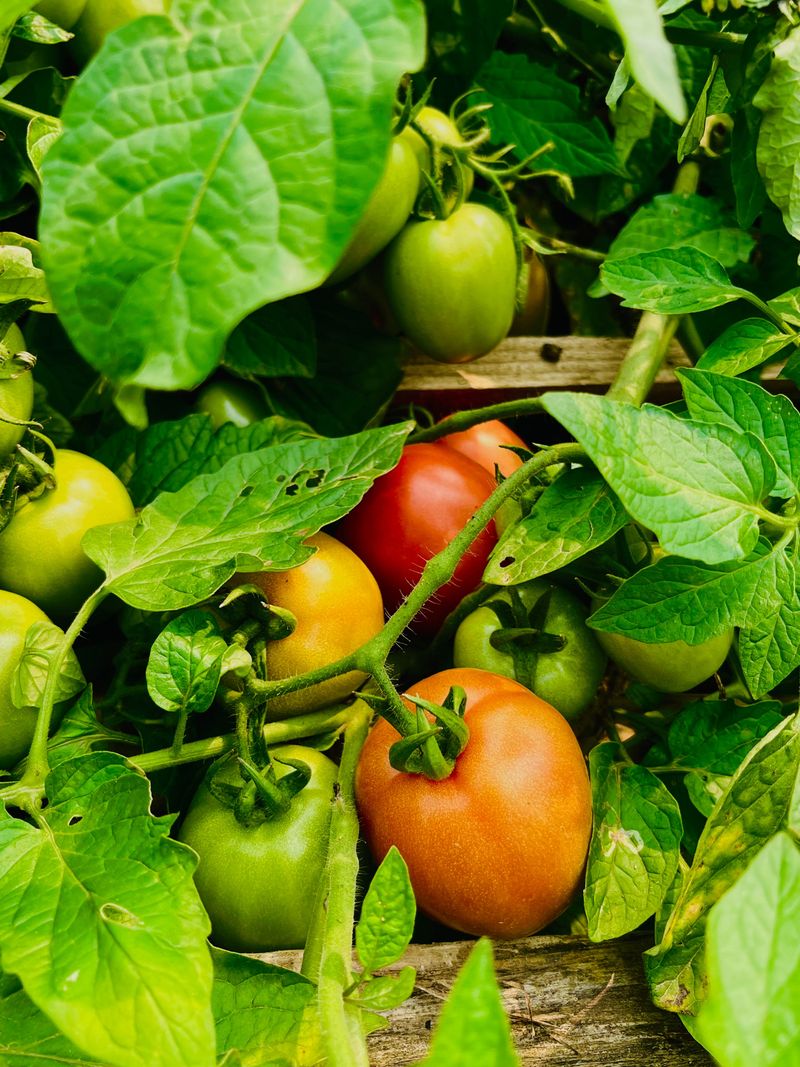
Not every tomato on your plant is ready for reduced watering at the same time. Jumping into this technique too early can shrink your fruit before it fully develops.
The best time to start cutting back water is when at least 70 percent of your tomatoes have begun changing color. That color break, from green to yellow, orange, or pink, is your green light.
At that stage, the fruit has already built most of its size. What it needs now is flavor concentration, not more bulk.
Look at the shoulder of the tomato, which is the area near the stem. When that top section starts losing its deep green and warming toward yellow, the fruit is entering its final ripening phase.
Another sign is a slight softening when you gently press the tomato. It should still feel mostly firm but with just a tiny bit of give.
Rock-hard tomatoes are not ready yet. Cutting water too early on hard green fruit stresses the plant without any flavor payoff.
Check your plant’s overall health before starting. Leaves should be mostly green with no signs of disease like brown spots or heavy yellowing on the lower stems.
A healthy plant can handle mild water stress gracefully. A struggling plant will drop fruit or stop ripening if pushed too hard.
Also check that you have no new blossoms opening on the plant. Late-season flowers are unlikely to produce ripe fruit before frost anyway, so pinching them off lets the plant focus on existing tomatoes.
Catching these signs early gives you a two-week window to work the technique and finish with the most flavorful Ohio tomatoes you have ever grown.
Mulching To Keep Roots Cool While You Cut Back Water
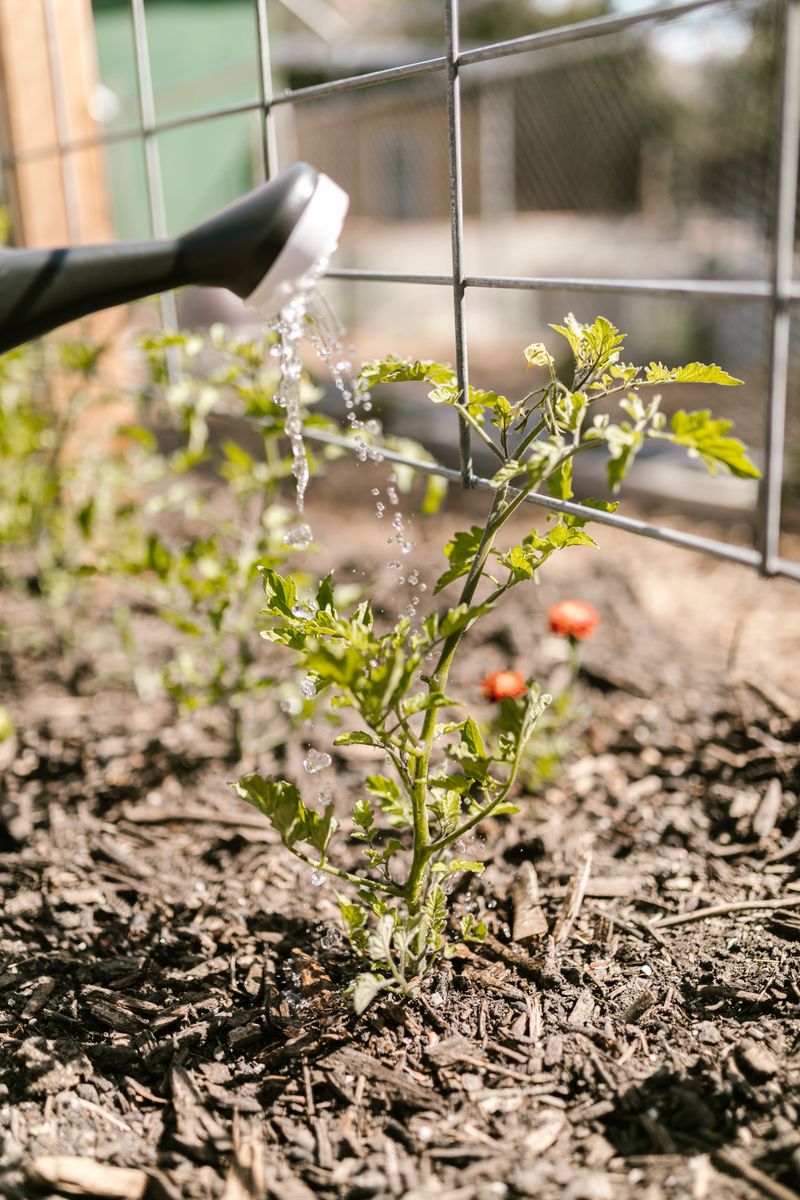
Cutting back water works even better when you pair it with smart mulching. Mulch is the unsung hero that makes the whole system click together smoothly.
When you reduce watering, the top layer of soil can dry out fast in Ohio’s late-August heat. Bare soil loses moisture quickly and can bake roots that need stable temperatures to function well.
A three-inch layer of straw or shredded wood mulch around the base of each plant acts like an insulating blanket. It holds whatever moisture remains in the soil and keeps root-zone temperatures from spiking.
Cooler roots stay active and keep feeding the plant even when surface conditions get dry. That steady root function is what allows the plant to concentrate sugars without shutting down.
Straw mulch is the most popular choice among Ohio gardeners because it is cheap, easy to spread, and breaks down slowly. It also keeps mud from splashing up onto the lower leaves during any late-summer rain.
Shredded leaves work beautifully as well if you have them available. Avoid using fresh grass clippings because they mat together, block airflow, and can introduce weed seeds.
Keep mulch about two inches away from the main stem to prevent rot at the base. A small gap around the stem allows air to circulate and keeps moisture from sitting directly against the plant.
Apply mulch before you start your water reduction plan. Getting the insulation in place first means the soil holds its baseline moisture longer as you gradually cut back.
Mulching and reduced watering together create the perfect late-summer environment for flavor development. Your roots stay happy while your tomatoes get sweeter by the day.
Common Mistakes That Ruin The Flavor Boost
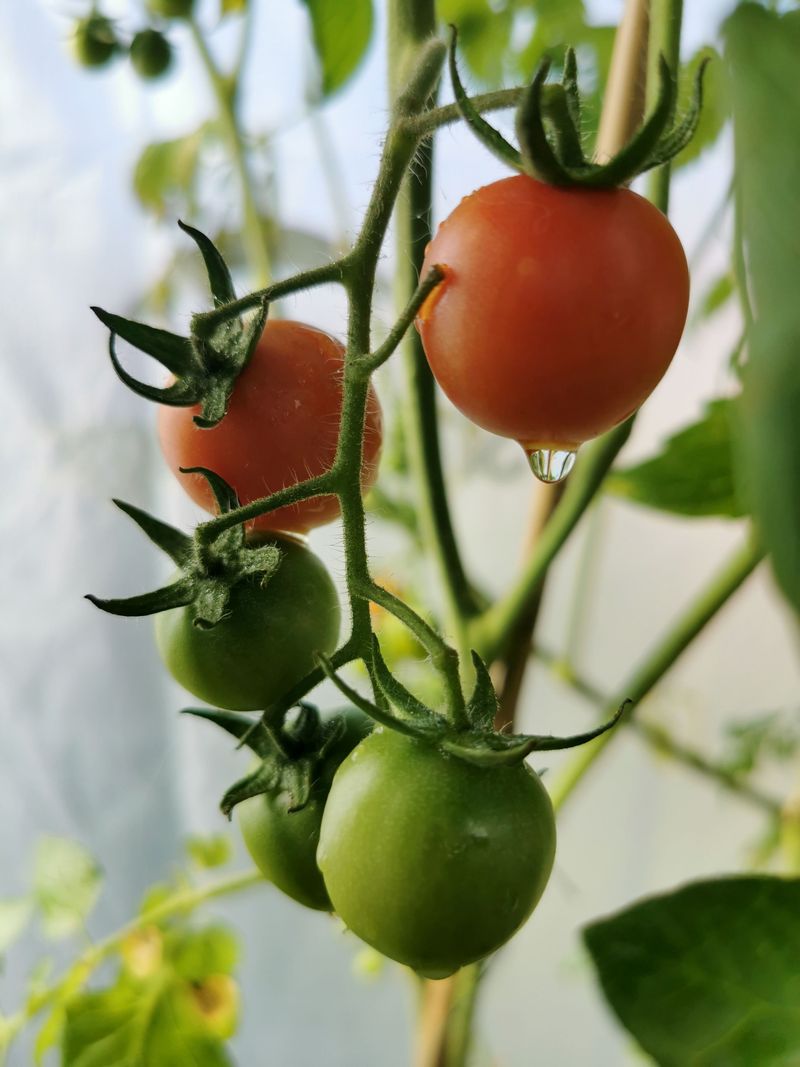
Getting this technique wrong is easier than you might think. A few common slip-ups can wipe out all the flavor gains you worked toward through the whole season.
The biggest mistake is cutting water too fast, too soon. Dropping from daily watering to zero overnight stresses the plant and can lead to blossom end rot, cracking, and dropped fruit.
Slow and steady is the only way this works. Reduce gradually over five to seven days so the plant has time to adjust without panicking.
Another frequent error is ignoring the weather forecast. If a heat wave rolls through Ohio in late August, your reduced-water plan needs to pause temporarily.
Extreme heat above 95 degrees can push a mildly stressed plant into full survival mode. When that happens, fruit stops ripening and flavor development slows dramatically.
Some gardeners also forget to stop fertilizing when they start cutting back water. Nitrogen-heavy fertilizers push leafy growth, which pulls energy away from the fruit.
Stop feeding your tomatoes about two weeks before you begin the water reduction phase. Let the plant shift its focus to finishing the fruit already hanging on the vine.
Harvesting too late is another mistake that sneaks up on people. Once a tomato hits peak ripeness on the vine, it starts to decline fast in hot weather.
Pick tomatoes at full color even if they feel slightly firm. They will finish ripening perfectly on your kitchen counter at room temperature.
Skipping the mulch layer while cutting water is also a common oversight. Without that insulating barrier, the flavor payoff stays theoretical instead of showing up in the fruit.