The Florida Yard Drainage Problem That Every New Homeowner Discovers After The First Rainy Season
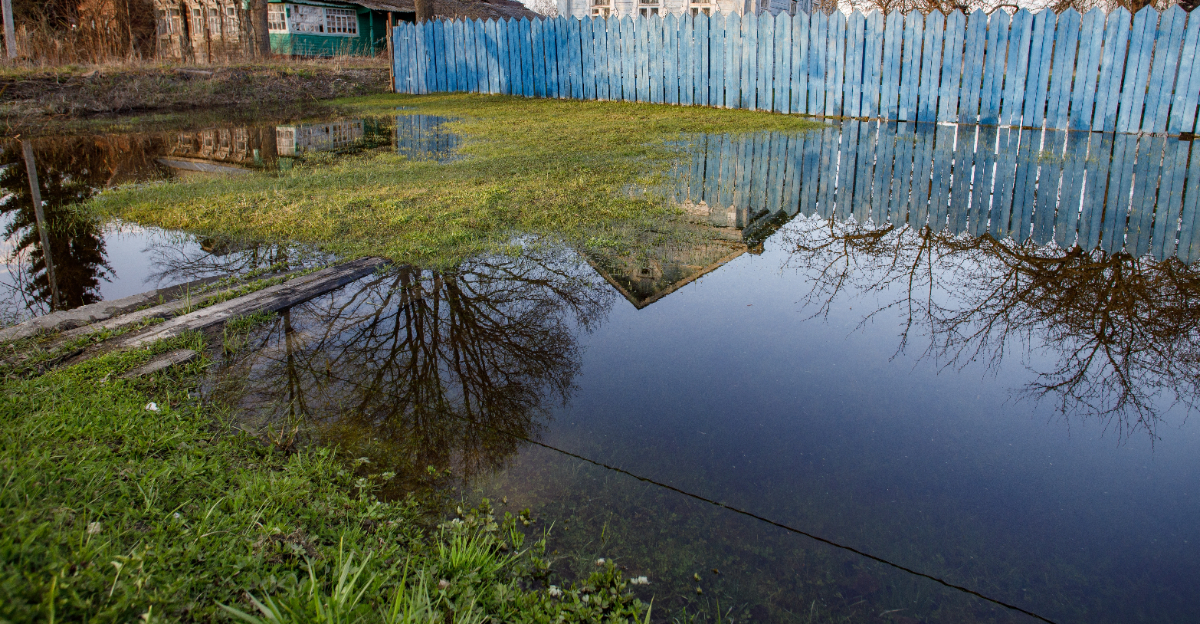
You packed up, drove south, and finally unlocked the door to your Florida dream home. The palm trees swayed, the pool sparkled, and life felt like a permanent vacation brochure. Then the first real storm rolled in.
Suddenly your driveway turned into a river and your flower beds looked like rice paddies. Water pooled against your foundation like it was waiting for an invitation inside. Nobody mentioned this part during the house tour.
Florida drainage problems have a way of introducing themselves uninvited, usually during your first proper downpour. The state’s flat terrain and clay-heavy soil are not exactly built for quick runoff.
If your yard turned into a swimming pool overnight, you have plenty of neighbors nodding along.
Poor Soil Percolation Turns Yards Into Swamps After Storms
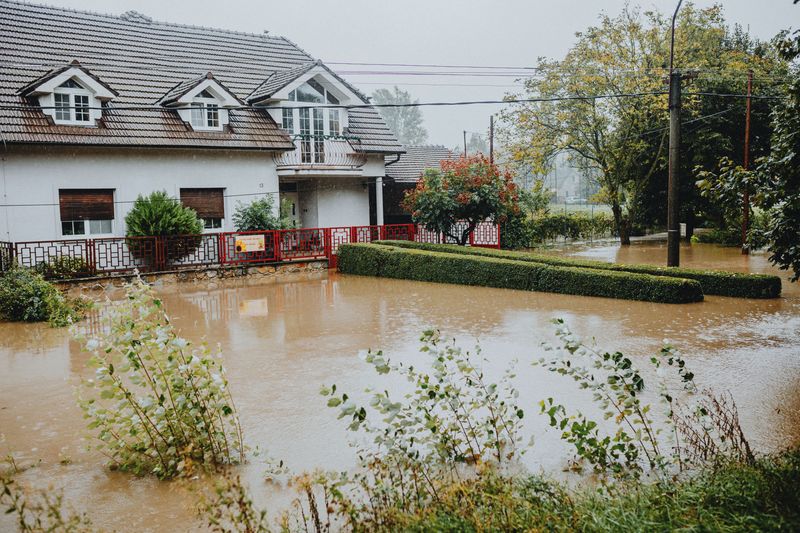
Standing water in your yard is not just ugly. It is a red flag that your soil has stopped doing its most important job.
Percolation is the process where water filters down through soil layers. When it slows or stops, every rainstorm turns your lawn into a shallow pond.
Most Florida yards sit on a mix of sandy and clay-heavy soil. Clay holds water like a bathtub, and that is where the swamp problem begins.
Homeowners are often shocked to see water still pooling 24 hours after a storm. That kind of slow drainage points directly to a percolation failure underground.
Compacted soil from construction equipment is another sneaky cause. Builders drive heavy machinery across lots, which squeezes the soil particles so tightly that water has nowhere to go.
Organic matter helps fix this over time, but it is a slow process. Aerating your lawn each year can open up pathways for water to move downward faster.
You can test your own percolation with a simple hole-and-water method. Dig a hole about 12 inches deep, fill it with water, and time how long it takes to drain completely.
That result means it’s time for more than patience, your yard needs an actual plan.
Signs Your Yard Has A Drainage Problem
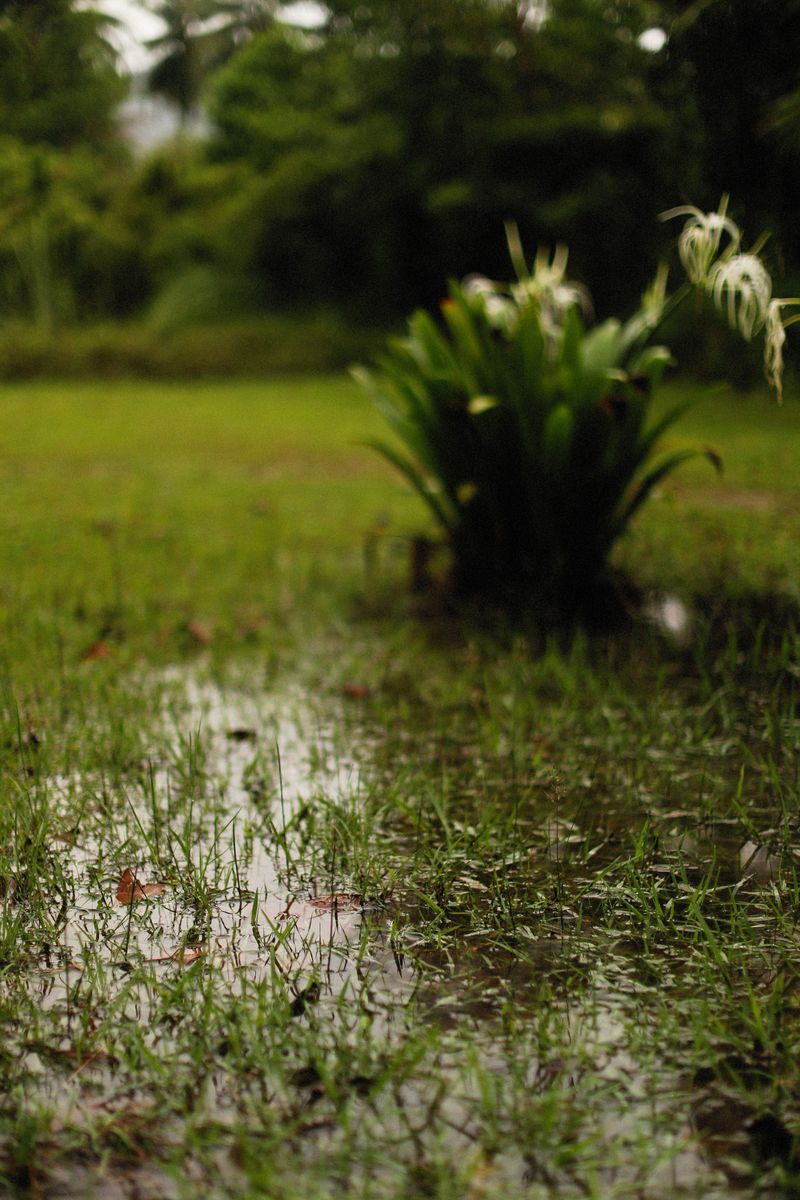
Soggy grass that squishes underfoot three days after a storm is your yard sending a clear signal. That spongy feeling means water is trapped just below the surface with no escape route.
Moss growing in patches across your lawn is another telling clue. Moss loves moisture, and it moves in fast when drainage fails.
Watch your downspouts after a heavy rain. If water is pooling directly against your home’s foundation, that is not a yard problem anymore, it is a structural one waiting to happen.
Erosion channels cutting through your lawn show that water is moving fast across the surface instead of soaking in. Those little gullies will grow bigger with every passing storm season.
Foul smells rising from your lawn after rain are a sign of anaerobic conditions underground. Soil that stays wet too long starts to break down, and your grass roots suffer right along with it.
Your Florida Garden Changes Every Week. Your Plan Should Too.
Gardening in Florida changes quickly throughout the season. Every Friday you’ll receive a simple weekly plan showing exactly what to plant, prune, fertilize, harvest, and protect so you never miss the right timing.
Decayed or yellowing grass in low spots is easy to mistake for drought stress. Surprisingly, overwatered grass and drought-stressed grass can look almost identical from the surface.
Mud tracking into your home on shoes is the most personal sign of all. If your kids or pets come inside covered in wet soil, your yard is not draining between storms.
None of these signs disappear on their own. Catching them early saves you from bigger repairs down the road.
Why Sandy Soil And Heavy Rain Don’t Mix
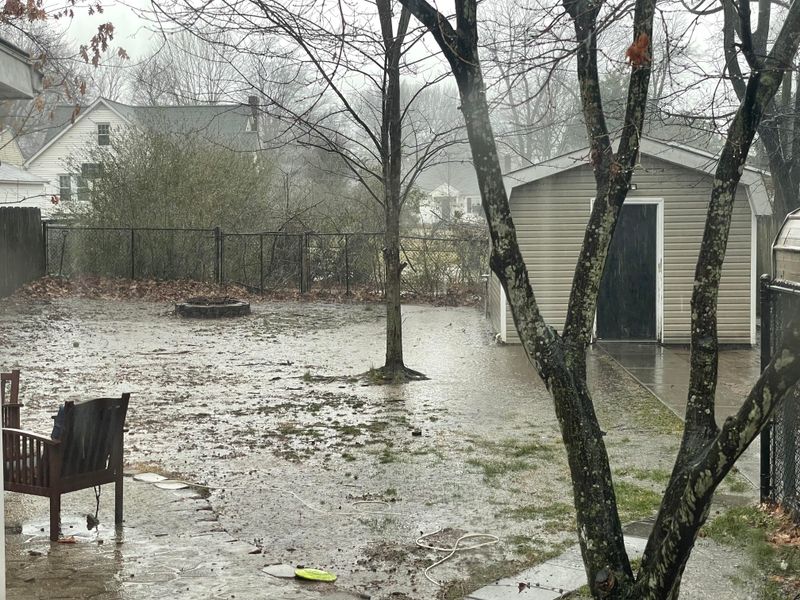
Florida gets around 54 inches of rain per year on average. Most of that falls between June and September in fast, heavy bursts that overwhelm even healthy lawns.
Sandy soil sounds like the perfect drainage solution, but it is more complicated than that. Sand drains fast in its pure form, yet most Florida yards have layers of clay or hardpan beneath the surface.
That hardpan layer acts like a hidden floor under your lawn. Water soaks through the top sandy layer quickly, then hits that dense layer and has nowhere to go.
The result is a saturated zone just below your grass roots. Your lawn looks fine from above, but underground it is holding water like a sponge with no squeeze.
Heavy afternoon thunderstorms are a defining feature of the Sunshine State’s summer. These storms can dump two or three inches of rain in under an hour, a pace most yards struggle to absorb.
When the ground is already saturated from a previous storm, new rain has zero chance of soaking in. Sheet flow across the surface becomes the only option, and that water heads straight for the lowest point on your property.
Understanding your soil profile is the first step toward solving the puzzle. A basic soil test from your local extension office can reveal exactly what layers are hiding beneath your turf.
The terrain itself is working against you here. Once you understand that, the fixes stop feeling like guesswork.
French Drains And Grading As Long-Term Fixes
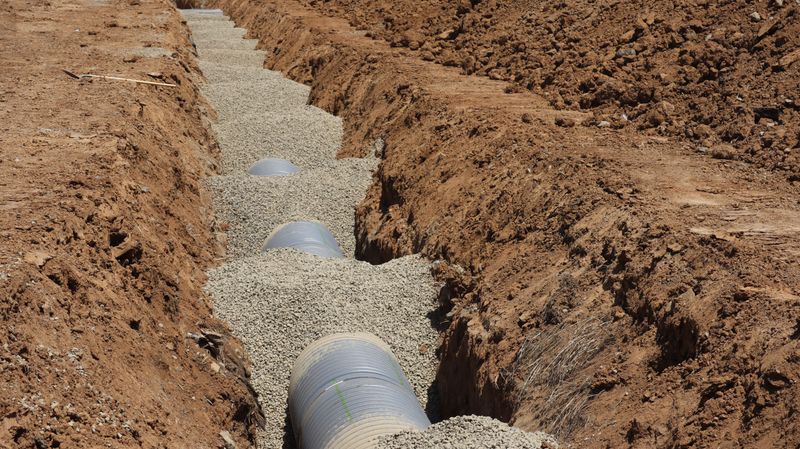
A French drain sounds fancy, but the idea behind it is wonderfully simple. You dig a trench, fill it with gravel, and lay a perforated pipe that pulls water away from problem areas.
Water follows the path of least resistance, and a French drain creates a new, better path. Instead of pooling in your yard, water flows into the trench and gets carried far away from your home.
Grading is the other heavy hitter in the long-term fix category. Proper grading means shaping the land so the ground slopes gently away from your foundation in all directions.
Many new construction homes are graded during building, but that grading shifts over time. Soil settles, tree roots push things around, and suddenly water is flowing toward your house instead of away.
Re-grading a yard typically involves bringing in fresh topsoil and reshaping the surface slope. A slope of at least five percent away from the foundation is the standard recommendation for most residential properties.
Combining a French drain with proper grading creates a strong combined defense against standing water. The grading moves surface water away, while the drain handles any overflow that soaks into the soil.
Both solutions require some upfront investment in labor and materials. However, they are far cheaper than repairing a cracked foundation or replacing a flooded crawl space.
Stubborn pooling usually needs both approaches working together. That combination tends to outlast anything done in isolation.
Rain Gardens And Dry Wells For Natural Runoff Control
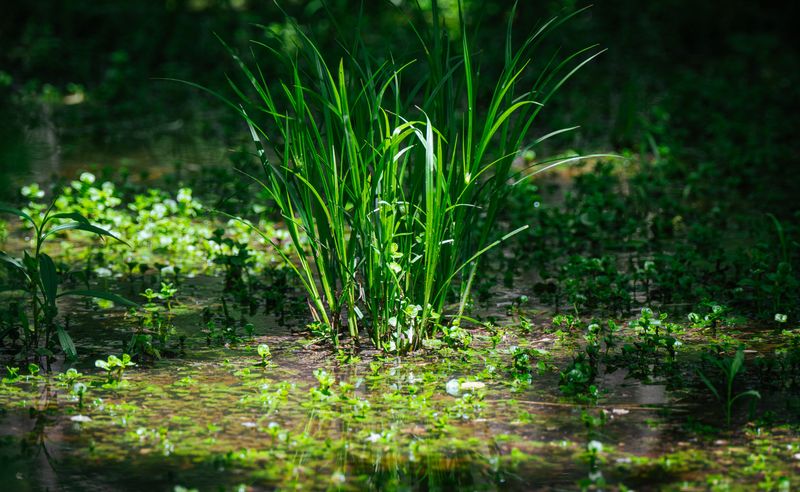
Not every drainage fix has to look like a construction project. Rain gardens are one of the most attractive solutions available to homeowners dealing with runoff issues.
A rain garden is a shallow, bowl-shaped depression planted with water-tolerant native plants. It collects runoff from roofs, driveways, and lawns, then slowly releases it into the soil over 24 to 48 hours.
Native Florida plants like muhly grass, swamp sunflower, and blue flag iris thrive in these wet-dry cycles. They develop deep root systems that actually improve soil percolation over time.
Rain gardens also attract pollinators and wildlife, which turns a drainage problem into a backyard habitat. That is a win most homeowners do not expect when they start researching waterlogged yards.
Dry wells work differently but target the same problem. A dry well is an underground chamber filled with gravel or fitted with a plastic barrel that collects water from downspouts or surface drains.
Water sits in the chamber and slowly seeps outward into the surrounding soil. This keeps it away from the surface and away from your foundation at the same time.
Dry wells work best in areas where soil percolation is at least somewhat functional below the surface. If your hardpan layer is too dense, the well fills up and overflows, which creates a new headache.
A rain garden handles what you see, a dry well handles what you don’t. Between the two, your yard gets covered from every angle.
When To Call A Drainage Specialist
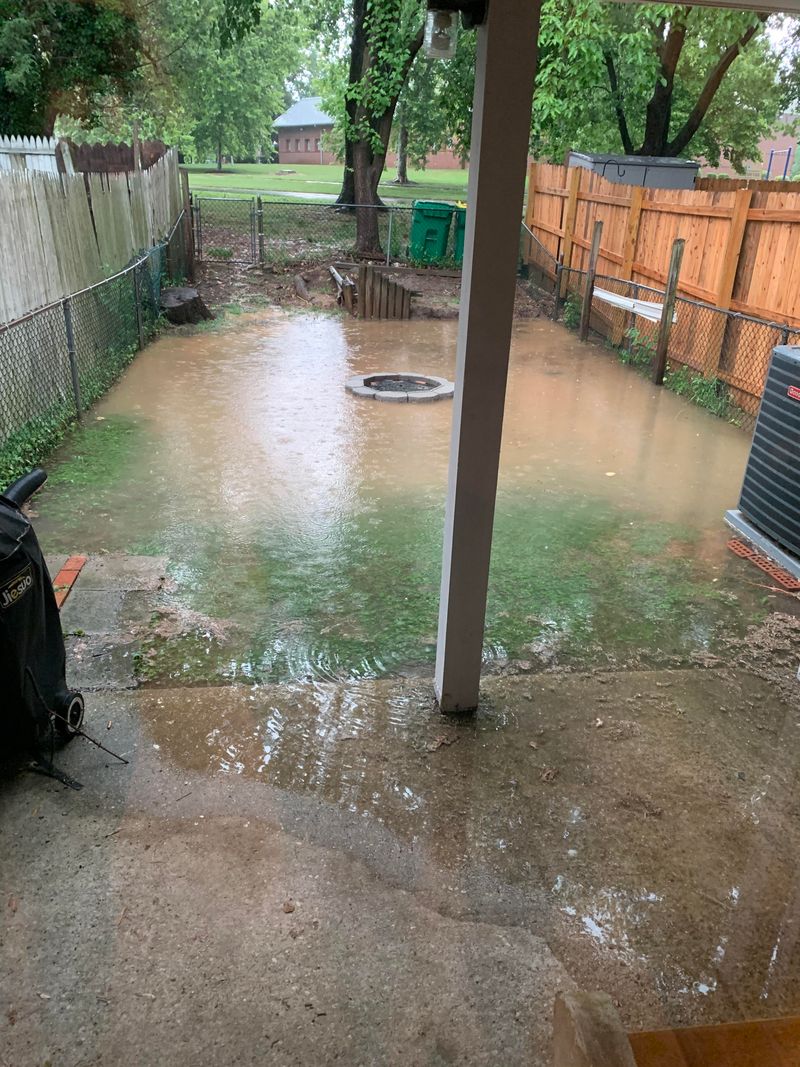
DIY fixes like regrading a small area or adding mulch tend to be the most budget-friendly option. Those solutions work well for minor surface pooling in a limited spot of your yard.
A professionally installed French drain typically costs more, with the price shifting based on length and complexity. Larger yards with severe water issues can push that cost even higher.
Rain garden installation sits somewhere in the middle when done by a landscaper. Doing it yourself with native plants from a local nursery can cut that cost significantly.
Dry well installation falls into a similar mid-range for a standard residential setup. Costs rise if the contractor hits hardpan or needs to dig especially deep to find permeable soil layers.
Knowing when to stop and call a professional is just as important as knowing what solutions exist. If water is touching your foundation, entering your garage, or causing sinkholes, that is a specialist-level situation.
A licensed drainage contractor can perform a site assessment and identify the exact source of your problem. That assessment is a smaller upfront cost that can save you thousands in guesswork.
Ask for references, check their license with the state contractor board, and get at least two quotes. A good specialist will explain the problem in plain language and offer more than one solution.
There’s a fix here at nearly every price point. The real skill is matching the right one to what’s actually causing the problem.