Why Oregon Apple Trees Drop Fruit Early Even When They Look Healthy
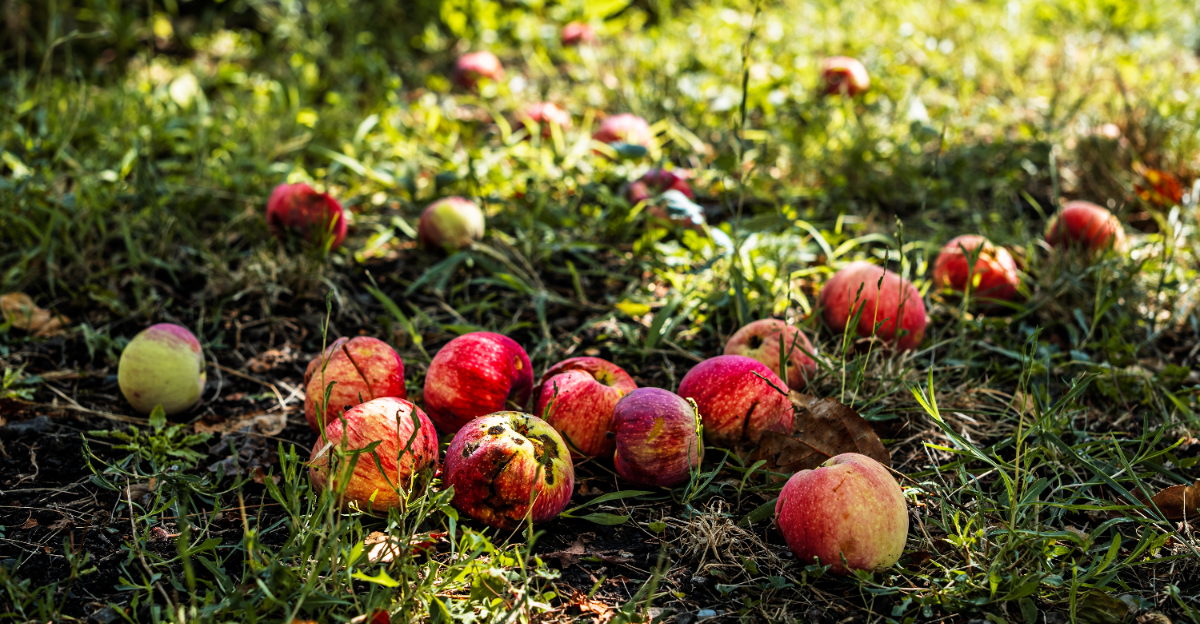
A healthy-looking apple tree can still make a huge mess by morning.
One day, the branches look full, green, and promising. The next, small apples are scattered through the grass like the tree changed its mind overnight.
For Oregon gardeners, early fruit drop can feel especially confusing because the leaves may look fine, the branches may look strong, and nothing obvious seems wrong.
Most of the time, the tree is not in crisis.
Apple trees shed fruit naturally, especially when they set more than they can carry. Weather, pollination, water stress, pests, heavy crop loads, and young tree age can all push extra fruit to the ground before harvest.
The trick is knowing which drop is normal and which one needs attention.
So why would an Oregon apple tree drop fruit early even while it still looks healthy?
Start with the size, timing, and condition of the fallen apples. Those clues usually tell you whether the tree is simply thinning itself or asking for help.
1. Natural Fruit Shed Continued
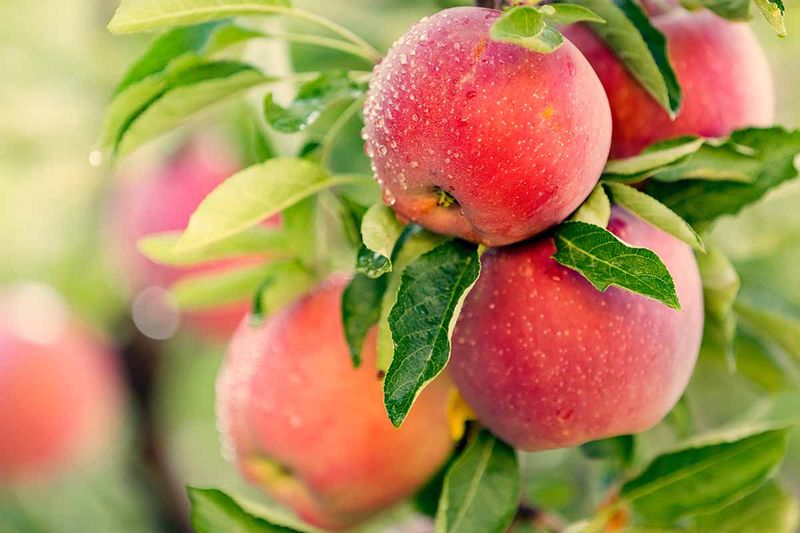
A few small apples on the lawn can look dramatic, but it may be normal.
Apple trees naturally drop fruit in waves through late spring and early summer. The first wave often removes poorly pollinated or weak fruitlets soon after bloom.
Another round, often called June drop, happens when the tree decides how much fruit it can realistically support.
That self-editing process is built into the tree.
The roots, leaves, and developing fruit all compete for energy and water. When the crop is too heavy, the tree releases some fruit so the remaining apples have a better chance to size up properly.
Dropped apples from natural shed are usually small.
They are often hard, pale green, and free from obvious holes, tunnels, soft spots, or rot. The tree above may still look completely healthy because nothing is necessarily wrong with it.
Oregon weather can stretch the timing.
Cool springs, uneven bloom, and mild early summers may make fruit drop feel later or more noticeable than expected. A tree may shed in stages rather than all at once.
The amount matters.
A light to moderate scatter under the tree is usually no reason to panic. Heavy drop that continues deep into summer deserves a closer look.
Check the fruit before blaming the tree.
Clean, tiny apples often point to natural thinning. Damaged, tunneled, or misshapen fruit points toward another cause.
Sometimes the tree is not failing.
It is simply choosing the crop it can finish.
2. Clusters Were Too Crowded
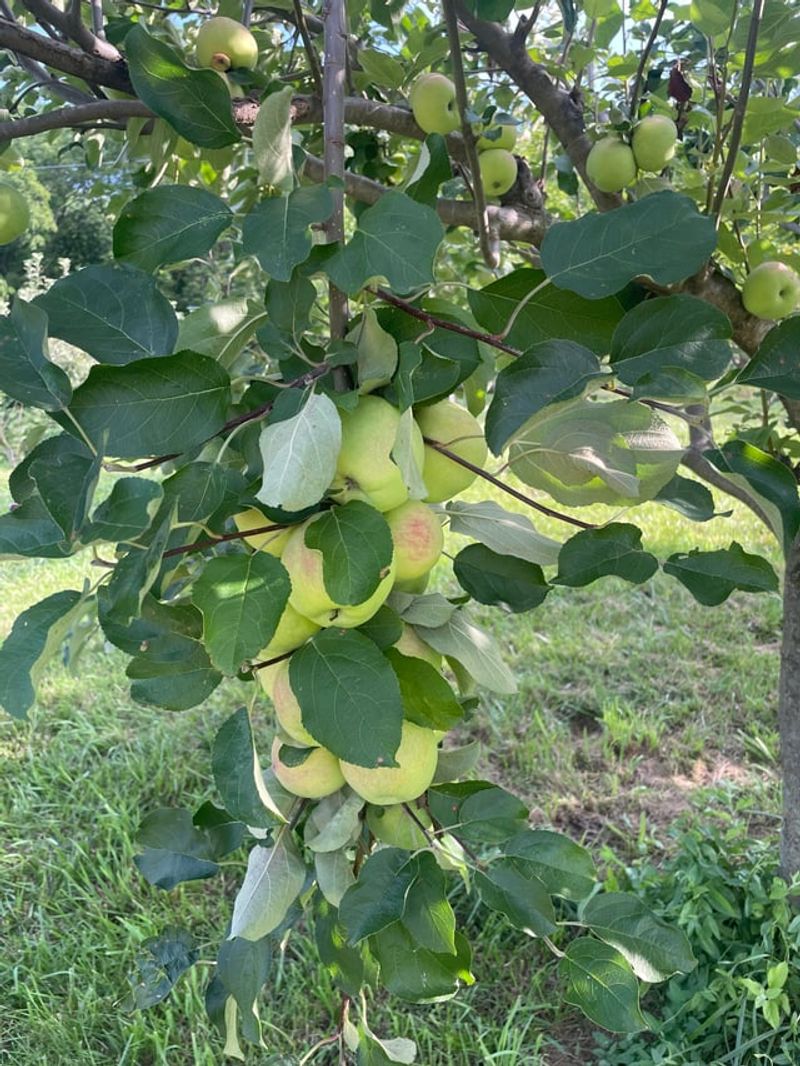
A branch packed with tiny apples can be too much of a good thing.
Apple blossoms often form in clusters, and several flowers may set fruit on the same spur. That looks exciting at first, but too many apples in one tight group compete for the same water, sugars, and minerals.
The tree will not support them all.
The smallest or weakest apples in the cluster often drop first. That is the tree reducing competition before the entire group stays undersized.
Your Oregon Garden Changes Every Week. Your Plan Should Too.
Gardening in Oregon changes quickly throughout the season. Every Friday you’ll receive a simple weekly plan showing exactly what to plant, prune, fertilize, harvest, and protect so you never miss the right timing.
One fruit usually has the advantage.
The central bloom, often called the king bloom, tends to open first and often produces the strongest apple in the cluster. Side fruits may be smaller and more likely to shed.
Crowded clusters also create other problems.
Apples pressed together can rub, scar, ripen unevenly, or hold moisture between them. That can affect quality even when the fruit stays on the tree.
Early thinning helps prevent the scramble.
Leaving one strong apple per cluster gives the remaining fruit more room and resources. It also reduces the chance of a heavy natural drop later.
Look for the best-positioned fruit.
Keep the apple with good shape, strong attachment, and enough space around it. Remove smaller, misshapen, or crowded fruit first.
A cluster full of apples feels like abundance.
A cluster thinned to one good apple often gives the harvest a much better ending.
3. The Tree Needed Thinning Earlier
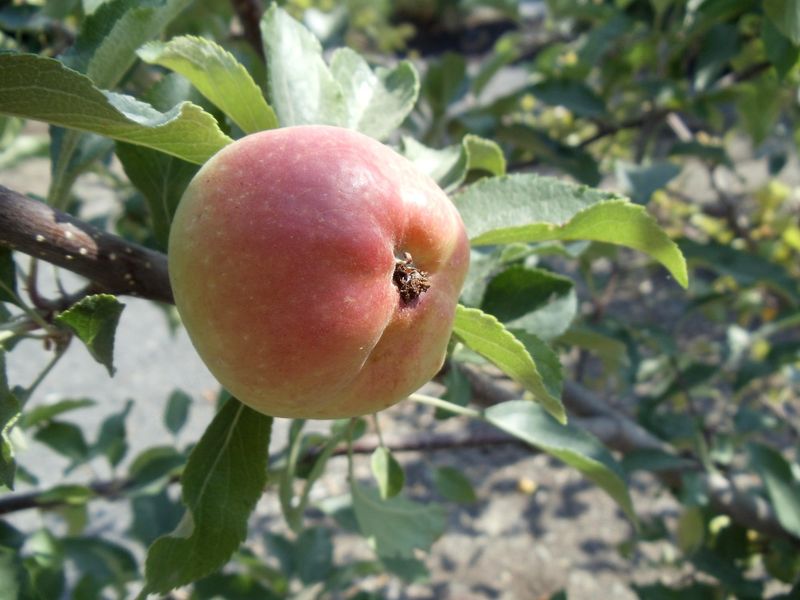
Hand thinning feels wrong until harvest proves it right.
Pulling off small apples in early summer can seem wasteful, but it is one of the best ways to help an Oregon apple tree keep a better crop. Too much fruit left on the tree can trigger heavier drop later.
Timing is important.
The best window is usually several weeks after full bloom, once fruitlets are visible and the tree has already shed some on its own. Waiting too long still helps, but the biggest benefit comes early.
Spacing gives each apple a chance.
A good target is about six inches between fruits along a branch. That distance helps each apple develop better size, color, and flavor without crowding its neighbors.
Remove the weakest fruit first.
Small, misshapen, damaged, or poorly placed apples are the obvious choices. The tree was likely to drop many of them anyway.
Thinning also protects branches.
A heavy crop can bend limbs, create weak angles, or break smaller branches during wind and rain. Reducing the load early keeps the tree better balanced.
Unthinned trees often reset themselves.
That reset may show up as a midsummer carpet of apples under the canopy. The tree sheds because it has reached its limit.
Hand thinning is not stealing from the harvest.
It is trading too many small apples for fewer better ones, and the tree usually thanks you in fruit size.
4. Water Stress Hit The Crop
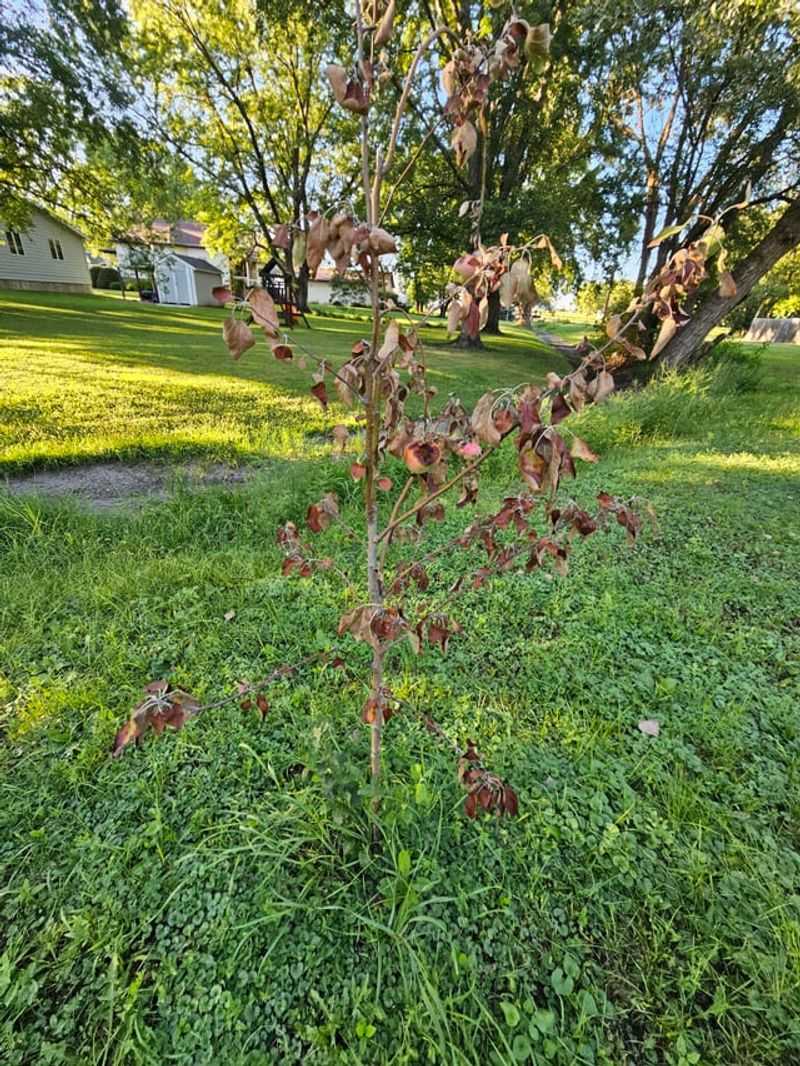
A healthy canopy can hide dry roots for a while.
Oregon summers can shift quickly from spring moisture to dry heat. An apple tree may keep its leaves looking decent even while the soil below is running short of water during fruit development.
Fruit is often sacrificed first.
When moisture gets tight, the tree prioritizes survival. Roots and leaves become more important than carrying every apple to maturity, so some fruit drops before the tree shows obvious leaf stress.
Inconsistent watering can be just as hard.
Dry soil followed by a heavy soak can stress developing apples. The fruit may swell suddenly, crack, or trigger a drop response after the tree has already been under pressure.
Steady moisture is better.
During dry stretches, apple trees benefit from deep watering that reaches the active root zone. Light surface watering may not reach enough roots to support a crop.
Mulch helps stabilize the soil.
A two to three inch layer of wood chips, leaves, or composted mulch can slow evaporation and keep soil temperatures steadier. Keep mulch pulled back from the trunk.
Check deeper than the surface.
Push a finger, trowel, or soil probe several inches down near the drip line. Dry soil below the surface means the roots may be short on moisture even after a light rain.
Water stress does not always announce itself with wilted leaves.
Sometimes it announces itself with apples on the ground.
5. Pollination Was Patchy
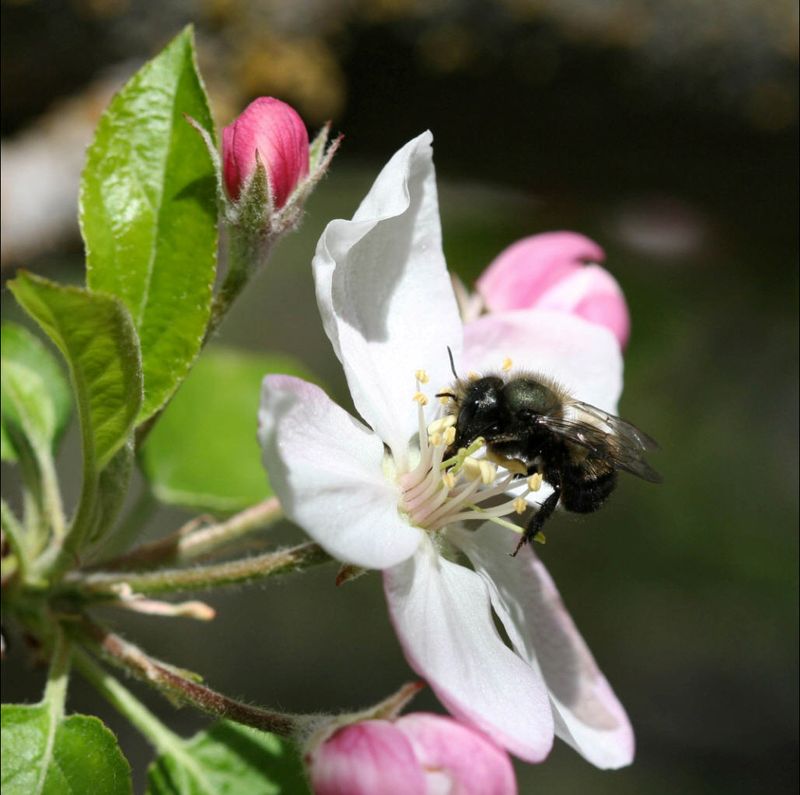
Some fruit drops because it was never fully set.
Apple blossoms need good pollination to form strong fruit. When pollination is incomplete, the fruitlet may start developing, then drop weeks later because it lacks the seed development needed to keep growth going.
Oregon springs can complicate bloom.
Cool, rainy, or windy weather can reduce bee activity right when flowers need visits. A tree may bloom heavily but still set weak fruit when pollinators cannot work the flowers consistently.
Compatible pollen matters too.
Many apple varieties need pollen from a different apple variety that blooms at the same time. A lone backyard tree may set fruit unevenly, especially when there are not many nearby apples or crab apples.
Seeds are the hidden signal.
Well-pollinated apples usually develop more seeds. Poorly pollinated fruit may be misshapen, small, or more likely to drop early because the hormonal signal to keep growing is weaker.
Look for uneven fruit shape.
Lopsided young apples can point to incomplete pollination. A few may stay on the tree, but many weaker ones may shed during early summer.
Adding a pollinizer can help.
A compatible apple or crab apple nearby can improve future fruit set. Grafting a compatible branch onto an existing tree can also help in smaller yards.
Patchy pollination is easy to miss during bloom.
The tree reveals it later, one small dropped apple at a time.
6. Pests Reached Small Fruit
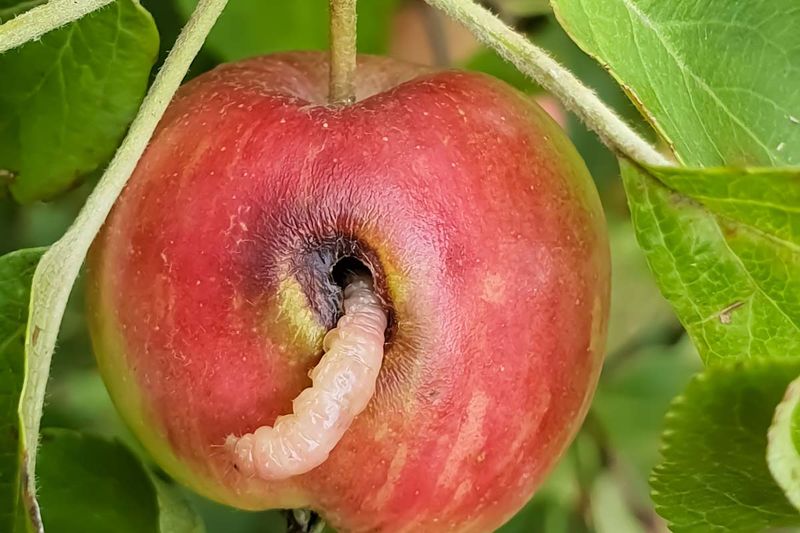
Not every dropped apple was released willingly.
Some fall early because insects reached the fruit first. The tree may look healthy from a distance, but the fallen apples can tell a very different story once you pick them up and cut them open.
Codling moth is a common suspect.
Larvae tunnel into developing apples and feed near the core. A small entry hole, brown crumbly frass, or internal tunneling can explain fruit that drops before it sizes up.
Apple maggot can also cause trouble.
Affected fruit may show dimples, trails, or internal breakdown from larvae feeding through the flesh. These apples often drop early or ripen poorly.
Slice several fallen apples.
Do not rely on one fruit. Cut open a handful from different areas beneath the tree and look for tunnels, larvae, brown feeding damage, or soft internal spots.
Timing gives clues.
Pest-related drop often shows up after petal fall and through summer as larvae develop inside the fruit. Natural shed is usually cleaner and earlier.
Remove damaged fruit from the ground.
Leaving infested apples under the tree can allow pests to continue their life cycle. Bag damaged fruit rather than tossing it into a casual compost pile.
Monitoring helps next season.
Traps, sanitation, and well-timed management can reduce repeat problems.
A clean little apple on the ground may be normal.
A tunneled one is evidence.
7. Heavy Crops Trigger A Reset
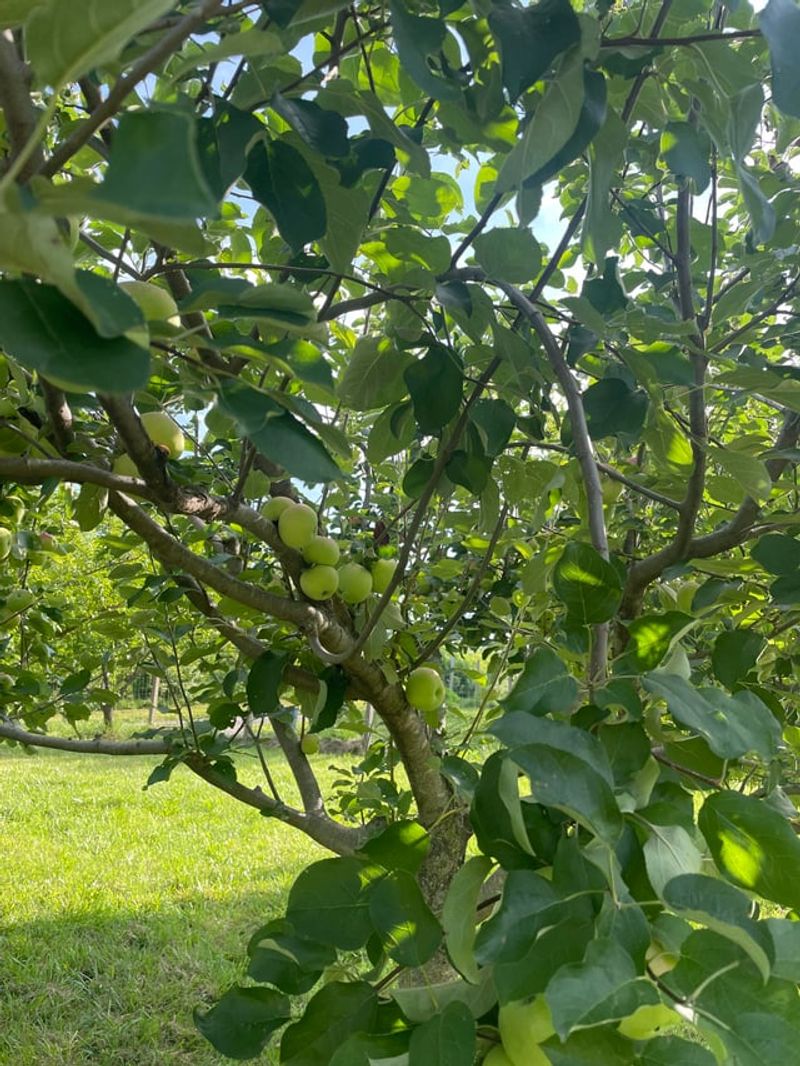
A tree can set more fruit than it can afford.
Some seasons bring heavy bloom, strong pollination, and what looks like an incredible crop. Then the tree starts dropping fruit because the energy budget no longer works.
That reset is practical.
Leaves can only produce so much sugar in a season. Roots can only supply so much water and nutrients. When too many apples are competing, the tree cuts the load.
Smaller fruits usually go first.
Apples on weaker spurs, crowded clusters, or branch tips may drop before stronger fruit closer to main limbs. The tree keeps what has the best chance of finishing.
Heavy crops can affect next year too.
Apple trees that carry too much fruit one year may bloom lightly the next. That feast-or-famine pattern is known as biennial bearing, and many home orchard trees slip into it without regular thinning.
Thinning helps smooth the cycle.
Reducing fruit in heavy years keeps the tree from exhausting itself. Over time, that can encourage steadier harvests instead of huge crops followed by disappointing ones.
Branch support may be needed.
Even after thinning, heavily loaded limbs may need gentle support to prevent bending or splitting.
A heavy crop looks like success in spring.
By summer, the tree may start negotiating. Thinning early lets you join the conversation before the lawn fills with apples.
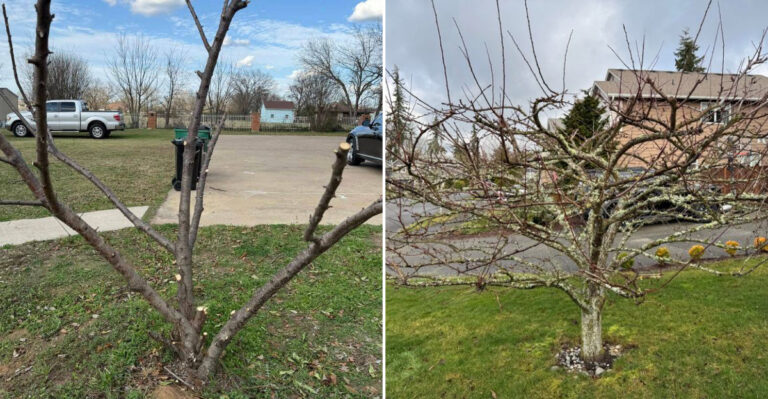
8. Young Trees Chose Roots First
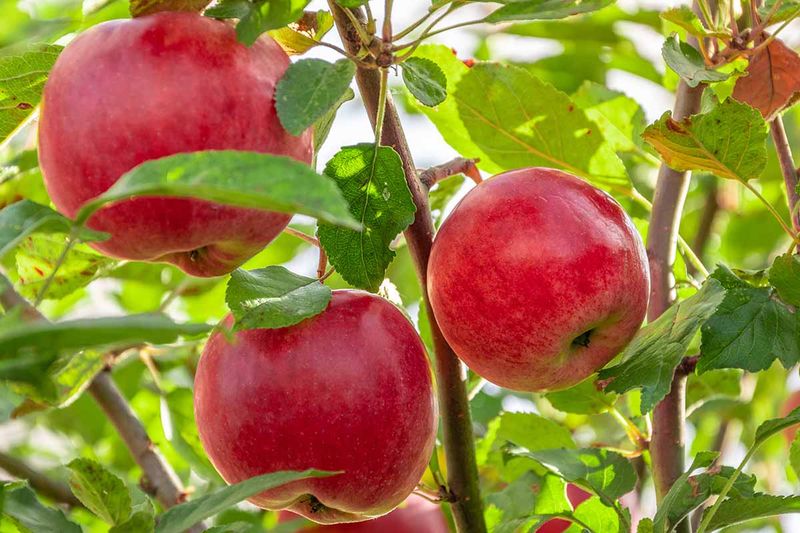
A young apple tree may not be ready for a real crop.
In the first few years after planting, the tree is still building roots, trunk strength, and scaffold branches. Fruit takes energy away from that work, so young trees often drop apples they cannot support.
That is not a bad sign.
A young tree choosing roots over fruit is making the right long-term decision. Strong establishment matters more than a small early harvest.
Early crops can slow development.
A tree pushed to carry too many apples too soon may grow less vigorously and form weaker structure. The fruit may also stay small and underwhelming because the tree is not mature enough to support it.
Remove fruit in the first years.
Many gardeners take off most or all fruit during the first and second seasons after planting. By the third or fourth year, a small crop can be allowed when the tree looks strong.
Watch branch angles.
Young limbs carrying fruit can bend or set poor structure. Training and pruning are more important than production at this stage.
Healthy growth is the goal.
A tree with good roots and strong scaffold branches will repay the wait with better harvests later.
Patience feels hard when the first apples appear.
But a young Oregon apple tree that drops fruit early may simply be investing in the bigger harvests still ahead.