Why Oregon Mulch Sometimes Creates More Weed Problems Instead Of Fewer
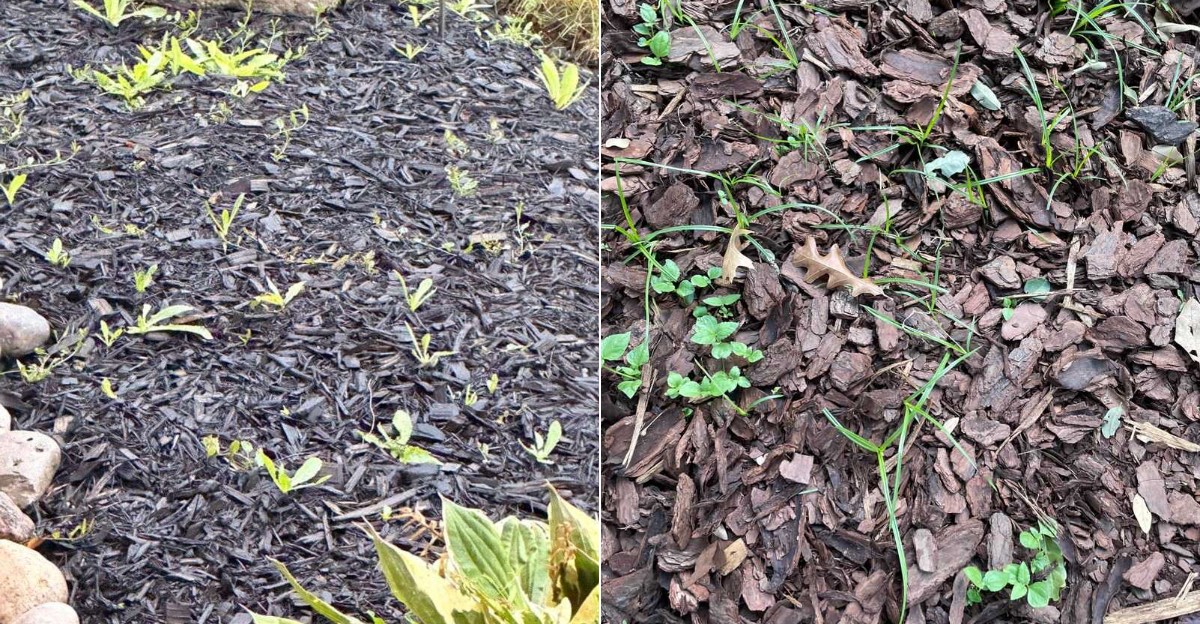
Mulch is supposed to be the easy answer. Spread it around your plants, enjoy a cleaner-looking garden, and spend less time pulling weeds. That is the promise, anyway.
But sometimes a freshly mulched bed ends up looking suspiciously similar to the one you were trying to avoid. Tiny green shoots appear, unwanted plants push through, and the layer that was meant to simplify maintenance starts creating a new chore list.
The frustrating part is that the mulch itself is not always the issue. What happens before, during, and after installation can influence how well it performs in your garden.
A few overlooked details can change the way that protective layer works.
Oregon’s wet winters and active growing conditions add another piece to the puzzle. Moisture, soil, existing seeds, and the type of mulch you choose can all affect what happens once the seasons shift.
If your mulch beds keep becoming weed beds, the solution may not be adding more material. Looking closer at how the garden was prepared can reveal why those unwanted plants keep finding a way through.
1. Fresh Mulch Can Bring In New Weed Seeds
Not all mulch is created equal, and that is something many gardeners learn the hard way. Fresh mulch, especially the kind made from plant materials, can carry weed seeds right into your garden bed.
If the mulch was not properly composted or heated during processing, those seeds can survive and sprout once you spread them around.
Wood chips and bark mulch bought from local suppliers might seem clean, but they can still contain seeds from nearby plants. In Oregon, where plants grow quickly and spread easily, this is a real concern.
Even a small number of weed seeds in a bag of mulch can turn into a big problem within just a few weeks.
The best way to protect yourself is to buy mulch from a trusted supplier who heats or processes the material correctly. Ask questions about how the mulch was made.
Choosing certified weed-free mulch is worth the extra cost. You can also let fresh mulch sit in a pile for a few weeks before spreading it, which gives any seeds a chance to sprout before they reach your garden.
Checking the source of your mulch is one of the simplest ways to avoid bringing new weed problems into a bed you just cleaned up.
2. Thin Mulch Layers Let Weeds Reach The Surface
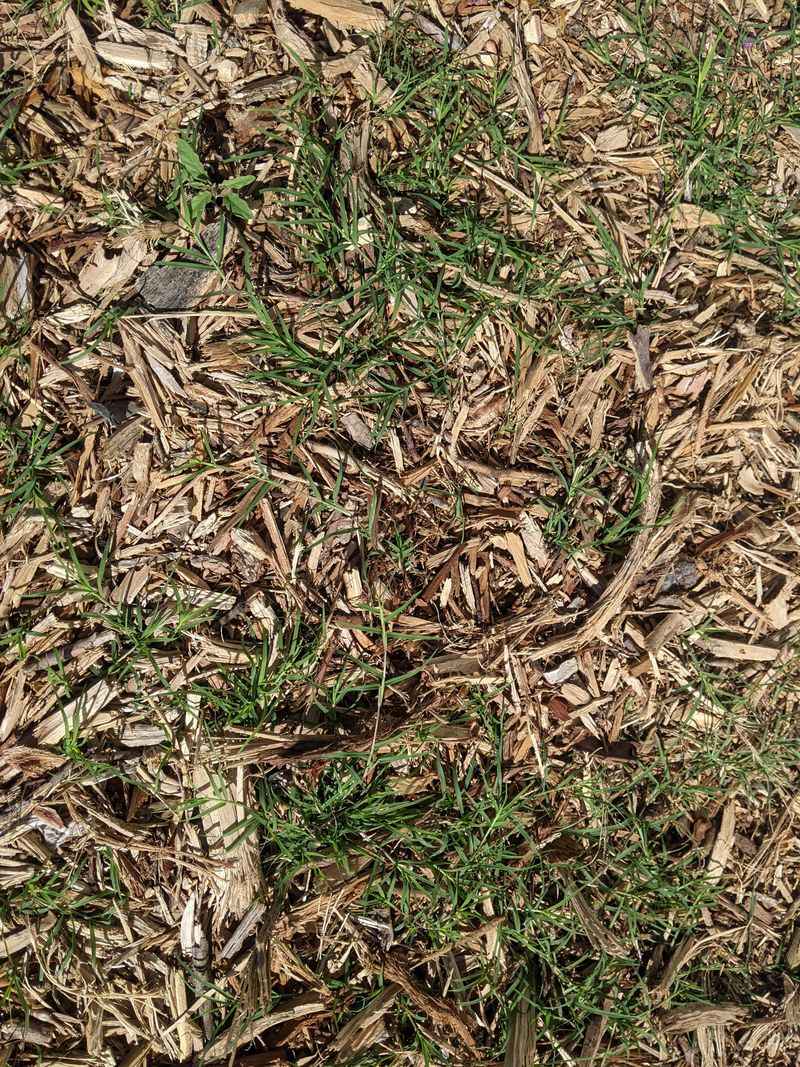
Spreading mulch feels satisfying, but putting down too little is one of the most common mistakes gardeners make. A thin layer, anything less than two or three inches, does not block enough sunlight from reaching the soil below.
Weeds are tough little plants, and they do not need much light to push through a thin covering and pop up above the surface.
Many people spread just a thin dusting of mulch because they want to save money or because they run out of material. But that thin layer gives weeds just enough room to grow.
Your Oregon Garden Changes Every Week. Your Plan Should Too.
Gardening in Oregon changes quickly throughout the season. Every Friday you’ll receive a simple weekly plan showing exactly what to plant, prune, fertilize, harvest, and protect so you never miss the right timing.
Sunlight sneaks through, seeds germinate in the soil below, and before long, you have a garden full of weeds even though you just mulched it.
A good rule of thumb is to aim for at least three inches of mulch across your garden beds. In Oregon, where rainfall keeps the soil moist and warm, weeds can grow fast even under thin mulch.
If you are working with a budget, it is better to mulch a smaller area well than to spread a thin layer over a large space. Topping off your mulch every season also helps maintain the right depth as the material breaks down over time.
Proper depth is one of the easiest fixes you can make for better weed control.
3. Old Mulch Can Become A Place For New Growth
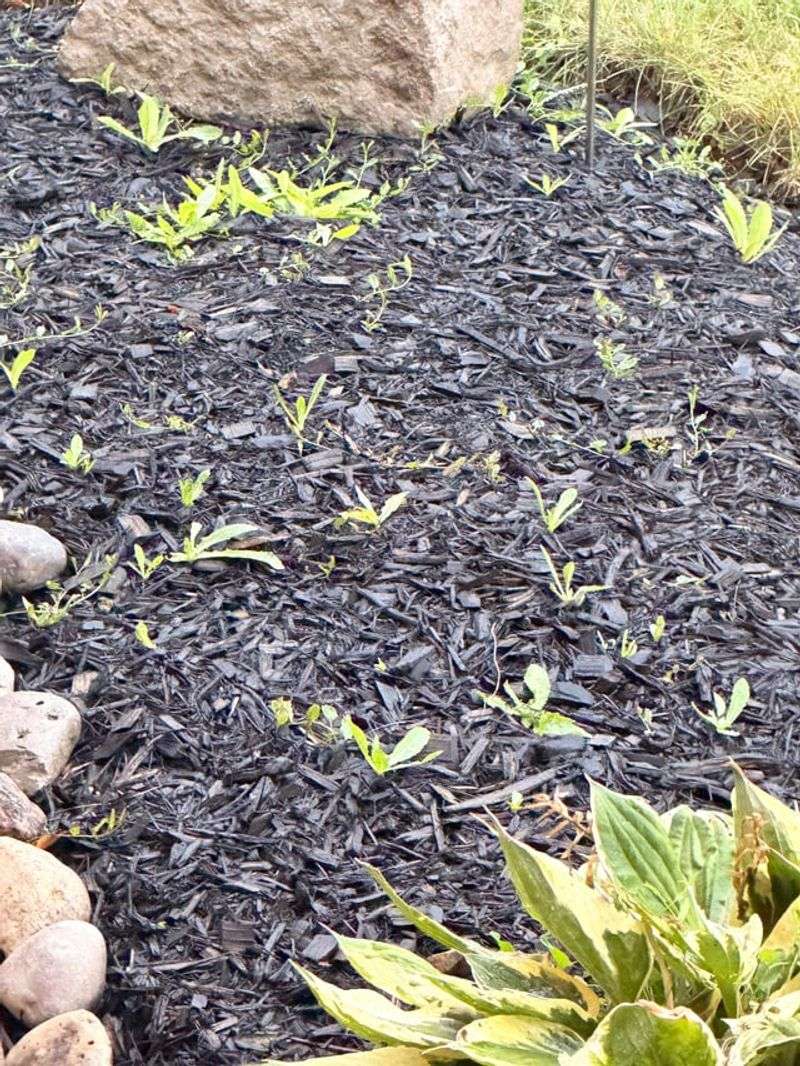
Here is something that surprises a lot of gardeners. Over time, old mulch breaks down and turns into something that looks and acts a lot like soil.
That decomposed layer becomes a perfect place for weed seeds to land and take root. Instead of blocking weeds, old mulch actually starts feeding them.
As mulch ages, it loses its ability to stop sunlight from reaching the ground. It gets thinner, softer, and more like dirt.
Weed seeds blown in by the wind or carried by birds land on top of this layer and find a cozy spot to grow. Oregon rains keep this old mulch moist, which makes it even more inviting for weed germination.
To avoid this problem, rake your mulch once or twice a year to break up any compacted areas and check how thick the layer still is. If it has broken down significantly, it is time to add a fresh top layer.
Some gardeners also choose to remove old mulch completely before adding new material, which gives them a clean start. Checking your mulch every spring and fall keeps it working the way it should.
Staying on top of this simple task prevents old mulch from turning into a weed nursery right in the middle of your garden.
4. Weeds Still Find Gaps Between Mulch Layers
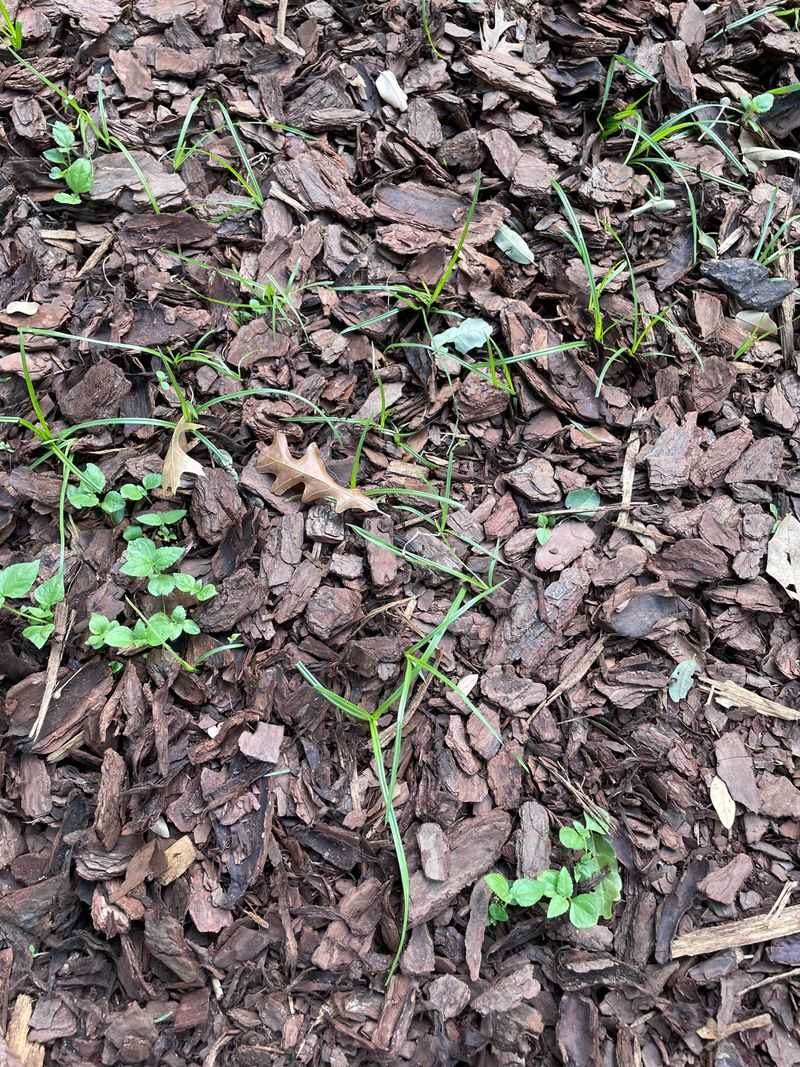
Even when you spread mulch carefully, weeds are incredibly good at finding the smallest openings. Gaps around plant stems, edges of garden beds, and spots where mulch has shifted can all become entry points for weeds.
They squeeze through wherever light and moisture are available, no matter how well you think you covered the area.
Mulch naturally shifts over time. Rain moves it around, wind blows it, and foot traffic can push it out of place.
In Oregon, heavy rain is very common, and it can wash mulch away from certain spots while piling it up in others. Those bare patches that get exposed are exactly where weeds will show up first.
Walk through your garden beds after a heavy rain and look for any spots where the soil is visible. Fill in those gaps right away with extra mulch to keep coverage consistent.
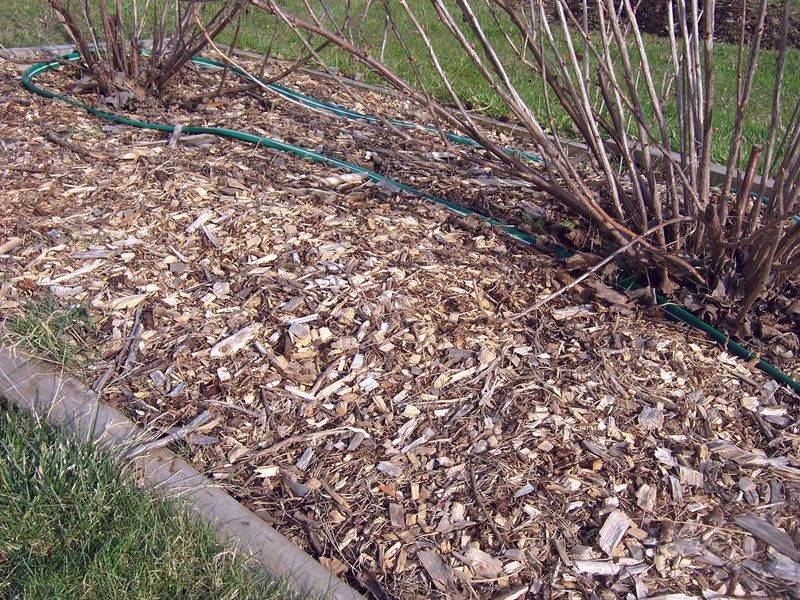
Around plant bases, be careful not to pile mulch directly against the stems, but make sure the surrounding area is still well covered. Using edging along the borders of your garden beds also helps keep mulch in place and prevents it from spreading onto paths or lawn areas.
Staying alert to gaps is a simple habit that makes a big difference in how well your mulch controls weeds throughout the season.
5. Too Much Mulch Can Hurt Plants Instead
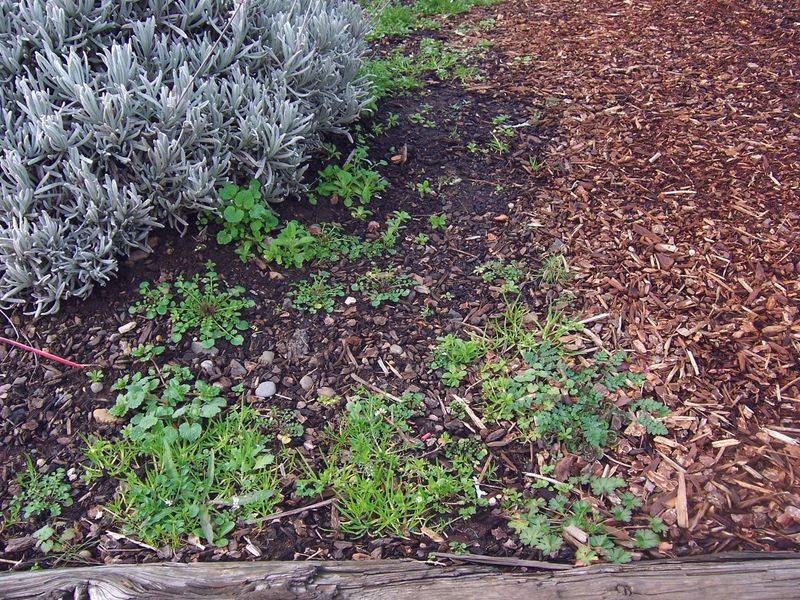
More mulch does not always mean better results. Piling mulch too high, especially right up against plant stems and tree trunks, can actually cause problems for the plants you are trying to protect.
When mulch is stacked too deep, it traps moisture against stems and can encourage rot and disease. Stressed plants have a harder time competing with weeds.
Thick mulch layers can also block air from reaching plant roots. Roots need oxygen to stay healthy, and when mulch is packed on too heavily, it creates a barrier that suffocates the root zone.
Weak, struggling plants are less able to shade out weeds on their own, so weeds end up taking over even faster.
Four to six inches of mulch is usually the maximum you should apply. Around tree bases, keep mulch at least six inches away from the trunk to avoid creating what gardeners call a mulch volcano.
That cone-shaped pile looks neat but does real damage over time. Pull back any mulch that has been piled too high and spread it out to a more even depth.
Keeping mulch at the right thickness protects your plants and still blocks weeds effectively. Getting the depth right means your garden stays healthier overall, and healthy plants are one of your best tools for naturally keeping weeds in check.
6. Timing Matters When Adding A New Layer
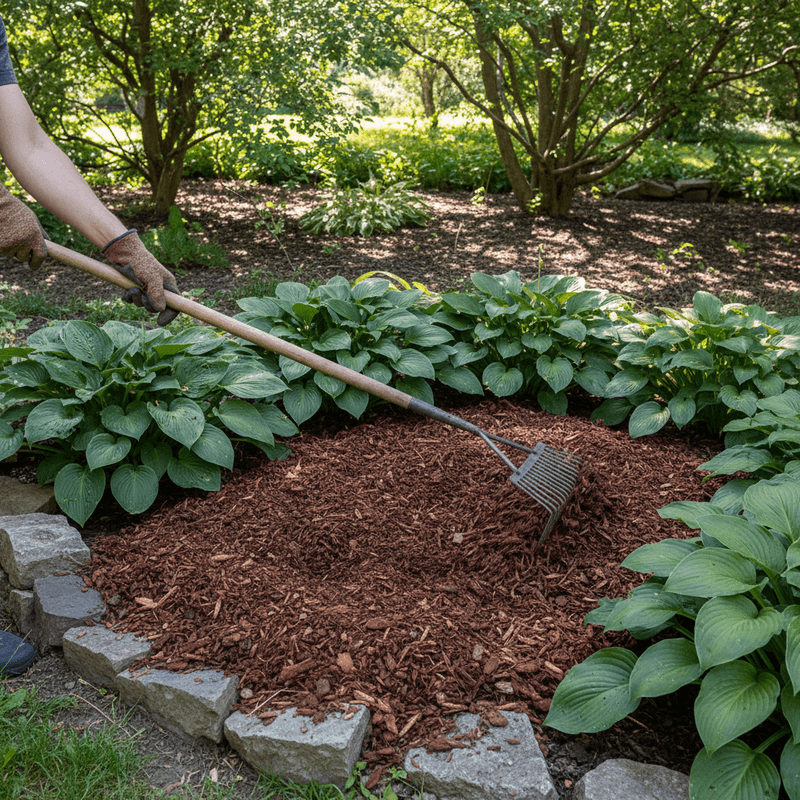
When you add mulch to your garden is just as important as how much you use. Spreading mulch at the wrong time of year can actually help weeds instead of stopping them.
For example, if you mulch in late spring after weed seeds have already germinated, you are locking moisture in around seedlings that are ready to grow fast.
The best time to add fresh mulch in Oregon is in early spring, before weed seeds have had a chance to sprout. Applying mulch while the soil is still cool and before the rainy season really kicks in gives you the best chance of stopping weeds before they start.
Mulching in fall is also a smart move because it protects soil over winter and gets your beds ready for the following growing season.
Avoid mulching over wet, muddy soil because it can trap excess moisture and create the perfect conditions for mold and plant disease. Let the soil dry out a little first, then spread your mulch evenly.
If you missed the early spring window, pull any visible weeds by hand before adding mulch so you are not locking in an existing problem. Planning your mulching schedule around the seasons takes just a little extra thought, but it makes a noticeable difference in how well your mulch performs all year long.
7. Clean Edges Make Weed Control Easier
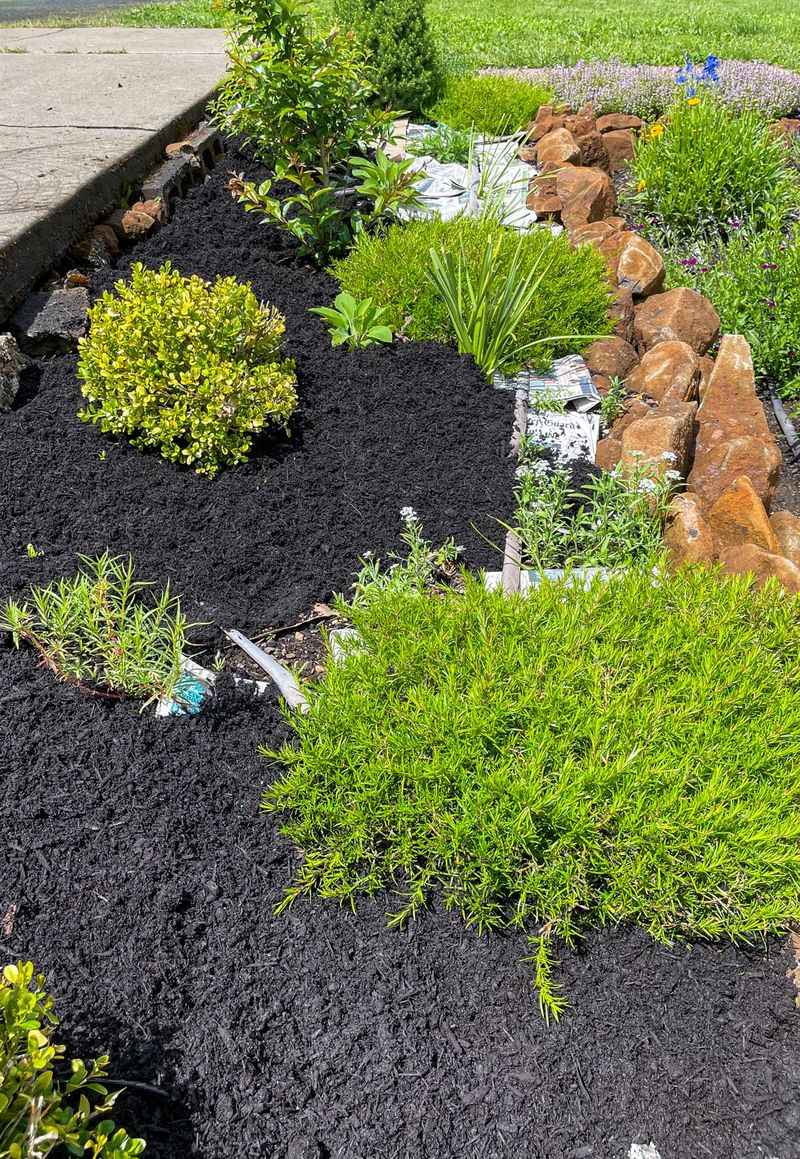
Sloppy edges around garden beds are one of the most overlooked causes of weed problems. When there is no clear boundary between your lawn and your mulched bed, grass and weeds can creep right in from the sides.
They root into the mulch and spread quickly because the moist, loose material is easy for them to move through.
Oregon lawns tend to grow aggressively, especially in wet months. Grass runners and creeping weeds can travel several inches underground and pop up right in the middle of your carefully mulched bed.
Without a physical barrier at the edge, this happens again and again no matter how often you weed.
Installing a clean edge using a spade, a plastic border strip, or a metal garden edging product creates a barrier that slows this creeping growth. Re-cut your edges at least once a season to keep them sharp and defined.
A clean edge also makes your garden look more polished and professional, which is a nice bonus. When you combine good edging with the right mulch depth, you close off two of the most common ways weeds find their way in.
Spending a little extra time on your garden edges each spring and fall saves you from hours of hand weeding later in the season. It is one of the smartest low-effort habits you can build.
8. The Right Mulch Depth Makes The Biggest Difference
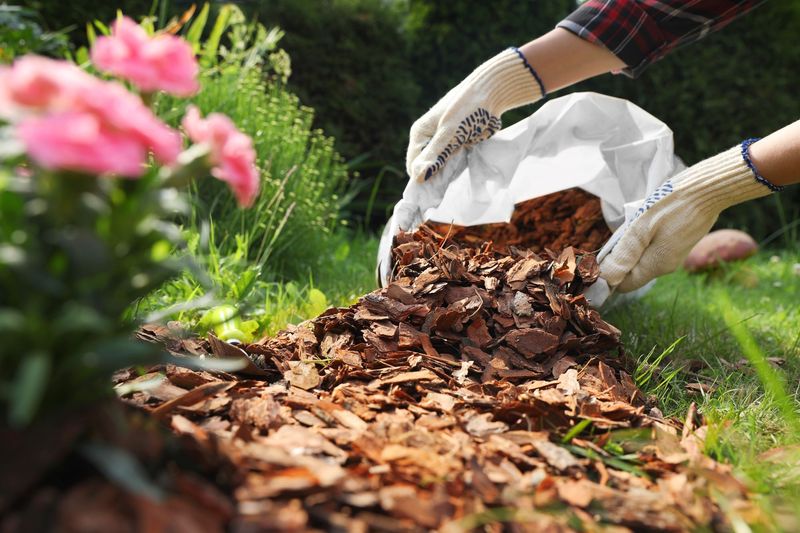
After all is said and done, getting the depth right is the single most important factor in making mulch work for you. Too thin and weeds push right through.
Too thick and your plants suffer. The sweet spot is right in the middle, and hitting that target consistently is what separates a garden that stays clean from one that is always fighting weeds.
Three to four inches of mulch is the general recommendation for most garden beds. At that depth, mulch blocks enough sunlight to stop most weed seeds from germinating while still allowing air and water to reach your plant roots.
It also breaks down slowly enough to stay effective between applications, which saves you time and money over the course of a season.
Check your mulch depth a few times a year, especially after heavy rain or wind. Use a ruler or your fingers to measure.
If it has dropped below two inches in some areas, top it off before weeds get a foothold. Keeping a consistent depth across the entire bed, not just in the center, is key.
Edges and corners tend to get thin first, so pay extra attention to those spots. Mulching does not have to be complicated.
With the right depth maintained regularly, it becomes one of the most powerful and low-maintenance tools in your entire gardening routine.