These Low-Growing Ground Covers Help Oregon Homeowners Deter Ticks In Shady Areas
Shady corners can turn into tick friendly spots when the ground stays damp, messy, and overgrown.
That is why many Oregon homeowners are rethinking what they plant under trees, along fence lines, and beside woodland edges.
The right ground cover can make those areas look cared for while leaving fewer hidden spaces for pests to settle. It can also replace tall weeds, loose debris, and bare patches that are hard to maintain.
This is not about one miracle plant. It is about choosing low, tidy growth that fits the shade and keeps the yard easier to manage.
A smart planting choice can make a dark corner feel cleaner, greener, and more useful. Pick the right ground covers, and those problem spots can become part of the garden instead of places you avoid.
1. Sweet Woodruff Creates A Low Carpet Instead Of Weedy Shade
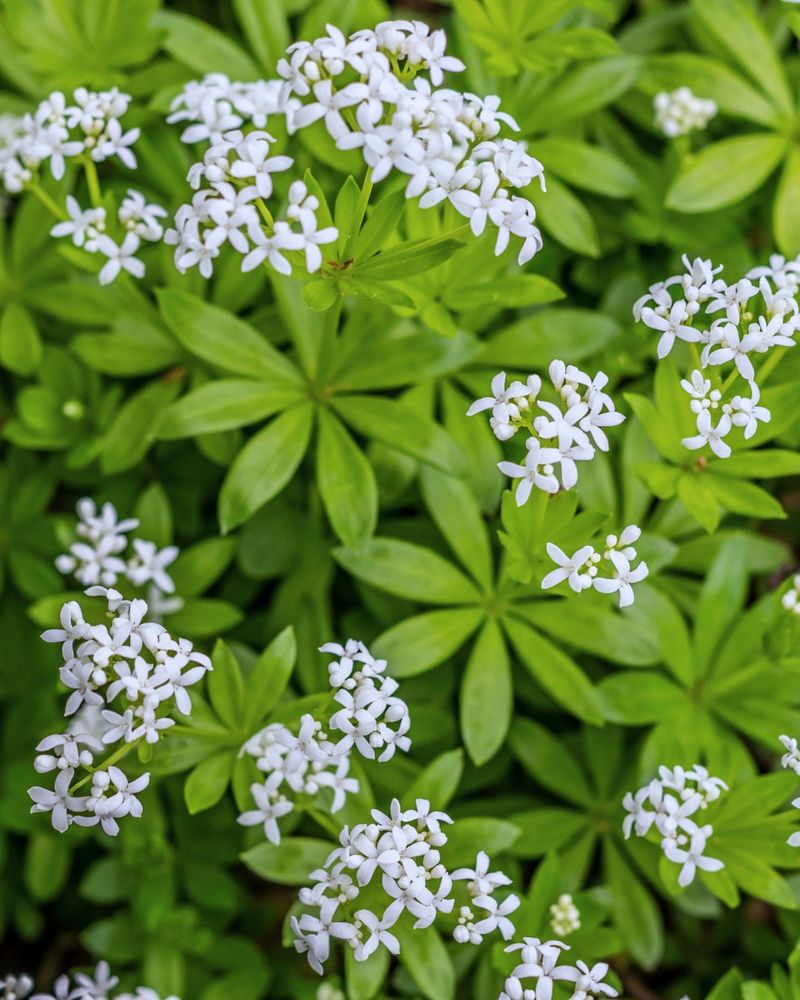
Few plants spread as cheerfully and efficiently under trees as sweet woodruff.
This low-growing European native has been used in gardens for centuries, and it earns its reputation every spring when it explodes into a sea of tiny white flowers.
Homeowners across our state love it because it fills in fast and chokes out the weedy, patchy ground cover that ticks prefer to hide in.
Sweet woodruff grows only about six to eight inches tall, forming a tight, even carpet that stays too dense and low for ticks to move through comfortably. It thrives in moist, shady spots under large trees where grass simply refuses to grow.
The leaves contain a natural compound called coumarin, which gives off a pleasant hay-like scent, especially when the foliage is brushed or crushed.
Planting it is straightforward. You can start with small nursery pots and space them about a foot apart.
Within two seasons, they will knit together into a solid mat. Sweet woodruff does spread, so giving it a defined border or edging will keep it where you want it.
It handles foot traffic lightly and bounces back quickly. For shady corners that feel neglected and tick-prone, this plant is one of the most reliable fixes a homeowner can make.
It looks tidy, smells good, and gets the job done without much fuss.
2. Barrenwort Fills Dry Shade Without Getting Brushy
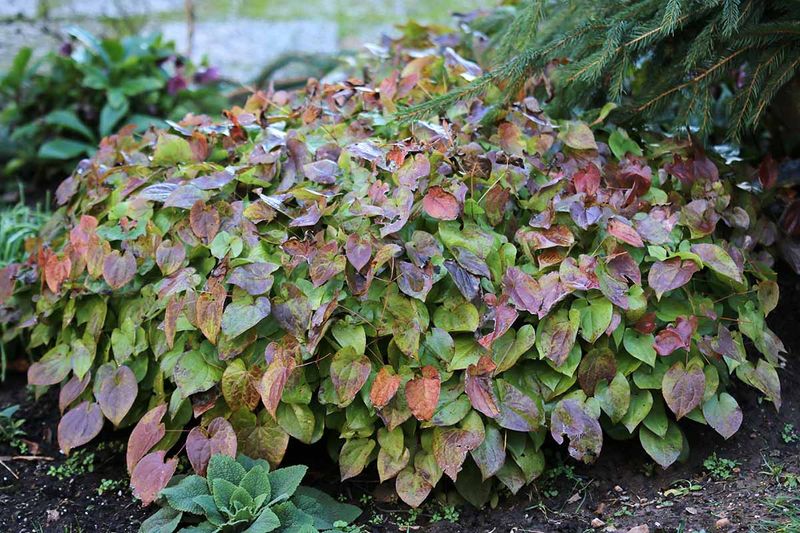
Dry shade is one of the toughest gardening challenges in our state, especially under mature Douglas firs and big-leaf maples that soak up every drop of moisture.
Barrenwort, also known as epimedium, is one of the few plants that genuinely thrives in those conditions.
It stays low, spreads steadily, and never gets the brushy, tangled look that creates perfect tick habitat.
The leaves are heart-shaped and often have a bronzy or reddish tint in spring and fall, which adds real visual interest to otherwise dull shade. Most varieties top out around eight to twelve inches, keeping the ground layer tight and well-groomed.
Unlike weedy alternatives, barrenwort does not produce the tall stems or thick debris that ticks love to nest in.
Once established, it is remarkably tough. It can handle drought, poor soil, and deep shade without skipping a beat.
Your Oregon Garden Changes Every Week. Your Plan Should Too.
Gardening in Oregon changes quickly throughout the season. Every Friday you’ll receive a simple weekly plan showing exactly what to plant, prune, fertilize, harvest, and protect so you never miss the right timing.
Homeowners who have struggled with patchy, weed-prone areas under trees often find that barrenwort is the answer they have been searching for.
It spreads slowly but reliably, and it rarely needs dividing or special attention.
To get the best results, cut back the old foliage in late winter before new growth emerges. This keeps the planting fresh and prevents buildup of old leaf material on the ground.
A clean, dense barrenwort planting leaves ticks very little to work with, making it a quiet but powerful tool in a tick-aware yard.
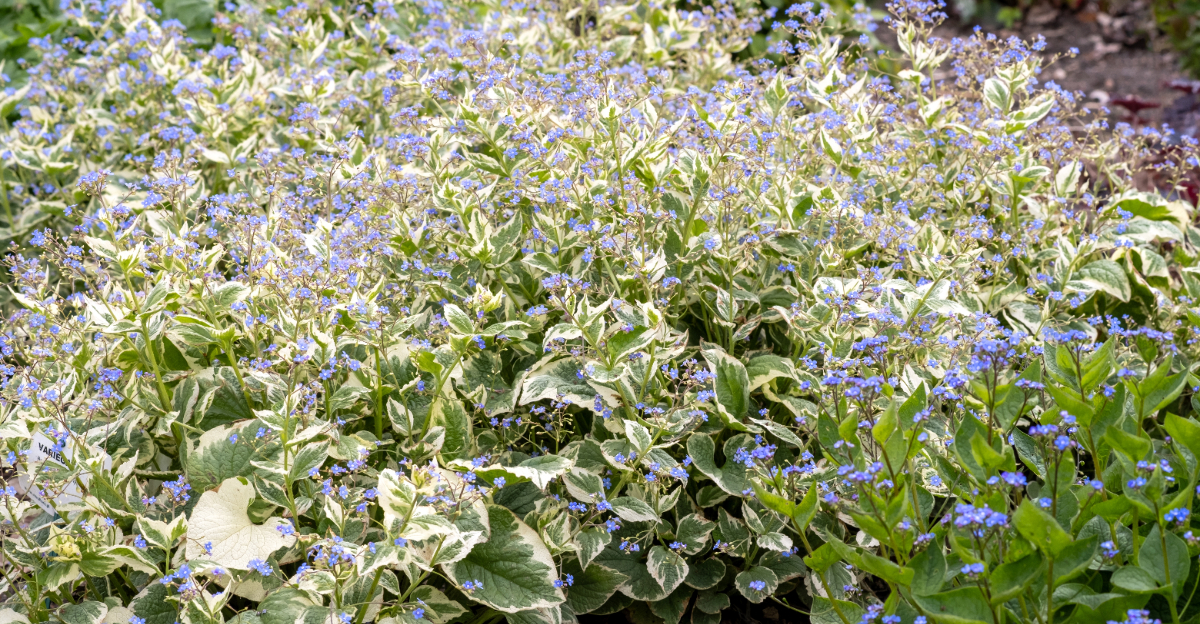
3. Brunnera Covers Bare Shade With Big Soft Leaves
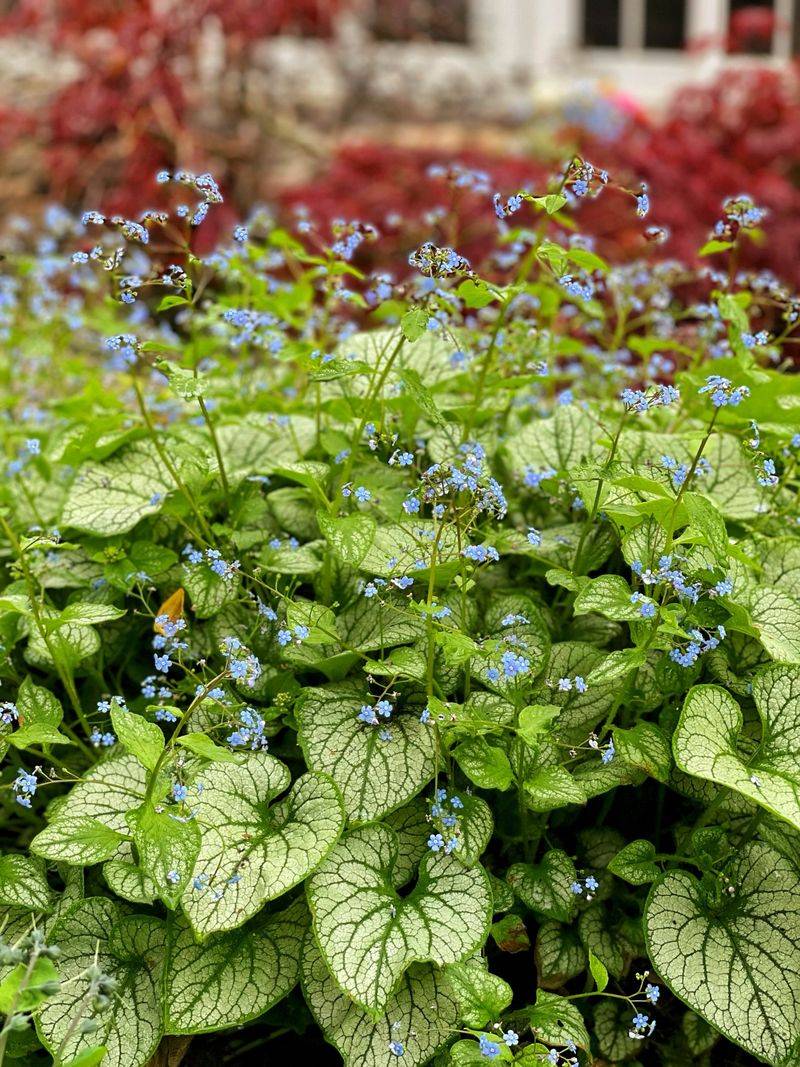
Big, bold leaves that practically glow in the shade make brunnera one of the most eye-catching ground covers you can plant under trees.
This perennial produces heart-shaped leaves that can grow up to eight inches wide, and many popular varieties are splashed with silver or white markings.
Beyond its looks, brunnera does something really useful in a tick-management strategy. Its wide leaves form a dense, overlapping canopy close to the ground that shades out the weedy, patchy growth ticks depend on for cover.
The thick leaf layer also dries out more quickly than loose leaf litter, reducing the moist microhabitat that ticks seek out.
In spring, brunnera sends up delicate sprays of tiny blue flowers that look just like forget-me-nots. Pollinators love them, and they add a welcome pop of color before most other shade plants wake up.
After flowering, the foliage takes over and stays attractive all season long. Brunnera prefers consistently moist, well-drained soil and does best in full to partial shade.
It is not a fan of dry conditions, so pairing it with a layer of mulch helps retain moisture during dry summers.
Plants reach about twelve to fifteen inches tall and spread gradually over time. For homeowners who want a ground cover that pulls double duty as a visual statement and a tick deterrent, brunnera is a standout choice.
4. Mondo Grass Gives Shade A Neat, Low Ground Layer
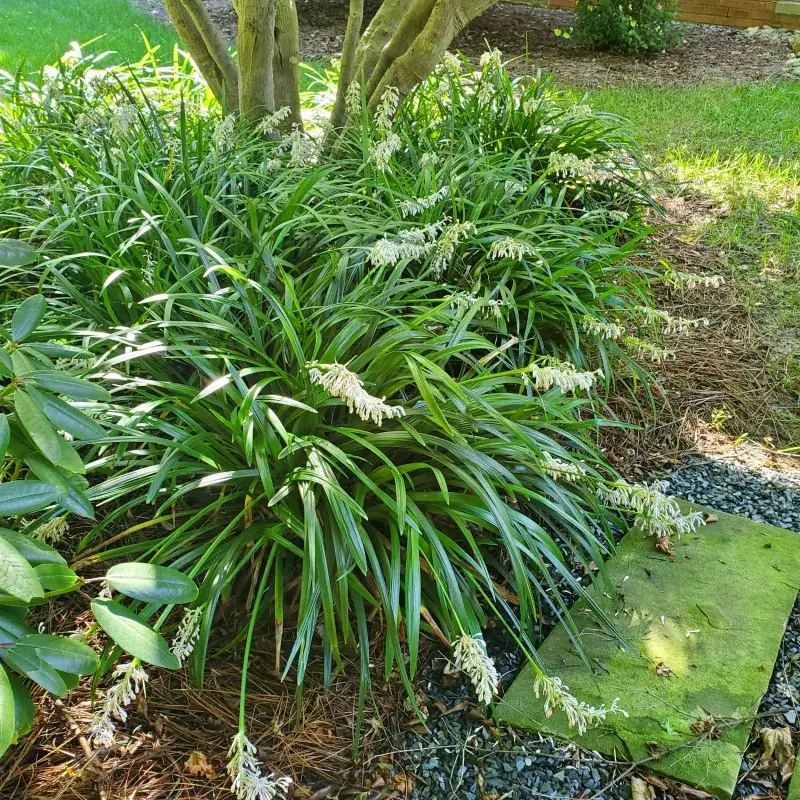
There is something satisfying about a yard that looks clean and well-organized, and mondo grass delivers that look even in the shadiest spots.
This grass-like perennial forms tight, dark green tufts that spread slowly into a smooth, even mat.
It stays low, rarely exceeding six inches in height, which means it never creates the tall, brushy environment that ticks love.
Mondo grass is not a true grass at all. It belongs to the lily family, and its strap-like leaves are tougher and more resilient than regular lawn grass.
It handles foot traffic reasonably well and holds up through wet winters and dry summers, which makes it well-suited to the varied climate across our state.
One of its biggest advantages is how little maintenance it needs. Once established, mondo grass essentially takes care of itself. It does not need mowing, and it rarely gets weedy or patchy.
The dense mat it forms is one of the best natural barriers against tick-friendly conditions because it stays compact and does not accumulate the damp debris ticks thrive in.
For shady strips along fences, under trees, or along pathways where grass struggles, mondo grass is a go-to solution.
The dwarf variety, Ophiopogon japonicus Nanus, is especially popular because it grows even shorter.
Planting in masses spaced about six inches apart gives you a solid carpet within a couple of seasons. It is low-effort, long-lasting, and genuinely practical.
5. Hardy Cyclamen Naturalizes Under Trees And Shrubs
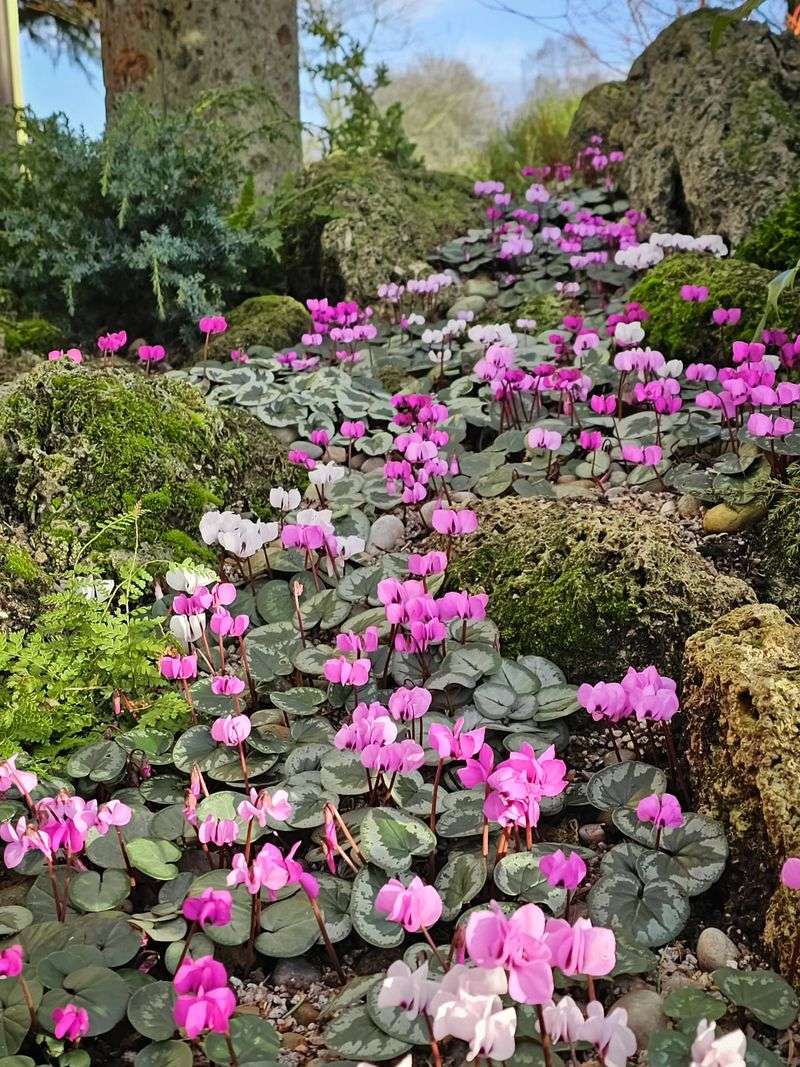
Most people think of cyclamen as a delicate houseplant, but the hardy outdoor varieties are a completely different story. Cyclamen hederifolium, the most popular garden species, is as tough as they come.
It naturalizes beautifully under trees and shrubs, spreading slowly from tubers to form a patterned carpet of marbled leaves that looks almost too pretty to be real.
What makes this plant especially appealing for tick-aware homeowners is its growth habit. The leaves emerge in fall, cover the ground through winter and spring, and then go dormant in summer.
During the growing season, the foliage forms a low, dense layer that keeps the soil shaded and reduces the loose, leafy ground conditions ticks prefer.
The flowers appear before the leaves in late summer and early fall, producing cheerful pink or white blooms that add unexpected color to a shady bed.
After flowering, the seed-bearing stems curl into a spiral and deposit seeds near the parent tuber, which is how the plant gradually spreads on its own.
Over several years, a single tuber can become a wide, naturalized patch.
Hardy cyclamen prefers well-drained soil and does best in dry to moderately moist shade. It is particularly happy under deciduous trees where it gets some summer dryness.
Planting it in groups of five or more tubers gives faster coverage.
For homeowners looking for a ground cover that handles itself with minimal help, this one has a quiet kind of confidence that earns its place in any shade garden.
6. Yerba Buena Covers Cool Shade With Fragrant Native Leaves
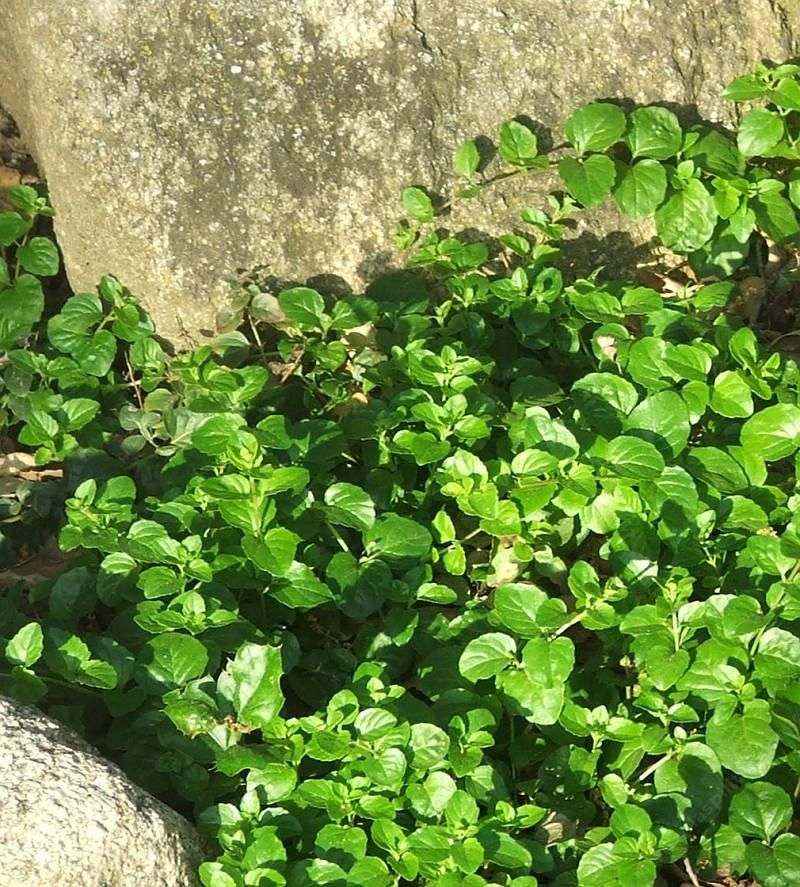
Native plants have a way of fitting into a landscape like they were always meant to be there, and yerba buena is a perfect example of that.
This low-growing native herb is found naturally in the forests of our state, trailing along the ground beneath trees with its small, round, intensely fragrant leaves.
It has been used for centuries by Indigenous communities for its pleasant minty aroma and medicinal qualities.
For tick management, yerba buena brings something extra to the table.
The strong aromatic oils in its leaves are naturally repellent to many insects, and its dense trailing habit keeps the ground covered tightly without building up the debris ticks need.
It stays under four inches tall, forming a soft, scented mat that is genuinely pleasant to brush against on a warm day.
Yerba buena thrives in cool, moist, shaded conditions, which are exactly the spots that tend to attract ticks in the first place. It does well under conifers and along shaded slopes where other ground covers struggle.
Because it is native, it supports local pollinators and fits naturally into the existing ecosystem without becoming invasive.
Establishing yerba buena takes a little patience since it spreads gradually. Starting with several small plants spaced about eighteen inches apart will give you a solid patch within two to three seasons.
Keep the soil lightly moist during the first summer, and after that it largely looks after itself.
It is a genuinely rewarding choice for homeowners who want a native, fragrant, and functional ground cover.
7. Redwood Sorrel Makes Shady Soil Look Like A Forest Floor
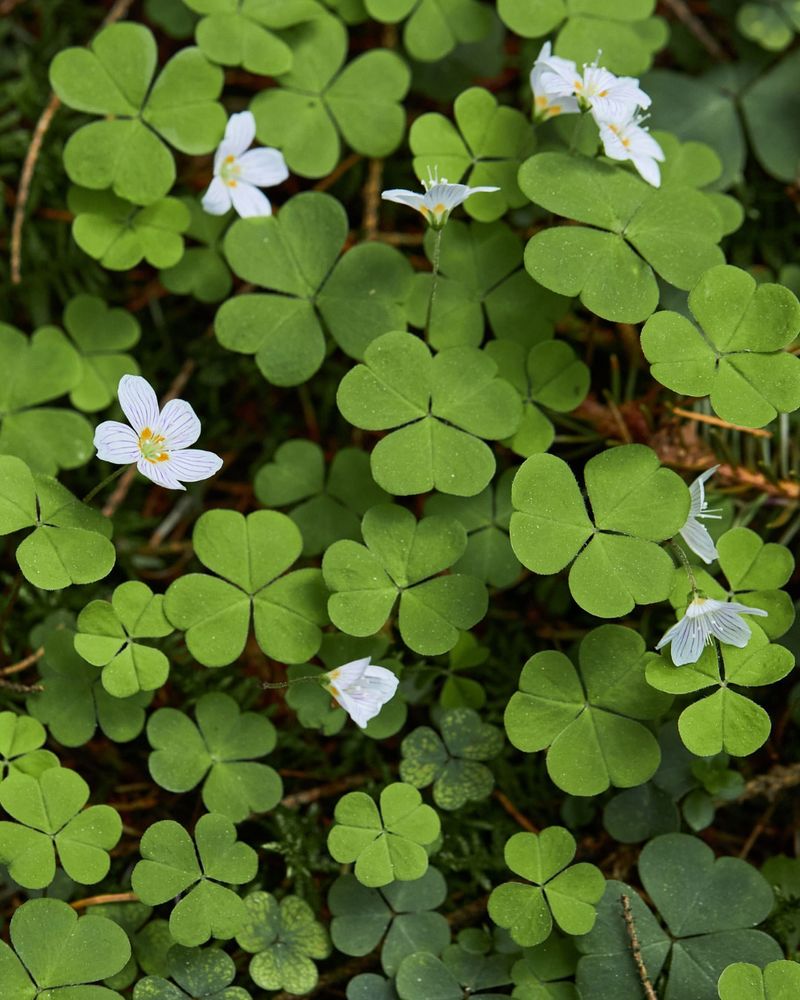
Walk through any old-growth forest in western parts of our state and you will almost certainly see redwood sorrel blanketing the ground in lush, clover-like mats.
This native perennial is one of nature’s best shade solutions, and it translates beautifully into home gardens that have deep, challenging shade where almost nothing else wants to grow.
Redwood sorrel, or Oxalis oregana, spreads through underground rhizomes to form a continuous, soft carpet that stays just four to six inches tall.
The leaves fold down at night and during intense heat, which is an endearing quirk that kids especially seem to love.
In spring, small pink or white flowers dot the mat, giving it a delicate, woodland appearance.
From a tick-deterrence standpoint, redwood sorrel works by replacing loose, weedy, debris-filled ground with a tight living mat that does not give ticks the humid microclimate.
Because it grows so densely, it also outcompetes the weeds and tall grasses that often harbor tick populations near yard edges.
This plant is happiest in consistently moist, acidic soil with deep to partial shade. It pairs naturally with ferns, trillium, and native shrubs, making it ideal for homeowners who want their yard to feel like an extension of the surrounding forest.
Planting plugs about a foot apart in prepared soil gets things going quickly. Within a season or two, redwood sorrel fills in to create that satisfying, forest-floor look that feels both wild and wonderfully tidy.