Why Ripe Fruit Trees Are Pulling Utah’s Black Bears Into Neighborhoods
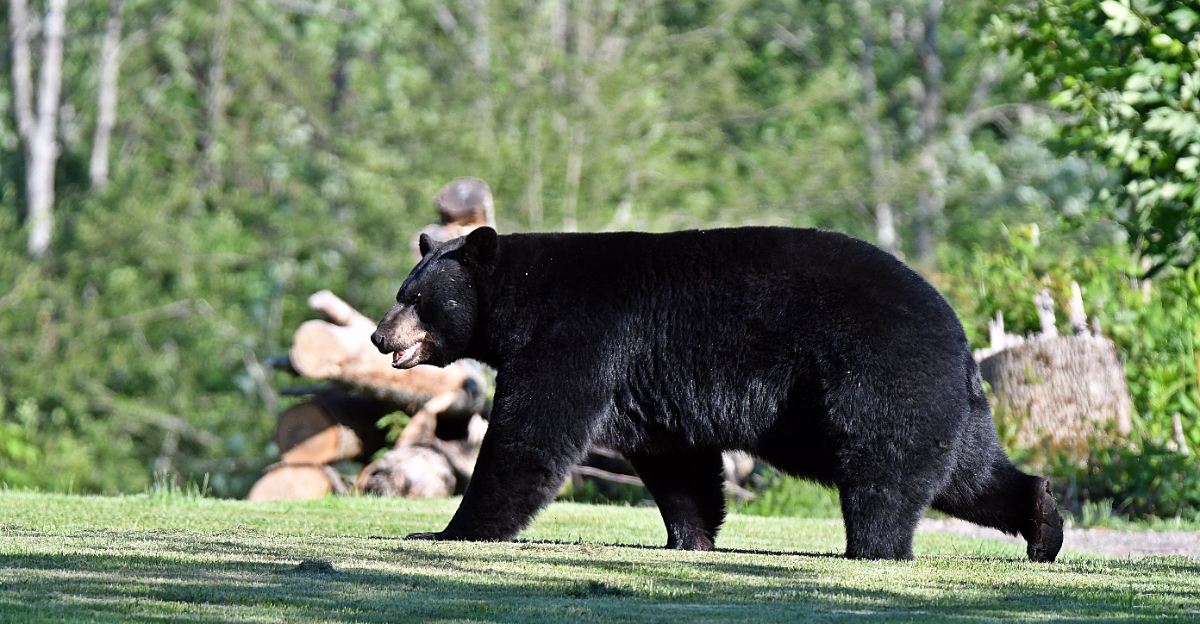
Fruit hanging heavy on your trees this month is pulling hungry visitors down from the Utah high country. Neighbors report bears crossing lawns at dusk, drawn by scent rather than by chance.
Ripe peaches and softening pears throw scent across remarkable distances, far past property lines. Bears need an enormous daily calorie load before cold weather shuts their systems down.
Wildlife officials across Utah link the sharpest rise in sightings to unpicked backyard trees. Trash cans and feeders matter too, though fallen fruit keeps working long after the others go quiet.
You may assume the canyon rim holds enough space between you and them. Distance means little to an animal that memorizes an address where it fed well.
Picking early changes the outcome, but timing depends on details most homeowners never hear. Miss the real reason they keep returning, and you will feed them straight through autumn without meaning to.
The Connection Between Drought And Bear Behavior
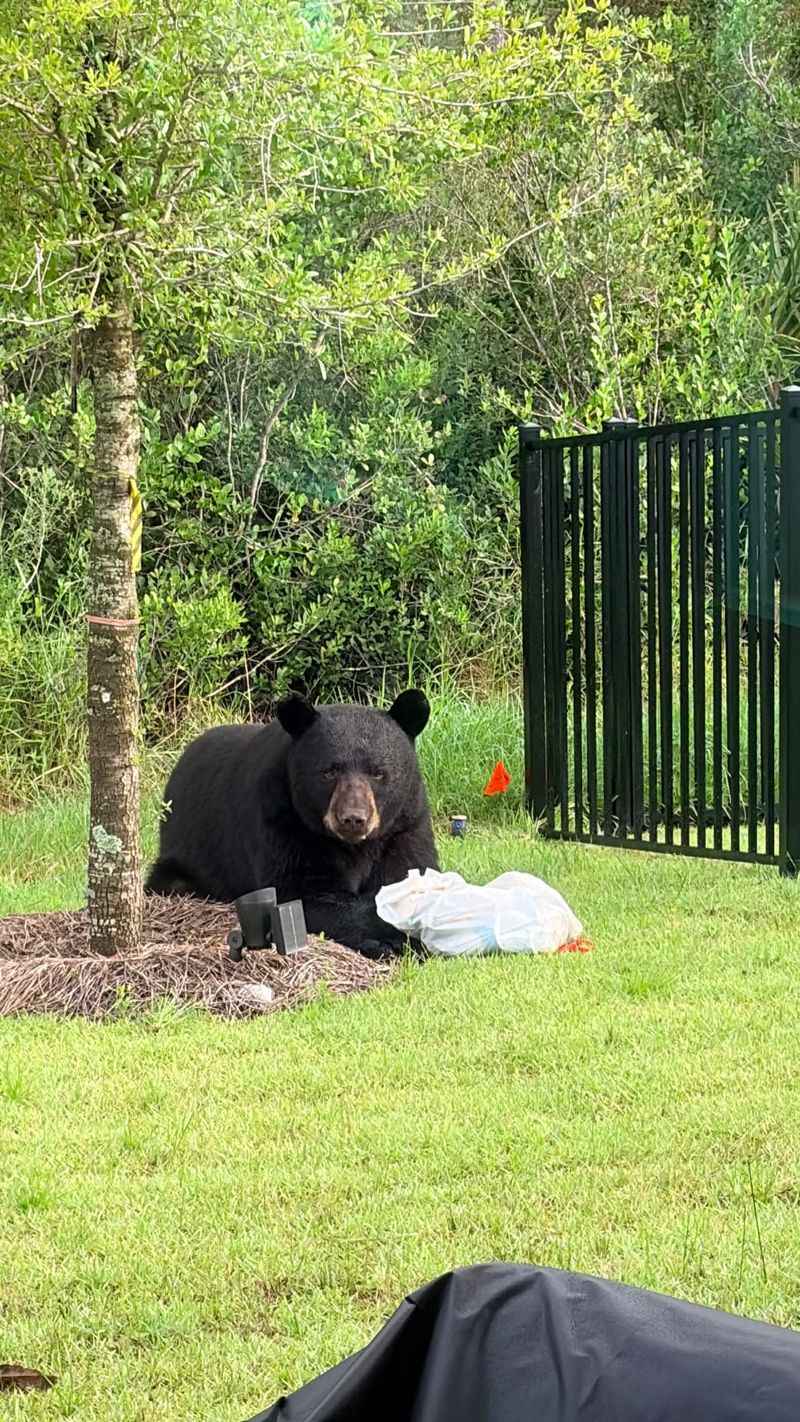
Drought reshapes the way a black bear finds food. When natural food sources dry up in the mountains, bears get desperate fast.
Utah has faced serious drought conditions for several years running. Dry summers shrink berry patches, reduce acorn crops, and thin out the wild plants bears depend on.
So bears start scanning for calories anywhere they can find them. Ripe fruit trees in neighborhoods become irresistible targets when the wilderness runs empty.
Wildlife biologists call this “hyperphagia,” the intense eating phase before hibernation. Bears can take in tens of thousands of calories a day during late summer and fall.
A backyard apple tree can deliver exactly what a bear craves. One tree loaded with fruit delivers a dense calorie payoff that scattered wild forage rarely matches.
This is why black bear sightings spike during dry years. The drought pushes bears downhill toward places where food is reliable and abundant.
Foothill and canyon-adjacent neighborhoods sit closest to bear habitat, which is where reports cluster. Those areas mark the line where wild country meets residential development.
Knowing drought drives this behavior helps homeowners prepare smarter. When the forecast is dry, your fruit trees become an even bigger magnet for hungry wildlife nearby.
Common Attractants Found In Utah Yards
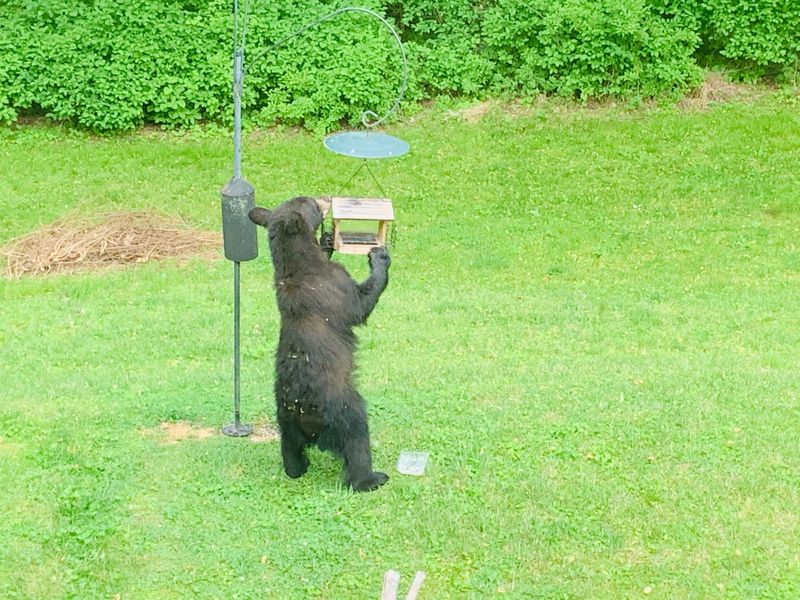
Fruit trees are the biggest draw, but they are far from the only problem. Bears are opportunistic eaters with an extraordinary sense of smell.
A black bear can pick up food scent from a remarkable distance. That nose leads them straight past your fence and into your yard without hesitation.
Bird feeders are a surprisingly common culprit. Sunflower seeds and suet carry the fat content bears seek out during their heaviest feeding weeks.
Unsecured garbage cans are another major issue. Even a bag tied loosely inside a plastic bin can send scent signals that attract bears from far away.
Compost piles loaded with fruit scraps and vegetable peels read as a reliable food source. Bears learn quickly which yards offer easy meals and return again and again.
Outdoor pet food left on a porch overnight is another invitation. A single bowl of kibble can bring a bear right up to your back door.
Your Utah Garden Changes Every Week. Your Plan Should Too.
Gardening in Utah changes quickly throughout the season. Every Friday you’ll receive a simple weekly plan showing exactly what to plant, prune, fertilize, harvest, and protect so you never miss the right timing.
Backyard barbecue grills with grease left in the drip tray are tempting too. Bears associate that smoky, fatty smell with a potential food reward.
Even ripe fruit still hanging on the tree counts as an attractant. Bears will stand on their hind legs or climb low branches to reach a good meal.
Removing these attractants one by one is the smartest first step. Reducing the scent load in your yard makes your home far less interesting to a roaming bear.
Steps To Bear-Proof Fruit Trees And Gardens
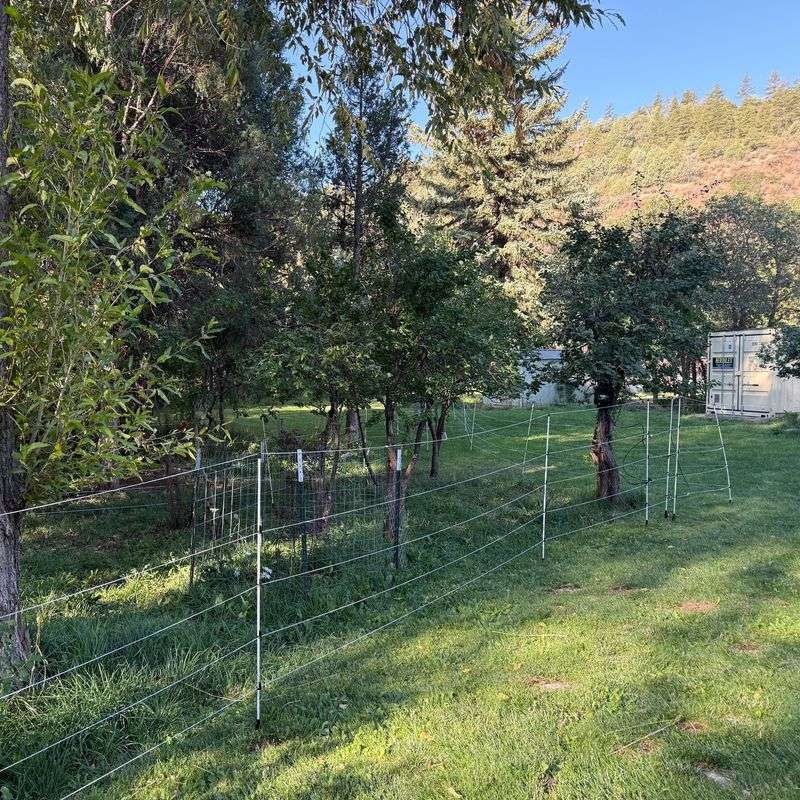
Protecting your fruit trees does not mean removing them. A few smart strategies can make your yard far less appealing to wandering bears.
Pick fruit as soon as it ripens. Letting apples, peaches, or pears fall to the ground creates a pile of free calories that bears will happily clean up.
Harvest daily during peak season if possible. Even a single day of fallen fruit can establish a feeding pattern that brings a bear back repeatedly.
Electric fencing is one of the most effective tools available. A properly installed low-voltage fence around a tree or garden sends a clear signal that this food source is off limits.
Bear-resistant tree wraps or trunk guards can prevent climbing. Smooth metal sheeting around a trunk makes it very difficult for a bear to shimmy up and reach branches.
Motion-activated lights and sprinkler systems can startle bears away at night. These tools work best when combined with other deterrents rather than used alone.
Removing ripe fruit early is the single most reliable step available. Harvesting slightly ahead of peak ripeness cuts scent output before it travels.
Picking up all fallen fruit every evening is a simple but powerful habit. Consistent clean-up breaks the reward cycle that keeps bears returning to your property.
Bear-proofing your yard is a community effort too. Talking to neighbors about these same steps multiplies the effect across the whole block.
Handling An Unexpected Encounter In Your Yard
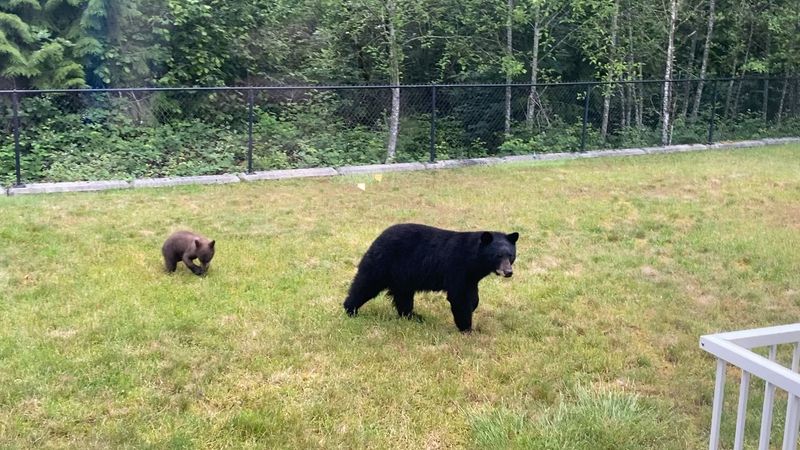
Seeing a black bear in your yard is startling, but a calm response matters more than a fast one. Most bears want nothing to do with people and will leave if given a clear path.
Stand your ground rather than retreating. Utah wildlife officials advise against backing up, lying down, or playing dead with a black bear, since retreating can invite it forward.
Make yourself look large by raising your arms and standing tall. Speak in a firm, steady voice so the bear knows you are a human and not prey.
Read the bear’s behavior before reacting. Standing up, huffing, or moaning usually signals curiosity rather than aggression.
Do not climb a tree to escape. Black bears climb well and can move faster than any person on foot, so height offers no advantage.
Make noise to encourage the bear to move on. Clap your hands, shout calmly, or bang a pot if you have one nearby.
Go inside your home if the bear is close to your door. Give the animal space and time to wander off on its own schedule.
Feeding a bear, even to move it along, creates the exact association wildlife officers work to prevent. That connection between people and food rewards is what turns a passing visitor into a returning problem.
Keep bear spray within reach rather than stored away. Utah officials advise being ready to deploy a deterrent from the start of an encounter, and to fight back with any available object if a black bear makes contact.
Reporting Conflicts To Wildlife Officials
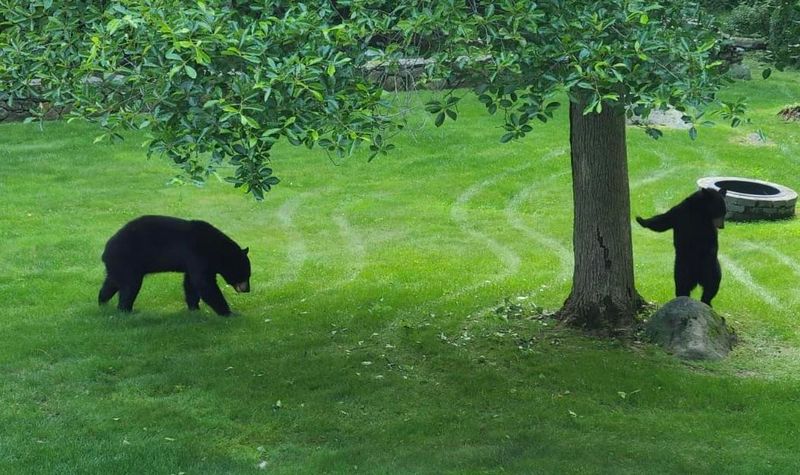
Not every bear sighting needs a call to authorities, but some situations absolutely do. Knowing the difference can protect your neighborhood and the animal.
A bear passing through your yard and moving on is usually not an emergency. Wildlife officials encourage residents to observe, remove attractants, and let the bear leave naturally.
A bear that lingers, enters a structure, or shows no fear of humans is a different story. That behavior signals a bear that has become food-conditioned and poses a real risk.
The Utah Division of Wildlife Resources handles bear conflict reports through its regional offices. Officers assess the report and decide whether relocation is warranted.
When you call, be specific about what you saw. Describe the bear’s size, behavior, location, and whether it seemed aggressive or calm.
Photos or short video clips taken safely from indoors can be extremely helpful. Officers use that information to identify returning individuals and track movement patterns.
Local law enforcement can also respond if a bear is actively threatening people. Do not hesitate to call 911 if someone is in immediate danger.
Reporting helps wildlife managers spot problem areas early. When multiple households report the same bear, officials can act before a bear becomes fully food-conditioned.
Your report is not just about one bear. Each call contributes to better data that helps protect both communities and wildlife populations across the state for years ahead.
Protecting Pets And Family Members Outdoors
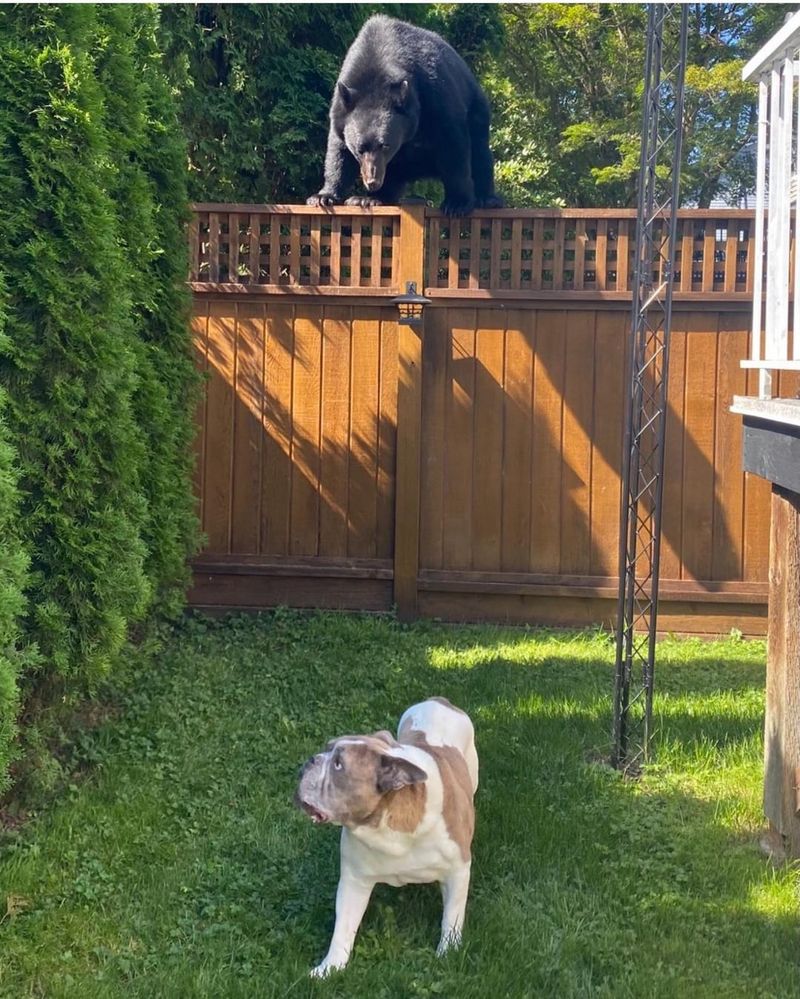
Fruit trees pulling black bears into neighborhoods also puts pets at greater risk. Small dogs and outdoor cats can trigger a bear’s prey instinct if left unsupervised.
Supervise pets whenever they are outside, especially at dawn and dusk. Those are peak activity windows when bears are most likely to be moving through neighborhoods.
Keep dogs on a leash during walks in areas where bear activity has been reported. A leashed dog is far easier to control if a bear appears on the trail ahead.
Bring pet food and water bowls inside each evening. Leaving them out overnight is an open invitation that few bears will pass up.
Teach children what to do if they see a bear. Simple rules like stay calm, stand tall, and find an adult can make a real difference in an unexpected moment.
Outdoor play areas near fruit trees deserve extra attention. Check the yard before letting young children play outside during high bear activity season.
Motion-sensor lighting around your yard adds a layer of safety at night. Bears moving through neighborhoods tend to favor low-traffic hours, and sudden light can be enough to push one along.
Children should not approach or feed a bear at any distance. Even a young bear carries enough strength to injure someone who startles it near food.
Creating safe habits now protects your family season after season. Steady habits reduce the chance of a conflict later in the season involving ripe fruit trees and Utah’s black bears.