Why Shell Landscaping Is Trending With Coastal Florida Homeowners
Tired of fighting your yard every weekend? Between salty air, sandy soil, blazing sun, and nonstop mowing, keeping a traditional lawn alive in coastal Florida can feel like a full-time job.
That’s why more homeowners are ditching grass and turning to shell landscaping. It looks clean, coastal, and stylish while cutting down on water bills, maintenance, and muddy messes after summer storms.
Imagine pulling into your driveway and seeing a bright, beach-inspired yard that actually fits the Florida lifestyle instead of working against it. No patchy spots.
No constant watering. No endless trimming.
Just a fresh, natural look that holds up in heat, humidity, and salt air. From driveways and walkways to garden beds and full-yard makeovers, shells are popping up everywhere along the coast.
If you’ve been searching for a smarter, easier way to upgrade your outdoor space without sacrificing curb appeal, this trend is turning heads for a reason and homeowners are loving the results.
1. Shell Landscaping Basics: The Coastal Look That Actually Works
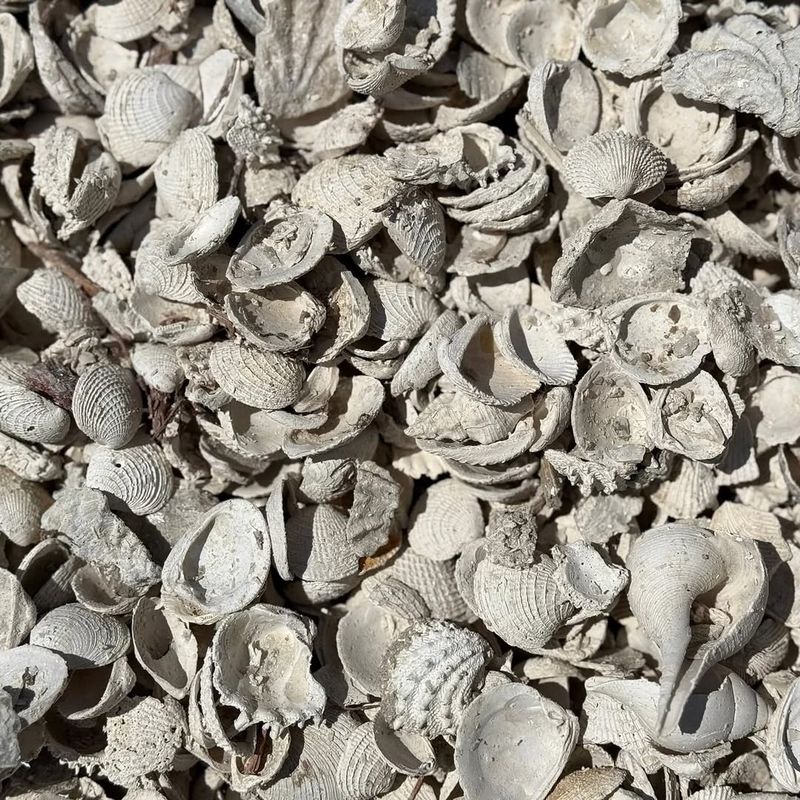
Shell landscaping uses crushed or whole shells from oysters, clams, and other marine species as a decorative ground cover in place of traditional mulch or stone.
Homeowners spread these shells over flower beds, pathways, driveways, and even larger yard areas to create a clean, coastal look that blends naturally with Florida’s shoreline environment.
The shells come in various sizes, from fine crushed pieces to larger decorative chunks, giving you flexibility in how you design your outdoor space.
Installation is straightforward. You start by clearing the area of weeds and debris, then lay down landscape fabric to prevent unwanted growth from pushing through.
After that, spread the shells in an even layer about two to three inches deep for best coverage and durability.
The shells compact slightly over time, forming a stable surface that holds up well under foot traffic and occasional light utility use such as wheelbarrows or garden carts. Unlike organic mulches that break down quickly in Florida’s heat and humidity, shells remain intact for years with minimal maintenance.
They also reflect sunlight, which helps keep the ground cooler and reduces heat stress on nearby plants. This makes shell landscaping both a practical and beautiful choice for coastal properties looking to embrace the beach lifestyle while solving common yard challenges.
2. Shell Ground Cover Is One Of The Toughest Options For Coastal Yards
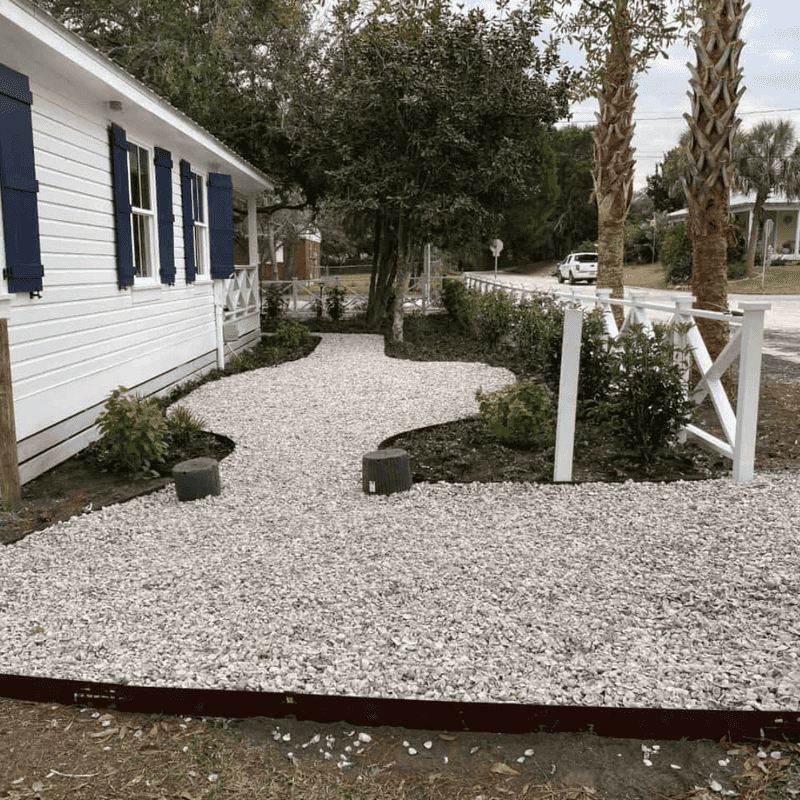
Coastal conditions that stress out other landscaping materials actually work in favor of shell ground cover. Shells are made from calcium carbonate, the same mineral that forms naturally in ocean environments, so they’re already adapted to handle salt, moisture, and the kind of weathering that comes with living near the water.
Your shell landscaping is far more resistant to rot, mold, and breakdown than wood mulch when exposed to salty air and frequent rain.
Sandy soil, which dominates most coastal Florida yards, drains quickly and doesn’t hold nutrients well. Shells can slowly contribute small amounts of calcium as they weather, which may help slightly buffer acidic soils and benefit some plants over time.
They also create a protective layer that reduces soil erosion during heavy rains and tropical storms.
Temperature swings and intense sunlight can be brutal on traditional mulches, causing them to fade, dry out, or decompose rapidly. Shells stay stable and bright for years without needing frequent replacement.
Their light color reflects heat rather than absorbing it, keeping root zones cooler and reducing water evaporation from the soil. This natural durability makes shell landscaping a smart, low-stress option for homeowners who want their yards to look great without constant upkeep.
3. Shell Landscaping Is Built To Handle Salt And Storm Conditions
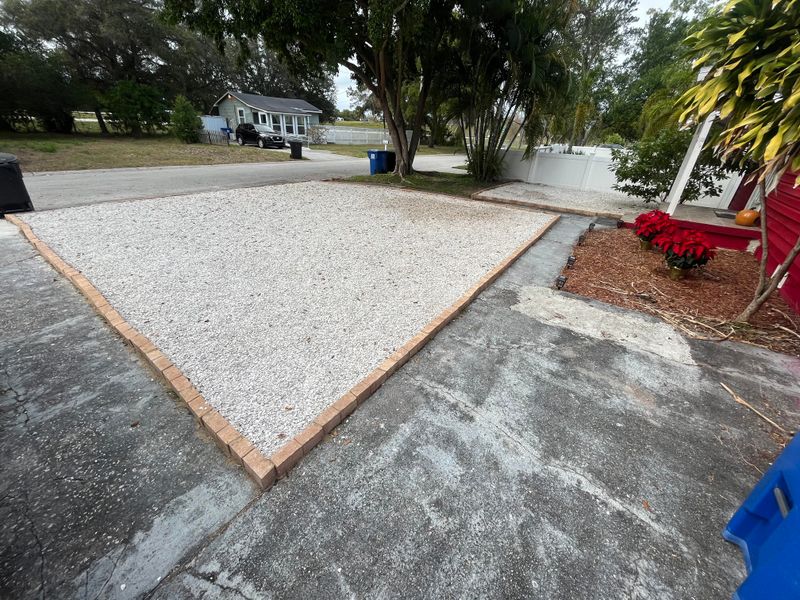
Salt spray and storm surge are two of the biggest threats to coastal landscaping, but shells generally handle these conditions better than many traditional ground covers. Since shells originate from saltwater environments, they’re naturally resistant to the corrosive effects of salt that can damage other ground covers like dyed mulch or certain types of stone.
When salt spray settles on shells, it simply rinses away with the next rain without causing deterioration or discoloration.
During heavy rain and minor flooding, shells tend to stay in place better than loose organic mulches that often float away or scatter across yards. Their weight and interlocking texture help them resist being washed out, and if some displacement does occur, shells are easy to rake back into position once the water recedes.
This stability protects your soil from erosion and keeps your landscaping looking intact even after rough weather.
Shells also drain exceptionally well, which prevents standing water and the muddy messes that often follow storms. Water flows through the shell layer quickly, reducing the risk of root rot in your plants and reducing standing water that can attract mosquitoes.
This combination of salt tolerance, storm resilience, and superior drainage makes shell landscaping one of the most reliable choices for Florida homeowners who live near the coast and need materials that can weather whatever nature throws their way.
4. Big Results With Low Maintenance
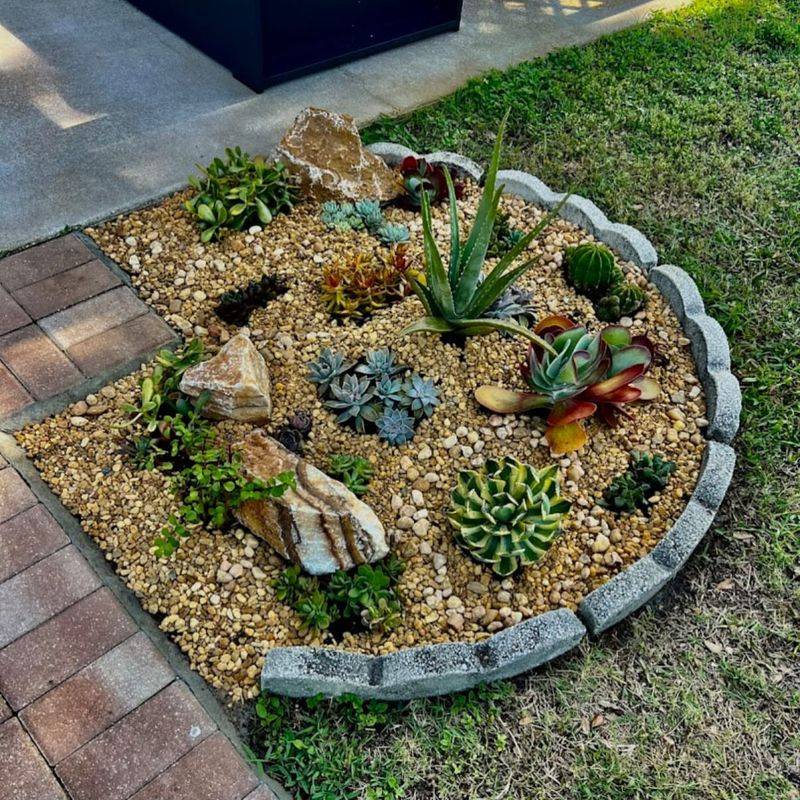
One of the biggest reasons coastal homeowners choose shell landscaping is how little maintenance it requires compared to other ground covers. Traditional wood mulch needs to be replaced every year or two as it decomposes, breaks down, and loses color.
Shells, on the other hand, commonly last several years and often up to a decade with proper installation and occasional touch-ups to fill in thin spots or high-traffic areas.
Weeds have a much harder time pushing through a layer of shells than they do through mulch or bare soil. The compact surface and reflective heat make it difficult for weed seeds to germinate and establish roots.
When weeds do appear, they’re easy to spot and pull out quickly without disturbing the shell layer.
Unlike wood mulch, shells do not attract termites and are generally less appealing to many mulch-dwelling pests. This means you won’t have to worry about infestations starting in your landscaping and spreading to your home.
Shells also don’t need to be raked or fluffed to maintain their appearance, and they don’t develop mold or fungus growth in humid conditions. A quick rinse with a garden hose is usually all it takes to refresh their bright, clean look.
For busy homeowners who want a gorgeous yard without spending every weekend maintaining it, shell landscaping delivers effortless beauty.
5. Better Drainage Means Less Mud After Heavy Rain
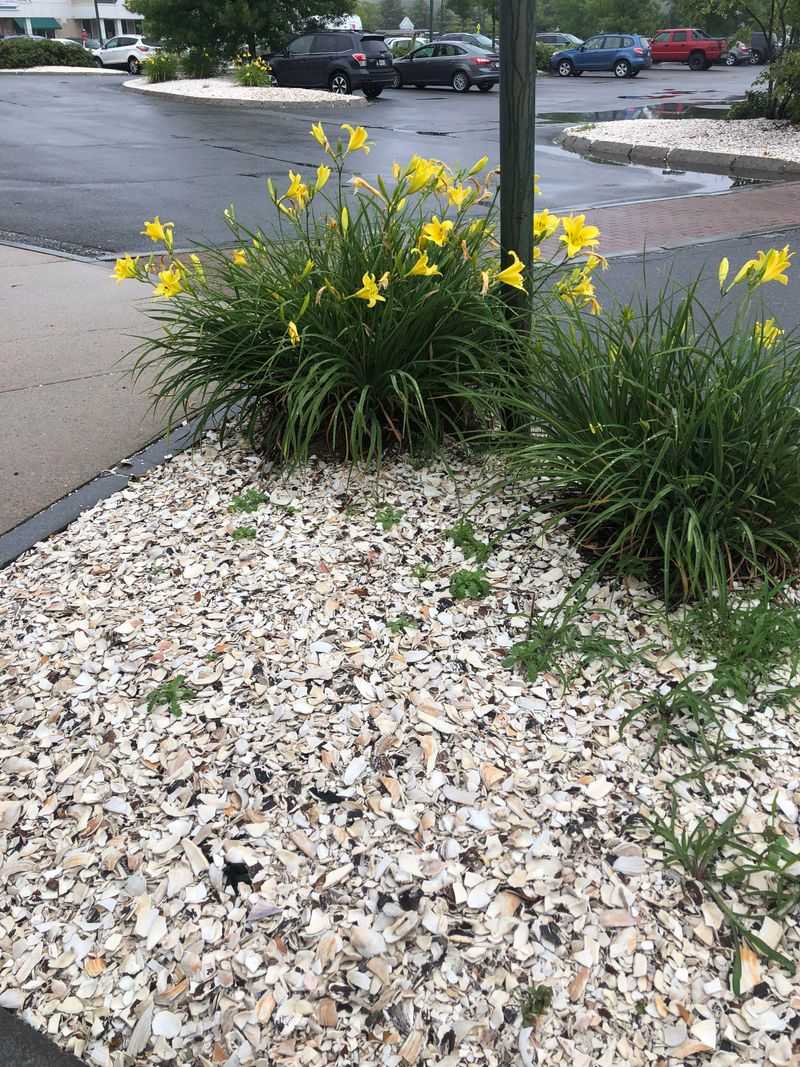
Poor drainage is a common headache for Florida homeowners, especially in coastal areas where sandy soil and heavy rains create muddy, swampy conditions. Shell landscaping solves this problem by creating a porous surface that allows water to flow through quickly while keeping the ground stable and dry.
When rain falls on a shell-covered area, the water drains straight down through the gaps between the shells instead of pooling on the surface or turning the soil into a muddy mess.
This rapid drainage is especially valuable around patios, walkways, and driveways where standing water can become a safety hazard and attract mosquitoes. Shells also prevent soil compaction, which improves the overall health of your yard by allowing air and moisture to reach plant roots more effectively.
In areas prone to flooding or storm runoff, shells act as a natural buffer that slows down water flow and reduces erosion. The textured surface helps break up the force of moving water, protecting your soil and plants from being washed away.
After a storm, yards with shell landscaping dry out faster and are ready to use again much sooner than those covered with mulch or left as bare soil.
This combination of excellent drainage and mud control makes shell landscaping a practical, attractive solution for coastal properties dealing with Florida’s unpredictable weather.
6. Design Styles That Look Amazing With Shell Landscaping
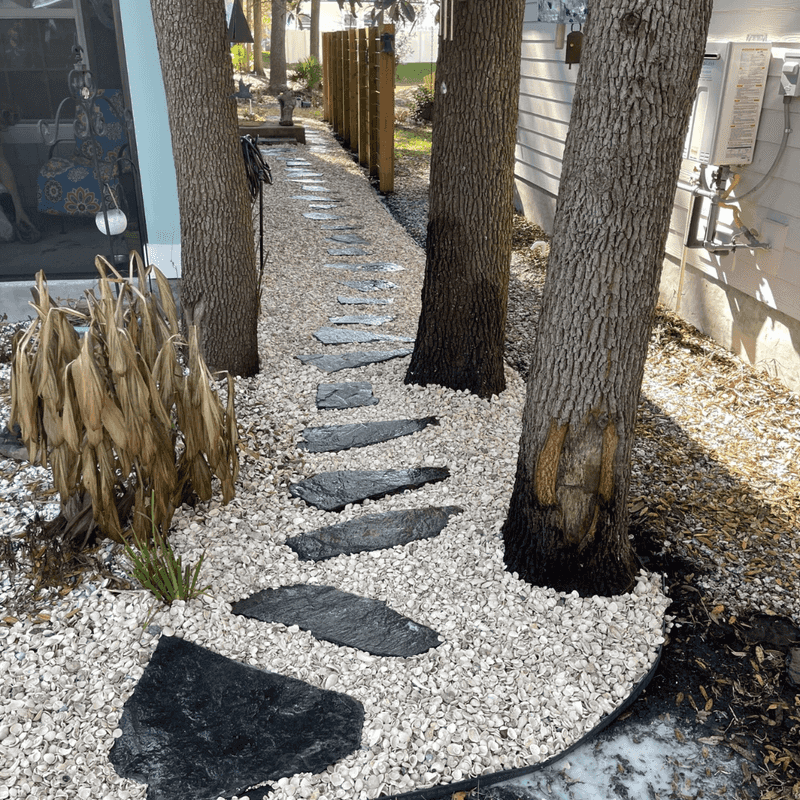
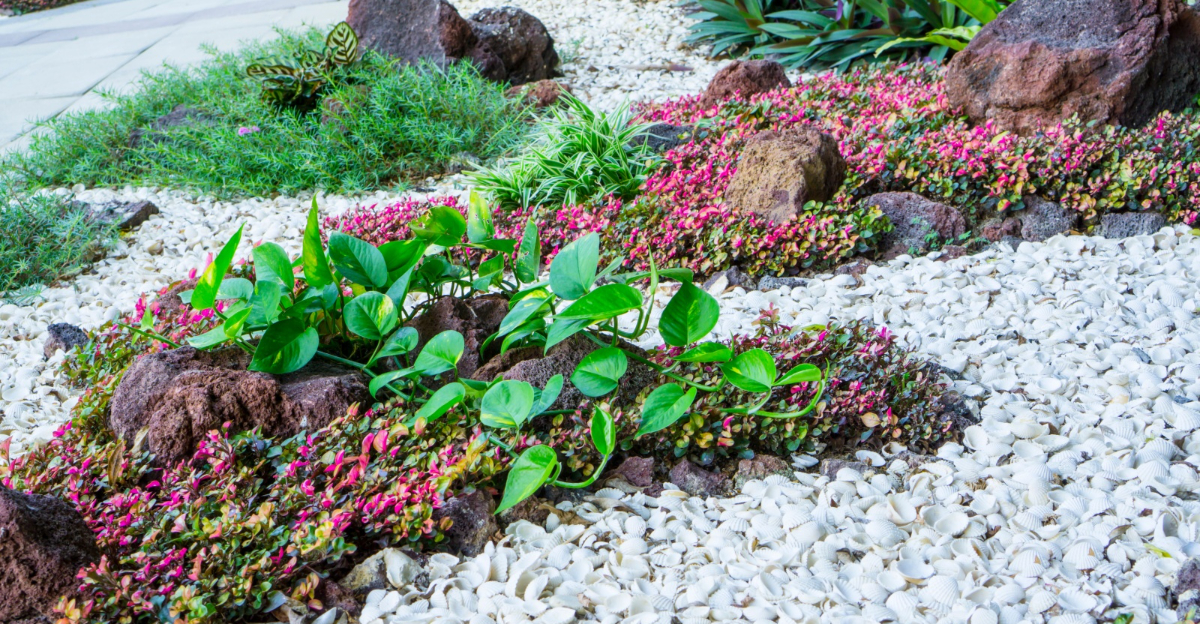
Shell landscaping naturally complements the relaxed, coastal aesthetic that defines Florida waterfront living. White or cream-colored shells create a bright, beachy backdrop that makes tropical plants like hibiscus, bougainvillea, and bird of paradise really pop with color.
Pairing shells with native grasses, sea oats, and palms gives your yard an effortless, natural look that feels right at home near the ocean.
For a more polished, cottage-style design, use shells along curved pathways, around garden beds, and as borders for patios or seating areas. The smooth texture and light color create visual contrast against darker hardscaping materials like pavers or wood decking.
Shells also work beautifully in Mediterranean and tropical modern designs, where clean lines and minimalist plantings benefit from the simplicity and elegance of a shell ground cover.
If you prefer a rustic or natural coastal vibe, mix different shell types and sizes for added texture and visual interest. Larger shells can be used as accents or edging, while finer crushed shells fill in pathways and beds.
Shells pair well with driftwood, coral rock, and other natural elements that reinforce the seaside theme. No matter what style you choose, shell landscaping brings a timeless, breezy charm that enhances your outdoor space and makes it feel like a true coastal retreat.
7. Is Shell Landscaping Worth The Cost? Here’s The Long-Term Value
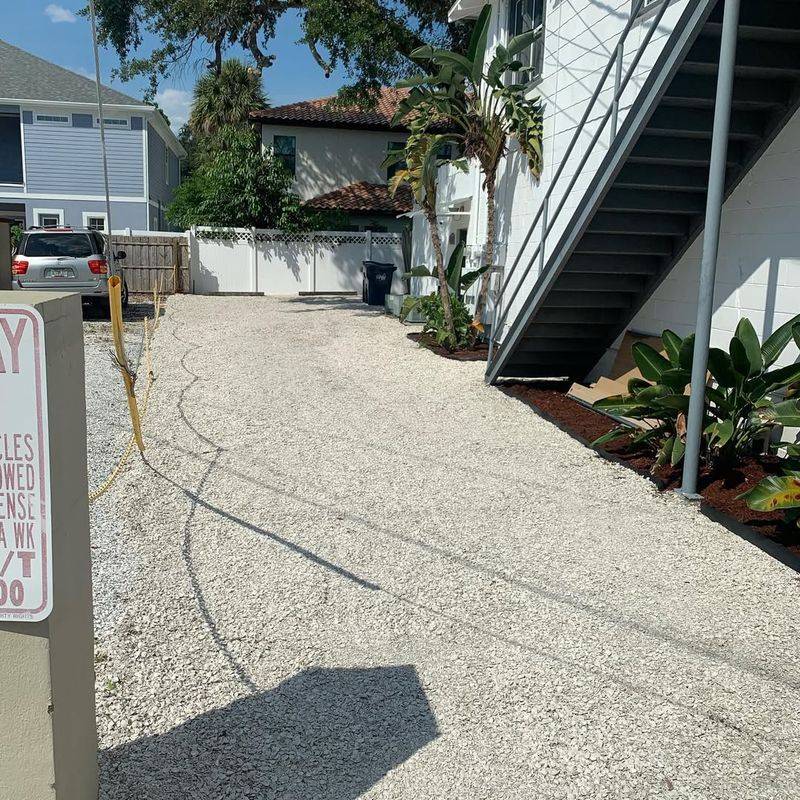
Shell landscaping typically costs more upfront than standard wood mulch and is often comparable to or less expensive than premium decorative stone or gravel, depending on local availability. Prices vary depending on the type and size of shells you choose, with crushed oyster shells usually being the most affordable option.
While the initial investment might be higher than a bag of mulch, the long-term value makes shells a smarter financial choice for coastal homeowners.
Mulch needs to be replaced every one to two years as it decomposes, which means you’re paying for materials and labor repeatedly. Shells, however, commonly last several years and often up to a decade with proper installation without needing full replacement.
You might add a thin top layer every few years to refresh the look, but the base layer remains intact and functional for much longer. This durability translates into significant savings over time.
Compared to decorative rock, shells offer similar longevity but with better drainage and a lighter, more coastal appearance that suits Florida’s waterfront properties. Shells also weigh less than rock, making them easier to transport and spread yourself if you’re tackling a DIY project.
When you factor in reduced maintenance, fewer replacements, and the aesthetic appeal that boosts curb appeal and property value, shell landscaping delivers excellent long-term value that makes the upfront cost well worth it for homeowners who want a beautiful, durable yard.
Homeowners should always use legally sourced recycled or commercially harvested shells. Collecting shells from beaches, dunes, or protected waterways is illegal in many Florida counties and state parks.
8. But Be Careful: These Shell Landscaping Mistakes Can Cost You
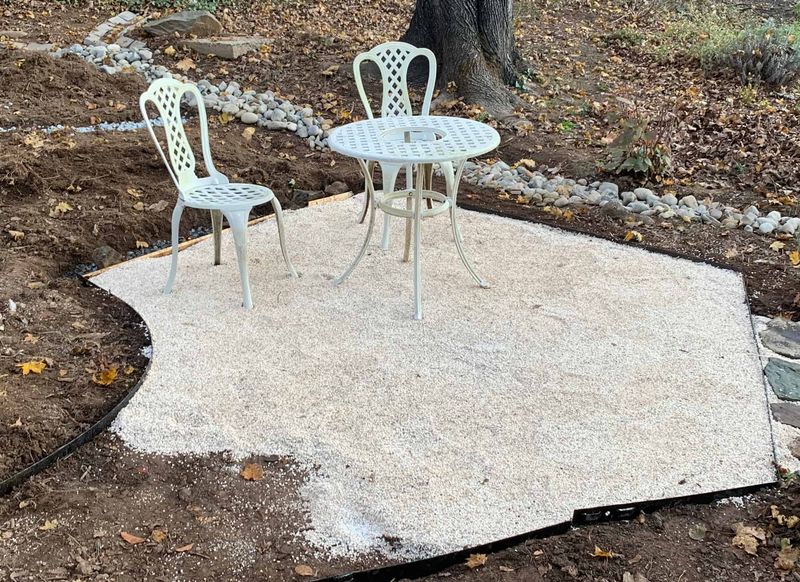
Even though shell landscaping is low maintenance, a few common mistakes can reduce its effectiveness or create extra work down the road. One of the biggest errors is skipping the landscape fabric underneath the shells.
Without this barrier, weeds can push through easily, and shells can sink into the soil over time, requiring you to add more material than necessary. Always lay down quality landscape fabric before spreading your shells for best results.
Another mistake is spreading shells too thin. A layer that’s only an inch deep won’t provide adequate coverage or weed suppression, and it will look patchy as shells settle.
Aim for a depth of two to three inches for optimal performance and appearance. Also, be mindful of where you place shells.
Avoid using them in areas where they might get kicked or tracked into your home, like right next to doorways or high-traffic indoor entry points.
Some homeowners choose shells that are too large or sharp for pathways where people walk barefoot, which can be uncomfortable or even hazardous. Crushed or smaller shells work better for these areas.
Finally, don’t forget to rinse your shells occasionally to keep them looking fresh and bright. Salt buildup and dirt can dull their appearance, but a quick spray with the hose brings back their natural beauty and keeps your coastal landscape looking its absolute best.